العودة إلى الصفحة الرئيسية

كيف نعمل؟

لقد قمنا بتحويل عملية البحث عن العيادة، وجعلناها بسيطة وسريعة وشخصية.
أجب عن بعض الأسئلة املأوا استمارة قصيرة لتخبرونا عن حالتكم الصحية واحتياجاتكم الطبية.
احصل على عروض مخصصة٣ عيادات تم اختيارها بعناية بناءً على إجاباتك، ستقدّم خطط علاج وتقديرات تكلفة مخصصة لك.
اختر الخيار الأفضلقارن بين العروض واختر العيادة الأنسب لك.
يمكنك أيضًا تصفح 7 عيادة أدناه.
820К+ مريضًا حصلوا على المساعدة منذ عام 2014
50 دول
1,500 عيادات
6K+ تقييمات
3K+ طبيب مؤهل

ما هي تكلفة إعادة التأهيل بعد السكتة الدماغية إجراءات التشخيص والعلاج في تايلاند؟ اعرف الآن

Stroke rehabilitation treatment cost in Thailand generally includes a consultation with a neurologist ranging from $100 / 3,400฿ to $200 / 6,800฿ and comprehensive rehabilitation programs from $2,500 / 85,000฿ to $6,000 / 204,000฿. Total expenses depend on the program duration, care type, and specific technologies used. Patients typically save 40-70% compared to the US. Top cities for recovery include Bangkok, Samut Prakan, and Pattaya.

Typical Stroke Rehabilitation Treatment Costs in Thailand

  • Consultation with a neurologist: $100 / 3,400฿ – $200 / 6,800฿
  • Comprehensive rehabilitation: $2,500 / 85,000฿ – $6,000 / 204,000฿
  • Inpatient rehabilitation: $2,200 / 74,800฿ – $4,800 / 163,200฿
  • Physiotherapy: $300 / 10,200฿ – $700 / 23,800฿
  • Rehabilitation with Lokomat: $3,500 / 119,000฿ – $6,500 / 221,000฿
  • Rehabilitation with exoskeleton: $3,500 / 119,000฿ – $6,500 / 221,000฿
  • Rehabilitation on the verticalizer: السعر عند الطلب
  • Bobath therapy: $1,500 / 51,000฿ – $3,000 / 102,000฿
  • Snoezelen therapy: $300 / 10,200฿ – $600 / 20,400฿
  • Gross therapy: $1,000 / 34,000฿ – $2,000 / 68,000฿

Bookimed Expert Insight: Patients seeking high recovery rates should prioritize specialized centers like Kin Origin Rehab Center. This facility reports a 95.9% significant recovery rate within three months for stroke patients. For those requiring advanced robotic assistance, JCI-accredited Bumrungrad International Hospital offers world-class neurorehabilitation technologies. Integrative approaches at Panacee Hospital Rama 2 combine modern medical care with vitamin therapy for holistic cellular recovery.

تايلاندتركياإسبانيا
علاج غروسمن $1,000 / 34,000฿من $300 / 10,200฿من $1,000 / 34,000฿
علاج سنوزلنمن $300 / 10,200฿من $200 / 6,800฿من $350 / 11,900฿
علاج بوباث الطبيعيمن $1,500 / 51,000฿من $800 / 27,200฿من $600 / 20,400฿
العلاج الطبيعيمن $300 / 10,200฿من $50 / 1,700฿من $300 / 10,200฿
العلاج التأهيلي بواسطة جهاز لوكومات (Lokomat)من $3,500 / 119,000฿من $2,000 / 68,000฿من $2,500 / 85,000฿
تم التحقق من البيانات بواسطة Bookimed اعتبارًا من July 2026، استنادًا إلى طلبات المرضى والعروض الرسمية من 55 عيادة حول العالم. تستند التكاليف المتوسطة إلى الفواتير الحقيقية (2025–2026) ويتم تحديثها شهريًا. قد تختلف الأسعار الفعلية.

اكتشف أفضل إعادة التأهيل بعد السكتة الدماغية العيادات في تايلاند: 7 خيارات معتمدة والأسعار

تم تصنيف العيادات بواسطة نظام Bookimed الذكي، باستخدام تحليل علوم البيانات عبر 5 معايير رئيسية.
مركز سانبيتي لإعادة التأهيل
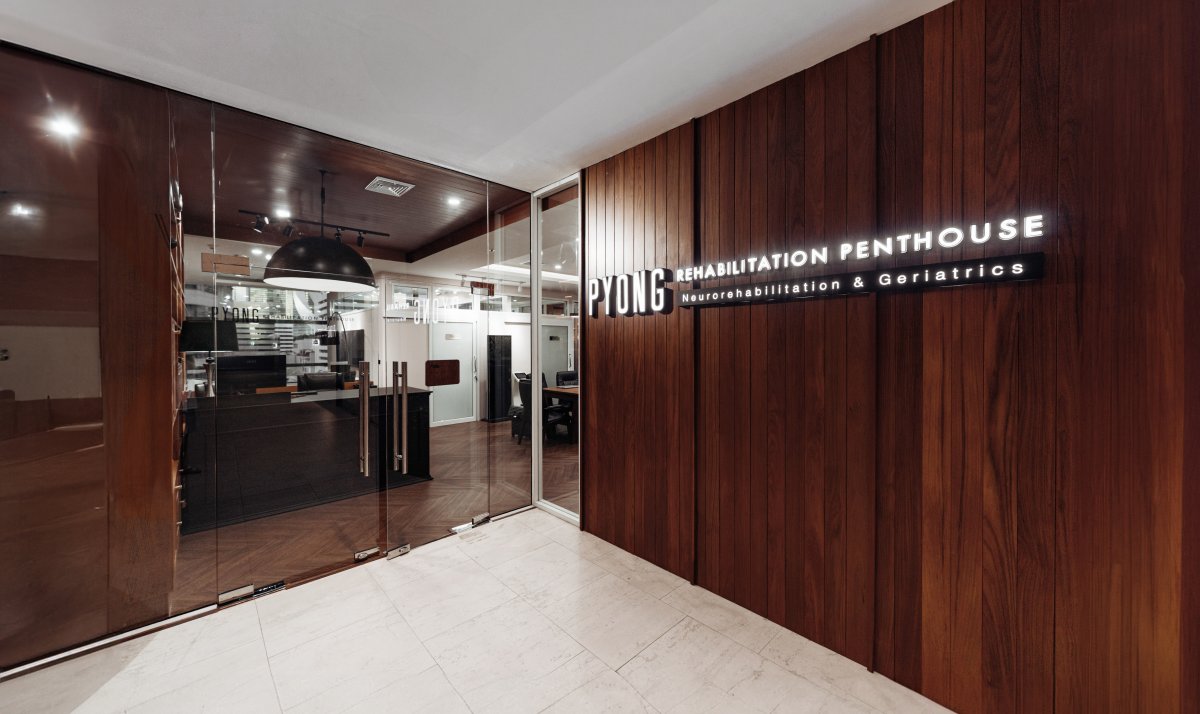
PYONG Rehabilitation Group
مستشفى PMG
LUX KOR Hospital
Bumrungrad International Hospital

احصل على تقييم طبي لـ في تايلاند. استشر الآن 6 أطباء ذوي الخبرة.

عرض جميع الأطباء
يؤكد

Songpoj Tanprasert

24سنة خبره ١٦ سنة

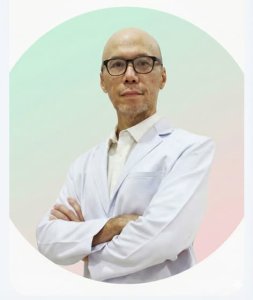
الدكتور Songpoj Tanprasert متخصص في الطب الفيزيائي وإعادة التأهيل (PM&R). يحمل درجة دكتور في الطب (M.D.)، وأكمل تدريبًا رسميًا في طب التأهيل. لديه خبرة واسعة في إعادة التأهيل لكلٍ من المرضى المقيمين ومرضى العيادات الخارجية.

تشمل خبراته تأهيل ما بعد السكتة الدماغية، والألم المزمن، وإصابات الرياضيين، واضطرابات العمود الفقري. يضع خطط تأهيل فردية قائمة على الأدلة. يركز على علاج الألم غير الجراحي والتمارين العلاجية، ويعمل مع أخصائيي العلاج الطبيعي والعلاج الوظيفي لتحسين الأداء الوظيفي.

يؤكد

Kasama Wiroskoolchai

11سنة خبره ١٦ سنة

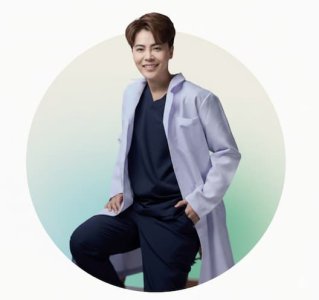
Dr. Kasama Wiroskoolchai is a wellness specialist at Mali Interdisciplinary Hospital in Bangkok. Dr. Wiroskoolchai focuses on combining conventional and precision medicine to treat chronic conditions. The doctor manages non-communicable diseases like type 1 and type 2 diabetes. This approach aims to improve quality of life and longevity through restorative care.

  • Specializes in pharmacopuncture and rehabilitation after stroke or traumatic brain injury.
  • Treats autoimmune conditions, including rheumatoid arthritis and autoimmune hepatitis.
  • Works at a facility accredited by the GHA and AACI for international patient safety.
  • Uses regenerative techniques to help tissue repair and prevent disease complications.
يؤكد

Kultinee Klinpoon

12سنة خبره ١٦ سنة • تم تنفيذ 5000+ علاجات

Dr. Kultinee Klinpoon is a physical therapist and the founder of Sanpiti Rehabilitation Center in Bangkok. She has performed over 5,000 procedures throughout her career. She specializes in stroke recovery, cerebral palsy, and traumatic brain injury rehab. Dr. Klinpoon graduated from Mahidol University. She previously served as a National Team physical therapist for Thailand.

  • Expert in the "Intensive Active Rehabilitation" method for neurological recovery.
  • Treats stroke patients during the critical three-to-six-month recovery period.
  • Performs specialized treatments like Bobath therapy and occupational therapy.
  • Works at Sanpiti, a clinic licensed by the Thai Ministry of Health.
يؤكد

Pichayanith Sroysuwan

8سنة خبره ١٦ سنة • تم تنفيذ 63190+ علاجات

الدكتور Pichayanith Sroysuwan، M.D.، M.Sc. (طب مكافحة الشيخوخة والطب التجديدي، 2023–حتى الآن)، طبيب مُدرَّب في طب التأهيل. يختص في طب نمط الحياة، ومكافحة الشيخوخة، والطب التجديدي، والطب الشخصي. يعمل في Foresta & Morning، وCplus Private Hospital، وUMC Wellness، وWIH Hospital، وEden/Wellu.

الاعتمادات: المجلس الأمريكي لطب مكافحة الشيخوخة والطب التجديدي (ABAARM، 2024) والمجلس الأمريكي لجراحة الليزر (ABLS Renovia، 2024). يشمل التدريب المتقدّم: الجلدية التجميلية والطب التجديدي (Mae Fah Luang، 2022)، العلاج التطبيقي بالخلايا الجذعية (2022)، العلاج بالخلب (2023)، العلاج بالليزر عالي الكثافة (2019–2021)، علاج NAD+ (معتمد 2023)، وتحرير اللفافة العضلية (AHG).

الخبرات: إقامة في طب التأهيل وممارسة طبية في مستشفى Srinagarind، جامعة Khon Kaen (2019–2022). مستشار طبّ عن بُعد لدى Raksa/Doctor Anywhere (2020–2022). مساهم في برامج كوفيد-19 ThaiRod وCOM COVID (الكلية الملكية لأطباء الأسرة). رئيس خدمات توصيل الأدوية. مثقّف صحي ومُيسّر.

مشاركة المحتوى

Twitter XLinkedinFacebookWhatsAppEmail
أحصل على الرابط

قصص فيديو من مرضى Bookimed

Dayana
جمعت بين إجازتي في أنطاليا والفحص الطبي.
إجراء: فحص صحة الإناث (انظر فحص النساء)
Igor
كان رائعاً! التنقلات والإقامة والعلاج - كل شيء مشمول.
إجراء: زرع الأسنان
مستشفى: WestDent Clinic
Marina
قام Bookimed بكل شيء من أجلي. لم أضطر للقلق بشأن أي شيء.
إجراء: فحص صحة الإناث (انظر فحص النساء)
مستشفى: Severance Hospital
محدث: 03/23/2026
تأليف
Anna Leonova
Anna Leonova
رئيس فريق تسويق المحتوى
محررة طبية معتمدة لديها خبرة تزيد عن 10 سنوات، طوّرت محتوى Bookimed الموثوق، مدعومة بماجستير في علم اللغة ومقابلات مع خبراء طبيين من جميع أنحاء العالم.
تمت المراجعة من قبل المستشار الطبي في Bookimed
فهد مولود
محرر طبي وعالم بيانات
طبيب عام. حاصل على 4 جوائز علمية. خدم في غرب آسيا. رئيس الفريق الطبي الناطق بالعربية سابقا ومسؤول عن معالجة البيانات ودقة المحتوى الطبي حاليا.
فهد مولود Linkedin
قد تحتوي هذه الصفحة على معلومات تتعلق بمختلف الحالات الطبية والعلاجات وخدمات الرعاية الصحية المتوفرة في بلدان مختلفة. يرجى العلم أن المحتوى مقدم لأغراض إعلامية فقط ولا ينبغي تفسيره على أنه نصيحة أو إرشادات طبية. يرجى استشارة طبيبك أو أخصائي طبي مؤهل قبل البدء أو تغيير العلاج الطبي.

أسئلة متكررة حول علاج إعادة التأهيل بعد السكتة الدماغية في تايلاند

هذه الأسئلة الشائعة مأخوذة من مرضى حقيقيين يبحثون عن رعاية طبية عبر Bookimed. يتم تقديم الإجابات من قبل منسقين طبيين ذوي خبرة وممثلين موثوقين من العيادات.

ما أنواع العلاجات المدرجة في برامج إعادة التأهيل بعد السكتة الدماغية في تايلاند؟

تدمج إعادة التأهيل بعد السكتة الدماغية في تايلاند العلاج الطبيعي، والعلاج الوظيفي، وعلاج النطق مع الروبوتات المتقدمة مثل أنظمة Lokomat والهياكل الخارجية. تستخدم المرافق المعتمدة في بانكوك التحفيز المغناطيسي عبر الجمجمة والتدريب المعرفي القائم على الواقع الافتراضي لاستعادة المهارات الحركية. تقدم هذه البرامج متعددة التخصصات خطط تعافي مكثفة من 30 إلى 90 يوماً في بيئات معتمدة من اللجنة الدولية المشتركة (JCI) أو AACI.

  • التدريب على المشي الروبوتي: تساعد أنظمة Lokomat والهياكل الخارجية المرضى على إعادة تعلم أنماط المشي الطبيعية.
  • علاج التعديل العصبي: يساعد التحفيز المغناطيسي عبر الجمجمة (TMS) في تحفيز مناطق الدماغ لتحسين التعافي الحركي.
  • إعادة التأهيل المعرفي: يعالج العلاج القائم على الواقع الافتراضي وغرف Snoezelen المعالجة الحسية والضعف الإدراكي.
  • تقنيات متخصصة: تشمل البرامج علاج بوبا (Bobath)، وتحرير اللفافة العضلية، والتحفيز الكهربائي العصبي العضلي للحركة.

رؤية خبراء Bookimed: تتحول العيادات التايلاندية مثل مركز سانبيتي لإعادة التأهيل من التمريض السلبي إلى التعافي النشط المكثف. تظهر بياناتنا نتائج ناجحة للمرضى الذين يبدأون برامج مكثفة من 3 جلسات يومية خلال "الفترة الذهبية"، أي الأشهر الثلاثة إلى الستة الأولى بعد السكتة الدماغية. الإقامة في أجنحة خاصة في الموقع تمنع أيضاً انقطاع العلاج الشائع في الرعاية الخارجية.

إجماع المرضى: يلاحظ المرضى أنه من المفيد عندما تشمل المراكز تدريب الأسرة حتى يتمكن الأقارب من الاستمرار في دعم التعافي في المنزل. يقدر الكثيرون العيادات التي توفر رعاية تمريضية على مدار 24 ساعة إلى جانب جلسات العلاج اليومية المكثفة.

ما هي الفترة الزمنية المثالية (الفترة الذهبية) لبدء إعادة التأهيل المكثف بعد السكتة الدماغية في تايلاند؟

الفترة الذهبية المثالية لإعادة التأهيل بعد السكتة الدماغية في تايلاند هي خلال الأشهر الثلاثة إلى الستة الأولى بعد السكتة. تصل المرونة العصبية للدماغ إلى ذروتها خلال الأيام التسعين الأولى. يوصي الأخصائيون التايلانديون ببدء العلاج المكثف في غضون 7 إلى 14 يوماً بعد الخروج من المستشفى لتعظيم إمكانات التعافي.

  • نافذة التعافي القصوى: عادة ما تحدث أعلى المكاسب الوظيفية خلال الأيام التسعين الأولى.
  • الجراحة العصبية البلاستيكية: قد يؤدي تأخير العلاج إلى تقليل إمكانات التعافي بنسبة 4% إلى 6% أسبوعياً.
  • هدف العلاج المكثف: غالباً ما تتضمن البرامج 3 جلسات يومية لاستخدام فلسفة إعادة التأهيل النشط.
  • الاعتماد السريري: تحمل مراكز متخصصة مثل مركز سانبيتي لإعادة التأهيل اعتماد AACI للسلامة.

رؤية خبراء Bookimed: غالباً ما تربط العيادات التايلاندية ضمانات النتائج بباقات مكثفة مدتها 90 يوماً لضمان وصول المرضى إلى معالم وظيفية محددة. يقدم مركز سانبيتي لإعادة التأهيل، وهو جزء من شبكة تضم 9 فروع، هذه الإقامات الممتدة بحوالي 6500 دولار. هذا خيار استراتيجي لأن الرعاية الداخلية تقضي على فقدان الزخم الذي يظهر غالباً في الجدولة الخارجية.

إجماع المرضى: يؤكد المرضى أن تدريب الأسرة أمر حيوي لأن تعلم تقنيات التمارين في وقت مبكر يؤثر بشكل مباشر على التقدم طويل الأمد. يلاحظ الكثيرون أنه على الرغم من أن الاستقرار الطبي له الأولوية، فإن البدء بمجرد أن يؤكد فريق السكتة الدماغية السلامة يمنع الندم لاحقاً.

ما هي المستشفيات أو المراكز التي تعتبر أفضل الخيارات لإعادة التأهيل المتخصص بعد السكتة الدماغية في تايلاند؟

تشمل أفضل خيارات إعادة التأهيل بعد السكتة الدماغية في تايلاند مركز سانبيتي لإعادة التأهيل، ومجموعة بيونغ لإعادة التأهيل، ومستشفى بامرونجراد الدولي. توفر هذه المراكز المعتمدة من قبل JCI أو AACI جلسات يومية مكثفة. وهي تستخدم تقنيات متقدمة مثل التحفيز المغناطيسي عبر الجمجمة (TMS) وتدريب المشي الروبوتي لتحسين القدرة على الحركة والتعافي العصبي للمرضى.

  • شبكة متخصصة: تدير سانبيتي 9 فروع في بانكوك تركز على التعافي العصبي المكثف.
  • التكنولوجيا المتقدمة: توفر بيونغ لإعادة التأهيل تدريباً على المشي الروبوتي وجلسات علاج معرفي قائمة على الواقع الافتراضي.
  • النتائج السريرية: يبلغ مركز إعادة التأهيل كين أوريجين عن معدل نجاح بنسبة 95.9% للخروج إلى المنزل.
  • إشراف الخبراء: يتمتع الدكتور شاكارغ بونغورغسورن في بامرونجراد بأكثر من 20 عاماً من الخبرة في إعادة التأهيل العصبي.

رؤية خبير Bookimed: في حين توفر المستشفيات الكبيرة مثل بامرونجراد بنية تحتية هائلة، توفر المراكز المتخصصة مثل سانبيتي قيمة أفضل للإقامات الطويلة. تُظهر بياناتنا أن سانبيتي تقدم باقات شاملة لمدة 30 يوماً تتراوح بين 1850 دولاراً و2550 دولاراً. تشمل هذه الأجنحة الخاصة و3 جلسات يومية. وهذا أكثر فعالية من حيث التكلفة للفترة الذهبية الحاسمة البالغة 90 يوماً مقارنة بأسعار المستشفيات القياسية.

إجماع المرضى: يشير المرضى إلى أن وجود فريق متعدد التخصصات في موقع واحد أمر حيوي للتقدم المستمر. ويؤكد الكثيرون أن اختيار الرعاية الداخلية بدلاً من العلاج الخارجي يؤدي إلى نتائج تعافٍ أسرع بشكل ملحوظ.

ما هي المكونات المضمنة عادةً في باقات إعادة التأهيل الشاملة للسكتة الدماغية للسياح الطبيين؟

تجمع باقات إعادة التأهيل الشاملة للسكتة الدماغية في تايلاند عادةً بين العلاج المكثف واستشارات الأخصائيين والإقامة في الموقع. تتضمن معظم البرامج 3 جلسات يومية على الأقل من العلاج الطبيعي أو العلاج الوظيفي أو علاج النطق. تغطي الباقات غالباً رعاية تمريضية على مدار 24 ساعة، وخطط وجبات بإشراف اختصاصيي تغذية، وتحاليل دم تشخيصية داخل منشآت معتمدة من اللجنة الدولية المشتركة (JCI).

  • العلاج اليومي: تحدد الباقات عادةً 3 جلسات يومية أو 28 جلسة شهرياً.
  • إشراف الأخصائيين: تعتبر الاستشارات الأولية والأسبوعية مع أطباء الأعصاب وأطباء إعادة التأهيل أمراً معيارياً.
  • خدمات الدعم: تتضمن معظم العروض المكثفة رعاية تمريضية على مدار 24 ساعة ودعماً تغذوياً سريرياً.
  • المراقبة التشخيصية: عادة ما يتم تضمين تحاليل الدم الشاملة والإدارة الطبية لمضادات التخثر في الباقة.

رؤية خبير Bookimed: تُظهر البيانات فرقاً كبيراً بين الإقامات القائمة على الفنادق والمراكز السريرية مثل مركز كين أوريجين لإعادة التأهيل (Kin Origin Rehab). تشير تقارير Kin Origin إلى أن 95.9% من المرضى يعودون إلى منازلهم في غضون 90 يوماً. يوفر اختيار باقات الـ 30 يوماً في المراكز المعتمدة نسبة أعلى من وقت المعالج لكل مريض مقارنة بمنتجعات العافية الأساسية.

إجماع المرضى: يشير المرضى إلى أن التدريب لمقدمي الرعاية من العائلة غالباً ما يكون الجزء الأكثر قيمة في الباقة. يقترحون التأكد من الدقائق الدقيقة للعلاج الطبيعي مقابل العلاج الوظيفي قبل الوصول لضمان تحقيق أهداف التعافي.
What types of facilities provide stroke rehabilitation in Thailand?

Stroke rehabilitation in Thailand is available at several types of facilities. These include JCI-accredited international hospitals, specialised intensive recovery centres, and private neurorehabilitation clinics. These facilities offer multidisciplinary care including robotic gait training, transcranial magnetic stimulation, and high-intensity physical therapy. Bangkok serves as the primary hub for these neurological services.

  • International hospitals: Large centres like Bumrungrad International provide JCI-accredited stroke care with 1,300+ doctors.
  • Specialised rehab centres: Facilities such as Sanpiti Rehabilitation Center focus on intensive active recovery.
  • Neuro-clinics: Centres like PYONG Rehabilitation offer robotic gait training and VR-based cognitive therapy.
  • Dedicated recovery homes: KIN Origin focuses exclusively on stroke with a 95.9% home-return rate.

Bookimed Expert Insight: Thai facilities often offer distinct tiered packages based on recovery stages. Premium hospitals provide acute care. In contrast, specialist centres like Sanpiti offer 90-day golden period programs for approximately A$9,000. These include intensive therapy sessions three times daily. This frequency is significantly higher than standard hospital protocols.

Patient Consensus: Patients highlight that high-intensity therapy during the first six months is critical for recovery. They recommend verifying private transport and wheelchair access in Thailand before arriving for treatment.

What therapies and technologies are included in stroke rehabilitation in Thailand?

Stroke rehabilitation in Thailand incorporates robotic gait training, transcranial magnetic stimulation (TMS), and intensive physiotherapy. Clinics use the Lokomat system and exoskeletons to restore mobility. Multidisciplinary teams provide Bobath therapy and occupational therapy with specialised devices for comprehensive neurological recovery.

  • Robotic assistance: Systems like Lokomat and Erigo verticalizers facilitate early mobilisation and gait training.
  • Nerve stimulation: TMS targets brain areas to improve motor function and speed up recovery.
  • Cognitive therapy: Virtual reality-based sessions and Snoezelen therapy address sensory and cognitive deficits.
  • Adaptive technology: Devices such as the Head computer mouse help patients regain digital independence.

Bookimed Expert Insight: While many centres offer physical therapy, the most effective 90-day recovery programs in Bangkok include family training sessions. For example, Sanpiti Rehabilitation Center integrates family education into their AACI-accredited protocols. This approach ensures long-term success as caregivers learn to support recovery once the patient returns home.

Patient Consensus: Patients note that high-intensity protocols with 3 daily therapy hours are vital for progress in Thailand. Many suggest choosing facilities with on-site accommodation due to local wheelchair accessibility challenges.

How long do I need to stay for stroke rehabilitation treatment in Thailand?

Stroke rehabilitation in Thailand typically requires thirty days for inpatient care to achieve functional goals. Stay durations range from fourteen days for mild cases to ninety days for intensive programs. Most specialised centres focus on the six-month golden period, when neural recovery is most responsive to therapy.

  • Clinical timeframe: Average inpatient stays last around thirty days for comprehensive neurological recovery.
  • Golden period: Treatment is most effective within three to six months after the stroke occurs.
  • Daily intensity: Standard sessions include three hours of active therapy involving physical and occupational specialists.
  • Package options: Centres like Sanpiti Rehabilitation Center offer structured fourteen or ninety-day inpatient stays.

Bookimed Expert Insight: Many centres offer thirty-day programs. However, the ninety-five per cent success rate reported for patients returning home depends on early intervention. Kin Origin Rehab Center data shows that staying within the golden period significantly boosts recovery outcomes. Some packages now include family training, which is vital for maintaining progress once patients return to Australia.

Patient Consensus: Patients in Thailand find that inpatient care provides faster progress than home-based therapy. They emphasise that major recovery happens in the first six months. However, completing at least thirty sessions of intensive therapy ensures steady, incremental gains in mobility. This often includes hyperbaric oxygen or robotic training.

Will my international insurance cover stroke rehabilitation in Thailand?

International insurance coverage for stroke rehabilitation in Thailand depends on the policy. It must include global inpatient rehabilitation. Many standard plans only cover emergency stabilisation. Long-term recovery at JCI-accredited facilities such as Bumrungrad International Hospital usually requires comprehensive international health insurance. Otherwise, patients pay out of pocket.

  • Coverage limits: Most standard travel insurance policies exclude pre-existing conditions and long-term outpatient rehabilitation.
  • Accreditation matters: Insurers are more likely to approve claims for JCI or AACI accredited centres like Sanpiti.
  • Pre-approval requirement: Patients must secure insurer authorisation before starting intensive programs or robotic gait training.
  • Direct billing: Major Bangkok hospitals often have direct billing agreements with international insurance providers.

Bookimed Expert Insight: A 90-day intensive stroke recovery program in Bangkok may cost about A$9,000. However, insurance often only covers the first 14 days of acute care. Patients should look for packages that include family training. Centres like Sanpiti Rehabilitation Center specialise in teaching relatives how to continue care at home once insurance coverage ends.

Patient Consensus: Patients note that facilities in Thailand offer high success rates. Nearly 96% of stroke patients at some centres return home within 3 months. Many patients emphasise that international plans often have age caps near 70. So confirming coverage for older relatives is essential before travel.

Are family members allowed to stay with the patient during stroke rehabilitation in Thailand?

Family members are generally allowed and encouraged to stay with patients undergoing stroke rehabilitation in Thailand. Thai medical culture focuses on family-integrated recovery. Most centres provide family training and orientation programmes. Private suites often accommodate relatives to support long-term care goals.

  • Family training: programmes such as those at Sanpiti include integrated caregiver education.
  • Private suites: facilities often provide VIP rooms that allow family members to stay.
  • Accreditation standards: leading centres hold AACI or JCI accreditation for high-quality family involvement.
  • Intensive support: clinics typically offer 2–3 daily therapy sessions involving family participation.

Bookimed Expert Insight: While many basic rehab packages focus only on clinical sessions, premium 30-day suites in Bangkok often include nutritionist-led meals for the patient. A specific pattern in Thai rehabilitation is the 'Golden Period' focus. Centres like Sanpiti Rehabilitation Center structure 90-day programmes around family training and advanced technology. They use treatments like Transcranial Magnetic Stimulation (TMS) to maximise recovery when family support is most vital.

Patient Consensus: Patients note that daily therapy sessions are often short. So family presence is essential to keep motivation high. Thai culture strongly prefers home-based care for the elderly. This means rehabilitation teams prioritise teaching relatives practical nursing skills and exercises for use after discharge.

احصل على استشارة مجانية

حدد أفضل طريقة للاتصال بك