علاج اللطخة البيضاء مجهولة السبب في المثانة في إسرائيل: 5 مستشفيات


تمت مراجعة المقالة طبيا من قبل
فهد مولود
كيف نعمل؟
ما هي تكلفة اللطخة البيضاء مجهولة السبب في المثانة إجراءات التشخيص والعلاج في إسرائيل؟ اعرف الآن
اكتشف أفضل اللطخة البيضاء مجهولة السبب في المثانة العيادات في إسرائيل: 5 خيارات معتمدة والأسعار











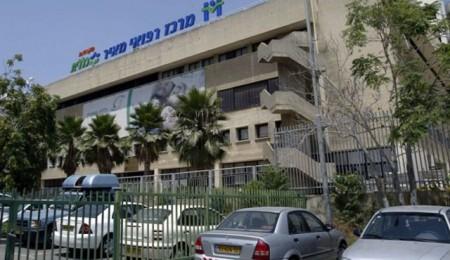
Meir Medical Center
احصل على تقييم طبي لـ في إسرائيل. استشر الآن 9 أطباء ذوي الخبرة.
عرض جميع الأطباء
Yariv Shtabholtz

Jacob Ben-chaim
الدكتور بن حاييم هو رئيس قسم جراحة المسالك البولية للأطفال وجراح حائز على جوائز يعالج الاحتياجات المسالك البولية للأطفال في مركز سوراسكي الطبي.
- متخصص في جراحة المسالك البولية للأطفال مع خبرة سريرية وجراحية واسعة
- تدرب كزميل باحث في مستشفى جونز هوبكنز في الولايات المتحدة الأمريكية
- يشغل مناصب قيادية رئيسية، بما في ذلك رئيس اتحاد جراحة المسالك البولية للأطفال في إسرائيل
- حصل على جائزة لأفضل دراسة حول رأب الحويضة بالمنظار لدى الأطفال
- معتمد من قبل ECFMG وعضو في الجمعية الأمريكية لجراحة المسالك البولية

Haim Matskin
يرأس البروفيسور حاييم ماتسكين قسم المسالك البولية في مركز سوراسكي الطبي، وهو متخصص في طب الأورام البولي باستخدام تقنيات متقدمة مثل العلاج الإشعاعي الموضعي (براكيثيرابي) والعلاج بالتبريد.
- سلطة معترف بها في العلاج الإشعاعي الموضعي والعلاج بالتبريد لحالات المثانة
- رئيس قسم المسالك البولية في مركز سوراسكي الطبي - أحد المستشفيات الإسرائيلية الرائدة
- عضو في جمعيات المسالك البولية الأوروبية والأمريكية والإسرائيلية

Garuz Osnat
الدكتور غاروز أوسنات هو أستاذ ومتخصص في طب المسالك البولية النسائية - وهو تخصص دقيق يعالج مباشرة حالات مثل طلاوة المثانة. تدرب في مركز سوراسكي الطبي (إيخيلوف) وأجرى أبحاثاً سريرية في نيويورك.
- حاصل على درجة الدكتوراه في العلوم الطبية (MD, PhD).
- تخرج بمرتبة الشرف من كلية ساكلر للطب بجامعة تل أبيب.
- عمل كطبيب أول في أمراض النساء في مستشفى ليس للولادة.
- يعمل حالياً أستاذاً سريرياً في كلية الطب بجامعة تل أبيب.
- عضو في قسم التوليد وأمراض النساء في عيادة سوراسكي.
مشاركة المحتوى
قصص فيديو من مرضى Bookimed
 Anna Leonova
أسئلة متكررة حول علاج اللطخة البيضاء مجهولة السبب في المثانة في إسرائيل
هل يعتبر طلاوة المثانة حالة ما قبل سرطانية؟
تعد طلاوة المثانة حالة ما قبل سرطانية تتطلب اليقظة. تحدث عندما تتحول بطانة المثانة الطبيعية إلى خلايا حرشفية متصلبة. تشير مراكز الأورام الإسرائيلية إلى أن ما يقرب من 15% إلى 20% من الحالات تتطور إلى سرطان. يعد تنظير المثانة والخزعة المنتظمان أمرًا حيويًا للمراقبة.
- التحول الخبيث: يتطور ما يقرب من 15% إلى 20% من الحالات المشخصة إلى سرطان الخلايا الحرشفية.
- الخباثة المصاحبة: قد يكون السرطان موجودًا عند التشخيص لدى 10% إلى 20% من المرضى.
- معيار التشخيص: يعد تنظير المثانة والخزعة ضروريين لتأكيد التشخيص واستبعاد السرطان.
- الإزالة الجراحية: تعمل إجراءات مثل استئصال المثانة عبر الإحليل (TUR) أو الكي بالليزر على إزالة الأنسجة المصابة.
رؤية خبير Bookimed: توفر المرافق الإسرائيلية مثل مركز سوراسكي الطبي وأسوتا خبرة متخصصة في طب الأورام المسالك البولية لهذه الحالة. بينما تتعامل العديد من العيادات العامة مع الالتهابات، تجري هذه المراكز أكثر من 90,000 عملية جراحية سنويًا مجتمعة. يتخصص الدكتور ماريو سوفر في سوراسكي تحديدًا في طب المسالك البولية الداخلي وطب أورام المسالك البولية. يضمن هذا الحجم الكبير من الحالات المتخصصة إدارة التغيرات ما قبل السرطانية بدقة جراحية. يوفر البحث عن مستشفى تابع لجامعة مثل هداسا الوصول إلى فرق متعددة التخصصات معتادة على تحولات المثانة النادرة.
إجماع المرضى: يؤكد المرضى على الارتياح الناتج عن الحصول على تشخيص واضح من خلال الخزعة بعد أشهر من الأعراض المشابهة لالتهاب المسالك البولية. ويشيرون إلى أن المتابع
ما هي خيارات العلاج الرئيسية لطلاوة المثانة في العيادات الإسرائيلية؟
تعالج العيادات الإسرائيلية طلاوة المثانة باستخدام الجراحة طفيفة التوغل والعلاجات الدوائية. يعطي المتخصصون الأولوية لاستئصال المثانة عبر الإحليل والاستئصال بالليزر لإزالة الأنسجة بفعالية. تستخدم هذه الطرق مناظير لتجنب الشقوق الخارجية. توفر المراكز المعتمدة من قبل JCI في تل أبيب والقدس رعاية متقدمة للحالات المستمرة.
- الإزالة الجراحية: يقوم استئصال المثانة عبر الإحليل بإزالة الأنسجة المصابة من خلال الإحليل.
- الاستئصال بالليزر: توفر ليزرات الهولميوم إزالة دقيقة مع مخاطر نزيف ضئيلة.
- العلاج داخل المثانة: تقوم العيادات بتقطير حمض الهيالورونيك مباشرة في المثانة.
- الأنظمة الروبوتية: يستخدم الجراحون روبوتات دافنشي لإجراءات المسالك البولية عالية الدقة.
رؤية خبير Bookimed: تعمل أقسام المسالك البولية الإسرائيلية على نطاق واسع للغاية. يقوم مركز سوراسكي الطبي وحده بإجراء 34,000 عملية جراحية سنويًا. يسمح هذا الحجم الكبير لأطباء مثل الدكتور ماريو سوفر بالتخصص بعمق في جراحة المسالك البولية بالمنظار. يستفيد المرضى من المتخصصين الذين يديرون آلاف أمراض المثانة المماثلة سنويًا.
إجماع المرضى: يشير المرضى إلى أن التشخيص الأولي يتطلب تنظير المثانة مع خزعة. ويؤكدون على أهمية فحوصات المتابعة المنتظمة لأن التكرار مصدر قلق شائع. يسلط الكثيرون الضوء على أن علاجات الليزر غالبًا ما تؤدي إلى تعافٍ أسرع من الطرق التقليدية.
ما هي معدلات النجاح وتخفيف الأعراض التي يمكن للمرضى توقعها بعد الجراحة في إسرائيل؟
يحقق المرضى الذين يعالجون من طلاوة المثانة في إسرائيل عمومًا تخفيفًا أوليًا للأعراض بنسبة 70% إلى 90%. تستخدم مراكز المسالك البولية المتخصصة استئصال الليزر والاستئصال عبر الإحليل لتقليل تكرار التبول والألم والنزيف. يستغرق التعافي عادةً من أسبوع إلى 4 أسابيع اعتمادًا على التقنية الجراحية المختارة.
- معدلات النجاح: يصل النجاح الأولي في حل الأعراض إلى 90% في المراكز الطبية الإسرائيلية الرائدة.
- تخفيف الأعراض: يبلغ المرضى عن انخفاض كبير في الشعور بالحرقان وآلام الحوض وإلحاح التبول بعد الجراحة.
- وقت التعافي: يسمح استئصال الليزر بتعافي أسرع في غضون أسبوع إلى أسبوعين لمعظم المرضى.
- الرعاية طويلة الأمد: تراقب تنظير المثانة المتابع كل 3 إلى 6 أشهر احتمالية نمو الأنسجة مرة أخرى.
رؤية خبير Bookimed: بينما توفر الجراحة راحة فورية، تشير البيانات إلى أن النتائج المستدامة تعتمد على حجم المؤسسة. تجري مراكز مثل مركز أسوتا الطبي أكثر من 92,000 عملية سنويًا، بينما يدير مركز سوراسكي الطبي أكثر من 1,800,000 زيارة مريض. يسمح هذا الحجم الكبير للجراحين مثل الدكتور ماريو سوفر بتحسين بروتوكولات المسالك البولية الداخلية المحددة التي تساعد في الحفاظ على سعة المثانة الوظيفية بعد إزالة الأنسجة.
إجماع المرضى: يلاحظ المرضى أن أحاسيس الحرقان غالبًا ما تختفي لمدة تصل إلى 18 شهرًا بعد الجراحة. يؤكد الكثيرون أن تتبع مستويات الهرمونات والإقلاع عن التدخين أمر حيوي لمنع عودة الحالة لاحقًا.
ما هم المتخصصون والمستشفيات الإسرائيلية الأكثر خبرة في إدارة طلاوة المثانة (Leukoplakia)؟
تدير إسرائيل طلاوة المثانة من خلال وحدات مسالك بولية متخصصة في مراكز معتمدة من اللجنة الدولية المشتركة (JCI) مثل مركز سوراسكي الطبي وأسوتا. يستخدم جراحون خبراء مثل الدكتور ماريو سوفر والدكتور نير كلاينمان الاستئصال بالليزر لعلاج الآفات. توفر هذه المرافق تشخيصات شاملة للتمييز بين الطلاوة والأورام الخبيثة.
- خبرة متخصصة: يرأس الدكتور ماريو سوفر قسم جراحة المسالك البولية بالمنظار في سوراسكي ويعالج حالات الأورام البولية.
- تكنولوجيا متقدمة: يستخدم مركز شيبا الطبي أنظمة الليزر المزدوج للجراحات طفيفة التوغل والحفاظ على الأعضاء.
- رعاية خاصة: يوفر مركز أسوتا الطبي إمكانية الوصول إلى كبار الجراحين وأجنحة تعافي مخصصة للمرضى الداخليين.
- تصنيفات أكاديمية: تصنف مجلة نيوزويك باستمرار سوراسكي وهداسا ضمن أفضل المستشفيات المتخصصة في العالم.
رؤية خبير Bookimed: أقسام المسالك البولية الإسرائيلية فريدة من نوعها لأنها تعالج الطلاوة ضمن إطار أورام متعدد التخصصات. يحمل الدكتور ماريو سوفر والدكتور نير كلاينمان زمالات دولية من مؤسسات أمريكا الشمالية. يضمن هذا التدريب العالمي تطبيقهم لأحدث البروتوكولات للأمراض النادرة. يستفيد المرضى من هذه الخبرة عالية المستوى في الحالات المعقدة والمتكررة.
إجماع المرضى: يشير المرضى إلى أن الطلاوة غالبًا ما يتم الخلط بينها وبين حالات أخرى في البداية. ويؤكدون أن إجراء تنظير المثانة بانتظام والإقلاع عن التدخين أمران حيويان لمنع تكرار الآفات.
كيف يتم تنظيم المتابعة طويلة الأمد بعد علاج طلاوة المثانة في إسرائيل؟
يدير أطباء المسالك البولية الإسرائيليون متابعة طلاوة المثانة من خلال مراقبة تنظير المثانة المجدولة والتقييمات السريرية. يخضع المرضى عادةً لفحوصات في الأشهر 1 و3 و6 و12 بعد الإجراء. بعد عام واحد، يوصى بإجراء تنظير مثانة سنوي لمراقبة التكرار وضمان صحة المثانة على المدى الطويل.
- جدول المراقبة: تتم التقييمات في الأشهر 1 و3 و6 و12 بعد العلاج.
- أدوات التشخيص: تشمل المتابعة تنظير المثانة، وتحليل البول، وأحياناً الموجات فوق الصوتية على البطن أو قياس تدفق البول.
- بروتوكول الخزعة: يقوم الجراحون بإجراء خزعات نسيجية إذا كشف تنظير المثانة عن مناطق مشبوهة أو تكرار.
- تكرار المراقبة: قد تتطلب الحالات عالية الخطورة إجراء تنظير مثانة كل 3 أشهر خلال السنة الأولى.
رؤية خبير Bookimed: تستخدم المراكز الطبية الإسرائيلية مثل سوراسكي وأسوتا التصوير الرقمي المتقدم والسجلات الصحية الإلكترونية لتبسيط التتبع الطولي. تظهر البيانات أن أطباء المسالك البولية المتخصصين في الأورام، مثل الدكتور ماريو سوفر، يعطون الأولوية لنهج متعدد التخصصات يدمج خبرة تنظير المسالك البولية في المراقبة الروتينية. تساهم هذه الرقابة المنظمة في تحقيق معدلات نجاح عالية من خلال اكتشاف تغيرات الغشاء المخاطي قبل تفاقمها.
إجماع المرضى: يؤكد المرضى على أهمية طلب تقويم متابعة شخصي عند الخروج لتتبع الفحوصات والاختبارات اللازمة. يشير الكثيرون إلى أن تتبع الأعراض مثل بيلة دموية بين الزيارات المجدولة أمر بالغ الأهمية للإبلاغ في الوقت المناسب لطبيب المسالك البولية الخاص بهم.
ما هو الجدول الزمني المعتاد للتعافي بعد الاستئصال عبر الإحليل لطلاوة المثانة (leukoplakia)؟
يستغرق التعافي بعد الاستئصال عبر الإحليل لطلاوة المثانة عادةً من أسبوعين إلى 4 أسابيع. يستأنف معظم المرضى الأنشطة الخفيفة في غضون أيام قليلة. يحدث الشفاء التام وزوال الأعراض عادةً بحلول الأسبوع السادس. غالبًا ما يتم إجراء العمليات في مرافق معتمدة من قبل اللجنة الدولية المشتركة (JCI) في تل أبيب أو القدس.
- الرعاية الفورية: يعود معظم المرضى إلى منازلهم في غضون 24-48 ساعة بعد الجراحة.
- استخدام القسطرة: غالبًا ما تبقى القسطرة البولية لمدة 1-2 يوم لإراحة المثانة.
- الأعراض البولية: عادة ما تصل الحرقة والرغبة الملحة في التبول إلى ذروتها بين اليوم الثالث والخامس.
- حدود النشاط: تجنب رفع أكثر من 10 أرطال (حوالي 4.5 كجم) أو ممارسة التمارين الشاقة لمدة 4 أسابيع.
- الشفاء النهائي: عادة ما تلتئم القشور الموجودة على سطح المثانة تمامًا بحلول الأسبوع السادس.
رؤية خبير Bookimed: بينما يستغرق التعافي العام 4 أسابيع، تعطي المراكز الإسرائيلية مثل سوراسكي أو أسوتا الأولوية لتقنيات الحفاظ على الأعضاء. يركز جراحون مثل الدكتور ماريو سوفر على تقليل صدمات الأنسجة. تظهر بياناتنا أنه نظرًا لأن إسرائيل تتعامل مع أحجام كبيرة من حالات الأورام، فإن بروتوكولاتها غالبًا ما تتضمن خطط مراقبة فورية. يجب عليك تأكيد جدول تنظير المثانة للمتابعة بعد 3 أشهر قبل مغادرة تل أبيب.
إجماع المرضى: يشير المرضى إلى أن الرغبة في التبول والحرقة قد تكون أكثر حدة مما كان متوقعًا. ينصح معظمهم بشرب الكثير من السوائل لتنظيف الدم من البول بسرعة خلال الأ
هل يحتاج المرضى الدوليون إلى البقاء في إسرائيل لفترة طويلة بعد الإجراء؟
عادةً ما يبقى المرضى الدوليون في إسرائيل لمدة تتراوح بين 5 إلى 10 أيام لعلاج طلاوة المثانة. تغطي هذه الفترة الإجراء الأولي والمراقبة الأساسية بعد الجراحة. يقضي معظم المرضى من يوم إلى 3 أيام في المستشفى قبل الانتقال إلى أماكن إقامة محلية للتعافي.
- الإقامة في المستشفى: توقع البقاء من يوم إلى 3 أيام في المستشفى للمراقبة بعد الإجراء.
- التعافي المحلي: ابقَ في البلاد لمدة 3 إلى 7 أيام إضافية للمراقبة.
- تصريح السفر: احصل على تصريح جراحي رسمي قبل ركوب رحلة العودة إلى الوطن.
- المراقبة الممتدة: تساعد الأيام الإضافية في إدارة المشكلات المحتملة مثل النزيف أو تعديلات القسطرة.
رؤية خبير Bookimed: تدير المراكز الإسرائيلية مثل مركز سوراسكي الطبي حجمًا كبيرًا من المرضى بأكثر من 34,000 عملية سنويًا. تظهر بياناتنا أن كبار أطباء المسالك البولية مثل الدكتور ماريو سوفر غالبًا ما يجرون إجراءات تنظير المسالك البولية طفيفة التوغل. تسمح هذه التقنيات عادةً بالخروج في نفس اليوم أو في اليوم التالي. ومع ذلك، يجب على المرضى التخطيط لإقامة لمدة 10 أيام لضمان إدارة أي نزيف طفيف بعد الجراحة من قبل الفريق الجراحي الأصلي بدلاً من غرفة الطوارئ في الخارج.
إجماع المرضى: يؤكد المرضى على أهمية البقاء لمدة أسبوع إضافي محليًا للتعامل مع مشاكل القسطرة المحتملة أو النزيف غير المتوقع. يقترحون ترتيب فحوصات المتابعة في بلد المنشأ في وقت مبكر لتجنب تمديد الإقامة الأولية في إسرائيل لأكثر من أسبوعين.
لماذا تُعد إسرائيل واحدة من الوجهات الرائدة في جراحة الأعصاب؟
تُعدّ إسرائيل مركزًا رائدًا في جراحة الأعصاب بفضل مزيجها من التطورات الطبية عالية التقنية والخبرات الجراحية المتميزة. وتستخدم مرافق متطورة مثل مركز شيبا الطبي أنظمة ملاحة تعتمد على الذكاء الاصطناعي والتصوير بالرنين المغناطيسي أثناء الجراحة في الوقت الفعلي. وتشير المراكز المتخصصة إلى نسبة نجاح تصل إلى 98% في العمليات الجراحية المعقدة، بما في ذلك جراحة الدماغ مع اليقظة وعلاج اضطرابات الحركة.
- التكنولوجيا المتقدمة: تستخدم العيادات الموجات فوق الصوتية المركزة الموجهة بالرنين المغناطيسي (MRgFUS) والأنظمة الروبوتية لإجراء الشقوق.
- الخبرة الجراحية: يقود جراحون مثل الدكتور تسفي رام جمعيات دولية بخبرة تزيد عن 25 عامًا.
- الوصول السريع: يمكن للمرضى الدوليين عادةً تحديد مواعيد لإجراء عمليات جراحية معقدة في الدماغ أو العمود الفقري في غضون 2-4 أسابيع.
- الرعاية الطبية المعتمدة: المراكز الكبيرة مثل سوراسكي (إيشيلوف) وأسوتا معتمدة من قبل اللجنة الدولية المشتركة، مما يؤكد سلامتها.
رأي خبراء بوكيمد: تُظهر البيانات فرقًا واضحًا بين خيارات العلاج في القطاعين العام والخاص في إسرائيل. تُجري المراكز الخاصة، مثل مركز أسوتا الطبي، أكثر من 92,000 عملية جراحية سنويًا، وتتيح للمرضى اختيار جراح را
ما هي أنواع الأمراض العصبية التي يتم علاجها في إسرائيل؟
يعالج جراحو الأعصاب الإسرائيليون طيفاً واسعاً من الحالات، بدءاً من أورام الدماغ والحبل الشوكي وصولاً إلى الاضطرابات الوظيفية المعقدة. وتستخدم المراكز المتخصصة أحدث التقنيات، مثل جهاز جاما نايف، والتحفيز العميق للدماغ، والتصوير بالرنين المغناطيسي أثناء الجراحة، لتشخيص دقيق للغاية لحالات الصرع، ومرض باركنسون، وأمراض الأوعية الدموية الدماغية.
- الأمراض السرطانية: علاج الأورام الدبقية والأورام السحائية وأورام الغدة النخامية باستخدام استئصال قاعدة الجمجمة.
- الاضطرابات الوظيفية: علاج مرض باركنسون والرعاش الأساسي باستخدام التحفيز العميق للدماغ.
- أمراض العمود الفقري: تصحيح الجنف، وانزلاق الغضروف، وأورام العمود الفقري باستخدام الأنظمة الروبوتية.
- علاج أمراض الأوعية الدموية الدماغية: العلاج الجراحي لتمدد الأوعية الدموية الدماغية والتشوهات الشريانية الوريدية باستخدام التدخلات داخل الأوعية الدموية.
- جراحة الأعصاب للأطفال: رعاية متخصصة لاستسقاء الرأس والتشوهات الخلقية في مراكز طب الأطفال المتخصصة.
رأي خبراء بوكيمد: غالبًا ما تجمع المستشفيات الإسرائيلية بين تخصصات طبية متعددة لمعالجة الحالات المعقدة. ففي مركز سوراسكي ا
ما هي المستشفيات في إسرائيل التي تشتهر بأقسام جراحة الأعصاب فيها؟
تضم إسرائيل مراكز جراحة أعصاب عالمية المستوى، مثل مركز سوراسكي الطبي، ومركز شيبا الطبي، ومركز هداسا الطبي. وتُعدّ هذه المؤسسات رائدة عالميًا في علاج أورام الدماغ المعقدة، وأمراض العمود الفقري، واضطرابات الحركة. وتستخدم أحدث التقنيات، مثل جهاز جاما نايف، والأنظمة الروبوتية، والتصوير بالرنين المغناطيسي أثناء الجراحة.
- سوراسكي (إيخيلوف): يجري أكثر من 2500 عملية جراحية عصبية سنوياً في تل أبيب بنسبة نجاح تبلغ 98%.
- مركز شيبا الطبي: مصنف ضمن أفضل عشرة مستشفيات في العالم، حيث يعالج 1.9 مليون مريض سنوياً.
- مركز هداسا الطبي: مرشح لجائزة نوبل للسلام. رائد في جراحة الأعصاب للأطفال والعلاج الجيني.
- مركز أسوتا الطبي: أكبر منشأة طبية خاصة في إسرائيل. متخصص في جراحات العمود الفقري والدماغ طفيفة التوغل.
- مستشفى شنايدر للأطفال: مركز رائد في جراحة الأعصاب للأطفال، يعالج 275000 طفل سنوياً.
رأي خبراء بوكيمد: تُظهر بياناتنا أنه بينما يلجأ معظم المرضى للعلاج في تل أبيب، يُقدّم مركز رامبام الطبي في حيفا رعايةً فريدةً لإصابات الدماغ. فهو يضم وحدةً متخصصةً للعناية المركزة العصبية تُعالج ما يقارب مليون مريض سنويًا. وهذا ما يجعله