علاج الإحليل تضيق في إسرائيل: 1 مستشفى


تمت مراجعة المقالة طبيا من قبل
فهد مولود
ما هي تكلفة الإحليل تضيق إجراءات التشخيص والعلاج في إسرائيل؟ اعرف الآن
| إسرائيل | تركيا | إسبانيا | |
|---|---|---|---|
| رأب الإحليل | ≈ $9,500 | من $5,000 | من $2,800 |
| توسيع مجرى البول باستخدام بالون مغلف بالدواء | ≈ $4,200 | من $8,200 | ≈ $3,600 |
| بضع الإحليل الداخلي تحت الرؤية المباشرة (DVIU) | ≈ $3,200 | ≈ $1,100 | من $6,200 |
مزاياك وضماناتك مع Bookimed
أسعار مباشرة
Bookimed لا يضيف رسوماً إضافية على أسعار علاج الإحليل تضيق. الأسعار مأخوذة من قوائم الأسعار الرسمية للعيادات. تدفع مباشرة في العيادة مقابل علاجك عند وصولك إلى البلد.
عيادات وأطباء معتمدون فقط
Bookimed ملتزم بسلامتك. نحن نعمل فقط مع المؤسسات الطبية التي تحافظ على معايير دولية عالية في علاج الإحليل تضيق ولديها التراخيص اللازمة لخدمة المرضى الدوليين في جميع أنحاء العالم.
مساعدة مجانية على مدار الساعة
Bookimed يقدم مساعدة خبراء مجانية. منسق طبي شخصي يدعمك قبل وأثناء وبعد العلاج، ويحل أي مشاكل. لن تكون وحيداً أبداً في رحلة علاج الإحليل تضيق.

منسقك الطبي الشخصي في Bookimed
- يدعمك في كل مرحلة
- المساعدة في اختيار العيادة الطبية المناسبة والطبيب المناسب
- يضمن الوصول السريع والمريح إلى المعلومات
اكتشف أفضل الإحليل تضيق العيادات في إسرائيل: 1 خيار معتمدة والأسعار




احصلوا على تقييم طبي لـ الإحليل تضيق في إسرائيل: استشيروا أطباء ذوي خبرة الآن
عرض جميع الأطباء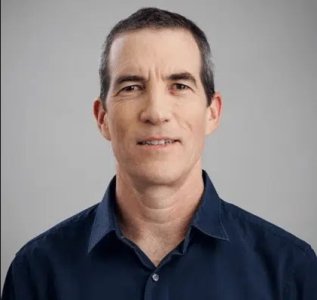
Barak Rosenzweig
الدكتور باراك روزنزويغ (MD) يدير خدمة أورام المسالك البولية في مركز شيبا الطبي. وهو جرّاح أورام بولية بخبرة تقارب 20 عامًا، يعالج سرطانات المسالك البولية المعقّدة بتقنيات روبوتية وطفيفة التوغّل متقدمة. مُدرج ضمن قائمة «أفضل أطباء إسرائيل» وفق فوربس.
تشمل خبرته أورام البروستاتا والكلية والمثانة والخصية والسبيل البولي العلوي. يجري استئصال البروستاتا الجذري بمساعدة الروبوت، والاستئصال الجزئي المحافظ على الكلية، وتنظير البطن المتقدّم. وتشمل الوسائل التشخيصية خزعة اندماجية موجّهة بتصوير الر

Yariv Shtabholtz
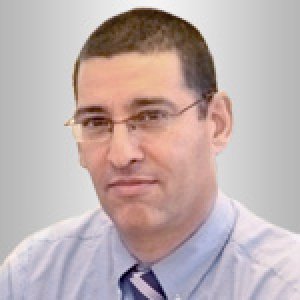
Zohar Dotan
الدكتور زوهار دوتان رئيس قسم المسالك البولية في مركز شيبا الطبي. وهو اختصاصي بارز في أورام المسالك البولية وأحد روّاد الجراحة البولية الروبوتية وبالمنظار في إسرائيل.
ألّف أكثر من 50 منشوراً علمياً، وهو متحدث منتظم في المؤتمرات الدولية. حصل على جوائز من الجمعية الأمريكية للجراحة السريرية، بما في ذلك تقدير لأبحاثه في علاج سرطان البروستاتا.
القيادة والمؤهلات: رئيس الجمعية الإسرائيلية لأورام المسالك البولية. أستاذ مساعد في جامعة تل أبيب. عضو جمعيات المسالك البولية الإسرائيلية والأمر
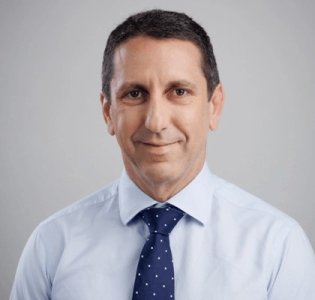
Nir Kleinmann
الدكتور نير كلاينمان، MD، يدير وحدة جراحة مناظير المسالك وحصوات الكلى في مركز شيبا الطبي. وهو خبير في جراحة المسالك البولية طفيفة التوغل وأورام المسالك البولية. يركز عمله على الكلية والسبيل البولي العلوي. اختير ضمن قائمة أفضل أطباء إسرائيل لعامي 2025–2026 من قبل فوربس وResultMed.
هو رائد في جراحة الليزر المُحافظة على الكلية. يستخدم نظام ليزر مزدوجًا يعتمد على النيوديميوم والهولميوم للأورام المعقدة. تشمل خبرته UTUC، وسرطان الكلى والبروستاتا، وحصوات الكلى، وتضخم البروستاتا الحميد (BPH).<
مشاركة المحتوى
قصص فيديو من مرضى Bookimed
 Anna Leonova
أسئلة متكررة حول علاج الإحليل تضيق في إسرائيل
ما هو العلاج المعياري الذهبي للشفاء الدائم من تضيق الإحليل في إسرائيل؟
تعد جراحة تجميل الإحليل (Urethroplasty) هي العلاج المعياري الذهبي للشفاء الدائم من تضيق الإحليل في إسرائيل. تحقق هذه الجراحة الترميمية معدلات نجاح تتراوح بين 85% و95%. على عكس التوسيع المؤقت، تقوم جراحة تجميل الإحليل بإزالة أو إعادة بناء الأنسجة الضيقة باستخدام الطعوم. تستخدم المراكز الإسرائيلية بشكل متكرر طعوم الغشاء المخاطي للفم.
- معدلات النجاح: تصل معدلات الشفاء على المدى الطويل إلى 85% إلى 95% للجراحة الترميمية.
- الإصلاح النهائي: يقوم الجراحون بإزالة الأنسجة الندبية أو استخدام الطعوم لاستعادة القطر الطبيعي.
- تقنيات متخصصة: يستخدم الخبراء الاستئصال والمفاغرة الأولية للتضيقات القصيرة التي تقل عن 2 سم.
- المراكز الرئيسية: يضم مركز سوراسكي الطبي ومركز شيبا الطبي وحدات مسالك بولية متخصصة.
رؤية خبير Bookimed: بينما تستضيف إسرائيل متخصصين مشهورين عالميًا مثل الدكتور ياريف شتابهولتز والبروفيسور زوهار دوتان، يجب على المرضى إعطاء الأولوية للعيادات ذات حجم الحالات السنوي المرتفع. يجري مركز سوراسكي الطبي 34,000 عملية جراحية سنويًا ويحمل العديد من اعتمادات JCI. غالبًا ما يرتبط الحجم الجراحي المرتفع في هذه المراكز متعددة التخصصات بمعدلات فشل منخفضة تتراوح بين 5% إلى 10% تم الإبلاغ عنها لعمليات الترميم المعقدة.
إجماع المرضى: يشير المرضى إلى أن تكرار الإجراءات البسيطة مثل التوسيع غالبًا ما يعمل كحل مؤقت. يقترح الكثيرون طلب إحالة لجراحة تجميل الإحليل مبكرًا لتجنب تفاقم التضيق بمرور الوقت.
ما هي معدلات نجاح إجراءات تضيق الإحليل في المراكز الإسرائيلية؟
تُبلغ المراكز الطبية الإسرائيلية عن معدلات نجاح تتراوح بين 85% و90% لجراحات رأب الإحليل الترميمية. تصل فعالية التقنيات المفاغرة التقليدية للتضيقات الناتجة عن الصدمات إلى 92%. وتُظهر الطرق التنظيرية طفيفة التوغل مثل بضع الإحليل نجاحاً طويل الأمد أقل بكثير، حيث يبلغ حوالي 48%. تستخدم المرافق الرائدة بروتوكولات معتمدة من اللجنة الدولية المشتركة (JCI) لإجراء عمليات الترميم المعقدة.
- نجاح رأب الإحليل: تحقق الجراحة الترميمية فعالية طويلة الأمد تتراوح بين 85% إلى 90%.
- الإصلاح المفاغري: تُظهر تضيقات الحوض الناتجة عن الصدمات معدلات نجاح تصل إلى 92%.
- حدود التنظير: ينخفض نجاح بضع الإحليل الداخلي بالرؤية المباشرة بشكل كبير بعد تكرار الحالة.
- مواد متطورة: يستخدم الجراحون طعوم الغشاء المخاطي الشدقي ومصفوفات الأنسجة التجديدية.
رؤية خبير Bookimed: تعطي أقسام المسالك البولية الإسرائيلية الأولوية للقيادة المتخصصة ذات الخلفيات البحثية العميقة. يدمج البروفيسور الدكتور زوهار دوتان والدكتورة دوريت زيلبرمان في مركز شيبا الطبي الخبرة الروبوتية حتى في عمليات الترميم الأورام المعقدة. يضمن هذا العمق الأكاديمي حصول المرضى الذين خضعوا لعمليات جراحية سابقة فاشلة على تدخلات مدعومة ببيانات سريرية ذات حجم كبير. اختيار مركز به وحدات متخصصة في تنظير المسالك البولية يوفر عادةً دقة تشخيصية أفضل بنسبة 20% لتحديد مواقع التضيق.
إجماع المرضى: يشير المرضى إلى أن اختيار الجراحة الترميمية في وقت مبكر يوفر نتائج أفضل من تكرار الإجراءات التنظيرية البسيطة. ويؤك
ما هي المضاعفات التي قد تنشأ إذا تُرك تضيق الإحليل دون علاج؟
تسبب تضيقات الإحليل غير المعالجة انسدادًا في تدفق البول. وهذا يؤدي إلى احتباس البول الحاد والتهابات شديدة. غالبًا ما يؤدي الارتجاع المتتالي إلى تلف المثانة والكلى. يزيد الالتهاب المزمن من مخاطر العجز الجنسي أو الفتحات غير الطبيعية. التدخل المبكر في المراكز المعتمدة من قبل JCI يمنع تلف الأعضاء الذي لا رجعة فيه.
- احتباس البول: عدم القدرة المفاجئة والمؤلمة على التبول مما يتطلب قسطرة طارئة.
- تلف الأعضاء: يسبب الارتجاع المزمن موه الكلية أو الفشل الكلوي الدائم.
- خطر العدوى: يؤدي البول الراكد إلى تحفيز التهابات المسالك البولية المتكررة والتهاب البروستاتا.
- خلل وظائف المثانة: يؤدي الضغط المفرط إلى سماكة العضلات أو ظهور جيوب في جدار المثانة.
- تغيرات الأنسجة: قد تسبب الحالات المتقدمة نواسير إحليلية أو تقوس القضيب.
رؤية خبير Bookimed: تدير أقسام المسالك البولية الإسرائيلية أعدادًا كبيرة للغاية من المرضى. يعالج مركز سوراسكي الطبي وحده 1,800,000 مريض سنويًا. يسمح هذا النطاق الهائل للمتخصصين مثل الدكتورة دوريت زيلبرمان بتحديد أنماط التلف الدقيقة في وقت مبكر. تظهر بياناتنا أن الأطباء في مركز شيبا الطبي غالبًا ما يستخدمون أنظمة الليزر المزدوج للحالات المعقدة. تساعد هذه الأدوات المتقدمة في الحفاظ على وظائف الكلى لدى المرضى الذين انتظروا أكثر من عامين للحصول على العلاج.
إجماع المرضى: يلاحظ المرضى أن تدفق البول الضعيف أو المتناثر غالبًا ما يتطور إلى تقطير مستمر وألم في الحوض. يندم الكثيرون على إدارة الأعراض ذات
ما هي تقنيات العلاج الأولية المتاحة لتضيق الإحليل في إسرائيل؟
يتميز علاج تضيق الإحليل في إسرائيل بطرق تنظيرية وترميمية متقدمة. يستخدم المتخصصون ليزر هولميوم لاستئصال الإحليل الداخلي وطعوم الغشاء المخاطي الشدقي لرأب الإحليل المعقد. تحتفظ المرافق الرائدة مثل مركز سوراسكي الطبي باعتماد اللجنة الدولية المشتركة (JCI) لجراحة المسالك البولية والإجراءات الترميمية.
- استئصال الإحليل بالتنظير: يستخدم الجراحون سكاكين باردة أو ليزر لتوسيع أجزاء الإحليل الضيقة.
- التوسيع البصري المباشر: تعمل قسطرة البالون أو الموسعات التي يتم التحكم فيها بدقة على توسيع الممر البولي.
- رأب الإحليل الترميمي: يقوم الجراحون بإزالة الأنسجة الندبية أو استخدام طعوم الأنسجة للإصلاح طويل الأمد.
- الجراحة بمساعدة الروبوت: تتيح أنظمة دافنشي الدقيقة إجراء إصلاحات معقدة في الإحليل الخلفي.
رؤية خبير Bookimed: تعطي أقسام المسالك البولية الإسرائيلية الأولوية للترميم المتخصص على التوسيع البسيط لتحقيق نجاح طويل الأمد. غالبًا ما يستخدم مركز سوراسكي الطبي، المصنف ضمن أفضل مستشفيات العالم وفقًا لمجلة نيوزويك، طعوم الغشاء المخاطي الشدقي. يستهدف هذا النهج الحالات المتكررة حيث قد لا توفر الطرق التنظيرية البسيطة نتائج دائمة.
إجماع المرضى: غالبًا ما يؤكد المرضى أن المراكز في تل أبيب تقدم تفسيرات واضحة للإجراء. ويشيرون إلى أن التركيز على الخيارات طفيفة التوغل يساعد في تسريع عودتهم إلى الأنشطة اليومية.
هل الجراحة مؤلمة وما الذي يجب أن أتوقعه أثناء التعافي؟
علاج تضيق الإحليل في إسرائيل غير مؤلم أثناء الإجراء بفضل التخدير العام أو الموضعي. يتضمن التعافي انزعاجاً يمكن السيطرة عليه بدلاً من الألم الحاد. يستخدم المرضى عادةً قسطرة لمدة تتراوح بين أسبوع إلى 3 أسابيع. يعتمد النجاح بشكل كبير على التقنية الجراحية وخبرة الجراح.
- خيارات التخدير: يستخدم الجراحون التخدير العام أو النخاعي لتجربة جراحية خالية من الألم.
- التعافي الفوري: توقع البقاء في المستشفى لمدة يوم أو يومين للمراقبة وإدارة الألم.
- مدة القسطرة: يستخدم معظم المرضى قسطرة مؤقتة للسماح للإحليل بالشفاء بشكل صحيح.
- قيود النشاط: تجنب رفع الأثقال والتمارين الشاقة لمدة لا تقل عن 4 إلى 6 أسابيع.
رؤية خبير Bookimed: في حين توفر الإجراءات التنظيرية البسيطة تعافياً أولياً أسرع، غالباً ما يستخدم جراحون مثل الدكتور زوهار دوتان في مركز شيبا الطبي تقنيات بمساعدة الروبوت للحالات المعقدة. تظهر البيانات أن المراكز ذات الحجم الكبير التي تجري أكثر من 34,000 عملية سنوياً تعطي الأولوية لإعادة البناء النهائي بدلاً من التوسيع المتكرر. يقلل هذا النهج بشكل كبير من الحاجة طويلة المدى للتدخلات المؤلمة في المستقبل.
إجماع المرضى: يشير المرضى إلى أن القسطرة تسبب شعوراً بالحرقان يشبه التهاب المسالك البولية. يتفق معظمهم على أن الانزعاج المؤقت للجراحة أفضل بكثير من التعايش مع أعراض التضيق.
هل يمكن أن يؤثر علاج تضيق الإحليل على الوظيفة الجنسية أو الخصوبة؟
عادةً ما يحافظ علاج تضيق الإحليل في إسرائيل على الوظيفة الجنسية والخصوبة. تتجاوز معدلات النجاح للحفاظ على الصحة الانتصابية 99% على المدى الطويل. على الرغم من أن 25% من المرضى يعانون من ضعف انتصاب مؤقت، إلا أن معظمهم يتعافون في غضون ستة أشهر. غالبًا ما تؤدي إزالة الانسداد إلى تحسين القذف وتقليل الانزعاج أثناء الجماع.
- الوظيفة الانتصابية: ضعف الانتصاب الدائم نادر الحدوث، ويحدث في 1% فقط من الحالات الجراحية.
- صحة القذف: حل الانسدادات يحسن بشكل متكرر من خروج السائل المنوي ويقلل من التقطير بعد القذف.
- استعادة الخصوبة: الإصلاح الناجح يعيد تدفق السائل المنوي الطبيعي، مما قد يعزز فرص الحمل الطبيعي.
- جدول التعافي: يعود معظم المرضى إلى النشاط الجنسي الطبيعي في غضون 4 إلى 12 أسبوعًا.
رؤية خبير Bookimed: تستخدم المراكز الإسرائيلية مثل مركز شيبا الطبي جراحين متخصصين مثل الدكتورة دوريت زيلبرمان، التي ساعدت في إطلاق البرنامج الوطني لجراحة المسالك البولية الروبوتية. تشير البيانات إلى أن اختيار الأساليب الروبوتية أو طفيفة التوغل في هذه المراكز ذات الحجم الكبير يقلل من خطر تلف الأعصاب. هذه الدقة التقنية حيوية للحفاظ على الوظيفة الجنسية مقارنة بالجراحات المفتوحة التقليدية.
إجماع المرضى: يجد العديد من المرضى أن علاج الالتهاب المزمن والألم يحسن بالفعل حياتهم الجنسية على المدى الطويل. يلاحظ البعض انخفاضًا مؤقتًا في قوة الانتصاب خلال الشهرين الأولين، لكنهم يبلغون عن هزات جماع أقوى بمجرد التعافي.
ما هي المستشفيات أو المدن في إسرائيل الأكثر خبرة في جراحة ترميم الإحليل؟
تعد تل أبيب والقدس وحيفا المراكز الإسرائيلية الرئيسية لجراحة ترميم الإحليل. تتخصص مرافق رائدة مثل مركز سوراسكي الطبي ومركز شيبا الطبي في جراحات رأب الإحليل المعقدة. تستخدم هذه المؤسسات المعتمدة من قبل اللجنة الدولية المشتركة (JCI) فرقاً متعددة التخصصات لعلاج الإصابات الرضية، والتشوهات الخلقية، وحالات فشل الجراحات السابقة.
- خبرة متخصصة: يجري مركز سوراسكي الطبي 34,000 عملية جراحية سنوياً ضمن 240 قسماً متخصصاً.
- مراكز متطورة: يدمج مركز شيبا الطبي بين المسالك البولية الوظيفية والجراحة التجميلية لإجراء عمليات الترميم بطعوم الأنسجة.
- مرافق القدس: تركز مستشفيات هداسا وشعاري تسيديك على عمليات الترميم بعد الصدمات وكسور الحوض.
- مركز الإحالة الشمالي: يدير مجمع رامبام للرعاية الصحية في حيفا حالات التضيق المعقدة والعيوب الناتجة عن الصدمات.
رؤية خبير Bookimed: تتشكل المسالك البولية الإسرائيلية بشكل فريد من خلال أحجام كبيرة من حالات الصدمات المعقدة. وقد أدى ذلك إلى تطوير وحدات متخصصة للغاية في شيبا وسوراسكي. في حين تتعامل المستشفيات العامة مثل سوراسكي مع أحجام هائلة، فإن البحث عن الرعاية من خلال الشبكات الخاصة مثل أسوتا يسمح بوصول أسرع. وهذا أمر بالغ الأهمية للمرضى الذين يحتاجون إلى جراحين كبار لديهم قوائم انتظار عامة طويلة.
إجماع المرضى: يشير المرضى إلى أن المراكز الإسرائيلية تقدم برامج دولية ممتازة، لكنهم يؤكدون على أهمية التحقق من حجم الحالات الخاص بالجراح. على الرغم من أن الرعاية عالية الجودة، ينصح البعض بمقارنة الخدمات اللوجست
لماذا تُعد إسرائيل واحدة من الوجهات الرائدة في جراحة الأعصاب؟
تُعدّ إسرائيل مركزًا رائدًا في جراحة الأعصاب بفضل مزيجها من التطورات الطبية عالية التقنية والخبرات الجراحية المتميزة. وتستخدم مرافق متطورة مثل مركز شيبا الطبي أنظمة ملاحة تعتمد على الذكاء الاصطناعي والتصوير بالرنين المغناطيسي أثناء الجراحة في الوقت الفعلي. وتشير المراكز المتخصصة إلى نسبة نجاح تصل إلى 98% في العمليات الجراحية المعقدة، بما في ذلك جراحة الدماغ مع اليقظة وعلاج اضطرابات الحركة.
- التكنولوجيا المتقدمة: تستخدم العيادات الموجات فوق الصوتية المركزة الموجهة بالرنين المغناطيسي (MRgFUS) والأنظمة الروبوتية لإجراء الشقوق.
- الخبرة الجراحية: يقود جراحون مثل الدكتور تسفي رام جمعيات دولية بخبرة تزيد عن 25 عامًا.
- الوصول السريع: يمكن للمرضى الدوليين عادةً تحديد مواعيد لإجراء عمليات جراحية معقدة في الدماغ أو العمود الفقري في غضون 2-4 أسابيع.
- الرعاية الطبية المعتمدة: المراكز الكبيرة مثل سوراسكي (إيشيلوف) وأسوتا معتمدة من قبل اللجنة الدولية المشتركة، مما يؤكد سلامتها.
رأي خبراء بوكيمد: تُظهر البيانات فرقًا واضحًا بين خيارات العلاج في القطاعين العام والخاص في إسرائيل. تُجري المراكز الخاصة، مثل مركز أسوتا الطبي، أكثر من 92,000 عملية جراحية سنويًا، وتتيح للمرضى اختيار جراح را
ما هي أنواع الأمراض العصبية التي يتم علاجها في إسرائيل؟
يعالج جراحو الأعصاب الإسرائيليون طيفاً واسعاً من الحالات، بدءاً من أورام الدماغ والحبل الشوكي وصولاً إلى الاضطرابات الوظيفية المعقدة. وتستخدم المراكز المتخصصة أحدث التقنيات، مثل جهاز جاما نايف، والتحفيز العميق للدماغ، والتصوير بالرنين المغناطيسي أثناء الجراحة، لتشخيص دقيق للغاية لحالات الصرع، ومرض باركنسون، وأمراض الأوعية الدموية الدماغية.
- الأمراض السرطانية: علاج الأورام الدبقية والأورام السحائية وأورام الغدة النخامية باستخدام استئصال قاعدة الجمجمة.
- الاضطرابات الوظيفية: علاج مرض باركنسون والرعاش الأساسي باستخدام التحفيز العميق للدماغ.
- أمراض العمود الفقري: تصحيح الجنف، وانزلاق الغضروف، وأورام العمود الفقري باستخدام الأنظمة الروبوتية.
- علاج أمراض الأوعية الدموية الدماغية: العلاج الجراحي لتمدد الأوعية الدموية الدماغية والتشوهات الشريانية الوريدية باستخدام التدخلات داخل الأوعية الدموية.
- جراحة الأعصاب للأطفال: رعاية متخصصة لاستسقاء الرأس والتشوهات الخلقية في مراكز طب الأطفال المتخصصة.
رأي خبراء بوكيمد: غالبًا ما تجمع المستشفيات الإسرائيلية بين تخصصات طبية متعددة لمعالجة الحالات المعقدة. ففي مركز سوراسكي ا
ما هي المستشفيات في إسرائيل التي تشتهر بأقسام جراحة الأعصاب فيها؟
تضم إسرائيل مراكز جراحة أعصاب عالمية المستوى، مثل مركز سوراسكي الطبي، ومركز شيبا الطبي، ومركز هداسا الطبي. وتُعدّ هذه المؤسسات رائدة عالميًا في علاج أورام الدماغ المعقدة، وأمراض العمود الفقري، واضطرابات الحركة. وتستخدم أحدث التقنيات، مثل جهاز جاما نايف، والأنظمة الروبوتية، والتصوير بالرنين المغناطيسي أثناء الجراحة.
- سوراسكي (إيخيلوف): يجري أكثر من 2500 عملية جراحية عصبية سنوياً في تل أبيب بنسبة نجاح تبلغ 98%.
- مركز شيبا الطبي: مصنف ضمن أفضل عشرة مستشفيات في العالم، حيث يعالج 1.9 مليون مريض سنوياً.
- مركز هداسا الطبي: مرشح لجائزة نوبل للسلام. رائد في جراحة الأعصاب للأطفال والعلاج الجيني.
- مركز أسوتا الطبي: أكبر منشأة طبية خاصة في إسرائيل. متخصص في جراحات العمود الفقري والدماغ طفيفة التوغل.
- مستشفى شنايدر للأطفال: مركز رائد في جراحة الأعصاب للأطفال، يعالج 275000 طفل سنوياً.
رأي خبراء بوكيمد: تُظهر بياناتنا أنه بينما يلجأ معظم المرضى للعلاج في تل أبيب، يُقدّم مركز رامبام الطبي في حيفا رعايةً فريدةً لإصابات الدماغ. فهو يضم وحدةً متخصصةً للعناية المركزة العصبية تُعالج ما يقارب مليون مريض سنويًا. وهذا ما يجعله