علاج فقد النطاف في إسرائيل — احصل على 3 عيادات مختارة خصيصاً لك


تمت مراجعة المقالة طبيا من قبل
فهد مولود
كيف نعمل؟
ما هي تكلفة فقد النطاف إجراءات التشخيص والعلاج في إسرائيل؟ اعرف الآن
| إسرائيل | تركيا | إسبانيا | |
|---|---|---|---|
| علاج انعدام النطاف بالخلايا الجذعية | ≈ $7,500 | ≈ $3,500 | ≈ $4,500 |
| إعادة وصل القناة الدافقة | ≈ $5,500 | من $6,400 | ≈ $3,800 |
اكتشف أفضل فقد النطاف العيادات في إسرائيل: 3 خيارات معتمدة والأسعار





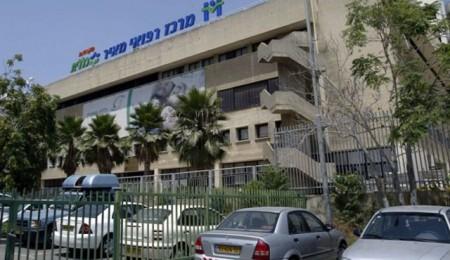
Meir Medical Center
احصل على تقييم طبي لـ في إسرائيل. استشر الآن 6 أطباء ذوي الخبرة.
عرض جميع الأطباء
Mario Sofer
رئيس قسم جراحة المسالك البولية بالمنظار في مركز سوراسكي الطبي – الدكتور سوفر متخصص في الإجراءات طفيفة التوغل المتطورة.
- 39 سنة من الخبرة في جراحة المسالك البولية، بما في ذلك التدريب في طب أورام المسالك البولية
- حاصل على زمالة من جامعة ميامي وجامعة ويسترن أونتاريو
- نشر أكثر من 50 مقالاً علمياً حول أمراض المسالك البولية
- عضو في جمعيات المسالك البولية الدولية
- محاضر أول في جامعة تل أبيب

Haim Matskin
يرأس البروفيسور حاييم ماتسكين قسم المسالك البولية في مركز سوراسكي الطبي، وهو متخصص في طب المسالك البولية الأورام والعلاجات المتقدمة مثل العلاج الإشعاعي الموضعي والعلاج بالتبريد.
- سلطة معترف بها في العلاج الإشعاعي الموضعي والعلاج بالتبريد للخلايا الورمية
- متخصص في أمراض الجهاز البولي التناسلي، بما في ذلك الأورام الخبيثة
- عضو كامل في جمعيات المسالك البولية في أوروبا والولايات المتحدة وإسرائيل

Avi Barry
يتخصص الدكتور آفي بيري في علاج الحالات المسالك البولية المعقدة في مركز سوراسكي الطبي، أحد المستشفيات الرائدة في إسرائيل.
- خبير في علاج حصوات الكلى واستئصال البروستاتا
- يجري عملية استئصال البروستاتا عبر الإحليل (TURP)
- يقدم إجراءات شاملة لقطع القناة الدافقة
- يوفر استشارات متخصصة في المسالك البولية

Hughes Hyun
يتخصص الدكتور هيوز هيون في الجراحة طفيفة التوغل والجراحة الروبوتية لعلاج فقد النطاف في مركز سوراسكي الطبي.
- جراح معتمد يتمتع بخبرة واسعة
- يركز على التقنيات الروبوتية المتقدمة
- يمارس عمله في أحد المراكز الطبية الرائدة في إسرائيل
مشاركة المحتوى
قصص فيديو من مرضى Bookimed
 Anna Leonova
أسئلة متكررة حول علاج فقد النطاف في إسرائيل
ما هي خيارات العلاج الأساسية المتاحة لمرض فقد النطاف (azoospermia) في إسرائيل؟
يركز علاج فقد النطاف في إسرائيل على استرجاع الحيوانات المنوية جراحيًا وتقنيات الإنجاب المساعدة. تستخدم المرافق المعتمدة من قبل اللجنة الدولية المشتركة (JCI) والمتخصصة في خصوبة الرجال تقنية micro-TESE لتحديد الأنابيب المنوية القابلة للحياة. تجمع هذه المراكز بين الجراحة المجهرية وتقنية الحقن المجهري (IVF-ICSI) ذات التكبير العالي لزيادة فرص الإخصاب الناجح إلى أقصى حد.
- Micro-TESE: استخراج الحيوانات المنوية من الخصية جراحيًا تحت تكبير عالي الطاقة للحالات غير الانسدادية.
- PESA و TESA: شفط بالإبرة طفيف التوغل من البربخ أو الخصيتين للحالات الانسدادية.
- المجهر المتقدم: استخدام تكبير معملي يصل إلى 6000 ضعف لحقن الحيوانات المنوية المختارة مورفولوجيًا بدقة.
- عكس قطع القناة الدافقة: جراحة مجهرية ترميمية متاحة للمرضى الذين يسعون لاستعادة تدفق الحيوانات المنوية الطبيعي.
رؤية خبير Bookimed: بينما تقدم العديد من الدول تقنية TESE القياسية، تستخدم عيادات تل أبيب مثل مركز سوراسكي الطبي فرق مسالك بولية متعددة التخصصات. تعالج هذه الفرق أكثر من 400,000 مريض سنويًا وتدمج الجراحة الروبوتية في حالات الإنجاب المعقدة. يسمح هذا الحجم الكبير للجراحين بالحفاظ على معدل نجاح يصل إلى 90% في الإجراءات المتخصصة في الأورام والمسالك البولية ذات الصلة.
إجماع المرضى: يؤكد المرضى على اختيار العيادات التي توفر استخدام الحيوانات المنوية الطازجة أثناء دورات الحقن المجهري بدلاً من التجميد. كما يلاحظون أن الوصول مع اختبارات جينية مكتملة مسبقًا يسرع بشكل كبير من
ما هي معدلات النجاح الموثقة لاسترجاع الحيوانات المنوية والحقن المجهري (IVF-ICSI) في إسرائيل؟
توثق مراكز الخصوبة الإسرائيلية معدلات حمل تتراوح بين 30% و65% لإجراءات الحقن المجهري (IVF-ICSI). يعتمد النجاح بشكل أساسي على تقنية استرجاع الحيوانات المنوية وعمر المريضة. تفيد العيادات الرائدة مثل مركز سوراسكي الطبي بأنها تساعد حوالي 90% من حالات العقم من خلال تدخلات جراحية دقيقة ومخبرية متقدمة.
- نجاح تقنية Micro-TESE: تتراوح معدلات الاسترجاع لحالات فقد النطاف غير الانسدادي بين 44.6% و61.2%.
- فقد النطاف الانسدادي: يحقق استرجاع الحيوانات المنوية جراحياً عبر تقنية TESA نجاحاً يصل إلى 90% من الحالات.
- تقنية IMSI: تزيد تقنية اختيار الحيوانات المنوية المتقدمة باستخدام تكبير 6000x من معدلات الحمل إلى 66%.
- النتائج المرتبطة بالعمر: تحافظ النساء تحت سن 35 عاماً على أعلى معدلات نجاح للحمل، حيث تصل إلى 65%.
رؤية خبير Bookimed: تستفيد الطب الإنجابي الإسرائيلي من حجم سريري ضخم يبلغ 61,000 دورة حقن مجهري سنوياً. يسمح هذا التردد العالي للجراحين في مراكز مثل مركز سوراسكي الطبي بصقل التقنيات الجراحية الدقيقة. غالباً ما يجد المرضى نتائج أفضل هنا لأن المتخصصين يدمجون الجراحة الروبوتية والذكاء الاصطناعي في بروتوكولات التشخيص. تساعد هذه التقنيات في تحديد الحيوانات المنوية الأكثر قابلية للحياة حتى في الحالات المعقدة غير الانسدادية.
إجماع المرضى: يؤكد المرضى على قيمة إجراء رسم خرائط FNA قبل الخضوع لعمليات استرجاع جراحية أكثر توغلاً. يشير الكثيرون إلى أن تجميد جميع الحيوانات المنوية المسترجعة فوراً أمر ضروري لتعظيم النجاح التراكمي عبر دورا
ما هي العيادات الإسرائيلية الأكثر شهرة لجراحات العقم المعقدة لدى الرجال؟
تحظى المراكز الطبية الإسرائيلية مثل سوراسكي (إيخيلوف)، وأسوتا، وشيبا باعتراف عالمي في إجراء جراحات العقم المعقدة لدى الرجال. تتخصص هذه المرافق في تقنية Micro-TESE لاستخراج الحيوانات المنوية وإصلاح دوالي الخصية المتقدم. يستخدم كبار الجراحين المساعدة الروبوتية والمعالجة الدقيقة لعلاج الحالات الشديدة من فقد النطاف (azoospermia).
- تقنيات متخصصة: تجري العيادات استخراج الحيوانات المنوية من الخصية مجهرياً (Micro-TESE) لحالات فقد النطاف غير الانسدادي.
- القيادة الجراحية: يرأس البروفيسور حاييم ماتسكين في سوراسكي قسماً رئيسياً للمسالك البولية.
- التشخيص المتقدم: تشمل بروتوكولات التشخيص الموجات فوق الصوتية الملونة (دوبلر) لكيس الصفن والموجات فوق الصوتية عبر المستقيم (TRUS).
- الرعاية طفيفة التوغل: يتخصص الدكتور آفي بيري في سوراسكي في جراحة المسالك البولية طفيفة التوغل.
- الخبرة الروبوتية: تستخدم مستشفيات هداسا وسوراسكي منصات مساعدة روبوتية لجراحات المسالك البولية الترميمية المعقدة.
رؤية خبير Bookimed: تظهر بياناتنا أن كبار المتخصصين الإسرائيليين مثل الدكتور يعقوب بن حاييم في سوراسكي غالباً ما يمتلكون أكثر من 30 عاماً من الخبرة السريرية. هذا العمق في الخبرة هو المحرك الرئيسي لـ 34,000 عملية جراحية تُجرى سنوياً في المراكز الكبرى. يجب على المرضى الذين يبحثون عن جراحة العقم إعطاء الأولوية للعيادات التي تضم وحدات أطفال أنابيب (IVF) متكاملة لضمان معالجة الحيوانات المنوية فور استخراجها.
إجماع المرضى: يشير المرضى إ
كيف يؤثر القانون أو الممارسة الدينية الإسرائيلية على علاج فقد النطاف (azoospermia)؟
يعطي القانون الإسرائيلي والممارسة الدينية اليهودية (الهالاخاه) الأولوية للإنجاب الجيني من خلال استرجاع الحيوانات المنوية جراحيًا وبشكل منظم. تسمح القرارات الحاخامية الحديثة بإجراءات مثل TESE أو Micro-TESE. تعطي هذه الإجراءات الأولوية لوصية الإنجاب. غالبًا ما تغطي سلال الصحة الممولة من الدولة دورات التلقيح الصناعي وعمليات الاسترجاع الجراحي الضرورية للمواطنين.
- الإشراف الديني: يشرف مراقبو "مشجيحوت" على المختبرات لضمان المطابقة الجينية الصحيحة للأزواج الملتزمين دينياً.
- بروتوكولات الجمع: قد تتطلب الإرشادات الدينية مجموعات جمع خاصة غير دوائية لتجنب إهدار المني.
- لوائح المتبرعين: غالبًا ما يتطلب القانون والممارسة الدينية أن يكون المتبرع والمتلقي من نفس الدين.
- الاسترجاع بعد الوفاة: تسمح الإرشادات القانونية المتساهلة للعائلات بطلب استخراج فوري للحيوانات المنوية من أجل الاستمرارية الجينية.
رؤية خبير Bookimed: تُظهر المراكز الطبية الإسرائيلية تكاملاً فريداً بين الرعاية السريرية عالية الحجم والامتثال الديني. يجري مركز سوراسكي الطبي (إيخيلوف) أكثر من 34,000 عملية جراحية سنوياً عبر 240 قسماً. يسمح هذا النطاق الهائل لأخصائيين مثل الدكتور ماريو سوفر بإدارة حالات المسالك البولية المعقدة مع الالتزام بالأطر التنظيمية والأخلاقية المحلية الصارمة. يجب على المرضى ملاحظة أنه على الرغم من أن هذه المراكز تتعامل مع أكثر من 1,000,000 شخص سنوياً، فإن إجراءات الخصوبة ذات الطلب المرتفع تتطلب جدولة مبكرة حول يوم السبت والأيام المقدسة.
إجماع المرضى:
لماذا تُعد إسرائيل واحدة من الوجهات الرائدة في جراحة الأعصاب؟
تُعدّ إسرائيل مركزًا رائدًا في جراحة الأعصاب بفضل مزيجها من التطورات الطبية عالية التقنية والخبرات الجراحية المتميزة. وتستخدم مرافق متطورة مثل مركز شيبا الطبي أنظمة ملاحة تعتمد على الذكاء الاصطناعي والتصوير بالرنين المغناطيسي أثناء الجراحة في الوقت الفعلي. وتشير المراكز المتخصصة إلى نسبة نجاح تصل إلى 98% في العمليات الجراحية المعقدة، بما في ذلك جراحة الدماغ مع اليقظة وعلاج اضطرابات الحركة.
- التكنولوجيا المتقدمة: تستخدم العيادات الموجات فوق الصوتية المركزة الموجهة بالرنين المغناطيسي (MRgFUS) والأنظمة الروبوتية لإجراء الشقوق.
- الخبرة الجراحية: يقود جراحون مثل الدكتور تسفي رام جمعيات دولية بخبرة تزيد عن 25 عامًا.
- الوصول السريع: يمكن للمرضى الدوليين عادةً تحديد مواعيد لإجراء عمليات جراحية معقدة في الدماغ أو العمود الفقري في غضون 2-4 أسابيع.
- الرعاية الطبية المعتمدة: المراكز الكبيرة مثل سوراسكي (إيشيلوف) وأسوتا معتمدة من قبل اللجنة الدولية المشتركة، مما يؤكد سلامتها.
رأي خبراء بوكيمد: تُظهر البيانات فرقًا واضحًا بين خيارات العلاج في القطاعين العام والخاص في إسرائيل. تُجري المراكز الخاصة، مثل مركز أسوتا الطبي، أكثر من 92,000 عملية جراحية سنويًا، وتتيح للمرضى اختيار جراح را
ما هي أنواع الأمراض العصبية التي يتم علاجها في إسرائيل؟
يعالج جراحو الأعصاب الإسرائيليون طيفاً واسعاً من الحالات، بدءاً من أورام الدماغ والحبل الشوكي وصولاً إلى الاضطرابات الوظيفية المعقدة. وتستخدم المراكز المتخصصة أحدث التقنيات، مثل جهاز جاما نايف، والتحفيز العميق للدماغ، والتصوير بالرنين المغناطيسي أثناء الجراحة، لتشخيص دقيق للغاية لحالات الصرع، ومرض باركنسون، وأمراض الأوعية الدموية الدماغية.
- الأمراض السرطانية: علاج الأورام الدبقية والأورام السحائية وأورام الغدة النخامية باستخدام استئصال قاعدة الجمجمة.
- الاضطرابات الوظيفية: علاج مرض باركنسون والرعاش الأساسي باستخدام التحفيز العميق للدماغ.
- أمراض العمود الفقري: تصحيح الجنف، وانزلاق الغضروف، وأورام العمود الفقري باستخدام الأنظمة الروبوتية.
- علاج أمراض الأوعية الدموية الدماغية: العلاج الجراحي لتمدد الأوعية الدموية الدماغية والتشوهات الشريانية الوريدية باستخدام التدخلات داخل الأوعية الدموية.
- جراحة الأعصاب للأطفال: رعاية متخصصة لاستسقاء الرأس والتشوهات الخلقية في مراكز طب الأطفال المتخصصة.
رأي خبراء بوكيمد: غالبًا ما تجمع المستشفيات الإسرائيلية بين تخصصات طبية متعددة لمعالجة الحالات المعقدة. ففي مركز سوراسكي ا
ما هي المستشفيات في إسرائيل التي تشتهر بأقسام جراحة الأعصاب فيها؟
تضم إسرائيل مراكز جراحة أعصاب عالمية المستوى، مثل مركز سوراسكي الطبي، ومركز شيبا الطبي، ومركز هداسا الطبي. وتُعدّ هذه المؤسسات رائدة عالميًا في علاج أورام الدماغ المعقدة، وأمراض العمود الفقري، واضطرابات الحركة. وتستخدم أحدث التقنيات، مثل جهاز جاما نايف، والأنظمة الروبوتية، والتصوير بالرنين المغناطيسي أثناء الجراحة.
- سوراسكي (إيخيلوف): يجري أكثر من 2500 عملية جراحية عصبية سنوياً في تل أبيب بنسبة نجاح تبلغ 98%.
- مركز شيبا الطبي: مصنف ضمن أفضل عشرة مستشفيات في العالم، حيث يعالج 1.9 مليون مريض سنوياً.
- مركز هداسا الطبي: مرشح لجائزة نوبل للسلام. رائد في جراحة الأعصاب للأطفال والعلاج الجيني.
- مركز أسوتا الطبي: أكبر منشأة طبية خاصة في إسرائيل. متخصص في جراحات العمود الفقري والدماغ طفيفة التوغل.
- مستشفى شنايدر للأطفال: مركز رائد في جراحة الأعصاب للأطفال، يعالج 275000 طفل سنوياً.
رأي خبراء بوكيمد: تُظهر بياناتنا أنه بينما يلجأ معظم المرضى للعلاج في تل أبيب، يُقدّم مركز رامبام الطبي في حيفا رعايةً فريدةً لإصابات الدماغ. فهو يضم وحدةً متخصصةً للعناية المركزة العصبية تُعالج ما يقارب مليون مريض سنويًا. وهذا ما يجعله
من هم أبرز جراحي الأعصاب في إسرائيل؟
من بين أبرز جراحي الأعصاب الإسرائيليين البروفيسور تسفي رام، والبروفيسور شلومي كونستانتيني، والبروفيسور إسحاق فريد من مركز سوراسكي الطبي. ويشغل هؤلاء المتخصصون مناصب قيادية في الجمعية الأوروبية لجمعيات جراحة الأعصاب (EANS) والجمعية العالمية لجراحة الأعصاب التجسيمية والوظيفية (WSSFN). ويستخدمون تقنيات رسم الخرائط المتقدمة أثناء الجراحة وأنظمة الروبوتات.
- البروفيسور تسفي رام: خبير في جراحة أورام الدماغ طفيفة التوغل والعلاج الجيني للسرطان.
- الأستاذ شلومي كونستانتيني: متخصص في إجراءات التنظير العصبي المعقدة للأطفال والجراحة المجهرية لأورام الدماغ.
- الأستاذ إسحاق فريد: خبير في جراحة الصرع، ورسم خرائط الدماغ الوظيفية، وتحفيز الدماغ العميق.
- الدكتور إيلي أشكينازي: جراح عظام رائد في مستشفى أسوتا، متخصص في نظام TOPS المبتكر.
رأي خبراء بوكيمد: تشير بيانات مركز سوراسكي وشيبا إلى وجود علاقة وثيقة بين ارتفاع عدد العمليات الجراحية وسلامة المرضى. فعلى سبيل المثال، يُجري مركز سوراسكي أكثر من 34,000 عملية جراحية لعلاج الأورام سنويًا بنسبة نجاح تصل إلى 90%. لذا، ينبغي على المرضى الذين يحتاجون إلى استئصال أورام معقدة إعطاء الأولوية لمراكز كهذه، حيث يُجري الجراحون مئات العمليات الجراحية ا
ما هي متطلبات المرضى الدوليين القادمين الذين يسعون للحصول على رعاية جراحية عصبية؟
يجب على المرضى الأجانب الذين يحتاجون إلى علاج جراحي للأعصاب في إسرائيل تقديم وثائق طبية كاملة، بما في ذلك نتائج التصوير بالرنين المغناطيسي أو التصوير المقطعي المحوسب الحديثة، مترجمة إلى اللغة الإنجليزية. يتطلب دخول المستشفى فحصًا سريريًا من قبل أخصائيين للتأكد من ملاءمة المريض للعلاج. غالبًا ما تطلب المستشفيات دفعًا مسبقًا كاملًا أو دفعة مقدمة كبيرة قبل تأكيد مواعيد الجراحة أو إصدار وثائق التأشيرة.
- السجلات الطبية: تقديم تقارير مفصلة ونتائج التصوير مترجمة إلى اللغة الإنجليزية في غضون 48 ساعة للمراجعة السريرية.
- إثبات القدرة المالية: يرجى تقديم إثبات توفر الأموال بمبلغ تقريبي يتراوح بين _price_from_ و _price_to_ لتغطية تكاليف العلاج.
- دعم التأشيرة: تقوم عيادات مثل مركز سوراسكي الطبي (إيخيلوف) بإصدار خطابات رسمية للحصول على تأشيرة طبية من نوع B-2.
- مرحلة الاستشارة: غالبًا ما يتم إجراء التقييم الأولي عبر استشارة عبر الإنترنت مع جراحين مثل الدكتور شتراوس إيدو.
رأي خبراء بوكيمد: تُظهر البيانات أن المؤسسات الطبية الإسرائيلية الرائدة، مثل مركز شيبا الطبي ومركز هداسا الطبي، تستقبل عددًا هائلًا من المرضى، يتجاوز مليون مريض سنويًا. هذا الطلب المرتفع يعني أن العيادات تُعطي الأول
كم من الوقت سأحتاج للبقاء في إسرائيل لإجراء جراحة الأعصاب والمتابعة؟
تتراوح مدة الإقامة المعتادة في قسم جراحة الأعصاب في إسرائيل بين 10 و14 يومًا للحالات غير المعقدة. أما المرضى الذين يخضعون لإجراءات معقدة، مثل استئصال ورم دماغي أو تحفيز الدماغ العميق، فغالبًا ما يحتاجون إلى الإقامة لمدة تتراوح بين 4 و6 أسابيع. تشمل هذه الفترة التشخيص قبل الجراحة، والجراحة نفسها، والمتابعة اللازمة بعد العملية.
- مدة الإقامة في المستشفى: تستغرق الإجراءات طفيفة التوغل من يوم إلى ثلاثة أيام. أما عمليات فتح الجمجمة التقليدية فتستغرق في المتوسط من ثلاثة إلى عشرة أيام.
- التعافي في الموقع: بعد الخروج من المستشفى، البقاء في إسرائيل لمدة 7-14 يومًا لإجراء فحوصات المتابعة الإلزامية.
- سلامة الطيران: يوصي الجراحون بالانتظار من 4 إلى 6 أسابيع قبل السفر جواً للسماح لضغط الجمجمة الداخلي بالاستقرار.
- جدول المتابعة: عادة ما يتم إجراء الفحوصات السريرية الشخصية في الأيام 3 و7 و14 بعد الجراحة.
رأي خبراء بوكيمد: تُظهر بيانات مركز سوراسكي الطبي أنه يعالج أكثر من 400,000 مريض سنويًا بنسب نجاح عالية. غالبًا ما تتميز العيادات التي تستقبل هذا العدد الكبير من المرضى، مثل هاداسا وأسوتا، بإجراءات خروج مبسطة. وهذا يُسهّل على المرضى الدوليين الانتقال بسرعة أكبر إلى إعادة التأهيل في ا