علاج ورم حميد الخصية في إسرائيل — احصل على 3 عيادات مختارة خصيصاً لك


تمت مراجعة المقالة طبيا من قبل
فهد مولود
كيف نعمل؟
ما هي تكلفة ورم حميد الخصية إجراءات التشخيص والعلاج في إسرائيل؟ اعرف الآن
اكتشف أفضل ورم حميد الخصية العيادات في إسرائيل: 4 خيارات معتمدة والأسعار









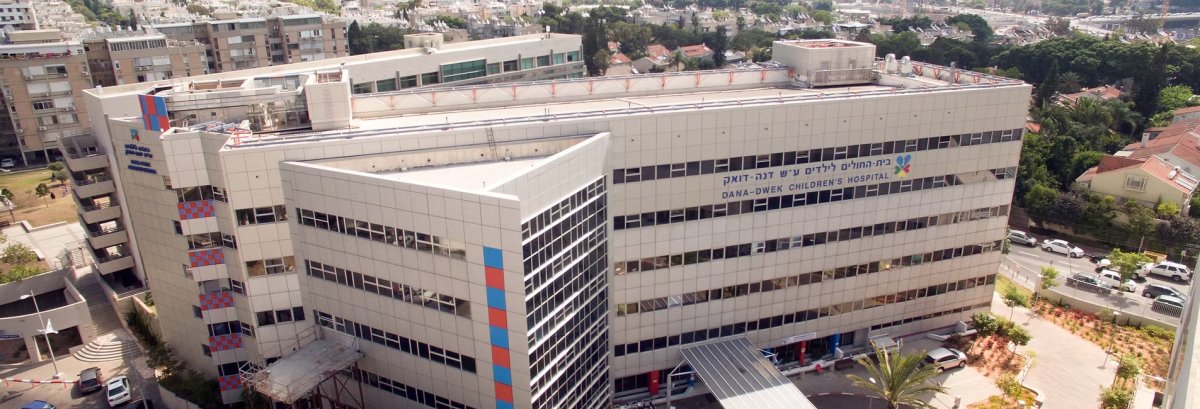
Tel Aviv Sourasky Medical Center (Ichilov)
احصل على تقييم طبي لـ في إسرائيل. استشر الآن 13 أطباء ذوي الخبرة.
عرض جميع الأطباء
Yossefovitz Ofer
يتخصص البروفيسور عوفر يوسيفوفيتز في جراحة المسالك البولية بالمنظار والجراحة الروبوتية، مع أكثر من 32 سنة من الخبرة في مستشفى إيخيلوف.
- رئيس قسم جراحة المسالك البولية الأورامية في مستشفى إيخيلوف
- حاصل على زمالة من مركز ميموريال سلون كيترينج للسرطان
- محاضر أول في جامعة تل أبيب
- عضو في الجمعيات الأوروبية والأمريكية للمسالك البولية
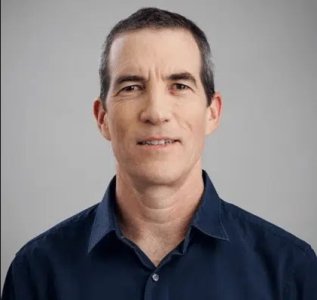
Barak Rosenzweig
الدكتور باراك روزنزويغ (MD) يدير خدمة أورام المسالك البولية في مركز شيبا الطبي. وهو جرّاح أورام بولية بخبرة تقارب 20 عامًا، يعالج سرطانات المسالك البولية المعقّدة بتقنيات روبوتية وطفيفة التوغّل متقدمة. مُدرج ضمن قائمة «أفضل أطباء إسرائيل» وفق فوربس.
تشمل خبرته أورام البروستاتا والكلية والمثانة والخصية والسبيل البولي العلوي. يجري استئصال البروستاتا الجذري بمساعدة الروبوت، والاستئصال الجزئي المحافظ على الكلية، وتنظير البطن المتقدّم. وتشمل الوسائل التشخيصية خزعة اندماجية موجّهة بتصوير الر

Jacob Ben-chaim
الدكتور بن حاييم هو طبيب مسالك بولية للأطفال ذو خبرة عالية في مركز سوراسكي الطبي، مكرس حصرياً لعلاج مشاكل المسالك البولية لدى الأطفال، بما في ذلك أورام الخصية. وقد نال عمله الجراحي تقديراً مهنياً.
- أكثر من _doctor_52_عاماً_ من الخبرة السريرية والجراحية
- حصل على جائزة لأفضل دراسة في مسالك الأطفال البولية في الجراحة بالمنظار
- أكمل تدريباً متخصصاً في مسالك الأطفال البولية في مستشفى جونز هوبكنز في الولايات المتحدة الأمريكية
- يشغل حالياً منصب رئيس اتحاد مسالك الأطفال البولية في إسرائيل
- يشغل مناصب تدريسية كمدرس ومحاضر في جامعة تل أبيب

Haim Matskin
يترأس البروفيسور حاييم ماتسكين قسم جراحة المسالك البولية في مركز سوراسكي الطبي، وهو متخصص في أورام المسالك البولية والعلاجات المبتكرة لأمراض الجهاز البولي التناسلي.
- خبير في العلاج الإشعاعي الموضعي والعلاج بالتبريد لعلاج الأورام
- مرجعية معترف بها في جراحة المسالك البولية مع خبرة واسعة
- عضو في الجمعية الطبية الإسرائيلية وجمعيات جراحة المسالك البولية الدولية
مشاركة المحتوى
قصص فيديو من مرضى Bookimed
 Anna Leonova
أسئلة متكررة حول علاج ورم حميد الخصية في إسرائيل
ما هي طرق العلاج الأساسية لورم الخصية الحميد في إسرائيل؟
يعطي الأخصائيون الإسرائيليون الأولوية لجراحة الحفاظ على الخصية للأورام الحميدة للحفاظ على الخصوبة وإنتاج الهرمونات. تستخدم مراكز رائدة مثل مركز سوراسكي الطبي ومركز هداسا الطبي فحوصات الأنسجة المجمدة أثناء الجراحة. يضمن هذا البروتوكول تشخيصاً دقيقاً وحفاظاً فورياً على العضو في الحالات غير الخبيثة.
- جراحة الحفاظ على الخصية: يقوم الجراحون باستئصال الكتل الصغيرة التي يقل حجمها عن 2 سم عبر نهج إربي.
- خزعة أثناء الجراحة: تؤكد الفحوصات المرضية السريعة طبيعة الورم الحميدة بينما يظل المريض تحت التخدير.
- استئصال الخصية الإربي الجذري: يُستخدم الاستئصال الكلي فقط للكتل الكبيرة أو المشبوهة.
- خيارات الأطراف الصناعية: توفر العيادات غرسات سيليكون أثناء الجراحة للحصول على مظهر تجميلي طبيعي.
رؤية خبير Bookimed: تتركز الرعاية المسالك البولية الإسرائيلية بشكل كبير في المراكز الأكاديمية مثل تل أبيب والقدس. تدرب كل من البروفيسور يوسيفوفيتز عوفر والدكتور زوهار دوتان في ميموريال سلون كيترينج في الولايات المتحدة. تؤدي هذه الخبرة العالية في مراكز مثل سوراسكي وشيبا إلى معدل نجاح يصل إلى 90% في العلاجات المتعلقة بالأورام. يستفيد المرضى من أخصائيين نشر كل منهم أكثر من 50 إلى 200 مقالة علمية.
إجماع المرضى: يؤكد العديد من المرضى على أهمية الحصول على رأي ثانٍ من أطباء مسالك بولية ذوي خبرة واسعة لتجنب استئصال العضو غير الضروري. ويشيرون إلى أن الكتل الصغيرة التي يقل حجمها عن 1 سم قد تتطلب فقط مراقبة نشطة باستخدام الموجات فوق الصوتية الروتينية.
ما هي المراكز الطبية الإسرائيلية المعترف بها لعلاج أورام الخصية الحميدة؟
تحظى المراكز الإسرائيلية مثل مركز سوراسكي الطبي، وأسوتا، وهداسا باعتراف عالمي لعلاج أورام الخصية الحميدة. وهي تستخدم مرافق معتمدة من اللجنة الدولية المشتركة (JCI) وفرقاً متعددة التخصصات. يعطي أطباء الأورام والمسالك البولية المتخصصون الأولوية لتقنيات الحفاظ على الأعضاء للحفاظ على الخصوبة والوظيفة الهرمونية مع ضمان إزالة الكتلة بدقة.
- أقسام الأورام المتخصصة: يبلغ مركز سوراسكي عن معدل نجاح متوسط قدره 90% في علاجات الأورام.
- فرق جراحية خبيرة: يتمتع الدكتور يوسيفوفيتز عوفر في سوراسكي بخبرة تزيد عن 25 عاماً.
- الرعاية التابعة للجامعة: هداسا هي منشأة جامعية رفيعة المستوى ومعترف بها في مجال المسالك البولية المعقدة.
- خيارات روبوتية متقدمة: يستخدم مركز شيبا الطبي أنظمة دا فينشي لاستئصال الأورام مع الحفاظ على الأنسجة.
رؤية خبير Bookimed: تتميز أقسام المسالك البولية الإسرائيلية بأن المراكز ذات الحجم الكبير مثل سوراسكي تجري 34,000 عملية جراحية سنوياً. هذا الحجم الجراحي الهائل يعني أن المتخصصين مثل الدكتور زوهار دوتان يتعاملون مع المتغيرات الحميدة النادرة بشكل متكرر أكثر من العيادات الإقليمية الصغيرة. عند اختيار منشأة، ابحث عن تلك التي يشغل فيها أطباء المسالك البولية أيضاً مناصب أكاديمية في جامعة تل أبيب، حيث غالباً ما يكون لديهم وصول مبكر إلى أحدث تقنيات التصوير التشخيصي للتمييز بين الكتل الحميدة والسرطان.
إجماع المرضى: يؤكد المرضى على أهمية الحصول على رأي ثانٍ مع تأكيد الخزعة لتجنب الإزالة غير الضرورية للخصية بأكملها. يشير الكثير
كيف يؤكد الأطباء الإسرائيليون أن كتلة الخصية حميدة قبل الجراحة؟
يستخدم أطباء المسالك البولية الإسرائيليون تصنيف المخاطر قبل الجراحة وفحص الأنسجة المجمدة أثناء الجراحة للتمييز بين الكتل الحميدة والسرطان. ونظرًا لأن الخزعات بالإبرة تحمل مخاطر انتشار الورم، يعتمد الأطباء على علامات الأورام السلبية، وصغر حجم الآفة، والاستكشاف الإربي لتأكيد الحالة المرضية مع الحفاظ على العضو.
- موانع الخزعة: يتم تجنب الخزعات بالإبرة لمنع الانتشار المحتمل للخلايا السرطانية.
- علامات الحجم: الآفات غير المحسوسة التي يقل حجمها عن 20 مم لديها احتمال 80% أن تكون حميدة.
- التصوير التشخيصي: يحدد التصوير بالموجات فوق الصوتية متعدد المعلمات والرنين المغناطيسي للصفن أنماطًا محددة غير سرطانية مثل الأكياس البشرانية.
- التحقق أثناء الجراحة: يوفر فحص الأنسجة المجمدة أثناء الجراحة تشخيصًا نهائيًا فوريًا قبل استئصال العضو.
رؤية خبير Bookimed: في حين أن الكتل الصغيرة التي يقل حجمها عن 10 مم تشير غالبًا إلى الحميدة، يستخدم المتخصصون الإسرائيليون مثل الدكتور زوهار دوتان في مركز شيبا الطبي التنميط الجزيئي والجيني للورم جنبًا إلى جنب مع الرنين المغناطيسي عالي الدقة. يعد هذا النهج التشخيصي مزدوج الطبقات ميزة رئيسية تميزه عن التصوير القياسي. فهو يسمح للجراحين بالتخطيط بثقة لجراحة الحفاظ على الخصية، مما يقلل بشكل فعال من الحاجة إلى الاستئصال الجذري في الحالات التي لا تكون فيها الكتلة سرطانية.
إجماع المرضى: يشير المرضى إلى أنه حتى مع وجود علامات أورام نظيفة وقراءات صغيرة بالموجات فوق الصوتية، غالبًا ما ينصح الجراحون بعدم الاكتفاء
هل سيؤثر علاج ورم الخصية الحميد في إسرائيل على الخصوبة أو مستويات الهرمونات على المدى الطويل؟
يعطي أطباء المسالك البولية الإسرائيليون الأولوية لتقنيات الحفاظ على الأعضاء للأورام الحميدة في الخصية للحفاظ على الخصوبة واستقرار إنتاج الهرمونات. تزيل الأساليب المتقدمة مثل جراحة الحفاظ على الخصية الآفة فقط. وهذا يترك الأنسجة السليمة سليمة لمواصلة إفراز الحيوانات المنوية والتستوستيرون بشكل طبيعي. عادة ما يتجنب المرضى العلاج الكيميائي والإشعاعي.
- النهج الجراحي: تحافظ جراحة الحفاظ على الخصية على الأنسجة السليمة في الخصية التي تم إجراء العملية عليها والخصية المقابلة.
- الاستقرار الهرموني: تستمر خلايا لايديغ في الأنسجة المحفوظة في إفراز مستويات أساسية طبيعية من التستوستيرون.
- حفظ الحيوانات المنوية: توفر العيادات بشكل روتيني بنوك الحيوانات المنوية واستخراج الحيوانات المنوية من الخصية بالمجهر (Onco-TESE).
- الخبرة المتخصصة: يستخدم أساتذة مثل عوفر يوسيفوفيتز إجراءات روبوتية لتقليل التأثير الجراحي.
رؤية خبير Bookimed: بينما تقوم العديد من البلدان بعمليات استئصال كاملة، تتخصص إسرائيل في الحفاظ على الأنسجة للأورام التي يقل حجمها عن 2 سم. يدير البروفيسور جيل رافيف في مركز شيبا الطبي وحدة ذكورة مخصصة خصيصًا للحفاظ على الخصوبة واسترجاع الحيوانات المنوية. هذا التخصص هو السبب في أن إسرائيل تحافظ على هذا النجاح العالي في الحمل الطبيعي بعد العلاج.
إجماع المرضى: يؤكد المرضى على أهمية مراقبة مستويات التستوستيرون و FSH لمدة عام بعد الجراحة. يشير معظمهم إلى أن تجميد الحيوانات المنوية مسبقًا يوفر راحة بال أساسية حتى عندما يوصي الجراحون الم
ما هو الجدول الزمني النموذجي للتعافي الجراحي للمرضى الدوليين الذين يتم علاجهم في إسرائيل؟
عادةً ما يبقى المرضى الدوليون في مستشفى إسرائيلي لمدة تتراوح بين يوم واحد إلى 3 أيام بعد الجراحة. يحتاج معظمهم إلى البقاء من 7 إلى 10 أيام في البلاد قبل السفر إلى الوطن. غالبًا ما يحدث التعافي الكامل في غضون 4 إلى 6 أسابيع. يعطي المتخصصون الأولوية للتحرك المبكر لضمان السلامة للسفر الدولي.
- الإقامة في المستشفى: توقع البقاء من يوم واحد إلى 3 أيام في المستشفى للمراقبة والرعاية الحادة.
- تصريح السفر: خطط للبقاء في إسرائيل لمدة 7 إلى 10 أيام بعد الخروج من المستشفى.
- حدود النشاط: استأنف النشاط الخفيف خلال أسبوع واحد؛ وتجنب رفع الأثقال لمدة 4 أسابيع.
- الشفاء الكامل: يستغرق تعافي الأنسجة وزوال التورم عادةً حوالي 4 إلى 6 أسابيع.
رؤية خبير Bookimed: تعالج مراكز المسالك البولية الإسرائيلية مثل سوراسكي وشيبا أعدادًا هائلة من المرضى، حيث يعالج مستشفى شيبا وحده حوالي 1,000,000 مريض سنويًا. يعني هذا المعدل المرتفع أن جراحين مثل الدكتور باراك روزنزويج هم خبراء في بروتوكولات التعافي السريع. يجب عليك طلب نتائج علم الأمراض الرقمية قبل المغادرة، حيث تصل عادةً بعد 5 إلى 7 أيام من الإجراء.
إجماع المرضى: يشير المرضى إلى أنه على الرغم من أن الألم الأولي يتلاشى بسرعة، إلا أن الحكة والتورم المستمرين يمكن أن يستمران لمدة تصل إلى شهر. يقترح الكثيرون حزم ملابس داخلية داعمة وكمادات ثلج لجعل رحلة العودة أكثر راحة بعد الأسبوع الأول.
لماذا تُعد إسرائيل واحدة من الوجهات الرائدة في جراحة الأعصاب؟
تُعدّ إسرائيل مركزًا رائدًا في جراحة الأعصاب بفضل مزيجها من التطورات الطبية عالية التقنية والخبرات الجراحية المتميزة. وتستخدم مرافق متطورة مثل مركز شيبا الطبي أنظمة ملاحة تعتمد على الذكاء الاصطناعي والتصوير بالرنين المغناطيسي أثناء الجراحة في الوقت الفعلي. وتشير المراكز المتخصصة إلى نسبة نجاح تصل إلى 98% في العمليات الجراحية المعقدة، بما في ذلك جراحة الدماغ مع اليقظة وعلاج اضطرابات الحركة.
- التكنولوجيا المتقدمة: تستخدم العيادات الموجات فوق الصوتية المركزة الموجهة بالرنين المغناطيسي (MRgFUS) والأنظمة الروبوتية لإجراء الشقوق.
- الخبرة الجراحية: يقود جراحون مثل الدكتور تسفي رام جمعيات دولية بخبرة تزيد عن 25 عامًا.
- الوصول السريع: يمكن للمرضى الدوليين عادةً تحديد مواعيد لإجراء عمليات جراحية معقدة في الدماغ أو العمود الفقري في غضون 2-4 أسابيع.
- الرعاية الطبية المعتمدة: المراكز الكبيرة مثل سوراسكي (إيشيلوف) وأسوتا معتمدة من قبل اللجنة الدولية المشتركة، مما يؤكد سلامتها.
رأي خبراء بوكيمد: تُظهر البيانات فرقًا واضحًا بين خيارات العلاج في القطاعين العام والخاص في إسرائيل. تُجري المراكز الخاصة، مثل مركز أسوتا الطبي، أكثر من 92,000 عملية جراحية سنويًا، وتتيح للمرضى اختيار جراح را
ما هي أنواع الأمراض العصبية التي يتم علاجها في إسرائيل؟
يعالج جراحو الأعصاب الإسرائيليون طيفاً واسعاً من الحالات، بدءاً من أورام الدماغ والحبل الشوكي وصولاً إلى الاضطرابات الوظيفية المعقدة. وتستخدم المراكز المتخصصة أحدث التقنيات، مثل جهاز جاما نايف، والتحفيز العميق للدماغ، والتصوير بالرنين المغناطيسي أثناء الجراحة، لتشخيص دقيق للغاية لحالات الصرع، ومرض باركنسون، وأمراض الأوعية الدموية الدماغية.
- الأمراض السرطانية: علاج الأورام الدبقية والأورام السحائية وأورام الغدة النخامية باستخدام استئصال قاعدة الجمجمة.
- الاضطرابات الوظيفية: علاج مرض باركنسون والرعاش الأساسي باستخدام التحفيز العميق للدماغ.
- أمراض العمود الفقري: تصحيح الجنف، وانزلاق الغضروف، وأورام العمود الفقري باستخدام الأنظمة الروبوتية.
- علاج أمراض الأوعية الدموية الدماغية: العلاج الجراحي لتمدد الأوعية الدموية الدماغية والتشوهات الشريانية الوريدية باستخدام التدخلات داخل الأوعية الدموية.
- جراحة الأعصاب للأطفال: رعاية متخصصة لاستسقاء الرأس والتشوهات الخلقية في مراكز طب الأطفال المتخصصة.
رأي خبراء بوكيمد: غالبًا ما تجمع المستشفيات الإسرائيلية بين تخصصات طبية متعددة لمعالجة الحالات المعقدة. ففي مركز سوراسكي ا
ما هي المستشفيات في إسرائيل التي تشتهر بأقسام جراحة الأعصاب فيها؟
تضم إسرائيل مراكز جراحة أعصاب عالمية المستوى، مثل مركز سوراسكي الطبي، ومركز شيبا الطبي، ومركز هداسا الطبي. وتُعدّ هذه المؤسسات رائدة عالميًا في علاج أورام الدماغ المعقدة، وأمراض العمود الفقري، واضطرابات الحركة. وتستخدم أحدث التقنيات، مثل جهاز جاما نايف، والأنظمة الروبوتية، والتصوير بالرنين المغناطيسي أثناء الجراحة.
- سوراسكي (إيخيلوف): يجري أكثر من 2500 عملية جراحية عصبية سنوياً في تل أبيب بنسبة نجاح تبلغ 98%.
- مركز شيبا الطبي: مصنف ضمن أفضل عشرة مستشفيات في العالم، حيث يعالج 1.9 مليون مريض سنوياً.
- مركز هداسا الطبي: مرشح لجائزة نوبل للسلام. رائد في جراحة الأعصاب للأطفال والعلاج الجيني.
- مركز أسوتا الطبي: أكبر منشأة طبية خاصة في إسرائيل. متخصص في جراحات العمود الفقري والدماغ طفيفة التوغل.
- مستشفى شنايدر للأطفال: مركز رائد في جراحة الأعصاب للأطفال، يعالج 275000 طفل سنوياً.
رأي خبراء بوكيمد: تُظهر بياناتنا أنه بينما يلجأ معظم المرضى للعلاج في تل أبيب، يُقدّم مركز رامبام الطبي في حيفا رعايةً فريدةً لإصابات الدماغ. فهو يضم وحدةً متخصصةً للعناية المركزة العصبية تُعالج ما يقارب مليون مريض سنويًا. وهذا ما يجعله
من هم أبرز جراحي الأعصاب في إسرائيل؟
من بين أبرز جراحي الأعصاب الإسرائيليين البروفيسور تسفي رام، والبروفيسور شلومي كونستانتيني، والبروفيسور إسحاق فريد من مركز سوراسكي الطبي. ويشغل هؤلاء المتخصصون مناصب قيادية في الجمعية الأوروبية لجمعيات جراحة الأعصاب (EANS) والجمعية العالمية لجراحة الأعصاب التجسيمية والوظيفية (WSSFN). ويستخدمون تقنيات رسم الخرائط المتقدمة أثناء الجراحة وأنظمة الروبوتات.
- البروفيسور تسفي رام: خبير في جراحة أورام الدماغ طفيفة التوغل والعلاج الجيني للسرطان.
- الأستاذ شلومي كونستانتيني: متخصص في إجراءات التنظير العصبي المعقدة للأطفال والجراحة المجهرية لأورام الدماغ.
- الأستاذ إسحاق فريد: خبير في جراحة الصرع، ورسم خرائط الدماغ الوظيفية، وتحفيز الدماغ العميق.
- الدكتور إيلي أشكينازي: جراح عظام رائد في مستشفى أسوتا، متخصص في نظام TOPS المبتكر.
رأي خبراء بوكيمد: تشير بيانات مركز سوراسكي وشيبا إلى وجود علاقة وثيقة بين ارتفاع عدد العمليات الجراحية وسلامة المرضى. فعلى سبيل المثال، يُجري مركز سوراسكي أكثر من 34,000 عملية جراحية لعلاج الأورام سنويًا بنسبة نجاح تصل إلى 90%. لذا، ينبغي على المرضى الذين يحتاجون إلى استئصال أورام معقدة إعطاء الأولوية لمراكز كهذه، حيث يُجري الجراحون مئات العمليات الجراحية ا
ما هي متطلبات المرضى الدوليين القادمين الذين يسعون للحصول على رعاية جراحية عصبية؟
يجب على المرضى الأجانب الذين يحتاجون إلى علاج جراحي للأعصاب في إسرائيل تقديم وثائق طبية كاملة، بما في ذلك نتائج التصوير بالرنين المغناطيسي أو التصوير المقطعي المحوسب الحديثة، مترجمة إلى اللغة الإنجليزية. يتطلب دخول المستشفى فحصًا سريريًا من قبل أخصائيين للتأكد من ملاءمة المريض للعلاج. غالبًا ما تطلب المستشفيات دفعًا مسبقًا كاملًا أو دفعة مقدمة كبيرة قبل تأكيد مواعيد الجراحة أو إصدار وثائق التأشيرة.
- السجلات الطبية: تقديم تقارير مفصلة ونتائج التصوير مترجمة إلى اللغة الإنجليزية في غضون 48 ساعة للمراجعة السريرية.
- إثبات القدرة المالية: يرجى تقديم إثبات توفر الأموال بمبلغ تقريبي يتراوح بين _price_from_ و _price_to_ لتغطية تكاليف العلاج.
- دعم التأشيرة: تقوم عيادات مثل مركز سوراسكي الطبي (إيخيلوف) بإصدار خطابات رسمية للحصول على تأشيرة طبية من نوع B-2.
- مرحلة الاستشارة: غالبًا ما يتم إجراء التقييم الأولي عبر استشارة عبر الإنترنت مع جراحين مثل الدكتور شتراوس إيدو.
رأي خبراء بوكيمد: تُظهر البيانات أن المؤسسات الطبية الإسرائيلية الرائدة، مثل مركز شيبا الطبي ومركز هداسا الطبي، تستقبل عددًا هائلًا من المرضى، يتجاوز مليون مريض سنويًا. هذا الطلب المرتفع يعني أن العيادات تُعطي الأول