علاج التحصي البولي في إسرائيل — احصل على 3 عيادات مختارة خصيصاً لك


تمت مراجعة المقالة طبيا من قبل
فهد مولود
كيف نعمل؟
ما هي تكلفة التحصي البولي إجراءات التشخيص والعلاج في إسرائيل؟ اعرف الآن
Urolithiasis treatment cost in Israel typically involves a consultation with a urologist ranging from $230 to $380. Primary surgical interventions like laser lithotripsy run from $5,500 to $8,500, while flexible ureterorenoscopy costs between $7,500 and $10,500. Total expenses depend on stone size, hospital accreditation, and the required surgical approach. Patients often save 20-40% compared to US private healthcare rates. Top treatment centers are located in Tel Aviv, Jerusalem, and Haifa.
Typical Urolithiasis Treatment Costs in Israel
- Consultation with a urologist: $230 – $380
- Urodynamics: $750 – $1,300
- Laser lithotripsy: $5,500 – $8,500
- Flexible ureterorenoscopy (URS): $7,500 – $10,500
- Urethroscopic lithotripsy: $4,200 – $6,800
- Ureteral stenting: $2,600 – $4,300
- Transthoracic flexible URS with laparoscopic pyelolitotomy: السعر عند الطلب
Bookimed Expert Insight: Complex or recurring kidney stones are best managed at multidisciplinary centers like Sourasky Medical Center. They utilize holmium laser techniques and Da Vinci robotic systems for high precision. Private care at JCI-accredited Assuta Medical Center is ideal for rapid diagnostics, often completed within three days. For pediatric cases, Schneider Children's Medical Center offers specialized urological care as Israel's largest pediatric facility.
| إسرائيل | تركيا | إسبانيا | |
|---|---|---|---|
| تنظير الحالب المرن | ≈ $7,500 | من $3,800 | ≈ $4,300 |
| تفتيت حصيات مجرى البول بالمنظار | ≈ $4,200 | من $7,500 | من $10,800 |
| تفتيت الحصى بالليزر | ≈ $5,500 | ≈ $1,500 | ≈ $3,600 |
| الدعامة الحالب | ≈ $2,600 | من $1,100 | من $6,300 |
اكتشف أفضل التحصي البولي العيادات في إسرائيل: 12 خيارات معتمدة والأسعار











Assaf Harofeh Medical Center




Herzliya Medical Center
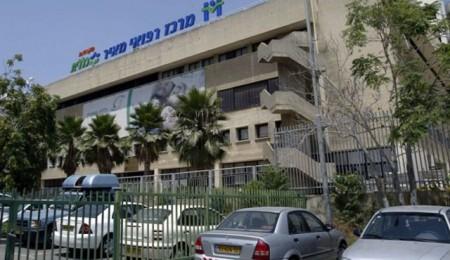
Meir Medical Center
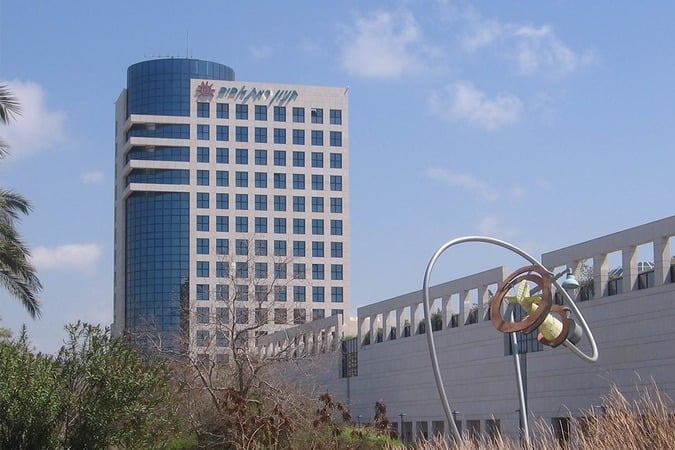
Ramat Aviv Medical Center
احصل على تقييم طبي لـ في إسرائيل. استشر الآن 10 أطباء ذوي الخبرة.
عرض جميع الأطباء
Barak Rosenzweig
الدكتور باراك روزنزويغ (MD) يدير خدمة أورام المسالك البولية في مركز شيبا الطبي. وهو جرّاح أورام بولية بخبرة تقارب 20 عامًا، يعالج سرطانات المسالك البولية المعقّدة بتقنيات روبوتية وطفيفة التوغّل متقدمة. مُدرج ضمن قائمة «أفضل أطباء إسرائيل» وفق فوربس.
تشمل خبرته أورام البروستاتا والكلية والمثانة والخصية والسبيل البولي العلوي. يجري استئصال البروستاتا الجذري بمساعدة الروبوت، والاستئصال الجزئي المحافظ على الكلية، وتنظير البطن المتقدّم. وتشمل الوسائل التشخيصية خزعة اندماجية موجّهة بتصوير الر

Jacob Ben-chaim
يتمتع الدكتور بن حاييم بخبرة عميقة في جراحة تجميل حويضة الكلية بالمنظار - وهي طريقة حديثة طفيفة التوغل لإصلاح انسدادات الكلى التي تسبب الحصوات.
- طبيب مسالك بولية للأطفال يتمتع بعقود من الخبرة، بما في ذلك عمله كرئيس لقسم مسالك الأطفال البولية
- حاصل على زمالة من مستشفى جونز هوبكنز في الولايات المتحدة
- حصل على جائزة عن دراسته في جراحة تجميل حويضة الكلية بالمنظار للأطفال
- يشغل منصب رئيس اتحاد مسالك الأطفال البولية في إسرائيل
- يجري العمليات الجراحية في مركز سوراسكي الطبي (إيخيلوف)

Mario Sofer
رئيس قسم جراحة المسالك البولية بالمنظار في مركز سوراسكي الطبي – متخصص في العلاجات طفيفة التوغل لتحصي البول.
- 39 سنة من الخبرة في جراحة المسالك البولية
- تدرب على جراحة المسالك البولية بالمنظار في مستشفى جامعة ويسترن أونتاريو
- نشر أكثر من 50 مقالاً علمياً
- محاضر أول في جامعة تل أبيب
- عضو الجمعية الدولية لجراحة المسالك البولية بالمنظار

Avi Barry
متخصص في علاج حصوات الكلى في مركز سوراسكي الطبي، مع رعاية شاملة لمختلف الحالات المسالك البولية.
- ذو خبرة في استئصال البروستاتا عبر الإحليل (TURP)
- يقدم إجراءات قطع القناة الدافقة والختان
- مشهور بمساعدة المرضى على العودة إلى حياة صحية
مشاركة المحتوى
قصص فيديو من مرضى Bookimed
 Anna Leonova
أسئلة متكررة حول علاج التحصي البولي في إسرائيل
ما هي طرق العلاج الأساسية لتحصي الكلية المستخدمة في العيادات الإسرائيلية؟
تتخصص العيادات الإسرائيلية في جراحة المسالك البولية طفيفة التوغل لعلاج حصوات الكلى والمسالك البولية. تشمل الطرق الأساسية تفتيت الحصوات بالليزر، وجراحة الكلى الرجوعية، واستئصال حصوات الكلى عن طريق الجلد. تعطي هذه التقنيات الأولوية لمعدلات نجاح عالية وتعافي سريع. يتم إجراء معظم العمليات في مراكز معتمدة من قبل اللجنة الدولية المشتركة (JCI) مثل سوراسكي أو هداسا.
- تفتيت الحصوات بالليزر: يستخدم تعديل نبض ليزر هولميوم لتفتيت الحصوات بسرعة وكفاءة.
- الجراحة الرجوعية: نهج تنظيري عبر الإحليل باستخدام منظار الحالب الرقمي المرن للدقة.
- استئصال حصوات الكلى عن طريق الجلد: المعيار الذهبي للحصوات التي يزيد حجمها عن 2 سم من خلال شق صغير.
- تفتيت الحصوات بالموجات الصادمة: علاج خارجي غير جراحي مخصص عادةً للحصوات التي يقل حجمها عن 10 مم.
- دعامة الحالب: وضع أنبوب رفيع مؤقت لضمان تدفق البول بشكل صحيح بعد الإجراء.
رؤية خبير Bookimed: المراكز الإسرائيلية مثل مركز سوراسكي الطبي فريدة من نوعها لأنها كانت رائدة في تقنية ليزر موسى (Moses). أصبح تعديل ليزر هولميوم المحدد هذا الآن معياراً عالمياً. تظهر بياناتنا أن كبار المتخصصين مثل الدكتور ماريو سوفر يركزون على هذه الأدوات التنظيرية المتقدمة. تقلل هذه التقنيات بشكل كبير من هجرة الحصوات أثناء الجراحة. وهذا يؤدي إلى أوقات تشغيل أقصر ومعدلات أعلى للتخلص من الحصوات في جلسة واحدة.
إجماع المرضى: يشير المرضى إلى أن تنظير الحالب بالليزر هو المعيار للحصوات متوسطة الحجم. ويؤكدون أنه
ما هي المستشفيات في إسرائيل الأكثر شهرة لعلاج تحصي البول وحصوات المسالك البولية؟
يُعد مركز سوراسكي الطبي ومركز هداسا الطبي من أفضل المستشفيات الإسرائيلية لعلاج تحصي البول. تتخصص هذه المرافق المعتمدة من قبل اللجنة الدولية المشتركة (JCI) في تفتيت الحصوات بالليزر وإزالة الحصوات بمساعدة الروبوت. يقوم كبار أطباء المسالك البولية مثل الدكتور ماريو سوفر والدكتور فلاديمير يوتكين بإجراء مئات العمليات الجراحية طفيفة التوغل الناجحة سنويًا.
- التكنولوجيا المتقدمة: يستخدم سوراسكي الجراحة الروبوتية والتصوير الرقمي لتفتيت الحصوات بدقة عالية.
- وحدات متخصصة: يتميز هداسا بمركز مخصص لجراحة المسالك البولية بالمنظار وحصوات الكلى.
- خبرة الأطفال: يتخصص مركز شنايدر الطبي للأطفال والبروفيسور يعقوب بن حاييم في تحصي البول لدى الأطفال.
- خيارات خاصة: يجري مركز أسوتا الطبي 92,000 عملية جراحية سنويًا، مما يوفر رعاية مسالك بولية خاصة سريعة المسار.
رؤية خبير Bookimed: بينما تقدم المستشفيات العامة مثل رمبام وهداسا تكنولوجيا عالمية المستوى، إلا أنها غالبًا ما يكون لديها قوائم انتظار طويلة لحالات الحصوات غير الطارئة. تظهر البيانات أن مركز سوراسكي الطبي يدير حجمًا هائلاً يبلغ 34,000 عملية جراحية سنويًا. تسمح هذه السعة العالية غالبًا بجدولة أكثر مرونة للإجراءات المتخصصة مثل تنظير الحالب المرن مقارنة بالمراكز الإقليمية الأصغر.
إجماع المرضى: يشير المرضى إلى أن إجراءات مثل تفتيت الحصوات بالليزر سريعة بشكل ملحوظ، وغالبًا ما تستغرق أقل من ساعة واحدة. يوصي الكثيرون باختيار أجنحة المستشفيات الخاصة لتجنب فترات الانتظار التي تتراوح من 2-3 أشهر
ما هو وقت التعافي النموذجي بعد إجراءات حصوات المسالك البولية في إسرائيل؟
تختلف أوقات التعافي من حصوات المسالك البولية في إسرائيل حسب الإجراء، حيث يعود معظم المرضى إلى أنشطتهم في غضون 2 إلى 7 أيام. يستخدم المتخصصون في المراكز المعتمدة من اللجنة الدولية المشتركة (JCI) مثل سوراسكي وأسوتا تفتيت الحصوات بالليزر والجراحة الروبوتية. تعمل هذه التقنيات المتقدمة على تقليل صدمات الأنسجة بشكل كبير وتسريع الشفاء العام.
- تفتيت الحصوات بالليزر: يستأنف المرضى عادةً روتينهم اليومي الطبيعي في غضون 2 إلى 3 أيام.
- العلاج بالموجات التصادمية: يسمح هذا الإجراء الخارجي بالعودة إلى النشاط في غضون 48 ساعة.
- الجراحة المعقدة: تتطلب الإجراءات عن طريق الجلد عادةً من أسبوع إلى أسبوعين للقيام بأنشطة خفيفة.
- إزالة الدعامة: تتم إزالة الدعامات الداخلية عادةً بعد أسبوع إلى أسبوعين من الشفاء.
رؤية خبير Bookimed: أقسام المسالك البولية الإسرائيلية فريدة من نوعها لأن العديد من رؤساء الأقسام، مثل الدكتور ماريو سوفر في سوراسكي، متخصصون تحديداً في تنظير المسالك البولية. هذا التركيز الضيق على إزالة الحصوات طفيف التوغل هو السبب في أن هذه العيادات تحافظ على أحجام كبيرة من المرضى، حيث يخدم مستشفى هداسا ما يقرب من 1,000,000 مريض سنوياً. غالباً ما يضمن اختيار رئيس متخصص في تنظير المسالك البولية الوصول إلى أحدث تقنيات تنظير الحالب المرن.
إجماع المرضى: يشير المرضى إلى أنه على الرغم من زوال الحصوة بسرعة، إلا أن الدعامة المؤقتة غالباً ما تسبب انزعاجاً أكثر من الإجراء نفسه. يقترح الكثيرون التخطيط للحصول على راحة إضافية حتى تتم إزالة الدعامة
كيف يمنع الأطباء الإسرائيليون تكرار حصوات الكلى بعد العلاج؟
يمنع أطباء المسالك البولية الإسرائيليون تكرار الحصوات من خلال التنميط الأيضي عالي الدقة وتقنيات الليزر المتقدمة. يركز العلاج في مراكز مثل مركز سوراسكي الطبي على تحقيق حالة خالية من الحصوات باستخدام ليزر ألياف الثوليوم. يقضي هذا البروتوكول على الشظايا المجهرية التي غالبًا ما تؤدي إلى نمو حصوات جديدة لدى المرضى المعرضين لمخاطر عالية.
- التقييم الأيضي: يقوم الأطباء بإجراء تحليل بول لمدة 24 ساعة لتحديد اختلالات معينة في الكالسيوم أو السترات.
- تحليل الحصوات: يسمح تحديد التركيب الكيميائي بوضع خطط غذائية ودوائية مستهدفة.
- تفتيت الحصوات بالليزر (Laser dusting): ينتج ليزر ألياف الثوليوم غبارًا ناعمًا بدلاً من الشظايا الحادة التي يمكن إزالتها.
- العلاج الدوائي: يصف المتخصصون سترات البوتاسيوم أو الوبيورينول بناءً على النتائج الأيضية الفردية.
رؤية خبير Bookimed: تظهر البيانات من المرافق الرائدة مثل هداسا وسوراسكي تحولًا نحو إعادة البناء ثلاثي الأبعاد قبل العمليات الجراحية المعقدة. يستخدم الدكتور فلاديمير يوتكين هذه النماذج لتحديد مواقع الحصوات بدقة متناهية. تضمن هذه الدقة التطهير الكامل في جلسة واحدة، وهو العامل الأكثر أهمية في إيقاف دورة التكرار بنسبة 30% إلى 50% التي تظهر في حالات المسالك البولية العالمية.
إجماع المرضى: يؤكد المرضى أن اختبار البول لمدة 24 ساعة هو `معيار ذهبي` أساسي يتمنون لو أنهم قاموا به في وقت مبكر. يلاحظ الكثيرون أن تتبع المحفزات الغذائية عبر التطبيقات هو الطريقة الأكثر عملية للحفاظ على هدف الترطيب البالغ 2.5
لماذا تُعد إسرائيل واحدة من الوجهات الرائدة في جراحة الأعصاب؟
تُعدّ إسرائيل مركزًا رائدًا في جراحة الأعصاب بفضل مزيجها من التطورات الطبية عالية التقنية والخبرات الجراحية المتميزة. وتستخدم مرافق متطورة مثل مركز شيبا الطبي أنظمة ملاحة تعتمد على الذكاء الاصطناعي والتصوير بالرنين المغناطيسي أثناء الجراحة في الوقت الفعلي. وتشير المراكز المتخصصة إلى نسبة نجاح تصل إلى 98% في العمليات الجراحية المعقدة، بما في ذلك جراحة الدماغ مع اليقظة وعلاج اضطرابات الحركة.
- التكنولوجيا المتقدمة: تستخدم العيادات الموجات فوق الصوتية المركزة الموجهة بالرنين المغناطيسي (MRgFUS) والأنظمة الروبوتية لإجراء الشقوق.
- الخبرة الجراحية: يقود جراحون مثل الدكتور تسفي رام جمعيات دولية بخبرة تزيد عن 25 عامًا.
- الوصول السريع: يمكن للمرضى الدوليين عادةً تحديد مواعيد لإجراء عمليات جراحية معقدة في الدماغ أو العمود الفقري في غضون 2-4 أسابيع.
- الرعاية الطبية المعتمدة: المراكز الكبيرة مثل سوراسكي (إيشيلوف) وأسوتا معتمدة من قبل اللجنة الدولية المشتركة، مما يؤكد سلامتها.
رأي خبراء بوكيمد: تُظهر البيانات فرقًا واضحًا بين خيارات العلاج في القطاعين العام والخاص في إسرائيل. تُجري المراكز الخاصة، مثل مركز أسوتا الطبي، أكثر من 92,000 عملية جراحية سنويًا، وتتيح للمرضى اختيار جراح را
ما هي أنواع الأمراض العصبية التي يتم علاجها في إسرائيل؟
يعالج جراحو الأعصاب الإسرائيليون طيفاً واسعاً من الحالات، بدءاً من أورام الدماغ والحبل الشوكي وصولاً إلى الاضطرابات الوظيفية المعقدة. وتستخدم المراكز المتخصصة أحدث التقنيات، مثل جهاز جاما نايف، والتحفيز العميق للدماغ، والتصوير بالرنين المغناطيسي أثناء الجراحة، لتشخيص دقيق للغاية لحالات الصرع، ومرض باركنسون، وأمراض الأوعية الدموية الدماغية.
- الأمراض السرطانية: علاج الأورام الدبقية والأورام السحائية وأورام الغدة النخامية باستخدام استئصال قاعدة الجمجمة.
- الاضطرابات الوظيفية: علاج مرض باركنسون والرعاش الأساسي باستخدام التحفيز العميق للدماغ.
- أمراض العمود الفقري: تصحيح الجنف، وانزلاق الغضروف، وأورام العمود الفقري باستخدام الأنظمة الروبوتية.
- علاج أمراض الأوعية الدموية الدماغية: العلاج الجراحي لتمدد الأوعية الدموية الدماغية والتشوهات الشريانية الوريدية باستخدام التدخلات داخل الأوعية الدموية.
- جراحة الأعصاب للأطفال: رعاية متخصصة لاستسقاء الرأس والتشوهات الخلقية في مراكز طب الأطفال المتخصصة.
رأي خبراء بوكيمد: غالبًا ما تجمع المستشفيات الإسرائيلية بين تخصصات طبية متعددة لمعالجة الحالات المعقدة. ففي مركز سوراسكي ا
ما هي المستشفيات في إسرائيل التي تشتهر بأقسام جراحة الأعصاب فيها؟
تضم إسرائيل مراكز جراحة أعصاب عالمية المستوى، مثل مركز سوراسكي الطبي، ومركز شيبا الطبي، ومركز هداسا الطبي. وتُعدّ هذه المؤسسات رائدة عالميًا في علاج أورام الدماغ المعقدة، وأمراض العمود الفقري، واضطرابات الحركة. وتستخدم أحدث التقنيات، مثل جهاز جاما نايف، والأنظمة الروبوتية، والتصوير بالرنين المغناطيسي أثناء الجراحة.
- سوراسكي (إيخيلوف): يجري أكثر من 2500 عملية جراحية عصبية سنوياً في تل أبيب بنسبة نجاح تبلغ 98%.
- مركز شيبا الطبي: مصنف ضمن أفضل عشرة مستشفيات في العالم، حيث يعالج 1.9 مليون مريض سنوياً.
- مركز هداسا الطبي: مرشح لجائزة نوبل للسلام. رائد في جراحة الأعصاب للأطفال والعلاج الجيني.
- مركز أسوتا الطبي: أكبر منشأة طبية خاصة في إسرائيل. متخصص في جراحات العمود الفقري والدماغ طفيفة التوغل.
- مستشفى شنايدر للأطفال: مركز رائد في جراحة الأعصاب للأطفال، يعالج 275000 طفل سنوياً.
رأي خبراء بوكيمد: تُظهر بياناتنا أنه بينما يلجأ معظم المرضى للعلاج في تل أبيب، يُقدّم مركز رامبام الطبي في حيفا رعايةً فريدةً لإصابات الدماغ. فهو يضم وحدةً متخصصةً للعناية المركزة العصبية تُعالج ما يقارب مليون مريض سنويًا. وهذا ما يجعله
من هم أبرز جراحي الأعصاب في إسرائيل؟
من بين أبرز جراحي الأعصاب الإسرائيليين البروفيسور تسفي رام، والبروفيسور شلومي كونستانتيني، والبروفيسور إسحاق فريد من مركز سوراسكي الطبي. ويشغل هؤلاء المتخصصون مناصب قيادية في الجمعية الأوروبية لجمعيات جراحة الأعصاب (EANS) والجمعية العالمية لجراحة الأعصاب التجسيمية والوظيفية (WSSFN). ويستخدمون تقنيات رسم الخرائط المتقدمة أثناء الجراحة وأنظمة الروبوتات.
- البروفيسور تسفي رام: خبير في جراحة أورام الدماغ طفيفة التوغل والعلاج الجيني للسرطان.
- الأستاذ شلومي كونستانتيني: متخصص في إجراءات التنظير العصبي المعقدة للأطفال والجراحة المجهرية لأورام الدماغ.
- الأستاذ إسحاق فريد: خبير في جراحة الصرع، ورسم خرائط الدماغ الوظيفية، وتحفيز الدماغ العميق.
- الدكتور إيلي أشكينازي: جراح عظام رائد في مستشفى أسوتا، متخصص في نظام TOPS المبتكر.
رأي خبراء بوكيمد: تشير بيانات مركز سوراسكي وشيبا إلى وجود علاقة وثيقة بين ارتفاع عدد العمليات الجراحية وسلامة المرضى. فعلى سبيل المثال، يُجري مركز سوراسكي أكثر من 34,000 عملية جراحية لعلاج الأورام سنويًا بنسبة نجاح تصل إلى 90%. لذا، ينبغي على المرضى الذين يحتاجون إلى استئصال أورام معقدة إعطاء الأولوية لمراكز كهذه، حيث يُجري الجراحون مئات العمليات الجراحية ا
ما هي متطلبات المرضى الدوليين القادمين الذين يسعون للحصول على رعاية جراحية عصبية؟
يجب على المرضى الأجانب الذين يحتاجون إلى علاج جراحي للأعصاب في إسرائيل تقديم وثائق طبية كاملة، بما في ذلك نتائج التصوير بالرنين المغناطيسي أو التصوير المقطعي المحوسب الحديثة، مترجمة إلى اللغة الإنجليزية. يتطلب دخول المستشفى فحصًا سريريًا من قبل أخصائيين للتأكد من ملاءمة المريض للعلاج. غالبًا ما تطلب المستشفيات دفعًا مسبقًا كاملًا أو دفعة مقدمة كبيرة قبل تأكيد مواعيد الجراحة أو إصدار وثائق التأشيرة.
- السجلات الطبية: تقديم تقارير مفصلة ونتائج التصوير مترجمة إلى اللغة الإنجليزية في غضون 48 ساعة للمراجعة السريرية.
- إثبات القدرة المالية: يرجى تقديم إثبات توفر الأموال بمبلغ تقريبي يتراوح بين _price_from_ و _price_to_ لتغطية تكاليف العلاج.
- دعم التأشيرة: تقوم عيادات مثل مركز سوراسكي الطبي (إيخيلوف) بإصدار خطابات رسمية للحصول على تأشيرة طبية من نوع B-2.
- مرحلة الاستشارة: غالبًا ما يتم إجراء التقييم الأولي عبر استشارة عبر الإنترنت مع جراحين مثل الدكتور شتراوس إيدو.
رأي خبراء بوكيمد: تُظهر البيانات أن المؤسسات الطبية الإسرائيلية الرائدة، مثل مركز شيبا الطبي ومركز هداسا الطبي، تستقبل عددًا هائلًا من المرضى، يتجاوز مليون مريض سنويًا. هذا الطلب المرتفع يعني أن العيادات تُعطي الأول
كم من الوقت سأحتاج للبقاء في إسرائيل لإجراء جراحة الأعصاب والمتابعة؟
تتراوح مدة الإقامة المعتادة في قسم جراحة الأعصاب في إسرائيل بين 10 و14 يومًا للحالات غير المعقدة. أما المرضى الذين يخضعون لإجراءات معقدة، مثل استئصال ورم دماغي أو تحفيز الدماغ العميق، فغالبًا ما يحتاجون إلى الإقامة لمدة تتراوح بين 4 و6 أسابيع. تشمل هذه الفترة التشخيص قبل الجراحة، والجراحة نفسها، والمتابعة اللازمة بعد العملية.
- مدة الإقامة في المستشفى: تستغرق الإجراءات طفيفة التوغل من يوم إلى ثلاثة أيام. أما عمليات فتح الجمجمة التقليدية فتستغرق في المتوسط من ثلاثة إلى عشرة أيام.
- التعافي في الموقع: بعد الخروج من المستشفى، البقاء في إسرائيل لمدة 7-14 يومًا لإجراء فحوصات المتابعة الإلزامية.
- سلامة الطيران: يوصي الجراحون بالانتظار من 4 إلى 6 أسابيع قبل السفر جواً للسماح لضغط الجمجمة الداخلي بالاستقرار.
- جدول المتابعة: عادة ما يتم إجراء الفحوصات السريرية الشخصية في الأيام 3 و7 و14 بعد الجراحة.
رأي خبراء بوكيمد: تُظهر بيانات مركز سوراسكي الطبي أنه يعالج أكثر من 400,000 مريض سنويًا بنسب نجاح عالية. غالبًا ما تتميز العيادات التي تستقبل هذا العدد الكبير من المرضى، مثل هاداسا وأسوتا، بإجراءات خروج مبسطة. وهذا يُسهّل على المرضى الدوليين الانتقال بسرعة أكبر إلى إعادة التأهيل في ا