علاج إعادة التأهيل بعد السكتة الدماغية في كوريا الجنوبية: 2 مستشفيات


تمت مراجعة المقالة طبيا من قبل
فهد مولود
ما هي تكلفة إعادة التأهيل بعد السكتة الدماغية إجراءات التشخيص والعلاج في كوريا الجنوبية؟ اعرف الآن
تتراوح تكلفة علاج إعادة التأهيل بعد السكتة الدماغية في جمهورية كوريا بشكل عام بين السعر عند الطلب و السعر عند الطلب لبرامج التعافي المنظمة. من $55. تعتمد التكاليف الإجمالية على شدة السكتة الدماغية، ومدة العلاج، واستخدام الروبوتات المتقدمة. عادة ما يوفر المرضى ما بين 40-60% مقارنة بالتكاليف الطبية في الولايات المتحدة. وتعد سيول، وإنتشون، وبوندانغ المدن الرائدة في مجال التعافي.
تكاليف علاج إعادة التأهيل بعد السكتة الدماغية النموذجية في جمهورية كوريا
- استشارة مع طبيب أعصاب: من $55
- إعادة تأهيل شاملة: السعر عند الطلب
- إعادة تأهيل للمرضى الداخليين: السعر عند الطلب
- إعادة تأهيل باستخدام نظام Vector Gait: من $1,600
- إعادة تأهيل باستخدام جهاز Lokomat: $1,800 – $3,800
- إعادة تأهيل باستخدام الهيكل الخارجي (exoskeleton): $2,500 – $5,200
- علاج بوباث (Bobath): السعر عند الطلب
- العلاج الطبيعي: من $200
رؤية خبراء Bookimed: يستفيد مرضى ما بعد السكتة الدماغية الذين يحتاجون إلى تعافي حركي عالي الكثافة بشكل أكبر من المراكز الطبية الرقمية. يُعد مستشفى جامعة سيول الوطنية في بوندانغ (SNUBH) أول مستشفى رقمي بالكامل بنسبة 100% في كوريا. وهو يستخدم نظام BESTcare لتنسيق البيانات العصبية المعقدة لتحقيق نتائج أفضل للمرضى. تُعد مرافق مثل SNUBH مثالية للمقيمين الدوليين الذين يبحثون عن إعادة تأهيل مدعومة بالذكاء الاصطناعي ودعم الطب عن بُعد خلال مراحل التعافي طويلة الأمد.
| كوريا الجنوبية | تركيا | إسبانيا | |
|---|---|---|---|
| علاج سنوزلن | ≈ $180 | من $150 | ≈ $380 |
| العلاج الوظيفي باستخدام فأرة الكمبيوتر الرأسية | ≈ $650 | ≈ $450 | ≈ $750 |
| العلاج الطبيعي | من $200 | من $150 | من $120 |
| العلاج التأهيلي بواسطة جهاز لوكومات (Lokomat) | ≈ $1,800 | من $2,900 | ≈ $1,800 |
| العلاج التأهيلي بواسطة الهيكل الخارجي (Exoskeleton) | ≈ $2,500 | ≈ $1,800 | ≈ $1,800 |
مزاياك وضماناتك مع Bookimed
أسعار مباشرة
Bookimed لا يضيف رسوماً إضافية على أسعار علاج إعادة التأهيل بعد السكتة الدماغية. الأسعار مأخوذة من قوائم الأسعار الرسمية للعيادات. تدفع مباشرة في العيادة مقابل علاجك عند وصولك إلى البلد.
عيادات وأطباء معتمدون فقط
Bookimed ملتزم بسلامتك. نحن نعمل فقط مع المؤسسات الطبية التي تحافظ على معايير دولية عالية في علاج إعادة التأهيل بعد السكتة الدماغية ولديها التراخيص اللازمة لخدمة المرضى الدوليين في جميع أنحاء العالم.
مساعدة مجانية على مدار الساعة
Bookimed يقدم مساعدة خبراء مجانية. منسق طبي شخصي يدعمك قبل وأثناء وبعد العلاج، ويحل أي مشاكل. لن تكون وحيداً أبداً في رحلة علاج إعادة التأهيل بعد السكتة الدماغية.

منسقك الطبي الشخصي في Bookimed
- يدعمك في كل مرحلة
- المساعدة في اختيار العيادة الطبية المناسبة والطبيب المناسب
- يضمن الوصول السريع والمريح إلى المعلومات
اكتشف أفضل إعادة التأهيل بعد السكتة الدماغية العيادات في كوريا الجنوبية: 2 خيارات معتمدة والأسعار



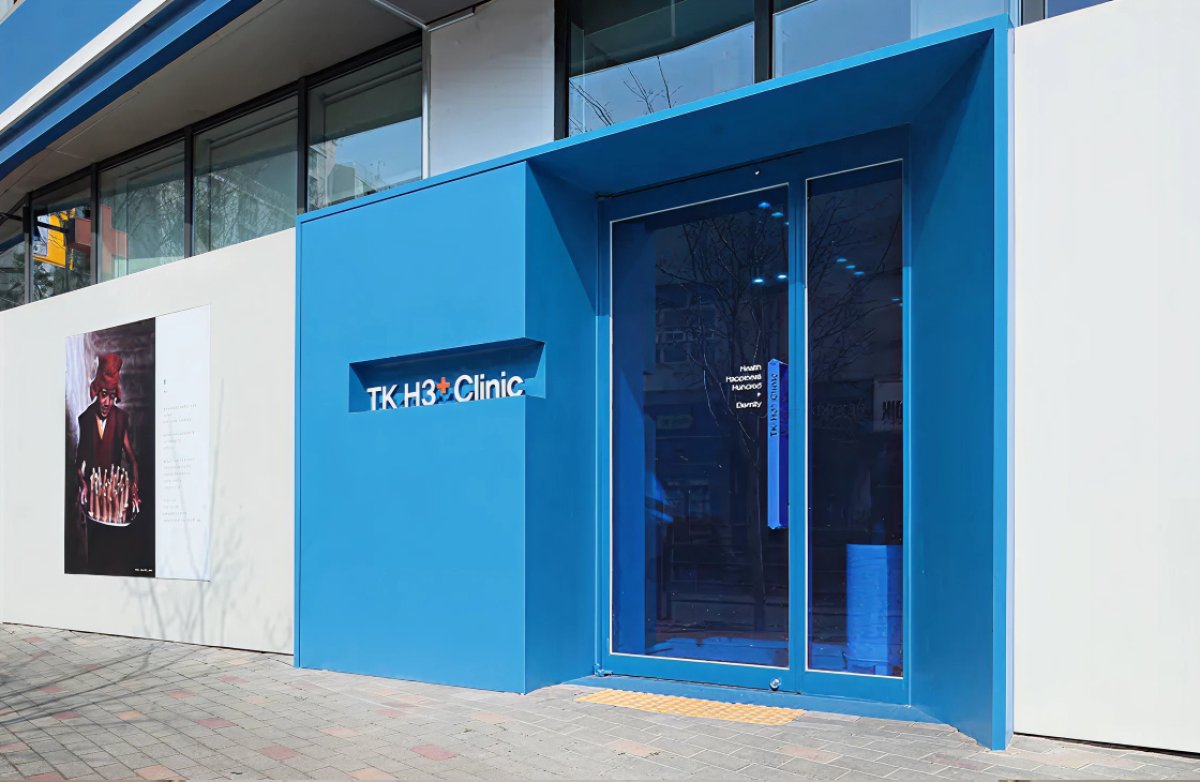
Bundang TK Hospital
مشاركة المحتوى
قصص فيديو من مرضى Bookimed
 Anna Leonova
أسئلة متكررة حول علاج إعادة التأهيل بعد السكتة الدماغية في كوريا الجنوبية
لماذا يسافر المرضى إلى كوريا الجنوبية لإعادة تأهيل السكتة الدماغية؟
يختار المرضى كوريا الجنوبية لإعادة تأهيل السكتة الدماغية بسبب الرعاية المكثفة المتخصصة والتكنولوجيا الروبوتية. تقدم مرافق مثل مستشفى جامعة سيول الوطنية في بوندانغ برامج منظمة. تستخدم هذه الأنظمة أجهزة الهيكل الخارجي وأنظمة Lokomat. يستفيد المرضى من التدخل المبكر وبروتوكولات التعافي المتعددة التخصصات.
- المساعدة الروبوتية: تستخدم العيادات أنظمة Vector Gait و Lokomat لحركة المشي.
- العلاج المكثف: تشمل البرامج علاج بوباث (Bobath) وجلسات العلاج الطبيعي المكثفة للمرضى الداخليين.
- التكامل الرقمي: تستخدم أفضل المستشفيات أنظمة تتبع رقمية لمنع الأخطاء الطبية.
- الجودة المعتمدة: تمتلك المراكز الرائدة اعتمادات الرعاية الصحية العالمية وتصنيفات مجلة نيوزويك.
رؤية خبراء Bookimed: تتفوق كوريا الجنوبية في استمرارية الرعاية داخل مجمعات ضخمة فريدة. يدير مستشفى جامعة سيول الوطنية في بوندانغ 1,500,000 مريض سنويًا من خلال 43 قسمًا متخصصًا. يسمح هذا الحجم للمرضى بالانتقال من التصوير الطبي الحاد إلى إعادة التأهيل المكثف دون مغادرة المنشأة. يضمن حجم هذه المراكز أن يقوم موظفون متخصصون بالتعامل مع كل مرحلة من مراحل التعافي.
إجماع المرضى: تبحث العديد من العائلات عن المراكز الكورية عندما يتوقف تقدم التعافي المحلي. يشير المرضى إلى أن جداول العلاج عالية التردد تبدو أكثر انضباطًا وصرامة من العديد من البرامج الغربية المنزلية.
ما هي علاجات إعادة التأهيل المتقدمة المتاحة لمرضى السكتة الدماغية في كوريا الجنوبية؟
تستخدم إعادة تأهيل السكتة الدماغية في كوريا الجنوبية العلاج بمساعدة الروبوت وبروتوكولات المرونة العصبية المتقدمة داخل مرافق معتمدة من اللجنة الدولية المشتركة (JCI). تعطي المراكز المتخصصة الأولوية للتعافي المكثف للمرضى الداخليين من خلال تدريب المشي باستخدام جهاز Lokomat وأنظمة الهيكل الخارجي ReWalk. توفر هذه التقنيات حركات دقيقة ومتكررة ضرورية لاستعادة الوظائف الحسية والحركية وتحسين التوازن.
- تدريب المشي الروبوتي: توفر أنظمة Lokomat و Vector Gait ممارسة المشي الموجهة نحو المهام.
- أنظمة الهيكل الخارجي: تساعد أجهزة ReWalk المرضى الذين يعانون من عجز حركي شديد على الوقوف.
- التحفيز العصبي العضلي: تستهدف العلاجات الكهربائية تنشيط العضلات لحالات سقوط القدم والضعف الموضعي.
- علاج بوباث (Bobath): علاج طبيعي متخصص يركز على تطبيع التوتر العضلي وأنماط الحركة الوظيفية.
رؤية خبراء Bookimed: تصنف كوريا الجنوبية ضمن أفضل 10 وجهات عالمية للرعاية الطبية المعقدة. تعالج مرافق مثل مستشفى جامعة سيول الوطنية في بوندانغ 1,500,000 مريض سنويًا باستخدام تكنولوجيا المستشفيات الرقمية. يسمح هذا الحجم الكبير للعيادات بالحفاظ على فرق متخصصة قوية في إعادة تأهيل السكتات الدماغية. غالبًا ما تقدم هذه الفرق جلسات يومية أكثر من المراكز الغربية التقليدية. تعد كثافة العلاج هذه عاملاً حاسمًا في سرعة التعافي.
إجماع المرضى: يشير المرضى إلى أن الروبوتات تكون أكثر فعالية عند دمجها مع أخصائيي العلاج الطبيعي المهرة. غالبًا ما يتم الاستشهاد بالجلسات اليومية عالية ال
ما هي مدة إقامة المرضى المعتادة لإعادة التأهيل الشامل بعد السكتة الدماغية في كوريا الجنوبية؟
عادة ما يبقى المرضى من 22 إلى 28 يومًا في أجنحة إعادة التأهيل الكورية المتخصصة للتعافي المكثف. قد تمتد الحالات الخطيرة التي تتطلب إعادة تأهيل عصبي شامل إلى 150 يومًا. غالبًا ما يبدأ العلاج في غضون 48 ساعة لتحقيق أقصى استفادة من فترة التعافي الحرجة التي تبلغ 3 أشهر.
- المرحلة الحادة: ينتقل المرضى إلى وحدات إعادة تأهيل متخصصة بين اليوم السادس عشر واليوم الثالث والعشرين.
- المدة المكثفة: يبلغ متوسط الإقامة في وحدات إعادة التأهيل المخصصة حوالي 28 يومًا.
- الحد الأقصى للإقامة: تسمح الأجنحة المتخصصة بإقامة تصل إلى 150 يومًا للتعافي الشامل للمرضى الداخليين.
- سياسة التمديد: يمكن تمديد الإقامة لمدة 30 يومًا إضافية إذا استمر المرضى في إظهار تقدم معرفي.
رؤية خبير Bookimed: تقود كوريا الجنوبية تكنولوجيا إعادة التأهيل حيث يتم تقديم 81% من الرعاية في إعدادات المرضى الداخليين. تستخدم عيادات مثل مستشفى جامعة سيول الوطنية بوندانغ أنظمة رقمية لتتبع التقدم اليومي. يضمن هذا الهيكل المكثف حصول المرضى على ساعات علاج أكثر يوميًا مقارنة بالعديد من الدول الغربية.
إجماع المرضى: يلاحظ المرضى أن الإقامة تعتمد على الوصول إلى معالم الأمان مثل المشي أو الأكل بشكل مستقل. يؤكد الكثيرون أن قضاء 2 إلى 3 أشهر من العلاج اليومي أمر شائع لتحقيق مكاسب وظيفية كبيرة.
كيف تستوعب المستشفيات الكورية وتدعم المرضى الدوليين لإعادة التأهيل من السكتة الدماغية؟
تدعم المستشفيات الجامعية الكورية مرضى السكتة الدماغية الدوليين من خلال أقسام متخصصة توفر منسقين يتحدثون الإنجليزية وإدارة لوجستية. تستخدم مرافق مثل مستشفى جامعة سيول الوطنية بوندانغ أنظمة روبوتية متقدمة ومنصة BESTcare الرقمية لضمان سلامة العلاج في بيئات معتمدة من قبل JCI للمرضى الدوليين.
- كثافة العلاج اليومي: غالبًا ما يتلقى المرضى ما يصل إلى 4 ساعات من جلسات إعادة التأهيل المنظمة يوميًا.
- أدوات روبوتية متقدمة: يدمج العلاج أنظمة Lokomat و Vector Gait لاستعادة الوظيفة الحركية.
- دعم اللغة: توفر المكاتب الدولية المخصصة خدمات الترجمة الفورية لاحتياجات الفوترة والإدارة.
- السلامة المعتمدة: تمتلك المراكز الرائدة تصنيفات في قائمة «أفضل مستشفى في العالم» لمجلة نيوزويك وشهادات GHA.
رأي خبير بوكيميد (Bookimed): على الرغم من أن المراكز الكبيرة مثل مستشفى جامعة سيول الوطنية بوندانغ تعالج أكثر من 1,500,000 مريض سنويًا، إلا أن كثافة إعادة التأهيل لديهم منظمة بشكل استثنائي. يجب على المرضى اختيار منشأة ينسق فيها المكتب الدولي بشكل خاص مع طاقم العلاج. وهذا يضمن امتداد دعم الترجمة إلى جلسات العلاج الفعلية، وليس فقط التسجيل الإداري.
إجماع المرضى: يلاحظ المرضى أن جداول إعادة التأهيل منظمة للغاية وروتينية. من المفيد إحضار مقدم رعاية أو مرافق للمساعدة في الاحتياجات اليومية والتواصل مع طاقم التمريض.
هل يتم قبول تأميني الصحي الأجنبي لإعادة التأهيل من السكتة الدماغية في كوريا الجنوبية؟
لا تقبل المستشفيات في كوريا الجنوبية عادةً التأمين الصحي الأجنبي للدفع المباشر أثناء إعادة التأهيل من السكتة الدماغية. يقوم المرضى عمومًا بدفع التكاليف الطبية مقدمًا في المنشأة. ثم تقوم بتقديم فواتير مفصلة إلى جهة التأمين الخاصة بك لاسترداد الأموال. الفوترة المباشرة نادرة لخدمات التعافي طويلة الأمد.
- بروتوكول الدفع: تطلب معظم المرافق الدفع مقدمًا لجلسات العلاج للمرضى الداخليين والخارجيين.
- التسجيل في NHIS: يجب على المقيمين الذين يقيمون لأكثر من 6 أشهر التسجيل في التأمين الصحي الوطني (National Health Insurance).
- التفويض المسبق: غالبًا ما تتطلب شركات التأمين إثباتًا مكتوبًا للضرورة الطبية قبل بدء علاج السكتة الدماغية المتخصص.
- التوثيق: السجلات المفصلة باللغة الإنجليزية ضرورية لنجاح استرداد مطالبات إعادة التأهيل المعقدة.
رأي خبير بوكيميد (Bookimed): تخدم المؤسسات الكبرى مثل مستشفى جامعة سيول الوطنية بوندانغ أكثر من 1,500,000 مريض سنويًا. تستخدم هذه المراكز الكبيرة ذكاءً اصطناعيًا متطورًا ونظام BESTcare للتتبع الرقمي. يعني هذا الحجم الكبير أن إدارتها على دراية بالوثائق الصارمة التي تتطلبها شركات التأمين. قد تواجه العيادات الصغيرة صعوبة في إعداد التقارير التفصيلية باللغة الإنجليزية المطلوبة للمطالبات الدولية.
إجماع المرضى: يشير المرضى إلى أنه من المهم تأكيد التغطية لفئات معينة مثل علاج النطق والعلاج الوظيفي. يقترح الكثيرون الحصول على جميع الموافقات المسبقة كتابيًا قبل بدء فترات الإقامة الطويلة في المستشفى.