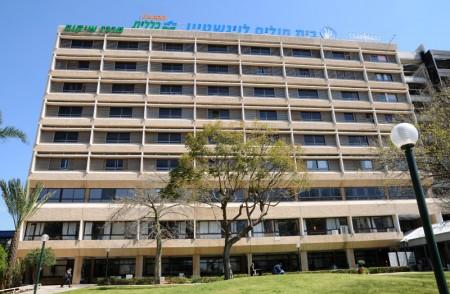
Loewenstein hospital Rehabilitation center
إسرائيل, رعنانا


تمت مراجعة المقالة طبيا من قبل
فهد مولود
Stroke rehabilitation treatment cost in Israel ranges from السعر عند الطلب to السعر عند الطلب for comprehensive programs. Initial diagnostic steps like a consultation with a neurologist typically run from $250 to $400. Total expenses depend on the facility type, therapy intensity, and the use of robotic technologies. International patients can find 20-40% savings compared to the United States. Top treatment centers are located in Tel Aviv and Ra'anana.
Typical Stroke Rehabilitation Treatment Costs in Israel
Bookimed Expert Insight: High-intensity neurological recovery is most effective at specialized centers like Loewenstein Hospital. They report a 92% return rate to normal life for stroke survivors. For patients needing advanced mobility support, Reuth Rehabilitation Center offers unique robotic tools. These include the ReWalk exoskeleton and Anti-Gravity Treadmills. Specialized pediatric stroke care is also available at these facilities for younger patients.
| إسرائيل | تركيا | إسبانيا | |
|---|---|---|---|
| علاج سنوزلن | ≈ $450 | من $150 | ≈ $380 |
| العلاج الوظيفي باستخدام فأرة الكمبيوتر الرأسية | ≈ $1,200 | ≈ $450 | ≈ $750 |
| العلاج الطبيعي | ≈ $650 | من $150 | من $120 |
| العلاج التأهيلي بواسطة جهاز لوكومات (Lokomat) | ≈ $5,800 | من $300 | من $170 |
| العلاج التأهيلي بواسطة الهيكل الخارجي (Exoskeleton) | ≈ $8,500 | ≈ $1,800 | ≈ $1,800 |
Bookimed لا يضيف رسوماً إضافية على أسعار علاج إعادة التأهيل بعد السكتة الدماغية. الأسعار مأخوذة من قوائم الأسعار الرسمية للعيادات. تدفع مباشرة في العيادة مقابل علاجك عند وصولك إلى البلد.
Bookimed ملتزم بسلامتك. نحن نعمل فقط مع المؤسسات الطبية التي تحافظ على معايير دولية عالية في علاج إعادة التأهيل بعد السكتة الدماغية ولديها التراخيص اللازمة لخدمة المرضى الدوليين في جميع أنحاء العالم.
Bookimed يقدم مساعدة خبراء مجانية. منسق طبي شخصي يدعمك قبل وأثناء وبعد العلاج، ويحل أي مشاكل. لن تكون وحيداً أبداً في رحلة علاج إعادة التأهيل بعد السكتة الدماغية.


الدكتورة تشارنا، الحاصلة على شهادة البورد في طب الأعصاب وطب التأهيل، تقدم رعاية عالية الجودة في مركز لوفنشتاين لإعادة التأهيل.

يتخصص دوف ألبوكريك في إعادة التأهيل بعد السكتة الدماغية في مركز ريوت لإعادة التأهيل، حيث يجمع بين الخبرة في طب الأطفال ورعاية البالغين.

يتخصص جان جاك فاتين في إعادة التأهيل بعد السكتة الدماغية في مركز ريوث لإعادة التأهيل، حيث يساعد المرضى على استعادة قدرتهم على الحركة والاستقلالية.

يتخصص الدكتور آفي أورهي في إعادة التأهيل بعد السكتة الدماغية في مركز ريوث لإعادة التأهيل، ويساعد المرضى على استعادة استقلاليتهم.
 Anna Leonova
تعد إعادة التأهيل بعد السكتة الدماغية في إسرائيل آمنة ويشرف عليها متخصصون معتمدون. تعمل مراكز مثل مستشفى لوفنشتاين ومركز ريوث لإعادة التأهيل بموجب لوائح صارمة من وزارة الصحة. يستخدم المتخصصون تقنيات روبوتية مثل Lokomat والهيكل الخارجي (Exoskeleton) لتعزيز التعافي العصبي. تلبي البروتوكولات الإسرائيلية معايير سلامة دولية عالية.
رؤية خبراء Bookimed: تظهر البيانات أن مراكز إعادة التأهيل الإسرائيلية مهيكلة بشكل فريد للتعافي عالي الكثافة. يتعامل مركز ريوث لإعادة التأهيل مع 1500 مريض سنوياً ويقدم أكثر من 10 تخصصات شبه طبية. يضمن هذا النهج متعدد التخصصات واسع النطاق حصول مرضى السكتة الدماغية على علاج يومي من قبل أطباء أعصاب ومعالجين متخصصين. هذه الخدمات المشتركة هي السبب الرئيسي لسمعة إسرائيل القوية في التعافي العصبي.
إجماع المرضى: يؤكد المرضى على أهمية التأكد من توفر فريق كامل متعدد التخصصات يومياً. ويشيرون إلى أن تنسيق الدعم النفسي في وقت مبكر من عملية إعادة التأهيل يساعد بشكل كبير في التقدم البدني.
يركز تأهيل السكتة الدماغية في إسرائيل على التعافي الوظيفي السريع من خلال العلاج اليومي المكثف. يرى المرضى عادةً تقدمًا ملحوظًا في غضون الأشهر الثلاثة الأولى. غالبًا ما تحدث المكاسب الجسدية الأولية في غضون أسابيع. تسمح المرونة العصبية طويلة المدى بتحسن مستمر حتى 12 شهرًا باستخدام تقنيات روبوتية متقدمة.
رؤية خبير Bookimed: تعطي المرافق الإسرائيلية مثل Reuth وLoewenstein الأولوية لسعة الأسرة وحجم المرضى الكبير. يدير مستشفى Loewenstein وحده 287 سريرًا. يسمح هذا النطاق بوجود وحدات فرعية متخصصة تفتقر إليها المستشفيات العامة. غالبًا ما توفر المراكز الأكبر عددًا أكبر من المتخصصين شبه الطبيين لكل مريض مقارنة بالعيادات الصغيرة. يؤدي هذا عادةً إلى خيارات علاجية أكثر تنوعًا خلال إقامة واحدة.
إجماع المرضى: يلاحظ المرضى أن التقدم الأكثر دراماتيكية يحدث في وقت مبكر. ويؤكدون على تحديد أهداف محددة مثل المشي لمسافات قصيرة بدلاً من توقع تحسينات غامضة. وجد الكثيرون أن التمارين المنزلية المستمرة ضرورية للحفاظ على المكاسب التي تم تحقيقها خلال البرنامج الإسرائيلي الرسمي.
تقدم إسرائيل لمرضى السكتة الدماغية إعادة تأهيل عصبي متقدم باستخدام التدريب الآلي على المشي، والتشخيص القائم على الذكاء الاصطناعي، والعلاج بالأكسجين عالي الضغط. تستخدم المراكز المتخصصة أنظمة مثل Lokomat وواجهات الدماغ والحاسوب لاستعادة حركة الأطراف. تجمع هذه المرافق بين التحفيز العصبي المبتكر والرعاية متعددة التخصصات المخصصة لتحسين التعافي الوظيفي والنتائج المعرفية.
رؤية خبير Bookimed: تُظهر مراكز إعادة التأهيل الإسرائيلية تركيزاً فريداً على الرعاية المتخصصة عالية القدرة. على سبيل المثال، يعالج مركز ريوث لإعادة التأهيل 1500 مريض سنوياً مع أكثر من 10 متخصصين شبه طبيين مختلفين. يسمح هذا الحجم الكبير للأطباء مثل الدكتور آفي أورهي بتحسين البروتوكولات الفردية. يستفيد المرضى من المرافق التي تجمع بين أقسام الأطفال والبالغين تحت سقف واحد.
إجماع المرضى: غالباً ما يؤكد المرضى على فائدة الأدوات الروبوتية مثل Lokomat للتعافي المبكر من المشي. كما يلاحظ الكثيرون أن الواقع الافتراضي والعلاج بالألعاب يجعل ا
تتطلب إعادة التأهيل من السكتة الدماغية في إسرائيل عادةً إقامة داخل المستشفى لمدة تتراوح من 2 إلى 6 أسابيع. يخضع المرضى عمومًا لـ 3 إلى 5 ساعات من العلاج المكثف يوميًا. يبدأ العلاج في غضون 24 إلى 48 ساعة بعد الاستقرار. تركز المراكز المتخصصة في تل أبيب ورعنانا على استعادة الوظائف العصبية والجسدية.
رؤية خبير Bookimed: تُظهر البيانات ميزة واضحة في السعة في مركز ريوث لإعادة التأهيل ومستشفى لوفنشتاين. توفر هذه المرافق أكثر من 640 سريرًا مجتمعة. تضمن هذه السعة العالية القبول الفوري وهو أمر حيوي للتعافي. يستفيد المرضى من وحدات متخصصة للأطفال والبالغين غير متوفرة دائمًا في أماكن أخرى. يعطي الدكتور آفي أورهي وغيره من المتخصصين الأولوية للخطط الفردية التي تتكيف مع وصول المرضى إلى مراحل التقدم.
إجماع المرضى: يؤكد المرضى أن بدء العلاج في غضون يومين من الإصابة بسكتة دماغية أمر حيوي. يلاحظ الكثيرون أن تجاوز فترة التعب التي تستمر 4 أسابيع يؤدي إلى مكاسب كبيرة في الحركة.
تتطلب مراكز إعادة التأهيل الإسرائيلية سجلات طبية شاملة لتقييم إمكانية تعافي مريض السكتة الدماغية. أنت بحاجة إلى ملخص خروج مفصل من مستشفى الرعاية الحادة. يجب أن تتضمن هذه الوثيقة الحالة العصبية، وقوائم الأدوية، وصور الرنين المغناطيسي أو الأشعة المقطعية للدماغ.
رؤية خبير Bookimed: تعطي المراكز الإسرائيلية مثل مركز لوفنشتاين لإعادة التأهيل الأولوية لحداثة التصوير التشخيصي. تظهر بياناتنا أن المرافق تطلب غالباً صوراً تم التقاطها خلال آخر 14 يوماً. تقديم سجلات قديمة يمكن أن يؤخر عملية القبول السريري بشكل كبير. كما أن توفير مقاطع فيديو لحركة المريض الحالية يمكن أن يساعد الأطباء في معايرة البرنامج.
إجماع المرضى: يشير المرضى إلى أن جمع تقارير محددة حول اختبارات البلع والحالة التنفسية أمر حيوي. ويؤكدون أن النقل المبكر مباشرة من الرعاية الحادة يؤدي إلى تعافٍ حركي أفضل.
تضم إسرائيل مراكز إعادة تأهيل للسكتة الدماغية معترف بها عالميًا لدمجها الروبوتات المتقدمة مع العلاج العصبي المكثف. توفر مرافق رائدة مثل مستشفى لوفنشتاين ومركز ريوث لإعادة التأهيل رعاية داخلية متخصصة. تستخدم هذه المراكز أدوات عالية التقنية مثل هياكل ReWalk الخارجية وأجهزة تدريب Lokomat لتسريع التعافي الحركي.
رؤية خبير Bookimed: تظهر البيانات تمييزًا واضحًا بين سعة إعادة التأهيل وحجم المرضى في تل أبيب مقابل رعنانا. يدير مركز ريوث الطبي في تل أبيب حجمًا كبيرًا يبلغ 1500 مريض سنويًا على الرغم من امتلاكه 73 سريرًا فقط أكثر من لوفنشتاين. يشير هذا إلى دوران أسرع للمرضى أو تكامل عيادات خارجية مبسط للغاية يجب على العائلات مراعاته عند تحديد وقت التعافي المكثف.
إجماع المرضى: يؤكد المرضى أن الأشهر الثلاثة الأولى حاسمة لتحقيق 80% من مكاسب التعافي. يوصي الكثيرون بترتيب مترجم للغة العبرية مبكرًا والضغط من أجل النقل الفوري إلى وحدات الروبوتات المتخصصة لتجنب قوائم الانتظار العامة.
نادراً ما تكون اللغة عائقاً أمام إعادة التأهيل من السكتة الدماغية في إسرائيل لأن المراكز الرئيسية توظف طاقماً طبياً يتحدث الإنجليزية. تستخدم المرافق مترجمين طبيين محترفين وأقساماً دولية مخصصة لإدارة الرعاية. تقوم هذه الفرق بتنسيق الترجمات والدعم اللوجستي والتواصل المباشر بين المرضى وأخصائيي إعادة التأهيل متعددي التخصصات.
رؤية خبير Bookimed: في حين أن الأطباء غالباً ما يتحدثون الإنجليزية بشكل جيد، قد يكون لدى معالجي النطق والمهنيين مهارات لغوية أكثر تنوعاً. نظراً لأن التعافي من السكتة الدماغية يتطلب تواصلاً دقيقاً أثناء العلاج، فمن المفيد اختيار منشأة كبيرة مثل مركز Reuth لإعادة التأهيل أو مستشفى Loewenstein. تدير هذه المؤسسات أكثر من 1500 مريض سنوياً وتحتفظ بفرق متنوعة تضم أكثر من 10 أخصائيين شبه طبيين. يضمن هذا الحجم الأكبر وصولاً أفضل إلى المعالجين الذين يمكنهم شرح تمارين Bobath أو Lokomat المعقدة بوضوح باللغة الإنجليزية.
إجماع المرضى: يلاحظ المرضى أنه على الرغم من أن الموظفين يتحدثون الإنجليزية، إلا أن أفراد الأسرة غالباً ما يساعدون
تُعدّ إسرائيل مركزًا رائدًا في جراحة الأعصاب بفضل مزيجها من التطورات الطبية عالية التقنية والخبرات الجراحية المتميزة. وتستخدم مرافق متطورة مثل مركز شيبا الطبي أنظمة ملاحة تعتمد على الذكاء الاصطناعي والتصوير بالرنين المغناطيسي أثناء الجراحة في الوقت الفعلي. وتشير المراكز المتخصصة إلى نسبة نجاح تصل إلى 98% في العمليات الجراحية المعقدة، بما في ذلك جراحة الدماغ مع اليقظة وعلاج اضطرابات الحركة.
رأي خبراء بوكيمد: تُظهر البيانات فرقًا واضحًا بين خيارات العلاج في القطاعين العام والخاص في إسرائيل. تُجري المراكز الخاصة، مثل مركز أسوتا الطبي، أكثر من 92,000 عملية جراحية سنويًا، وتتيح للمرضى اختيار جراح را
يعالج جراحو الأعصاب الإسرائيليون طيفاً واسعاً من الحالات، بدءاً من أورام الدماغ والحبل الشوكي وصولاً إلى الاضطرابات الوظيفية المعقدة. وتستخدم المراكز المتخصصة أحدث التقنيات، مثل جهاز جاما نايف، والتحفيز العميق للدماغ، والتصوير بالرنين المغناطيسي أثناء الجراحة، لتشخيص دقيق للغاية لحالات الصرع، ومرض باركنسون، وأمراض الأوعية الدموية الدماغية.
رأي خبراء بوكيمد: غالبًا ما تجمع المستشفيات الإسرائيلية بين تخصصات طبية متعددة لمعالجة الحالات المعقدة. ففي مركز سوراسكي ا
تضم إسرائيل مراكز جراحة أعصاب عالمية المستوى، مثل مركز سوراسكي الطبي، ومركز شيبا الطبي، ومركز هداسا الطبي. وتُعدّ هذه المؤسسات رائدة عالميًا في علاج أورام الدماغ المعقدة، وأمراض العمود الفقري، واضطرابات الحركة. وتستخدم أحدث التقنيات، مثل جهاز جاما نايف، والأنظمة الروبوتية، والتصوير بالرنين المغناطيسي أثناء الجراحة.
رأي خبراء بوكيمد: تُظهر بياناتنا أنه بينما يلجأ معظم المرضى للعلاج في تل أبيب، يُقدّم مركز رامبام الطبي في حيفا رعايةً فريدةً لإصابات الدماغ. فهو يضم وحدةً متخصصةً للعناية المركزة العصبية تُعالج ما يقارب مليون مريض سنويًا. وهذا ما يجعله
