إعادة التأهيل بعد السكتة الدماغية العلاج في الهند - التكاليف 2026


تمت مراجعة المقالة طبيا من قبل
فهد مولود
ما هي تكلفة إعادة التأهيل بعد السكتة الدماغية إجراءات التشخيص والعلاج في الهند؟ اعرف الآن
| الهند | تركيا | إسبانيا | |
| علاج سنوزلن | من $350 | من $200 | من $350 |
| العلاج الطبيعي | من $200 | من $10,800 | من $138 |
| العلاج التأهيلي بواسطة جهاز لوكومات (Lokomat) | من $3,200 | من $300 | من $2,500 |
| العلاج التأهيلي بواسطة الهيكل الخارجي (Exoskeleton) | من $2,800 | من $4,000 | من $9,000 |
| العلاج التأهيلي بنظام Re-Step™ | من $1,800 | من $229 | من $1,800 |
مزاياك وضماناتك مع Bookimed
أسعار مباشرة
Bookimed لا يضيف رسوماً إضافية على أسعار علاج إعادة التأهيل بعد السكتة الدماغية. الأسعار مأخوذة من قوائم الأسعار الرسمية للعيادات. تدفع مباشرة في العيادة مقابل علاجك عند وصولك إلى البلد.
عيادات وأطباء معتمدون فقط
Bookimed ملتزم بسلامتك. نحن نعمل فقط مع المؤسسات الطبية التي تحافظ على معايير دولية عالية في علاج إعادة التأهيل بعد السكتة الدماغية ولديها التراخيص اللازمة لخدمة المرضى الدوليين في جميع أنحاء العالم.
مساعدة مجانية على مدار الساعة
Bookimed يقدم مساعدة خبراء مجانية. منسق طبي شخصي يدعمك قبل وأثناء وبعد العلاج، ويحل أي مشاكل. لن تكون وحيداً أبداً في رحلة علاج إعادة التأهيل بعد السكتة الدماغية.

منسقك الطبي الشخصي في Bookimed
- يدعمك في كل مرحلة
- المساعدة في اختيار العيادة الطبية المناسبة والطبيب المناسب
- يضمن الوصول السريع والمريح إلى المعلومات
اكتشف أفضل إعادة التأهيل بعد السكتة الدماغية العيادات في الهند: 5 خيارات معتمدة والأسعار








احصلوا على تقييم طبي لـ إعادة التأهيل بعد السكتة الدماغية في الهند: استشيروا أطباء ذوي خبرة الآن
عرض جميع الأطباء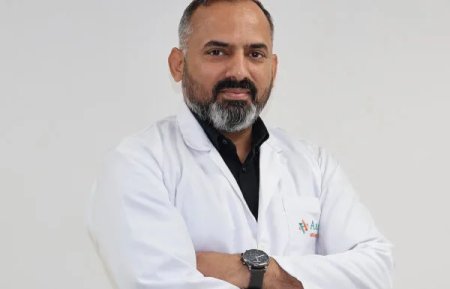
Vikas Lamba
مشاركة المحتوى
قصص فيديو من مرضى Bookimed
 Anna Leonova
أسئلة متكررة حول علاج إعادة التأهيل بعد السكتة الدماغية في الهند
متى يجب أن يبدأ تأهيل السكتة الدماغية؟
يجب أن يبدأ تأهيل السكتة الدماغية بمجرد استقرار حالة المريض طبياً. تبدأ الفرق الطبية عادةً العلاج في غضون 24 إلى 48 ساعة بعد الحدث. الاستفادة المبكرة من المرونة العصبية تساعد الدماغ على إعادة توصيل المسارات العصبية. هذا التوقيت يزيد من استعادة الوظائف الحركية والمعرفية.
- المرحلة الحادة: يبدأ العلاج بجانب السرير بعد 24-48 ساعة من الاستقرار لمنع ضمور العضلات.
- النافذة تحت الحادة: يحدث التعافي المكثف من أسبوع واحد وحتى ستة أشهر بعد السكتة الدماغية.
- خيارات العلاج: تقدم العيادات الهندية روبوتات Lokomat، وأنظمة TheraSuit، وعلاج Bobath.
- الإدارة المزمنة: يستمر التقدم بعد ستة أشهر من خلال الممارسة طويلة الأمد وإعادة التوصيل العصبي.
رؤية خبير Bookimed: تمثل الهند مركزاً رئيسياً للتعافي العصبي مع أكثر من 90 منشأة متخصصة. تخدم الأنظمة الكبيرة مثل مستشفيات مانيبال ومستشفى جلوبال تشيناي 2,000,000 مريض سنوياً. يسمح هذا الحجم الكبير للمراكز بالحفاظ على معدات متقدمة مثل Lokomat وأنظمة الهيكل الخارجي. غالباً ما تكون هذه التقنيات أكثر سهولة في الوصول إليها في هذه المراكز الهندية الكبيرة مقارنة بالعيادات الإقليمية الأصغر.
إجماع المرضى: يؤكد المرضى أن انتظار التعافي الكامل قبل بدء التأهيل هو خطأ. ويشيرون إلى أن مشاركة الأسرة في تعلم تقنيات النقل والتمارين اليومية أمر حيوي للنجاح على المدى الطويل في المنزل.
ما هي الفترة الذهبية للتعافي؟
الفترة الذهبية للتعافي هي الأشهر الثلاثة إلى الستة الأولى بعد الإصابة بسكتة دماغية. خلال هذا الوقت، تصل المرونة العصبية للدماغ إلى ذروتها. وهذا يسمح للأنسجة السليمة بإعادة تنظيم نفسها بسرعة وتعلم مهام جديدة. يضمن التدخل المبكر تحقيق ما يقرب من 60% إلى 80% من إجمالي المكاسب الوظيفية.
- نافذة المرونة العصبية: يبني الدماغ مسارات جديدة بشكل أكثر فعالية في غضون 180 يوماً.
- التعافي الوظيفي: يحقق معظم المرضى مكاسب أولية في الحركة والنطق في الأشهر 1-3.
- تسريع التعافي: تكون معدلات النجاح في إعادة تعلم الحركات هي الأعلى خلال هذه المرحلة المكثفة.
- الوقاية من المضاعفات: يمنع العلاج المبكر تيبس العضلات الدائم وتكون جلطات الدم الثانوية.
رؤية خبير Bookimed: توفر الهند ميزة متميزة لهذه الفترة من خلال الجمع بين الروبوتات عالية التقنية والرعاية المكثفة للمرضى الداخليين. تستخدم مرافق مثل مستشفيات Artemis ومستشفيات Manipal أنظمة متقدمة مثل Lokomat وبدلات الهيكل الخارجي. ونظراً لخدمة 2,000,000 مريض سنوياً في هذه الشبكات الكبيرة، يحافظ الأطباء على كفاءة عالية في هذه البروتوكولات المعقدة. يدعم هذا الحجم الكبير من المرضى بشكل مباشر إجراء تعديلات أكثر دقة على خطط إعادة التأهيل خلال الأيام التسعين الأولى الحرجة.
إجماع المرضى: يؤكد المرضى على بدء العلاج بمجرد أن يكون ذلك آمناً طبياً بدلاً من انتظار التحسن الطبيعي. ويشيرون إلى أن التكرار اليومي المستمر في المنزل لا يقل أهمية عن الجلسات السريرية الرسمية لتحقيق الاستقلال على المدى الطويل.
ما هي العلاجات المدرجة في برنامج إعادة التأهيل الشامل بعد السكتة الدماغية؟
تدمج إعادة التأهيل الشامل بعد السكتة الدماغية العلاجات البدنية والمعرفية والعاطفية لتحقيق أقصى قدر من استعادة الاستقلالية. تجمع البرامج في الهند بين التقنيات الروبوتية مثل Lokomat والهياكل الخارجية مع دعم متخصص في علاج النطق والعلاج الوظيفي والدعم النفسي. تركز هذه البروتوكولات متعددة التخصصات على المرونة العصبية لاستعادة الكلام والحركة ومهارات الحياة اليومية.
- التعافي الحركي: يستخدم Lokomat وTheraSuit وأجهزة التوجيه الرأسي Erigo لاستعادة المشي والتوازن.
- العلاج الوظيفي: يشمل فئران الكمبيوتر التي يتم التحكم فيها بالرأس والتدريب الخاص بمهام ارتداء الملابس وتناول الطعام.
- إعادة التأهيل العصبي: يستخدم علاج بوباث (Bobath) والتحفيز متعدد الأبعاد (Snoezelen) لإعادة توصيل المسارات العصبية.
- علاج النطق المتخصص: يعالج فقدان القدرة على الكلام واضطرابات البلع من خلال تمارين مستهدفة للغة وعسر البلع.
رؤية خبير Bookimed: غالبًا ما تدمج مراكز إعادة التأهيل الهندية أنظمة طبية متخصصة مثل بدلة التحميل Adele والعلاج بالتعليق في الرعاية القياسية. تظهر البيانات أن البرامج المنظمة، مثل دورات العلاج المكثف لمدة 14 أو 21 يومًا في مراكز مثل مستشفيات Artemis، توفر اتساقًا أكبر في نتائج التعافي مقارنة بالجلسات الخارجية المتقطعة. هذا النهج المكثف مدعوم بمرافق معتمدة من JCI تجمع بين طب الأعصاب التقليدي وخبرة الطب الوظيفي.
إجماع المرضى: يؤكد المرضى أن التكرار اليومي المستمر ومشاركة الأسرة في تدريب مقدمي الرعاية أكثر أهمية للتقدم طويل الأمد من المن
ما هو معدل نجاح إعادة التأهيل بعد السكتة الدماغية في الهند؟
في الهند، تتراوح معدلات نجاح إعادة التأهيل بعد السكتة الدماغية من 65% إلى 75% لتحقيق التعافي الوظيفي. يُظهر معظم المرضى تحسناً ملحوظاً في غضون 90 يوماً من بدء العلاج. تستخدم العيادات تدريباً متطوراً على المشي وأنظمة روبوتية لمساعدة أكثر من 70% من الناجين على المشي دون مساعدة.
- الجدول الزمني للتعافي: يحقق ما يقرب من 67% من المرضى مكاسب حركية كبيرة خلال الأشهر الثلاثة الأولى.
- مؤشرات النجاح: يستعيد حوالي 75% من الناجين من السكتة الدماغية في الهند قدرتهم على الحركة بشكل مستقل بعد العلاج المنظم.
- تكنولوجيا إعادة التأهيل: تستخدم المراكز أنظمة Lokomat و Vector Gait لتسريع التعافي العصبي المرن.
- مستويات العلاج: يحقق حوالي 20% تعافياً كاملاً بينما يستعيد 25% وظائفهم مع وجود قيود طفيفة.
رؤية خبير Bookimed: تمتلك الهند أكثر من 90 منشأة متخصصة، ولكن يتم العثور على النتائج الأكثر نجاحاً في المراكز المعتمدة من قبل JCI مثل بنغالورو وجورجاون. تخدم مستشفيات مانيبال 2,000,000 مريض سنوياً وتوفر خبرة عميقة في إعادة التأهيل العصبي. يضمن اختيار مركز حضري كبير الوصول إلى معدات متخصصة مثل جهاز التوقيف العمودي Erigo الذي غالباً ما يكون مفقوداً في العيادات الصغيرة.
إجماع المرضى: يشير المرضى إلى أن الدعم الأسري المستمر أثناء التمارين المنزلية أمر حيوي للتعافي على المدى الطويل. يؤكد الكثيرون أن البدء المبكر في العلاج الوظيفي وعلاج النطق المكثف يؤدي إلى أكثر التحسينات أهمية.
هل تغطي التأمين الصحي في الهند تكاليف إعادة التأهيل بعد السكتة الدماغية؟
يغطي التأمين الصحي الهندي القياسي عادةً إعادة التأهيل بعد السكتة الدماغية أثناء إقامة المريض في المستشفى. تستبعد معظم السياسات العلاج الطبيعي في العيادات الخارجية، والتمريض المنزلي، وعلاج النطق طويل الأمد بمجرد خروج المريض. غالبًا ما تتطلب التغطية القبول في منشأة معتمدة من JCI أو NABH مثل مستشفيات Artemis أو مستشفيات Manipal.
- تغطية المرضى الداخليين: تشمل السياسات الشاملة العلاج الطبيعي والتمريض أثناء الإقامة في المستشفى.
- الأمراض الحرجة: توفر الخطط المتخصصة دفعات مقطوعة لاحتياجات الرعاية طويلة الأمد المرنة.
- فترات الانتظار: تتطلب حالات السكتة الدماغية الموجودة مسبقًا فترات انتظار تتراوح من سنتين إلى 4 سنوات.
- الرعاية المستبعدة: نادرًا ما تكون العلاجات الروبوتية التجريبية أو زيارات العيادات الخارجية قابلة للاسترداد.
رؤية خبير Bookimed: على الرغم من أن السياسات الأساسية مقيدة، إلا أن مقدمي الخدمات الهنود الرئيسيين مثل مستشفى Global Hospital Chennai ومستشفى BLK Super Speciality غالبًا ما يدمجون إعادة التأهيل في حزمة الخروج من الرعاية الحادة. تظهر بياناتنا أن المنشآت التي تضم أكثر من 40 قسمًا تميل إلى الحصول على موافقات التأمين بسهولة أكبر من خلال تصنيف إعادة التأهيل المكثف كعناية طبية ضرورية بعد الجراحة بدلاً من كونه علاجًا اختياريًا.
إجماع المرضى: يشير المرضى إلى أن الحصول على الوثائق الصحيحة أمر حيوي؛ غالبًا ما يرفض شركات التأمين جلسات العيادات الخارجية ولكنها قد توافق على نفس العلاجات إذا تم إصدار فاتورة بها أثناء ا
كم تستغرق عملية إعادة التأهيل عادةً؟
تتضمن إعادة التأهيل من السكتة الدماغية في الهند عادةً من 2 إلى 3 أسابيع من العلاج المكثف للمرضى الداخليين. تحدث أسرع المكاسب الوظيفية خلال الأشهر الستة الأولى. في حين أن الحالات الخفيفة قد تستعيد استقلاليتها بشكل كبير في غضون أسابيع، فإن التعافي طويل الأمد للحالات الشديدة يمتد غالبًا من سنة إلى سنتين.
- المرحلة المكثفة: يستغرق العلاج السريري الأولي عادةً من 14 إلى 21 يومًا لتحقيق الاستقرار.
- النافذة الرئيسية: تحدث إعادة هيكلة عصبية مرنة كبيرة خلال الأشهر الستة الأولى من العلاج.
- التعافي المتقدم: يمكن أن تمتد البروتوكولات المتخصصة مثل التدريب الروبوتي Lokomat إلى 12 شهرًا.
- مرحلة الصيانة: غالبًا ما تستمر التمارين المنزلية والعلاج المهني لأكثر من عامين.
رؤية خبير Bookimed: يستفيد المرضى في الهند من المراكز ذات الكثافة العالية مثل مستشفى جلوبال تشيناي، الذي يجري 18,000 عملية جراحية سنويًا. يسمح هذا العمق السريري لأطباء الأعصاب بدمج معدات متقدمة مثل أجهزة الوقوف العمودي Erigo وأجنحة الروبوت Lokomat في وقت مبكر من الجدول الزمني للتعافي. يساعد استخدام هذه التقنيات في المرافق المعتمدة من JCI المرضى غالبًا على الوصول إلى مراحل التنقل بشكل أسرع مقارنة بالعلاج الطبيعي التقليدي وحده.
إجماع المرضى: يؤكد المرضى أن الأشهر الستة الأولى تتطلب أكبر قدر من الانضباط في العلاج الطبيعي. ويشيرون إلى أنه على الرغم من أن التقدم قد يتباطأ بعد المكاسب الأولية، فإن الالتزام بالروتين اليومي في المنزل أمر حيوي للاستقلال على المدى الطويل.
هل إعادة التأهيل في المراكز في الهند أفضل من الرعاية المنزلية؟
تعتبر إعادة التأهيل في المراكز في الهند أفضل بشكل عام لحالات السكتة الدماغية الشديدة التي تتطلب تعافياً مكثفاً. توفر مرافق مثل مستشفيات Artemis ومستشفى BLK Super Speciality علاجاً بمساعدة الروبوت ومراقبة على مدار 24 ساعة. توفر الرعاية المنزلية الراحة وتوفير التكاليف، لكنها تفتقر إلى المعدات المتخصصة مثل الهياكل الخارجية الروبوتية أو أنظمة العلاج بالتعليق.
- الوصول إلى المعدات: تستخدم المراكز روبوتات Lokomat، وأنظمة مشي متخصصة، وأدوات العلاج المائي.
- السلامة الطبية: تضمن المستشفيات المعتمدة من JCI التدخل الفوري للمضاعفات الثانوية أثناء التدريب المكثف.
- الإشراف السريري: تدير فرق متعددة التخصصات تشمل أطباء الأعصاب والمعالجين المهنيين تعديلات التقدم اليومية.
- حدود الرعاية المنزلية: غالباً ما تفتقر الرعاية المنزلية إلى التغذية الراجعة اللازمة لمنع الحركات التعويضية الخاطئة.
رؤية خبير Bookimed: بينما تحتل الهند المرتبة السابعة عالمياً في الطلبات الطبية، فإن الميزة الحقيقية هي حجم شبكاتها الرئيسية. تخدم مستشفيات Manipal وحدها 2,000,000 مريض سنوياً. يضمن هذا الحجم الهائل أن المعالجين في بيئات المراكز يرون كثافة عالية من حالات السكتة الدماغية المعقدة. يجب على المرضى البحث عن مراكز معتمدة من NABH في مدن رئيسية مثل دلهي أو بنغالورو لضمان معايير السلامة الدولية مع الوصول إلى التكنولوجيا الروبوتية المتقدمة.
إجماع المرضى: يشير المرضى إلى أن الرعاية في المراكز توفر المساءلة اللازمة للبقاء منضبطين. يشعر الكثيرون أن كثافة التمارين الم