علاج إعادة التأهيل بعد السكتة الدماغية في النمسا — احصل على 3 عيادات مختارة خصيصاً لك


تمت مراجعة المقالة طبيا من قبل
فهد مولود
كيف نعمل؟
ما هي تكلفة إعادة التأهيل بعد السكتة الدماغية إجراءات التشخيص والعلاج في النمسا؟ اعرف الآن
تتضمن تكلفة علاج إعادة التأهيل بعد السكتة الدماغية في النمسا عادةً الرعاية الداخلية وبرامج التعافي الحركي المتخصصة. تتراوح خيارات العلاج مثل إعادة التأهيل باستخدام "Lokomat" من $5,000 إلى $9,000، بينما تتراوح تكلفة إعادة التأهيل الشاملة من السعر عند الطلب إلى السعر عند الطلب. تعتمد النفقات الإجمالية على مدة الإقامة، ونوع الغرفة، وكثافة العلاجات الروبوتية أو اليدوية. وغالباً ما يجد المرضى أسعاراً تنافسية في فيينا ولاسنيتزهوه.
تكاليف علاج إعادة التأهيل بعد السكتة الدماغية النموذجية في النمسا
- إعادة التأهيل الداخلي: السعر عند الطلب
- إعادة التأهيل الشامل: السعر عند الطلب
- إعادة التأهيل باستخدام "Lokomat": $5,000 – $9,000
- إعادة التأهيل باستخدام الهيكل الخارجي (exoskeleton): $10,000 – $15,000
- إعادة التأهيل على جهاز الوقوف (verticalizer): السعر عند الطلب
- العلاج الطبيعي: $600 – $1,200
- علاج بوباث (Bobath therapy): السعر عند الطلب
- علاج سنوزيلين (Snoezelen therapy): $300 – $600
- إعادة التأهيل باستخدام بدلة TheraSuit: $3,500 – $5,500
- علاج غروس (Gross therapy): السعر عند الطلب
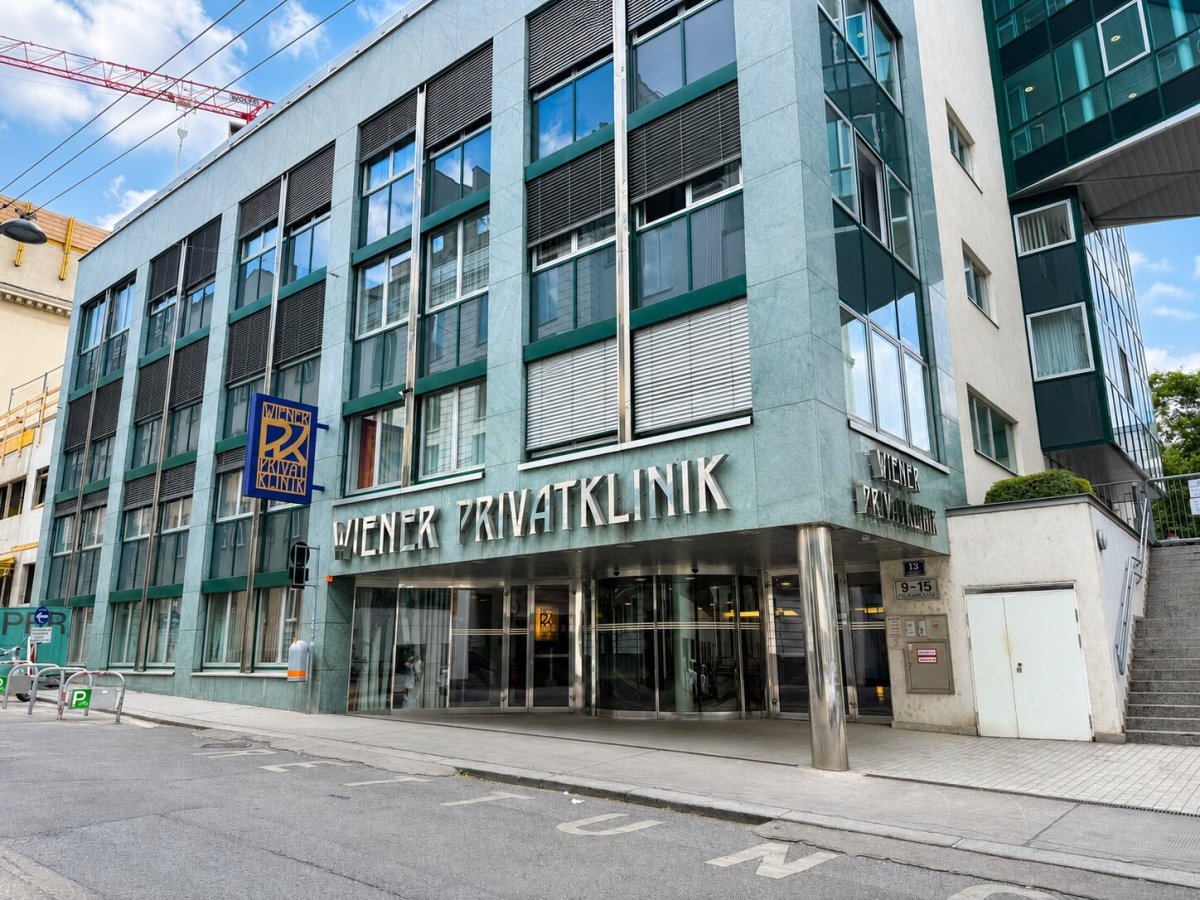
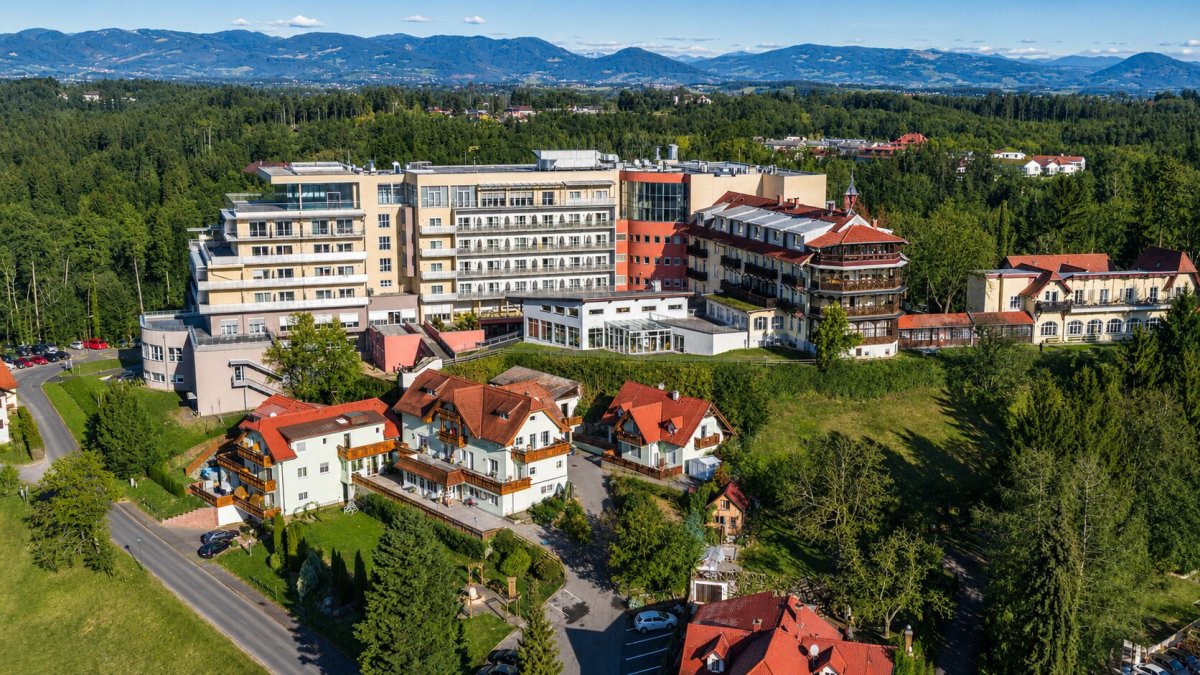
رؤية خبراء Bookimed: يستفيد المرضى الذين يحتاجون إلى تعافٍ حركي مكثف من المراكز التي تمتلك تقنيات روبوتية متقدمة. يُعد مستشفى لاسنيتزهوه الخاص (Private Hospital Lassnitzhöhe) منشأة حاصلة على تصنيف 5 نجوم ومتخصصة في إعادة التأهيل العصبي وجراحة الأعصاب المعقدة. وبالنسبة لأولئك الذين يحتاجون إلى دعم طبي متعدد التخصصات، توفر عيادة فيينا الخاصة (Wiener Privatklinik) إمكانية الوصول إلى أساتذة من جامعة فيينا الطبية. توفر هذه العيادات الحاصلة على شهادة الأيزو (ISO) خططاً مخصصة للبالغين والأطفال في بيئة متعددة اللغات.
| النمسا | تركيا | إسبانيا | |
| علاج سنوزلن | من $250 | من $200 | من $350 |
| العلاج الطبيعي | من $600 | من $10,800 | من $138 |
| العلاج التأهيلي بواسطة جهاز لوكومات (Lokomat) | من $5,000 | من $300 | من $2,500 |
| العلاج التأهيلي بواسطة الهيكل الخارجي (Exoskeleton) | من $10,000 | من $4,000 | من $9,000 |
| العلاج التأهيلي بنظام Re-Step™ | من $2,500 | من $230 | من $1,800 |
اكتشف أفضل إعادة التأهيل بعد السكتة الدماغية العيادات في النمسا: 2 خيارات معتمدة والأسعار



المراجعات
جميع المراجعاتمشاركة المحتوى
قصص فيديو من مرضى Bookimed
 Anna Leonova
أسئلة متكررة حول علاج إعادة التأهيل بعد السكتة الدماغية في النمسا
ما هي المفاهيم العلاجية المحددة المستخدمة في إعادة التأهيل العصبي النمساوي؟
يدمج برنامج إعادة التأهيل العصبي النمساوي مفاهيم الفيزيولوجيا العصبية، مثل نظرية بوباث وفويتا، مع تقنيات الروبوتات، مثل جهاز لوكومات والهيكل الخارجي ري ووك. وتتبع مراكز العلاج المتخصصة في إعادة تأهيل مرضى السكتة الدماغية نهجًا يركز على المريض، ويخضع لمعايير المنظمة الدولية للتوحيد القياسي (ISO). وتولي فرق متعددة التخصصات أولوية قصوى لمرونة الدماغ من خلال التدريب المكثف والمتكرر والقائم على المهام، بالإضافة إلى التحفيز الكهربائي الوظيفي.
- الأساليب العصبية الفيزيولوجية: تعمل التقنيات اليدوية مثل طريقة بوباث و PNF (الكسر العصبي الفيزيولوجي عن طريق الجلد) على تعزيز الحركات الوظيفية وتقوية قوة العضلات.
- المساعدة الروبوتية: يتيح نظاما لوكومات وجي-إي أو تدريبًا مكثفًا على المشي لاستعادة القدرة على المشي.
- البدلات الحديثة: تستخدم العيادات بدلات TheraSuit و Adele الداعمة للوزن لتصحيح وضعية الجسم والتحكم بها.
- التعديل العصبي: التحفيز الكهربائي الوظيفي ينشط الألياف العصبية، مما يعزز حركة الأطراف والتنسيق الحركي.
رأي خبراء بوكيمد: يكمن الاختلاف الأبرز بين العيادات النمساوية التقليدية ونسبة المرضى إلى الأسرة المتخصصة في مستشفى لاسنتزهوه الخاص. يوفر المستشفى 289 سريرًا مخصصة لأمراض
ما هي التقنيات المتقدمة أو الروبوتية المتاحة؟
تستخدم مراكز إعادة التأهيل النمساوية لمرضى السكتة الدماغية أجهزة تدريب المشي الروبوتية مثل لوكومات، وأنظمة الوقوف مثل إريغو. تُساعد هذه التقنيات في إعادة التأهيل الحركي المتكرر للمرضى الذين يعانون من اضطرابات عصبية. تشمل الأدوات المتقدمة نظام ثيرا سوت، وتقنية ري ستيب، والهياكل الخارجية المستخدمة في العيادات المعتمدة من قبل اللجنة الدولية المشتركة (JCI) والمنظمة الدولية للمعايير (ISO).
- تدريب المشي: توفر روبوتات لوكومات تدريبًا مكثفًا ومتكررًا على المشي على جهاز المشي.
- الرفع العمودي: يجمع نظام إريجو بين التعبئة المبكرة وحركة الساق لتحقيق استقرار الدورة الدموية.
- بدلات الغوص: توفر أنظمة Adeli و TheraSuit ردود فعل حسية وتحسن وضعية الجسم.
- العلاج العصبي العضلي: يساعد التحفيز الكهربائي الوظيفي (FES) على تنشيط العضلات الضعيفة أثناء الحركة.
رأي خبراء بوكيميد: يُظهر مستشفى لاسنيتزهوه الخاص كيف تُسهّل سعته الكبيرة من الأسرة ومعاييره المعتمدة من ISO تقديم الرعاية الفورية بعد العمليات الجراحية. وبينما يُقبل على استخدام الروبوتات على نطاق واسع، تكمن القيمة الحقيقية في النمسا في دمج جهاز لوكومات مع علاج بوباث التقليدي. يوفر هذا المزيج تقنية متطورة وتصحيحًا عصبيًا يدويًا على يد خب
متى يجب أن تبدأ إعادة التأهيل بعد الإصابة بالسكتة الدماغية؟
ينبغي البدء بإعادة التأهيل بعد السكتة الدماغية فور استقرار حالة المريض، ويحدث هذا عادةً خلال 24 إلى 48 ساعة من الإصابة. يُسهم التدخل المبكر في الاستفادة من ذروة المرونة العصبية لاستعادة الروابط العصبية، كما يمنع حدوث مضاعفات مثل ضمور العضلات، والجلطات الدموية، والالتهاب الرئوي.
- المرحلة الحادة: يبدأ العلاج المبكر بجانب سرير المريض في غضون 1-7 أيام.
- فترة ما بعد الحادة: عادةً ما تبلغ فترة التعافي المكثف ذروتها بين أسبوع واحد وستة أشهر بعد السكتة الدماغية.
- المعدات المتخصصة: تستخدم العيادات النمساوية معدات متطورة مثل أجهزة المشي لوكومات وأجهزة الوقوف إريجو.
- نهج متعدد التخصصات: تجمع البرامج بين العلاج الطبيعي وعلاج النطق والتدريب على المشي الروبوتي لتحقيق النتائج.
رأي خبراء بوكيميد: يُظهر تحليلٌ للمؤسسات الطبية النمساوية، مثل مستشفى لاسنتزهوه الخاص، تركيزها على إعادة التأهيل العصبي عالي الكفاءة. إذ تضمّ 289 سريرًا، تستقبل هذه المؤسسات البالغين والأطفال في أقسام متخصصة في طب الأعصاب. ويضمن هذا العدد من الأسرة الوصول الفوري إلى مختلف التقنيات، ومنها على سبيل المثال هيكل ري ووك الخارجي، الذي يُعدّ بالغ الأهمية لإعادة تأهيل المشي في المراحل المبكرة.
ما هي المدة النموذجية لبرامج إعادة التأهيل العصبي في النمسا؟
في النمسا، تستغرق إعادة التأهيل العصبي عادةً من 3 إلى 8 أسابيع في المستشفى. أما البرامج التي تُجرى بعد السكتات الدماغية أو إصابات الحبل الشوكي، فغالباً ما تستغرق من 6 إلى 8 أسابيع. بينما تستغرق البرامج المتخصصة للأطفال، لعلاج حالات مثل الشلل الدماغي، عادةً شهراً واحداً في المتوسط.
- كثافة العلاج اليومي: يتلقى المرضى من 6 إلى 8 ساعات من العلاج متعدد التخصصات كل يوم.
- المرحلة الحادة: يبدأ التأهيل الفوري في غضون أسبوعين من الحادث العصبي.
- الحالات الشديدة: قد يستغرق التعافي من العمليات الجراحية الكبرى أو الإصابات ما يصل إلى 6 أسابيع.
- التقنيات المتقدمة: تستخدم البرامج أنظمة لوكومات والهياكل الخارجية لتسريع استعادة الوظائف الحركية.
رأي خبراء بوكيميد: يتأثر نظام إعادة التأهيل في النمسا بشكل كبير بمراكزها التاريخية. يقدم مستشفى لاسنتزهوه الخاص رعاية متخصصة لمرضى السكتة الدماغية بسعة 289 سريرًا. تشير بياناتنا إلى أن العيادات النمساوية الرائدة توظف أكثر من 400 طبيب، غالبيتهم من جامعة فيينا الطبية. يضمن هذا الانتماء الأكاديمي حصول المرضى على علاج قائم على أحدث الأبحاث والبروتوكولات في علم الأعصاب.
آراء المرضى: يشير
ما هي المدن والعيادات في النمسا التي تتخصص في إعادة تأهيل مرضى السكتة الدماغية؟
في النمسا، تُقدَّم خدمات إعادة التأهيل المتخصصة لمرضى السكتة الدماغية في مراكز طبية مثل فيينا ولاسنيتزهوه. وتستخدم المراكز الرائدة أنظمة روبوتية متطورة، وتعمل بفرق متعددة التخصصات. وقد حصلت مؤسسات مثل عيادة فيينا الخاصة ومستشفى لاسنيتزهوه الخاص على شهادة الأيزو. وتُقدِّم هذه العيادات علاجًا مكثفًا للحركة والنطق والإدراك.
- المراكز في فيينا: تقدم كل من Wiener Privatklinik و AKH Vienna برامج إعادة تأهيل عصبي على مستوى الجامعة.
- التقنيات المتخصصة: يستخدم الأطباء نظام لوكومات الروبوتي، وعلاج بوباث، ونظام ري-ستيب.
- المؤسسات المعتمدة: مستشفى لاسنيتزهوي الخاص معتمد وفقًا لمعايير EN ISO 9001:2008.
- الرعاية الشاملة: في الحالات المعقدة، تشمل البرامج العلاج الطبيعي، وتقييم البلع، وعلم النفس العصبي.
رأي خبراء بوكيمد: تُظهر البيانات فرقًا واضحًا بين عيادات المدينة والمراكز الإقليمية. تتفوق مستشفيات فيينا، مثل مستشفى فيينا الخاص، في تقديم الرعاية التشخيصية العاجلة. مع ذلك، توفر المؤسسات الإقليمية، مثل مستشفى لاسنيتزهوهي الخاص، سعة أكبر. فمع 289 سريرًا، يوفر لاسنيتزهوهي مساحة أكبر لإعادة التأهيل العصبي للمرضى المقيمين على المدى الطويل مقارنةً بالمرافق الأصغر في المدينة.
ما الذي ينبغي على المرضى الأجانب الانتباه إليه قبل اختيار العيادة؟
قبل التسجيل في برنامج إعادة التأهيل بعد السكتة الدماغية في النمسا، ينبغي على المرضى التأكد من تخصص المركز الطبي وتوفر المعدات اللازمة. من الضروري التأكد من استخدام المركز لتقنيات محددة، مثل جهاز لوكومات أو الهيكل الخارجي ري ووك. يضمن الحصول على شهادة الأيزو ووجود طبيب أعصاب مؤهل السلامة. تتولى بوكيميد تنسيق جميع الإجراءات اللوجستية والورقية لتسهيل عملية الاستشفاء الدولي.
- المعدات المتخصصة: تحقق من وجود أجهزة مثل لوكومات، وأجهزة الوقوف إريجو، وأنظمة ثيرا سوت.
- الشهادات السريرية: تُعطى الأولوية للمؤسسات الحاصلة على شهادة ISO 9001 أو التي تم إدراجها في قائمة نيوزويك لأفضل المستشفيات في العالم.
- كثافة العلاج: تأكيد عدد الساعات اليومية لجلسات العلاج الطبيعي الفردي، أو علاج بوباث، أو علاج سنوزيلين.
- الفحص العصبي: تأكد من أن المنشأة تضم أساتذة وأطباء أعصاب متخصصين تحديداً في السكتة الدماغية.
نصيحة خبراء بوكيمد: ابحث عن عيادات في مدن صغيرة مثل لاسنتزهوه، وليس فقط في فيينا. غالبًا ما توفر هذه المراكز التاريخية سعة سريرية أكبر، على سبيل المثال، أكثر من 280 سريرًا، مما يضمن سرعة الوصول إلى العلاج المكثف للمرضى الداخليين. كما أنها توفر بيئة هادئة تُعزز بشكل كبير التعافي العصبي مق