إعادة التأهيل بعد السكتة الدماغية العلاج في الصين - التكاليف 2026


تمت مراجعة المقالة طبيا من قبل
فهد مولود
ما هي تكلفة إعادة التأهيل بعد السكتة الدماغية إجراءات التشخيص والعلاج في الصين؟ اعرف الآن
تتراوح تكلفة علاج إعادة التأهيل بعد السكتة الدماغية في الصين من السعر عند الطلب إلى السعر عند الطلب للرعاية الداخلية، بينما تتكلف البرامج المكثفة التي تتضمن مساعدات روبوتية عموماً ما بين $5,800 إلى $12,000. تعتمد النفقات الإجمالية على مستوى المنشأة، ومدة العلاج، ودمج العلاجات التقليدية. يمكن للمرضى توقع توفير ما بين 30-50% مقارنة بالولايات المتحدة. تُعد بكين وتيانجين ولانغفانغ المراكز الرئيسية للتعافي العصبي المتقدم.
تكاليف علاج إعادة التأهيل بعد السكتة الدماغية النموذجية في الصين
- إعادة التأهيل الداخلي: السعر عند الطلب
- إعادة التأهيل باستخدام جهاز Lokomat: $5,800 – $12,000
- إعادة التأهيل الشامل: السعر عند الطلب
- العلاج الطبيعي: $200 – $300
- إعادة التأهيل باستخدام الهيكل الخارجي (Exoskeleton): $4,800 – $14,500
- علاج بوباث (Bobath): السعر عند الطلب
- إعادة التأهيل على جهاز الوقوف (Verticalizer): السعر عند الطلب
- إعادة التأهيل باستخدام نظام Re-step: $2,400 – $5,500
- العلاج الوظيفي باستخدام فأرة الحاسوب المخصصة للرأس: $1,800 – $4,800
- إعادة التأهيل باستخدام بدلة Adeli: السعر عند الطلب
رؤية خبراء Bookimed: يستفيد المرضى الدوليون بشكل أكبر من المرافق المعتمدة من قبل اللجنة الدولية المشتركة (JCI) التي تدمج المعايير الغربية مع الخبرة التقليدية. يُعد مستشفى بكين يونايتد فاميلي لإعادة التأهيل مثالياً لأولئك الذين يبحثون عن رعاية بمعايير أمريكية تحت إشراف متخصصين مثل الدكتور جينغشنغ تشو. وبدلاً من ذلك، يوفر مستشفى ياندا الدولي نطاقاً واسعاً يضم أكثر من 28,500 تقنية حديثة للحالات المعقدة. توفر هذه المراكز قيمة فائقة للمرضى الذين يحتاجون إلى بروتوكولات تعافي عصبي مكثفة وطويلة الأمد.
| الصين | تركيا | إسبانيا | |
| علاج سنوزلن | من $1,500 | من $200 | من $350 |
| العلاج الطبيعي | من $150 | من $10,800 | من $138 |
| العلاج التأهيلي بواسطة جهاز لوكومات (Lokomat) | من $5,800 | من $300 | من $2,500 |
| العلاج التأهيلي بواسطة الهيكل الخارجي (Exoskeleton) | من $4,800 | من $4,000 | من $9,000 |
| العلاج التأهيلي بنظام Re-Step™ | من $2,400 | من $230 | من $1,800 |
مزاياك وضماناتك مع Bookimed
أسعار مباشرة
Bookimed لا يضيف رسوماً إضافية على أسعار علاج إعادة التأهيل بعد السكتة الدماغية. الأسعار مأخوذة من قوائم الأسعار الرسمية للعيادات. تدفع مباشرة في العيادة مقابل علاجك عند وصولك إلى البلد.
عيادات وأطباء معتمدون فقط
Bookimed ملتزم بسلامتك. نحن نعمل فقط مع المؤسسات الطبية التي تحافظ على معايير دولية عالية في علاج إعادة التأهيل بعد السكتة الدماغية ولديها التراخيص اللازمة لخدمة المرضى الدوليين في جميع أنحاء العالم.
مساعدة مجانية على مدار الساعة
Bookimed يقدم مساعدة خبراء مجانية. منسق طبي شخصي يدعمك قبل وأثناء وبعد العلاج، ويحل أي مشاكل. لن تكون وحيداً أبداً في رحلة علاج إعادة التأهيل بعد السكتة الدماغية.

منسقك الطبي الشخصي في Bookimed
- يدعمك في كل مرحلة
- المساعدة في اختيار العيادة الطبية المناسبة والطبيب المناسب
- يضمن الوصول السريع والمريح إلى المعلومات
اكتشف أفضل إعادة التأهيل بعد السكتة الدماغية العيادات في الصين: 6 خيارات معتمدة والأسعار


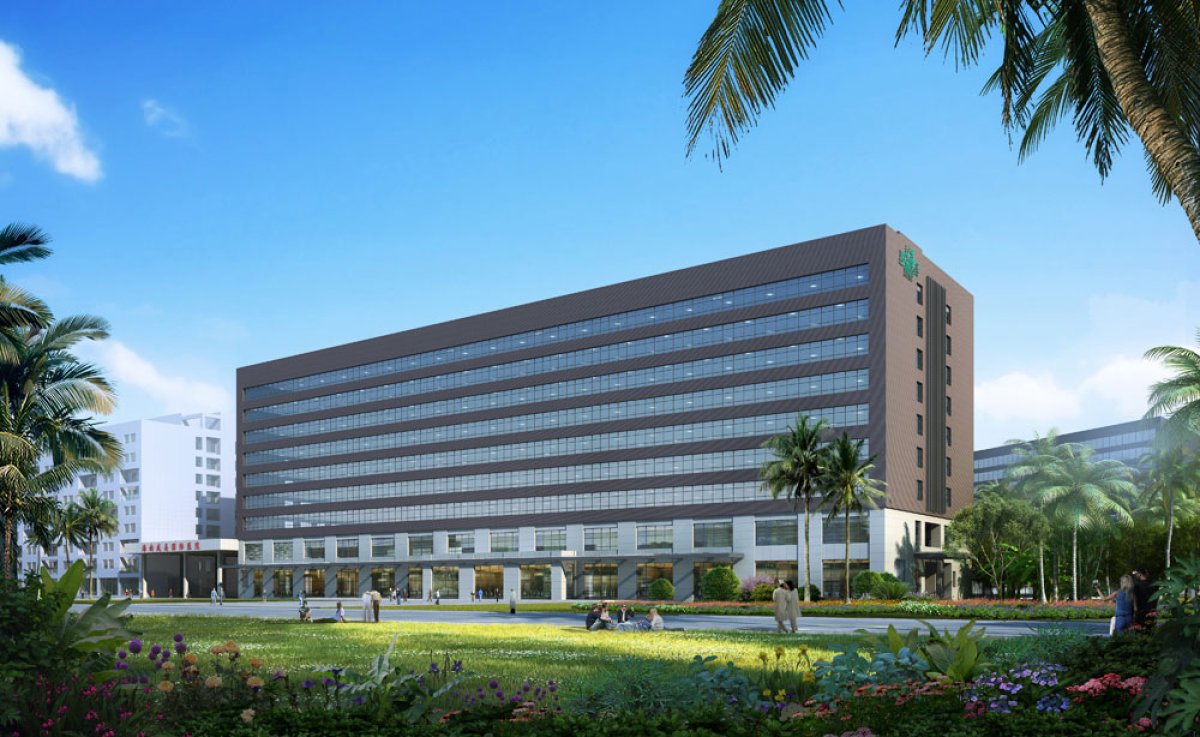
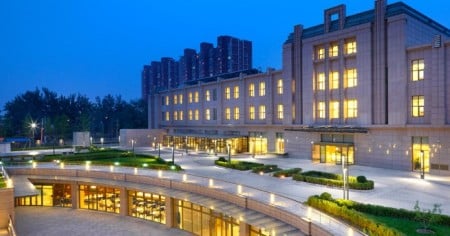
Beijing United Family Rehabilitation Hospital
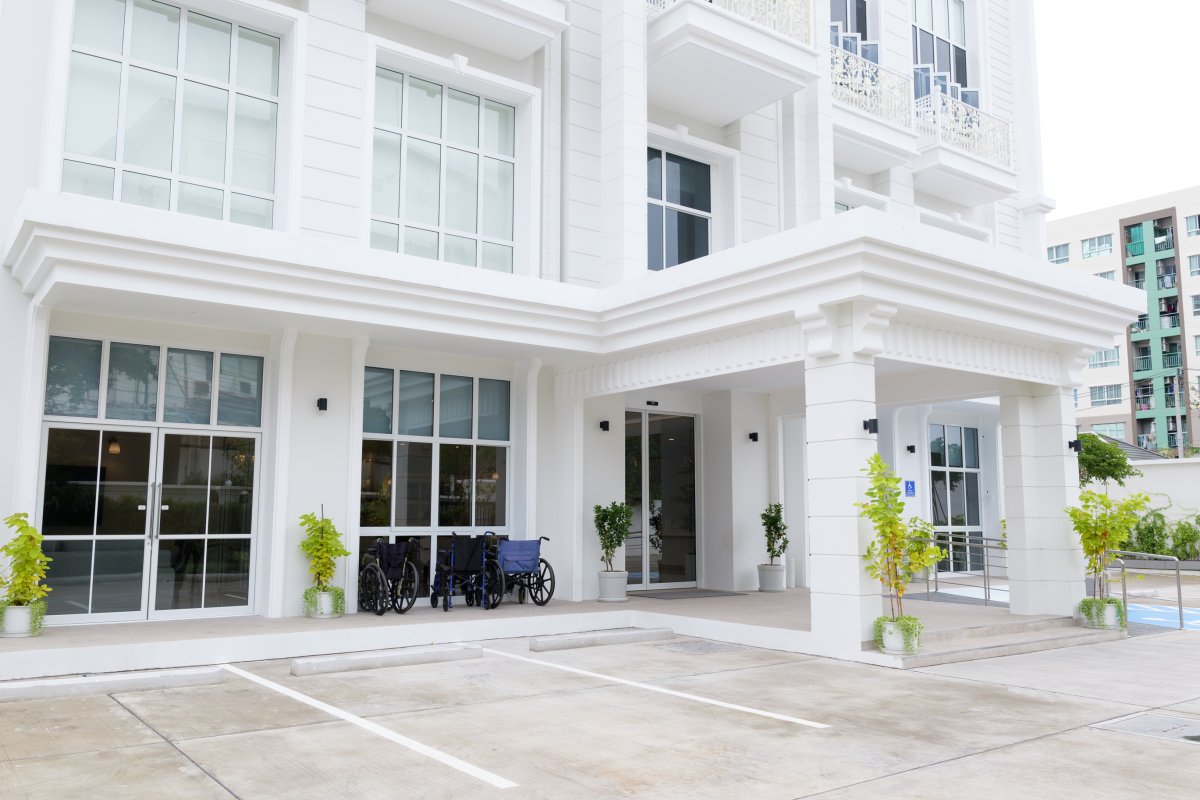
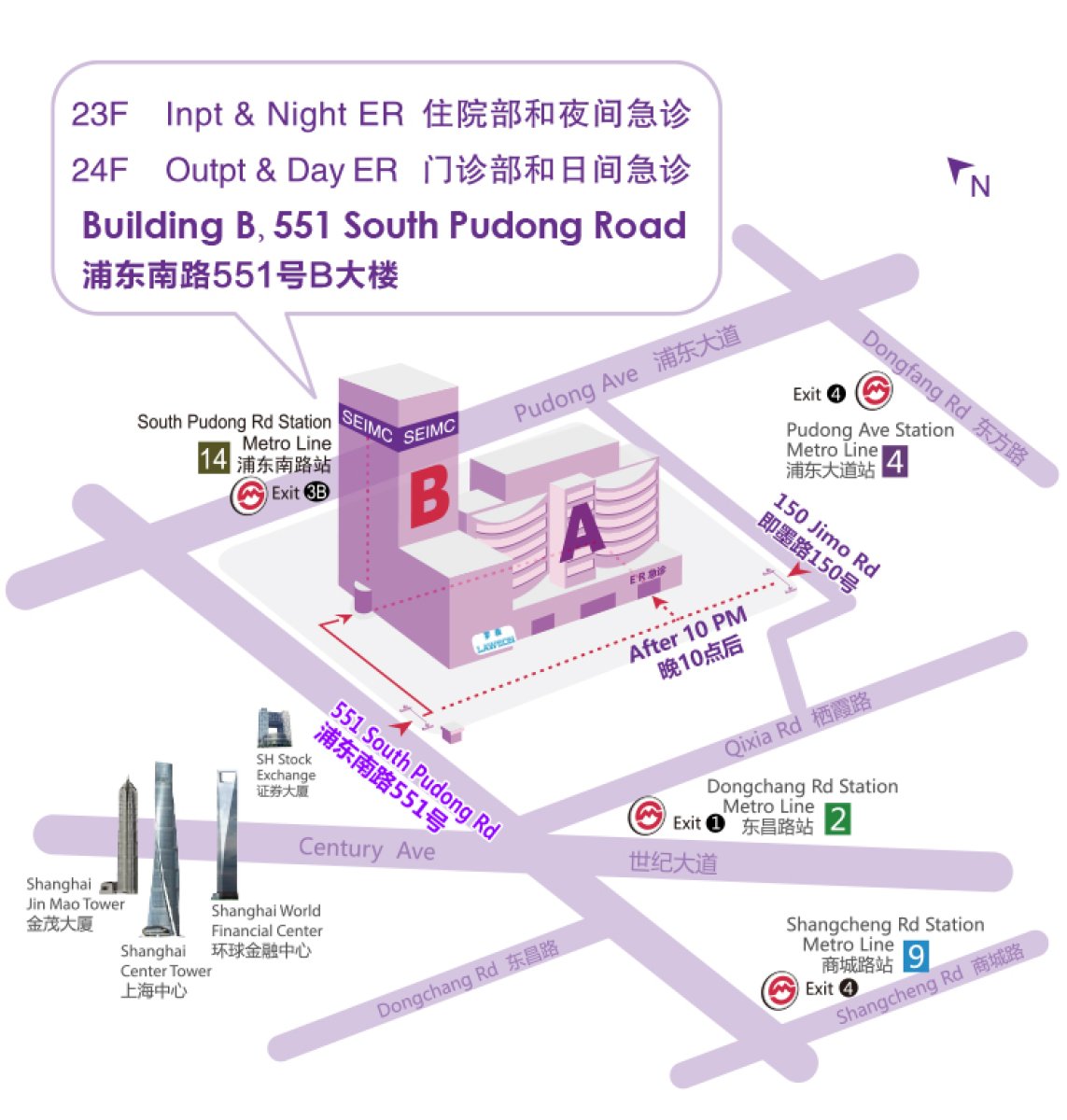
Shanghai East International Medical Center
احصل على تقييم طبي لـ في الصين. استشر الآن 11 أطباء ذوي الخبرة.
عرض جميع الأطباء
Zhang En Da
الأستاذ تشانغ إن دا كبير الأطباء في تأهيل إصابات الحبل الشوكي، ويتمتع بأكثر من 30 عامًا من الخبرة السريرية. أتم تدريبًا متقدمًا في مستشفى صن يات-سن التذكاري وفي قسم الأعصاب بالمستشفى الأول الملحق بجامعة الصين الطبية.
يركّز على تأهيل إصابات الحبل الشوكي بمختلف أسبابها. يتولى علاج الشلل الرباعي والشلل النصفي السفلي، والشلل غير الكامل، واضطرابات الإحساس، وخلل المثانة والأمعاء العصبي، بما في ذلك احتباس البول والسلس وفرط نشاط المثانة والإمساك وسلس البراز. كما يعالج اضطرابات الحركة بعد الالت
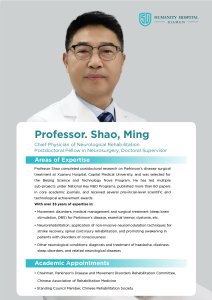
Ming Shao
الدكتور مينغ شاو أستاذ، كبير أطباء إعادة التأهيل العصبي، وزميل ما بعد الدكتوراه في جراحة الأعصاب، ومشرف دكتوراه. لديه أكثر من 35 عامًا من الخبرة. يختص باضطرابات الحركة ويقدم رعاية طبية وجراحية، بما في ذلك التحفيز العميق للدماغ، لمرض باركنسون والرعاش الأساسي وخلل التوتر (الديستونيا). يركز أيضًا على إعادة التأهيل العصبي ويستخدم التعديل العصبي غير الباضع لعلاج السكتة الدماغية وإصابات الحبل الشوكي واضطرابات الوعي.
أكمل أبحاث ما بعد الدكتوراه حول العلاج الجراحي لمرض باركنسون في مستشفى شيوان
مشاركة المحتوى
قصص فيديو من مرضى Bookimed
 Anna Leonova
أسئلة متكررة حول علاج إعادة التأهيل بعد السكتة الدماغية في الصين
كيف تدمج الصين الطب الصيني التقليدي مع إعادة التأهيل الغربي للسكتة الدماغية؟
تدمج الصين البروتوكولات الطبية من خلال الجمع بين الرعاية الحادة وإعادة التأهيل المنهجي الغربي مع الطب الصيني التقليدي (TCM). يدير هذا النموذج ثنائي النظام المرضى من خلال أطباء الأعصاب وأطباء الطب الصيني التقليدي. تشمل العلاجات الغربية القياسية العلاج الطبيعي وتدريب النطق. تقترن هذه العلاجات بالوخز بالإبر لمعالجة المرونة العصبية والتشنج.
- الإدارة ثنائية النظام: يقود أطباء الأعصاب وأخصائيو الطب الصيني التقليدي التعافي بشكل مشترك في أقسام المستشفيات المتكاملة.
- إعادة التأهيل العصبي: تستخدم المراكز ذات الحجم الكبير تقنيات مساعدة بالروبوت مثل Lokomat لإعادة تدريب المشي.
- طرق الطب الصيني التقليدي: يستهدف الوخز بالإبر والتركيبات العشبية عسر البلع والوظيفة الحركية والدورة الدموية الدماغية.
- بناء الأدلة: تقوم مراكز الأبحاث الإقليمية برسم خرائط لنشاط الدماغ لمواءمة الوخز بالإبر مع التعديل العصبي.
رؤية خبير Bookimed: يخدم مستشفى ياندا الدولي 2,500,000 مريض سنويًا باستخدام بروتوكولات الفئة أ المستوى الثالث. يسمح هذا الحجم الكبير لأطباء مثل الدكتور جينغشنغ تشو بتحسين الرعاية المتكاملة للحالات المعقدة. غالبًا ما تشمل الباقات من 21 إلى 30 يومًا من الاستشفاء. تضمن هذه الإقامة الممتدة حصول المرضى على كل من العلاج الطبيعي المكثف وجلسات الطب الصيني التقليدي المتسقة تحت سقف واحد.
إجماع المرضى: يلاحظ المرضى أن العلاج الطبيعي الغربي يشكل جوهر التعافي بينما يوفر الوخز بالإبر الدعم لتيبس الأطراف. عادة ما تشارك العائلات بشكل كبير في الروتين
ما هي التقنيات المتقدمة المستخدمة بشكل روتيني في عيادات التعافي من السكتة الدماغية في الصين؟
تستخدم عيادات التعافي من السكتة الدماغية في الصين نموذجاً هجيناً يجمع بين الروبوتات العصبية المؤتمتة وتقنيات الطب التقليدي. تنشر المرافق الرائدة المعتمدة من قبل اللجنة الدولية المشتركة (JCI) في بكين أجهزة تدريب المشي مثل Lokomat والهياكل الخارجية التي تعمل بالذكاء الاصطناعي. تعمل هذه الأنظمة على زيادة المرونة العصبية من خلال مهام متكررة عالية الكثافة. كما تدمج العيادات المتقدمة الوخز بالإبر الكهربائي ورسم خرائط خطوط الطول المحوسبة.
- أنظمة المشي الروبوتية: تعمل أجهزة Lokomat و Re-step على أتمتة حركات الأطراف السفلية للتدريب المكثف على المشي.
- أجهزة التعديل العصبي: تستخدم المرافق التحفيز المغناطيسي المتكرر عبر الجمجمة (rTMS) لتهيئة شبكات الدماغ.
- روبوتات الأطراف العلوية: يوجه الموجهون الروبوتيون تمارين اليد والذراع مع ردود فعل عضلية في الوقت الفعلي.
- تكنولوجيا الطب الصيني التقليدي المتكاملة: تعمل ماسحات خطوط الطول الرقمية ومولدات النبضات الكهربائية على تحديث علاجات الوخز بالإبر التقليدية.
رؤية خبير Bookimed: يحتفظ مستشفى ياندا الدولي بمخزون هائل يضم أكثر من 28,000 جهاز حديث. تشير بياناتنا إلى أن أعلى قيمة سريرية تأتي من تجميع الروبوتات عالية الحجم مع جداول زمنية مكثفة وفقاً لمعايير JCI. في حين تركز العديد من المراكز على أدوات فردية، تجمع مستشفيات الدرجة الأولى (الفئة أ، المستوى الثالث) بين العلاج بالأكسجين عالي الضغط وأنظمة المشي الروبوتية في برنامج واحد مدته 21 يوماً. تساعد كثافة التكنولوجيا هذه في تفسير سبب إدارة هذه المراكز لما يصل إلى 2.5
متى يجب أن يبدأ التأهيل بعد السكتة الدماغية في الصين، وكم تستمر فترة العلاج عادةً؟
يبدأ تأهيل السكتة الدماغية في الصين عادةً في غضون 24 إلى 72 ساعة بمجرد استقرار حالة المريض طبياً. يستمر التدخل النشط عموماً من خلال شبكة منظمة من ثلاث مراحل لمدة تتراوح بين ثلاثة إلى ستة أشهر. قد تستمر الرعاية المزمنة إلى أجل غير مسمى للحفاظ على الوظائف الحركية ودعم التعافي على المدى الطويل.
- البدء المبكر: يؤدي الاستقرار في غضون 72 ساعة إلى إجراء تقييمات أساسية للحركة والنطق.
- المرحلة الحادة: غالباً ما يستمر التأهيل في أجنحة الأعصاب لمدة أسبوع إلى أسبوعين تقريباً.
- المدة تحت الحادة: توفر برامج المرضى الداخليين المتخصصة عادةً علاجاً مكثفاً لمدة ثلاثة إلى ستة أشهر.
- الطرق المتكاملة: غالباً ما تجمع البرامج بين العلاج الطبيعي الغربي والوخز بالإبر التقليدي وتاي تشي.
رؤية خبير Bookimed: يجب على المرضى التحقق من تفاصيل الإقامة في المستشفى. غالباً ما توفر الباقات في المرافق المعتمدة من اللجنة الدولية المشتركة (JCI) مثل مستشفى ياندا الدولي دورات إقامة للمرضى الداخليين لمدة 21 يوماً. تُظهر بياناتنا أن هذه البرامج قد تكلف ما يقرب من 10,400 إلى 20,000 دولار. تشمل هذه الإقامات الشاملة عادةً الانتقالات من وإلى المطار ومعدات متخصصة مثل أنظمة Lokomat أو الهياكل الخارجية.
إجماع المرضى: يؤكد المرضى أن التأهيل مكثف للغاية في الأسابيع القليلة الأولى. ويشيرون إلى أن التكرار اليومي المستمر ومشاركة الأسرة أمران حيويان للحفاظ على التقدم بعد الخروج من المستشفى.
ما هو حجم العلاج اليومي النموذجي أثناء إعادة التأهيل للمرضى الداخليين؟
تتطلب إعادة التأهيل للمرضى الداخليين عادةً ما لا يقل عن 3 ساعات من العلاج النشط يوميًا. يتم هذا العلاج لمدة 5 أيام على الأقل في الأسبوع. يبلغ إجمالي الجدول الزمني عادةً 15 ساعة من العلاج المكثف كل 7 أيام. يضمن عبء العمل هذا تلبية المرضى لمعالم التعافي الأساسية ومتطلبات القدرة على التحمل.
- الجدول اليومي: 3 ساعات من العلاج مقسمة إلى عدة جلسات مركزة.
- الحجم الأسبوعي: 15 ساعة كحد أدنى من إعادة التأهيل المكثف خلال 7 أيام.
- العلاجات الأولية: مجموعات من العلاج الطبيعي، والعلاج الوظيفي، وعلاج النطق واللغة.
- خيارات بديلة: توزيع إجمالي 900 دقيقة على 7 أيام لمن لديهم قدرة تحمل أقل.
رؤية خبير Bookimed: تدمج مراكز إعادة التأهيل الصينية مثل مستشفى ياندا الدولي حجمًا كبيرًا من العلاج مع الروبوتات المتقدمة. يستخدمون أنظمة مثل Lokomat وأجهزة التوقيف العمودي للتعافي العصبي. غالبًا ما تجمع العيادات التي تخدم أكثر من 2,000,000 مريض بين هذه التقنيات الغربية والإقامات التقليدية في المستشفى لمدة تتراوح بين 21 إلى 30 يومًا. هذه المدة أطول من الـ 10 إلى 14 يومًا المعتادة في العديد من المناطق الأخرى.
إجماع المرضى: يشير المرضى إلى أن متطلب الـ 3 ساعات يوميًا يمثل تحديًا بدنيًا ولكنه ضروري للتقدم. يقدر الكثيرون وجود مساعدين لغويين وخدمات نقل شاملة لإدارة الكثافة العالية لبرامج الـ 21 يومًا.
ما هي التأشيرة التي يحتاجها المرضى الدوليون لإعادة التأهيل من السكتة الدماغية في الصين، وما هي المستندات المطلوبة؟
يحتاج المرضى الدوليون إلى تأشيرة طبية صينية (فئة S) لإعادة التأهيل من السكتة الدماغية. تغطي تأشيرة S2 الإقامة لمدة تصل إلى 180 يومًا. للتعافي لفترة أطول، تأشيرة S1 إلزامية. يجب على حاملي تأشيرة S1 التسجيل للحصول على تصريح إقامة في غضون 30 يومًا من الوصول.
- دعوة المستشفى: خطاب رسمي من مستشفى من الدرجة الأولى يوضح التشخيص وخطة العلاج.
- إثبات مالي: كشوف حسابات بنكية توضح توفر أموال تغطي 120% من تكاليف إعادة التأهيل المقدرة.
- السجلات السريرية: التاريخ السابق للسكتة الدماغية والتقييمات البدنية مع ترجمات صينية معتمدة.
- صلاحية جواز السفر: جواز السفر الأصلي بصلاحية 6 أشهر وصفحتين فارغتين للتأشيرة.
رؤية خبير Bookimed: يتم تبسيط تنسيق السفر في المرافق المعتمدة من قبل اللجنة الدولية المشتركة (JCI) مثل مستشفى ياندا الدولي أو مركز بكين يونايتد فاميلي لإعادة التأهيل. تخدم هذه المراكز ما يصل إلى 2,500,000 مريض سنويًا وتوفر الأختام الإدارية المتخصصة المطلوبة للموافقة على تأشيرة فئة S. يضمن اختيار مرفق لديه أقسام خدمة دولية أن السجلات الطبية تلبي معايير الترجمة الصارمة للقنصلية قبل التقديم.
إجماع المرضى: يؤكد المرضى على استخدام تأشيرة طبية رسمية بدلاً من تأشيرة سياحية لرعاية السكتة الدماغية. من المفيد الاحتفاظ بنسخ رقمية ومطبوعة من تقييمات العلاج لأن العيادات تطلبها غالبًا عدة مرات أثناء القبول.
كيف يتغلب المرضى الدوليون على حواجز اللغة أثناء الإقامة في المستشفى؟
يتغلب المرضى الدوليون على حواجز اللغة من خلال مترجمين طبيين محترفين، وتكنولوجيا صحية رقمية مخصصة، والبنية التحتية الداخلية للمستشفى. غالبًا ما توفر المرافق ترجمة معتمدة في الموقع للجلسات السريرية. كما تنفذ العديد من مراكز إعادة التأهيل وثائق ثنائية اللغة وبروتوكولات اتصال مبسطة لضمان سلامة المرضى ودقة الرعاية.
- الترجمة الفورية المهنية: يسهل المتخصصون المعتمدون المناقشات الطبية المعقدة والموافقة المستنيرة.
- الأدوات الرقمية: توفر الأجهزة اللوحية ترجمة فورية عبر الفيديو (VRI) للترجمة في الوقت الفعلي.
- الخدمات المشمولة: تتضمن العديد من الباقات مساعدة لغوية مخصصة وخدمات نقل من وإلى المطار.
- الرعاية المتوافقة: يستخدم الموظفون لغة إنجليزية مبسطة ووسائل مساعدة بصرية للتحقق من التعليمات.
رؤية خبير Bookimed: بينما يعتقد الكثيرون أن العيادات الخاصة فقط هي التي تقدم الدعم، فإن المرافق العامة المعتمدة من JCI مثل مستشفى ياندا الدولي تخدم 2.5 مليون مريض سنويًا بتصنيف الفئة A III. غالبًا ما يضمن اختيار هذه المراكز ذات الحجم الكبير الوصول إلى أقسام دولية راسخة معتادة على المرضى الناطقين بالروسية والعربية. لإعادة التأهيل طويل الأمد من السكتة الدماغية، ابحث عن باقات تشمل بالفعل 21 ليلة في المستشفى لتجنب لوجستيات الترجمة المتكررة للسكن.
إجماع المرضى: يوصي المرضى بإنشاء ورقة تواصل طبي تحتوي على عبارات مترجمة لأعراض مثل الدوار. من المهم طلب تعليمات مكتوبة للأدوية وجداول إعادة التأهيل لتجنب سوء الفهم اللفظي أثناء نوبات العمل في الأجنحة.