علاج إعادة التأهيل بعد السكتة الدماغية في بولندا — احصل على 3 عيادات مختارة خصيصاً لك


تمت مراجعة المقالة طبيا من قبل
فهد مولود
كيف نعمل؟
ما هي تكلفة إعادة التأهيل بعد السكتة الدماغية إجراءات التشخيص والعلاج في بولندا؟ اعرف الآن
تتضمن تكلفة علاج إعادة التأهيل بعد السكتة الدماغية في بولندا عادةً استشارة عصبية تتراوح تكلفتها بين $100 و $200، وبرامج إعادة تأهيل شاملة تتراوح تكلفتها بين السعر عند الطلب و السعر عند الطلب. تعتمد النفقات الإجمالية على كثافة العلاج، والتقنيات الروبوتية المطلوبة، ومدة الإقامة في المستشفى. يمكن للمرضى المسافرين إلى بولندا توقع توفير ما بين 50-70% مقارنة بالولايات المتحدة. تشمل الوجهات الرائدة لهذه الخدمات المتخصصة كراكوف، وأسترون، وجيلينيا غورا.
تكاليف علاج إعادة التأهيل بعد السكتة الدماغية النموذجية في بولندا
- استشارة عصبية: $100 – $200
- إعادة تأهيل شاملة: السعر عند الطلب
- إعادة تأهيل للمرضى الداخليين: السعر عند الطلب
- إعادة تأهيل باستخدام جهاز Lokomat: $2,100 – $4,500
- إعادة تأهيل باستخدام الهيكل الخارجي (exoskeleton): $3,200 – $6,000
- علاج بوبا (Bobath): السعر عند الطلب
- علاج سنوزيلين (Snoezelen): $100 – $200
- العلاج الطبيعي: $400 – $600
- إعادة تأهيل باستخدام بدلة TheraSuit: $2,000 – $4,200
- إعادة تأهيل على جهاز الوقوف (verticalizer): السعر عند الطلب
رؤية خبراء Bookimed: يجب على المرضى الذين يحتاجون إلى تعافٍ مكثف إعطاء الأولوية للمراكز متعددة التخصصات مثل المستشفى الجامعي في كراكوف. تدير هذه المنشأة التاريخية 455,000 مريض سنوياً باستخدام معدات تقنية متطورة. بالنسبة للتعافي المتخصص في الجوانب العصبية أو القلبية الوعائية، تعد شبكة American Heart of Poland في أسترون خياراً مثالياً، حيث تحافظ على معدل نجاح بنسبة 99.7% لإجراءات القلب. تقدم عيادة KCM في جيلينيا غورا باقات مخصصة للمرضى الدوليين، مما يسهل الخدمات اللوجستية للعائلات القادمة من المملكة المتحدة وألمانيا.
| بولندا | تركيا | إسبانيا | |
| علاج سنوزلن | من $100 | من $200 | من $350 |
| العلاج الطبيعي | من $350 | من $10,800 | من $138 |
| العلاج التأهيلي بواسطة جهاز لوكومات (Lokomat) | من $2,100 | من $300 | من $2,500 |
| العلاج التأهيلي بواسطة الهيكل الخارجي (Exoskeleton) | من $3,200 | من $4,000 | من $9,000 |
| العلاج التأهيلي بنظام Re-Step™ | من $2,200 | من $229 | من $1,800 |
اكتشف أفضل إعادة التأهيل بعد السكتة الدماغية العيادات في بولندا: 8 خيارات معتمدة والأسعار



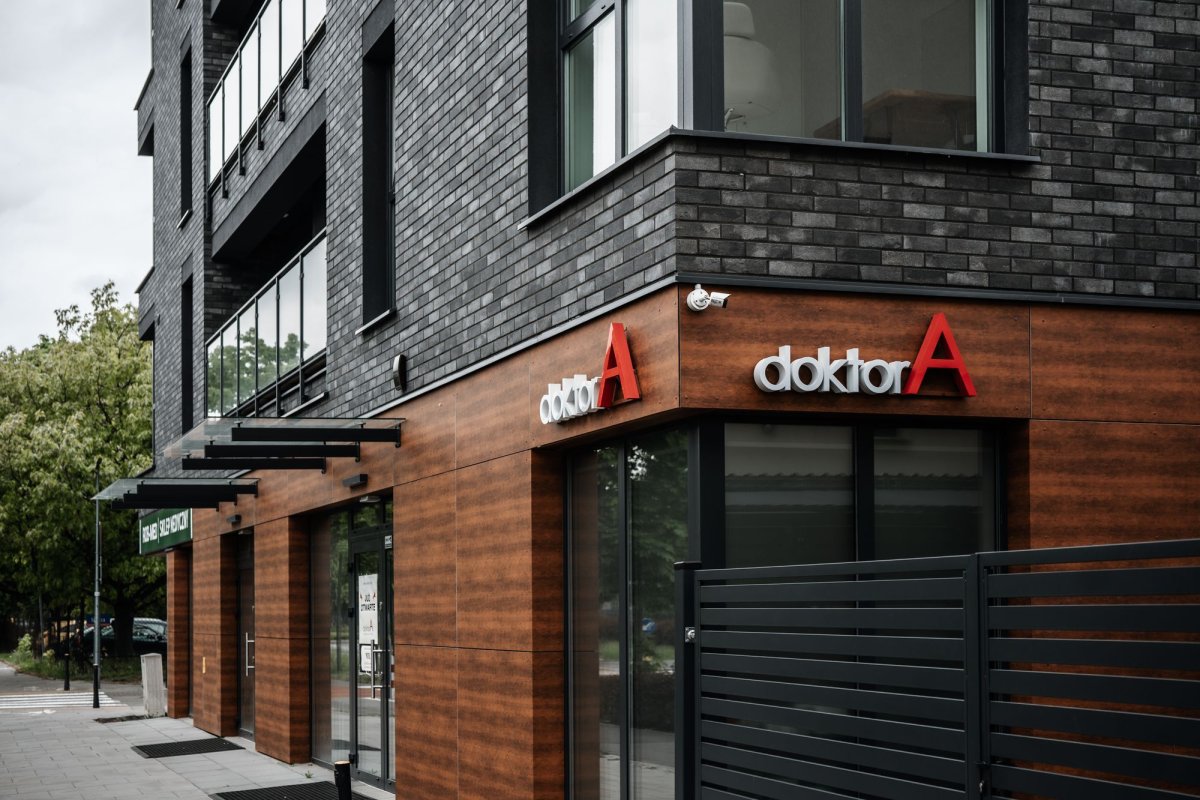
Centrum Medyczne doktorA

University Hospital in Krakow


Uzdrowisko Ustroń Health Resort
احصلوا على تقييم طبي لـ إعادة التأهيل بعد السكتة الدماغية في بولندا: استشيروا أطباء ذوي خبرة الآن
عرض جميع الأطباء
Jose Iriarte

Stanisław Szlufik
Marek Migdał
Karina Lebica
مشاركة المحتوى
قصص فيديو من مرضى Bookimed
 Anna Leonova
أسئلة متكررة حول علاج إعادة التأهيل بعد السكتة الدماغية في بولندا
ما هي المعدات الروبوتية المتقدمة المتاحة في العيادات البولندية لإعادة التأهيل بعد السكتة الدماغية؟
تستخدم مراكز إعادة التأهيل البولندية أجهزة تدريب المشي الروبوتية المتقدمة وهياكل خارجية للذراع لتحفيز المرونة العصبية. تشمل التقنيات الرئيسية جهاز Lokomat Pro لإعادة تعليم المشي وجهاز Luna EMG لدعم الأطراف العلوية المعتمد على العضلات. توفر هذه الأنظمة التكرار عالي الكثافة اللازم للتعافي الحركي في المرافق المعتمدة من ISO.
- إعادة تدريب المشي: توفر أنظمة Lokomat ممارسة خطوات متكررة ومنظمة للمرضى الذين يعانون من شلل نصفي.
- استعادة الأطراف العلوية: يستخدم Luna EMG تخطيط كهربائية العضل للمساعدة في حركات الذراعين أو الساقين المشلولتين.
- الاستقرار الوضعي: توفر منصات قياس الاستقرار تغذية راجعة حيوية بصرية لتحسين نقل الوزن الديناميكي والتوازن.
- الهياكل الخارجية القابلة للارتداء: تسمح البدلات التي تعمل بالبطارية للمرضى بممارسة الوقوف والمشي على الأرض بأمان.
رؤية خبير Bookimed: بينما يبحث الكثيرون عن أحدث التقنيات، يخدم المستشفى الجامعي في كراكوف 455,000 مريض سنوياً. يرتبط هذا الحجم الهائل غالباً بدقة تشخيصية أعلى. عادة ما تقدم المراكز ذات الحجم الكبير تعديلات أكثر اتساقاً يقودها المعالجون على الإعدادات الروبوتية. هذا الإشراف البشري هو ما يحول الحركة الروبوتية المتكررة إلى تعافٍ وظيفي فعلي.
إجماع المرضى: يشير المرضى إلى أن الأدوات الروبوتية ممتازة للممارسة عالية التكرار دون إرهاق معالجيهم الفيزيائيين. غالباً ما يعتمد النجاح على ما إذا كانت الجلسات مقترنة بمهام وظيفية بدلاً من مجرد حركة روبوتية.
ما هي العلاجات العصبية القياسية المستخدمة في إعادة التأهيل من السكتة الدماغية في بولندا؟
تستخدم إعادة التأهيل من السكتة الدماغية في بولندا أساليب فسيولوجية عصبية مثل NDT-Bobath وPNF لتحفيز مرونة الدماغ. توفر المرافق رعاية متعددة التخصصات تشمل علاج النطق، وعلم النفس العصبي، والعلاج الوظيفي. تدمج المراكز الرائدة الروبوتات المتقدمة مثل Lokomat والهياكل الخارجية لتسريع التعافي الحركي وتحسين أنماط المشي.
- الأساليب الفسيولوجية العصبية: تحفز تقنيات PNF وNDT-Bobath المسارات العصبية وتنظم توتر العضلات.
- المشي بمساعدة الروبوت: توفر أنظمة Lokomat وRe-step تدريباً مكثفاً ومتكرراً للتعافي الحركي للأطراف السفلية.
- التدريب الوظيفي اليومي: يركز العلاج الوظيفي على إعادة تعلم المهام الأساسية مثل ارتداء الملابس، والغسيل، وتناول الطعام.
- المساعدات العصبية المتقدمة: تستخدم العيادات العلاج بالمرآة والتحفيز الكهربائي الوظيفي لتحفيز المرونة العصبية للقشرة الحركية.
رؤية خبير Bookimed: يُظهر مشهد إعادة التأهيل في بولندا تركيزاً كبيراً للرعاية المتخصصة في أوسترون (Ustroń). تعمل كل من American Heart of Poland وUzdrowisko Ustroń هناك. يعمل أكثر من 500 طبيب ضمن هذه الشبكة. تسمح هذه الكثافة العالية من المتخصصين بانتقالات سلسة بين رعاية القلب والأوعية الدموية وإعادة التأهيل العصبي.
إجماع المرضى: يشير المرضى إلى أن مراكز إعادة التأهيل الخاصة توفر ممارسة عملية مكثفة أكثر بكثير من الخيارات العامة. ويؤكدون أن التعافي يتسارع عندما تساعد العائلات في التمارين المتكررة بين جلسات العلاج الرسمية.
ما هي معايير السلامة والجودة التي تتبعها عيادات إعادة التأهيل من السكتة الدماغية في بولندا؟
تلتزم عيادات إعادة التأهيل من السكتة الدماغية في بولندا بتفويضات الصندوق الوطني للصحة (NFZ) ومعايير ISO الدولية. تعمل المرافق وفق مستويات هيكلية صارمة. يجب عليها دمج فرق متعددة التخصصات بقيادة أطباء أعصاب معتمدين. تتبع المراكز عالية المستوى أيضًا معايير الجودة الخاصة بالمنظمة الأوروبية للسكتة الدماغية (ESO) من أجل السلامة ونتائج التعافي القابلة للقياس.
- كثافة العلاج: تفرض المراكز 60 دقيقة من العلاج الطبيعي يوميًا و30 دقيقة من إعادة التأهيل المعرفي.
- المعدات المتخصصة: تستخدم العيادات روبوتات متقدمة مثل Lokomat، وExoskeleton Rewalk، ونظام Re-step.
- الفحوصات الإلزامية: تتطلب البروتوكولات إجراء فحص فوري لعسر البلع والاكتئاب لمنع الاستنشاق والإرهاق.
- مراقبة النجاح: يتم تتبع النتائج باستخدام مؤشر بارثيل وسجل جودة رعاية السكتة الدماغية.
رؤية خبير Bookimed: تظهر البيانات من شبكة American Heart of Poland معدل تميز بنسبة 99.7% في نتائج التعافي من السكتة الدماغية. يشير هذا إلى أن اختيار شبكات متخصصة بدلاً من المستشفيات العامة متعددة التخصصات يوفر غالبًا إعادة تأهيل عصبي أكثر تركيزًا. بينما يتعامل المستشفى الجامعي في كراكوف مع 455,000 مريض سنويًا، تعطي الشبكات الخاصة مثل American Heart of Poland الأولوية لحالات القلب والسكتة الدماغية ذات الحجم الكبير في بيئات أصغر ومتخصصة.
إجماع المرضى: يلاحظ المرضى أن الجودة تُقاس بشكل أفضل من خلال دقائق العلاج اليومية بدلاً من مظهر المرفق. ويؤكدون أن العيادات التي توفر خطط تمارين منزلية وتدريب
هل رعاية النطق والإدراك مدمجة مع إعادة التأهيل البدني بعد السكتة الدماغية في بولندا؟
تعتبر رعاية النطق والإدراك مدمجة هيكلياً مع إعادة التأهيل البدني بعد السكتة الدماغية في بولندا بموجب المبادئ التوجيهية السريرية الوطنية. يجب أن توفر برامج المرضى الداخليين نهجاً متعدد التخصصات. ويشمل ذلك جلسات يومية إلزامية للعلاج الطبيعي، وعلاج النطق، وإعادة التأهيل الإدراكي لمعالجة الذاكرة والانتباه.
- العلاج اليومي: يتلقى المرضى ما لا يقل عن 60 دقيقة من العلاج الحركي الفردي كل يوم.
- دمج علاج النطق: تتطلب الرعاية القياسية 30 دقيقة من علاج النطق 5 أيام في الأسبوع.
- الدعم الإدراكي: يقدم أخصائيو علم النفس العصبي 30 دقيقة من التدريب الإدراكي 5 أيام في الأسبوع.
- التكنولوجيا المتخصصة: تستخدم المراكز أدوات متقدمة مثل Lokomat والهياكل الخارجية لإعادة التأهيل العصبي.
رؤية خبير Bookimed: في حين تركز الحزم الأساسية على الحركة، توفر حزم إعادة التأهيل الشاملة في بولندا قيمة أفضل. تدمج برامج المرضى الداخليين مثل تلك الموجودة في American Heart of Poland فرقاً متعددة التخصصات. تحافظ هذه المستشفيات على معدل نجاح 99.7%. اختيار حزمة كاملة يضمن دمج خدمات النطق والإدراك منذ اليوم الأول.
إجماع المرضى: يلاحظ أفراد العائلات أن الحركة البدنية غالباً ما تأخذ الأولوية في الرعاية القياسية. ويوصون بطلب خطة متعددة التخصصات بشكل صريح. وهذا يضمن عدم تأخير علاج النطق وتقييمات البلع خلال مرحلة التعافي المبكرة.
ما هي المدن التي تعمل كمراكز رئيسية لمرضى إعادة التأهيل من السكتة الدماغية الدوليين في بولندا؟
تعمل كراكوف، وجيلينيا غورا، وأوسترون، وجيشوف، ووارسو كمراكز رئيسية لإعادة التأهيل من السكتة الدماغية دوليًا في بولندا. تستضيف هذه المدن مرافق حاصلة على شهادات JCI أو ISO. وهي تستخدم معدات متخصصة مثل أجهزة تدريب المشي الروبوتية Lokomat وأنظمة الهياكل الخارجية للتعافي العصبي المكثف.
- مركز كراكوف: يخدم المستشفى الجامعي في كراكوف 455,000 مريض سنويًا ببنية تحتية عصبية متقدمة.
- جيلينيا غورا: تدير عيادة KCM 700 مريض دولي سنويًا باستخدام بروتوكولات العلاج المكثف المعتمدة من ISO.
- مركز أوسترون: يركز منتجع Uzdrowisko Ustron الصحي على التعافي العصبي والقلبي الوعائي داخل بيئات المنتجعات الطبية.
- منطقة وارسو/أوتفوك: تتخصص هذه المواقع المركزية في التدخلات في المراحل المبكرة باستخدام تقويمات المشي الروبوتية والهياكل الخارجية.
رؤية خبير Bookimed: بينما تتعامل المراكز الكبرى مثل المستشفى الجامعي في كراكوف مع أحجام هائلة من المرضى، تجذب جيلينيا غورا كثافة أعلى من المسافرين الأوروبيين. تخدم عيادة KCM بشكل خاص مرضى من المملكة المتحدة وألمانيا وإسبانيا. يشير هذا إلى بنية تحتية متطورة للغاية للخدمات اللوجستية الدولية خارج العاصمة.
إجماع المرضى: يشير المرضى إلى أن وارسو وكراكوف توفران أفضل تنسيق باللغة الإنجليزية. ويؤكدون على اختيار برامج إعادة تأهيل محددة قبل اتخاذ قرار بشأن موقع المدينة.
هل تستوعب مراكز إعادة التأهيل البولندية المرضى الذين لا يتحدثون البولندية؟
تستوعب مراكز إعادة التأهيل الخاصة في بولندا بنشاط المرضى الذين لا يتحدثون البولندية من خلال أقسام دولية مخصصة وطاقم طبي يتحدث الإنجليزية. توفر المرافق التي تستهدف السياحة العلاجية منسقين متعددي اللغات. يدير هؤلاء الخبراء الوثائق الطبية والترجمة. غالبًا ما تواجه المراكز العامة حواجز لغوية وقد تتطلب مترجمًا شخصيًا.
- المهارات اللغوية للموظفين: غالبًا ما يتدرب المتخصصون في القطاع الخاص في أوروبا الغربية أو الولايات المتحدة الأمريكية.
- التنسيق الدولي: تخدم مراكز مثل عيادة KCM أكثر من 700 مريض دولي سنويًا.
- دعم شامل: تشمل المراكز الرائدة خدمات النقل من المطار والمراجعات الطبية باللغة الإنجليزية.
- التخصص العصبي: تستخدم العيادات تقنيات متقدمة مثل Lokomat للعلاج الطبيعي غير اللفظي.
رؤية خبير Bookimed: تختلف مستويات الدعم اللغوي بشكل كبير بين المستشفيات متعددة التخصصات العامة والشبكات المتخصصة. على سبيل المثال، تدير American Heart of Poland أكبر شبكة قلب وأوعية دموية خاصة في أوروبا بمعدل نجاح 99.7%. عادةً ما تحافظ هذه المراكز ذات الحجم الكبير على تغطية أكثر اتساقًا للغة الإنجليزية عبر فرق التمريض والعلاج مقارنة بفلل إعادة التأهيل الإقليمية الأصغر.
إجماع المرضى: يشير المرضى إلى أنه على الرغم من أن المعالجين الفيزيائيين يستخدمون الإيماءات بفعالية للتمارين، فإن التخطيط المعقد للخروج يتطلب مترجمًا. يوصى بشدة بتأكيد توفر الموظفين الناطقين بالإنجليزية لنوبات العمل في عطلة نهاية الأسبوع للحصول على تجربة تعافي أكثر سلاسة.
هل يتوفر نقل متخصص لمرضى السكتة الدماغية غير القادرين على الحركة أو المعاقين الذين يصلون إلى بولندا؟
يتوفر نقل متخصص في بولندا لمرضى السكتة الدماغية غير القادرين على الحركة. تتراوح الخيارات من سيارات الإسعاف للعناية المركزة من النوع S مع أطباء إلى عمليات النقل من سرير إلى سرير. توفر المطارات الرئيسية مساعدة مجانية للركاب ذوي القدرة المحدودة على الحركة. تتعامل الشاحنات الصغيرة المكيفة التي يتم ترتيبها مسبقاً والمزودة بمصاعد هيدروليكية مع وصول مستخدمي الكراسي المتحركة في جميع المدن الرئيسية.
- سيارات الإسعاف الطبية: تشمل وحدات النوع S أطباء وتقنيات دعم الحياة مثل أجهزة التنفس الصناعي.
- خدمة من سرير إلى سرير: توفر الشركات موظفين متخصصين لنقل المرضى عبر السلالم والمباني.
- الشاحنات الصغيرة المكيفة: تستخدم المركبات مصاعد هيدروليكية وأحزمة تثبيت أرضية لنقل الكراسي المتحركة بشكل آمن.
- مساعدة المطار: اطلب خدمة WCHC قبل 48 ساعة من الوصول للحصول على دعم النزول من الطائرة عبر رافعة ambi-lift.
رؤية خبير Bookimed: بولندا هي وجهة عالية التصنيف للخدمات اللوجستية الطبية. يخدم المستشفى الجامعي في كراكوف 455,000 مريض سنوياً. يدعم هذا الحجم الكبير شبكات النقل المتخصصة في المراكز الرئيسية. عند اختيار عيادة مثل Uzdrowisko Ustron، تحقق من المسافة من المطارات الرئيسية. تقع عيادة KCM على بعد 90 كم من فروتسواف. يضمن ترتيب النقل من خلال هذه المرافق ذات الحجم الكبير تسليماً احترافياً من الباب إلى الباب.
إجماع المرضى: يؤكد المرضى أن سيارات الأجرة العادية نادراً ما تلبي احتياجات التنقل الشديدة. يعد ترتيب النقل الطبي الخاص مسبقاً أمراً حيوياً لضما