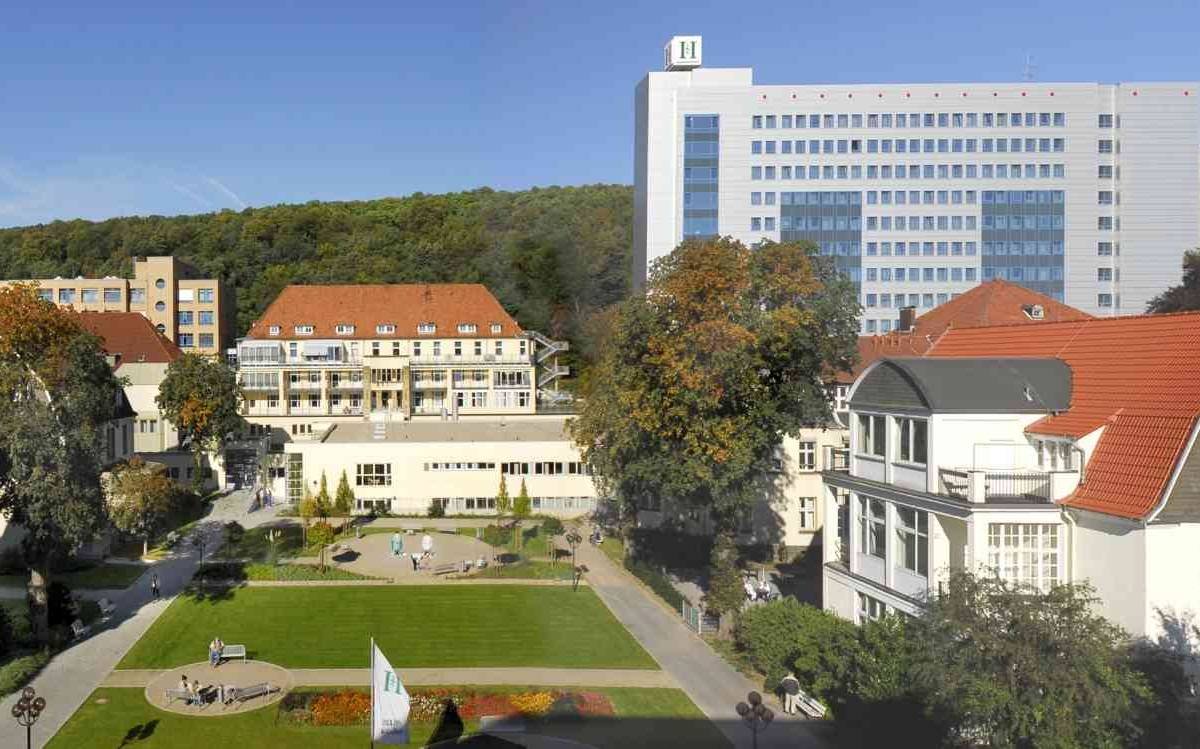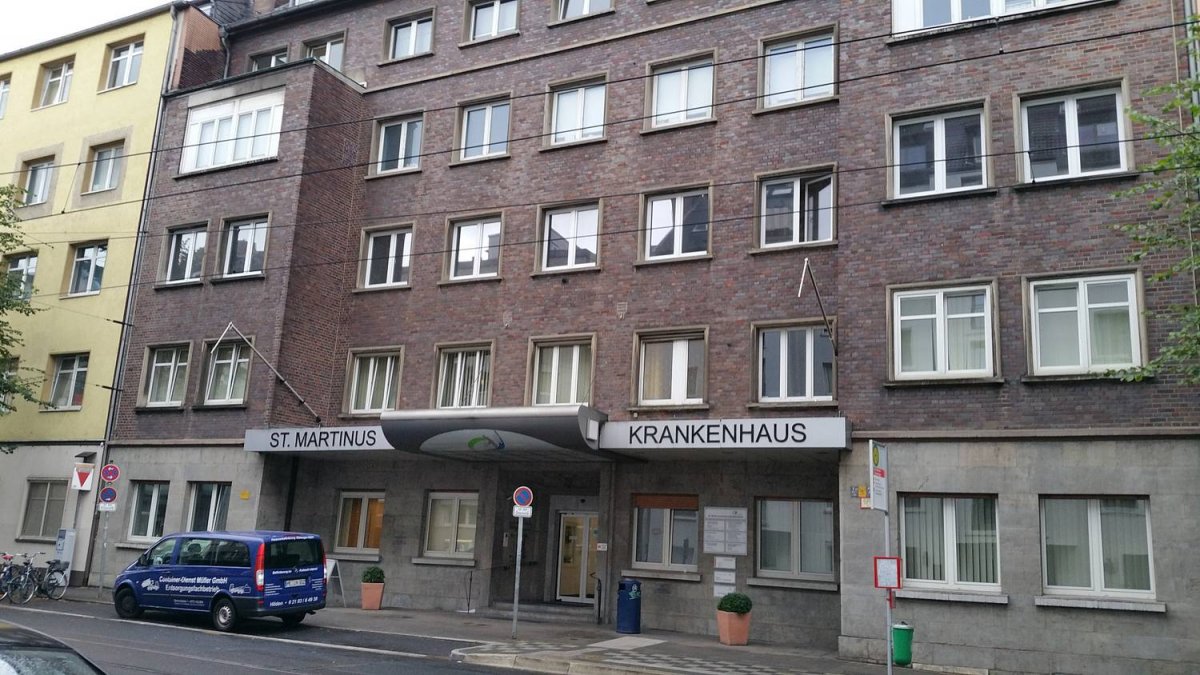
St. Martinus-Krankenhaus Düsseldorf
ألمانيا, دوسلدورف


تمت مراجعة المقالة طبيا من قبل
فهد مولود
تتضمن تكلفة علاج إعادة التأهيل بعد السكتة الدماغية في ألمانيا بشكل عام استشارة مع طبيب أعصاب تتراوح ما بين $200 إلى $300، وبرامج إعادة تأهيل شاملة تتراوح تكلفتها عادةً ما بين السعر عند الطلب إلى السعر عند الطلب. تعتمد النفقات الإجمالية على كثافة الرعاية، ومدة الإقامة، واستخدام الروبوتات المتقدمة. وغالباً ما يجد المرضى توفيراً في التكاليف بنسبة 40-60% مقارنة بالولايات المتحدة. تشمل أفضل المدن للتعافي برلين، وبريمن، ودوسلدورف.
تكاليف علاج إعادة التأهيل بعد السكتة الدماغية النموذجية في ألمانيا
رؤية خبراء Bookimed: بالنسبة للمرضى الذين يحتاجون إلى استعادة الوظائف الحركية، يوفر العلاج بمساعدة الروبوت أعلى مستويات الكثافة. يتخصص مركز إعادة التأهيل الروبوتي "Walk Again" في برلين في هذه التقنيات المتقدمة للجهاز العضلي الهيكلي. يجب على المرضى الذين يبحثون عن رعاية شاملة التفكير في مركز "Zentrum der Rehabilitation Pforzheim". يجمع خبراء مثل الدكتور رود غيرلوفس هناك بين 30 عاماً من الخبرة وعلاجات بوبا والعلاجات اليدوية. هذا النهج مثالي للحالات العصبية المعقدة التي تحتاج إلى برامج ترميمية مخصصة. توفر المراكز الأكاديمية ذات الحجم الكبير مثل مستشفى جامعة إيسن تشخيصات مدعومة بالذكاء الاصطناعي لمراحل الانتقال الحادة.
| تركيا | إسبانيا | ألمانيا | |
| علاج سنوزلن | من $200 | من $350 | من $1,200 |
| العلاج الطبيعي | من $10,800 | من $138 | من $328 |
| العلاج التأهيلي بواسطة جهاز لوكومات (Lokomat) | من $300 | من $2,500 | من $3,500 |
| العلاج التأهيلي بواسطة الهيكل الخارجي (Exoskeleton) | من $4,000 | من $9,000 | من $8,000 |
| العلاج التأهيلي بنظام Re-Step™ | من $229 | من $1,800 | من $2,800 |

أكثر من من الخبرة في طب الأعصاب وجراحة العظام – يتخصص الدكتور غيرلوفس في إعادة التأهيل بعد السكتة الدماغية في مركز إعادة التأهيل في بفورتسهايم (Zentrum der Rehabilitation Pforzheim).

الدكتورة دانييلا دورشنر-جيرلوفس هي طبيبة أعصاب ذات خبرة عالية ومتخصصة في إعادة التأهيل بعد السكتة الدماغية في مركز Zentrum der Rehabilitation Pforzheim.

يتخصص الدكتور ماركو دورشنر في إعادة التأهيل بعد السكتة الدماغية بنهج شمولي في مركز إعادة التأهيل R. Geerlofs GmbH & Co. KG في بفورتسهايم.
 Anna Leonova
توفر العيادات الألمانية إعادة تأهيل فريدة للسكتة الدماغية من خلال نموذج المراحل المتدرجة من A إلى F. يدمج هذا الإطار أنظمة روبوتية عالية الكثافة مثل Lokomat و G-EO System مع التحفيز العصبي. تؤكد المرافق على المرونة العصبية من خلال أكثر من 1000 حركة تكرارية لكل جلسة وتقنيات متخصصة مثل العلاج بالخيول وعلاج بوباث.
رؤية خبير Bookimed: في حين تقدم العديد من البلدان علاجاً طبيعياً قياسياً، تتميز المراكز الألمانية مثل Zentrum der Rehabilitation Pforzheim بتوظيف معالجين متخصصين في بوباث والعلاج اليدوي. يجلب الدكتور رود غيرلوفس هناك أكثر من 30 عاماً من الخبرة. يضمن هذا العمق في الخبرة البشرية برمجة الروبوتات عالية التقنية بدقة سريرية لتحقيق نتائج أفضل.
إجماع المرضى: يشير المرضى إلى أن العيادات الألمانية منظمة للغاية مع جداول زمنية محددة وتمارين يومية مكثفة. ويؤكدون أن هذا التكرار الصارم والانتقال المبكر إلى الرعاية الداخلية أمر حيوي لاستعادة الاستقلالية.
يحقق المرضى في ألمانيا عادةً استقلالية جزئية أو كاملة في غضون ثلاثة إلى ستة أشهر. تظهر الإحصاءات أن 70% إلى 80% يستعيدون بنجاح استقلاليتهم اليومية. يركز التعافي على الحركة والمهارات الحركية والنطق. تستخدم المراكز الألمانية نظام إعادة تأهيل عصبي منظم يعتمد على مراحل لتعظيم المكاسب الوظيفية.
رؤية خبير Bookimed: تتميز مراكز إعادة التأهيل الألمانية مثل Zentrum der Rehabilitation Pforzheim باستخدام بروتوكولات محددة قائمة على علم الأعصاب. بينما تركز العيادات العامة على الحركات الأساسية، تستخدم المراكز الروبوتية المتخصصة في برلين هياكل خارجية للتدريب عالي التكرار. تظهر البيانات أن العيادات التي تجري مئات الآلاف من العلاجات سنوياً توفر غالباً معدات أكثر تخصصاً. يسمح هذا التنوع بنهج مخصص يعتمد على ما إذا كان المريض يحتاج إلى الحركة أو المهارات الحركية الدقيقة.
إجماع المرضى: يلاحظ المرضى أن المشي والوقوف غالباً ما يعودان بشكل أسرع من المها
تستخدم ألمانيا نظام مراحل موحد (A-F) لتصنيف التعافي من السكتة الدماغية بناءً على الاستقرار الطبي والاستقلالية الوظيفية. يضمن هذا التسلسل الهيكلي انتقال المرضى من التدخل الطارئ إلى إعادة الاندماج على المدى الطويل. يتم تحديد التقدم من خلال درجات سريرية مثل مؤشر بارثيل بدلاً من الوقت المنقضي منذ السكتة الدماغية.
رؤية خبير Bookimed: على الرغم من أن المرحلة D غالبًا ما تُعتبر الهدف الأساسي للتعافي، إلا أن بياناتنا تظهر أن المراكز المتخصصة مثل مركز إعادة التأهيل الروبوتي "Walk Again" في برلين تستخدم تقنيات الهيكل الخارجي Lokomat و Re-Walk تحديداً خلال المرحلة C. يمكن أن يؤدي الانتقال المبكر إلى منشأة ذات قدرات روبوتية إلى تسريع الطريق نحو المرحلة D بشكل كبير من خلال توفير تكرار حركي أعلى مما يوفره العلاج اليدوي التقليدي وحده.
إجماع المرضى: يلاحظ المرضى أن الانتقال من مستشفيات الحالات الحادة إلى عيادات إعادة التأهيل يحدث بسرعة كبيرة. يؤكد الكثيرون أنه على الرغم من فعالية الروتين المنظم، يجب على أفراد الأسرة مراقبة الحالة السريرية عن كثب للد
يجب على الناجين من السكتة الدماغية السفر إلى ألمانيا لإعادة التأهيل في غضون فترة تتراوح بين أسبوعين و3 أشهر بعد الإصابة. تزيد هذه الفترة من المرونة العصبية خلال المرحلة تحت الحادة. يجب أن يكون المرضى مستقرين طبياً مع ضغط دم مضبوط. يسافر معظمهم بمجرد قدرتهم على تحمل جلسات العلاج اليومية المكثفة.
رؤية خبير Bookimed: إعادة التأهيل العصبي الألماني متخصص للغاية، مع مراكز محددة مثل مركز إعادة التأهيل الروبوتي (Robotic Rehabilitation Center Walk Again) الذي يستخدم أنظمة روبوتية. تظهر بياناتنا أن عيادات مثل مستشفى جامعة إيسن تخدم أكثر من 370,000 مريض سنوياً. هذا الحجم الكبير يعني غالباً وصولاً أفضل إلى تقنيات متقدمة مثل Lokomat أو الهياكل الخارجية. يجب على المرضى اختيار منشأة بناءً على مرحلة تعافيهم المحددة لضمان النسبة الصحيحة بين الموظفين والمرضى.
إجماع المرضى: يشير المرضى إلى أنه من المهم عدم التحرك أثناء حالة الطوارئ الحادة. ويؤكدون أن مقدمي الرعاية ضروريون لإدارة التغيرات العاطفية والنقل أثناء الرحلة.
تركز ألمانيا إعادة التأهيل بعد السكتة الدماغية في برلين، وشمال الراين-وستفاليا، وبادن-فورتمبيرغ. تستخدم هذه المراكز نموذج إعادة التأهيل العصبي القائم على المراحل. تمتلك مرافق مثل مستشفى إيسن الجامعي وعيادة بريمن-ميتي شهادات JCI أو ISO. وهي توظف الروبوتات المتقدمة والتشخيصات المعتمدة على الذكاء الاصطناعي للتعافي.
رؤية خبير Bookimed: غالبًا ما يشير الحجم السريري إلى نتائج أفضل في إعادة التأهيل العصبي الألماني. على سبيل المثال، يعالج مستشفى إيسن الجامعي 370,000 مريض سنويًا باستخدام أنظمة متكاملة مع الذكاء الاصطناعي. وفي الوقت نفسه، تركز المراكز المتخصصة الأصغر مثل تلك الموجودة في بفورتسهايم على العلاج اليدوي بوباث. يعد اختيار مركز ذو حجم كبير أكثر أمانًا بشكل عام للتعافي المكثف المبكر المعقد في المرحلة ب.
إجماع المرضى: يشير المرضى إلى أن النقل المبكر من وحدات الحالات الحادة إلى إعادة التأهيل العصبي المتخصص أمر حيوي. يؤكد الكثيرون على أهمية التحقق من وجود جلسات علاج يومية في الموقع بدلاً من الاعتماد فقط على السمعة العامة للمستشفى.
لا تتفوق الأجهزة المساعدة بالروبوت عالمياً على العلاج التقليدي في إعادة تأهيل السكتة الدماغية. بدلاً من ذلك، فهي توفر نتائج غير أدنى مستوى مع تميزها في التدريب التكراري عالي الحجم. تستخدم العيادات الألمانية هذه التقنيات بنجاح جنباً إلى جنب مع التقنيات التي يقودها البشر مثل علاج بوباث لتعظيم المرونة العصبية وتحسين مشية المريض.
رؤية خبير Bookimed: بينما تستضيف برلين مراكز متخصصة مثل مركز إعادة التأهيل الروبوتي Walk Again، غالباً ما توفر المستشفيات الجامعية الألمانية الرعاية الأكثر شمولاً من خلال دمج التكنولوجيا المتقدمة مع البحث. على سبيل المثال، يخدم مستشفى جامعة إيسن 370,000 مريض سنوياً، مما يعني أن فرقهم ترى حجماً كافياً لمعرفة متى يضيف الروبوت قيمة بالضبط مقابل متى يكون علاج بوباث التقليدي أكثر فعالية للبراعة الوظيفية.
إجماع المرضى: يلاحظ المرضى أن الروبوتات ممتازة للتحفيز وعدد التكرارات العالي، لكنهم يؤكدون أن مهارة المعالج في تدريب الوضعية والسلامة في العالم الحقيقي تظل لا يمكن استبدالها للتعافي اليومي.
يتم تحديد بروتوكولات الأعصاب الألمانية للمرحلة C والمرحلة D من خلال مستويات الاستقلالية والقدرة على تحمل العلاج. تركز المرحلة C على التعبئة للمرضى الذين يسجلون من 35 إلى 65 على مؤشر بارثيل. تخدم المرحلة D المرضى المستقرين طبياً الذين يسجلون من 70 إلى 100 والذين يحققون استقلالية كاملة.
رؤية خبير Bookimed: تدير مراكز إعادة التأهيل الألمانية مثل عيادة بريمن-ميته ومستشفى جامعة إيسن التعافي المتخصص من خلال دمج التقنيات الروبوتية. تعتبر الأنظمة الروبوتية مثل Lokomat أو الهياكل الخارجية محورية أثناء الانتقال من المرحلة C إلى D. تسمح هذه التقنيات للمرضى الذين لديهم درجات أقل في مؤشر بارثيل بتحقيق الحركة عالية الكثافة المطلوبة لأهلية المرحلة D بشكل أسرع من العلاج اليدوي التقليدي وحده.
إجماع المرضى: يلاحظ المرضى أن الوضوح الذهني هو عامل حاسم خفي للمرحلة D. حتى مع التقدم البدني، يمكن أن يؤدي التعب أو الارتباك إلى بقاء الشخص في بروتوكولات المرحلة C لفترة أطول.