العودة إلى الصفحة الرئيسية
820К+ مريضًا حصلوا على المساعدة منذ عام 2014
50 دول
1,500 عيادات
6K+ تقييمات
3K+ طبيب مؤهل

ما هي تكلفة زرع القرنية في كوريا الجنوبية؟ اكتشف الآن

يتراوح متوسط تكلفة زراعة القرنية في جمهورية كوريا بين $8,500 و $15,000. تعتمد التكلفة النهائية على التقنية الجراحية، مثل زراعة الأنسجة الجزئية أو الكاملة، ومصدر الأنسجة المانحة سواء كان محلياً أو مستورداً. يبلغ متوسط سعر الإجراء في المملكة العربية السعودية _price_compare_SA_average_، مما يعني توفير قرابة _price_percent_discount_% عند اختيار المراكز الطبية الكورية. تشمل الباقات الأساسية عادةً فحوصات العين الأولية، وأتعاب الجراح، والتخدير، والأدوية اللاحقة للعملية.

  • رأب القرنية: $6,800 إلى $11,200 لجراحة استبدال القرنية.
  • تثبيت القرنية بالمجهر الضوئي (CCL): $1,400 إلى $2,400 للعين الواحدة.
  • تقنيات متخصصة: تزيد تكلفة تقنيتي زرع القرنية الطبقي الأمامي العميق (DALK) وDMEK بنسبة 15-25% عن الإجراءات العادية.
  • المراكز الطبية: تتركز معظم مراكز زراعة الأعضاء المتطورة في مدينتي سيول وإنشون.

رأي خبراء Bookimed: يوفر اختيار مركز طبي عالي الإنتاجية مثل مستشفى سيفيرانس أو مركز آسان الطبي قيمة ممتازة. تجري هذه المؤسسات المعتمدة من JCI آلاف جراحات العيون المعقدة سنوياً. على سبيل المثال، يحقق مركز آسان الطبي معدل نجاح يصل إلى 90% في زراعة الأعضاء. كما تتصدر العديد من العيادات الكورية في مجال التكامل الرقمي. تستخدم مؤسسات مثل مستشفى جامعة سول الوطنية (SNUBH) نظام BESTcare لتعزيز سلامة المرضى. يوفر هذا النهج المعتمد على التكنولوجيا رعاية متميزة بأسعار متوسطة مقارنة بالمرافق الخاصة الغربية.

المزايا الرئيسية

لماذا يختار المرضى جمهورية كوريا لزراعة القرنية؟

  • العيادات المعتمدة: المستشفيات المعتمدة من JCI تقدم رعاية عالية الجودة وتلتزم بالمعايير الدولية.
  • أحدث التقنيات: تُستخدم تقنيات مثل DMEK (زراعة غشاء ديسيميت البطاني) وDSAEK (زراعة غشاء ديسيميت البطاني الآلي) على نطاق واسع. توفر هذه الأساليب نتائج محسنة وأوقات تعافي أسرع.
  • نسب نجاح عالية: تتمتع عمليات زراعة القرنية في كوريا الجنوبية بمعدل فعالية يتراوح بين 85-95%، اعتمادًا على حالة المريض.
  • جراحون خبراء: أطباء العيون الرائدون، والعديد منهم حاصلون على تدريب وشهادات دولية، قاموا بإجراء آلاف عمليات زراعة القرنية. هذا يضمن ثروة من الخبرة والمعرفة.

احصل على حلول متقدمة لزراعة القرنية في عيادات موثوقة .

كوريا الجنوبيةتركياإسبانيا
زرع القرنيةمن $8,500من $3,500من $12,277
ربط القرنية (CCL) (عين واحدة)من $1,350من $1,431من $1,800
رأب القرنيةمن $6,800من $4,000من $5,000
زرع حلقات ضمن القرنية-من $1,500من $2,500
تم التحقق من البيانات بواسطة Bookimed اعتبارًا من August 2026، استنادًا إلى طلبات المرضى والعروض الرسمية من 84 عيادة حول العالم. تستند التكاليف المتوسطة إلى الفواتير الحقيقية (2025–2026) ويتم تحديثها شهريًا. قد تختلف الأسعار الفعلية.

مزاياك وضماناتك مع Bookimed

أسعار مباشرة

Bookimed لا يضيف رسوماً إضافية على أسعار زرع القرنية. الأسعار مأخوذة من قوائم الأسعار الرسمية للعيادات. تدفع مباشرة في العيادة مقابل زرع القرنية عند وصولك.

عيادات وأطباء معتمدون فقط

Bookimed ملتزم بسلامتك. نحن نعمل فقط مع المؤسسات الطبية التي تحافظ على معايير دولية عالية في زرع القرنية ولديها التراخيص اللازمة لخدمة المرضى الدوليين في جميع أنحاء العالم.

مساعدة مجانية على مدار الساعة

Bookimed يقدم مساعدة خبراء مجانية. منسق طبي شخصي يدعمك قبل وأثناء وبعد العلاج، ويحل أي مشاكل. لن تكون وحيداً أبداً في رحلة زرع القرنية.

لماذا نحن؟

منسقك الطبي الشخصي في Bookimed

  • يدعمك في كل مرحلة
  • المساعدة في اختيار العيادة الطبية المناسبة والطبيب المناسب
  • يضمن الوصول السريع والمريح إلى المعلومات

اكتشف أفضل زرع القرنية العيادات في كوريا الجنوبية: 7 خيارات معتمدة والأسعار
تم تصنيف العيادات بواسطة نظام Bookimed الذكي، باستخدام تحليل علوم البيانات عبر 5 معايير رئيسية.
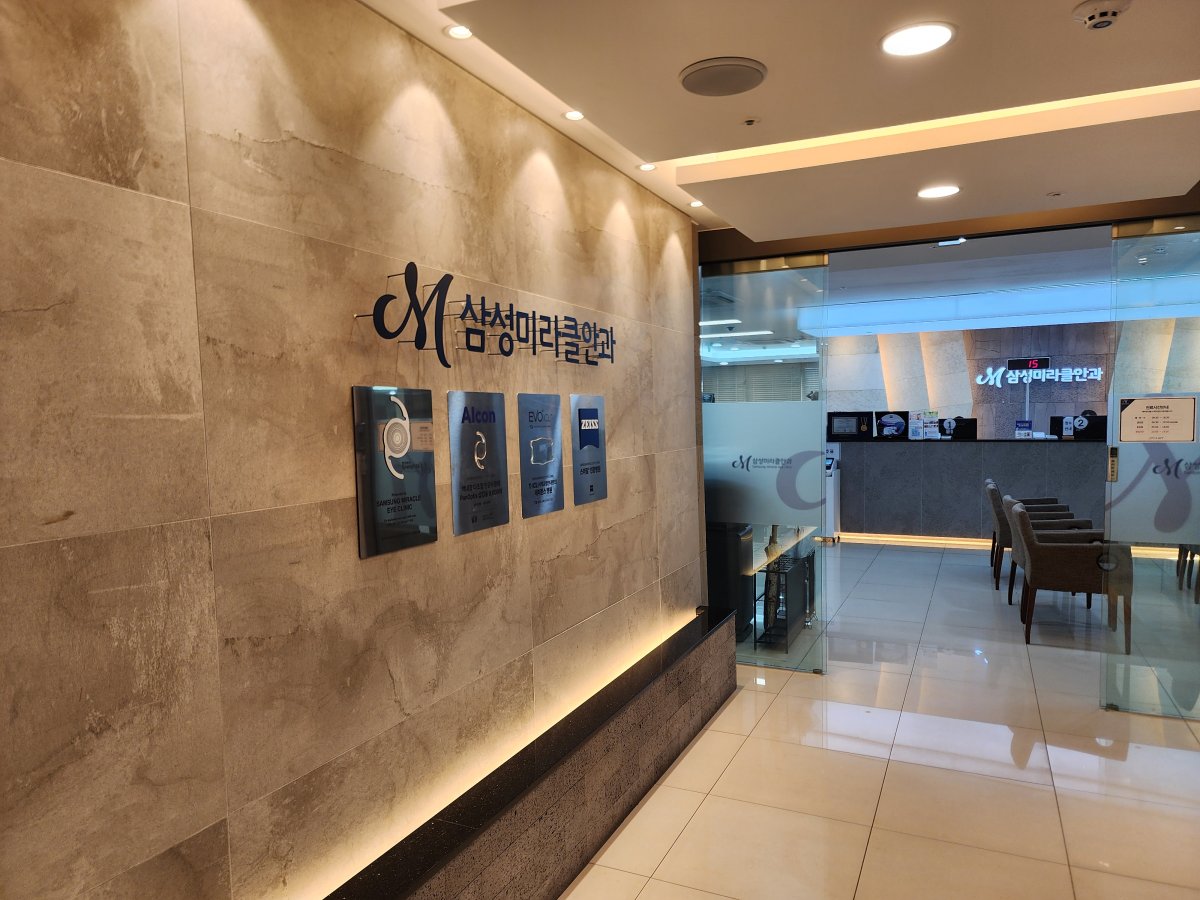
Samsung Miracle Eye Clinic
Ewha Womans University Medical Center
Asan Medical Center
Seoul National University Bundang Hospital (SNUBH)
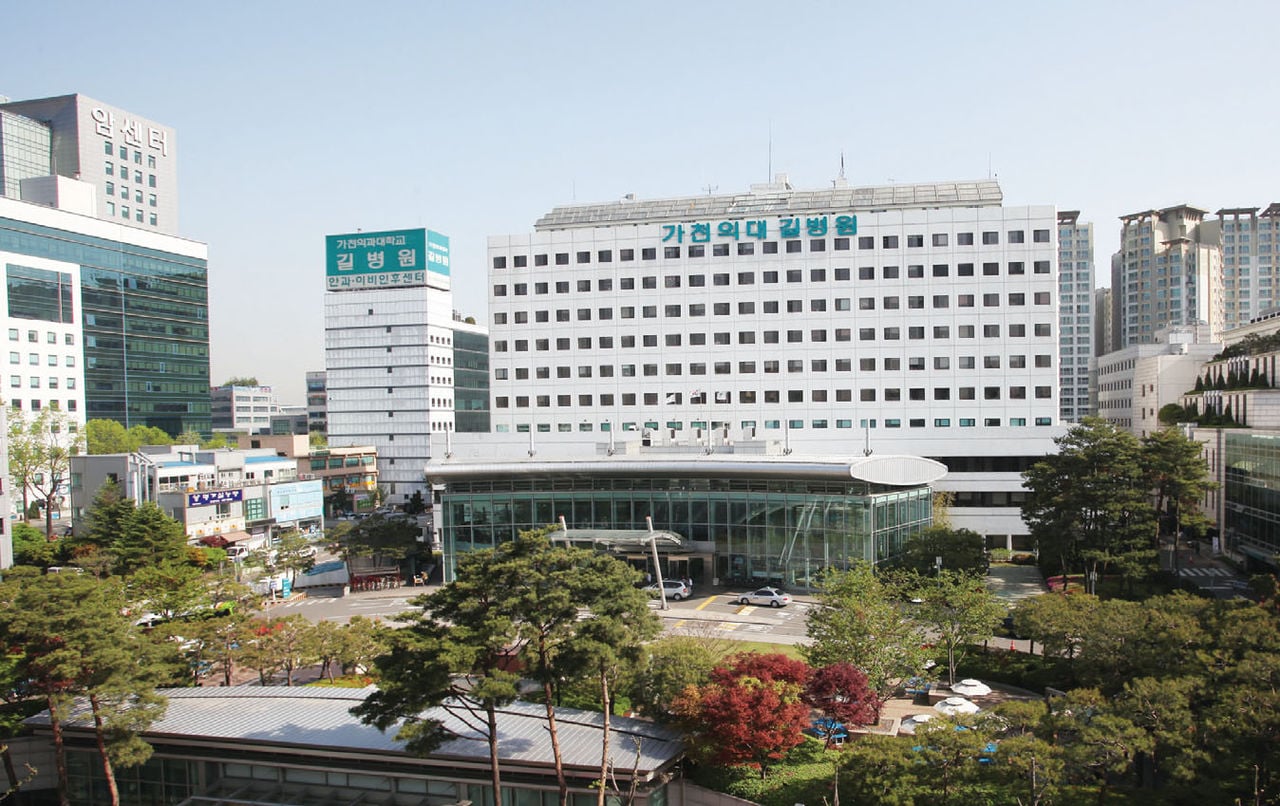
Gachon University Gil Medical Center

زرع القرنية في كوريا الجنوبية: جدول زمني يومي

اليوم 1: الوصول إلى جمهورية كوريا
  • عند الهبوط، يجب عليك التأكد من حصولك على جميع الوثائق اللازمة، بما في ذلك التأشيرة الطبية وتأكيد الموعد وأي سجلات طبية سابقة.
  • تحقق من مكان إقامتك واسترح بعد رحلتك.
  • اتصل بالعيادة لتأكيد موعدك في اليوم التالي وتوضيح أي أسئلة في اللحظة الأخيرة.
اليوم 2: الاستشارة الأولية والاختبارات التشخيصية
  • الوصول إلى العيادة من أجل موعدك المحدد.
  • ستخضع لسلسلة من الاختبارات التشخيصية. وتشمل هذه الفحوصات فحص المصباح الشقّي واختبار ضغط العين وفحص قاع العين وفحص قاع العين والتصوير المقطعي واسع الزاوية وتصوير قاع العين والتصوير الفوتوغرافي لقاع العين والتصوير المقطعي البصري المقطعي المحوسب والتصوير المقطعي البصري المقطعي المحوسب والتصوير المقطعي البصري المقطعي بالأنجيو واختبار العدسة الرئيسية واختبار مجال الرؤية.
  • ناقش النتائج مع طبيب العيون الخاص بك لوضع اللمسات الأخيرة على خطة العلاج.
  • تأكد من فهمك لتفاصيل الإجراء وتعليمات الرعاية بعد العملية.
اليوم 3: التحضير قبل العملية
  • اتبع أي قيود غذائية أو دوائية ينصحك بها طبيبك.
  • استرح وحافظ على رطوبة جسمك لضمان استعداد جسمك للجراحة.
  • جهز أي أغراض شخصية قد تحتاجها أثناء إقامتك في المستشفى.
اليوم 4: جراحة زراعة القرنية
  • الوصول إلى العيادة في وقت مبكر لإجراء الجراحة المقررة لك.
  • سيتم إجراء العملية تحت تأثير التخدير الموضعي أو التخدير العام، وفقاً لما يحدده طبيبك.
  • بعد الجراحة، ستتم مراقبتك في منطقة الإفاقة قبل نقلك إلى غرفة المستشفى.
  • تأكد من وجود شخص ما لمساعدتك بعد الجراحة، حيث ستعاني من ضعف في الرؤية.
اليوم 5-7: التعافي بعد الجراحة في المستشفى
  • ابقَ في المستشفى للمراقبة والتعافي الأولي.
  • اتبع جميع الأدوية وتعليمات العناية بالعين بدقة للوقاية من العدوى.
  • احضر الفحوصات اليومية مع طبيبك لمراقبة تقدمك في التعافي.
  • أرح عينيك وتجنب أي أنشطة مجهدة.
اليوم 8: الخروج من المستشفى واستشارة المتابعة
  • بعد إجراء الفحص النهائي، ستخرج من المستشفى.
  • احصل على تعليمات مفصلة بشأن الرعاية المنزلية، بما في ذلك جداول الأدوية والقيود المفروضة على الأنشطة.
  • حدد موعدًا للمتابعة قبل مغادرتك لضمان الشفاء السليم.
اليوم 9-13: التعافي ومشاهدة المعالم السياحية
  • استمر في الراحة والتزم بجميع إرشادات الرعاية الموصوفة بعد الجراحة.
  • شارك في الأنشطة الخفيفة واستكشف المعالم السياحية المحلية إذا كانت حالتك تسمح بذلك.
  • ابق على اتصال منتظم بالعيادة للإجابة عن أي أسئلة أو استفسارات بشأن تعافيك.
اليوم 14: المتابعة النهائية والمغادرة
  • احضر موعد المتابعة النهائي لتقييم نجاح الجراحة ومدى تقدمك في التعافي.
  • ناقش أي متطلبات رعاية طويلة الأجل أو فحوصات مستقبلية مع طبيبك.
  • استعد لرحلتك إلى المنزل، وتأكد من حصولك على جميع الأدوية وتعليمات الرعاية اللازمة.
  • اتصل بالعيادة إذا كان لديك أي أسئلة أو تحتاج إلى مزيد من المساعدة بعد العودة إلى المنزل.

احصل على تقييم طبي لـ زرع القرنية في كوريا الجنوبية: اختر أخصائيك من بين الأفضل في هذا المجال

عرض جميع الأطباء
يؤكد

Hyung Keun Lee

أخصائي في علاج القرنية والساد – يركز الدكتور لي على صحة القرنية واستعادة الرؤية.

  • طبيب عيون بخبرة في أمراض القرنية
  • يجري إجراءات زراعة القرنية المتقدمة
  • يعمل في مستشفى سيفيرانس، وهي منشأة طبية رائدة

قصص فيديو من مرضى Bookimed

Karen
سافرت من تشيلي إلى كوريا لإجراء جراحة تجميلية وأنا بالفعل معجبة بمظهري الجديد.
إجراء: جراحة الوجه (انظر. جراحة شد الوجه)
مستشفى: SAERO Plastic Surgery
Moraza
أحياناً عليك أن تطارد أحلامك، حتى لو قادتك إلى الجانب الآخر من العالم.
إجراء: جراحة الأنف (انظر عملية تجميل الأنف)
مستشفى: SAERO Plastic Surgery
Denys
تخيل أن تستيقظ وترى كل شيء بوضوح، دون الحاجة للوصول إلى نظاراتك أو التلاعب بالعدسات.
إجراء: جراحة ReLEx SMILE للعين

مشاركة المحتوى

Twitter XLinkedinFacebookWhatsAppEmail
أحصل على الرابط
محدث: 04/19/2024
تأليف
Anna Leonova
Anna Leonova
رئيس فريق تسويق المحتوى
محررة طبية معتمدة لديها خبرة تزيد عن 10 سنوات، طوّرت محتوى Bookimed الموثوق، مدعومة بماجستير في علم اللغة ومقابلات مع خبراء طبيين من جميع أنحاء العالم.
تمت المراجعة من قبل المستشار الطبي في Bookimed
فهد مولود
محرر طبي وعالم بيانات
طبيب عام. حاصل على 4 جوائز علمية. خدم في غرب آسيا. رئيس الفريق الطبي الناطق بالعربية سابقا ومسؤول عن معالجة البيانات ودقة المحتوى الطبي حاليا.
فهد مولود Linkedin
قد تحتوي هذه الصفحة على معلومات تتعلق بمختلف الحالات الطبية والعلاجات وخدمات الرعاية الصحية المتوفرة في بلدان مختلفة. يرجى العلم أن المحتوى مقدم لأغراض إعلامية فقط ولا ينبغي تفسيره على أنه نصيحة أو إرشادات طبية. يرجى استشارة طبيبك أو أخصائي طبي مؤهل قبل البدء أو تغيير العلاج الطبي.

أسئلة متكررة حول زرع القرنية في كوريا الجنوبية

هذه الأسئلة الشائعة مأخوذة من مرضى حقيقيين يبحثون عن رعاية طبية عبر Bookimed. يتم تقديم الإجابات من قبل منسقين طبيين ذوي خبرة وممثلين موثوقين من العيادات.

What are the risks of a corneal transplant in South Korea?

Corneal transplant surgery in South Korea is highly successful. However, it carries risks like donor rejection, infection, and glaucoma. JCI-accredited Seoul centres like Severance Hospital and Asan Medical Center mitigate these risks. They use surgical techniques and specialised ophthalmology departments. These departments are led by experts such as Dr Hyung Keun Lee.

  • Graft rejection occurs in roughly 20% of cases but remains treatable if detected early.
  • Secondary conditions: Surgery may trigger cataracts or increase eye pressure, leading to glaucoma.
  • Healing timeframe: Vision stabilisation can take up to 2 years after the initial procedure.
  • Clinic specialisation: Samsung Miracle Eye Clinic serves 6,000 patients annually, focusing on specific eye conditions.

Bookimed Expert Insight: Many Seoul clinics focus on LASIK. However, top-tier hospitals are leaders in complex organ transplants. Asan Medical Center is a prime example in the Republic of Korea. These high-volume centres maintain a 98% success rate for complex procedures. This suggests superior post-operative monitoring for high-risk graft patients.

Patient Consensus: Patients find comfort in the specialised eye care provided in Seoul. Many recommend confirming English-speaking support and detailed follow-up plans before travelling back to Australia. This helps keep graft health monitored.

What is the success rate of corneal transplants in South Korea?

Corneal transplants in South Korea reach success rates between 85% and 95%. Leading specialised centres in Seoul achieve graft survival rates up to 95%. They use partial-thickness methods like Descemet membrane endothelial keratoplasty. Digital safety systems and Joint Commission International accreditation ensure high precision and patient safety.

  • Success rates: Specialised Seoul hospitals report graft survival between 85% and 95%.
  • Techniques: Endothelial keratoplasty (EK) methods achieve success rates as high as 95%.
  • Safety systems: Digital platforms like BESTcare at SNUBH maximise precision and reduce errors.
  • Tissue quality: Imported donor tissue accounts for 74.5% of procedures, so tissue is readily available.

Bookimed Expert Insight: South Korea excels in high-volume, high-precision eye care. Samsung Miracle Eye Clinic serves 6,000 patients annually. This massive volume allows surgeons to master specific techniques like DMEK. This proficiency typically results in more predictable outcomes and lower complication rates for international patients.

Patient Consensus: Success in South Korea is often measured by reaching 20/40 corrected vision. Patients note that while the surgery restores sight, corrective lenses are still frequently needed. Rejection remains a lifelong consideration that requires consistent post-operative follow-up and monitoring.

How long is the waiting time for a cornea in South Korea?

Waiting times for a corneal transplant in South Korea typically range from 3 to 6 weeks. Leading Seoul hospitals significantly reduce wait periods by importing donor tissue from the United States or Europe. Success rates for these procedures consistently remain between 85% and 95%.

  • Imported tissue: Major centres use international donor banks to bypass local waiting lists.
  • Clinical volume: Asan Medical Center performs the highest number of transplants in Korea.
  • Diagnostic monitoring: Specific cases like keratoconus may involve monitoring for approximately 1.2 years.
  • Short-wait alternatives: Clinics often provide corneal cross-linking (CCL) for early-stage issues without donor tissue.

Bookimed Expert Insight: Local waitlists can be long. However, major JCI-accredited facilities move international patients quickly by sourcing corneas from overseas. Some clinics, like Gangnam Severance, provide free interpreters and airport transfers. This streamlines the process for patients travelling from Australia.

Patient Consensus: Patients find that Seoul clinics offer immediate consultations and fast-tracked procedures compared to international waitlists. They suggest preparing for a long recovery in the Republic of Korea. Vision takes time to stabilise.

What are the benefits of considering South Korea for a corneal transplant?

South Korea offers high-quality corneal transplants with success rates reaching 95 per cent at leading Seoul hospitals. Patients benefit from exceptionally short wait times of 3–6 weeks. They also access internationally accredited facilities like Severance Hospital and Asan Medical Centre, which use digital precision systems.

  • Success rates: Top Seoul hospitals report 85%–95% success, matching the highest global surgical standards.
  • Fast access: Clinical efficiency often limits wait times to just 3–6 weeks for surgery.
  • Accredited facilities: Major centres like Asan Medical Centre hold ISO and KOIHA safety certifications.
  • Specialist expertise: Surgeons like Dr Hyung Keun Lee at Severance Hospital specialise in innovative corneal treatments.

Bookimed Expert Insight: While South Korea is famous for cosmetic work, its true strength lies in high-volume multidisciplinary hospitals. Asan Medical Centre performs 55,000+ surgeries annually. This gives their transplant teams more hands-on experience than almost any western facility.

Patient Consensus: Patients recommend confirming donor tissue availability or artificial cornea options before travel. While general care is affordable, clarify bundled pricing early for complex eye surgeries in Korea.

Which hospitals in South Korea are known for corneal transplants?

South Korea houses premier institutions for corneal transplants, including JCI-accredited Severance Hospital and Asan Medical Center. These facilities specialise in advanced keratoplasty techniques like DSAEK and DMEK. Specialised centres like Kim's Eye Hospital and Samsung Miracle Eye Clinic also offer focused ophthalmic care for complex corneal diseases in Seoul.

  • Accredited facilities: Severance Hospital and Gangnam Severance hold JCI accreditation for international safety standards.
  • Specialist expertise: Dr Hyung Keun Lee at Severance Hospital specialises in corneal and cataract treatment.
  • High volume: Samsung Miracle Eye Clinic serves 6,000 patients annually for various ophthalmic conditions.
  • Patient support: Asan Medical Center provides free airport transfers and personal coordinators for international cases.

Bookimed Expert Insight: While many Gangnam clinics specialise in refractive surgery like LASIK, major university-affiliated hospitals like Asan Medical Center perform the highest volume of actual organ transplants. These large centres often have better access to corneal tissue. They also handle more complex dystrophy cases than smaller boutique clinics.

Patient Consensus: Focus your search on the Gangnam district where eye clinics are concentrated, and use local apps to verify high review counts. Always confirm the facility performs full keratoplasty rather than just refractive surgery for thin corneas in the Republic of Korea.

How long do I need to stay in South Korea after a corneal transplant?

During this time, specialists at JCI-accredited centres monitor graft adhesion and manage eye pressure. They also perform essential slit-lamp examinations before the flight home. Centres include Severance Hospital and Asan Medical Center.

  • Mandatory check-ups: Surgeons require at least 1–2 follow-up appointments within the first week.
  • Flying restrictions: Patients must wait 2–14 days if a gas bubble was used during surgery.
  • Clinical oversight: Monitoring for infection and graft rejection is critical during the first 14 days.
  • Activity limits: Avoid heavy lifting, rubbing eyes, or visiting public baths for 1 month.

Bookimed Expert Insight: While South Korea hosts internationally recognised facilities like Samsung Miracle Eye Clinic, which serves 6,000+ patients annually, corneal transplants require unique coordination. Patients should confirm if their clinic, such as Gangnam Severance Hospital, provides the free interpreter services often bundled with treatments over A$6,800 to help navigate complex post-operative instructions.

Patient Consensus: Booking accommodation near the clinic for the first 2 weeks is necessary for daily eye drop schedules. Staying in Seoul gives easy access to unscheduled check-ups if discomfort occurs during the initial recovery.

احصل على استشارة مجانية

حدد أفضل طريقة للاتصال بك