العلاج التأهيلي بعد اصابة الحبل الشوكي العلاج في كوريا الجنوبية - التكاليف 2026


تمت مراجعة المقالة طبيا من قبل
فهد مولود
ما هي تكلفة العلاج التأهيلي بعد اصابة الحبل الشوكي إجراءات التشخيص والعلاج في كوريا الجنوبية؟ اعرف الآن
من $55. تتراوح تكلفة العلاجات الأولية مثل إعادة التأهيل للمرضى الداخليين من السعر عند الطلب إلى السعر عند الطلب، بينما تبلغ تكلفة إعادة التأهيل الشاملة من السعر عند الطلب إلى السعر عند الطلب. تعتمد الأسعار على شدة الإصابة، ومدة الإقامة، ودمج التكنولوجيا الروبوتية. وغالباً ما يوفر المرضى ما بين 30-50% مقارنة بالولايات المتحدة. تقع أفضل مراكز العلاج في سيول وإنشيون.
تكاليف إعادة التأهيل النموذجية بعد علاج إصابات الحبل الشوكي في جمهورية كوريا
- استشارة مع طبيب أعصاب: من $55
- إعادة التأهيل للمرضى الداخليين: السعر عند الطلب
- إعادة التأهيل الشاملة: السعر عند الطلب
- إعادة التأهيل باستخدام الهيكل الخارجي (Exoskeleton): $2,500 – $5,200
- إعادة التأهيل باستخدام جهاز "Lokomat": $1,800 – $3,800
- إعادة التأهيل باستخدام نظام Vector Gait: من $1,600
- علاج فويتا (Vojta therapy): $1,100 – $1,900
رؤية خبراء Bookimed: يتم إدارة التعافي عالي التقنية بشكل أفضل في المراكز المتقدمة رقمياً. يستخدم مستشفى جامعة سيول الوطنية في بوندانغ (SNUBH) نظام BESTcare والذكاء الاصطناعي للمراقبة الدقيقة. كان أول مستشفى معتمد من قبل اللجنة الدولية المشتركة (JCI) في كوريا، مما يضمن معايير السلامة الدولية. يجب على المرضى الذين يسعون للحصول على المشي بمساعدة الروبوت إعطاء الأولوية للمرافق الحاصلة على تصنيفات "أفضل مستشفيات العالم" من مجلة نيوزويك. تقوم هذه المراكز بتنسيق الرعاية العصبية المعقدة لأكثر من 1,500,000 مريض سنوياً بكفاءة.
| كوريا الجنوبية | تركيا | إسبانيا | |
|---|---|---|---|
| علاج فويتا - Vojta Therapy | ≈ $1,100 | من $230 | ≈ $600 |
| العلاج الوظيفي باستخدام فأرة الكمبيوتر الرأسية | ≈ $650 | ≈ $450 | ≈ $750 |
| العلاج التأهيلي بواسطة جهاز لوكومات (Lokomat) | ≈ $1,800 | من $300 | من $170 |
| العلاج التأهيلي بواسطة الهيكل الخارجي (Exoskeleton) | ≈ $2,500 | ≈ $1,800 | ≈ $1,800 |
| العلاج التأهيلي بنظام فيكتور كيت (Vector Gait System) | من $1,600 | من $1,300 | ≈ $3,800 |
مزاياك وضماناتك مع Bookimed
أسعار مباشرة
Bookimed لا يضيف رسوماً إضافية على أسعار علاج العلاج التأهيلي بعد اصابة الحبل الشوكي. الأسعار مأخوذة من قوائم الأسعار الرسمية للعيادات. تدفع مباشرة في العيادة مقابل علاجك عند وصولك إلى البلد.
عيادات وأطباء معتمدون فقط
Bookimed ملتزم بسلامتك. نحن نعمل فقط مع المؤسسات الطبية التي تحافظ على معايير دولية عالية في علاج العلاج التأهيلي بعد اصابة الحبل الشوكي ولديها التراخيص اللازمة لخدمة المرضى الدوليين في جميع أنحاء العالم.
مساعدة مجانية على مدار الساعة
Bookimed يقدم مساعدة خبراء مجانية. منسق طبي شخصي يدعمك قبل وأثناء وبعد العلاج، ويحل أي مشاكل. لن تكون وحيداً أبداً في رحلة علاج العلاج التأهيلي بعد اصابة الحبل الشوكي.

منسقك الطبي الشخصي في Bookimed
- يدعمك في كل مرحلة
- المساعدة في اختيار العيادة الطبية المناسبة والطبيب المناسب
- يضمن الوصول السريع والمريح إلى المعلومات
اكتشف أفضل العلاج التأهيلي بعد اصابة الحبل الشوكي العيادات في كوريا الجنوبية: 2 خيارات معتمدة والأسعار



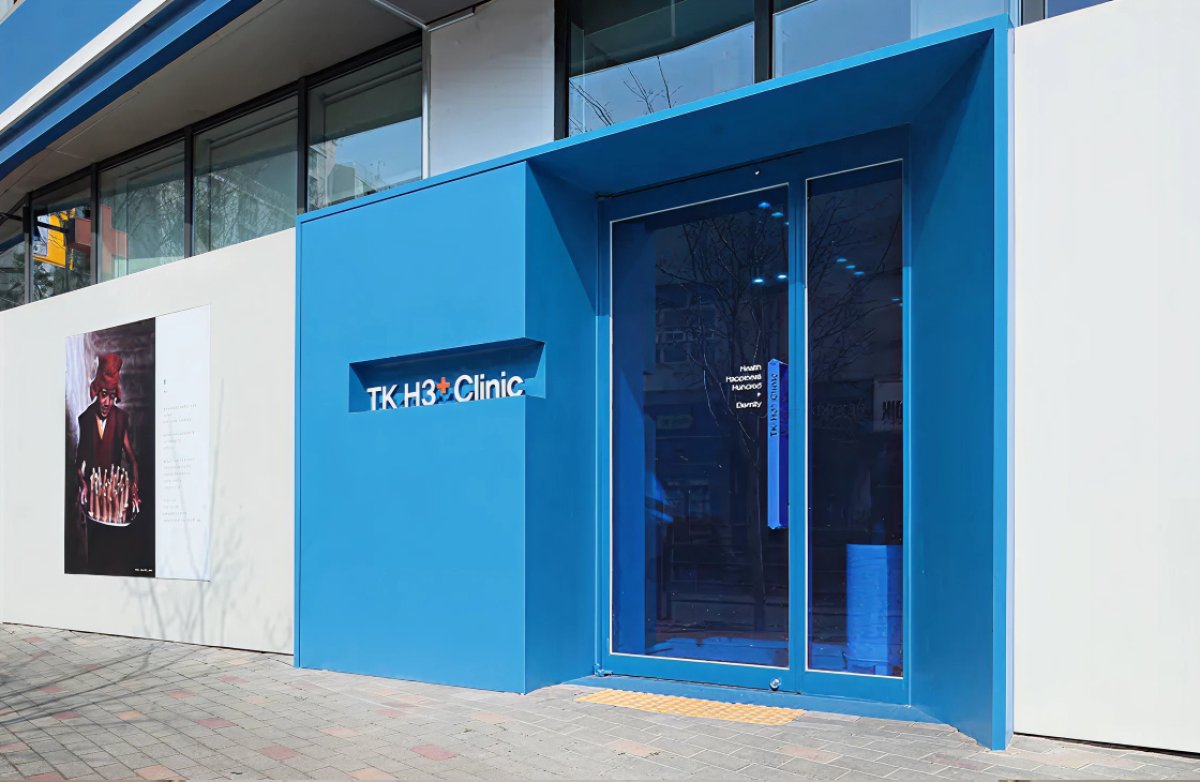
Bundang TK Hospital
مشاركة المحتوى
قصص فيديو من مرضى Bookimed
 Anna Leonova
أسئلة متكررة حول علاج العلاج التأهيلي بعد اصابة الحبل الشوكي في كوريا الجنوبية
ما الذي تتضمنه إعادة التأهيل من إصابات الحبل الشوكي في كوريا؟
توفر إعادة التأهيل من إصابات الحبل الشوكي في كوريا رعاية مكثفة للمرضى الداخليين باستخدام أنظمة روبوتية مثل Lokomat والهياكل الخارجية (Exoskeletons). تؤكد هياكل البرنامج على 2–4 ساعات من العلاج اليومي. يركز العلاج على تجديد الأعصاب، والحركة، وأنشطة الحياة اليومية. غالبًا ما تحمل المرافق المعتمدة في سيول اعتماد الرعاية الصحية العالمي (Global Healthcare Accreditation).
- تدريب المشي الروبوتي: استخدام أنظمة Lokomat و Vector لاستعادة أنماط المشي الطبيعية.
- المساعدة بالهيكل الخارجي: تساعد الأجهزة الروبوتية القابلة للارتداء المرضى على ممارسة الحركة في وضع مستقيم وعمليات الانتقال.
- تقنيات متخصصة: تعمل تقنية Vojta والتدريب على القسطرة المتقطعة النظيفة على تحسين النتائج الوظيفية.
- الجدول الزمني للبرنامج: يصل التدريب المكثف إلى ذروته خلال الأسابيع 7–12 لتحقيق أقصى قدر من الوظائف المتبقية.
رؤية خبير Bookimed: تحتل كوريا المرتبة الثالثة عالميًا في الطلبات الطبية، ويرجع ذلك جزئيًا إلى أن عيادات مثل مستشفى جامعة سيول الوطنية بوندانج تستقبل 1,500,000 مريض سنويًا. يسمح هذا النطاق الهائل للمستشفيات بدمج الذكاء الاصطناعي والسجلات الصحية الإلكترونية (EHR) في خطط إعادة التأهيل بشكل أسرع من المراكز الأصغر. يجب على المرضى إعطاء الأولوية للمستشفيات ذات البنية التحتية الرقمية لضمان تتبع مكاسب الحركة بناءً على البيانات.
إجماع المرضى: يشير المرضى إلى أن الجلسات تتطلب مجهودًا بدنيًا وتتركز بشكل كبير على التمارين المتكررة مثل الانتقال إلى الكرسي
ما هي المستشفيات المعترف بها كأفضل المستشفيات لإعادة تأهيل إصابات الحبل الشوكي في كوريا؟
يُعد مستشفى جامعة سيول الوطنية في بوندانغ (Seoul National University Bundang Hospital)، ومستشفى سيفيرانس (Severance Hospital)، ومركز آسان الطبي (Asan Medical Center) من المرافق الرائدة في كوريا الجنوبية لإعادة تأهيل إصابات الحبل الشوكي. تتميز هذه المراكز باعتماد الرعاية الصحية العالمي (Global Healthcare Accreditation) وتستخدم أنظمة آلية (روبوتية) مثل Lokomat. وهي توفر رعاية متعددة التخصصات تشمل الطب الطبيعي، والأعصاب، والتدريب الحركي المتخصص.
- التكنولوجيا الروبوتية: تستخدم العيادات جهاز Lokomat، والهياكل الخارجية القابلة للارتداء، ونظام Vector Gait للتدريب.
- الاعتماد السريري: تحمل المستشفيات الكبرى اعتماد الرعاية الصحية العالمي أو معايير JCI لسلامة المرضى الدوليين.
- التشخيص المتقدم: توجه الاستشارات المباشرة مع أطباء الأعصاب والتصوير الرقمي بروتوكولات إعادة التأهيل المخصصة للمرضى الداخليين.
- أنظمة السلامة: تستخدم مرافق مثل مستشفى جامعة سيول الوطنية في بوندانغ نظام BESTcare الرقمي لتقليل الأخطاء الطبية.
رؤية خبير Bookimed: بينما تعالج المراكز الكبرى مثل مستشفى جامعة سيول الوطنية في بوندانغ 1,500,000 مريض سنوياً، فإن الميزة الحقيقية تكمن في بنيتها التحتية الرقمية. تستخدم المستشفيات ذات الحجم الكبير أنظمة السجلات الصحية الإلكترونية (EHR) المتكاملة لتتبع مقاييس التعافي عبر أكثر من 40 قسماً. وهذا يضمن تبادل البيانات في الوقت الفعلي بين الجراحين وأخصائيي إعادة التأهيل لإجراء تعديلات أسرع على العلاج.
إجماع المرضى: يشير المرض
هل توفر كوريا الجنوبية تقنيات روبوتية متقدمة وجلسات مشي روبوتية للمرضى الذين يعانون من إصابات الحبل الشوكي؟
توفر كوريا الجنوبية مشياً روبوتياً متطوراً للمرضى الذين يعانون من إصابات الحبل الشوكي. تستخدم المراكز المتخصصة أنظمة Lokomat والهياكل الخارجية القابلة للارتداء للتدريب على المشي. تساعد هذه التقنيات المرضى المصابين بالشلل على الوقوف والتحرك. تتنبأ مستشعرات متخصصة بالحركات للحفاظ على التوازن وتجاوز العقبات.
- تدريب Lokomat: توفر جلسات المشي الآلية على جهاز المشي تدريباً متكرراً وعالي الكثافة على المشي.
- علاج الهيكل الخارجي: تدعم البدلات الروبوتية القابلة للارتداء المشي العمودي وتقوي عضلات الأطراف السفلية.
- نظام Vector Gait: تسمح تقنية دعم وزن الجسم للمرضى بالتدرب على المشي الطبيعي بأمان.
- مستشعرات ذكية: تقوم المستشعرات الموجودة على القدمين والجزء العلوي من الجسم بتحليل البيئة المحيطة لصعود السلالم.
رأي خبراء Bookimed: تحتل كوريا الجنوبية المرتبة الثالثة عالمياً من حيث طلباتنا الطبية. تستقبل المراكز ذات الكثافة العالية، مثل مستشفى بوندانغ التابع لجامعة سيول الوطنية، 1,500,000 مريض سنوياً. يسمح هذا النطاق للعيادات بتنفيذ أنظمة باهظة الثمن مثل Lokomat والسجلات الرقمية BestCare. تتتبع هذه الأدوات تقدم إعادة التأهيل بدقة لا يمكن للمراكز الأصغر تحقيقها.
إجماع المرضى: يشير المرضى إلى أن الجلسات الروبوتية مرهقة جسدياً، لكنها توفر دفعة نفسية هائلة. يؤكد الكثيرون أنه على الرغم من أن هذه الأدوات تقوي المشي والتوازن، إلا أنها مجرد جزء من برنامج أوسع لإعادة التأهيل العصبي المكثف.
كم تستغرق فترة برنامج إعادة التأهيل للمرضى الداخليين عادةً بعد إصابة الحبل الشوكي في كوريا؟
تستغرق إعادة التأهيل للمرضى الداخليين في كوريا عادةً ما بين 4 إلى 12 أسبوعاً للمرضى الدوليين. وفي حين أن السكان المحليين غالباً ما يخضعون لإقامات أطول بكثير، فإن البرامج المتخصصة تعطي الأولوية لكتل التعافي المكثفة. تركز هذه البرامج على الاستقلالية الوظيفية والعلاج عالي التردد داخل المرافق المعتمدة من قبل اللجنة الدولية المشتركة (JCI) أو الحاصلة على شهادة GHA.
- مدة التعافي المكثف: تستمر البرامج عادةً ما بين 30 إلى 90 يوماً للزوار الدوليين.
- التركيز الوظيفي: يستهدف العلاج القدرة على الحركة في السرير، والاستقلالية في استخدام الكرسي المتحرك، وتدريب المشي باستخدام جهاز Lokomat.
- التقنيات المتقدمة: تستخدم مراكز مثل مستشفى جامعة سيول الوطنية بوندانغ الذكاء الاصطناعي والأنظمة الرقمية.
- معايير الخروج: يتم تحويل المرضى عندما يكونون مستقرين طبياً أو عند الوصول إلى الأهداف الوظيفية.
رؤية خبير Bookimed: تُصنف كوريا كوجهة عالمية رائدة للرعاية الطبية مع 76 عيادة متخصصة. تظهر البيانات أن الكثافة أهم من مدة الإقامة. تدير مرافق مثل مستشفى جامعة سيول الوطنية بوندانغ 1,500,000 مريض سنوياً. ويترجم حجمهم الكبير إلى إتقان أسرع لأنظمة المشي الآلية وعلاجات الهيكل الخارجي.
إجماع المرضى: يشير المرضى إلى أن التعافي يُقاس بالأشهر، وليس بالأيام. ويؤكدون على التركيز على وتيرة العلاج بدلاً من مجرد الطول الإجمالي للإقامة في المستشفى.
لماذا يسافر المرضى إلى كوريا لإعادة تأهيل إصابات الحبل الشوكي بدلاً من وجهات أخرى؟
يختار المرضى كوريا الجنوبية لإعادة تأهيل إصابات الحبل الشوكي بسبب البروتوكولات الروبوتية عالية الكثافة والعلاجات التجديدية المتقدمة. تستخدم المرافق أنظمة Lokomat والهياكل الخارجية لتعزيز التعافي العصبي. توفر المراكز الطبية الكورية وفورات كبيرة مقارنة بالمرافق الأمريكية مع الحفاظ على معايير اللجنة الدولية المشتركة (JCI).
- الأنظمة الروبوتية: تستخدم العيادات أنظمة Lokomat وVector Gait للتدريب المكثف على المشي.
- البنية التحتية الرقمية: تستخدم المستشفيات مثل SNUBH الأنظمة الرقمية BESTcare لتعزيز سلامة المرضى إلى أقصى حد.
- كثافة الرعاية: تتضمن البرامج غالباً عدة جلسات علاجية متخصصة ستة أيام في الأسبوع.
- التركيز التجديدي: تتصدر المراكز الكورية أبحاث الخلايا الجذعية المخصصة لإصلاح الأعصاب.
رأي خبير Bookimed: تتميز كوريا بأن مستشفياتها الرائدة هي كيانات رقمية بالكامل. يخدم مستشفى جامعة سيول الوطنية في بوندانغ 1,500,000 مريض كل عام باستخدام أنظمة الذكاء الاصطناعي. هذا التكامل الرقمي يعني أن الأطباء يتتبعون كل مليمتر من تقدم الحركة في الوقت الفعلي. وهذا يضمن بقاء كثافة العلاج عالية بما يكفي لتحفيز المرونة العصبية دون المخاطرة بإرهاق المريض.
إجماع المرضى: يشير المرضى إلى أن التكرار العالي لجلسات العلاج اليومية يعد ميزة كبيرة. وغالباً ما يوصون باختيار برامج الإقامة في المستشفى لضمان التقدم المستمر وتقليل العبء على أفراد الأسرة.
هل يتم تصميم خطط إعادة التأهيل لتناسب المستوى والشدة المحددة لإصابة الحبل الشوكي في كوريا؟
تقوم العيادات الكورية الجنوبية بتصميم برامج إعادة التأهيل بناءً على مستوى الإصابة وشدتها وفقاً لمقياس ASIA للإعاقة. تتكيف البرامج خصيصاً لتلبية الاحتياجات المتعلقة بالفقرات العنقية أو الصدرية أو القطنية. تستخدم المراكز الكبيرة مثل مستشفى جامعة سيول الوطنية في بوندانغ تقنيات روبوتية متقدمة. وتستخدم أنظمة رقمية لتتبع الأهداف الوظيفية لتعزيز استقلالية المريض إلى أقصى حد.
- الحركة المستهدفة: تركز إصابات الجزء السفلي من الجسم على التدريب على المشي والوقوف.
- وظيفة الأطراف العلوية: تعطي خطط إصابات الفقرات العنقية الأولوية لمهارات الكرسي المتحرك والدعم التنفسي.
- المساعدة الروبوتية: تستخدم العيادات أنظمة Lokomat وReWalk لتحفيز المرونة العصبية.
- إعادة التأهيل العصبي: يقوم الأطباء بتعديل كثافة العلاج بناءً على حالة الشلل الكامل أو غير الكامل.
رأي خبير Bookimed: غالباً ما يحدد حجم أعداد المرضى في المراكز التخصصية مستوى التخصيص. يعالج مستشفى جامعة سيول الوطنية في بوندانغ أكثر من 1,500,000 مريض سنوياً. تستخدم المراكز ذات الكثافة العالية نظام BESTcare الرقمي لتقليل الأخطاء الطبية. يضمن هذا النهج المعتمد على البيانات تغيير خطط العلاج مع تحسن وظائف المريض. قد تفتقر العيادات الصغيرة إلى هذا التتبع الرقمي الدقيق لحالات العمود الفقري المعقدة.
إجماع المرضى: يشير المرضى إلى أن الرعاية مكثفة للغاية وتتم داخل المستشفى. غالباً ما يكون المتخصصون صريحين بشأن التوقعات الطبية (التشخيص) ويركزون على المعالم العملية مثل التوازن أثناء الجلوس وعمليات