علاج الفتق السري في بولندا — احصل على 3 عيادات مختارة خصيصاً لك


تمت مراجعة المقالة طبيا من قبل
فهد مولود
كيف نعمل؟
ما هي تكلفة الفتق السري إجراءات التشخيص والعلاج في بولندا؟ اعرف الآن
| بولندا | تركيا | إسبانيا | |
|---|---|---|---|
| ترميم الفتق السري بالمنظار (انظر. ترميم الفتق السري) | من $2,300 | من $3,300 | من $6,200 |
| إصلاح الفتق السري بالمنظار | ≈ $1,700 | من $5,200 | من $6,400 |
اكتشف أفضل الفتق السري العيادات في بولندا: 5 خيارات معتمدة والأسعار



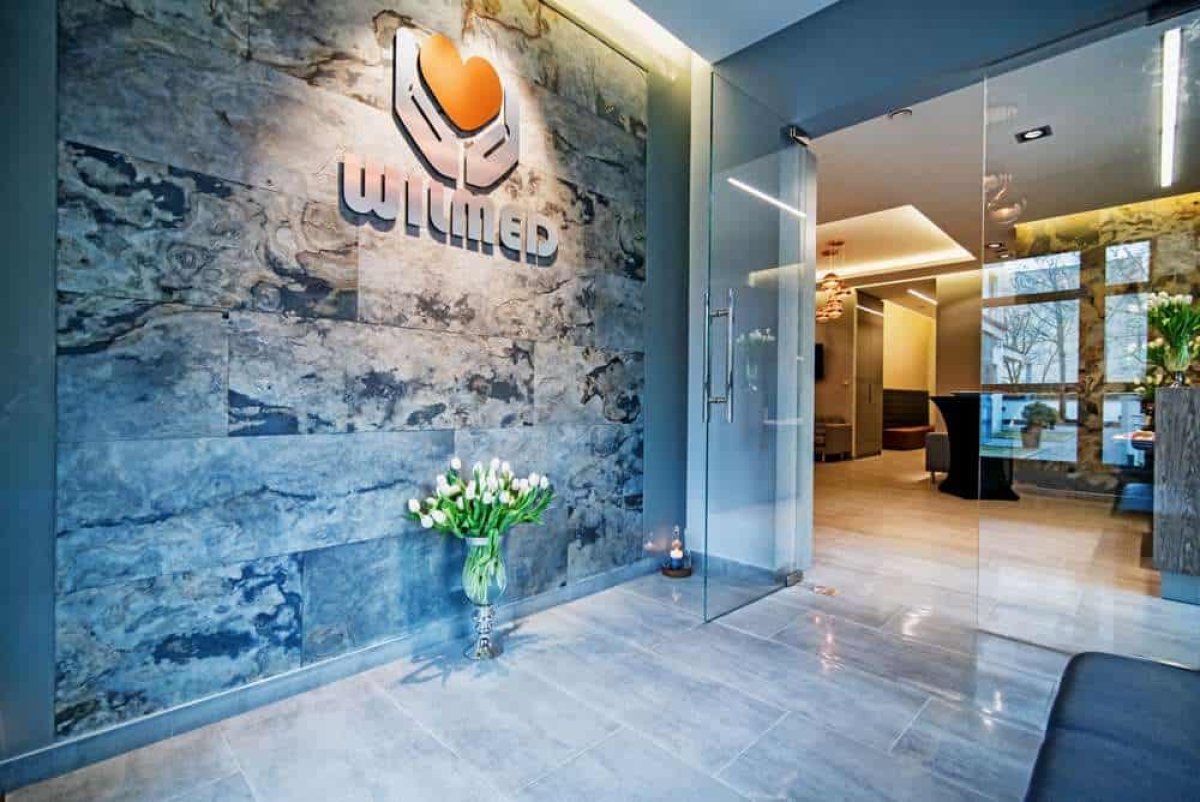
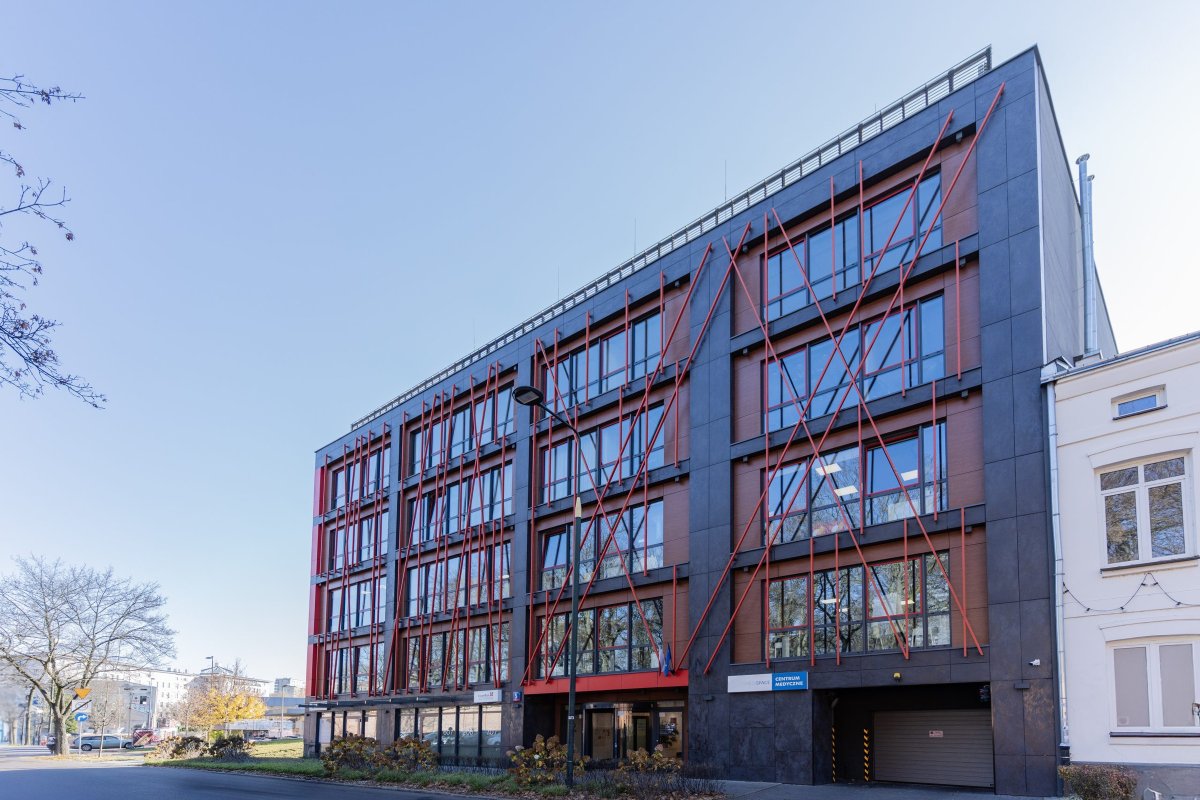
MediSpace (Centrum Medyczne MediSpace)


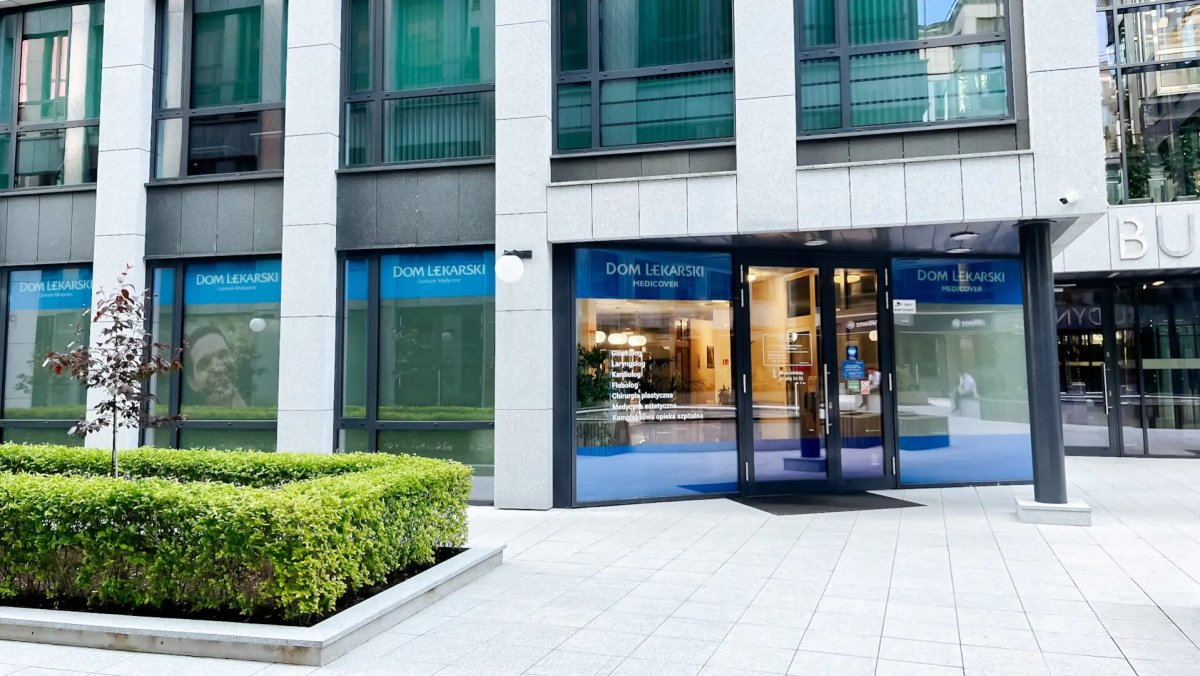
احصل على تقييم طبي لـ في بولندا. استشر الآن 17 أطباء ذوي الخبرة.
عرض جميع الأطباء
Antoni Krajewski
تخرّج الدكتور أنطوني كرايفسكي من جامعة لودز الطبية. أكمل تخصّصه في قسم الجراحة العامة وجراحة الأوعية الدموية وجراحة الأورام بمستشفى مييندزيلسكي التخصصي في وارسو، ولا يزال يزاول عمله هناك.
يشمل عمله الجراحة العامة وطب وجراحة التجميل، ويطوّر مهاراته عبر برامج تدريب دولية وندوات علمية.
يشارك خبرته كمدرّب في طب التجميل، وبالتعاون مع مركز لوكسمد للتعليم الطبي يقدّم دورات في تقنية زراعة الشعر FUE.
Piotr Ciszewski
Adriana Nowak
الدكتورة أدريانا نواك تخرّجت في كلية الطب الأولى بجامعة وارسو الطبية. أتمّت التدريب التخصصي في الجراحة العامة بقسم الجراحة العامة والوعائية وجراحة الأورام في مستشفى مييندزيليسكي التخصصي، ولا تزال تمارس عملها هناك.
تجري عمليات جراحية عامة وتجميلية، وتعالج الجروح المزمنة بالعلاج بالضغط السلبي. تواظب على حضور الدورات التدريبية وورش العمل والمؤتمرات العلمية، وهي عضو في الجمعية البولندية لإدارة الجروح. كتبت وشاركت في تأليف مقالات في مجلات طبية.
Wojciech Gackowski
المراجعات
جميع المراجعاتمشاركة المحتوى
قصص فيديو من مرضى Bookimed
 Anna Leonova
أسئلة متكررة حول علاج الفتق السري في بولندا
هل تتطلب جميع الفتق السري لدى البالغين إجراء جراحة؟
لا تتطلب جميع حالات الفتق السري لدى البالغين جراحة فورية. غالبًا ما تخضع النتوءات الصغيرة التي لا تسبب أعراضًا للمراقبة النشطة. ومع ذلك، فإن الفتق لدى البالغين لا يشفى من تلقاء نفسه أبدًا. يحتاج حوالي 65% في النهاية إلى تدخل جراحي مع تضخم الفتق. يوصي الخبراء بالإصلاح الاختياري للفتق الذي ينطوي على ألم مستمر أو قيود في نمط الحياة.
- المراقبة النشطة: المراقبة مناسبة للفتق الصغير الذي يقل حجمه عن 1 إلى 2 سم.
- المؤشرات الجراحية: الألم المستمر أو العيوب المتنامية تجعل الإصلاح الجراحي الاختياري ضروريًا.
- أعراض الطوارئ: يتطلب تغير اللون المفاجئ أو الغثيان الشديد عناية طبية فورية.
- المعايير الحديثة: تستخدم العيادات البولندية تقنيات تنظير البطن والشبكات الخالية من التوتر للإصلاح.
رؤية خبير Bookimed: على الرغم من أن العديد من المرضى يفترضون أن الجراحة عاجلة، إلا أن البيانات الواردة من العيادات البولندية مثل مستشفى العائلة المقدسة التخصصي العالي تشير إلى التركيز على النتائج الوظيفية. يعطي متخصصون مثل الدكتور كريستوف فريغانت الأولوية للطرق الخالية من التوتر باستخدام الشبكة لتقليل معدلات التكرار. ومن المثير للاهتمام أن بولندا تحتل المرتبة الثانية عالميًا على Bookimed لطلبات الجراحة. يُظهر هذا الحجم الكبير الذي يزيد عن 3900 مريض أن الجراحين البولنديين يحافظون على كفاءة عالية في إصلاحات الفتق الاختيارية والمعقدة.
إجماع المرضى: يشير المرضى إلى أن التعافي وقيود رفع الأثقال غالبًا ما تستغرق وقتًا أطول مما كان متوقعًا. يقول الكثيرون إنه
ما الفرق بين إصلاح الفتق السري المفتوح وبالمنظار؟
يستخدم إصلاح الفتق السري المفتوح شقًا واحدًا أكبر بالقرب من السرة لتقوية جدار البطن مباشرة. يستخدم الإصلاح بالمنظار من 2 إلى 4 منافذ صغيرة وكاميرا لمعالجة العيب من الداخل. توفر طرق المنظار عادةً تعافيًا أسرع ومخاطر أقل للإصابة بعدوى سطحية.
- ملف الشق: يتطلب الإصلاح المفتوح قطعًا واحدًا أكبر بينما يستخدم المنظار منافذ كاميرا صغيرة جدًا.
- نوع التخدير: تتطلب جراحة المنظار تخديرًا عامًا. قد يستخدم الإصلاح المفتوح تخديرًا موضعيًا.
- فترة التعافي: يعود المرضى عادةً إلى نشاطهم الكامل في غضون أسبوع إلى أسبوعين بعد المنظار.
- النهج الجراحي: يصل الإصلاح المفتوح إلى الفتق من الأمام بينما يعمل المنظار داخليًا.
رؤية خبير Bookimed: بينما يُفضل المنظار غالبًا للتعافي السريع، يستخدم الجراحون البولنديون ذوو الخبرة العالية، مثل الدكتور كريستوف فريغانت، بشكل متكرر طريقة عدم الشد باستخدام شبكة بلاستيكية. يضمن هذا المعيار استقرار الجدار على المدى الطويل. تسمح المرافق البولندية الحديثة مثل مستشفى العائلة المقدسة بالتعافي في أجنحة مكيفة. يساعد هذا المستوى من الراحة في إدارة الألم الأولي بعد الجراحة الشائع في كلتا التقنيتين.
إجماع المرضى: يشير المرضى إلى أن الإصلاح المفتوح غالبًا ما يكون الخيار الأكثر كفاءة للنتوءات الصغيرة والبسيطة. يؤكد الكثيرون أن قيود الرفع تظل كما هي بغض النظر عن الطريقة الجراحية التي يختارها الطبيب.
هل سيتم استخدام شبكة، وهل يقلل ذلك من تكرار الفتق؟
يستخدم الجراحون في بولندا شبكة جراحية في معظم عمليات إصلاح الفتق السري لتقوية جدار البطن. تقلل هذه الطريقة الخالية من التوتر من مخاطر التكرار بنسبة تصل إلى 50% مقارنة بالغرز وحدها. تتبع معظم العيادات البولندية المعايير الحديثة لضمان نتائج آمنة وطويلة الأمد للمرضى.
- الوقاية من التكرار: يؤدي تعزيز الشبكة إلى خفض معدلات التكرار من حوالي 50% إلى أقل من 15%.
- إصلاح بدون توتر: تعمل الشبكة كجسر لتوزيع الضغط عبر العضلات.
- تكامل الأنسجة: تنمو الأنسجة الطبيعية داخل الشبكة لتقوية المنطقة بشكل دائم.
- معيار الرعاية: يستخدم المتخصصون البولنديون عادةً الشبكة للفتق الذي يتجاوز الأحجام الصغيرة جداً.
رؤية خبير Bookimed: بينما تعطي العديد من البلدان الأولوية للحجم، تستخدم مراكز الجراحة البولندية مثل مستشفى العائلة المقدسة التخصصي العالي بروتوكولات GVM Care & Research. يربط هذا الرعاية الإقليمية بشبكة تضم 50 مستشفى أوروبياً. يؤكد الدكتور كريستوف فريغانت ورؤساء الأقسام الآخرون على هذه المعايير الجراحية الدولية للحفاظ على مستويات عالية من السلامة.
إجماع المرضى: يشير المرضى إلى أنه على الرغم من أن الشبكة توفر راحة البال ضد التكرار، فإن اختيار الجراح يعتمد غالباً على جودة الأنسجة. يؤكد العديد من المرضى أن اتباع قيود رفع الأثقال بعد الجراحة أمر حيوي تماماً مثل الشبكة نفسها.
ما هو الجدول الزمني النموذجي للتعافي بعد جراحة إصلاح الفتق السري؟
يستغرق التعافي بعد جراحة إصلاح الفتق السري عادةً من 3 إلى 6 أسابيع للعودة إلى النشاط الكامل. غالبًا ما يعود المرضى إلى المنزل في نفس اليوم. يصل الألم والتورم إلى ذروتهما خلال 72 ساعة. يستأنف معظم الأفراد العمل المكتبي في غضون أسبوع واحد. يسمح الجراحون عمومًا برفع الأثقال بعد 6 أسابيع.
- الحركة الأولية: يبدأ المشي الخفيف في غضون 24 ساعة لمنع تجلط الدم.
- الجدول الزمني للعمل: غالبًا ما تكون الوظائف المكتبية ممكنة بعد 3 إلى 7 أيام من الجراحة.
- حدود الرفع: تجنب رفع أكثر من 10 أرطال (حوالي 4.5 كجم) خلال الأسابيع الأربعة إلى الستة الأولى.
- سلامة القيادة: يستأنف المرضى القيادة بمجرد أن يصبحوا خاليين من الألم والتوقف عن تناول جميع الأدوية المخدرة.
رؤية خبير Bookimed: بينما يعتبر وقت التعافي قياسيًا، تختلف التقنية الجراحية بين المراكز البولندية ذات الكثافة العالية. يستخدم الدكتور كريستوف فريغانت في مستشفى العائلة المقدسة طرق الشبكة البلاستيكية الخالية من التوتر. يقدم البروفيسور جاسيك سوبوكي في وارسو أساليب روبوتية وبالمنظار. اختيار متخصص لديه أكثر من 40 عامًا من الخبرة يضمن أن الإصلاح يتحمل ضغط الجذع خلال المرحلة المتأخرة من التعافي.
إجماع المرضى: يشير المرضى إلى أن الأيام الثلاثة الأولى هي الأكثر صعوبة لحركة الجذع. يقترح الكثيرون الاحتفاظ بوسادة قريبة للضغط عليها ضد معدتك عند السعال أو العطس لتخفيف الألم الحاد المفاجئ.
كم من الوقت يجب أن أبقى في بولندا بعد الجراحة؟
يجب على المرضى التخطيط للبقاء في بولندا لمدة 5 إلى 10 أيام بعد علاج الفتق السري. يضمن هذا الإطار الزمني قدرة الأطباء على مراقبة المضاعفات الجراحية المبكرة. يجب على الجراحين التأكد من أن الشق مستقر وأن الألم تحت السيطرة قبل أن تسافر. كما تقلل هذه النافذة الزمنية من خطر الإصابة بتجلط الأوردة العميقة.
- نوع الإجراء: غالبًا ما تسمح الجراحة بالمنظار بالسفر بعد 5 أيام.
- التقنية الجراحية: تتطلب تقنية الشبكة الخالية من التوتر مراقبة التورم أو الورم المصلي.
- التصريح الطبي: يصدر الجراحون شهادة لياقة للطيران بعد فحص الجرح.
- نافذة الأمان: تحمل أول 72 ساعة أعلى خطر للمضاعفات الحادة.
رؤية خبير Bookimed: بولندا هي مركز عالي الحجم للجراحة العامة. يعالج مستشفى العائلة المقدسة التخصصي العالي وحده 4000 مريض سنويًا. تظهر بياناتنا أن العيادات في مدن مثل رزيسزو توفر غرف تعافي عالية المستوى. توفر هذه المرافق غرفًا لشخصين مع إنترنت وإشراف طبي. غالبًا ما يختار المرضى هذه الإعدادات بدلاً من الفنادق للأيام القليلة الأولى بعد العملية. وهذا يسمح بالوصول الفوري إلى جراحين مثل الدكتور كريستوف فريجانت خلال مرحلة الشفاء الحرجة.
إجماع المرضى: يشير المرضى إلى أن الألم قد يكون خفيفًا عند الراحة ولكنه يزداد سوءًا عند التعامل مع الأمتعة. يوصون بالبقاء لمدة أسبوع على الأقل لتجنب الانزعاج من آلام الغازات أثناء الرحلات الجوية.
هل يمكن أن تتكرر الفتق السري بعد الإصلاح؟
يمكن أن تتكرر الفتق السري بعد الإصلاح بمعدل إعادة جراحة لمدة 10 سنوات يتراوح بين 12% و 15%. ينخفض خطر التكرار بشكل كبير عندما يستخدم الجراحون شبكة طبية بدلاً من الغرز فقط. يستخدم المتخصصون البولنديون طرقاً خالية من التوتر لتقوية أنسجة البطن الضعيفة ومنع الفشل في المستقبل.
- طريقة الإصلاح: تفشل الإصلاحات بالغرز فقط بنسبة 10% إلى 30% أكثر من الإصلاحات المدعومة بالشبكة.
- حجم العيب: تتطلب الفجوات التي يزيد عرضها عن 2 سم شبكة للتعامل مع توتر جدار البطن.
- الإجهاد البدني: رفع الأثقال أو السعال المزمن بعد الجراحة مباشرة يمكن أن يضر بالأنسجة التي تلتئم.
- عوامل الشفاء: التدخين والسكري غير المنضبط يضعفان روابط الكولاجين اللازمة لندبة قوية.
رؤية خبير Bookimed: صعدت بولندا إلى المرتبة الثانية عالمياً في السياحة العلاجية بسبب الخبرة الجراحية العالية. في مستشفى العائلة المقدسة التخصصي العالي، يعطي جراحون مثل الدكتور كريستوف فريغانت الأولوية لطريقة الشبكة البلاستيكية الخالية من التوتر. تعالج هذه التقنية السبب الجذري للتكرار عن طريق إزالة التوتر من شق جدار البطن.
إجماع المرضى: يلاحظ المرضى أن العودة إلى النشاط الشاق في وقت مبكر جداً هو سبب شائع للنتوءات الثانوية. ويؤكدون أنه على الرغم من أن البعض يخشى من عدم الراحة بسبب الشبكة، إلا أنها توفر أماناً طويل الأمد لعيوب الفتق الأكبر.
ما مدى جودة جراحة الأعصاب في بولندا؟
تُقدم جراحة الأعصاب في بولندا رعاية عالية الجودة في مرافق معتمدة من قبل اللجنة الدولية المشتركة (JCI) والمنظمة الدولية للمعايير (ISO). يلتزم جراحو الأعصاب البولنديون بمعايير تدريب صارمة معتمدة من قبل الاتحاد الأوروبي. وقد أكمل العديد منهم زمالات في الولايات المتحدة أو ألمانيا. وتتوفر التقنيات المتقدمة، مثل جهاز سايبر نايف وجهاز جاما نايف والأنظمة الروبوتية، على نطاق واسع في المراكز الخاصة.
- المؤهلات التخصصية: غالباً ما يكون الأطباء أعضاء في الرابطة الأوروبية لجمعيات جراحة الأعصاب.
- التقنيات المتقدمة: تستخدم العيادات أنظمة CyberKnife والموجات فوق الصوتية المركزة الموجهة بالرنين المغناطيسي لعلاج الدماغ غير الجراحي.
- الحجم السريري: تعالج المراكز الرائدة مثل مستشفى الجامعة في كراكوف أكثر من 455000 مريض سنوياً.
- جراحون ذوو خبرة: أجرى الدكتور ماسيج بوجكو من مستشفى كارولينا أكثر من 2500 عملية جراحية بمفرده.
رأي خبراء بوكيمد: تُظهر البيانات وجود علاقة وثيقة بين تخصص العيادة وأصول مرضاها. تعالج عيادة KCM أكثر من 700 مريض دولي سنويًا، وهي متخصصة في جراحة العمود الفقري طفيفة التوغل. يُمكّنها هذا الحجم من العمل من تقديم باقات خدمات متخصصة، تشمل غالبًا حواجز تشخيصية وزرعات محددة،
ما هي مؤهلات جراحي الأعصاب البولنديين؟
يُعدّ جراحو الأعصاب البولنديون متخصصين ذوي كفاءة عالية، إذ أتموا ما لا يقل عن 13 عامًا من التدريب الطبي المكثف. يشمل ذلك ست سنوات من الدراسة في كلية الطب، و13 شهرًا من التدريب العملي، وست سنوات من الإقامة. ويجب عليهم اجتياز امتحان التخصص الحكومي (PES)، وغالبًا ما يحصلون على شهادة من الجمعية الأوروبية لجمعيات جراحة الأعصاب (EANS).
- التعليم: يتلقى الأطباء تعليمهم الطبي (الطب) بعد 6 سنوات من الدراسة في الجامعة.
- التخصص: تشمل الإقامة 6 سنوات من التدريب المعياري في جراحة الأعصاب السريرية وعلم الأشعة العصبية.
- حجم العمليات الجراحية: غالبًا ما يقوم الأطباء المقيمون بإجراء أكثر من 1000 عملية جراحية، وهو ما يتجاوز متوسط حجم التدريب في المناطق الأخرى.
- الشهادات: العديد من المتخصصين أعضاء في منظمة AO Spine أو الجمعية البولندية لجراحة العمود الفقري.
رأي خبراء بوكيميد: تشير البيانات إلى أن جراحي الأعصاب البولنديين غالبًا ما يتخصصون في تقنيات بالغة التخصص، مثل نظام ApiFix أو نظام SED-YESS لتنظير الفقرات القطنية. ويجمع أخصائيون مثل الدكتور ستانيسواف كويك من عيادة KCM بين أبحاث ما بعد الدكتوراه والممارسة الجراحية النشطة. هذا المزيج من المعرفة الأكاديمية المتعمقة والخبرة الجراحية الوا
ما هي أفضل عيادات جراحة الأعصاب في بولندا؟
من بين أفضل عيادات جراحة الأعصاب في بولندا مستشفى كارولينا، وعيادة KCM، ومراكز أكاديمية رائدة مثل مستشفى جامعة كراكوف. تقدم هذه المؤسسات علاجات متطورة لأمراض العمود الفقري والدماغ، مطابقة لمعايير الجودة ISO، وتضم أخصائيين أعضاء في منظمات دولية مثل AO Spine.
- مستشفى كارولينا: مركز التميز الطبي التابع للفيفا، والمتخصص في جراحات العمود الفقري المعقدة ذات التدخل الجراحي المحدود.
- عيادة KCM: معترف بها دوليًا لجودة إجراءات تنظير العمود الفقري، وتخدم أكثر من 700 مريض دولي سنويًا.
- مستشفى جامعة كراكوف: مركز متعدد التخصصات كبير يقوم بإجراء أكثر من 800 عملية جراحية عصبية سنوياً منذ عام 1788.
- لوكسميد: مركز طبي خاص مرموق في وارسو متخصص في جراحة العمود الفقري المتقدمة للمرضى الدوليين.
رأي خبراء بوكيمد: بينما يتجه الكثيرون إلى أكبر المستشفيات، تُظهر البيانات أن عيادات مثل مستشفى كارولينا تُقدم كفاءة أعلى في العمليات الجراحية الاختيارية. فمع وجود أكثر من 40 طبيباً متخصصاً في هذه المنشأة التي تضم 30 سريراً، تكون نسبة الأطباء إلى المرضى أعلى بكثير مما هي عليه في المراكز الجامعية الحكومية. وهذا يعني رعاية ما بعد الجراحة أكثر عناية، وجدولة أسرع بكثير لإجراءات مثل علاج الانزلاق الغضروفي
ما هي أكثر العمليات الجراحية العصبية شيوعاً في بولندا؟
في بولندا، يركز طب جراحة الأعصاب بشكل أساسي على جراحات العمود الفقري واستئصال أورام الدماغ. وتُجري المستشفيات بشكل متكرر عمليات استئصال القرص المجهرية، ودمج الفقرات، وتحفيز الدماغ العميق. وتستخدم مراكز مثل مستشفى كارولينا وعيادة كي سي إم تقنيات طفيفة التوغل لعلاج الانزلاق الغضروفي، وإصابات العمود الفقري، والاضطرابات العصبية المعقدة.
- جراحة العمود الفقري: يعتبر استئصال القرص واستئصال الصفيحة الفقرية من العلاجات الشائعة لانزلاق القرص.
- علم الأورام العصبية: يقوم الأخصائيون بإجراء عمليات جراحية لإزالة أورام الدماغ باستخدام معدات حديثة مثل تقنية سايبر نايف.
- جراحة الأعصاب الوظيفية: يستخدم التحفيز العميق للدماغ (DBS) على نطاق واسع لعلاج اضطرابات الحركة.
- التقنيات طفيفة التوغل: يستخدم الجراحون تقنيات التنظير الداخلي لتخفيف الضغط عن العمود الفقري وعلاج أورام الغدة النخامية.
رأي خبراء بوكيميد: أصبحت بولندا مركزًا متخصصًا في تثبيت العمود الفقري. تتعاون عيادات مثل مستشفى كارولينا مع الفرق الرياضية الوطنية، مما يعكس خبرتها العالية في علاج إصابات العمود الفقري المعقدة. تُظهر بياناتنا أن هذه المؤسسات غالبًا ما تُدمج إعادة التأهيل مباشرةً في العلاج الجراحي. هذا الدمج يقلل من خطر الم