علاج ندوب الجرويد في بولندا: 3 مستشفيات


تمت مراجعة المقالة طبيا من قبل
فهد مولود
كيف نعمل؟
ما هي تكلفة ندوب الجرويد إجراءات التشخيص والعلاج في بولندا؟ اعرف الآن
اكتشف أفضل ندوب الجرويد العيادات في بولندا: 3 خيارات معتمدة والأسعار


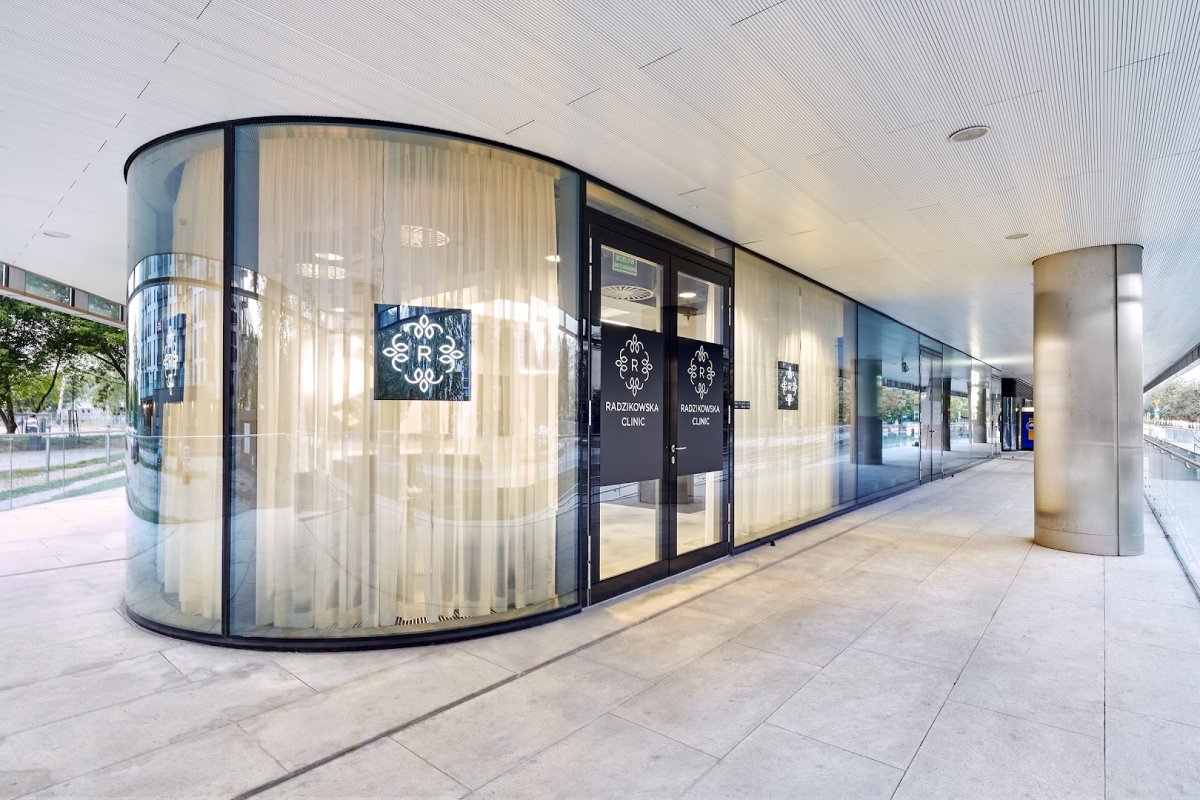
عيادة Radzikowska لجراحة التجميل
احصلوا على تقييم طبي لـ ندوب الجرويد في بولندا: استشيروا أطباء ذوي خبرة الآن
عرض جميع الأطباء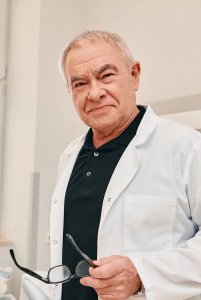
Pawel Grochowicz
الدكتور Paweł Grochowicz، MD، PhD، اختصاصي أمراض الشرج والمستقيم بخبرة تقارب 40 عاماً. يعمل في مركز وارسو لطب الشرج والمستقيم بمستشفى القديسة إليزابيث. يعالج البواسير، والنواسير والخراجات الشرجية، والشقوق الشرجية، وسلس البراز، والأكياس الشعرانية. كما يجري تنظير القولون واستئصال الزوائد اللحمية من القولون والمستقيم.
بين عامي 1979 و2016 عمل في وحدة طب الشرج والمستقيم بمستشفى سوليك، وهي مركز مرجعي والوحيد من نوعه في بولندا. ومنذ 2016 يعمل في مركز وارسو لطب الشرج والمستقيم بمستشفى القديسة
Przemyslaw Ciesielski
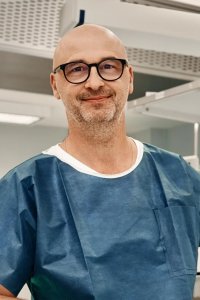
الدكتور Przemyslaw Ciesielski جرّاح عام. أنهى تخصصه عام 2008. تخرّج في جامعة وارسو الطبية عام 1999. حصل على درجة دكتوراه العلوم الطبية عام 2010. تناولت أطروحته تقييم الفحوص السريرية وتنظير المستقيم لتشخيص أمراض القولون والمستقيم لدى المرضى المعرضين لارتفاع خطر الإصابة بسرطان القولون والمستقيم.
يشمل تدريبه في طب الشرج والقولون والمستقيم دورات رسمية وزمالات. أكمل دورات في طب الشرج في مستشفى St. Rota في فيرتشيلّي عامي 2021 و2022، وفي كولونيا عام 2016. شغل زمالات إكلينيكية في الجراحة العام
Rafał Prager

Agnieszka Surowiecka
مشاركة المحتوى
قصص فيديو من مرضى Bookimed
 Anna Leonova
أسئلة متكررة حول علاج ندوب الجرويد في بولندا
ما هي أكثر الطرق شيوعاً لعلاج ندبات الجدرة في بولندا؟
في بولندا، تشمل العلاجات الشائعة لندبات الجدرة حقن الكورتيكوستيرويد، والعلاج بالليزر الجزئي بثاني أكسيد الكربون، والعلاج بالتبريد. غالبًا ما تجمع المراكز المتخصصة بين الاستئصال الجراحي والعلاج الإشعاعي السطحي لتقليل احتمالية عودة الندبة. تُجرى هذه العمليات على يد أطباء جلدية وجراحي تجميل معتمدين في مرافق معتمدة من قبل اللجنة الدولية المشتركة (JCI) أو المنظمة الدولية للمعايير (ISO).
- حقن الكورتيكوستيرويد: تعمل الستيرويدات مثل التريامسينولون على تقليل الالتهاب وتنعيم الأنسجة خلال الجلسات الشهرية.
- العلاج بالليزر: تعمل أشعة الليزر الجزئية بثاني أكسيد الكربون على تدمير ألياف الكولاجين، مما يقلل من حجم الندبات ويخفف من لونها.
- العلاج بالتبريد: يقوم النيتروجين السائل بتجميد النسيج الندبي، مما يجعله أكثر ليونة ويقلل حجمه بشكل كبير.
- الاستئصال الجراحي: يقوم الجراحون بإزالة الندبات الجدرية الكبيرة، وغالبًا ما يتبع ذلك العلاج الإشعاعي لمنع عودتها.
- العلاج الداعم: تساعد جل السيليكون والضمادات الضاغطة في الحفاظ على النتائج خلال فترة التعافي في المنزل.
رأي خبراء بوكيميد: ارتقى ترتيب بولندا إلى المركز الثامن عالميًا ف
هل إجراءات علاج ندبات الجدرة في بولندا آمنة للمرضى الأجانب؟
يُعدّ علاج كريات الدم البيضاء في الجُدرة آمناً في بولندا بفضل المعايير الطبية الصارمة للاتحاد الأوروبي. تلتزم المرافق الطبية بمعايير ISO الدولية، مما يضمن علاجاً موثوقاً وخدمات عالية الجودة. يستخدم الجراحون المتخصصون في مدن مثل غدانسك وإيلينا غورا تقنيات متطورة لتقليل خطر عودة المرض.
- السلامة التنظيمية: تلتزم العيادات بقوانين الرعاية الصحية في الاتحاد الأوروبي وهي حاصلة على شهادة الجودة ISO 9001.
- التخصص: الجراحون مثل الدكتور بيتر راك حاصلون على شهادات دكتوراه وتدريب دولي في الجراحة المجهرية.
- التكنولوجيا المتقدمة: تستخدم المراكز المعتمدة ليزر ثاني أكسيد الكربون وبروتوكولات العلاج الإشعاعي المتخصصة من سينسوس.
- كفاءة عالية: أظهرت الأساليب متعددة الوسائط التي تجمع بين الجراحة والعلاج الإشعاعي معدلات نجاح تصل إلى 96%.
رأي خبراء بوكيمد: تُظهر بيانات حجم المرضى أن عيادة كي سي إم تعالج أكثر من 700 مريض دولي سنويًا من المملكة المتحدة وألمانيا. ويؤكد هذا الإقبال الكبير أن طاقم العيادة مُلِمٌّ تمامًا بإجراءات التعامل مع الوثائق الطبية في الخارج. ينبغي على المرضى الاستفسار عما إذا كانت العيادة تُقدم علاجًا إشعاعيًا متخصصًا بعد استئصال الورم لضمان نتائج طويلة الأمد.
ما هي المدن البولندية التي تشتهر بعلاجاتها المتقدمة للندبات الجدرية؟
تُعدّ وارسو وكراكوف وجيلينيا غورا المراكز الرئيسية في بولندا لعلاج ندبات الجدرة الحديثة. تضم هذه المراكز عيادات جلدية متخصصة تستخدم العلاج الإشعاعي السطحي، وليزر ثاني أكسيد الكربون الجزئي، والعلاج بالتبريد. وتخدم العيادات المعتمدة من قبل اللجنة الدولية المشتركة (JCI) والمنظمة الدولية للمعايير (ISO) في هذه المدن آلاف المرضى الدوليين الذين يسعون إلى إزالة الندبات بفعالية.
- عيادات وارسو: تقدم تقنيات متخصصة مثل SRT-100™ لمنع تكرار ندبات الجدرة بعد الإزالة الجراحية.
- مراكز كراكوف: توفر إمكانية الوصول إلى علاج تجميد الدهون العميق وعلاج ندبات الليزر في المستشفيات الجامعية الكبرى.
- تعالج عيادة KCM في جيلينيا غورا أكثر من 2500 مريض سنوياً باستخدام بروتوكولات حديثة لإزالة الندبات بالليزر.
- الخبرة في غدانسك: يقوم أخصائيون مثل الدكتور بيوتر راك من جزيرة الطب الودية بإجراء عمليات جراحية معقدة لإزالة نمو الجلد الزائد.
رأي خبراء بوكيمد: بينما يتجه الكثيرون إلى عيادات في وارسو، تستقبل عيادة KCM في يلينيا غورا أكثر من 700 مريض دولي سنويًا، وخاصة من المملكة المتحدة وألمانيا. تُظهر بياناتنا أن هذه المدينة أصبحت مركزًا متخصصًا لعدد كبير من إجراءات الليزر. غالبًا ما يُشير المرضى إلى فترات
ما هو خطر عودة ندبة الجدرة بعد العلاج؟
يتراوح خطر عودة ظهور الجُدرة بين 10% و100%، وذلك تبعًا لاستراتيجية العلاج المُختارة. يُظهر الاستئصال الجراحي وحده معدل نمو مُتجدد يتراوح بين 45% و100%، وغالبًا ما يُؤدي إلى ندوب أكبر. يُحسّن الجمع بين الجراحة والعلاج الإشعاعي أو حقن الكورتيكوستيرويد نتائج المرضى على المدى الطويل بشكلٍ ملحوظ.
- الجراحة وحدها: معدل تكرار مرتفع - من 45٪ إلى 100٪ في غضون عامين.
- العلاج الإشعاعي المركب: الجراحة متبوعة بالعلاج الإشعاعي تقلل بشكل فعال من خطر تكرار الإصابة إلى 10-27%.
- حقن الكورتيكوستيرويد: يحدث انخفاض أولي في الحجم في 50-80% من الحالات، ولكن إعادة النمو أمر شائع أيضًا.
- عامل الموقع: تتكرر الندوب على الكتفين والظهر بشكل متكرر أكثر من ندوب الجدرة على شحمة الأذن.
رأي خبراء بوكيميد: تُظهر بيانات من 82 عيادة بولندية أن المراكز المتخصصة مثل عيادة KCM تُركز على الجراحة التجميلية متعددة الأساليب. يستخدم الدكتور بيوتر راك في عيادة فريندلي ميديسن آيلاند أحدث التقنيات الجراحية الدقيقة وتقنيات الأورام. يُتيح اختيار الجراحين ذوي الخبرة في مجال الأورام فهمًا أعمق لأنماط تجدد الأنسجة. تُعد هذه الخبرة بالغة الأهمية، حيث أن عدم تحضير هوامش الاستئصال بشكل صحيح هو السبب الرئيسي لعودة الجُدرة.
ما مدى جودة جراحة الأعصاب في بولندا؟
تُقدم جراحة الأعصاب في بولندا رعاية عالية الجودة في مرافق معتمدة من قبل اللجنة الدولية المشتركة (JCI) والمنظمة الدولية للمعايير (ISO). يلتزم جراحو الأعصاب البولنديون بمعايير تدريب صارمة معتمدة من قبل الاتحاد الأوروبي. وقد أكمل العديد منهم زمالات في الولايات المتحدة أو ألمانيا. وتتوفر التقنيات المتقدمة، مثل جهاز سايبر نايف وجهاز جاما نايف والأنظمة الروبوتية، على نطاق واسع في المراكز الخاصة.
- المؤهلات التخصصية: غالباً ما يكون الأطباء أعضاء في الرابطة الأوروبية لجمعيات جراحة الأعصاب.
- التقنيات المتقدمة: تستخدم العيادات أنظمة CyberKnife والموجات فوق الصوتية المركزة الموجهة بالرنين المغناطيسي لعلاج الدماغ غير الجراحي.
- الحجم السريري: تعالج المراكز الرائدة مثل مستشفى الجامعة في كراكوف أكثر من 455000 مريض سنوياً.
- جراحون ذوو خبرة: أجرى الدكتور ماسيج بوجكو من مستشفى كارولينا أكثر من 2500 عملية جراحية بمفرده.
رأي خبراء بوكيمد: تُظهر البيانات وجود علاقة وثيقة بين تخصص العيادة وأصول مرضاها. تعالج عيادة KCM أكثر من 700 مريض دولي سنويًا، وهي متخصصة في جراحة العمود الفقري طفيفة التوغل. يُمكّنها هذا الحجم من العمل من تقديم باقات خدمات متخصصة، تشمل غالبًا حواجز تشخيصية وزرعات محددة،
ما هي مؤهلات جراحي الأعصاب البولنديين؟
يُعدّ جراحو الأعصاب البولنديون متخصصين ذوي كفاءة عالية، إذ أتموا ما لا يقل عن 13 عامًا من التدريب الطبي المكثف. يشمل ذلك ست سنوات من الدراسة في كلية الطب، و13 شهرًا من التدريب العملي، وست سنوات من الإقامة. ويجب عليهم اجتياز امتحان التخصص الحكومي (PES)، وغالبًا ما يحصلون على شهادة من الجمعية الأوروبية لجمعيات جراحة الأعصاب (EANS).
- التعليم: يتلقى الأطباء تعليمهم الطبي (الطب) بعد 6 سنوات من الدراسة في الجامعة.
- التخصص: تشمل الإقامة 6 سنوات من التدريب المعياري في جراحة الأعصاب السريرية وعلم الأشعة العصبية.
- حجم العمليات الجراحية: غالبًا ما يقوم الأطباء المقيمون بإجراء أكثر من 1000 عملية جراحية، وهو ما يتجاوز متوسط حجم التدريب في المناطق الأخرى.
- الشهادات: العديد من المتخصصين أعضاء في منظمة AO Spine أو الجمعية البولندية لجراحة العمود الفقري.
رأي خبراء بوكيميد: تشير البيانات إلى أن جراحي الأعصاب البولنديين غالبًا ما يتخصصون في تقنيات بالغة التخصص، مثل نظام ApiFix أو نظام SED-YESS لتنظير الفقرات القطنية. ويجمع أخصائيون مثل الدكتور ستانيسواف كويك من عيادة KCM بين أبحاث ما بعد الدكتوراه والممارسة الجراحية النشطة. هذا المزيج من المعرفة الأكاديمية المتعمقة والخبرة الجراحية الوا
ما هي أفضل عيادات جراحة الأعصاب في بولندا؟
من بين أفضل عيادات جراحة الأعصاب في بولندا مستشفى كارولينا، وعيادة KCM، ومراكز أكاديمية رائدة مثل مستشفى جامعة كراكوف. تقدم هذه المؤسسات علاجات متطورة لأمراض العمود الفقري والدماغ، مطابقة لمعايير الجودة ISO، وتضم أخصائيين أعضاء في منظمات دولية مثل AO Spine.
- مستشفى كارولينا: مركز التميز الطبي التابع للفيفا، والمتخصص في جراحات العمود الفقري المعقدة ذات التدخل الجراحي المحدود.
- عيادة KCM: معترف بها دوليًا لجودة إجراءات تنظير العمود الفقري، وتخدم أكثر من 700 مريض دولي سنويًا.
- مستشفى جامعة كراكوف: مركز متعدد التخصصات كبير يقوم بإجراء أكثر من 800 عملية جراحية عصبية سنوياً منذ عام 1788.
- لوكسميد: مركز طبي خاص مرموق في وارسو متخصص في جراحة العمود الفقري المتقدمة للمرضى الدوليين.
رأي خبراء بوكيمد: بينما يتجه الكثيرون إلى أكبر المستشفيات، تُظهر البيانات أن عيادات مثل مستشفى كارولينا تُقدم كفاءة أعلى في العمليات الجراحية الاختيارية. فمع وجود أكثر من 40 طبيباً متخصصاً في هذه المنشأة التي تضم 30 سريراً، تكون نسبة الأطباء إلى المرضى أعلى بكثير مما هي عليه في المراكز الجامعية الحكومية. وهذا يعني رعاية ما بعد الجراحة أكثر عناية، وجدولة أسرع بكثير لإجراءات مثل علاج الانزلاق الغضروفي
ما هي أكثر العمليات الجراحية العصبية شيوعاً في بولندا؟
في بولندا، يركز طب جراحة الأعصاب بشكل أساسي على جراحات العمود الفقري واستئصال أورام الدماغ. وتُجري المستشفيات بشكل متكرر عمليات استئصال القرص المجهرية، ودمج الفقرات، وتحفيز الدماغ العميق. وتستخدم مراكز مثل مستشفى كارولينا وعيادة كي سي إم تقنيات طفيفة التوغل لعلاج الانزلاق الغضروفي، وإصابات العمود الفقري، والاضطرابات العصبية المعقدة.
- جراحة العمود الفقري: يعتبر استئصال القرص واستئصال الصفيحة الفقرية من العلاجات الشائعة لانزلاق القرص.
- علم الأورام العصبية: يقوم الأخصائيون بإجراء عمليات جراحية لإزالة أورام الدماغ باستخدام معدات حديثة مثل تقنية سايبر نايف.
- جراحة الأعصاب الوظيفية: يستخدم التحفيز العميق للدماغ (DBS) على نطاق واسع لعلاج اضطرابات الحركة.
- التقنيات طفيفة التوغل: يستخدم الجراحون تقنيات التنظير الداخلي لتخفيف الضغط عن العمود الفقري وعلاج أورام الغدة النخامية.
رأي خبراء بوكيميد: أصبحت بولندا مركزًا متخصصًا في تثبيت العمود الفقري. تتعاون عيادات مثل مستشفى كارولينا مع الفرق الرياضية الوطنية، مما يعكس خبرتها العالية في علاج إصابات العمود الفقري المعقدة. تُظهر بياناتنا أن هذه المؤسسات غالبًا ما تُدمج إعادة التأهيل مباشرةً في العلاج الجراحي. هذا الدمج يقلل من خطر الم
هل تتوفر خدمات إعادة التأهيل العصبي؟
تتوفر خدمات إعادة التأهيل العصبي على نطاق واسع في بولندا من خلال مراكز متخصصة ومستشفيات متعددة التخصصات. وتشمل هذه البرامج التعافي بعد السكتة الدماغية، وإصابات الحبل الشوكي، والأمراض التنكسية. وتقدم مؤسسات مثل مستشفى كارولينا في وارسو وعيادة KCM علاجًا تحت إشراف طبي. وتتضمن معظم برامج جراحة الأعصاب تقييمًا أوليًا لإعادة التأهيل بعد العملية.
- العلاجات المتاحة: تشمل البرامج العلاج الطبيعي العصبي، والعلاج الوظيفي، وعلاج النطق.
- المؤسسات الرائدة: يقدم مستشفى كارولينا والمركز الطبي ENEL-MED في وارسو خدمات إعادة التأهيل.
- طاقم مؤهل: يعمل أخصائيو العلاج الطبيعي العصبي المتخصصون مع جراحي الأعصاب لوضع خطط علاج فردية.
- النطاق: تهدف إعادة التأهيل إلى استعادة الحركة والتوازن والوظائف الإدراكية بعد التدخلات الجراحية المعقدة.
رأي خبراء بوكيمد: تشير البيانات إلى أن العيادات التي تستقبل أعدادًا كبيرة من المرضى الدوليين، مثل عيادة KCM، غالبًا ما تُدرج إعادة التأهيل الأساسية ضمن برامجها الجراحية. تُعد هذه ميزة هامة، إذ قد يكون تنسيق إعادة التأهيل العصبي بشكل مستقل في بولندا أمرًا صعبًا. يضمن اختيار عيادة تضم أخصائي إعادة تأهيل متواجدًا فيها بدء التعافي في غضون 24 ساعة بعد الجراحة، وهو
من هم أفضل جراحي الأعصاب في بولندا؟
من أبرز جراحي الأعصاب البولنديين الدكتور يوري كسينيوك والدكتور ماتشي بويكو من مستشفى كارولينسكا في وارسو. يتخصص هذان الطبيبان في جراحة العمود الفقري طفيفة التوغل وتقنيات التنظير الداخلي. وهما حاصلان على شهادات دولية وعضوان في الجمعية البولندية لجراحة العمود الفقري ومنظمة يوروسباين.
- الدكتور يوري كسينيوك: خبير في جراحة العمود الفقري بالمنظار في مستشفى كارولينا. حائز على جائزة مسابقة فيكسيم الدولية مرتين.
- الدكتور ماتشي بوجكو: مدرب دولي في مجال التنظير الداخلي في مستشفى كارولينا. وقد أجرى أكثر من 2500 عملية جراحية، بما في ذلك استئصال أورام الدماغ.
- الأستاذ ستانيسلاف كفيك: أخصائي في عيادة KCM. يتمتع بخبرة تزيد عن 30 عامًا في مجال تخفيف الضغط بالليزر الحديث.
- الدكتور رادوسلاف ميشاليك: أخصائي في زراعة الأقراص الاصطناعية وأورام العمود الفقري في مستشفى كارولينا.
رأي خبراء بوكيمد: تُظهر البيانات وجود تركيز عالٍ من الأخصائيين ذوي الكفاءة العالية في وارسو. فمستشفى كارولينا وحده يوظف أكثر من 40 أخصائيًا حاصلين على شهادات مزدوجة في جراحة الأعصاب وجراحة العظام. هذا النهج متعدد التخصصات نادر، ويتيح علاجًا أكثر دقة للحالات المعقدة التي تشمل الأعصاب والعظام معًا.