Fizyomer Terapia Physical Therapy and Rehabilitation & Aesthetic & Dental Medical Center
تركيا, Eskisehir
العيادة معتمدة من قبل : 


تمت مراجعة المقالة طبيا من قبل
فهد مولود
تتراوح تكلفة العلاج الوظيفي في تركيا عادة من السعر عند الطلب إلى السعر عند الطلب للجلسة الواحدة. يعتمد السعر النهائي على تخصص المركز وعمر المريض والتقنيات المستخدمة. يتضمن هذا العلاج عادةً تقييماً مخصصاً وأنشطة لتحسين مهارات الحياة اليومية.
رأي خبراء Bookimed: يوفر اختيار مراكز الأعصاب والنفس المتخصصة، مثل مستشفى NP إسطنبول للدماغ، قيمة فريدة. هذا المرفق المعتمد من JCI هو ثاني أفضل مستشفى للدماغ في أوروبا. يستخدمون أدوية متطورة تعتمد على الأفكار وقياسات وظائف الدماغ. بالنسبة للتعافي الرئوي أو العظمي، يسجل مركز فيزيومير تيرابيا في إسكي شهر معدل نجاح يصل إلى 98 %. تجمع هذه المنشآت بين حجم كبير من المرضى ومعايير سلامة معترف بها دولياً.
لماذا يختار المرضى تركيا للعلاج الوظيفي؟
احصل على حلول متقدمة للعلاج الوظيفي في عيادات موثوقة .
Bookimed لا يضيف رسوماً إضافية على أسعار علاج وظيفي. الأسعار مأخوذة من قوائم الأسعار الرسمية للعيادات. تدفع مباشرة في العيادة مقابل علاج وظيفي عند وصولك.
Bookimed ملتزم بسلامتك. نحن نعمل فقط مع المؤسسات الطبية التي تحافظ على معايير دولية عالية في علاج وظيفي ولديها التراخيص اللازمة لخدمة المرضى الدوليين في جميع أنحاء العالم.
Bookimed يقدم مساعدة خبراء مجانية. منسق طبي شخصي يدعمك قبل وأثناء وبعد العلاج، ويحل أي مشاكل. لن تكون وحيداً أبداً في رحلة علاج وظيفي.

يساعد الإجراء على التعافي من إصابات العظام أو المفاصل أو العضلات مع العلاج اليومي ، مما يوفر سرعة في الشفاء واستعادة الحركة.
يساعد هذا العلاج في استعادة حركة المريض باستخدام التكنولوجيا المتقدمة لتخصيص وتتبع التقدم بشكل فعال.
يدعم هذا العلاج التعافي من المشي مع دعم دقيق لوزن الجسم ، مما يعزز السلامة أثناء جلسات إعادة التأهيل المكثفة.
يستخدم هذا العلاج بدلات آلية لتحسين الحركة واستعادة قوة العضلات للأفراد المصابين بالشلل.
يستخدم هذا العلاج أداة مساعدة في الحركة ، مما يعزز عملية تعافي المريض بعد الحالات العصبية أو العظام.
يقلل هذا العلاج من وزن الجسم للمساعدة في التعافي ، وذلك باستخدام تقنية متخصصة للعودة التدريجية غير المؤلمة للحركة.
يستخدم هذا العلاج بدلة فضائية فريدة من نوعها لتحسين الانتعاش البدني وتعزيز قوة العضلات وتنسيقها.
اليوم 1
اليوم الثاني
اليوم 3-5
اليوم السادس
اليوم السابع
الأسبوع 1-4 بعد العلاج
الأسبوع 4-8 بعد العلاج
ملحوظة: يمكن أن تختلف خطة التعافي والعلاج لكل فرد بناءً على حالتهم الخاصة وتقدمهم.


يتخصص الدكتور فاتح تميزتورك في إعادة التأهيل العصبي والعظمي، ويقدم علاجات متقدمة مثل البوتوكس والحقن الموجه بالموجات فوق الصوتية.
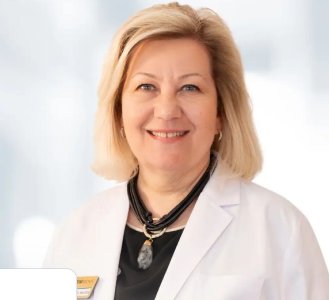
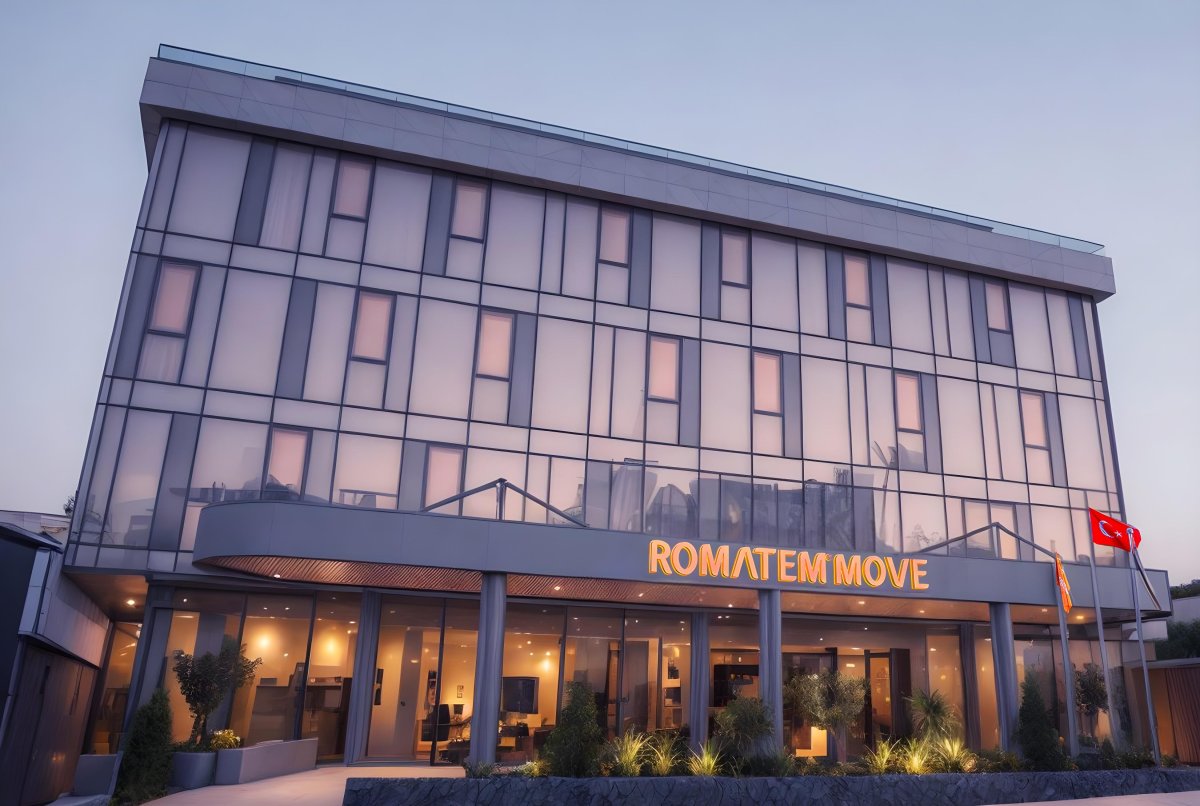
تتخصص الأستاذة الدكتورة غونيش يافوزير في إعادة التأهيل العصبي والعظمي المتقدم في مستشفيات رويماتيم، باستخدام إعادة التأهيل الروبوتي وتحليل المشي.

تتخصص الدكتورة سولي تيميزتورك في إعادة التأهيل العصبي والعظمي، وتتعامل مع الحالات المعقدة بعلاجات مستهدفة مثل الوخز بالإبر الجافة والحقن داخل المفصل في مركز نوبل الطبي.


 Anna Leonova
لتصبح معالجاً وظيفياً في تركيا، يجب عليك إكمال درجة البكالوريوس في العلاج الوظيفي (Ergoterapi) لمدة أربع سنوات في جامعة معتمدة. تتطلب هذه الدرجة 240 نقطة دراسية حسب نظام ECTS، وتدريبات سريرية إلزامية، والنجاح في امتحان القبول الجامعي الوطني YKS للقبول.
رؤية خبير Bookimed: على الرغم من أن درجة البكالوريوس هي الحد الأدنى القانوني، إلا أن الأدوار السريرية الأكثر تنافسية في تركيا غالباً ما تذهب لأولئك الحاصلين على درجة الماجستير (yüksek lisans). تُظهر البيانات أن مراكز إعادة التأهيل من الدرجة الأولى، مثل Fizyomer Terapia التي تخدم أكثر من 10,000 مريض سنوياً، تعتمد على فرق متخصصة للغاية للحفاظ على معدلات نجاحها البالغة 98% للحالات المعقدة مثل الشلل الدماغي.
إجماع المرضى: يقترح العديد من المهنيين أنه على الرغم من أن الدرجات العلمية المحلية توفر أساساً قوياً في طب الأطفال والأعصاب، فإن السعي للحصول على تدريب دولي إضافي في المملكة المتحدة أو هولندا يوفر ميزة كبيرة في الممارسات الحديثة القائمة على الأدلة.
تتطلب دراسة العلاج الوظيفي في تركيا الحصول على درجة البكالوريوس لمدة 4 سنوات تتكون من 240 نقطة ECTS. يجب على الطلاب الدوليين تقديم شهادة الثانوية العامة مع شهادة معادلة تركية، بينما يدخل المواطنون الأتراك عبر المجال الرقمي لامتحان مؤسسات التعليم العالي (YKS).
رؤية خبير Bookimed: في حين أن الجامعات الحكومية شديدة التنافسية، توفر المؤسسات الخاصة مثل مستشفى NP Istanbul Brain أو تلك التابعة لمراكز مثل Fizyomer Terapia بيئات سريرية متخصصة. اختيار جامعة حاصلة على اعتماد اللجنة الدولية المشتركة (JCI) يضمن أن ساعات ممارستك السريرية تلبي معايير السلامة العالمية في إعادة التأهيل.
إجماع المرضى: يجب على الطلاب المحتملين السعي للحصول على درجات عالية في العلوم حيث يظل امتحان YKS بوابة رئيسية. يشير الكثيرون إلى أن المعدل التراكمي للمدرسة الثانوية يساهم بشكل كبير في القبول النهائي في البرامج الطبية المتميزة.
تتطلب برامج العلاج الوظيفي في تركيا من الطلاب الدوليين تقديم شهادة الثانوية العامة مع معادلة معترف بها ودرجات اختبار محددة. يحتاج المتقدمون عادةً إلى نتائج اختبار TR-YOS للجامعات الحكومية، بينما تقبل المؤسسات الخاصة غالبًا مؤهلات SAT أو البكالوريا الدولية (IB) إلى جانب إتقان اللغة التركية بمستوى C1.
رؤية خبير Bookimed: على الرغم من أن متطلبات القبول مركزية، إلا أن البيئات السريرية مثل مستشفى NP Istanbul Brain أو Fizyomer Terapia تعطي الأولوية لخلفيات إعادة التأهيل المتخصصة. إن اختيار برنامج تابع لمستشفيات معتمدة من JCI يضمن أن تدريبك يلبي معايير الجودة الدولية. غالبًا ما يوفر هذا الاتصال وصولاً أفضل إلى التقنيات المتقدمة مثل إعادة التأهيل الروبوتي الذي يستخدمه خبراء مثل الدكتور جونيش يافوزير.
إجماع المرضى: يجب على الطلاب المحتملين الاستعداد لحاجز لغوي كبير. تتماشى البرامج التركية مع عملية بولونيا، مما يجعل الشهادات معترفًا بها على نطاق واسع، لكن الوصول إلى مستويات اللغة B1-C1 يظل العقبة الرئيسية لمعظم الطلاب.
تقدم تركيا فرصاً راسخة للدراسات العليا في العلاج الوظيفي من خلال العديد من برامج الماجستير والدكتوراه المعتمدة. وقد وفرت المؤسسات الرائدة مثل جامعة حجة تبه تخصصات متقدمة منذ عام 1996. يمكن للطلاب الاختيار بين المسارات الأكاديمية القائمة على الأطروحة أو الدرجات المهنية غير القائمة على الأطروحة في كل من الجامعات العامة والجامعات التأسيسية الخاصة.
رؤية خبير Bookimed: على الرغم من أن الرسوم الدراسية لهذه البرامج ميسورة التكلفة وتتراوح بين 2000 إلى 5000 دولار سنوياً، يجب على الطلاب الدوليين التحقق من الاعتماد من خلال مجلس التعليم العالي التركي (YÖK). تُظهر المؤسسات الخاصة مثل مستشفى NP إسطنبول للدماغ أو Fizyomer Terapia الطلب المتزايد على الأطباء المتخصصين في الرعاية العصبية وعلاج السكتات الدماغية في جميع أنحاء تركيا.
إجماع المرضى: يؤكد الطلاب المحتملون أن إتقان اللغة التركية ضروري للممارسة السريرية. ويشير الكثيرون إلى أنه على الرغم من نمو هذا المجال، فإن التعيينات السريرية غالباً ما تفضل أولئك الذين لديهم شبكة علاقات محلية قوية.
يمارس المعالجون المهنيون في تركيا عملهم بشكل أساسي في مراكز إعادة التأهيل عالية التقنية والمستشفيات متعددة التخصصات في إسطنبول وأنقرة وإسكي شهير. يتعاون هؤلاء المتخصصون داخل الوحدات العصبية وطب الأطفال وتقويم العظام في المرافق المعتمدة من قبل اللجنة الدولية المشتركة (JCI) مثل مستشفى NP إسطنبول للدماغ أو المراكز المتخصصة مثل Fizyomer Terapia.
رؤية خبير Bookimed: في حين تدعي العديد من المستشفيات العامة أنها تقدم خدمات إعادة التأهيل، فإن أعلى معدلات النجاح - التي تصل غالبًا إلى 98% - توجد في مراكز مخصصة مثل Fizyomer Terapia. تخدم هذه العيادات أكثر من 10,000 مريض سنويًا وتعطي الأولوية للجلسات اليومية المكثفة التي تستغرق عدة ساعات بدلاً من المواعيد القصيرة وغير المتكررة النموذجية للعيادات الخارجية القياسية.
إجماع المرضى: يشير المرضى إلى أن العلاج الشامل يكون أكثر سهولة في الأجنحة الخاصة في إسطنبول أو أنقرة. وغالبًا ما يوصون بالتحقق من توفر الموظفين الناطقين باللغة الإنجليزية قبل الحجز لضمان التواصل الواضح أثناء تمارين المهار
يتزايد الطلب على المعالجين المهنيين في تركيا بسرعة مع انتقال المهنة من مجال ناشئ إلى ركيزة أساسية في الرعاية الصحية. إن نقص المتخصصين المحليين، والتركيبة السكانية التي تشيخ، وارتفاع تشخيصات التوحد تدفع بالحاجة الوطنية العالية للممارسين المؤهلين في مراكز إعادة التأهيل الخاصة والمدارس الدولية.
رؤية خبير Bookimed: تشير البيانات من 389 عيادة تركية إلى تحول نحو إعادة التأهيل التكاملي بدلاً من الرعاية المتخصصة الفردية. تعطي المرافق مثل Fizyomer Terapia، التي تخدم 10,438 مريضاً سنوياً، الأولوية الآن للنماذج التكاملية لمدة 24 عاماً. يجد المعالجون المهنيون الذين يمكنهم التنسيق مع أطباء الأعصاب وأخصائيي العلاج الطبيعي في هذه البيئات ذات الحجم الكبير أكثر المسارات المهنية استقراراً.
إجماع المرضى: المعالجون ثنائيو اللغة مطلوبون بشدة من قبل عائلات المغتربين والمستشفيات الدولية. في حين تعطي القطاعات العامة الأولوية للأدوار التقليدية، توفر العيادات الخاصة والمدارس الدولية الفرص الأكثر تنافسية للمتخصصين الناطقين بالإنجليزية.
يغطي تأمين مؤسسة الضمان الاجتماعي التركية (SGK) العلاج الوظيفي عندما يصفه الأطباء كإعادة تأهيل ضرورية طبياً. تتوفر الخدمات بشكل أساسي في المستشفيات الحكومية والجامعية للمواطنين والمقيمين. تختلف خطط التأمين الخاص، وغالباً ما تتطلب إضافات محددة للعيادات الخارجية أو باقات إعادة تأهيل شاملة لتغطية هذه الخدمات.
رؤية خبراء Bookimed: غالباً ما يتم رفض مطالبات الحالات المزمنة في البداية، لكن بياناتنا تظهر معدل نجاح بنسبة 60% عند الاستئناف عبر بوابة e-Nabiz. يجب على المرضى التأكد من أن الأطباء يستخدمون رموز ICD-10 محددة في الوصفات الطبية. هذا الدقة السريرية تزيد بشكل كبير من احتمالات الموافقة على العلاجات طويلة الأمد مثل علاج النمو للأطفال أو التعافي من السكتة الدماغية.
إجماع المرضى: يجد العديد من المرضى أنه بينما تغطي SGK الأساسيات، فإن جلسات المستشفيات الخاصة غالباً ما تتطلب دفع مبلغ إضافي (co-pay) يتراوح بين 200-400 ليرة تركية. يوصون بالمستشفيات الجامعية للحصول على أفضل توازن بين المعدات المتخصصة والتك