العلاج التأهيلي بعد اصابة الحبل الشوكي العلاج في الهند - التكاليف 2026


تمت مراجعة المقالة طبيا من قبل
فهد مولود
ما هي تكلفة العلاج التأهيلي بعد اصابة الحبل الشوكي إجراءات التشخيص والعلاج في الهند؟ اعرف الآن
Rehabilitation after spinal cord injury treatment cost in India typically depends on the neurological level of injury and the use of specialized technologies. Intensive options like rehabilitation with Lokomat run $3,200 to $6,500, while comprehensive rehabilitation programs range from السعر عند الطلب to السعر عند الطلب. Total expenses vary based on clinic tier and duration of stay. Patients often save 60-80% compared to the US. Top cities for neuro-rehabilitation include Gurgaon, Bengaluru, and Chennai.
Typical Rehabilitation After Spinal Cord Injury Treatment Costs in India
- Comprehensive rehabilitation: السعر عند الطلب
- Rehabilitation with Lokomat: $3,200 – $6,500
- Inpatient rehabilitation: السعر عند الطلب
- Rehabilitation with exoskeleton: $1,800 – $4,200
- Rehabilitation on the verticalizer: السعر عند الطلب
- Rehabilitation on the treadmill Anti Gravity: $600 – $1,400
- Vojta therapy: $450 – $900
- Suspension therapy: السعر عند الطلب
- Rehabilitation with Adele load suit: السعر عند الطلب
- Occupational therapy with the head computer mouse: $450 – $900
Bookimed Expert Insight: Complex cases requiring multidisciplinary support are best managed at JCI-accredited centers like Artemis Hospitals or BLK Super Speciality Hospital. BLK offers advanced neuro-technologies like deep brain stimulation for specific spinal complications. International patients benefit from Global Hospital Chennai, which handles massive patient volumes and provides specialized minimally invasive surgical support. For long-term metabolic health after injury, AUM Integrated Wellness offers structured 7- to 21-day healing programs.
| الهند | تركيا | إسبانيا | |
|---|---|---|---|
| علاج فويتا - Vojta Therapy | ≈ $450 | من $230 | ≈ $600 |
| العلاج الوظيفي باستخدام فأرة الكمبيوتر الرأسية | ≈ $450 | ≈ $450 | ≈ $750 |
| العلاج التأهيلي بواسطة جهاز لوكومات (Lokomat) | ≈ $3,200 | من $300 | من $170 |
| العلاج التأهيلي بواسطة الهيكل الخارجي (Exoskeleton) | ≈ $1,800 | ≈ $1,800 | ≈ $1,800 |
| العلاج التأهيلي بنظام فيكتور كيت (Vector Gait System) | ≈ $1,800 | من $1,300 | ≈ $3,800 |
مزاياك وضماناتك مع Bookimed
أسعار مباشرة
Bookimed لا يضيف رسوماً إضافية على أسعار علاج العلاج التأهيلي بعد اصابة الحبل الشوكي. الأسعار مأخوذة من قوائم الأسعار الرسمية للعيادات. تدفع مباشرة في العيادة مقابل علاجك عند وصولك إلى البلد.
عيادات وأطباء معتمدون فقط
Bookimed ملتزم بسلامتك. نحن نعمل فقط مع المؤسسات الطبية التي تحافظ على معايير دولية عالية في علاج العلاج التأهيلي بعد اصابة الحبل الشوكي ولديها التراخيص اللازمة لخدمة المرضى الدوليين في جميع أنحاء العالم.
مساعدة مجانية على مدار الساعة
Bookimed يقدم مساعدة خبراء مجانية. منسق طبي شخصي يدعمك قبل وأثناء وبعد العلاج، ويحل أي مشاكل. لن تكون وحيداً أبداً في رحلة علاج العلاج التأهيلي بعد اصابة الحبل الشوكي.

منسقك الطبي الشخصي في Bookimed
- يدعمك في كل مرحلة
- المساعدة في اختيار العيادة الطبية المناسبة والطبيب المناسب
- يضمن الوصول السريع والمريح إلى المعلومات
اكتشف أفضل العلاج التأهيلي بعد اصابة الحبل الشوكي العيادات في الهند: 5 خيارات معتمدة والأسعار










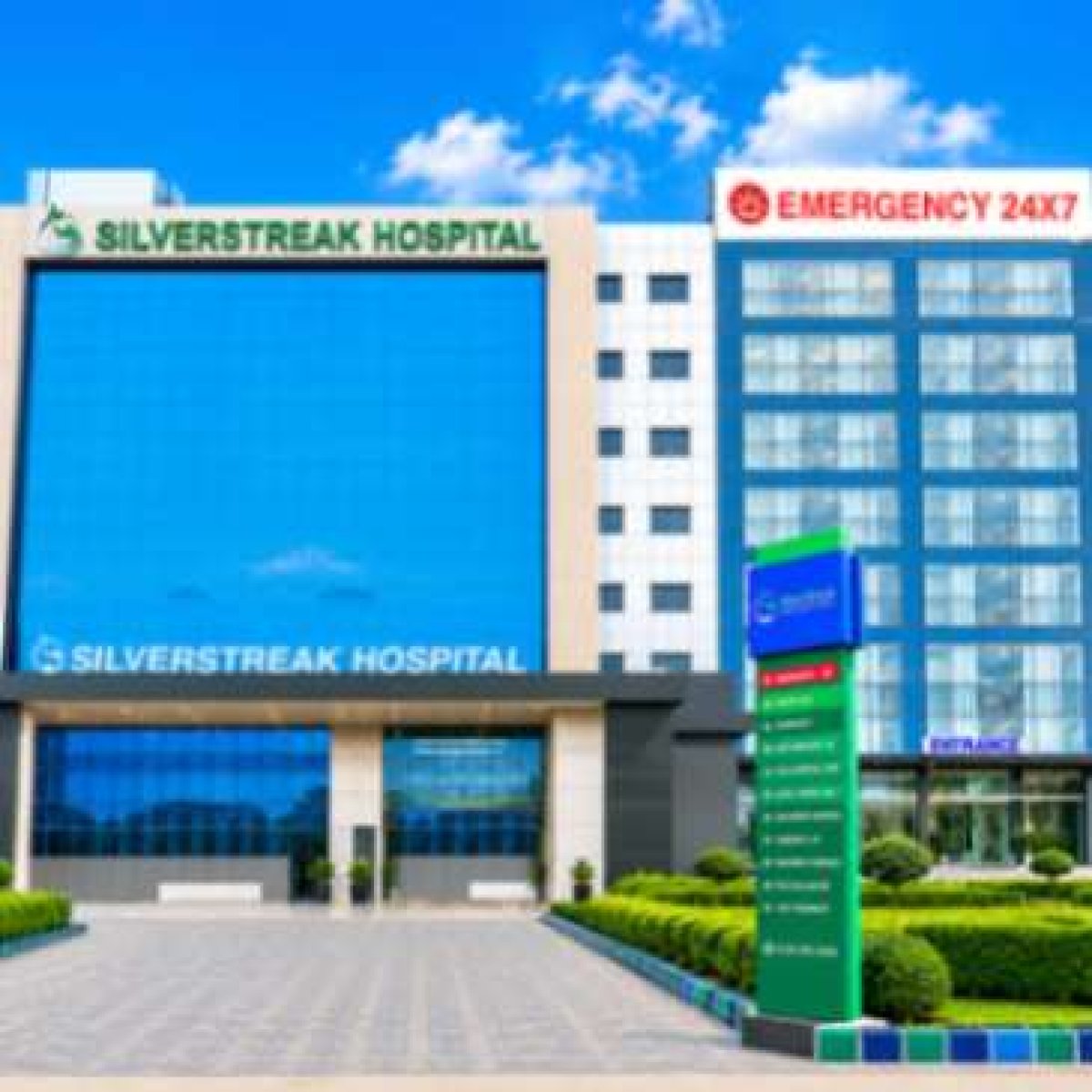
احصلوا على تقييم طبي لـ العلاج التأهيلي بعد اصابة الحبل الشوكي في الهند: استشيروا أطباء ذوي خبرة الآن
عرض جميع الأطباء
مشاركة المحتوى
قصص فيديو من مرضى Bookimed
 Anna Leonova
أسئلة متكررة حول علاج العلاج التأهيلي بعد اصابة الحبل الشوكي في الهند
هل يمكن علاج إصابة الحبل الشوكي بالكامل من خلال إعادة التأهيل؟
لا يوجد علاج طبي حالياً يمكنه شفاء إصابة الحبل الشوكي بالكامل. الضرر الذي يلحق بالجهاز العصبي المركزي دائم. تستفيد إعادة التأهيل من المرونة العصبية لتعظيم التعافي الوظيفي والاستقلالية. غالباً ما تظهر الإصابات غير الكاملة تحسينات كبيرة. تركز الإصابات الكاملة على استراتيجيات التعويض والتكنولوجيا المساعدة.
- تدريب المرونة العصبية: إعادة تدريب المسارات العصبية المتبقية من خلال تمارين متكررة خاصة بالمهام.
- الأنظمة الروبوتية: توظيف الهياكل الخارجية مثل Lokomat و ReWalk لتحفيز الجهاز العصبي.
- المكاسب الوظيفية: التركيز على الحركة، وعمليات النقل، وإدارة المثانة لزيادة الاستقلالية.
- التدخل المبكر: منع تقلصات العضلات وقرح الضغط خلال فترة التعافي الحرجة.
رؤية خبير Bookimed: أصبحت الهند مركزاً عالمياً لإعادة التأهيل العصبي بسبب الحجم الهائل للحالات التي يتم التعامل معها في مراكز مثل مستشفيات مانيبال. تعالج هذه العيادات ملايين المرضى سنوياً وغالباً ما تجمع بين العلاج الطبيعي التقليدي والبدلات المتخصصة مثل TheraSuit أو Adeli. يساعد هذا النهج عالي الكثافة المرضى على الوصول إلى المعالم الوظيفية بشكل أسرع من العلاج القياسي وحده.
إجماع المرضى: يؤكد المرضى أن إعادة التأهيل تتعلق بإعادة تدريب الجسم حول الإصابة بدلاً من استعادة الحبل الشوكي. يلاحظ الكثيرون أن التقدم يستمر لفترة أطول بكثير مما كان متوقعاً في البداية من خلال التعويض التدريجي والتفاني في العلاج اليومي.
ما هي العلاجات المحددة المدرجة في برنامج إعادة التأهيل لإصابات الحبل الشوكي (SCI) في الهند؟
تدمج برامج إصابات الحبل الشوكي في الهند تقنيات إعادة التأهيل العصبي مع العلاج الطبيعي المكثف. وتتميز البرامج عادةً بالتدريب الروبوتي على المشي، والتحفيز الكهربائي الوظيفي، وعلاج فويتا. تهدف هذه البروتوكولات إلى استعادة الحركة، ومنع المضاعفات الثانوية، وتحسين الاستقلالية من خلال التدريب الشخصي على أنشطة الحياة اليومية.
- المساعدة الروبوتية: تتراوح تكلفة استخدام Lokomat والهياكل الخارجية بين 2800 دولار و6500 دولار.
- العلاج العصبي العضلي: يحفز علاج فويتا وبدلات Adele المرونة العصبية من خلال الحركة الانعكاسية.
- تدريب الحركة: توفر أجهزة المشي المضادة للجاذبية وأنظمة Vector ممارسة المشي مع دعم وزن الجسم.
- الاستقلالية الوظيفية: يستخدم العلاج الوظيفي فئران كمبيوتر متخصصة للمرضى الذين يعانون من محدودية البراعة اليدوية.
رؤية خبير Bookimed: بينما تركز العديد من البلدان على الرعاية الخارجية، تؤكد الباقات الهندية مثل تلك المقدمة من مستشفيات مانيبال على الإقامة الداخلية. غالبًا ما تجمع هذه البرامج الشاملة بين الرعاية على مدار الساعة طوال أيام الأسبوع والوصول اليومي إلى معدات متطورة مثل الهياكل الخارجية الروبوتية. يعد هذا النهج السكني حيويًا للمرضى الذين يحتاجون إلى تدريب مكثف على إدارة المثانة والأمعاء جنبًا إلى جنب مع العلاج الطبيعي.
إجماع المرضى: يشير المرضى إلى أن البرامج تعطي الأولوية للتمارين العملية والمتكررة على الأدوات عالية التقنية وحدها. ويؤكدون أن تدريب مقدمي الرعاية من العائلة جزء إلزامي من عملية التعافي في الهند.
ما هي أفضل المستشفيات تقييماً لإعادة تأهيل الحبل الشوكي في الهند؟
تشمل المستشفيات الأعلى تقييماً لإعادة تأهيل الحبل الشوكي في الهند مراكز متخصصة مثل المركز الهندي لإصابات العمود الفقري (Indian Spinal Injuries Centre) ومرافق متعددة التخصصات ذات تصنيف عالٍ مثل مستشفيات مانيبال (Manipal Hospitals) ومستشفيات أرتميس (Artemis Hospitals). تستخدم هذه المؤسسات المعتمدة من قبل اللجنة الدولية المشتركة (JCI) تدريباً آلياً متطوراً على المشي وبروتوكولات علاج طبيعي شاملة.
- التكنولوجيا المتخصصة: تستخدم المراكز أنظمة Lokomat الروبوتية وبدلات الهيكل الخارجي للتدريب على المشي.
- معايير الاعتماد: تمتلك المرافق الرائدة شهادات JCI وNABH لمعايير طبية عالية الجودة.
- العلاج بمساعدة الروبوت: تقدم العيادات أنظمة Vector Gait لتحسين الاستقلالية الوظيفية والحركة.
- برامج المرضى الداخليين المكثفة: تشمل الباقات الشاملة رعاية المرضى الداخليين، وإعادة التأهيل العصبي، ودعم التمريض المتخصص.
رؤية خبير Bookimed: تخدم مستشفيات مانيبال ومستشفى جلوبال تشيناي أكثر من 2,000,000 مريض سنوياً. يضمن هذا الحجم الهائل تعامل فرق إعادة التأهيل العصبي مع أنواع مختلفة من الإصابات يومياً. في حين أن المراكز الجراحية شائعة، تتميز هذه المستشفيات بدمج أكثر من 40 قسماً. وهذا يسمح بالوصول الفوري إلى أخصائيي المسالك البولية والعناية بالبشرة الضروريين للتعافي من إصابات العمود الفقري.
إجماع المرضى: يؤكد المرضى على أهمية العثور على وحدات إعادة تأهيل عصبي مخصصة بدلاً من مراكز جراحة العمود الفقري العامة. غالباً ما يتم إعطاء الأولوية للاحتياجات العم
كم تستغرق مدة برنامج إعادة تأهيل العمود الفقري النموذجي للمرضى الداخليين؟
تستغرق إعادة تأهيل العمود الفقري للمرضى الداخليين في الهند عادةً ما بين 30 إلى 60 يومًا. تختلف المدة من 2 إلى 12 أسبوعًا بناءً على شدة الإصابة. غالبًا ما يكمل المرضى المستقرون 3 ساعات من العلاج المكثف يوميًا في المراكز المعتمدة من اللجنة الدولية المشتركة (JCI) مثل مستشفيات أرتميس.
- مدة الشلل النصفي: تتطلب معظم برامج المرضى الداخليين من 2 إلى 4 أسابيع للحركة.
- مدة الشلل الرباعي: غالبًا ما تمتد الإقامات إلى 4 إلى 8 أسابيع للرعاية المعقدة.
- التعافي الجراحي: تتطلب التثبيت بعد الجراحة عادةً من 1 إلى 3 أسابيع من رعاية المرضى الداخليين.
- معايير الخروج: يجب على المرضى إظهار مهارات الانتقال والتحكم في الأمعاء قبل المغادرة.
رؤية خبير Bookimed: غالبًا ما تعطي مراكز إعادة التأهيل في الهند الأولوية لتدريب مقدمي الرعاية على جداول التعافي البسيطة. تدمج المستشفيات الكبيرة مثل مستشفيات مانيبال والمستشفى العالمي في تشيناي أفراد الأسرة في روتين العلاج اليومي في وقت مبكر. يضمن هذا النهج التعاوني حدوث الانتقال إلى المنزل بمجرد تحقيق الأهداف الوظيفية.
إجماع المرضى: يشير المرضى إلى أن الخروج يعتمد على إتقان الرعاية الذاتية أكثر من الوقت المنقضي. غالبًا ما ينصحون بتأكيد الأهداف السريرية المحددة مع الفريق لتجنب تمديد الإقامة غير المتوقع.
ما هي تقنية إعادة التأهيل المتقدمة المتاحة في الهند؟
توفر الهند تقنية إعادة تأهيل متطورة لإصابات الحبل الشوكي باستخدام الأنظمة الروبوتية والواجهات العصبية. تنشر المرافق المتخصصة في بنغالورو ودلهي هياكل خارجية تعمل بالذكاء الاصطناعي وأنظمة Lokomat للتدريب على المشي. تساعد هذه الأدوات المرضى المصابين بالشلل على استعادة الحركات الطبيعية وتسريع تعافي المسارات العصبية.
- أنظمة المشي: توفر أنظمة Lokomat و Vector علاجاً مكثفاً للمشي بمساعدة الروبوت.
- بدلات الحركة: تستخدم بدلات TheraSuit و Adele التوتر لمحاذاة الجسم.
- التعديل العصبي: يعمل التحفيز الكهربائي الوظيفي (FES) على تنشيط العضلات المشلولة من خلال نبضات كهربائية.
- دعم الوزن: تسمح أجهزة المشي المضادة للجاذبية بتمارين المشي دون ضغط وزن الجسم بالكامل.
رؤية خبير Bookimed: بينما يبحث الكثيرون عن علامات تجارية محددة مثل Lokomat، فإن الرعاية الأكثر فعالية في الهند توجد في شبكات الرعاية الصحية الضخمة مثل مستشفيات مانيبال. تخدم هذه المراكز أكثر من 2,000,000 مريض سنوياً. وهي تجمع بين التقنيات العالمية مثل نظام Re-step وفرق متعددة التخصصات أكبر. غالباً ما يؤدي هذا الحجم الكبير من الحالات إلى بروتوكولات علاجية أكثر دقة مقارنة بالعيادات الصغيرة والمتخصصة.
إجماع المرضى: يؤكد المرضى أنه على الرغم من أن الهياكل الخارجية الروبوتية المبهرة مفيدة، فإن الوصول المستمر إلى رعاية مكثفة متعددة التخصصات هو العامل الأكثر حيوية للتعافي. يلاحظ الكثيرون أن المراكز المتقدمة في المراكز الحضرية الكبرى مثل دلهي أو تشيناي تقدم أفضل النتائج بسبب الفرق الط
ما هو دور العلاج بالخلايا الجذعية لإصابات الحبل الشوكي (SCI) في الهند؟
يقتصر العلاج بالخلايا الجذعية لإصابات الحبل الشوكي في الهند بشكل صارم على الاستخدام البحثي ضمن التجارب السريرية المنظمة. يصنف المجلس الهندي للبحوث الطبية الخلايا الجذعية كدواء. الإدارة التجارية لعلاج الشلل غير معتمدة حالياً وتصنف على أنها ممارسة طبية خاطئة خارج إطار الأبحاث المجانية.
- الوضع التنظيمي: مُعرف قانونياً كدواء تجريبي بموجب قواعد الأدوية الجديدة.
- الوصول المصرح به: يتم توفيره فقط من خلال تجارب سريرية غير تجارية معتمدة من قبل CDSCO.
- مصادر الخلايا: تركز الأبحاث على نخاع العظم الذاتي والخلايا الجذعية الوسيطة.
- الأهداف السريرية: تهدف التجارب إلى تقليل الالتهاب وتعزيز إعادة تكوين الميالين في المسارات العصبية.
- النتائج المتوقعة: تشمل المكاسب المحتملة استقرار الجذع وتحسين التحكم في الأمعاء أو المثانة.
رؤية خبير Bookimed: تظهر البيانات من المراكز الرئيسية مثل دلهي وبنغالور أن المرضى غالباً ما يجدون قيمة سريرية أعلى في تكنولوجيا إعادة التأهيل المكثفة. تستضيف عيادات مثل Artemis وManipal مراكز متخصصة تستخدم أنظمة Lokomat وExoskeleton. توفر هذه الأدوات القائمة على الأدلة تحسينات ملموسة في الحركة لا يمكن للعلاجات الخلوية التجريبية ضمانها حالياً.
إجماع المرضى: يشير الكثيرون إلى أن الانتصارات الصغيرة مثل تحسين الانتقالات أو تقليل التشنج هي الأكثر أهمية. وغالباً ما يحذرون من أن التحسينات تنبع غالباً من العلاج الطبيعي المكثف بدلاً من حقن الخلايا الجذعية نفسها.
هل يمكن لأفراد الأسرة البقاء مع المريض أثناء إعادة التأهيل؟
يبقى أفراد الأسرة عمومًا مع المرضى أثناء إعادة التأهيل من إصابات الحبل الشوكي في الهند. تؤكد المرافق الهندية على مشاركة الأسرة لنجاح الرعاية طويلة الأمد. تسمح معظم المستشفيات المعتمدة من اللجنة الدولية المشتركة (JCI) بمرافق واحد بجانب السرير. يشارك الأقارب في تدريب عملي على عمليات النقل والتنقل والنظافة لضمان انتقالات آمنة إلى المنزل.
- سياسة المرافقين: تسمح معظم المستشفيات الهندية الخاصة بفرد واحد مخصص من العائلة.
- التدريب السريري: تتعلم العائلات كيفية الوقاية من قرح الضغط والعناية بالقسطرة.
- ترتيبات الغرف: تتطلب الإقامة الليلية عادةً غرفًا خاصة أو شبه خاصة.
- دور الدعم: يساعد الأقارب في التغذية والتوجيه بين جلسات العلاج.
رؤية خبير Bookimed: تظهر البيانات من المراكز الهندية الكبرى مثل دلهي وبنغالور تفضيلًا قويًا لإعادة التأهيل الداخلي. تخدم المراكز الكبيرة مثل مستشفيات مانيبال أكثر من 2,000,000 مريض سنويًا. وغالبًا ما يدمجون تدريب الأسرة في الجدول اليومي. في حين أن الأسرة القابلة للطي الأساسية شائعة للمرافقين، توفر هذه المستشفيات وصولاً مباشرًا إلى التكنولوجيا المتقدمة. غالبًا ما يستخدم المرضى جهاز Erigo العمودي أو أنظمة Lokomat الروبوتية. عادةً ما يضمن اختيار منشأة تضم أكثر من 400 سرير خيارات إقامة أفضل في الموقع للأقارب.
إجماع المرضى: يشير المرضى إلى أن وجود الأسرة أمر حيوي. غالبًا ما يسد الأقارب الفجوة بين جلسات العلاج من خلال المساعدة في الاحتياجات على مدار الساعة. تشير التحذيرات العملية إلى ضرورة التأكد من راحة ا