Bookimed لا يضيف رسوماً إضافية على أسعار علاج الشلل الدماغي. الأسعار مأخوذة من قوائم الأسعار الرسمية للعيادات. تدفع مباشرة في العيادة مقابل علاجك عند وصولك إلى البلد.
Bookimed ملتزم بسلامتك. نحن نعمل فقط مع المؤسسات الطبية التي تحافظ على معايير دولية عالية في علاج الشلل الدماغي ولديها التراخيص اللازمة لخدمة المرضى الدوليين في جميع أنحاء العالم.
Bookimed يقدم مساعدة خبراء مجانية. منسق طبي شخصي يدعمك قبل وأثناء وبعد العلاج، ويحل أي مشاكل. لن تكون وحيداً أبداً في رحلة علاج الشلل الدماغي.
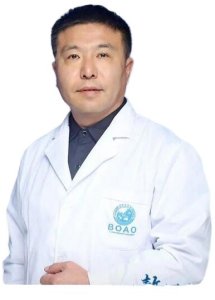
الدكتور لي يانوين من الرواد الأوائل في جراحة الأعصاب الوظيفية في الصين، وهو من مؤسسي تقنية الملاحة الجراحية في هذا المجال في البلاد. يشغل منصب أستاذ زائر في جامعة تورينو. تشمل جوائزه الجائزة الأولى لجائزة شنتشن للتقدم في العلوم والتكنولوجيا، والجائزة الثالثة لجائزة مقاطعة غوانغدونغ للتقدم في العلوم والتكنولوجيا.
يتخصص في جراحة الأعصاب التوضيعية والوظيفية، ولديه أكثر من 20 عاماً من الخبرة، وقد أجرى أكثر من 10,000 إجراء توضيع جراحي لمرضى باركنسون والشلل الدماغي والصرع. متمرس في تقنيات التوضيع والملاحة الجراحية. يركز على العلاج الدقيق للحالات صعبة العلاج مثل النزف الدماغي والإصابة الدماغية الرضّية، وكذلك شلل ما بعد السكتة الدماغية، ومرض باركنسون، ومرض ألزهايمر، وإصابة الحبل الشوكي. كما يجري جراحات موجّهة للتوحّد، ويبحث علاجات الخلايا الجذعية للأمراض العصبية والمناعية الذاتية.
يُحسّن الطب الصيني التقليدي الوظائف الحركية لدى مرضى الشلل الدماغي، ويُخفف التشنج، ويُعزز النمو الإدراكي. تشمل التقنيات الرئيسية الوخز بالإبر في فروة الرأس لتحفيز الدماغ، وتدليك التوينا لتحسين مرونة العضلات. تُشير الأدلة السريرية إلى أن هذا العلاج المُركّب يُحقق نتائج وظيفية أفضل من الطرق الغربية وحدها.
رأي خبراء بوكيمد: يخدم مستشفى ياندا الدولي 2,500,000 مريض سنويًا، وهو معتمد من قبل اللجنة الدولية المشتركة (JCI). وهذا دليل على أن المراكز الصينية الكبرى تحافظ بنجاح على معايير السلامة الدولية مع دمج الأساليب التقليدية. إن اختيار منشأة معتمدة من JCI يضمن إجراء هذه العلاجات التقليدية وفقًا لبروتوكولات طبية صارمة وموحدة.
ملاحظات المرضى: لاحظ أولياء الأمور أن الجمع بين الوخز بالإبر في فروة الرأس والتحفيز الكهربائي غالباً ما يحسن التحكم باليد في غضون ثلاثة أشهر. ويؤكدون أنه على الرغم من أن الطب الصيني التقليدي يخفف من توتر العضلات ويحسن ملاءمة الأجهزة التقويمية، إلا أنه ينبغي أن يكمل العلاج الطبيعي.
تستخدم الصين تقنيات جراحية متطورة لعلاج التشنج، بما في ذلك التدخلات الجراحية العصبية والطرفية. ومن أبرز الطرق الجراحية العصبية استئصال الجذر الظهري الانتقائي (SDR) والعلاج بالباكلوفين داخل القراب (ITB). كما تتخصص المراكز الصينية في استئصال العصب المحيطي الانتقائي (SPN) وتطعيم العصب C7 المقابل المبتكر لاستعادة الحركة.
رأي خبراء بوكيمد: تتميز الصين بمزيج فريد من البنية التحتية المعتمدة من قبل اللجنة الدولية المشتركة (JCI) وتدفق هائل للمرضى. يعالج مستشفى ياندا الدولي ما يقارب 2,500,000 مريض سنويًا، ويحمل أعلى تصنيف من الفئة أ المستوى الثالث. غالبًا ما تُفضي هذه الخبرة السريرية الواسعة إلى ممارسات جراحية أكثر توحيدًا وفعالية. يمكن للمرضى العثور على برامج إعادة تأهيل شاملة لمدة 21 أو 30 يومًا في هذه المراكز، بأسعار تتراوح بين 10,400 و20,000 دولار أمريكي. غالبًا ما تجمع هذه البرامج بين إعادة التأهيل العصبي الجراحي والعلاج الطبيعي المكثف باستخدام أحدث التقنيات.
آراء المرضى: أفاد المرضى بأن جراحة استئصال الجذر الانتقائي فعالة للغاية للأطفال دون سن العاشرة، حيث توفر راحة طويلة الأمد من آلام الساق. ورغم أن تكلفتها أقل بكثير مما هي عليه في الدول الغربية، إلا أن العائلات تؤكد على أهمية تحليل المشية قبل الجراحة للتنبؤ بالنتائج.
في الصين، يُعدّ العلاج بالخلايا الجذعية للشلل الدماغي قانونيًا، ولكنه يخضع لرقابة صارمة ضمن نظام من مستويين. وتتمتع مؤسسات مثل مستشفى ياندا الدولي بتصنيف المستوى الثالث من الفئة (أ). ورغم أن العلاج آمن عمومًا في المستشفيات المعتمدة، إلا أنه غالبًا ما يقتصر على التجارب السريرية أو المواقع التجريبية المحددة.
رأي خبراء بوكيمد: على الرغم من إقبال الكثيرين على العلاج بالخلايا الجذعية، إلا أن أفضل النتائج في الصين تتحقق عند دمجه مع العلاج الطبيعي المكثف. يقدم مستشفى ياندا الدولي، الذي يعالج 2.5 مليون مريض سنوياً، برنامجاً شاملاً لإعادة التأهيل لمدة 30 يوماً. يُظهر هذا العدد الكبير من المرضى أن إعادة التأهيل المعيارية طويلة الأمد لا تزال أولوية سريرية محلية إلى جانب أساليب العلاج الخلوي الحديثة.
ملاحظات المرضى: يلاحظ المرضى أن العيادات قد تكون عدوانية في التسويق وتؤكد على ضرورة إعطاء الأولوية للتأهيل التقليدي. ويشير الكثيرون إلى أن بروتوكولات المتابعة قد تكون غامضة، مما يصعب تتبع التقدم على المدى الطويل بعد العودة إلى المنزل.
في الصين، تُقدّم عيادات متخصصة خدمات تأهيل شاملة لمرضى الشلل الدماغي، تجمع بين البروتوكولات الدولية والأساليب التقليدية. وتُعدّ مؤسسات رائدة، مثل مستشفى ياندا الدولي ومستشفى بكين يونايتد فاميلي للتأهيل، معتمدة من قبل اللجنة الدولية المشتركة (JCI). وغالباً ما تجمع البرامج بين التدريب على المشي باستخدام الروبوت، والعلاج الطبيعي، والاستشارات العصبية للمرضى الدوليين.
رأي خبراء بوكيميد: تعمل المستشفيات الصينية الرائدة، مثل مستشفى ياندا الدولي، وفقًا لمعايير الفئة أ 3، وهي أعلى تصنيف طبي في نظام الرعاية الصحية الصيني. غالبًا ما تعالج هذه المراكز عددًا هائلاً من المرضى، يصل إلى ملايين المرضى سنويًا. وتساعد هذه الخبرة السريرية الواسعة الأطباء على تحسين بروتوكولات إعادة التأهيل للوظائف الحركية العصبية المعقدة.
ملاحظات المرضى: يشير أولياء الأمور إلى أن العلاج المكثف قصير الأمد يُحسّن المهارات الحركية مؤقتًا، ولكنه يتطلب متابعة مستمرة في المنزل. وينصح الكثيرون بالاستعانة بمترجمين فوريين أو ممرضين خاصين لتجاوز حواجز اللغة خلال فترات الإقامة الطويلة في المستشفى.
Cerebral palsy rehabilitation in China is highly effective. Integrated programmes combine modern Western robotic technologies with Chinese medical methods. Studies show 99.3% of children improve motor capacity through these combined approaches. Specialised centres in Beijing and Tianjin hold JCI accreditation. They focus on functional independence and early intervention.
Bookimed Expert Insight: Chinese rehabilitation centres offer uniquely intensive inpatient programmes not commonly found in Australia. For example, Yanda International Hospital provides 21-day or 30-day comprehensive stays. These packages often include hospitalisation. This is vital for children requiring daily, high-dose therapy sessions. Patients benefit from centres like Beijing United Family Rehabilitation Hospital. This facility follows international standards while serving 120,000 patients annually.
Traditional Chinese medicine (TCM) is generally considered safe for children with cerebral palsy alongside modern rehabilitation. Studies show no significant adverse events for acupuncture or herbal medicine. Specialists in China frequently combine these practices with Western therapies to improve gross motor function.
Bookimed Expert Insight: While many seek acupuncture, top-tier hospitals in China focus on long-term inpatient stays. Yanda International Hospital offers 21-day programs blending traditional methods with 28,500 modern technologies. This intensity often yields better functional gains than shorter, outpatient-only traditional sessions.
Patient Consensus: Parents in China emphasise using traditional methods as an add-on to physiotherapy. They suggest requesting full herbal ingredient lists. They also recommend that a paediatric specialist monitors all sessions.
China uses an integrated model combining modern Western rehabilitation with traditional Chinese medicine (TCM). Centres like Yanda International Hospital provide intensive inpatient programmes featuring robotic-assisted gait training and suit-based therapy. This approach aims to improve motor skills, functional independence, and quality of life.
Bookimed Expert Insight: The intensity of Chinese programmes often exceeds Western outpatient standards. For instance, Yanda International Hospital manages about 2,500,000 patients annually. It offers 21-day intensive inpatient stays. This high volume allows clinics to maintain extensive infrastructure, with some facilities housing over 28,000 medical devices.
Patient Consensus: Families note that Chinese programmes are more intensive than Australian outpatient services. They focus more on inpatient care. Families suggest checking if programmes are truly daily and structured with individualised goals.
Traditional Chinese Medicine for cerebral palsy focuses on acupuncture, Tui Na massage, and herbal therapy. Most clinics combine these with physiotherapy to manage spasticity and improve motor skills. These methods aim to stimulate the nervous system through meridian pathways and medicated baths.
Bookimed Expert Insight: Yanda International Hospital and Beijing United Family Rehabilitation Hospital both hold JCI accreditation. This confirms they meet international safety standards while integrating traditional methods. Yanda serves 2,500,000 patients annually. This high volume suggests their specialists have handled diverse and complex cases. Australian families should look for these credentials when choosing a facility in China.
Patient Consensus: Parents in China note that acupuncture works best when paired with intensive physiotherapy. They emphasise that traditional methods help manage muscle tone and functional movement rather than providing a cure.
Chinese cerebral palsy centres provide intensive Western therapies. These include Lokomat robotic gait training, TheraSuit rehabilitation, and Vojta or Bobath methods. Specialist facilities often combine these with stem cell therapy and multidisciplinary care. Most rehabilitative programs follow JCI-accredited standards to improve motor function and independence.
Bookimed Expert Insight: Many countries offer standard physiotherapy. However, Beijing centres combine massive scale with modern equipment. For example, Yanda International Hospital maintains 3,000 beds and treats 2,500,000 patients annually. This volume allows them to house over 28,500 technologies. Patients can access robotic and suit therapies often unavailable in single Australian facilities.
Patient Consensus: Families find the treatment intensive, with many daily sessions for walking and hand function. Most appreciate that multidisciplinary teams of doctors, nurses, and therapists work together.
China provides comprehensive inpatient care and structured follow-up for cerebral palsy rehabilitation. JCI-accredited facilities in Beijing and Tianjin offer multidisciplinary therapy and robotic technologies. Standard programmes typically include 21-day or 30-day intensive hospital stays. These include scheduled neurological and physical assessments after discharge.
Bookimed Expert Insight: Beijing is a primary hub for international patients. Still, Yanda International Hospital stands out with its Class A Level III status. This is China's highest medical ranking. The facility manages about 2,500,000 patients every year. It provides specialised 21-day inpatient rehabilitation packages starting from around A$14,400. This high volume helps teams handle complex cases across 39 medical departments.
Patient Consensus: Patients say it is essential to confirm if the centre offers both inpatient care and outpatient follow-up. They suggest checking how reviews and physiotherapy work for Australians after they return home.