علاج مرض تكيس الكلى في النمسا: 3 مستشفيات


تمت مراجعة المقالة طبيا من قبل
فهد مولود
كيف نعمل؟
ما هي تكلفة مرض تكيس الكلى إجراءات التشخيص والعلاج في النمسا؟ اعرف الآن
| النمسا | تركيا | إسبانيا | |
|---|---|---|---|
| علاج الأعراض | ≈ $1,500 | من $220 | ≈ $900 |
اكتشف أفضل مرض تكيس الكلى العيادات في النمسا: 3 خيارات معتمدة والأسعار






احصلوا على تقييم طبي لـ مرض تكيس الكلى في النمسا: استشيروا أطباء ذوي خبرة الآن
عرض جميع الأطباء
Georg Shatzl
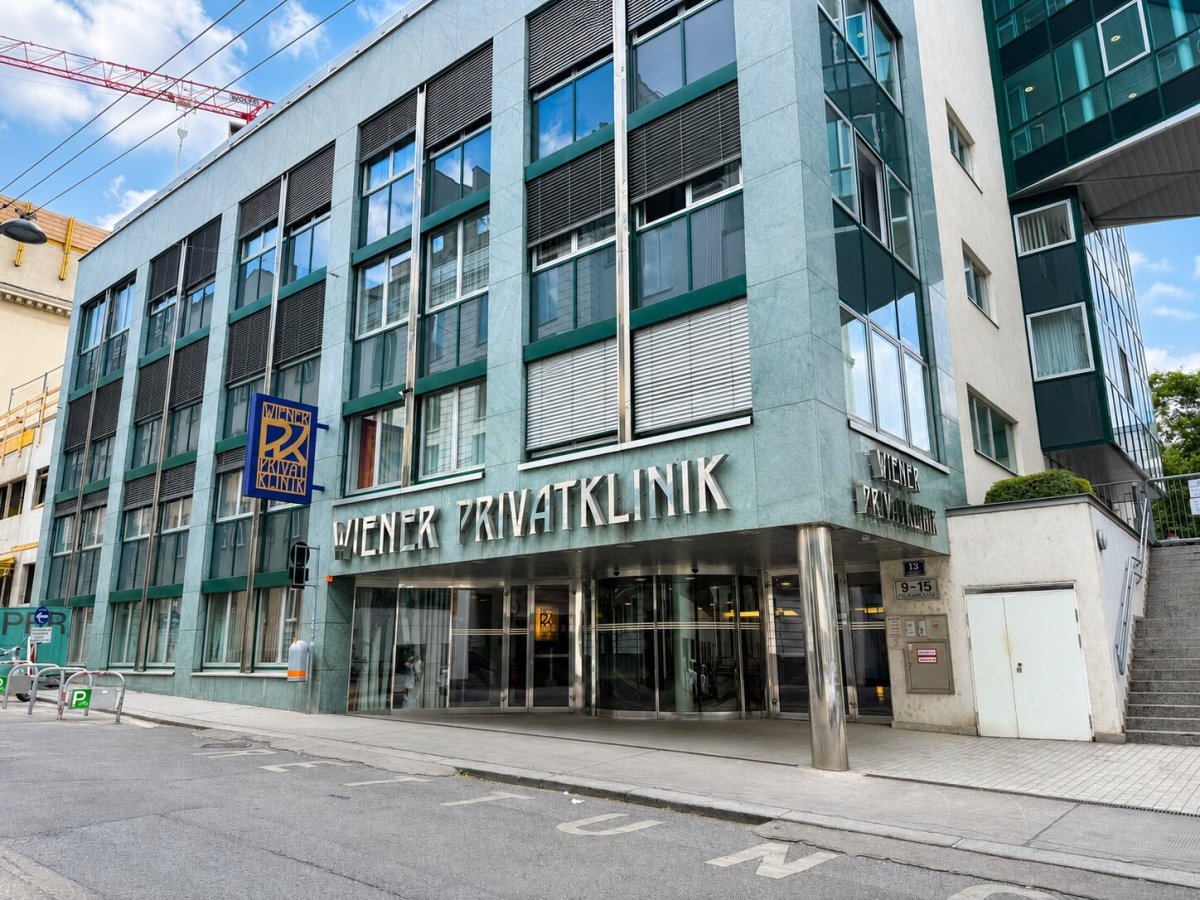
مع أكثر من 33 سنة من الخبرة في طب المسالك البولية، يتخصص البروفيسور جورج شاتزل في حالات الكلى المعقدة وأورام المسالك البولية في عيادة فيينا الخاصة (Wiener Privatklinik).
- رائد في التقنيات المتقدمة لجراحات أورام الكلى
- أستاذ مشارك في جامعة فيينا الطبية
- نشر أبحاثاً مكثفة حول علاج سرطان المسالك البولية
- متخصص في جراحة المسالك البولية بالمنظار والجراحة الترميمية
- يركز على الحفاظ على وظائف الكلى بعد الجراحة
المراجعات
جميع المراجعاتمشاركة المحتوى
قصص فيديو من مرضى Bookimed
 Anna Leonova
أسئلة متكررة حول علاج مرض تكيس الكلى في النمسا
هل يتوفر دواء تولفابتان لمرضى الكلى متعددة الكيسات في النمسا؟
في النمسا، يتوفر دواء تولفابتان لعلاج مرضى داء الكلى متعدد الكيسات السائد وراثيًا (ADPKD). وقد وافقت عليه وكالة الأدوية الأوروبية عام ٢٠١٥. يعمل هذا الدواء على إبطاء نمو الأكياس وحماية وظائف الكلى. ويتلقى المرضى البالغون المصابون بالمرض سريع التطور العلاج من قبل أخصائيين في فيينا وغراتس.
- حالة الموافقة: تمت الموافقة على الاستخدام تحت الاسم التجاري Jinarc منذ عام 2015.
- الاستخدام السريري: يبطئ تطور الفشل الكلوي لدى المرضى المصابين بمرض الكلى المزمن في المراحل G1-G4.
- الإشراف الطبي: يجب على أطباء الكلى مراقبة وظائف الكبد وتوازن السوائل والكهارل بانتظام.
- نقاط الوصول: توفر المراكز الكبيرة مثل عيادة فينر الخاصة خدمات متخصصة في مجال أورام المسالك البولية.
رأي خبراء بوكيمد: على الرغم من أن تولفابتان دواءٌ شائع الاستخدام في النمسا، إلا أن المستشفيات الجامعية في فيينا تُولي أهميةً بالغةً للمتابعة طويلة الأمد. وتعالج مراكز مثل عيادة فيينا الخاصة الحالات المعقدة بمساعدة أطباء مثل الدكتور جورج شاتزل، الحاصل على شهادة البورد الأوروبي لجراحة المسالك البولية (FEBU). وتستند بروتوكولات العلاج الخاصة بهم غالبًا إلى نتائج أبحاث علمية هامة.
ما هي المستشفيات في النمسا المتخصصة في علاج مرض الكلى متعدد الكيسات وأكياس الكلى؟
في النمسا، تشمل المستشفيات المتخصصة في علاج مرض الكلى متعدد الكيسات (PKD) جامعة إنسبروك الطبية، ومستشفى فيينا العام (AKH)، ومستشفى جامعة غراتس. أما المؤسسات الخاصة، مثل مستشفى دوبلينغ الخاص وعيادة فيينا الخاصة، فتقدم رعاية متخصصة في أمراض المسالك البولية والكلى لعلاج الأكياس وتسكين الألم.
- الخبرة الجامعية: إنسبروك وفيينا هما مركزان تابعان لشبكة ERKNet لأمراض الكلى النادرة.
- أخصائيو الجراحة: الدكتور جورج شاتزل من عيادة فينر الخاصة متخصص في أمراض المسالك البولية المعقدة.
- أحدث تقنيات التشخيص: تقدم عيادة ليتش الخاصة خدمات التصوير بالرنين المغناطيسي عالي الدقة (MRI) والتصوير المقطعي المحوسب (CT) لمراقبة حالة المرضى.
- معايير السلامة: يطبق مستشفى دوبلينغ الخاص أهداف اللجنة الدولية المشتركة ويحافظ على معدل منخفض للمضاعفات.
رأي خبراء بوكيمد: على الرغم من أن المستشفيات الجامعية تعالج العدد الأكبر من الحالات الوراثية، إلا أن العيادات الخاصة في فيينا توفر وصولاً أسرع إلى أخصائيين ذوي كفاءة عالية. فعلى سبيل المثال، نقل الدكتور جورج شاتزل خبرته من مستشفى فيينا العام إلى القطاع الخاص. وتعالج هذه العيادات، مثل عيادة دوبلينغ، أكثر من 16000 مريض دولي سنوياً، موفرةً بذلك نهجاً شخصياً ق
ما هو وقت الانتظار الحالي لعملية زرع الكلى في النمسا؟
يبلغ متوسط فترة الانتظار لزراعة الكلى في النمسا حوالي ثلاث سنوات. وتُشرف منظمة يوروترانسبلانت على هذه الفترة. وتتأثر فترات الانتظار الفردية بعوامل مثل فصيلة الدم، والتوافق الجيني، والعمر. وغالبًا ما يطول انتظار المرضى ذوي فصائل الدم النادرة.
- نظام التوزيع: تتولى منظمة يوروترانسبلانت إدارة توزيع الأعضاء باستخدام معايير طبية صارمة ومعايير تتعلق بالاستعجال.
- حساب وقت الانتظار: عادةً ما يتم حساب الوقت من تاريخ جلسة غسيل الكلى الأولى.
- التبرع من متبرع حي: إن استخدام متبرع حي يلغي الحاجة إلى قائمة انتظار الزرع ويسمح بإجراء عملية الزرع على الفور.
- عوامل التوافق: يؤدي التوافق النسيجي الأعلى إلى تحديد الأولويات بشكل أسرع في قاعدة البيانات الوطنية.
رأي خبراء بوكيمد: تحافظ النمسا على معايير سلامة عالية في عيادات مثل مستشفى دوبلينغ الخاص. وتفي هذه المؤسسة بأهداف اللجنة الدولية المشتركة (JCI) المتعلقة بسلامة المرضى. وتشير البيانات إلى أن معدلات المضاعفات فيها لا تزال أقل بكثير من المعدل القياسي. وتساهم هذه البيئة في تحسين النتائج طويلة الأجل لمرضى زراعة الأعضاء المعقدة.
رأي المرضى: يلاحظ المرضى أن فصيلة الدم تؤثر بشكل
هل توجد أي تجارب سريرية نشطة لعلاج مرض الكلى متعدد الكيسات في النمسا؟
لا توجد حاليًا أي تجارب سريرية تدخلية فعّالة لعلاج مرض الكلى متعدد الكيسات في النمسا، والدراسات لا تزال في مرحلة التطوير. ويهدف مشروع تطوير الأدوية في جامعة إنسبروك الطبية إلى بدء تجارب المرحلة الثانية بحلول عام ٢٠٢٧. وغالبًا ما يلتمس المرضى المشاركة في تجارب متعددة المراكز في ألمانيا.
- التخطيط للمرحلة الثانية: تهدف مبادرة جامعة إنسبروك الطبية إلى تحديد خيارات علاجية جديدة بحلول عام 2027.
- دراسة رائدة: اكتملت الدراسة التجريبية لبرنامج RAP في جامعة فيينا الطبية.
- الأبحاث الخارجية: تعمل مراكز أبحاث STOP-PKD فقط في ألمانيا وهولندا.
- العلاجات المعتمدة: يتوفر تولفابتان من خلال نظام الرعاية الصحية النمساوي القياسي، ولكن ليس في دراسة تجريبية.
رأي خبراء بوكيمد: على الرغم من محدودية عدد التجارب السريرية المحلية، إلا أن المرضى النمساويين يستفيدون من رعاية عالية الجودة. يقود الدكتور جورج شاتزل من عيادة فيينا الخاصة فرق عمل متخصصة في جراحة المسالك البولية. وبفضل هذه الخبرة السريرية العميقة، يتلقى المرضى الدعم من أساتذة يتابعون الدراسات ضمن اتحادات أوروبية. إذا كنت تبحث عن بروتوكولات تجريبية، فإن الاستراتيجية الأمثل هي متابعة سجل التجارب السريرية للاتحاد الأوروبي للمراكز الألمانية
ما هي العلاجات غير الدوائية لمرض الكلى متعدد الكيسات (PKD) التي يوصي بها الأخصائيون النمساويون بشكل أساسي؟
يُولي الأخصائيون النمساويون أولويةً لإعادة هيكلة التمثيل الغذائي الشاملة وتعديلات نمط الحياة الدقيقة لعلاج مرض الكلى متعدد الكيسات. تشمل الاستراتيجيات غير الدوائية الرئيسية بروتوكولات الكيتونات الأيضية، والإفراط في تناول السوائل لكبح هرمون الفازوبريسين، والحدّ الصارم من تناول الصوديوم. تهدف هذه الأساليب إلى الحدّ من تكاثر الأكياس مع الحفاظ على وظائف الكلى بشكل طبيعي.
- إعادة هيكلة التمثيل الغذائي: يستخدم الخبراء الأنظمة الغذائية الكيتونية أو الصيام المتقطع للحد من نمو الأكياس.
- تنظيم مستويات الترطيب: يساعد شرب 3-4 لترات من الماء يوميًا على كبح الهرمونات التي تساهم في تكوين الأكياس.
- التحكم الغذائي: يساعد الحد من تناول الملح إلى أقل من 2 غرام على التحكم الفعال في ضغط الدم.
- العلاجات المتقدمة: يوفر العلاج بالتصليب أو الانصمام الكلوي تخفيفًا غير جراحي للأعراض المصاحبة للأكياس الكبيرة.
رأي خبراء بوكيميد: تُظهر البيانات أن المستشفيات النمساوية الخاصة، مثل مستشفى دوبلينغ الخاص، تُسجّل معدلات مضاعفات أقل بكثير من المتوسط العالمي. وهذا يُتيح للأخصائيين الجمع بأمان بين العلاج الغذائي التحفظي والإجراءات التدخلية كالعلاج بالتصليب. ويستفيد المرضى بشكلٍ كبير من زيارة العيادات الحاص