علاج التهاب البروستاتا في النمسا — احصل على 3 عيادات مختارة خصيصاً لك


تمت مراجعة المقالة طبيا من قبل
فهد مولود
كيف نعمل؟
ما هي تكلفة التهاب البروستاتا إجراءات التشخيص والعلاج في النمسا؟ اعرف الآن
| النمسا | تركيا | إسبانيا | |
| استئصال البروستاتا بوساطة روبوت دا فينشي | من $20,000 | من $18,000 | من $29,977 |
اكتشف أفضل التهاب البروستاتا العيادات في النمسا: 5 خيارات معتمدة والأسعار




Confraternitaet Private Hospital



Leech Private Clinic
احصلوا على تقييم طبي لـ التهاب البروستاتا في النمسا: استشيروا أطباء ذوي خبرة الآن
عرض جميع الأطباء
Georg Shatzl
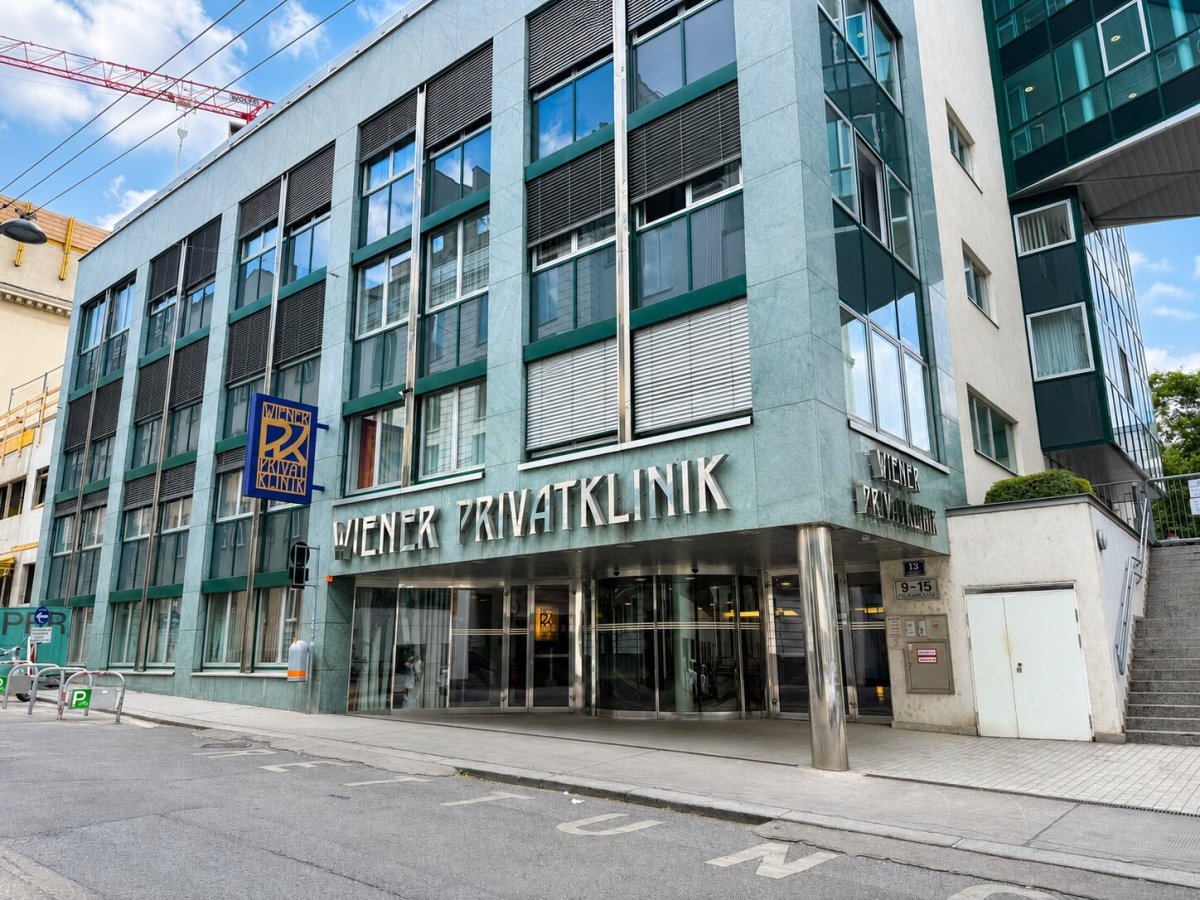
الأستاذ الدكتور جورج شاتزل هو طبيب مسالك بولية نمساوي رائد يتمتع بخبرة تزيد عن 33سنة خبره ١٦ سنة، وهو متخصص في أورام المسالك البولية في مستشفى فيينا الخاص (Wiener Privatklinik).
- خبير في جراحات البروستاتا والمثانة والكلى
- أستاذ مشارك في جامعة فيينا الطبية
- نشر العديد من الأبحاث حول سرطان المسالك البولية والصحة الجنسية للرجال
- متخصص في إجراءات المسالك البولية بالمنظار والجراحات الترميمية
مشاركة المحتوى
قصص فيديو من مرضى Bookimed
 Anna Leonova
أسئلة متكررة حول علاج التهاب البروستاتا في النمسا
ما هي العيادات في النمسا المتخصصة في علاج التهاب البروستاتا وأمراض المسالك البولية؟
تضمّ أبرز العيادات النمساوية لعلاج التهاب البروستاتا وأمراض المسالك البولية عيادة فيينا الخاصة (Wiener Privatklinik) ومستشفى فيينا العام (AKH). تقدّم هذه المؤسسات خدمات تشخيصية متقدمة، مثل التصوير بالموجات فوق الصوتية عبر المستقيم واختبار مستضد البروستاتا النوعي (PSA). ويستخدم الأخصائيون في كثير من الأحيان أنظمة دافنشي الروبوتية ونهجًا متعدد التخصصات لعلاج حالات البروستاتا المعقدة في مراكز معتمدة من اللجنة الدولية المشتركة (JCI).
- جراحون ذوو خبرة: الدكتور جورج شاتزل من عيادة فيينا الخاصة حاصل على شهادة FEBU.
- تدفق كبير للمرضى: يستقبل مستشفى مدينة فيينا 595000 مريض سنوياً.
- التشخيص السريع: تقدم عيادة ليتش الخاصة برنامج تشخيص كامل في غضون 48 ساعة.
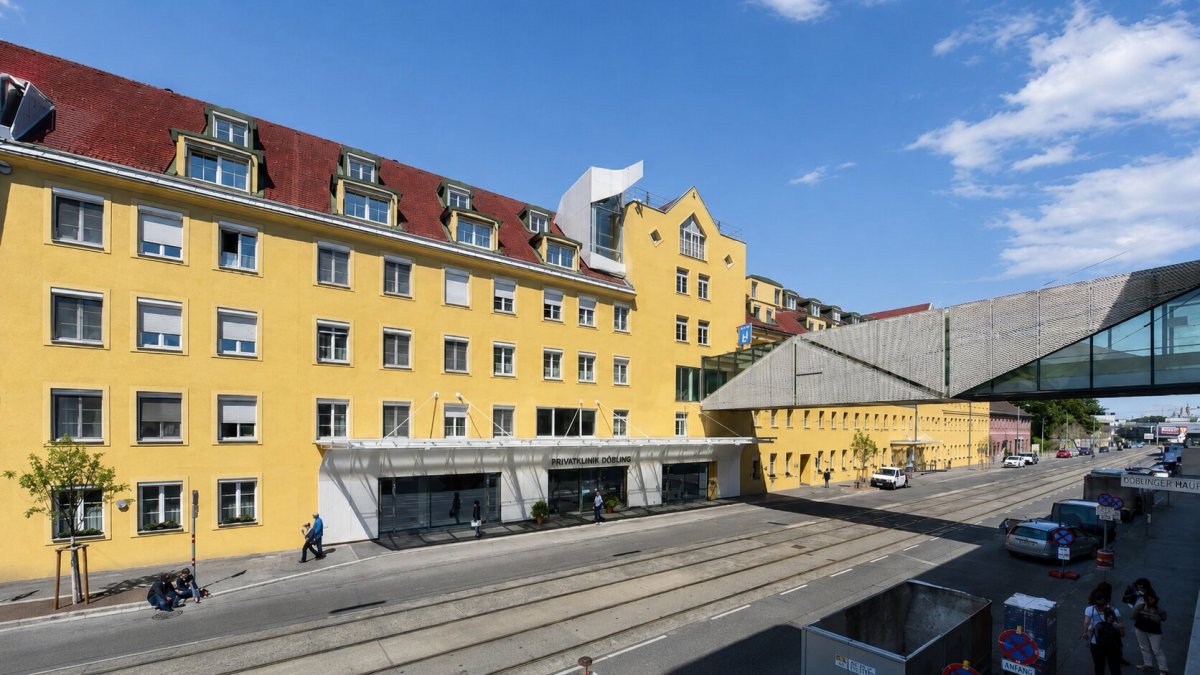
- يتم إيلاء اهتمام خاص للسلامة: في مستشفى دوبلينغ الخاص، يتم الحفاظ على معدلات المضاعفات أقل بكثير من المستويات الاسمية.
رأي خبراء بوكيمد: على الرغم من امتلاك مستشفى مدينة فيينا موارد أكاديمية هائلة، فإن العيادات الخاصة مثل عيادة فيينا الخاصة (Wiener Privatklinik) تتيح الوصول المباشر إلى أساتذة متخصصين. فعلى سبيل المثال، نشر الدكتور جورج شاتزل أكثر من 100 بحث علمي دولي. ويضمن هذا التأثير الأكاديمي الكبير في كثير من الأحيان حصول
ما هي الاختبارات التشخيصية المتخصصة المستخدمة للكشف عن التهاب البروستاتا في المراكز النمساوية؟
تستخدم مراكز المسالك البولية النمساوية اختبار مايرز-ستامي الرباعي لتشخيص التهاب البروستاتا، بالإضافة إلى تقنيات التصوير الحديثة كالتصوير بالرنين المغناطيسي متعدد المعايير. وتعتمد مؤسسات مثل عيادة فيينا الخاصة وعيادة دوبلينغ الخاصة على أخذ عينات ميكروبيولوجية محلية. تتيح هذه الطرق التمييز بين التهاب البروستاتا البكتيري ومتلازمة ألم الحوض المزمن، مما يُمكّن من وصف العلاج الدقيق بالمضادات الحيوية أو مضادات الالتهاب.
- الاختبارات الميكروبيولوجية: يسمح اختبار Mires-Stamey ذو الأربعة أكواب بتحديد الكائنات الحية الدقيقة المسببة للأمراض في البول والإفرازات المجزأة.
- تقنيات التصوير الحديثة: يسمح التصوير بالرنين المغناطيسي متعدد المعايير (mpMRI) بتصوير التهاب الأنسجة واستبعاد الأورام الخبيثة.
- التقييم الوظيفي: تسمح لنا قياسات ديناميكية البول وقياس تدفق البول بتقييم كيفية تأثير الالتهاب على آليات التبول.
- الاختبارات المتخصصة: يساعد اختبار ستوكهولم 3 في التمييز بين الحالات الالتهابية وسرطان البروستاتا في مراحله المبكرة.
رأي خبراء بوكيمد: في النمسا، غالباً ما ترتبط معايير الجودة العالية بالمؤسسات الأكاديمية الكبيرة التي تقدم خدمات علاج البروستاتا. على سبيل المثال، يرأس الدكتور جورج
ما هي خيارات العلاج طفيفة التوغل المتاحة في النمسا بدلاً من جراحة البروستاتا التقليدية؟
تقدم العيادات النمساوية بدائل متطورة للجراحة المفتوحة، تشمل العلاج بالبخار بتقنية ريزوم واستئصال البروستاتا الروبوتي. وتركز هذه التقنيات على الحفاظ على صحة الجهاز البولي والجنسي. وعادةً لا تتطلب هذه العمليات أي شقوق جراحية. ويتعافى معظم المرضى بسرعة إما في العيادات الخارجية أو في مراكز متخصصة للإقامة القصيرة.
- الجراحة الروبوتية: يستخدم المتخصصون أنظمة دافنشي لإزالة الأنسجة بدقة.
- العلاج بالريزوم: يعمل البخار المعقم على تقليل حجم أنسجة البروستاتا من خلال مجرى البول.
- العلاج الموضعي: يعمل التثقيب الكهربائي غير القابل للعكس على تدمير الخلايا السرطانية دون التأثير على الأعصاب المحيطة.
- الانصمام: يقوم أخصائيو الأشعة بإغلاق الأوعية الدموية لتقليص غدة البروستاتا بشكل طبيعي.
رأي خبراء بوكيمد: تتميز فيينا بتركيز فريد من نوعه للأخصائيين المنتسبين إلى الجامعة. فالعديد من الأخصائيين في مستشفى فيينا الخاص ومستشفى AKH هم أساتذة في جامعة فيينا الطبية. وهذا يضمن حصول المرضى على العلاج وفقًا لأحدث البروتوكولات الأكاديمية. وغالبًا ما يلاحظ المرضى أن معدلات المضاعفات في مستشفيات مثل مستشفى دوبلينغ الخاص أقل بكثير من المتوسطات الوطنية.
كم تدوم مدة العلاج بالمضادات الحيوية لالتهاب البروستاتا في النمسا؟
في النمسا، يستمر العلاج بالمضادات الحيوية لالتهاب البروستاتا عادةً من أسبوعين إلى أربعة أسابيع في حالات العدوى الحادة. أما العدوى البكتيرية المزمنة فتتطلب فترة علاج أطول، من أربعة إلى ستة أسابيع. وفي حالات الانتكاس، غالبًا ما يمدد الأخصائيون فترة العلاج إلى اثني عشر أسبوعًا. ويستعين الأطباء بالإرشادات الأوروبية لضمان وصول المضادات الحيوية بفعالية إلى أنسجة البروستاتا.
- المرحلة الحادة من المرض: عادةً ما يستمر علاج العدوى البكتيرية الحادة من أسبوعين إلى أربعة أسابيع.
- الطبيعة المزمنة للمرض: في حالات العدوى البكتيرية، غالباً ما يستغرق الأمر من 4 إلى 12 أسبوعاً حتى تختفي الأغشية الحيوية تماماً.
- أدوات التشخيص: تستخدم العيادات اختبارات PSA والموجات فوق الصوتية عبر المستقيم لمراقبة فعالية العلاج.
- الأدوية الشائعة: غالباً ما يصف الأطباء الفلوروكينولونات، مثل سيبروفلوكساسين، بسبب قدرتها العالية على اختراق الأنسجة.
رأي خبراء بوكيمد: اختيار عيادة تضم خبراء تابعين لجامعة يوفر ميزة واضحة في الحالات المعقدة. على سبيل المثال، يرأس الدكتور جورج شاتزل من عيادة فيينا الخاصة فريق عمل البروستاتا التابع للمجلس النمساوي لجراحة المسالك البولية. يستخدم هؤلاء الأخصائيون نظام علاج متعدد المرا