فقد النطاف العلاج في النمسا - التكاليف 2026


تمت مراجعة المقالة طبيا من قبل
فهد مولود
ما هي تكلفة فقد النطاف إجراءات التشخيص والعلاج في النمسا؟ اعرف الآن
| النمسا | تركيا | إسبانيا | |
|---|---|---|---|
| علاج انعدام النطاف بالخلايا الجذعية | ≈ $15,000 | ≈ $3,500 | ≈ $4,500 |
| إعادة وصل القناة الدافقة | ≈ $4,300 | من $6,400 | ≈ $3,800 |
مزاياك وضماناتك مع Bookimed
أسعار مباشرة
Bookimed لا يضيف رسوماً إضافية على أسعار علاج فقد النطاف. الأسعار مأخوذة من قوائم الأسعار الرسمية للعيادات. تدفع مباشرة في العيادة مقابل علاجك عند وصولك إلى البلد.
عيادات وأطباء معتمدون فقط
Bookimed ملتزم بسلامتك. نحن نعمل فقط مع المؤسسات الطبية التي تحافظ على معايير دولية عالية في علاج فقد النطاف ولديها التراخيص اللازمة لخدمة المرضى الدوليين في جميع أنحاء العالم.
مساعدة مجانية على مدار الساعة
Bookimed يقدم مساعدة خبراء مجانية. منسق طبي شخصي يدعمك قبل وأثناء وبعد العلاج، ويحل أي مشاكل. لن تكون وحيداً أبداً في رحلة علاج فقد النطاف.

منسقك الطبي الشخصي في Bookimed
- يدعمك في كل مرحلة
- المساعدة في اختيار العيادة الطبية المناسبة والطبيب المناسب
- يضمن الوصول السريع والمريح إلى المعلومات
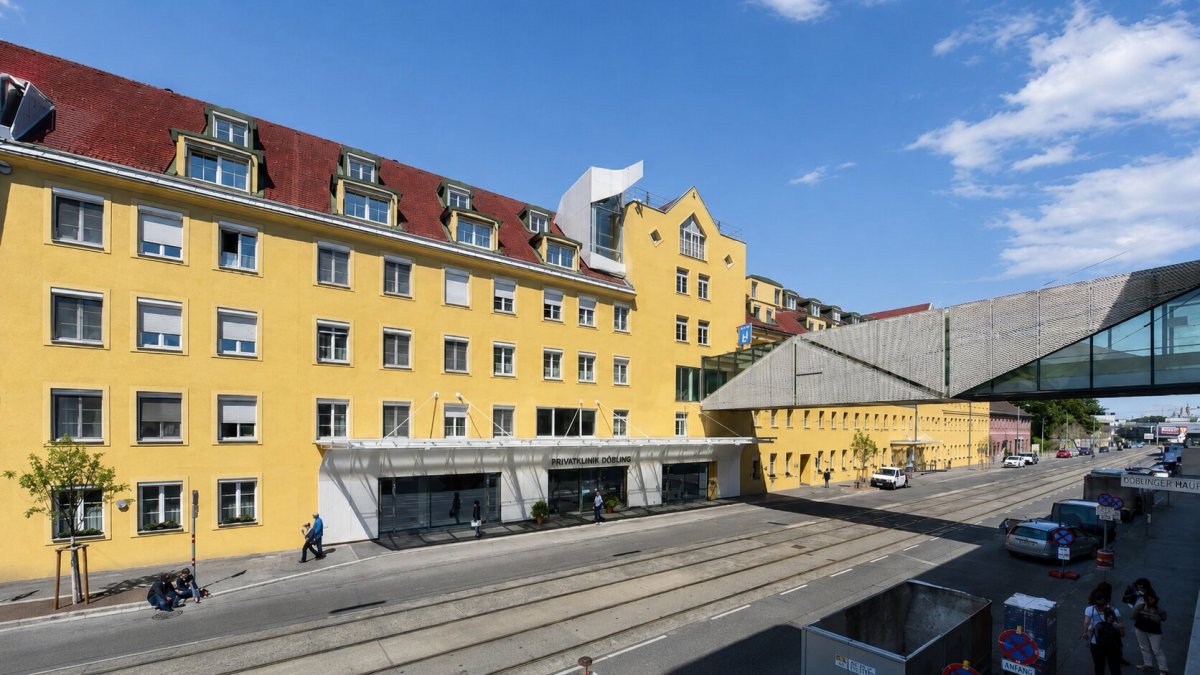
اكتشف أفضل فقد النطاف العيادات في النمسا: 1 خيار معتمدة والأسعار

مشاركة المحتوى
قصص فيديو من مرضى Bookimed
 Anna Leonova
أسئلة متكررة حول علاج فقد النطاف في النمسا
ما هي معايير السلامة ومعدلات النجاح لإجراءات الجراحة المجهرية لعلاج انعدام النطاف (TESE/micro-TESE) التي يتم إجراؤها في مراكز الخصوبة النمساوية؟
تعمل مراكز الخصوبة النمساوية وفقًا لقانون طب الإنجاب (FMedG). وتشير التقارير في العيادات المتخصصة إلى معدلات استخلاص الحيوانات المنوية تتراوح بين 40 و60% في حالات انعدام النطاف غير الانسدادي. وتحافظ مؤسسات مثل مستشفى دوبلينغ الخاص على مستوى عالٍ من السلامة من خلال تطبيق أهداف اللجنة الدولية المشتركة (JCI) لسلامة المرضى ومعايير المنظمة الدولية للمقاييس (ISO).
- الدقة الجراحية: يستخدم الجراحون مجاهر ذات تكبير عالٍ (20-25 مرة) للحفاظ على تدفق الدم.
- مؤشرات السلامة: تشير البيانات السريرية إلى معدل نجاح بنسبة 97% للإجراء دون حدوث مضاعفات قصيرة المدى.
- معدلات النجاح: يصل معدل المواليد الأحياء مجتمعين بعد عملية استخراج الحيوانات المنوية من الخصية المجهرية والحقن المجهري للبويضة إلى 46%.
- الرقابة القانونية: تخضع بروتوكولات الجودة لرقابة صارمة بموجب تعديلات عام 2015 على قانون FMedG.
رأي خبراء بوكيمد: تتميز مؤشرات الجودة في المؤسسات الطبية النمساوية الرائدة بشفافية استثنائية. فعلى سبيل المثال، يعالج المستشفى الخاص في دوبلينغ 16000 مريض سنويًا، ويُسجل معدلات مضاعفات أقل بكثير من المتوقع. ويُبرهن هذا العدد الكبير من المرضى على أن المراكز النمساوية تحافظ على مستوى عالٍ من التميز ال
كم تستغرق عملية استخراج الحيوانات المنوية جراحياً وعملية التلقيح الصناعي/الحقن المجهري للبويضة لمريض أجنبي، وما هو جدول العلاج النموذجي في النمسا؟
يقضي المرضى الدوليون عادةً من 13 إلى 14 يومًا في النمسا لإجراء عملية استخراج الحيوانات المنوية جراحيًا والتلقيح الصناعي/الحقن المجهري للبويضة. تستغرق العملية من ساعتين إلى أربع ساعات في حالة استخراج الحيوانات المنوية من الخصية بتقنية الميكرو-تي إي إس إي، أو 30 دقيقة في حالة استخراج الحيوانات المنوية من الخصية. يبدأ الزوجان تحفيز المبيض مبكرًا. ويتم نقل الأجنة بعد 3 إلى 5 أيام من استخراج الحيوانات المنوية والتخصيب.
- مدة الإجراء: يستغرق إجراء TESA من 20 إلى 30 دقيقة. أما إجراء Micro-TESE فيستغرق ما يصل إلى 4 ساعات.
- فترة التعافي: عادةً ما يعود الرجال إلى ممارسة النشاط البدني الخفيف في غضون 24 إلى 48 ساعة.
- مدة الدورة: يستمر تحفيز المبيض لدى الشريكين من 8 إلى 14 يومًا.
- المرحلة المختبرية: يتم تنمية البويضات المحقونة في المختبر لمدة 2-5 أيام قبل نقلها.
رأي خبراء بوكيمد: على الرغم من قصر مدة الإقامة في العيادة، إلا أن دورات العلاج الكاملة في فيينا تستغرق عادةً شهرين. يعالج مستشفى دوبلينغ الخاص 16000 مريض سنويًا، بمعدل مضاعفات أقل من المتوسط. يتيح تنسيق إجراء استخراج الحيوانات المنوية من الخصية (TESE) قبل شهرين تزامنًا مثاليًا مع دورات تحفيز الشريك، مما يضمن أعلى احتمالية ل
ما هي وثائق السفر والشهادات الطبية التي يجب على الزوجين من خارج الاتحاد الأوروبي إعدادها قبل الخضوع لعملية استخراج الحيوانات المنوية وجراحة التلقيح الصناعي في النمسا؟
يتعين على الأزواج من خارج الاتحاد الأوروبي الحصول على تأشيرة طبية (الفئة ج أو د) بالإضافة إلى شهادة زواج مصدقة أو عقد زواج موثق. تشمل المستندات الطبية المطلوبة فحصين حديثين للسائل المنوي وتحليلاً للهرمونات لكلا الزوجين. تتطلب جميع المستندات الأجنبية عادةً تصديقًا رسميًا (أبوستيل) وترجمة إلى الألمانية أو الإنجليزية.
- المستندات المطلوبة للتأشيرة: دعوة إلى العيادة، وإثبات توفر الأموال، وبوليصة تأمين بقيمة 30,000 يورو.
- السجل الطبي للرجل: نتائج تحليل السائل المنوي وتقرير طبيب المسالك البولية الذي يؤكد تشخيص انعدام النطاف.
- تضمنت السجلات الطبية للمرأة مستويات الهرمون المضاد للمولر (AMH) ونتائج الموجات فوق الصوتية للحوض الحديثة.
- الفحص المعدي: نتائج سلبية للاختبارات المصلية لفيروس نقص المناعة البشرية والزهري والتهاب الكبد B/C.
- التحقق القانوني: شهادات زواج مصدقة أو اتفاقيات شراكة موثقة للأزواج غير المتزوجين.
رأي خبراء بوكيمد: على الرغم من أن العديد من المراكز تجري فحوصات هرمونية أساسية، إلا أن إجراء اختبارات جينية، مثل تحليل النمط النووي أو فحص حالة جين CFTR، يُعدّ أمرًا بالغ الأهمية. يستخدم الأخصائيون النمساو
ما هي المدن النمساوية التي تضم أكبر مراكز طب الذكورة/التلقيح الصناعي المتخصصة في علاج انعدام النطاف، وكيف أختار من بينها؟
تُعدّ فيينا المركز الرئيسي لعلاج انعدام النطاف في النمسا، حيث تضمّ مراكز رائدة مثل مستشفى دوبلينغ الخاص ومستشفى فيينا العام. وللحصول على أفضل النتائج، يُفضّل المرضى التوجه إلى مؤسسات فيينا وسالزبورغ المتخصصة في استخراج الحيوانات المنوية من الخصية بالجراحة المجهرية والحقن المجهري للبويضة.
- نطاق عمل المركز: تعالج عيادات فيينا أكبر عدد من المرضى الذين يعانون من حالات معقدة من العقم عند الرجال.
- الخيارات الجراحية: تأكد من أن المنشأة تقدم عملية استئصال البروستاتا بالجراحة المجهرية (TESE) بدلاً من الخزعة التقليدية بالإبرة.
- معايير المختبرات: اختر المختبرات المعتمدة من قبل منظمة المعايير الدولية (ISO)، مثل مستشفى دوبلينغ الخاص، لضمان سلامة العينات.
- عمق التشخيص: ابحث عن المراكز التي تقدم التصوير بالموجات فوق الصوتية عبر المستقيم وتحليل الهرمونات الشامل.
رأي خبراء بوكيمد: بينما يركز العديد من المرضى على حجم العيادة، تُظهر بيانات مستشفى دوبلينغ الخاص أهمية النهج متعدد التخصصات. تُنسق هذه المؤسسة عمل 27 قسمًا وتعالج 16000 مريض سنويًا. في حالات انعدام النطاف، يُعد وجود قسمي المسالك البولية وأمراض النساء تحت سقف واحد أمرًا بالغ الأهمية. يضمن ذلك إجراء استخراج الحيوانات المنوية جر
هل تشمل باقات استخراج الحيوانات المنوية الجراحية في النمسا التجميد بالتبريد، وما هي المدة التي يمكن فيها تخزين الحيوانات المنوية قانونيًا في النمسا؟
في النمسا، تشمل باقات استخراج الحيوانات المنوية جراحياً لعلاج العقم عادةً التجميد الأولي والمعالجة المخبرية. وبموجب قانون الطب التناسلي النمساوي، يُمكن تخزين الحيوانات المنوية قانونياً طوال حياة المتبرع. وبعد انتهاء فترة الباقة الأولية، تُفرض رسوم صيانة سنوية.
- فترة التخزين: يمكن تخزين الحيوانات المنوية قانونياً حتى وفاة المتبرع.
- تشمل حزمة الخدمة ما يلي: إجراءات استخلاص العينات مثل TESE/MESA تتضمن عادةً التجميد الأولي والمعالجة.
- التكاليف المستمرة: تتراوح رسوم الصيانة السنوية من 150 يورو إلى 300 يورو بعد السنة الأولى.
- المتطلبات القانونية: في النمسا، يشترط وجود زواج قانوني أو شراكة مسجلة أو تعايش مشترك لاستخدام هذا المصطلح.
رأي خبراء بوكيمد: تُظهر البيانات من المراكز الكبيرة، مثل مستشفى دوبلينغ الخاص، اهتمامًا خاصًا بمعايير السلامة. ورغم أن التخزين مُصمم مدى الحياة، إلا أن العيادات غالبًا ما تطلب موافقة خطية للتجديد كل 5-10 سنوات. ينبغي على المرضى الاستفسار عما إذا كانت باقة خدماتهم تغطي التخزين لمدة سنة أو سنتين. وتُطبّق العديد من العيادات في فيينا معايير ISO لضمان جودة عالية للحفظ بالتبريد باستخدام التزجيج.
ملا
ما هي تعليمات التعافي والرعاية بعد العملية الجراحية التي يتم تقديمها للمرضى الذين خضعوا لعملية استخراج الحيوانات من الخصية المجهرية قبل عودتهم إلى ديارهم؟
ينبغي على المرضى الذين خضعوا لعملية استخراج الحيوانات المنوية من الخصية بتقنية الميكرو-تيس (micro-TESE) الانتظار من 24 إلى 48 ساعة قبل السفر جواً إلى بلادهم. ويشترط الجراحون أن يكون المريض قادراً على المشي والتبول بشكل مريح أولاً. كما يجب ارتداء ضمادة داعمة للصفن لمدة تتراوح بين 7 و14 يوماً. ويُنصح بتجنب رفع الأثقال التي تزيد عن 4.5 كيلوغرام لمدة أسبوعين.
- دعم الصفن: ارتدِ ملابس داخلية ضيقة أو حزام دعم لمدة أسبوعين.
- قيود النشاط: تجنب رفع الأشياء الثقيلة والقيادة لمدة أسبوع واحد على الأقل.
- العناية بالجرح: حافظ على جفاف الجرح لمدة 48 ساعة بعد الجراحة.
- السلامة أثناء الطيران: قم بممارسة تمارين عضلات الساق وامشِ كل ساعة أثناء الرحلة.
رأي خبراء بوكيمد: تُولي المؤسسات الطبية الخاصة، مثل مستشفى دوبلينغ الخاص في فيينا، اهتمامًا بالغًا بمعايير السلامة. فهي تحافظ على معدلات المضاعفات أقل بكثير من المعدل الطبيعي للعمليات الجراحية. ويضمن اختيار المستشفيات التي تستوفي معايير اللجنة الدولية المشتركة (JCI) لسلامة المرضى مراقبة دقيقة بعد العملية. وهذا أمر بالغ الأهمية قبل اتخاذ قرار السفر جوًا دوليًا.
رأي المرضى: ينصح
إذا فشلت تقنية micro-TESE في النمسا في الكشف عن الحيوانات المنوية، فما هي خيارات الاستشارة الفورية أو الإجراءات الإضافية المتاحة للزوجين؟
تُقدّم العيادات النمساوية دعمًا نفسيًا فوريًا وبدائل طبية في حال فشل عملية استخراج الحيوانات المنوية من الخصية (micro-TESE). ويُعدّ الاستشارة المتخصصة إلزامية بموجب قانون الحفاظ على التأمين الصحي (Fortpflanzungsmedizingesetz). ويتلقى الأزواج استشارات حول استخدام الحيوانات المنوية من متبرع، أو التبني، أو عدم الإنجاب. وتهدف هذه الخيارات إلى ضمان الصحة النفسية والوضوح القانوني للأسرة.
- الاستشارة النفسية: تهدف الجلسات الإلزامية إلى التغلب على الحزن، ومشاعر عدم الكفاءة، والانتقال إلى تربية الأطفال مع آباء غير بيولوجيين.
- الحيوانات المنوية المتبرع بها: تشمل الخيارات القانونية للأزواج المتزوجين أو المتعايشين التلقيح الاصطناعي باستخدام الحيوانات المنوية المتبرع بها.
- دعم التبني: تحيل العيادات المرضى إلى وكالات حماية الشباب للحصول على خدمات التبني التقليدية.
- الدعم المالي: يمكن لمؤسسة التلقيح الاصطناعي النمساوية تغطية 70% من التكاليف المرتبطة بالتبرع.
رأي خبراء بوكيمد: على الرغم من أن العديد من العيادات في فيينا، مثل مستشفى دوبلينغ الخاص، تُولي اهتمامًا بالغًا للسلامة، إلا أنها تُطبّق معايير السلامة الصادرة عن اللجنة الدولية المشتركة (JCI) لتقليل معدلات المضاعفات إلى مستويات أ