العودة إلى الصفحة الرئيسية

كيف نعمل؟

لقد قمنا بتحويل عملية البحث عن العيادة، وجعلناها بسيطة وسريعة وشخصية.
أجب عن بعض الأسئلة املأوا استمارة قصيرة لتخبرونا عن حالتكم الصحية واحتياجاتكم الطبية.
احصل على عروض مخصصة٣ عيادات تم اختيارها بعناية بناءً على إجاباتك، ستقدّم خطط علاج وتقديرات تكلفة مخصصة لك.
اختر الخيار الأفضلقارن بين العروض واختر العيادة الأنسب لك.
يمكنك أيضًا تصفح 4 عيادة أدناه.
820К+ مريضًا حصلوا على المساعدة منذ عام 2014
50 دول
1,500 عيادات
6K+ تقييمات
3K+ طبيب مؤهل

ما هي تكلفة التحصي البولي إجراءات التشخيص والعلاج في النمسا؟ اعرف الآن

السعر يقدم بعد الطلب
النمساتركياإسبانيا
تنظير الحالب المرنمن $6,000من $2,500من $3,500
تفتيت حصيات مجرى البول بالمنظارمن $3,200من $1,500من $3,000
تفتيت الحصى بالليزرمن $4,500من $1,800من $2,300
الدعامة الحالبمن $1,800من $1,200من $2,300
تم التحقق من البيانات بواسطة Bookimed اعتبارًا من May 2026، استنادًا إلى طلبات المرضى والعروض الرسمية من 143 عيادة حول العالم. تستند التكاليف المتوسطة إلى الفواتير الحقيقية (2025–2026) ويتم تحديثها شهريًا. قد تختلف الأسعار الفعلية.

اكتشف أفضل التحصي البولي العيادات في النمسا: 4 خيارات معتمدة والأسعار

تم تصنيف العيادات بواسطة نظام Bookimed الذكي، باستخدام تحليل علوم البيانات عبر 5 معايير رئيسية.
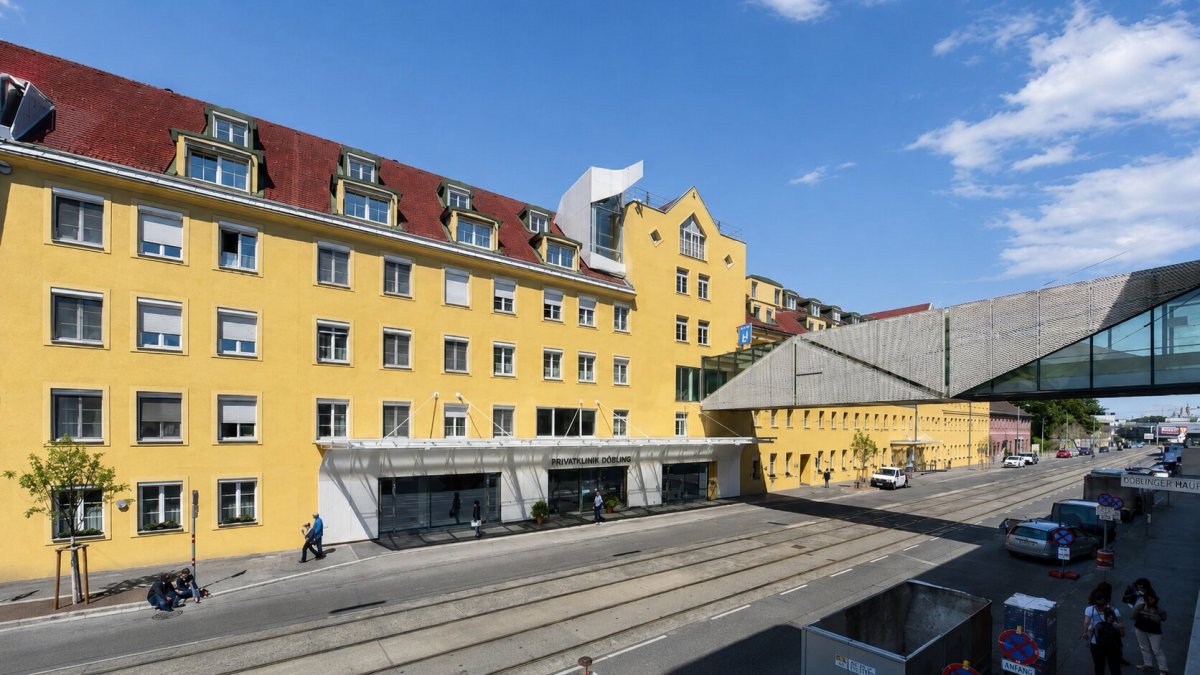
Döbling Private Hospital
Vienna General Hospital (AKH)

احصلوا على تقييم طبي لـ التحصي البولي في النمسا: استشيروا أطباء ذوي خبرة الآن

عرض جميع الأطباء
يؤكد

Georg Shatzl

33سنة خبره ١٦ سنة

يعد الأستاذ الجامعي الدكتور جورج شاتزل طبيب مسالك بولية نمساويًا بارزًا يتمتع بخبرة تزيد عن 30 عامًا، وهو متخصص في أورام المسالك البولية وجراحة المسالك البولية الترميمية.

  • خبير في العلاج الجراحي والتحفظي لأمراض المسالك البولية
  • متخصص في جراحة البروستاتا والمثانة والكلى
  • أستاذ مشارك في جامعة فيينا الطبية
  • نشر أبحاثًا مكثفة في مجلات علمية مرموقة
  • استشاري أول في مستشفى وينر بريفاتكلينيك

مشاركة المحتوى

Twitter XLinkedinFacebookWhatsAppEmail
أحصل على الرابط

قصص فيديو من مرضى Bookimed

Dayana
جمعت بين إجازتي في أنطاليا والفحص الطبي.
إجراء: فحص صحة الإناث (انظر فحص النساء)
Igor
كان رائعاً! التنقلات والإقامة والعلاج - كل شيء مشمول.
إجراء: زرع الأسنان
مستشفى: WestDent Clinic
Marina
قام Bookimed بكل شيء من أجلي. لم أضطر للقلق بشأن أي شيء.
إجراء: فحص صحة الإناث (انظر فحص النساء)
مستشفى: Severance Hospital
محدث: 05/27/2022
تأليف
Anna Leonova
Anna Leonova
رئيس فريق تسويق المحتوى
محررة طبية معتمدة لديها خبرة تزيد عن 10 سنوات، طوّرت محتوى Bookimed الموثوق، مدعومة بماجستير في علم اللغة ومقابلات مع خبراء طبيين من جميع أنحاء العالم.
تمت المراجعة من قبل المستشار الطبي في Bookimed
فهد مولود
محرر طبي وعالم بيانات
طبيب عام. حاصل على 4 جوائز علمية. خدم في غرب آسيا. رئيس الفريق الطبي الناطق بالعربية سابقا ومسؤول عن معالجة البيانات ودقة المحتوى الطبي حاليا.
فهد مولود Linkedin
قد تحتوي هذه الصفحة على معلومات تتعلق بمختلف الحالات الطبية والعلاجات وخدمات الرعاية الصحية المتوفرة في بلدان مختلفة. يرجى العلم أن المحتوى مقدم لأغراض إعلامية فقط ولا ينبغي تفسيره على أنه نصيحة أو إرشادات طبية. يرجى استشارة طبيبك أو أخصائي طبي مؤهل قبل البدء أو تغيير العلاج الطبي.

أسئلة متكررة حول علاج التحصي البولي في النمسا

هذه الأسئلة الشائعة مأخوذة من مرضى حقيقيين يبحثون عن رعاية طبية عبر Bookimed. يتم تقديم الإجابات من قبل منسقين طبيين ذوي خبرة وممثلين موثوقين من العيادات.

What are the primary, minimally invasive treatment options for kidney or ureteral stones offered in Austrian clinics?

Austrian clinics treat kidney and ureteral stones using non-invasive shock wave lithotripsy (ESWL) and advanced endoscopic laser techniques. Specialists at centers like Vienna General Hospital (AKH) use flexible ureterorenoscopy (URS) to fragment stones. These methods ensure high success rates with minimal tissue trauma.

  • Shock wave lithotripsy: Non-invasive sound waves fragment kidney stones under 2 cm during outpatient sessions.
  • Laser lithotripsy: Holmium or thulium lasers pulverize stones during endoscopic ureterorenoscopy (URS) procedures.
  • Mini-PCNL: Small 5–10 mm incisions allow removal of large, complex stones over 2 cm.
  • Ureteral stenting: Temporary tubes ensure urine flow and fragment passage after intensive laser treatments.

Bookimed Expert Insight: Clinical data from high-volume centers like Döbling Private Hospital and Vienna General Hospital (AKH) shows a strong preference for ultra-thin, flexible endoscopes. While many global clinics still use rigid scopes for ureteral stones, Austrian urologists frequently opt for flexible ureterorenoscopy even for lower-pole kidney stones. This specialized approach significantly reduces the risk of mucosal injury and allows for a same-day discharge in over 90% of cases.

Patient Consensus: Patients find that pre-treatment CT scans are vital for matching the right procedure to stone size. Many note that while laser treatments are effective, preparing for temporary stent discomfort for several days is necessary.

Which hospitals or centers in Austria are internationally recognized for advanced urolithiasis care?

Leading Austrian centers for urolithiasis include Vienna General Hospital (AKH), Döbling Private Hospital, and Wiener Privatklinik. These facilities utilize advanced laser lithotripsy and minimally invasive percutaneous nephrolitholapaxy (Mini-PCNL). Highly specialized departments in Vienna and Graz integrate academic research with JCI-accredited patient safety standards.

  • Vienna General Hospital (AKH): Europe largest urology center performs 595,000 annual patient treatments.
  • Döbling Private Hospital: JCI-accredited facility specializes in complex stone removal for international patients.
  • Expert surgical leadership: Univ. Prof. Dr. Georg Shatzl treats complex urinary tract disorders.
  • Advanced diagnostic technology: Centers provide low-dose CT scans and 3D reconstruction for mapping.
  • Minimally invasive options: Clinics offer flexible ureterorenoscopy (URS) and extracorporeal shock wave lithotripsy.

Bookimed Expert Insight: While Vienna General Hospital (AKH) leads in sheer volume with 1,600 doctors, private facilities like Döbling or Leech Private Clinic offer faster diagnostic windows. These private centers often complete full urological workups within 24 to 48 hours. Patients choosing university hospitals benefit from proximity to research, but private clinics provide more individualized care with lower complication rates.

Patient Consensus: Patients find Austrian stone treatments highly efficient and note that costs are significantly lower than in the United States. Many emphasize that laser lithotripsy at major Vienna centers proceeds smoothly with excellent insurance portability for EU residents.

Can small stones pass without surgery, and when is watchful waiting recommended?

Small kidney stones under 5 mm pass naturally in 80% to 90% of cases. Austrian urologists recommend watchful waiting when pain is manageable and no infection exists. Most stones clear within 4 weeks using high hydration and medical expulsion therapy in JCI-accredited facilities.

  • Stone size: Stones below 4 mm typically pass naturally within 1 to 2 weeks.
  • Clinical criteria: Watchful waiting requires manageable pain, no fever, and no kidney blockage.
  • Medical protocol: Doctors often prescribe alpha-blockers like tamsulosin to relax ureter muscles.
  • Monitoring window: Clinical observation usually lasts 4 to 6 weeks before surgical intervention.

Bookimed Expert Insight: Vienna hospitals like AKH and Döbling Private Hospital utilize integrated diagnostic clusters. They combine weekly ultrasounds with low-dose CT scans to track stone migration. This data-driven approach helps surgeons decide the exact moment to switch from observation to laser lithotripsy. It prevents long-term kidney pressure while maximizing the chance for natural passage.

Patient Consensus: Patients emphasize straining urine to catch fragments for later lab analysis. They also note that using heating pads alongside prescribed pain relief makes the waiting period much more tolerable.

What key outcome and after-care questions should I discuss with my Austrian urologist before undergoing a stone procedure?

In Austria, you should ask about success rates for achieves stone-free status in one session. Urologists typically follow European Association of Urology guidelines for stone treatment. Discuss specific methods like laser lithotripsy or flexible ureterorenoscopy. Clarify the necessity and duration of ureteral stents for postoperative recovery.

  • Success rates: Ask the likelihood of total stone clearance in a single surgical session.
  • Method selection: Discuss why laser lithotripsy or shockwave is best for your stone density.
  • Stent management: Confirm if a stent is required and the specific timeline for its removal.
  • Activity limits: Clarify when you can return to strenuous exercise or heavy lifting tasks.

Bookimed Expert Insight: Top Austrian centers like Vienna General Hospital or Döbling Private Hospital maintain high patient volumes. Our data shows hospitals in Vienna often treat over 7,000 patients annually. Large academic institutions like AKH employ over 1,600 doctors for complex cases. Choosing a high-volume surgeon may help keep complication rates below nominal local values. Always verify if the facility follows ISO standards for safety and reliable diagnostic quality.

Patient Consensus: Patients note that stent pain and `peeing fire` are often more intense than expected. They recommend asking for specific recurrence prevention plans beyond just increasing daily water intake.

احصل على استشارة مجانية

حدد أفضل طريقة للاتصال بك