اللطخة البيضاء مجهولة السبب في المثانة العلاج في النمسا - التكاليف 2026


تمت مراجعة المقالة طبيا من قبل
فهد مولود
ما هي تكلفة اللطخة البيضاء مجهولة السبب في المثانة إجراءات التشخيص والعلاج في النمسا؟ اعرف الآن
مزاياك وضماناتك مع Bookimed
أسعار مباشرة
Bookimed لا يضيف رسوماً إضافية على أسعار علاج اللطخة البيضاء مجهولة السبب في المثانة. الأسعار مأخوذة من قوائم الأسعار الرسمية للعيادات. تدفع مباشرة في العيادة مقابل علاجك عند وصولك إلى البلد.
عيادات وأطباء معتمدون فقط
Bookimed ملتزم بسلامتك. نحن نعمل فقط مع المؤسسات الطبية التي تحافظ على معايير دولية عالية في علاج اللطخة البيضاء مجهولة السبب في المثانة ولديها التراخيص اللازمة لخدمة المرضى الدوليين في جميع أنحاء العالم.
مساعدة مجانية على مدار الساعة
Bookimed يقدم مساعدة خبراء مجانية. منسق طبي شخصي يدعمك قبل وأثناء وبعد العلاج، ويحل أي مشاكل. لن تكون وحيداً أبداً في رحلة علاج اللطخة البيضاء مجهولة السبب في المثانة.

منسقك الطبي الشخصي في Bookimed
- يدعمك في كل مرحلة
- المساعدة في اختيار العيادة الطبية المناسبة والطبيب المناسب
- يضمن الوصول السريع والمريح إلى المعلومات
اكتشف أفضل اللطخة البيضاء مجهولة السبب في المثانة العيادات في النمسا: 1 خيار معتمدة والأسعار
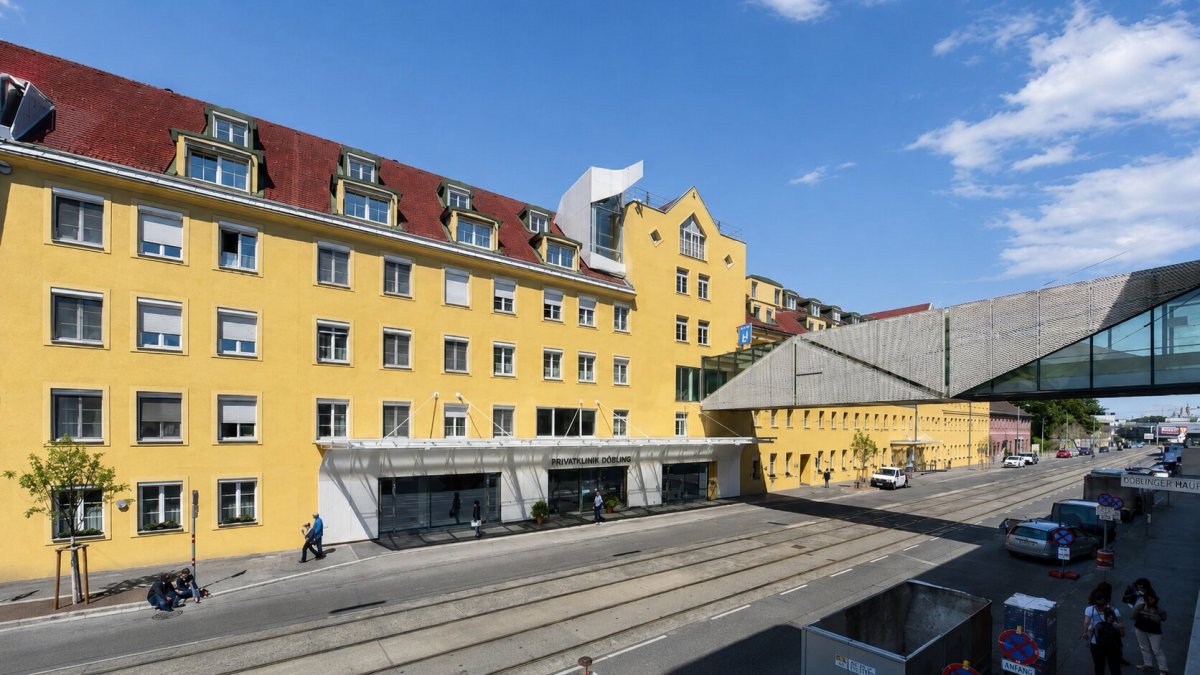

احصلوا على تقييم طبي لـ اللطخة البيضاء مجهولة السبب في المثانة في النمسا: استشيروا أطباء ذوي خبرة الآن
عرض جميع الأطباء
Georg Shatzl
البروفيسور جورج شاتزل هو طبيب مسالك بولية نمساوي رائد متخصص في أورام المسالك البولية وجراحة المسالك البولية الترميمية، مع أكثر من _doctor_3876_ سنوات من الخبرة.
- خبير في جراحات سرطان المثانة وأورام الكلى
- أستاذ مشارك في جامعة فيينا الطبية
- يركز على الأساليب الجراحية طفيفة التوغل
- نشر على نطاق واسع في المجلات العلمية المحكمة
المراجعات
جميع المراجعاتمشاركة المحتوى
قصص فيديو من مرضى Bookimed
 Anna Leonova
أسئلة متكررة حول علاج اللطخة البيضاء مجهولة السبب في المثانة في النمسا
هل يُعتبر طلاوة المثانة سرطانًا؟
طلاوة المثانة ليست سرطانًا. إنها حالة حميدة تسبق السرطان، حيث يتحول الغشاء المخاطي للمثانة إلى طبقة متقرنة. ورغم أنها ليست خبيثة بحد ذاتها، إلا أنها تزيد بشكل ملحوظ من خطر الإصابة بسرطان الخلايا الحرشفية. لذا، من الضروري إجراء فحوصات دورية للكشف المبكر عن أي تغيرات خلوية.
- التصنيف الطبي: يُعرف باسم التحول الحرشفي المتقرن.
- الحالات ما قبل السرطانية: تزيد من احتمالية الإصابة بسرطان الخلايا الحرشفية بمرور الوقت.
- طريقة التشخيص: يعد تنظير المثانة وأخذ الخزعة ضروريين لاستبعاد وجود ورم خبيث نشط.
- السبب الكامن: يحدث عادة نتيجة للتهيج المزمن أو التهابات المسالك البولية طويلة الأمد.
- المراقبة: تتطلب مراقبة مدى الحياة لأن التغييرات قد تستغرق سنوات حتى تحدث.
رأي خبراء بوكيميد: يتلقى المرضى الذين يسعون للحصول على الرعاية الطبية في النمسا رعاية عالية الجودة في مجال أورام المسالك البولية. يتمتع الدكتور جورج شاتزل، من عيادة فيينا الخاصة، بخبرة تزيد عن 30 عامًا، وهو متخصص في جراحة المسالك البولية الترميمية وأورام المثانة. وتطبق مستشفيات مثل مستشفى دوبلينغ الخاص معايير السلامة الخاصة باللجنة الدولية المشتركة، حيث تسجل مع
ما هي خيارات العلاج الجراحي القياسية لمرض طلاوة المثانة في النمسا؟
تشمل العلاجات الجراحية القياسية لطلاوة المثانة في النمسا التنظير الداخلي عبر الإحليل لإزالة الأنسجة غير الطبيعية. ويُجري الجراحون عادةً استئصالًا عبر الإحليل أو كيًا لإزالة اللويحة. كما يتوفر أيضًا الاستئصال بالليزر باستخدام تقنية هولميوم:ياج. وتتوافق هذه الإجراءات مع المعايير السريرية للجمعية الأوروبية لجراحة المسالك البولية.
- استئصال عبر الإحليل: يستخدم الجراحون حلقات سلكية لإزالة المناطق الظهارية غير الطبيعية.
- الكي عبر الإحليل: تعمل التيارات الكهربائية الحرارية على تبخير الأنسجة السطحية ووقف النزيف.
- الاستئصال بالليزر: توفر أجهزة الليزر المتخصصة إزالة دقيقة مع الحد الأدنى من الانزعاج بعد العملية.
- استئصال المثانة: لا يُشار إلى إزالة المثانة إلا في حالات خلل التنسج الواسع النطاق والمقاوم للعلاج.
رأي خبراء بوكيمد: بينما يبحث الكثيرون عن عيادات محددة، يُعد اختيار جراح في فيينا مؤشرًا رئيسيًا على الجودة. يُعتبر الدكتور جورج شاتزل من مستشفى فيينا الخاص مرجعًا معترفًا به في جراحات المثانة المعقدة. ويشمل سجله الحافل المساهمة في وضع المبادئ التوجيهية الدولية لأورام المسالك البولية. تحافظ مؤسسات مثل مستشفى دوبلينغ الخاص على معدلات مضاعفات منخفضة. وتستخدم معايير ISO لضمان ا
ما هو معدل نجاح الاستئصال بالمنظار لطلاوة المثانة؟
تتراوح نسب نجاح استئصال طلاوة المثانة بالمنظار بين 57.6% و95.6%، وذلك تبعًا للتقنية الجراحية المستخدمة. ويحقق الاستئصال بالليزر نسبة إزالة للأنسجة تصل إلى 95.6% بعد شهر واحد من المتابعة. أما نسب النجاح السريري لاستئصال الورم عبر الإحليل (TUR) من حيث تخفيف الأعراض، فتتراوح بين 57.6% و65.4%.
- معدل نجاح الاستئصال بالليزر: 95.6% إزالة كاملة للأنسجة في غضون 6 أشهر.
- تخفيف الأعراض: أظهر العلاج بالليزر تحسناً سريرياً بنسبة 89% خلال الشهر الأول.
- تخفيف الألم: أفاد أكثر من 52% من المرضى بالتخلص التام من آلام الحوض.
- الاستقرار على المدى الطويل: لا يزال معدل عدم الانتكاس لمدة عام واحد مرتفعًا عند حوالي 91.9٪.
رأي خبراء بوكيمد: تُظهر البيانات السريرية من المراكز النمساوية أن التركيز على عدد العمليات الجراحية التي يُجريها الجراح أمرٌ بالغ الأهمية. يتخصص البروفيسور الدكتور جورج شاتزل من عيادة فيينا الخاصة في جراحات المثانة المعقدة. تعالج المستشفيات الكبيرة، مثل عيادة دوبلينغ الخاصة، 16000 مريض سنويًا. وتحافظ هذه المؤسسات على معدلات مضاعفات منخفضة بشكل ملحوظ بفضل الجمع بين الاستئصال الجراحي وبروتوكولات النظافة الصارمة.
رأي المرض
هل يمكن أن تعود اللويحة البيضاء في المثانة بعد العلاج؟
تبلغ نسبة عودة طلاوة المثانة بعد الاستئصال الجراحي حوالي 13.9%. وتتكرر الحالة غالبًا في حال استمرار المهيجات الكامنة، مثل الالتهابات المزمنة أو حصى المثانة. لذا، من الضروري المتابعة الدورية طويلة الأمد باستخدام تنظير المثانة لمراقبة الغشاء المخاطي للمثانة والكشف عن أي تغيرات خلوية جديدة.
- التنبؤ بتكرار المرض: لا يزال فرط تنسج الظهارة البولية غير النمطي أقوى مؤشر مستقل لتكرار المرض.
- المهيجات المستمرة: تسبب التهابات المسالك البولية المزمنة وحصى المثانة تهيجًا مستمرًا للأنسجة.
- الأساليب الجراحية: يسمح الاستئصال عبر الإحليل أو الكي بالليزر بإزالة الآفات، ولكنهما يتطلبان المراقبة.
- بروتوكول المتابعة: يوصي أطباء المسالك البولية عادةً بإجراء تنظير المثانة سنوياً للكشف عن أي تغيرات خلوية ما قبل السرطانية.
تقييم خبراء بوكيميد: نركز على العيادات التي تتبنى نهجًا متعدد التخصصات، مثل مستشفى دوبلينغ الخاص في فيينا. تُظهر بياناتنا أنها تُطبق أهداف اللجنة الدولية المشتركة (JCI) لسلامة المرضى. يُساعد هذا في الحفاظ على معدلات المضاعفات أقل من المعدل الطبيعي أثناء جراحات المسالك البولية المعقدة. في النمسا، يُولي أطباء المسالك البولية البارزون، مثل الدكتور جورج شاتزل، اهتمامًا خاصًا بج
ما هي المستشفيات في النمسا المعتمدة لعلاج طلاوة المثانة؟
تُعدّ مستشفيات فيينا رائدةً في النمسا في علاج طلاوة المثانة البيضاء بفضل أقسامها المتخصصة في جراحة المسالك البولية. وتُقدّم مؤسساتٌ مثل مستشفى فيينا العام (AKH) خدمات تنظير المثانة التشخيصي على مستوى الجامعات. كما تُقدّم المراكز الخاصة، بما فيها مستشفى فيينا الخاص ومستشفى دوبلينغ الخاص، أحدث تقنيات الاستئصال بالليزر والاستئصال عبر الإحليل لعلاج أمراض الظهارة البولية.
- الخبراء المتخصصون: الدكتور جورج شاتزل من عيادة فينر الخاصة متخصص في أورام المسالك البولية.
- المؤسسات المعتمدة: مستشفى دوبلينغ الخاص حاصل على شهادات ISO وJCI لسلامة المرضى.
- التشخيص الحديث: تستخدم العيادات تنظير المثانة عالي الدقة من أجل التصوير الدقيق للآفات المتحولة.
- التكنولوجيا الجراحية: يقوم الجراحون بإجراء عملية كي بالمنظار موجهة لاستعادة الطبقات السليمة من أنسجة المثانة.
رأي خبراء بوكيمد: تُعدّ فيينا مركزًا رائدًا لعلاج أمراض المثانة المعقدة نظرًا لتركيزها على الأخصائيين المنتسبين إلى الجامعة. ورغم أن المستشفيات الصغيرة قد تُجري الفحوصات الأولية، تُشير البيانات إلى أن المرضى يُفضلون عيادات مثل دوبلينغ لانخفاض معدلات المضاعفات فيها عن المتوسط. وغالبًا ما يتم اختيار أطباء المسالك البولية الأكاديميين،
هل يُنصح باستخدام العلاجات غير الجراحية في أي حال من الأحوال؟
يُعدّ العلاج غير الجراحي لطلاوة المثانة مناسبًا عندما يُسبب الالتهاب تغيرات مؤقتة في الأنسجة. يستخدم الأطباء في النمسا المضادات الحيوية أو الأدوية المضادة للالتهابات لمعالجة الأسباب الكامنة. مع ذلك، يوصي الأخصائيون بأخذ خزعة باستخدام تنظير المثانة إذا استمرت الآفات. يضمن ذلك عدم إغفال الفحص لوجود ورم خبيث أو خلل التنسج.
- العلاج الأولي: في العيادات، تُستخدم طرق العلاج الدوائي التحفظي لمكافحة التهابات المثانة المتكررة أو تهيجها.
- بروتوكول المراقبة: تسمح فحوصات تنظير المثانة المتسلسلة بمراقبة زوال اللويحات بعد العلاج التحفظي.
- المحفزات الجراحية: غالباً ما يتطلب وجود دم في البول أو ألم مستمر أخذ خزعة أو إزالة الكتلة.
- المعايير التشخيصية: لا تزال الخزعة هي المعيار الذهبي لاستبعاد التغيرات الخلوية الخفية التي تسبق السرطان.
رأي خبراء بوكيمد: على الرغم من أن مستشفى دوبلينغ الخاص يعالج 16000 مريض سنويًا ويطبق معايير السلامة الخاصة باللجنة الدولية المشتركة (JCI)، إلا أنه ينبغي على مرضى المسالك البولية إعطاء الأولوية لأخصائيين مثل البروفيسور جورج شاتزل من مستشفى فينر الخاص. تُعد مساهمته في وضع المبادئ التوجيهية الدولية لأورام المسالك البولية بالغة الأهمية، إذ يمكن أن تُشابه اللو
ما هو بالضبط مرض طلاوة المثانة؟
طلاوة المثانة حالة نادرة تتحول فيها الغشاء المخاطي الطبيعي إلى لويحات سميكة متقرنة. يؤدي التهيج المزمن إلى استبدال الخلايا الانتقالية بخلايا حرشفية أكثر كثافة. يعتبرها الخبراء آفة ما قبل سرطانية، ويتطلب علاجها المكثف لمنع تطورها إلى سرطان الخلايا الحرشفية.
- التحول الخلوي: تحاكي الغشاء المخاطي الطبيعي للمثانة أنسجة الجلد عن طريق إنتاج الكيراتين في ظل ظروف الإجهاد الشديد.
- التأكيد التشخيصي: يستخدم أطباء المسالك البولية تنظير المثانة وخزعة الأنسجة للتمييز بين التحول النسيجي والورم الخبيث.
- الفئات الأكثر عرضة للخطر: يؤثر هذا المرض بشكل رئيسي على النساء، وغالبًا ما يتم تشخيصه بين سن 30 و 40 عامًا.
- العوامل الرئيسية المحفزة: العدوى المتكررة، أو حصى المثانة، أو الاستخدام طويل الأمد للقسطرة غالباً ما تؤدي إلى هذه التغييرات.
رأي خبراء بوكيميد: يتلقى المرضى الذين يسعون للعلاج في فيينا رعاية متخصصة وعالية الجودة. تعالج عيادة دوبلينغ الخاصة 16000 مريض سنويًا، بمعدل مضاعفات أقل بكثير من المتوسط. ويتخصص أطباء المسالك البولية البارزون، مثل الدكتور جورج شاتزل من عيادة فيينا الخاصة، في جراحة المسالك البولية الترميمية وأورام المثانة. وتُعد هذه الخبرة بالغة الأهمية، إذ إن نتائج الفحص ال