ورم حميد الخصية العلاج في النمسا - التكاليف 2026


تمت مراجعة المقالة طبيا من قبل
فهد مولود
ما هي تكلفة ورم حميد الخصية إجراءات التشخيص والعلاج في النمسا؟ اعرف الآن
مزاياك وضماناتك مع Bookimed
أسعار مباشرة
Bookimed لا يضيف رسوماً إضافية على أسعار علاج ورم حميد الخصية. الأسعار مأخوذة من قوائم الأسعار الرسمية للعيادات. تدفع مباشرة في العيادة مقابل علاجك عند وصولك إلى البلد.
عيادات وأطباء معتمدون فقط
Bookimed ملتزم بسلامتك. نحن نعمل فقط مع المؤسسات الطبية التي تحافظ على معايير دولية عالية في علاج ورم حميد الخصية ولديها التراخيص اللازمة لخدمة المرضى الدوليين في جميع أنحاء العالم.
مساعدة مجانية على مدار الساعة
Bookimed يقدم مساعدة خبراء مجانية. منسق طبي شخصي يدعمك قبل وأثناء وبعد العلاج، ويحل أي مشاكل. لن تكون وحيداً أبداً في رحلة علاج ورم حميد الخصية.

منسقك الطبي الشخصي في Bookimed
- يدعمك في كل مرحلة
- المساعدة في اختيار العيادة الطبية المناسبة والطبيب المناسب
- يضمن الوصول السريع والمريح إلى المعلومات
اكتشف أفضل ورم حميد الخصية العيادات في النمسا: 1 خيار معتمدة والأسعار
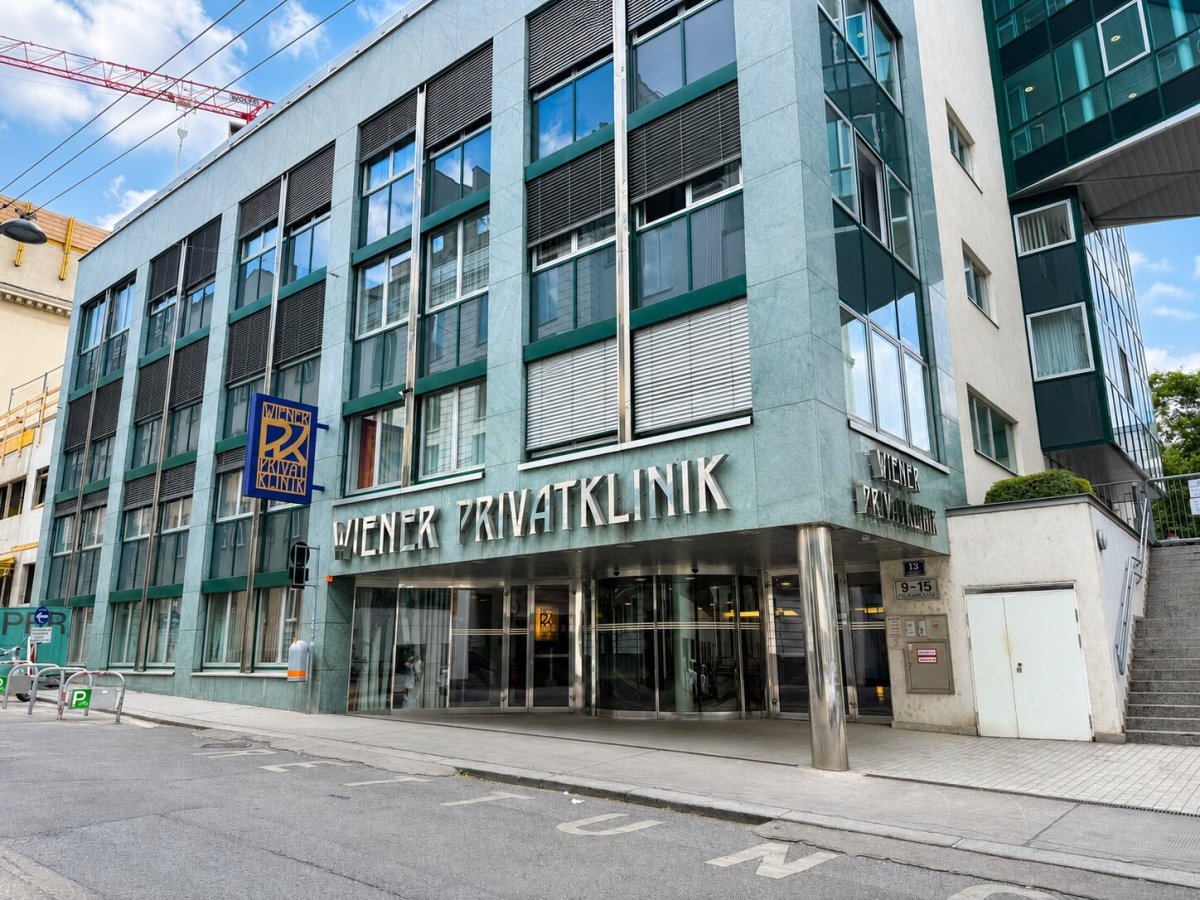




احصلوا على تقييم طبي لـ ورم حميد الخصية في النمسا: استشيروا أطباء ذوي خبرة الآن
عرض جميع الأطباء
Georg Shatzl
بخبرة تزيد عن ثلاثة عقود، يُعد الأستاذ الجامعي الدكتور جورج شاتزل خبيراً رائداً في طب الأورام المسالك البولية وجراحة المسالك البولية الترميمية في عيادة فيينا الخاصة (Wiener Privatklinik).
- متخصص في علاج أورام الخصية الحميدة
- أستاذ مشارك في جامعة فيينا الطبية
- نشر العديد من الأبحاث حول علاج سرطان المسالك البولية
- يجري عمليات جراحية معقدة بالمنظار وعمليات ترميمية
مشاركة المحتوى
قصص فيديو من مرضى Bookimed
 Anna Leonova
أسئلة متكررة حول علاج ورم حميد الخصية في النمسا
هل من الممكن إزالة ورم حميد في الخصية دون فقدان الخصية نفسها؟
يستطيع أطباء المسالك البولية استئصال أورام الخصية الحميدة دون فقدان الخصية نفسها من خلال استئصال جزئي للخصية. يُعدّ هذا النهج الذي يحافظ على العضو مناسبًا للأورام الصغيرة التي يقل حجمها عن سنتيمترين والتي تكون مؤشرات الورم فيها طبيعية. يستخدم الجراحون فحصًا نسيجيًا عاجلًا أثناء العملية لتأكيد حميدة الورم بينما يكون المريض تحت التخدير.
- حجم الورم: يجب أن يكون الورم صغيرًا، وعادة ما يكون قطره أقل من 20 مليمترًا.
- النهج الجراحي: يمنع الشق الأربي الانتشار العرضي للخلايا التي يحتمل أن تكون خبيثة.
- التأكيد التشخيصي: يمكن للفحص المرضي السريع أثناء العملية تحديد ما إذا كان من الممكن استبدال الأنسجة السليمة بأمان.
- الحفاظ على التوازن الهرموني: لطيف على الأنسجة ويساعد في الحفاظ على مستويات هرمون التستوستيرون الطبيعية والصحة الإنجابية.
رأي خبراء بوكيمد: يُعدّ اختيار أخصائيّ ذي خبرة مزدوجة في أورام المسالك البولية وأمراض الذكورة أمرًا بالغ الأهمية. في عيادة فيينا الخاصة، يجمع الدكتور جورج شاتزل بين هذين المجالين لعلاج الأورام المعقدة مع الحفاظ على صحة الرجال. تضمن هذه الخبرة المزدوجة أن تراعي الخطة الجراحية سلامة المريض من السرطان واستمرار إنتاج الهرمونات على المدى الطويل.
كيف يؤكد الجراحون النمساويون الطبيعة الحميدة للورم أثناء الجراحة؟
يؤكد جراحون نمساويون الطبيعة الحميدة لأورام الخصية باستخدام خزعة الأنسجة المجمدة أثناء العملية. يقوم أخصائيو علم الأمراض بتحليل عينات الأنسجة في غضون 20 دقيقة بينما يكون المريض تحت التخدير. يتيح هذا التشخيص الفوري للمختصين إجراء جراحة تحافظ على الخصية، مما يجنب استئصالها بالكامل دون داعٍ.
- التقطيع بالتجميد: يقوم أخصائيو علم الأمراض بتجميد الأنسجة بسرعة عند درجة حرارة -20 درجة مئوية لتصليدها من أجل الحصول على مقاطع دقيقة رقيقة.
- التحليل المجهري: يدرس المتخصصون البنية الخلوية للتمييز بين الأنسجة الحميدة والأورام الخبيثة الغازية.
- التصحيح الجراحي: يحافظ الجراحون على الخصية إذا أكدت الخزعة السريعة وجود آفة حميدة.
- التأكيد النهائي: يوفر الفحص النسيجي المرضي الإلزامي باستخدام شرائح البارافين تأكيدًا نهائيًا في غضون 48 ساعة بعد الجراحة.
رأي خبراء بوكيميد: تُظهر بيانات عيادة فينر برايفتكلينيك الخاصة أن كبار المتخصصين النمساويين غالبًا ما يشغلون مناصب أستاذية في جامعة فيينا الطبية. تضمن هذه الروابط الأكاديمية استخدام جراحين مثل الدكتور جورج شاتزل لأحدث البروتوكولات في جراحة أورام المسالك البولية. بالنسبة للمرضى، يعني هذا الوصول إلى خبراء متخصصين في تقنيات إعادة البناء المعقدة.
هل سأحتاج يوماً ما إلى العلاج الكيميائي أو العلاج الإشعاعي لورم حميد في الخصية؟
لا يُستخدم العلاج الكيميائي والإشعاعي في حالات أورام الخصية الحميدة تمامًا، إذ لم تنتشر هذه الأورام إلى أعضاء أخرى. وتكون المرحلة النهائية للعلاج عادةً هي الاستئصال الجراحي الموضعي. أما العلاج الجهازي فيُستخدم فقط في حالات الأورام الخبيثة التي يتم تأكيدها بالفحص المجهري بعد استئصال الورم.
- الاستئصال الجراحي: تسمح الجراحة التي تحافظ على العضو أو استئصال الخصية الجذري بإزالة الورم بالكامل.
- التأكيد المرضي: يتم وضع التشخيص النهائي بناءً على الفحص المجهري لأنسجة الورم.
- بروتوكول المراقبة: قد تتطلب الآفات الصغيرة غير الملموسة التي يقل حجمها عن 10 مم فحوصات الموجات فوق الصوتية المنتظمة فقط.
- الحفاظ على التوازن الهرموني: تدعم هذه الجراحة اللطيفة إنتاج هرمون التستوستيرون الطبيعي وتحافظ على خصوبة المريض.
رأي خبراء بوكيمد: تُظهر التجارب السريرية في مراكز مثل عيادة فيينا الخاصة أن أطباء أورام المسالك البولية غالبًا ما يعتبرون أورام الخصية خبيثة قبل إجراء الجراحة. ويؤكد خبراء مثل الدكتور جورج شاتزل، الذي يتمتع بخبرة تزيد عن 30 عامًا، أنه على الرغم من ندرة الأورام الحميدة، إلا أن الجراحة ضرورية لأن تقنيات التصوير لا تستطيع استبعاد السرطان بشكل قاطع. ويضمن هذا النهج الاستباقي استئص
ما هي المستشفيات أو الأخصائيين النمساويين الذين يقومون بانتظام بإجراء جراحة الحفاظ على الأعضاء في الخصيتين لعلاج الأورام الحميدة؟
تضم المراكز النمساوية الرائدة في جراحة الحفاظ على الأعضاء مستشفى إنسبروك الخاص وجامعة إنسبروك الطبية. تتخصص هذه المؤسسات في استئصال الأورام الحميدة التي يقل حجمها عن 20 ملم مع الحفاظ على العضو. ويستخدم أخصائيون مثل الدكتور جورج شاتزل الفحص النسيجي السريع أثناء الجراحة للحفاظ على الأنسجة السليمة والحفاظ على الوظائف الهرمونية.
- أخصائيو الجراحة: يتمتع الدكتور جورج شاتزل من عيادة فينر الخاصة بخبرة تزيد عن 30 عامًا.
- الخبرة العلمية: تنشر جامعة إنسبروك الطبية بيانات واسعة النطاق حول سلامة التقنيات البولية التي تحافظ على الأعضاء.
- التقنيات الرئيسية: يستخدم الجراحون الموجات فوق الصوتية أثناء العملية وعلم الأنسجة بالتجميد للتشخيص في الوقت الحقيقي.
- المعايير السريرية: عند إجراء العمليات، تُعطى الأولوية للمرضى الذين لديهم علامات ورم سلبية وتكوينات صغيرة في الخصيتين.
رأي خبراء بوكيميد: تعمل عيادة فيينا الخاصة كمركز جراحي متميز، حيث يقدم أكثر من 400 طبيب، من بينهم العديد من أساتذة الجامعات، رعاية شخصية متخصصة. تُظهر بياناتنا أن هذا النظام الخاص يوفر وصولاً أسرع إلى أخصائيين مثل الدكتور جورج شاتزل، عضو المجلس الأوروبي لجراحة المسالك البولية. وهذا أمر بالغ الأهمية، إذ يعتمد نجاح الح
هل يغطي نظام الرعاية الصحية العامة النمساوي جراحة الحفاظ على الخصية لعلاج الأورام الحميدة؟
يُغطي نظام الرعاية الصحية العامة النمساوي تكاليف الجراحة المحافظة على الأعضاء لاستئصال أورام الخصية التي تُجرى في المستشفيات العامة أو المتعاقدة معها. ويسري هذا التغطية لأن الجراحين يعتبرون الورم خبيثًا محتملاً إلى حين تأكيد الفحص النسيجي طبيعته الحميدة. وتضمن الضرورة الطبية التشخيصية تغطية شركة التأمين لهذه الجراحة.
- الاستشفاء: تقوم المستشفيات العامة بإرسال فواتير مباشرة إلى شركات التأمين لتغطية كامل فترة الإقامة في المستشفى بعد الجراحة.
- التشخيص أثناء العملية: يغطي التأمين الخزعات السريعة المستخدمة لتأكيد سلامة الأنسجة أثناء الجراحة.
- الدفع المشترك الإلزامي: يدفع المرضى رسومًا يومية قانونية للمستشفى تتراوح بين 10 دولارات و30 دولارًا تقريبًا.
- الجراحون الخاصون: يتطلب اختيار الأطباء الذين ليس لديهم عقد دفعًا مقدمًا، مع استرداد 80٪ فقط.
رأي خبراء بوكيمد: تُظهر البيانات السريرية أن النمسا تتمتع بنظام بولي متخصص للغاية، على الرغم من قلة عدد عياداتها مقارنةً بتركيا. ويتخصص أخصائيون مثل الدكتور جورج شاتزل من عيادة فيينا الخاصة في جراحة المسالك البولية الترميمية وجراحة الجهاز التناسلي الذكري. وينبغي على المرضى الذين يسعون إلى الحفاظ على أعضائهم إعطاء الأولوية للمراكز التي ي
هل سيؤثر استئصال ورم حميد على إنتاج الهرمونات المتبقية أو الخصوبة؟
بعد استئصال ورم حميد في الخصية، عادةً ما يبقى إنتاج الهرمونات والخصوبة مستقرين. ويحرص الجراحون الذين يفضلون تقنيات الحفاظ على الأعضاء على السماح للأنسجة السليمة بمواصلة وظيفتها. وفي حال استئصال إحدى الخصيتين، فإن الخصية السليمة المتبقية عادةً ما تعوض نقص إنتاج هرمون التستوستيرون والحيوانات المنوية.
- التقنية الجراحية: تساعد الجراحة التي تحافظ على الأعضاء (استئصال جزئي للخصية) في الحفاظ على المستويات الطبيعية للهرمونات والحيوانات المنوية.
- آلية التعويض: كقاعدة عامة، تنتج إحدى الخصيتين السليمتين ما يكفي من هرمون التستوستيرون لأداء وظيفتها بشكل طبيعي.
- الحفاظ على الخصوبة: قد تنخفض معايير الحيوانات المنوية مؤقتًا بسبب الالتهاب أو التندب بعد العملية الجراحية.
- إن وجود أمراض مصاحبة: دوالي الخصية أو الخصية المعلقة في التاريخ المرضي قد يحد من الاستجابة التعويضية.
رأي خبراء بوكيميد: تحافظ النمسا على معايير عالية في طب المسالك البولية، ويتمتع أطباء مثل الدكتور جورج شاتزل من عيادة فينر بريفاتكلينيك الخاصة بخبرة تزيد عن 30 عامًا. وتشير التحليلات إلى أن اختيار الأساتذة المنتسبين للجامعات يضمن الوصول إلى أحدث تقنيات جراحة المسالك البولية الترميمية. ويركز هؤلاء الأخصائيون على الحفاظ