علاج الفتق السري في النمسا — احصل على 3 عيادات مختارة خصيصاً لك


تمت مراجعة المقالة طبيا من قبل
فهد مولود
كيف نعمل؟
ما هي تكلفة الفتق السري إجراءات التشخيص والعلاج في النمسا؟ اعرف الآن
| النمسا | تركيا | إسبانيا | |
|---|---|---|---|
| ترميم الفتق السري بالمنظار (انظر. ترميم الفتق السري) | ≈ $3,200 | من $3,300 | من $6,200 |
| إصلاح الفتق السري بالمنظار | ≈ $4,300 | من $5,200 | ≈ $3,200 |
اكتشف أفضل الفتق السري العيادات في النمسا: 2 خيارات معتمدة والأسعار





احصلوا على تقييم طبي لـ الفتق السري في النمسا: استشيروا أطباء ذوي خبرة الآن
عرض جميع الأطباء
Emanuel Sporn
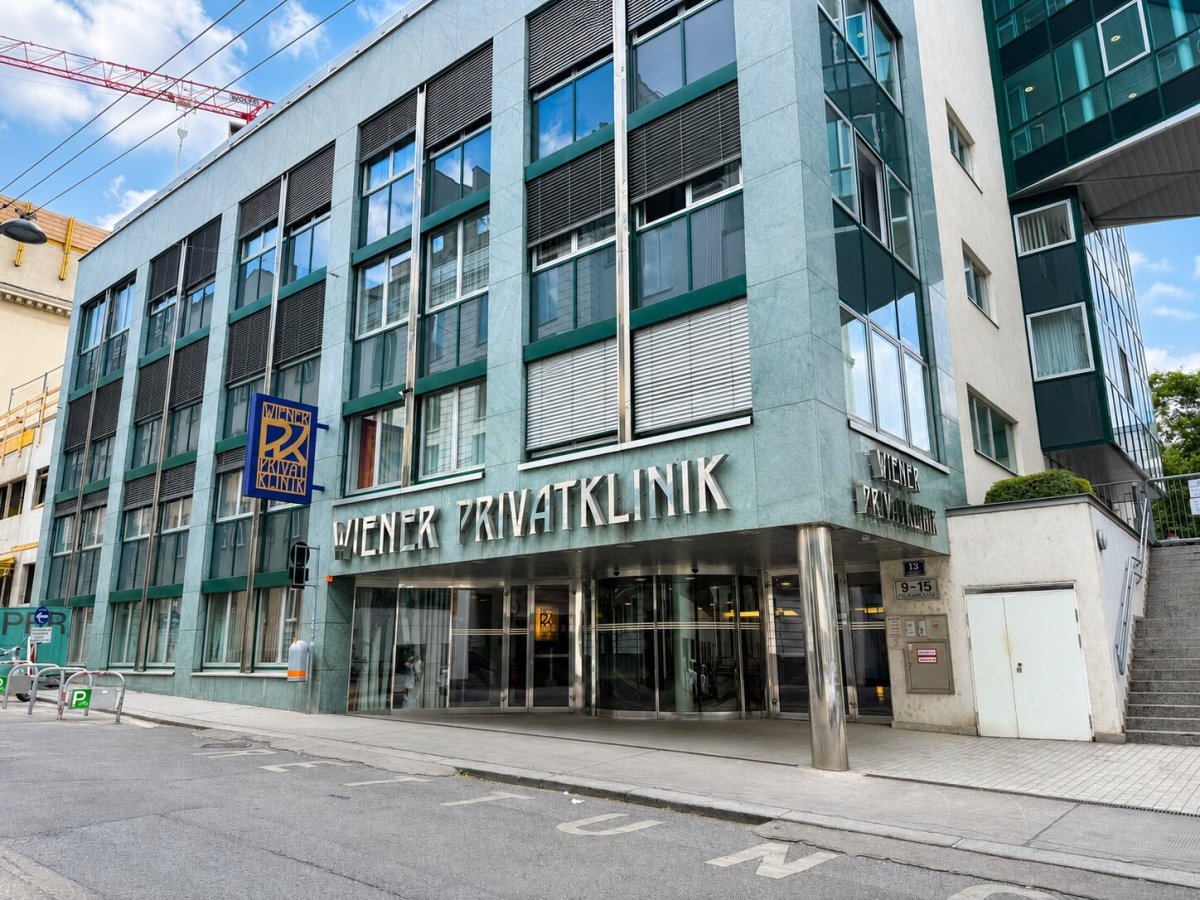
يجمع الدكتور إيمانويل سبورن بين عقود من الخبرة في جراحة العظام مع التركيز على إعادة بناء المفاصل المتقدمة والتقنيات طفيفة التوغل في عيادة فيينا الخاصة (Wiener Privatklinik).
- متخصص في إعادة بناء مفاصل الورك والركبة والكتف
- خبرة في جراحة المناظير وجراحة استبدال المفاصل
- التركيز على الحركة طويلة المدى وإعادة التأهيل
- خريج جامعة فيينا
- استشاري رائد في عيادة فيينا الخاصة

Martin Schindl
البروفيسور مارتن شيندل هو خبير نمساوي رائد في جراحة البطن المعقدة، متخصص في الإجراءات الحشوية وزراعة الأعضاء.
- أكثر من _doctor_3945_عاماً_ من الخبرة في الجراحة العامة والحشوية
- متخصص في جراحة الكبد والقنوات الصفراوية والبنكرياس
- استشاري أول في عيادة فيينا الخاصة (Wiener Privatklinik)
- أستاذ الجراحة في جامعة فيينا الطبية

Sebastian Schoppmann
يقود الدكتور سيباستيان شوبمان وحدة أورام الجهاز الهضمي والمريء في مستشفى فيينا العام، وهو متخصص في الحالات الجراحية المعقدة ولديه أكثر من 240 مقالاً بحثياً منشوراً.
- رئيس قسم خدمات الجهاز الهضمي العلوي في جامعة فيينا الطبية
- الأمين العام للجمعية النمساوية لجراحة الأورام
- الباحث الرئيسي في مجموعة أبحاث الجهاز الهضمي العلوي
- أستاذ مشارك في الجراحة مع أدوار أكاديمية واسعة
مشاركة المحتوى
قصص فيديو من مرضى Bookimed
 Anna Leonova
أسئلة متكررة حول علاج الفتق السري في النمسا
في أي الحالات يتطلب الفتق السري لدى البالغين إجراء جراحة؟
يحتاج البالغون إلى جراحة الفتق السري إذا تسبب بروز الفتق في ظهور أعراض أو حدث اختناق. وتُصبح الجراحة ضرورية في حال انقطاع التروية الدموية. هذه الحالة الخطيرة، المعروفة بالاختناق، تتطلب علاجًا فوريًا. يُنصح بإجراء جراحة اختيارية إذا تسبب الفتق في ألم أو ازداد حجمه.
- الجراحة الطارئة: ضرورية عندما ينحصر النسيج ويسبب ألمًا شديدًا أو قيئًا أو تغيرًا في لون الجلد.
- العلاج العرضي: ضروري عندما يعيق الألم رفع الأثقال أو ممارسة الرياضة أو أداء الأنشطة اليومية.
- زيادة تدريجية في الحجم: يوصى بها إذا اتسعت فتحة جدار البطن أو زاد الانتفاخ.
- الملاحظة السريرية: يمكن مراقبة الفتوق الصغيرة غير المؤلمة التي يقل حجمها عن 2 سم كجزء من نهج الانتظار اليقظ.
رأي خبراء بوكيمد: تحتل النمسا مرتبة متقدمة في التصنيفات العالمية لجودة الجراحة بفضل عيادات مثل عيادة فيينا الخاصة. تُظهر بياناتنا أن هذه المؤسسات تستند إلى خبرة جراحية تمتد لأكثر من 150 عامًا. غالبًا ما يكون الدكتور مارتن شيندل وغيره من المتخصصين أساتذة في جامعة فيينا الطبية. يضمن هذا الارتباط الأكاديمي حصول المرضى على العلاج من جراحين يُجرون أيضًا أبحاثًا متخصصة في جراحة الأحشاء.
رأي
ما هي أساليب إعادة البناء التي يستخدمها الجراحون النمساويون في أغلب الأحيان؟
يستخدم الجراحون النمساويون في المقام الأول تقنيات إصلاح الفتق السري باستخدام الشبكة الجراحية غير الملحومة وتقنيات تنظير البطن طفيفة التوغل. ويتبع جراحو الأحشاء في مراكز مثل عيادة فيينا الخاصة توصيات الجمعية الأوروبية للفتق، حيث يعطون الأولوية لتقنيات مثل إصلاح الفتق عبر الصفاق بالمنظار (TEP) وإصلاح الفتق عبر الصفاق بالمنظار (TAPP) لضمان انخفاض معدلات النكس وسرعة التعافي.
- جراحة استئصال المريء بالمنظار: جراحة طفيفة التوغل تُجرى بالكامل خارج تجويف البطن.
- تقنية إعادة بناء TAPP: نهج ما قبل الصفاق عبر البطن باستخدام شقوق صغيرة لوضع غرسة الشبكة.
- إغلاق الجروح بالغرز: تُستخدم الغرز الأولية للعيوب الصغيرة التي يقل عرضها عن 2 سم.
- تقنية ليختنشتاين: إعادة بناء مفتوحة بدون خياطة باستخدام شبكة صناعية عالية الجودة للتقوية.
مراجعة تحليلية من بوكيميد: تُظهر بيانات التنسيق أن المرضى غالبًا ما يختارون فيينا لإجراء جراحة الأعضاء الداخلية نظرًا لتركيز الأخصائيين ذوي الكفاءة العالية في بيئة أكاديمية. فعلى سبيل المثال، يجمع البروفيسور مارتن شيندل من مستشفى فيينا الخاص بين الممارسة السريرية والبحث الجامعي. وهذا يضمن حصول المرضى على بروتوكولات جراحية تستند فقط إلى الأدلة العلمية وتتوافق مع
هل يغطي التأمين الصحي الحكومي النمساوي جراحة الفتق السري؟
يُغطي نظام التأمين الصحي العام في النمسا تكلفة جراحة الفتق السري إذا كانت ضرورية طبيًا. ويُغطي هذا النظام الإلزامي تكلفة هذه العملية بالكامل لجميع السكان المُؤمَّن عليهم، بما في ذلك تكاليف الجراحة، وزرع الشبكة الجراحية، والإقامة الاعتيادية في المستشفى. ويجب على المرضى مراجعة الأطباء المُتعاقدين مع النظام، واللجوء إلى مرافق الرعاية الصحية العامة لضمان تغطية كاملة.
- الضرورة الطبية: يغطي التأمين تكلفة الجراحة لمنع حدوث مضاعفات مثل انسداد الأمعاء.
- الأطباء المتعاقدون: يجب إجراء الاستشارات فقط مع طبيب متخصص مشمول بالتأمين الصحي (Kassenarzt) لتجنب التكاليف الشخصية.
- المستشفيات العامة: يغطي التأمين الأجنحة القياسية متعددة الأسرة وجميع أنواع التخدير الجراحي.
- الرعاية الصحية الخاصة اختيارية: تتطلب العيادات الخاصة مثل عيادة فينر الخاصة الدفع النقدي أو تأمينًا إضافيًا.
رأي خبراء بوكيمد: على الرغم من أن التأمين الصحي الحكومي يغطي جميع التكاليف، إلا أن المراكز الجراحية المتخصصة في فيينا وغراتس توفر ميزة واضحة في الحالات المعقدة. فجراحون مثل الدكتور مارتن شيندل من عيادة فيينا الخاصة يحملون مناصب أستاذية في الجامعات ويجرون جراحات معقدة في الأحشاء. غالباً ما يعني اختيار الرعاية الخاص
ما هي المدة النموذجية للإقامة في المستشفى وفترة التعافي الكامل؟
يتطلب علاج الفتق السري في النمسا عادةً إقامة في المستشفى لمدة تتراوح بين يوم واحد ويوم واحد. وتتيح الجراحة التنظيرية في كثير من الأحيان الخروج من المستشفى في نفس اليوم. ويستغرق التعافي التام عادةً من 4 إلى 6 أسابيع. ويعود المرضى عادةً إلى ممارسة أنشطتهم اليومية الخفيفة أو العمل المكتبي في غضون أسبوع إلى أسبوعين.
- مدة الإقامة في المستشفى: بالنسبة لمعظم الإجراءات طفيفة التوغل، تتراوح مدة الإقامة المتوقعة من صفر إلى ليلة واحدة.
- فترة التعافي الأولية: عادةً ما يبلغ الشعور بعدم الراحة ذروته خلال أول يومين إلى خمسة أيام.
- العودة إلى العمل: عادةً ما يتم استئناف العمل المكتبي في غضون 7 أيام بعد التصحيح الجراحي.
- النشاط البدني: تتطلب الرياضات الشاقة أو رفع الأثقال عادةً من 6 إلى 8 أسابيع.
رأي خبراء بوكيميد: يؤثر اختيار المنشأة الطبية على بنية الدعم اللازمة للتعافي. تضم عيادة فينر الخاصة أكثر من 400 طبيب، العديد منهم أساتذة جامعيون. يضمن تدريبهم الأكاديمي المكثف إجراء جراحات البطن المعقدة وفقًا لأحدث البروتوكولات الجراحية. كما تضم عيادة ليتش الخاصة مختبرات نوم متخصصة ووحدات عناية مركزة. تساعد هذه الموارد المتخصصة على ضمان راحة المريض بعد الجراحة والتعافي من التخدير بشكل أكثر فع