علاج metaplasia المعدة في تركيا — احصل على 3 عيادات مختارة خصيصاً لك


تمت مراجعة المقالة طبيا من قبل
فهد مولود
كيف نعمل؟
ما هي تكلفة metaplasia المعدة إجراءات التشخيص والعلاج في تركيا؟ اعرف الآن
تعتمد التكلفة الإجمالية لعلاج التحول المعدي في تركيا على خطة العلاج الخاصة بك. يمكن أن تتراوح تكلفة التشخيص الأولي، بما في ذلك الاستشارة والفحص، من $100 إلى $140. أما الإجراءات الأكثر تخصصًا، مثل التنظير الكرومي، فتبلغ تكلفتها $1,400. وتبلغ تكلفة الفحوصات التشخيصية الإضافية مثل تنظير المعدة مع الخزعة من $750 إلى $1,600. يتم تحديد خطط العلاج الإضافية بناءً على التقييمات الفردية.
| تركيا | إسبانيا | ألمانيا | |
|---|---|---|---|
| جراحة سرطان المعدة | من $10,500 | من $28,500 | من $20,000 |
اكتشف أفضل metaplasia المعدة العيادات في تركيا: 28 خيارات معتمدة والأسعار
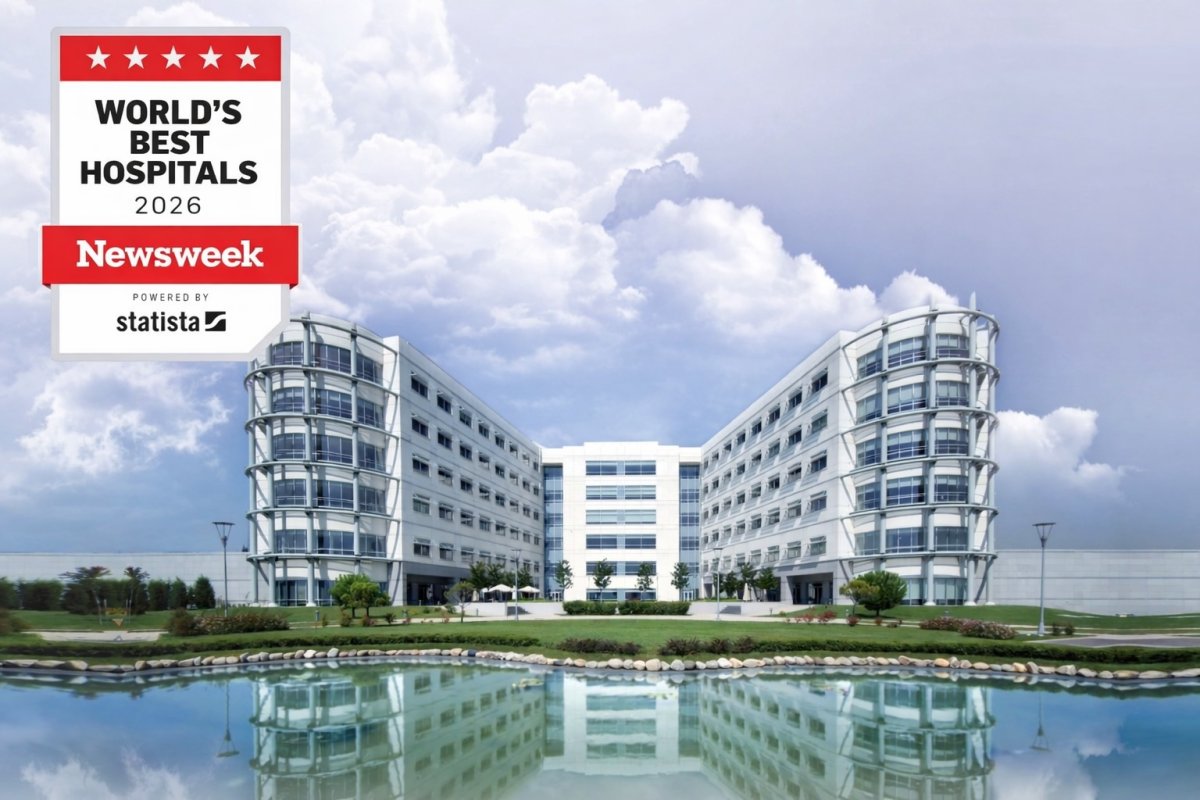








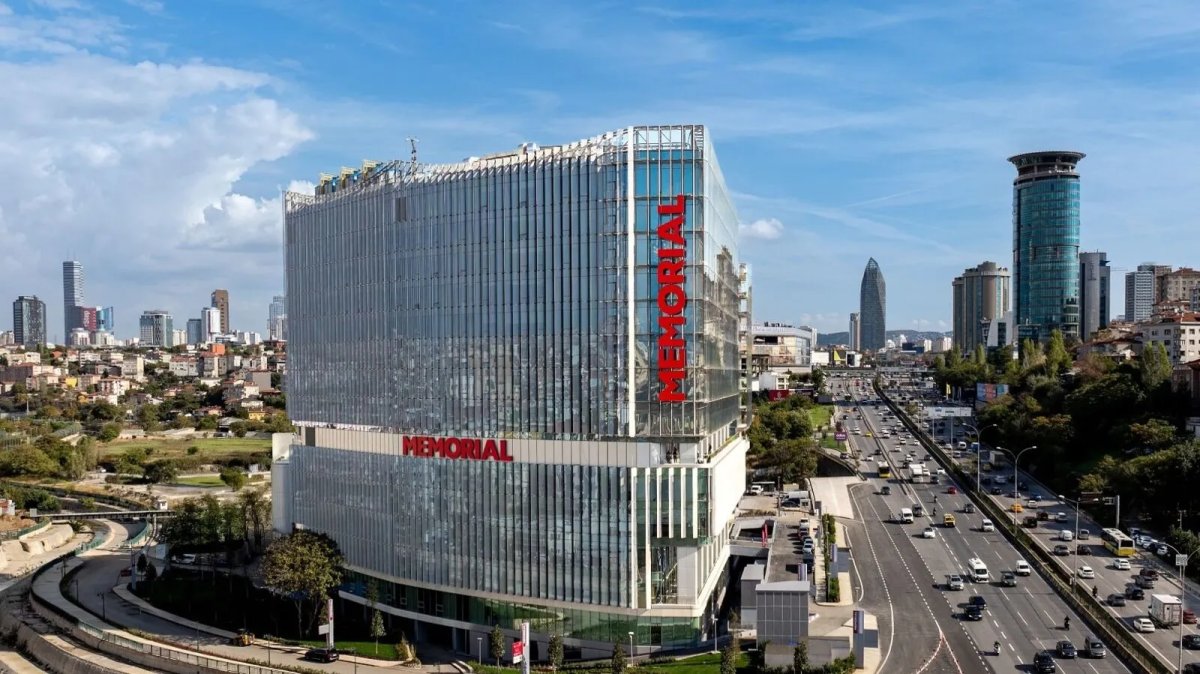
Memorial Göztepe Hospital


Memorial Ankara Hospital


احصل على تقييم طبي لـ في تركيا. استشر الآن 29 أطباء ذوي الخبرة.
عرض جميع الأطباء
Bulent Karagoz
الطبيب هو أخصائي أورام طبية تركي ذو خبرة عالية متخصص في الساركوما، الليمفوما، سرطان البنكرياس، سرطان الرئة، وسرطان الثدي. مع أكثر من 20 عامًا من الخبرة، يركز الطبيب على بيولوجيا الأورام، علم المناعة للأورام، العلاج المناعي للسرطان، والعلاجات المستهدفة. منذ عام 2019، يعمل الطبيب كأخصائي أورام طبية في مركز الأناضول الطبي وكان قد شغل سابقًا مناصب قيادية في كلية الطب بجامعة إسطنبول أوكان ومستشفى التدريب غاتا حيدر باشا. قام الطبيب بتأليف أكثر من 40 منشورًا في أبحاث السرطان وهو عضو في جمعية الأورام

Abdulcabbar Kartal
الدكتور عبد الجبار كارتال هو جراح قولون ومستقيم وجراح عام في مركز الأناضول الطبي. وهو متخصص في جراحة HIPEC وجراحات السمنة. أجرى أكثر من 500 عملية جراحية للسمنة. الدكتور كارتال حاصل على شهادة من الجمعية الأوروبية لجراحة القولون والمستقيم (FEBS-C). يعمل في عيادة تابعة لـ Johns Hopkins Medicine.
- أكمل أكثر من 650 عملية جراحية في كبرى المستشفيات في تركيا.
- حاصل على شهادة من الجمعية الجراحية التركية لمؤهلاته الجراحية.
- يستخدم تقنيات الليزر لأمراض البواسير والإجراءات الت

Vafi Atalay
الدكتور وافي أتالاي جراح أورام وجراحة عامة ذو خبرة تزيد عن 17 عامًا. يختص في جراحات البنكرياس والقولون والمستقيم والكبد، ويجري أيضًا إجراءات تنظيرية متقدمة. نشر 31 مقالة في مجلات محلية ودولية، مساهماً بشكل كبير في الأدبيات الطبية.
حصل على الجائزة الأولى في مسابقة الأبحاث بالمؤتمر العشرين، وجائزة أفضل بحث في المؤتمر الخامس لجراحة الأبحاث. الدكتور أتالاي عضو في الجمعية التركية للجراحة، وجمعية الأطباء الفلسطينيين، والجمعية الدولية للجراحة، ويعكس نشاطه في هذه المنظمات التزامه بالتطور المه
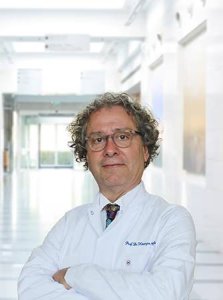
Huseyin Baloglu
البروفيسور حسين بال أوغلو اختصاصي علم الأمراض في مركز الأناضول الطبي بغبزه، كوجالي، تركيا. يركز على علم الأمراض الجزيئي، وعلم الأمراض الجراحي، وخزعات الأورام والتشخيص.
التعليم والاعتمادات: دكتوراه في الطب، كلية طب غاتا (1986). تدريب تخصصي في علم الأمراض، غاتا (1992). أستاذ مشارك (Doçent)، غاتا (2004). باحث زائر في كلية طب ألبرت آينشتاين (نيويورك) وجامعة هايدلبرغ.
الإنجازات: مؤلف لأكثر من 600 منشور مُحكَّم. يحمل براءة اختراع في التشخيص الجزيئي لسرطان الغدة الدرقية. يقود خدمات الخ
مشاركة المحتوى
قصص فيديو من مرضى Bookimed
 Anna Leonova
أسئلة متكررة حول علاج metaplasia المعدة في تركيا
ما الذي يتضمنه علاج الحؤول المعوي المعدي في تركيا؟
يركز علاج الحؤول المعوي المعدي في تركيا على إدارة عوامل الخطر والمراقبة الصارمة. تشمل الاستراتيجيات الأساسية القضاء على بكتيريا الملوية البوابية (H. pylori)، ومثبطات مضخة البروتون، وتنظير المراقبة عالي الدقة. تستخدم المراكز المعتمدة من قبل اللجنة الدولية المشتركة (JCI) تقنيات تصوير متقدمة لتتبع التغيرات وإجراء عمليات استئصال بالمنظار إذا تطور خلل تنسجي.
- القضاء على H. pylori: يصف الأطباء بروتوكولات مستهدفة من المضادات الحيوية ومثبطات الحموضة للقضاء على العدوى البكتيرية.
- المراقبة بالمنظار: يسمح تنظير المعدة عالي الدقة بفحص شامل ورسم خرائط لغشاء المعدة المخاطي.
- إدارة المخاطر: يؤكد المتخصصون على تعديلات نمط الحياة مثل الإقلاع عن التدخين لمنع التطور إلى خلل تنسجي.
- التدخل الجراحي: بالنسبة للحالات المتقدمة أو السرطان المبكر، يجري الجراحون إجراءات مثل استئصال المعدة الكلي.
رؤية خبير بوكيميد (Bookimed): تظهر مراكز الأورام التركية تركيزاً قوياً على الجاهزية الجراحية المتقدمة حتى لمراقبة ما قبل السرطان. على سبيل المثال، أجرى الدكتور كيفانش ديريا بيكر في مستشفى هيسار أكثر من 600 إجراء معقد. يضمن هذا الحجم أنه إذا تقدم الحؤول، فإن المرضى يكونون بالفعل داخل أنظمة قادرة على التدخل الجذري الفوري. تحافظ العديد من المستشفيات الرائدة مثل مركز الأناضول الطبي على شراكات مع جونز هوبكنز لضمان دقة تشخيصية موحدة.
إجماع المرضى: يشير المرضى إلى أن الرعاية تركز بشكل أساسي على المراقبة بدلاً من العلاج لمرة واحدة. ويؤكدون أن العيادات الخاصة ا
هل يوجد أخصائيون للحؤول المعوي المعدي في إسطنبول أو أنقرة؟
يتوفر أخصائيون مؤهلون تأهيلاً عاليًا للحؤول المعوي المعدي في إسطنبول وأنقرة. يتخصص كبار أطباء الجهاز الهضمي في مركز الأناضول الطبي ومجموعة ميموريال الصحية في مراقبة ما قبل السرطان. توفر هذه المراكز المعتمدة من اللجنة الدولية المشتركة (JCI) تنظيرًا معديًا متقدمًا ورسم خرائط خزعات نظامية للتشخيص والإدارة الدقيقة.
- مراكز متخصصة: مركز الأناضول الطبي في إسطنبول تابع لمستشفى جونز هوبكنز.
- التشخيص المتقدم: يستخدم الأخصائيون التنظير المعدي عالي الدقة لرسم الخرائط النظامية والخزعات الموجهة.
- جراحون خبراء: أجرى الدكتور كيفانج ديريا بيكر أكثر من 400 إجراء لسرطان المعدة.
- الحجم السريري: يخدم مستشفى ميديبول ميجا الجامعي أكثر من مليون مريض سنويًا للرعاية المعقدة.
رؤية خبراء Bookimed: بينما يبحث الكثيرون عن جراحين عامين، فإن المفتاح للحؤول المعوي هو طبيب جهاز هضمي لديه تدريب متقدم في التنظير. يوفر الدكتور كيفانج ديريا بيكر أو الدكتور ناميك أوزكان مستوى إضافيًا من الأمان لأنهم أخصائيون في جراحة الجهاز الهضمي. تضمن هذه الخبرة المزدوجة أنه إذا كشفت المراقبة عن تغيرات، فيمكنهم الانتقال فورًا من المراقبة إلى التدخل الجراحي.
إجماع المرضى: يؤكد المرضى على أهمية العثور على طبيب يقوم بإجراء خزعات رسم خرائط نظامية بدلاً من مجرد فحوصات بصرية. ويشيرون إلى أنه من الضروري وضع خطة مراقبة طويلة الأمد لإدارة المخاطر بفعالية.
هل الحؤول المعوي الكامل أم غير الكامل أكثر خطورة، وهل يمكن عكسه؟
الحؤول المعوي غير الكامل أكثر خطورة من الحؤول الكامل. فهو يحمل خطرًا أكبر للإصابة بسرطان المعدة. وعلى الرغم من صعوبة العكس، فإن القضاء على الملوية البوابية (H. pylori) وتقليل الالتهاب يمكن أن يثبتا الغشاء المخاطي للمعدة. تظل المراقبة من خلال التنظير المعدي عالي الجودة هي المعيار لمراقبة التغيرات الخلوية.
- ملف المخاطر: يُظهر الحؤول غير الكامل خلايا مختلطة غير منتظمة وإمكانية أكبر للتحول إلى خبيثة.
- إمكانية العكس: قد يؤدي القضاء على الملوية البوابية إلى وقف التقدم أو السماح بتحسن الغشاء المخاطي.
- بروتوكولات المراقبة: يوصي الأخصائيون برسم خرائط الخزعة والتنظير الدوري للمرضى المعرضين لخطر كبير.
- الرعاية الوقائية: يساعد معالجة المهيجات المزمنة مثل التدخين والكحول في منع التحولات السرطانية.
رؤية خبراء Bookimed: تحافظ مراكز الأورام التركية مثل مركز الأناضول الطبي على شراكات مع مؤسسات مثل جونز هوبكنز لتطبيق المعايير الدولية لصحة المعدة. تُظهر البيانات أن الجراحين الخبراء مثل الدكتور كيفانج ديريا بيكر أو الدكتور وافي أتالاي غالبًا ما يتعاملون مع حالات يكون فيها الحؤول قد تقدم بالفعل. يمكن أن يؤدي الكشف المبكر أثناء التنظير المعدي الروتيني في إسطنبول إلى إدارة أبسط قبل أن تصبح الجراحات الجذرية باهظة الثمن، والتي قد تتراوح تكلفتها بين 10,500 و 24,800 دولار، ضرورية.
إجماع المرضى: يلاحظ المرضى أنه من الضروري طلب تحديد نوع الحؤول بوضوح من مختبرات علم الأمراض. ويؤكدون أن إدارة الالتهاب والملوية البوابية أكثر واقعية من توقع اختفاء ا
ما الذي يجب أن أحضره لاستشارة في تركيا بخصوص الحؤول المعدي؟
للتحضير لاستشارة في تركيا، يجب عليك إحضار تقارير التنظير الأخيرة، ونتائج الخزعات، وشرائح علم الأمراض. يتطلب أطباء الجهاز الهضمي الأتراك تاريخًا طبيًا محددًا لتحديد ما إذا كان التدخل الجراحي، مثل استئصال المعدة، ضروريًا. تأكد من حصولك على نسخ رقمية ومادية من جميع السجلات.
- تقارير علم الأمراض: أحضر النتائج التفصيلية، وليس التشخيص فقط، لتأكيد نوع الحؤول.
- نتائج التشخيص: قم بتضمين نتائج اختبار الملوية البوابية (H. pylori) وتحاليل الدم الأخيرة للحديد وفيتامين B12.
- الأدوية الحالية: أدرج جميع المكملات الغذائية، ومضادات الحموضة، ومضادات الالتهاب غير الستيروئيدية مع جرعاتها اليومية الدقيقة.
- الجدول الزمني للأعراض: سجل حالات الارتجاع أو فقدان الوزن أو الشعور بالشبع المبكر لمساعدة الأخصائي.
رؤية خبراء Bookimed: تُظهر بياناتنا أن عيادات مثل مركز الأناضول الطبي تستخدم تقنيات فغر اللفائفي الأنبوبي المتخصصة التي تتجنب جراحات الإغلاق الإضافية. عند إحضار سجلاتك، سلط الضوء على أي علاجات سابقة للملوية البوابية. يعطي الجراحون الذين لديهم أكثر من 400 إجراء معدي متخصص، مثل الدكتور كيفانج ديريا بيكر، الأولوية لسجلات الاستئصال هذه لاتخاذ قرار بين المراقبة أو الجراحة.
إجماع المرضى: يلاحظ المرضى أنه من المهم إحضار تقارير علم الأمراض بنسختين رقمية ومطبوعة. وغالبًا ما يقترحون تجهيز ملخص من صفحة واحدة للأعراض والعلاجات السابقة ليطلع عليه الطبيب.
ما هي تغييرات نمط الحياة الموصى بها جنبًا إلى جنب مع العلاج الطبي؟
توصي مراكز الأورام التركية المعتمدة من JCI بتحسين النظام الغذائي والإقلاع عن التبغ للتحكم بفعالية في التغير المعدي (metaplasia). يبلغ المرضى الذين يركزون على نظام غذائي متوسطي والتحكم في ارتجاع الحمض عن تحسن في الأعراض. تظل المراقبة الطبية من خلال تنظير المعدة ضرورية إلى جانب تعديلات نمط الحياة الحاسمة هذه لمنع تفاقم المرض.
- التركيز الغذائي: التأكيد على وجبات غنية بالمغذيات ونباتية في الغالب مع تجنب الأطعمة الحارة أو الحمضية أو المصنعة.
- إدارة الارتجاع: تناول حصص أصغر وتجنب الاستلقاء لمدة 3 ساعات بعد الوجبات.
- تجنب المواد: التوقف عن التدخين وتقليل الكحول لمنع المزيد من تهيج المعدة والمريء.
- تقليل التوتر: ممارسة تمارين التنفس لمدة 10 دقائق مرتين يوميًا لتقليل الالتهاب وضيق الجهاز الهضمي.
رؤية خبير Bookimed: تطبق مراكز الأورام التركية مثل مركز "Anadolu" الطبي معايير "Johns Hopkins" على بروتوكولات نمط الحياة. يُظهر تحليلنا أن العيادات التي تتمتع بخبرة جراحية عالية الحجم، مثل عيادة الدكتور كيفانج ديريا بيكر التي أجرت أكثر من 400 عملية جراحية في المعدة، تؤكد على المراقبة بعد العملية. يساعد الجمع بين تناول وجبات الطعام في وقت مبكر من اليوم والمشي بانتظام في الحفاظ على الوزن وتثبيت استقرار بيئة الجهاز الهضمي العلوي بعد العلاج.
إجماع المرضى: يشير المرضى إلى أهمية رفع رأس السرير للتحكم في أعراض الارتجاع بفعالية. يؤكد الكثيرون أنه على الرغم من أن تغييرات نمط الحياة تساعد، إلا أنه لا يجب أبدًا تخطي تنظير المراقبة المجدول والاست