metaplasia المعدة العلاج في بولندا - التكاليف 2026


تمت مراجعة المقالة طبيا من قبل
فهد مولود
ما هي تكلفة metaplasia المعدة إجراءات التشخيص والعلاج في بولندا؟ اعرف الآن
من $150. إذا كانت هناك حاجة إلى تدخل متقدم، فإن تكلفة جراحة سرطان المعدة تتراوح من $9,500 إلى $15,500. تعتمد النفقات الإجمالية على نتائج الأنسجة، والحاجة إلى الاستئصال الجراحي، ومستوى اعتماد العيادة. يوفر المرضى ما بين 60-70% مقارنة بالأسعار في الولايات المتحدة. وتعد وارسو وكراكوف وفروتسواف من أهم المراكز الطبية.
متوسط تكاليف علاج الحؤول المعدي في بولندا
- تنظير المعدة: من $150
- استشارة طبيب أمراض الجهاز الهضمي: من $90
- استشارة طبيب الأورام: من $50
- جراحة سرطان المعدة: $9,500 – $15,500
رؤية خبراء Bookimed: يجب على المرضى ذوي المخاطر العالية الذين يحتاجون إلى مراقبة دقيقة إعطاء الأولوية للمراكز التي تضم أقسام تشخيص متقدمة. يُعد المركز الأوروبي الصحي في أوتفوك (European Health Center Otwock) أول مستشفى خاص متخصص في الأورام في بولندا، وهو مثالي لحالات أمراض القلب والأورام المعقدة. بالنسبة للمرضى الدوليين الذين يبحثون عن رعاية مبسطة، تقدم عيادة KCM باقات متخصصة ومعايير جودة معتمدة من ISO. توفر هذه المرافق قيمة أفضل من المستشفيات العامة لمراقبة أمراض الجهاز الهضمي المزمنة.
| بولندا | تركيا | إسبانيا | |
|---|---|---|---|
| جراحة سرطان المعدة | ≈ $9,500 | من $10,500 | من $28,500 |
مزاياك وضماناتك مع Bookimed
أسعار مباشرة
Bookimed لا يضيف رسوماً إضافية على أسعار علاج metaplasia المعدة. الأسعار مأخوذة من قوائم الأسعار الرسمية للعيادات. تدفع مباشرة في العيادة مقابل علاجك عند وصولك إلى البلد.
عيادات وأطباء معتمدون فقط
Bookimed ملتزم بسلامتك. نحن نعمل فقط مع المؤسسات الطبية التي تحافظ على معايير دولية عالية في علاج metaplasia المعدة ولديها التراخيص اللازمة لخدمة المرضى الدوليين في جميع أنحاء العالم.
مساعدة مجانية على مدار الساعة
Bookimed يقدم مساعدة خبراء مجانية. منسق طبي شخصي يدعمك قبل وأثناء وبعد العلاج، ويحل أي مشاكل. لن تكون وحيداً أبداً في رحلة علاج metaplasia المعدة.

منسقك الطبي الشخصي في Bookimed
- يدعمك في كل مرحلة
- المساعدة في اختيار العيادة الطبية المناسبة والطبيب المناسب
- يضمن الوصول السريع والمريح إلى المعلومات
اكتشف أفضل metaplasia المعدة العيادات في بولندا: 2 خيارات معتمدة والأسعار



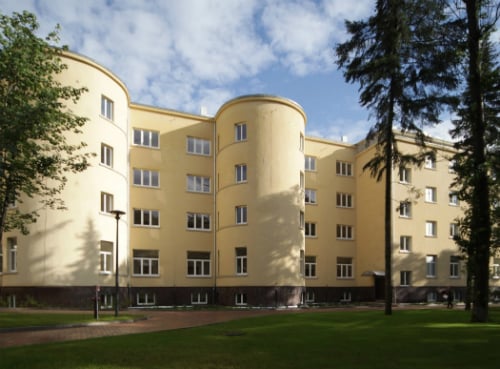
European Health Center Otwock
مشاركة المحتوى
قصص فيديو من مرضى Bookimed
 Anna Leonova
أسئلة متكررة حول علاج metaplasia المعدة في بولندا
ما هو العلاج الطبي القياسي للحؤول المعدي في العيادات البولندية؟
يركز العلاج الطبي القياسي في بولندا على القضاء على بكتيريا الملوية البوابية (Helicobacter pylori) والمراقبة التنظيرية المصنفة حسب المخاطر. تتبع العيادات البولندية إرشادات الجمعية الأوروبية للتنظير الهضمي لمنع تطور الحالة. يتضمن العلاج حماية الغشاء المخاطي على المدى الطويل باستخدام مثبطات مضخة البروتون إلى جانب تعديلات صارمة في نمط الحياة لتقليل تهيج المعدة.
- القضاء على البكتيريا: يستخدم الأطباء علاجاً رباعياً لمدة 10-14 يوماً يجمع بين المضادات الحيوية والبزموت.
- المراقبة التنظيرية: يقوم تنظير المعدة عالي الدقة مع التنظير الصبغي الافتراضي برسم خرائط لتغيرات الأنسجة كل 1-3 سنوات.
- التدخل المتقدم: يقوم المتخصصون بإجراء استئصال الغشاء المخاطي بالتنظير لإزالة الآفات عالية الخطورة دون جراحة.
- الإدارة الغذائية: تؤكد البروتوكولات على التخلص من اللحوم المدخنة والكحول والأطعمة الحارة لشفاء الغشاء المخاطي.
رؤية خبير Bookimed: بينما يبحث العديد من المرضى عن رعاية عامة في أمراض الجهاز الهضمي، يبرز المركز الأوروبي للصحة في أوتفوك كأول مستشفى خاص في بولندا يركز على تخصص القلب والأورام متعدد التخصصات. هذا التخصص ضروري للمرضى الذين يعانون من حؤول واسع النطاق ويحتاجون إلى مراقبة طويلة الأمد، حيث يضمن إدارة المخاطر الأورامية المحتملة من قبل بنية تحتية مخصصة للأورام بدلاً من عيادة جراحية عامة.
إجماع المرضى: يشير المرضى إلى أنه على الرغم من أن التشخيص يبدو مقلقاً، إلا أن الأطباء يؤكدون أنه علامة خطر يمكن إدارتها وليس سرطانًا نشطًا. وغالب
هل يمكن علاج الحؤول المعدي أو عكسه تماماً؟
الحؤول المعدي قابل للعكس جزئياً ويمكن أن يستقر إذا تمت إزالة المحفزات الكامنة في وقت مبكر. تسمح المرونة الخلوية بتراجع تلف الغشاء المخاطي على مدى 3 إلى 5 سنوات بعد العلاج الناجح. ومع ذلك، يظل التخلص الكامل من الحؤول عبر بطانة المعدة بأكملها أمراً نادراً ويصعب ضمانه.
- استئصال الملوية البوابية (H. pylori): يقلل العلاج بالمضادات الحيوية من الالتهاب المزمن ويحفز تراجع الأنسجة التدريجي.
- إدارة المحفزات: السيطرة على ارتجاع الصفراء، أو الضرر الحمضي، أو استخدام مضادات الالتهاب غير الستيروئيدية يمنع توسع الحؤول.
- تغييرات نمط الحياة: الإقلاع عن التدخين وتجنب الأطعمة الغنية بالملح يعيد بيئة مخاطية صحية.
- المراقبة المنتظمة: تنظير المعدة المتكرر مع أخذ خزعات يراقب البطانة للكشف عن التغيرات الخلوية.
رؤية خبير Bookimed: تعد بولندا خياراً استراتيجياً للتشخيص المعدي بسبب التركيز العالي للمراكز المتخصصة مثل المركز الأوروبي للصحة في أوتفوك. هذا المرفق فريد من نوعه لأنه يدمج الأورام مع قسم مخصص لأمراض القلب والأورام. هذا النهج متعدد التخصصات حيوي للمرضى الذين يعانون من الحؤول ولديهم مخاوف صحية ثانوية. في عيادات مثل KCM، التي تخدم 2500 مريض سنوياً، يوفر التركيز على التشخيصات طفيفة التوغل مساراً واضحاً للمراقبة طويلة الأمد المطلوبة لإدارة هذه الحالة.
إجماع المرضى: يؤكد المرضى أن الشعور بالتحسن لا يعني دائماً أن التغيرات الخلوية قد اختفت. ويشيرون إلى أن الدليل الحقيقي على التحسن يأتي فقط من نتائج علم الأمراض أثناء تنظير المتابعة.
ما هي بروتوكولات المراقبة بالمنظار التي يتبعها أطباء الجهاز الهضمي البولنديون؟
يتبع أطباء الجهاز الهضمي البولنديون إرشادات الجمعية الأوروبية للتنظير الهضمي (ESGE) وتعديلات الجمعية البولندية لأمراض الجهاز الهضمي (PTG-E). يخضع المرضى الذين يعانون من حؤول معدي واسع النطاق في الغار وجسم المعدة لتنظير المعدة كل 3 سنوات. تضمن قواعد البيانات الوطنية المتكاملة مراقبة موحدة لآفات المعدة السابقة للسرطان.
- تكرار المراقبة: يتطلب الحؤول الواسع إجراء تنظير علوي كل 3 سنوات للمراقبة.
- النتائج الموضعية: الحؤول المقتصر على الغار لا يتطلب عادةً متابعة تنظيرية مجدولة.
- تكنولوجيا التشخيص: يستخدم المتخصصون التنظير اللوني الافتراضي عالي الدقة لأخذ خزعات دقيقة وموجهة من الغشاء المخاطي.
- تصنيف المرضى: تعتمد فترات المراقبة على عوامل الخطر النسيجية وحالة القضاء على بكتيريا الملوية البوابية (H. pylori).
رؤية خبير Bookimed: غالبًا ما ترتبط مؤشرات الجودة لرعاية المعدة في بولندا بالخبرة متعددة التخصصات. يدير المركز الصحي الأوروبي في أوتفوك القسم الوحيد لأمراض القلب والأورام في البلاد. يعكس هذا التخصص معيارًا أعلى لإدارة مخاطر الأورام لدى المرضى المعقدين. يجب على المرضى إعطاء الأولوية للعيادات التي تضم أقسام أورام متكاملة لمراقبة الحؤول المعدي.
إجماع المرضى: يشير المرضى إلى أن المراقبة ليست نهجًا واحدًا يناسب الجميع وتعتمد بشكل كبير على الصياغة الدقيقة لعلم الأمراض. يؤكد الكثيرون أن تأكيد القضاء على بكتيريا الملوية البوابية هو الخطوة الأولى الحيوية قبل تحديد جدول زمني طويل الأمد لإعادة التنظير.
ماذا يحدث إذا تطور الحؤول المعدي إلى خلل تنسج؟
يمثل تطور الحؤول المعدي إلى خلل تنسج تحولاً إلى حالة ما قبل سرطانية حيث تصبح خلايا المعدة غير طبيعية. يحمل خلل التنسج عالي الدرجة خطراً يتراوح بين 60% إلى 85% للتطور إلى سرطان غدي. يتطلب هذا الانتقال تدخلاً سريرياً استباقياً مثل الاستئصال بالمنظار أو المراقبة الصارمة عبر خزعات المسح.
- خطر الإصابة بالسرطان: غالباً ما يتطور خلل التنسج عالي الدرجة إلى سرطان معدة غازٍ في غضون عام واحد.
- تغير العلاج: ينتقل الأطباء من المراقبة البسيطة إلى إجراءات الاستئصال المخاطي بالمنظار (EMR).
- التغير البيولوجي: تخضع الخلايا لطفرات هيكلية وجينية كبيرة، متبعة مسار شلال كوريا (Correa Cascade).
- تكرار المراقبة: يحتاج المرضى إلى تنظير معدة متكرر مع خزعات مسح لتتبع المزيد من التغيرات الخلوية.
رؤية خبير Bookimed: توفر مراكز الأورام البولندية مثل المركز الأوروبي للصحة في أوتفوك رعاية تخصصية متعددة التخصصات للحالات المعقدة. بينما تركز العديد من العيادات على الجراحة العامة، فإن العثور على مركز به أقسام مخصصة لأمراض القلب والأورام يعد أمراً حيوياً للمرضى الذين يعانون من أمراض قلب كامنة. تشير البيانات إلى أن العيادات ذات الحجم الكبير مثل عيادة KCM، التي تخدم أكثر من 2500 مريض سنوياً، تقدم برامج دولية منظمة تعمل على تبسيط جدولة التدخلات التنظيرية العاجلة.
إجماع المرضى: يشير المرضى إلى أن تشخيص خلل التنسج غالباً ما يكون مخيفاً. يجد معظمهم أن الأطباء يعاملونه كمرحلة يمكن إدارتها حيث يمكن للإزالة بالمنظار منع السرطان تماماً.
ما هي التغييرات الغذائية ونمط الحياة التي يجب أن أقوم بها أثناء علاج الحؤول (metaplasia)؟
تركز التغييرات الغذائية ونمط الحياة لعلاج الحؤول المعدي على تقليل تهيج الغشاء المخاطي والالتهاب الخلوي. يؤكد أطباء الجهاز الهضمي البولنديون على اتباع نظام غذائي منخفض الملح وقائم على النباتات وغني بمضادات الأكسدة مثل فيتامين C و E. يجب على المرضى التوقف عن التدخين وتناول الكحول. هذه العوامل تسرع بشكل كبير من التغيرات الخلوية غير الطبيعية في بطانة المعدة.
- تقليل الصوديوم: قلل من الأطعمة المصنعة والملح لإبطاء تقدم أنسجة المعدة.
- تناول مضادات الأكسدة: تناول التوت الطازج والخضروات الورقية والفلفل الحلو لإصلاح الخلايا.
- تكرار الوجبات: انتقل إلى 5 أو 6 وجبات صغيرة لمنع الإفراط في إنتاج الحمض.
- تجنب المهيجات: تخلص من الأطعمة المقلية والكافيين ومضادات الالتهاب غير الستيروئيدية مثل الإيبوبروفين لحماية البطانة.
رؤية خبير Bookimed: بينما تعد التغييرات الغذائية ضرورية، تؤكد مراكز الأورام البولندية مثل المركز الصحي الأوروبي في أوتفوك على المراقبة التشخيصية المنتظمة. تظهر بياناتنا أن أفضل العيادات تدمج رعاية القلب والأورام متعددة التخصصات. وهذا يضمن أن إدارة التهاب المعدة لا تؤثر سلبًا على المرضى الذين يعانون من مشاكل قلبية وعائية موجودة مسبقًا أثناء العلاجات المكثفة.
إجماع المرضى: يلاحظ المرضى أن الاحتفاظ بسجل طعام لمدة 3 أسابيع أكثر فعالية من اتباع نظام غذائي عام. يجد معظمهم أن تناول العشاء قبل 3 ساعات من النوم وتجنب النبيذ يقلل بشكل كبير من الشعور بالحرقان وعدم الراحة في الليل.
ما مدى جودة جراحة الأعصاب في بولندا؟
تُقدم جراحة الأعصاب في بولندا رعاية عالية الجودة في مرافق معتمدة من قبل اللجنة الدولية المشتركة (JCI) والمنظمة الدولية للمعايير (ISO). يلتزم جراحو الأعصاب البولنديون بمعايير تدريب صارمة معتمدة من قبل الاتحاد الأوروبي. وقد أكمل العديد منهم زمالات في الولايات المتحدة أو ألمانيا. وتتوفر التقنيات المتقدمة، مثل جهاز سايبر نايف وجهاز جاما نايف والأنظمة الروبوتية، على نطاق واسع في المراكز الخاصة.
- المؤهلات التخصصية: غالباً ما يكون الأطباء أعضاء في الرابطة الأوروبية لجمعيات جراحة الأعصاب.
- التقنيات المتقدمة: تستخدم العيادات أنظمة CyberKnife والموجات فوق الصوتية المركزة الموجهة بالرنين المغناطيسي لعلاج الدماغ غير الجراحي.
- الحجم السريري: تعالج المراكز الرائدة مثل مستشفى الجامعة في كراكوف أكثر من 455000 مريض سنوياً.
- جراحون ذوو خبرة: أجرى الدكتور ماسيج بوجكو من مستشفى كارولينا أكثر من 2500 عملية جراحية بمفرده.
رأي خبراء بوكيمد: تُظهر البيانات وجود علاقة وثيقة بين تخصص العيادة وأصول مرضاها. تعالج عيادة KCM أكثر من 700 مريض دولي سنويًا، وهي متخصصة في جراحة العمود الفقري طفيفة التوغل. يُمكّنها هذا الحجم من العمل من تقديم باقات خدمات متخصصة، تشمل غالبًا حواجز تشخيصية وزرعات محددة،
ما هي مؤهلات جراحي الأعصاب البولنديين؟
يُعدّ جراحو الأعصاب البولنديون متخصصين ذوي كفاءة عالية، إذ أتموا ما لا يقل عن 13 عامًا من التدريب الطبي المكثف. يشمل ذلك ست سنوات من الدراسة في كلية الطب، و13 شهرًا من التدريب العملي، وست سنوات من الإقامة. ويجب عليهم اجتياز امتحان التخصص الحكومي (PES)، وغالبًا ما يحصلون على شهادة من الجمعية الأوروبية لجمعيات جراحة الأعصاب (EANS).
- التعليم: يتلقى الأطباء تعليمهم الطبي (الطب) بعد 6 سنوات من الدراسة في الجامعة.
- التخصص: تشمل الإقامة 6 سنوات من التدريب المعياري في جراحة الأعصاب السريرية وعلم الأشعة العصبية.
- حجم العمليات الجراحية: غالبًا ما يقوم الأطباء المقيمون بإجراء أكثر من 1000 عملية جراحية، وهو ما يتجاوز متوسط حجم التدريب في المناطق الأخرى.
- الشهادات: العديد من المتخصصين أعضاء في منظمة AO Spine أو الجمعية البولندية لجراحة العمود الفقري.
رأي خبراء بوكيميد: تشير البيانات إلى أن جراحي الأعصاب البولنديين غالبًا ما يتخصصون في تقنيات بالغة التخصص، مثل نظام ApiFix أو نظام SED-YESS لتنظير الفقرات القطنية. ويجمع أخصائيون مثل الدكتور ستانيسواف كويك من عيادة KCM بين أبحاث ما بعد الدكتوراه والممارسة الجراحية النشطة. هذا المزيج من المعرفة الأكاديمية المتعمقة والخبرة الجراحية الوا
ما هي أفضل عيادات جراحة الأعصاب في بولندا؟
من بين أفضل عيادات جراحة الأعصاب في بولندا مستشفى كارولينا، وعيادة KCM، ومراكز أكاديمية رائدة مثل مستشفى جامعة كراكوف. تقدم هذه المؤسسات علاجات متطورة لأمراض العمود الفقري والدماغ، مطابقة لمعايير الجودة ISO، وتضم أخصائيين أعضاء في منظمات دولية مثل AO Spine.
- مستشفى كارولينا: مركز التميز الطبي التابع للفيفا، والمتخصص في جراحات العمود الفقري المعقدة ذات التدخل الجراحي المحدود.
- عيادة KCM: معترف بها دوليًا لجودة إجراءات تنظير العمود الفقري، وتخدم أكثر من 700 مريض دولي سنويًا.
- مستشفى جامعة كراكوف: مركز متعدد التخصصات كبير يقوم بإجراء أكثر من 800 عملية جراحية عصبية سنوياً منذ عام 1788.
- لوكسميد: مركز طبي خاص مرموق في وارسو متخصص في جراحة العمود الفقري المتقدمة للمرضى الدوليين.
رأي خبراء بوكيمد: بينما يتجه الكثيرون إلى أكبر المستشفيات، تُظهر البيانات أن عيادات مثل مستشفى كارولينا تُقدم كفاءة أعلى في العمليات الجراحية الاختيارية. فمع وجود أكثر من 40 طبيباً متخصصاً في هذه المنشأة التي تضم 30 سريراً، تكون نسبة الأطباء إلى المرضى أعلى بكثير مما هي عليه في المراكز الجامعية الحكومية. وهذا يعني رعاية ما بعد الجراحة أكثر عناية، وجدولة أسرع بكثير لإجراءات مثل علاج الانزلاق الغضروفي
ما هي أكثر العمليات الجراحية العصبية شيوعاً في بولندا؟
في بولندا، يركز طب جراحة الأعصاب بشكل أساسي على جراحات العمود الفقري واستئصال أورام الدماغ. وتُجري المستشفيات بشكل متكرر عمليات استئصال القرص المجهرية، ودمج الفقرات، وتحفيز الدماغ العميق. وتستخدم مراكز مثل مستشفى كارولينا وعيادة كي سي إم تقنيات طفيفة التوغل لعلاج الانزلاق الغضروفي، وإصابات العمود الفقري، والاضطرابات العصبية المعقدة.
- جراحة العمود الفقري: يعتبر استئصال القرص واستئصال الصفيحة الفقرية من العلاجات الشائعة لانزلاق القرص.
- علم الأورام العصبية: يقوم الأخصائيون بإجراء عمليات جراحية لإزالة أورام الدماغ باستخدام معدات حديثة مثل تقنية سايبر نايف.
- جراحة الأعصاب الوظيفية: يستخدم التحفيز العميق للدماغ (DBS) على نطاق واسع لعلاج اضطرابات الحركة.
- التقنيات طفيفة التوغل: يستخدم الجراحون تقنيات التنظير الداخلي لتخفيف الضغط عن العمود الفقري وعلاج أورام الغدة النخامية.
رأي خبراء بوكيميد: أصبحت بولندا مركزًا متخصصًا في تثبيت العمود الفقري. تتعاون عيادات مثل مستشفى كارولينا مع الفرق الرياضية الوطنية، مما يعكس خبرتها العالية في علاج إصابات العمود الفقري المعقدة. تُظهر بياناتنا أن هذه المؤسسات غالبًا ما تُدمج إعادة التأهيل مباشرةً في العلاج الجراحي. هذا الدمج يقلل من خطر الم
هل تتوفر خدمات إعادة التأهيل العصبي؟
تتوفر خدمات إعادة التأهيل العصبي على نطاق واسع في بولندا من خلال مراكز متخصصة ومستشفيات متعددة التخصصات. وتشمل هذه البرامج التعافي بعد السكتة الدماغية، وإصابات الحبل الشوكي، والأمراض التنكسية. وتقدم مؤسسات مثل مستشفى كارولينا في وارسو وعيادة KCM علاجًا تحت إشراف طبي. وتتضمن معظم برامج جراحة الأعصاب تقييمًا أوليًا لإعادة التأهيل بعد العملية.
- العلاجات المتاحة: تشمل البرامج العلاج الطبيعي العصبي، والعلاج الوظيفي، وعلاج النطق.
- المؤسسات الرائدة: يقدم مستشفى كارولينا والمركز الطبي ENEL-MED في وارسو خدمات إعادة التأهيل.
- طاقم مؤهل: يعمل أخصائيو العلاج الطبيعي العصبي المتخصصون مع جراحي الأعصاب لوضع خطط علاج فردية.
- النطاق: تهدف إعادة التأهيل إلى استعادة الحركة والتوازن والوظائف الإدراكية بعد التدخلات الجراحية المعقدة.
رأي خبراء بوكيمد: تشير البيانات إلى أن العيادات التي تستقبل أعدادًا كبيرة من المرضى الدوليين، مثل عيادة KCM، غالبًا ما تُدرج إعادة التأهيل الأساسية ضمن برامجها الجراحية. تُعد هذه ميزة هامة، إذ قد يكون تنسيق إعادة التأهيل العصبي بشكل مستقل في بولندا أمرًا صعبًا. يضمن اختيار عيادة تضم أخصائي إعادة تأهيل متواجدًا فيها بدء التعافي في غضون 24 ساعة بعد الجراحة، وهو