علاج metaplasia المعدة في إسبانيا: 11 مستشفيات


تمت مراجعة المقالة طبيا من قبل
فهد مولود
كيف نعمل؟
ما هي تكلفة metaplasia المعدة إجراءات التشخيص والعلاج في إسبانيا؟ اعرف الآن
من $520. تعتمد النفقات الإجمالية على المرحلة السريرية، والمتابعة اللازمة، ومستوى العيادة المختارة. غالباً ما يحقق المرضى وفورات تتراوح بين 30-50% مقارنة بالولايات المتحدة. تشمل أهم وجهات العلاج برشلونة، ومدريد، وبامبلونا.
تكاليف علاج الحؤول المعدي النموذجية في إسبانيا
- تنظير المعدة: من $520
- استشارة طبيب أمراض الجهاز الهضمي: $170 – $350
- استشارة طبيب الأورام: من $340
- جراحة سرطان المعدة: من $27,000
رؤية خبراء Bookimed: يجب على المرضى في المراحل المبكرة الذين يحتاجون إلى مراقبة دقيقة إعطاء الأولوية للمراكز المعتمدة من قبل اللجنة الدولية المشتركة (JCI) مثل Centro Médico Teknon أو Clinica Universidad de Navarra. بالنسبة للحالات المتقدمة، توفر الفرق متعددة التخصصات في Quironsalud Madrid رعاية جراحية وأورام متكاملة. توفر هذه المراكز ذات الكثافة العالية، التي تخدم أكثر من 10,000 مريض سنوياً، البنية التحتية التكنولوجية اللازمة للتدخلات المعدية المعقدة. تتم إدارة حالات الأطفال المتخصصة بشكل أفضل في مستشفى SJD Barcelona Children’s Hospital، وهو أحد أفضل 3 مراكز في أوروبا.
| تركيا | إسبانيا | ألمانيا | |
|---|---|---|---|
| جراحة سرطان المعدة | من $10,500 | من $27,000 | من $20,000 |
اكتشف أفضل metaplasia المعدة العيادات في إسبانيا: 11 خيارات معتمدة والأسعار







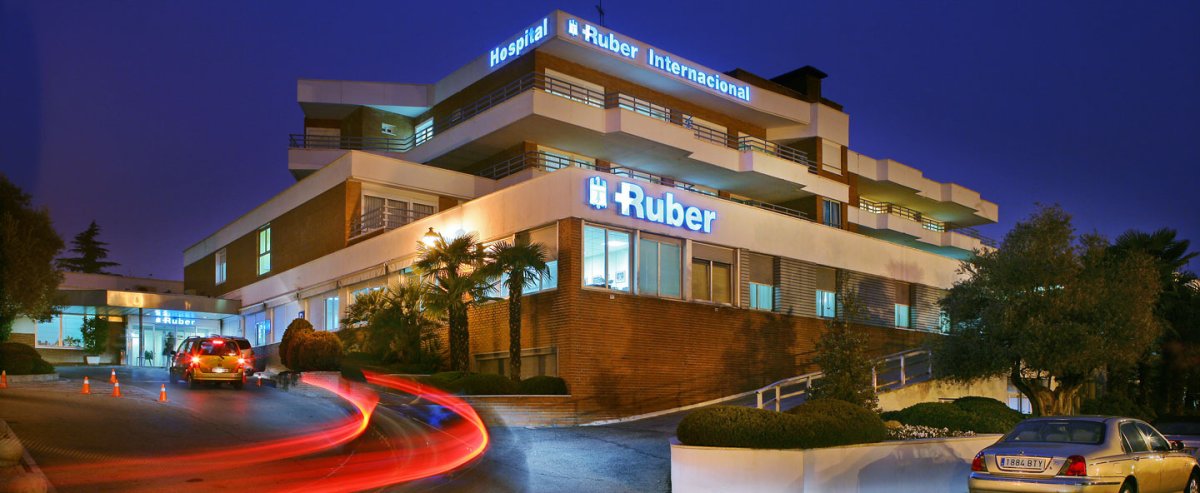





SJD Barcelona Children’s Hospital










GenesisCare Clinics
مشاركة المحتوى
قصص فيديو من مرضى Bookimed
 Anna Leonova
أسئلة متكررة حول علاج metaplasia المعدة في إسبانيا
هل الحؤول المعدي (Gastric metaplasia) سرطان، وهل يمكن علاجه؟
الحؤول المعدي ليس سرطانًا. إنه تغيير ما قبل سرطاني حيث تشبه خلايا المعدة خلايا الأمعاء. على الرغم من أنه لا يمكن علاجه تمامًا بالمعنى الحرفي، إلا أنه يمكن السيطرة عليه وغالبًا ما يكون قابلاً للعكس. تمنع العيادات الإسبانية تطور السرطان من خلال القضاء على بكتيريا الملوية البوابية (H. pylori)، والمراقبة بالتنظير، واستئصال الغشاء المخاطي طفيف التوغل.
- حالة المرض: هو تغيير مستقر في الأنسجة، وليس ورمًا خبيثًا نشطًا.
- إمكانية العكس: القضاء على بكتيريا الملوية البوابية يوقف عادةً المزيد من الضرر ويسمح بالشفاء.
- تكرار المراقبة: يخضع المرضى المعرضون لخطر كبير عادةً لتنظير المعدة كل 3 سنوات للمراقبة.
- تخفيف المخاطر: تعديلات نمط الحياة مثل الإقلاع عن التدخين وتقليل الملح تقلل بشكل كبير من مخاطر التطور.
رؤية خبراء Bookimed: تحتل إسبانيا المرتبة الرابعة عالميًا من حيث طلبات المرضى، ويرجع ذلك إلى حد كبير إلى المراكز ذات القدرة العالية مثل عيادة جامعة نافارا (Clinica Universidad de Navarra) وتكنون (Teknon). تظهر بياناتنا أن هذه المرافق تدير أكثر من 140,000 مريض سنويًا. غالبًا ما يقدمون نتائج تنظير المعدة وعلم الأمراض في نفس اليوم. هذه السرعة حيوية لأن صياغة تقرير علم الأمراض تحدد ما إذا كنت بحاجة إلى مراقبة بسيطة أو تدخل فوري.
إجماع المرضى: يشير المرضى إلى أنه من المهم التركيز على خطة المتابعة بدلاً من مصطلح الحؤول المخيف. يجد الكثيرون أنه بمجرد علاج بكتيريا الملوية البوابية، يحول الأطباء التركيز إلى المراقبة البسيطة بدلاً من العلاج
ما هو العلاج الأساسي للحؤول المعدي في إسبانيا؟
يركز العلاج الأساسي للحؤول المعوي المعدي في إسبانيا على القضاء على عدوى الملوية البوابية (Helicobacter pylori). يصف الأطباء مزيجاً من المضادات الحيوية ومثبطات مضخة البروتون لمدة 10 إلى 14 يوماً. يتبع هذا البروتوكول إرشادات الجمعية الأوروبية للتنظير الهضمي. تضمن المراقبة المنتظمة عبر التنظير عالي الدقة السلامة على المدى الطويل.
- القضاء على الملوية البوابية: يشمل العلاج الرباعي القياسي لمدة 14 يوماً البزموت والمضادات الحيوية ومثبطات مضخة البروتون.
- المراقبة التنظيرية: يخضع المرضى ذوو المخاطر العالية لتنظير المعدة مع خزعة كل 3 سنوات للمراقبة.
- التدخل المتقدم: يستخدم الجراحون استئصال الغشاء المخاطي بالتنظير لإزالة خلل التنسج عالي الدرجة أو الآفات المبكرة.
- التأكيدات التشخيصية: يؤكد المتخصصون القضاء الناجح على البكتيريا باستخدام اختبارات تنفس اليوريا أو اختبارات مستضد البراز.
رؤية خبير Bookimed: تصنف إسبانيا ضمن أفضل 5 وجهات عالمية للرعاية الطبية المعقدة. تدمج مرافق مثل Centro Médico Teknon و Hospital Quiron Barcelona معاهد أورام متقدمة. يستفيد المرضى من مراكز ذات حجم كبير حيث يجري المتخصصون أكثر من 23,000 عملية سنوياً. يضمن هذا العمق السريري تمييزاً دقيقاً بين تغيرات الأنسجة الخفيفة والآفات عالية المخاطر من خلال التصوير المتقدم مثل PET-CT.
إجماع المرضى: غالباً ما يشعر المرضى بالارتياح لمعرفة أن الحؤول يتطلب عادةً مراقبة دقيقة بدلاً من الجراحة. ويشيرون إلى أن الإدارة الأولية تركز على علاج ارتجاع الحمض وتأكيد نجاح العلاج ب
كم مرة سأحتاج إلى إجراء تنظير داخلي (تنظير المعدة) للمراقبة بعد التشخيص؟
عادةً ما يحدد أطباء الجهاز الهضمي الإسبان موعدًا لتنظير المعدة للمراقبة كل 3 سنوات في حالات الحؤول المعوي المعدي. ينطبق هذا الفاصل الزمني في الغالب على الحالات الواسعة أو عالية الخطورة. قد يحتاج المرضى الذين يعانون من حؤول بؤري أو التهاب خفيف إلى فحوصات أقل تكرارًا. يمكن للتاريخ العائلي أو خلل التنسج عالي الدرجة أن يقصر الفترات الفاصلة بشكل كبير.
- المراقبة عالية الخطورة: تتم المراقبة كل 6 إلى 12 شهرًا في حالات خلل التنسج منخفض الدرجة.
- الحؤول الواسع: غالبًا ما يوصي الأطباء بالمتابعة كل 1 إلى 3 سنوات.
- متابعة القرحة: يعتبر تكرار تنظير المعدة إجراءً قياسيًا بعد 8 إلى 12 أسبوعًا من التشخيص.
- المعايير الإسبانية: تتبع مرافق مثل Centro Médico Teknon بروتوكولات تشخيصية معتمدة من قبل JCI.
رؤية خبير Bookimed: تمتلك إسبانيا سوقًا طبيًا مركزًا للغاية في مجالي الأورام والجهاز الهضمي مع 83 عيادة متخصصة. تظهر البيانات أن مراكز مثل مستشفى كيرون برشلونة تدمج معاهد أورام متخصصة للحالات عالية الخطورة. يجب على المرضى إعطاء الأولوية للعيادات الحاصلة على تصنيفات JCI أو Newsweek. غالبًا ما تقدم هذه المرافق تقارير علم أمراض أكثر دقة مما يمنع الإجراءات المتكررة غير الضرورية. يضمن اختيار مركز يحتوي على PET-CT وMRI داخلي أن تكون الفحوصات الثانوية فورية في حالة تقدم الحؤول.
إجماع المرضى: يلاحظ المرضى أن المتابعات الأولى تحدث غالبًا عند 12 شهرًا قبل تمديد الفترات الفاصلة. من الضروري إحضار الصياغة الدقيقة لتقرير علم الأمراض الخاص بك في كل زيارة
ماذا يحدث إذا تطور النسيج إلى خلل تنسج أو سرطان مبكر؟
يشير التطور إلى خلل التنسج أو سرطان المعدة المبكر إلى أن الخلايا أصبحت غير طبيعية هيكلياً وغير منظمة. في إسبانيا، يمكن إدارة هذه المراحل بشكل كبير. غالباً ما يستخدم المتخصصون الاستئصال بالمنظار لإزالة الآفات. هذا يمنع الانتشار إلى الأنسجة العميقة ويسهل تشخيصاً ممتازاً للمرضى.
- تغير العلاج: تتطور الإدارة من المراقبة إلى الاستئصال الجراحي النشط أو العلاج بالمنظار الموجه.
- تشخيص خلل التنسج: تؤدي التغيرات السابقة للسرطان إلى مراجعة فورية من قبل متخصص ومراقبة أكثر تكراراً بشكل ملحوظ.
- الاستئصال بالمنظار: يقوم المتخصصون بإزالة السرطان المبكر السطحي دون شقوق خارجية أثناء تنظير المعدة.
- مراجعة علم الأمراض: غالباً ما يوصي الأطباء بمراجعات ثانية لعلم الأمراض عندما تظهر نتائج الخزعة خلل تنسج حدودي.
رؤية خبير Bookimed: تبلغ مراكز الأورام الإسبانية مثل Centro Medico Teknon و Clinica Universidad de Navarra عن أحجام كبيرة من المرضى. تظهر بياناتنا أن Teknon يجري 23,500 عملية سنوياً. يشير هذا الحجم الجراحي الكبير إلى خبرة عميقة في إدارة التحولات المخاطية المعقدة. غالباً ما تعطي العيادات الأولوية للتدخل الفوري لخلل التنسج عالي الدرجة بدلاً من الانتظار. هذا النهج الاستباقي يحسن بشكل كبير معدلات البقاء على قيد الحياة على المدى الطويل.
إجماع المرضى: يلاحظ المرضى أن نتائج الخزعة يمكن أن تغير خطط العلاج بسرعة. ويؤكدون على الاحتفاظ بنسخ من جميع تقارير التنظير والصور لمقارنة التغيرات عبر زيارات المتخصصين المختلفة.
ما هي تغييرات نمط الحياة والنظام الغذائي التي يجب اعتمادها بعد التشخيص؟
تتطلب إدارة الحؤول المعدي في إسبانيا تعديلات محددة لمنع التهيج وتقليل مخاطر الإصابة بالسرطان. الإقلاع عن التدخين هو الأولوية للسلامة على المدى الطويل. يجب على المرضى تناول وجبات صغيرة وغنية بالألياف مع تجنب الكحول والأطعمة الحارة والمحفزات الحمضية مثل القهوة أو المشروبات الغازية.
- الإقلاع عن التدخين: توقف عن التدخين فوراً لتقليل خطر التطور الخلوي بشكل كبير.
- تكرار الوجبات: تناول وجبات صغيرة ومتكررة لتقليل الارتجاع وتهيج بطانة المعدة.
- تتبع المحفزات: تجنب الأطعمة الحارة والمقلية والحمضية للغاية للتحكم في أعراض تشبه التهاب المعدة.
- تقييد الكحول: قلل أو تخلص من تناول الكحول لمنع الضرر المباشر لأنسجة المعدة.
رؤية خبير Bookimed: تؤكد مراكز الأورام الإسبانية مثل مستشفى كيرون برشلونة وعيادة جامعة نافارا على المراقبة طويلة المدى أكثر من النظام الغذائي وحده. تظهر البيانات أن هذه المرافق ذات التصنيف العالي تجمع بين التوجيه الغذائي والتشخيص المتقدم مثل PET-CT. يعتمد النجاح على الجمع بين تغييرات نمط الحياة وتنظير المعدة المنتظم لتتبع أي تغيرات خلوية في وقت مبكر.
إجماع المرضى: يلاحظ المرضى أن الخضروات النيئة قد تكون غير مريحة أثناء نوبات الأعراض. يوصي معظمهم بإعادة إدخال الأطعمة واحداً تلو الآخر والحفاظ على بساطة الوجبات لتحديد ما يسبب الألم.