العودة إلى الصفحة الرئيسية

كيف نعمل؟

لقد قمنا بتحويل عملية البحث عن العيادة، وجعلناها بسيطة وسريعة وشخصية.
أجب عن بعض الأسئلة املأوا استمارة قصيرة لتخبرونا عن حالتكم الصحية واحتياجاتكم الطبية.
احصل على عروض مخصصة٣ عيادات تم اختيارها بعناية بناءً على إجاباتك، ستقدّم خطط علاج وتقديرات تكلفة مخصصة لك.
اختر الخيار الأفضلقارن بين العروض واختر العيادة الأنسب لك.
يمكنك أيضًا تصفح 13 عيادة أدناه.
820К+ مريضًا حصلوا على المساعدة منذ عام 2014
50 دول
1,500 عيادات
6K+ تقييمات
3K+ طبيب مؤهل

ما هي تكلفة metaplasia المعدة إجراءات التشخيص والعلاج في ألمانيا؟ اعرف الآن

تختلف تكلفة علاج التحول المعدي في ألمانيا بناءً على خطة العلاج. تتراوح تكلفة التشخيص الأولي، بما في ذلك التاريخ الطبي والفحص البدني والاختبارات المخبرية والتصوير مثل الرنين المغناطيسي أو الأشعة المقطعية، من 3,300 دولار إلى 5,500 دولار. وتشمل العلاجات الإضافية، التي قد تتضمن العلاج الكيميائي أو العلاج المناعي أو التدخل الجراحي أو العلاج الإشعاعي، نطاق تكلفة أوسع يتراوح من 3,100 دولار إلى 15,300 دولار. يتم تحديد خطة العلاج النهائية والتكاليف المرتبطة بها بعد تقييم شامل من قبل الفريق الطبي.

تم التحقق من البيانات بواسطة Bookimed اعتبارًا من June 2026، استنادًا إلى طلبات المرضى والعروض الرسمية من 85 عيادة حول العالم. تستند التكاليف المتوسطة إلى الفواتير الحقيقية (2025–2026) ويتم تحديثها شهريًا. قد تختلف الأسعار الفعلية.

اكتشف أفضل metaplasia المعدة العيادات في ألمانيا: 13 خيارات معتمدة والأسعار

تم تصنيف العيادات بواسطة نظام Bookimed الذكي، باستخدام تحليل علوم البيانات عبر 5 معايير رئيسية.
Nordwest Clinic (Krankenhaus)
CDT-WEST Center of Diagnostics and Therapy
إعلان
Medical Center in Solingen
Nordrhein-Westfalen Clinic Complex
لقد شاهدتم 4 من 13 عيادات

احصلوا على تقييم طبي لـ metaplasia المعدة في ألمانيا: استشيروا أطباء ذوي خبرة الآن

عرض جميع الأطباء
يؤكد

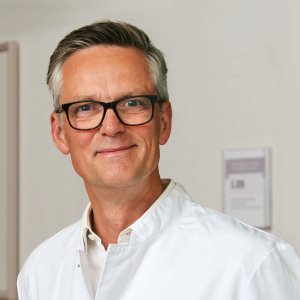
Sebastian Keil

22سنة خبره ١٦ سنة

يتخصص البروفيسور سيباستيان كيل في تقنيات الأشعة التشخيصية والتداخلية المتقدمة، مع خبرة واسعة في تصوير التحول النسيجي المعدي.

  • التخرج مع مرتبة الشرف من جامعة جوليوس ماكسيميليان في فورتسبورغ
  • تعميق الخبرة في مستشفى جامعة آخن تحت إشراف أساتذة مشهورين
  • التعيين في منصب رئيس أطباء الأشعة التشخيصية والتداخلية في مستشفى سولينغن الأكاديمي
  • التخصص في التصوير بالرنين المغناطيسي والأشعة المقطعية لجميع مناطق الجسم
  • تقديم مجموعة كاملة من خدمات الأشعة التداخلية
يؤكد

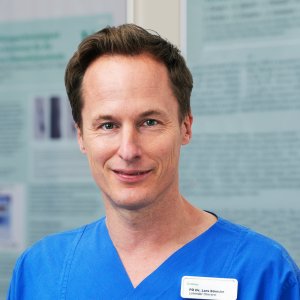
Viola Fox

14سنة خبره ١٦ سنة

تقود الدكتورة فيولا فوكس عيادة أمراض الدم والأورام والرعاية التلطيفية في BKZ سولينغن، مع التخصص في علاجات السرطان المتقدمة.

  • التخصص في أمراض الدم والأورام والمناعة منذ عام 2011
  • التأهل في علم الوراثة، مما يعزز نهج العلاج الشخصي
  • المشاركة في أبحاث البيولوجيا الجزيئية لعلاجات السرطان المبتكرة
  • عضوية الجمعيات الألمانية والأمريكية لطب الأورام
يؤكد

Elke Jaeger

41سنة خبره ١٦ سنة

تعد البروفيسورة إلكه جيجر أخصائية رائدة في علاج الساركوما وواحدة من أفضل أطباء الأورام الألمان وفقاً لتصنيف مجلة فوكوس.

  • رئيسة قسم الأورام وأمراض الدم في عيادة نوردويست
  • أكثر من 35 عاماً من الخبرة العملية في طب الأورام
  • خبرة في أمراض الدم وحالات السرطان المعقدة

المراجعات

جميع المراجعات
Роман • التشاور مع طبيب الجهاز الهضمي
أوكرانيا
٦ أبريل ٢٠٢٢
مراجعة تم التحقق منها.
أنا سعيد جدًا بالنتيجة العودة: عن الطبيب: أستاذ منتبه ، حول العيادة: عيادة جيدة ، حول النتائج: أنا سعيد جدًا بالنتيجة ، حول التجربة: تم تنفيذ كل شيء بسرعة ، فريق عمل يتحدث الروسية ، التقى في المحطة ، إلى الفندق والعيادة ، الجملة الأكثر إيجابية: أنا سعيد جدًا بالنتيجة
عيادة جيدة ، أستاذ يقظ. تم إنجاز كل شيء بسرعة. التقى الموظفون الناطقون بالروسية في المحطة. تم نقلي إلى الفندق والعيادة.
حول خدمة Bookimed
سعداء جدا

مشاركة المحتوى

Twitter XLinkedinFacebookWhatsAppEmail
أحصل على الرابط

قصص فيديو من مرضى Bookimed

Dayana
جمعت بين إجازتي في أنطاليا والفحص الطبي.
إجراء: فحص صحة الإناث (انظر فحص النساء)
Igor
كان رائعاً! التنقلات والإقامة والعلاج - كل شيء مشمول.
إجراء: زرع الأسنان
مستشفى: WestDent Clinic
Marina
قام Bookimed بكل شيء من أجلي. لم أضطر للقلق بشأن أي شيء.
إجراء: فحص صحة الإناث (انظر فحص النساء)
مستشفى: Severance Hospital
محدث: 04/06/2022
تأليف
Anna Leonova
Anna Leonova
رئيس فريق تسويق المحتوى
محررة طبية معتمدة لديها خبرة تزيد عن 10 سنوات، طوّرت محتوى Bookimed الموثوق، مدعومة بماجستير في علم اللغة ومقابلات مع خبراء طبيين من جميع أنحاء العالم.
تمت المراجعة من قبل المستشار الطبي في Bookimed
فهد مولود
محرر طبي وعالم بيانات
طبيب عام. حاصل على 4 جوائز علمية. خدم في غرب آسيا. رئيس الفريق الطبي الناطق بالعربية سابقا ومسؤول عن معالجة البيانات ودقة المحتوى الطبي حاليا.
فهد مولود Linkedin
قد تحتوي هذه الصفحة على معلومات تتعلق بمختلف الحالات الطبية والعلاجات وخدمات الرعاية الصحية المتوفرة في بلدان مختلفة. يرجى العلم أن المحتوى مقدم لأغراض إعلامية فقط ولا ينبغي تفسيره على أنه نصيحة أو إرشادات طبية. يرجى استشارة طبيبك أو أخصائي طبي مؤهل قبل البدء أو تغيير العلاج الطبي.

أسئلة متكررة حول علاج metaplasia المعدة في ألمانيا

هذه الأسئلة الشائعة مأخوذة من مرضى حقيقيين يبحثون عن رعاية طبية عبر Bookimed. يتم تقديم الإجابات من قبل منسقين طبيين ذوي خبرة وممثلين موثوقين من العيادات.

Is gastric metaplasia reversible, and what treatments do German clinics use?

Gastric metaplasia is partially reversible if the underlying cause of inflammation is successfully removed. Regression occurs in 20% to 60% of cases over 3 to 10 years. German clinics utilize antibiotic eradication, mucosal protection, and high-definition surveillance to restore stomach health.

  • Etiological eradication: Targeted antibiotic protocols eliminate H. pylori bacteria and stop inflammatory cascades.
  • Mucosal protection: Doctors prescribe antisecretory medications to stabilize the stomach lining against acids.
  • Advanced diagnostics: Facilities use virtual chromoendoscopy and narrow-band imaging for precise tissue mapping.
  • Tissue removal: Endoscopic submucosal dissection (ESD) shaves away high-risk fields without open surgery.

Bookimed Expert Insight: German academic centers specialize in managing different metaplasia types rather than using a single approach. For example, Essen University Hospital and University Hospital Erlangen integrate molecular diagnostics and clinical trials into routine care. This data-driven approach ensures surveillance intervals are precisely matched to whether the mutation is complete or incomplete.

Patient Consensus: Patients note that feeling better does not always mean the tissue has healed. They emphasize sticking to scheduled follow-up gastroscopies and confirming H. pylori is fully gone through repeat testing.

What advanced diagnostic tools do German clinics use for gastric metaplasia?

German gastroenterology centers identify gastric metaplasia using high-definition gastroscopy paired with image-enhanced endoscopy. These facilities utilize narrow-band imaging and blue light imaging to detect subtle mucosal changes. Specialized mapping protocols like the Operative Link on Gastric Intestinal Metaplasia assessment ensure precise diagnostic accuracy for precancerous lesions.

  • Image-enhanced endoscopy: Filters light wavelengths to highlight bluish-white patches indicating metaplasia tissue.
  • High-definition magnification: Enlarges the stomach lining 100x to identify the light blue crest sign.
  • Systematic biopsy mapping: Collects samples from five specific stomach regions following the Sydney System protocols.
  • Virtual chromoendoscopy: Uses digital software like i-Scan to sharpen tissue margins in real time.

Bookimed Expert Insight: German university hospitals like Essen or Aachen process massive patient volumes, sometimes exceeding 350,000 annually. This high frequency allows pathologists to specialize exclusively in digital histology screening. Data shows that expert pathology review of these biopsies is often the true differentiator in catching early-stage cellular changes before they progress.

Patient Consensus: Patients note that German clinics provide efficient care with Russian-speaking staff often assisting in transitions between hotels and medical centers. Many appreciate the thoroughness of systematic biopsies, which provide a clearer roadmap for long-term surveillance and repeat gastroscopy intervals.

How is surveillance frequency determined in Germany according to European guidelines?

Surveillance frequency in Germany follows European guidelines based on histological risk stratification. Doctors determine intervals by analyzing the extent of gastric metaplasia and the presence of dysplasia. High-risk patients require annual gastroscopy. Low-risk cases may only need monitoring every 3 to 5 years.

  • Risk stratification: Intervals depend on metaplasia extent, location, and presence of dysplasia.
  • Pathology impact: Extensive involvement of both antrum and body triggers more frequent monitoring.
  • Clinical oversight: Specialists at centers like Nordwest Clinic utilize 3D ultrasound for precision.
  • H. pylori status: Successful eradication of bacteria may shift surveillance to longer intervals.

Bookimed Expert Insight: While general guidelines exist, German university hospitals often apply them more strictly to ensure safety. For instance, Essen University Hospital serves 370,000 patients annually and integrates clinical trials into routine care. This high volume allows doctors like Dr. Viola Fox to customize intervals based on molecular diagnostics rather than just tissue samples. Patients at certified oncology centers often receive more conservative, frequent follow-up plans to catch changes early.

Patient Consensus: Patients note that doctors often request repeat endoscopies after treating H. pylori before setting a long-term plan. Many find that histology results, rather than the initial diagnosis, determine how often they must return for check-ups.

What lifestyle modifications will be advised after treatment in Germany?

German clinics advise lifestyle changes focused on preventing progression to stomach cancer. Recovery includes a highly structured Mediterranean diet, eradication of H. pylori, and regular endoscopic surveillance. Multidisciplinary teams transition patients from hospital care to long term monitoring through specialized programs like intensified rehabilitation aftercare.

  • Dietary plan: Adopt an anti-inflammatory Mediterranean diet rich in clean proteins and legumes.
  • Meal timing: Eat smaller portions and avoid lying down immediately after eating meals.
  • Symptom tracking: Use journals to identify individual trigger foods rather than banning groups.
  • Medical surveillance: Follow strict repeat biopsy and endoscopy schedules to monitor tissue changes.

Bookimed Expert Insight: German oncology centers like Nordwest Clinic and Medical Center in Solingen emphasize molecular diagnostics for gastric conditions. Specialists such as Dr. Viola Fox often integrate personalized drug therapy with these lifestyle shifts. Patients should prioritize clinics with German Cancer Society accreditation to ensure their aftercare aligns with the latest research protocols.

Patient Consensus: Patients note it is important to start with soft, bland foods like yogurt and soups. Many emphasize that keeping weight in check and improving sleep positioning significantly helped manage reflux symptoms during recovery.

Which questions should I ask my German gastroenterologist to clarify risk and follow-up?

To clarify risk and follow-up, ask about your specific pathology report and adherence to S3-Leitlinien guidelines. Inquire if metaplasia is focal or extensive. Request a clear surveillance schedule for follow-up endoscopies. Confirm if biopsies follow standard mapping protocols at German cancer centers.

  • Biopsy details: Ask if findings show intestinal metaplasia, atrophy, or dysplasia.
  • Surveillance interval: Confirm if follow-up endoscopies are needed every 1 or 3 years.
  • H. pylori status: Ask if biopsies confirmed eradication after your initial treatment cycle.
  • Metaplasia location: Clarify if changes are in the gastric antrum or corpus body.

Bookimed Expert Insight: Data from major German centers like Essen University Hospital and Nordrhein-Westfalen Clinic shows they handle over 145,000 patients annually. These high-volume institutions use AI and digital imaging to track premalignant changes more accurately than smaller clinics. When consulting, ask your doctor if they use high-definition endoscopy with virtual chromoendoscopy. This technology significantly improves the detection of early lesions compared to standard white-light imaging.

Patient Consensus: Patients emphasize the need to get the Arztbrief report in writing to track pathology changes. Many noted that asking for a test-of-cure for H. pylori was the most vital step they almost missed.

احصل على استشارة مجانية

حدد أفضل طريقة للاتصال بك