علاج metaplasia المعدة في النمسا — احصل على 3 عيادات مختارة خصيصاً لك


تمت مراجعة المقالة طبيا من قبل
فهد مولود
كيف نعمل؟
ما هي تكلفة metaplasia المعدة إجراءات التشخيص والعلاج في النمسا؟ اعرف الآن
من $500. تعتمد النفقات الإجمالية على مدى تطور الحالة، واختيار العيادة، والاستشارات التخصصية المطلوبة. تقع معظم المرافق الطبية المتقدمة في فيينا، وغراتس، وسالزبورغ.
تكاليف علاج الحؤول المعدي النموذجية في النمسا
- استشارة طبيب أمراض الجهاز الهضمي: من $140
- استشارة طبيب أورام: من $260
- تنظير المعدة: من $500
- جراحة سرطان المعدة: $24,000 – $37,000
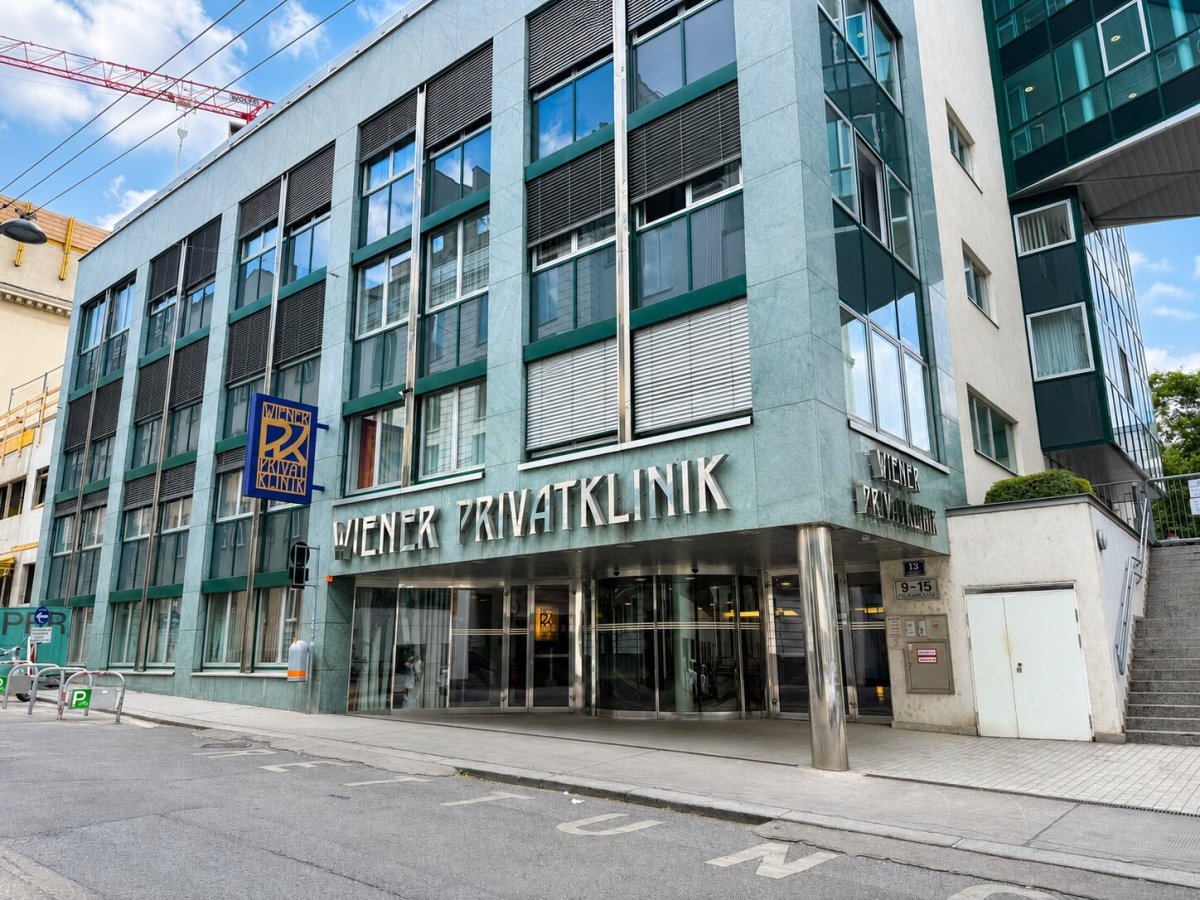
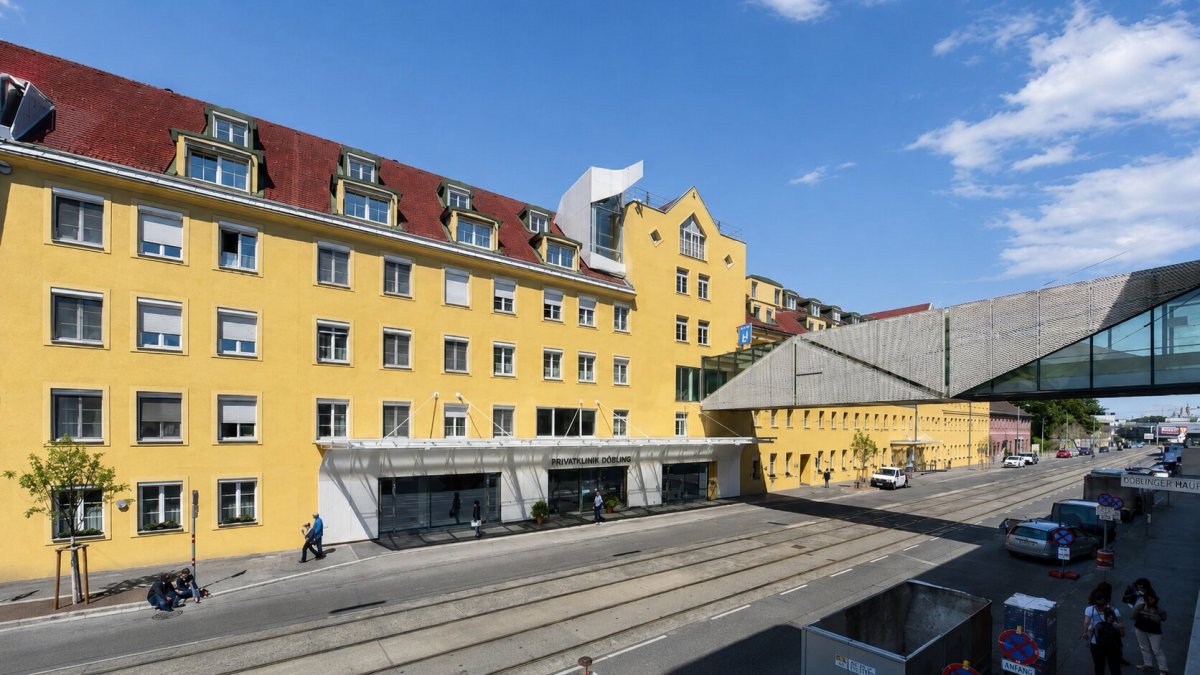
رؤية خبراء Bookimed: يجب على المرضى الذين يحتاجون إلى مراقبة دقيقة إعطاء الأولوية للعيادات التي تضم متخصصين تابعين للجامعات. تضم عيادة فيينا الخاصة (Wiener Privatklinik) أكثر من 400 طبيب، بمن فيهم أساتذة من جامعة فيينا الطبية. بالنسبة للحالات التي تتطلب تدخلاً جراحياً، تشير مستشفى دوبلينغ الخاص (Döbling Private Hospital) إلى معدلات مضاعفات أقل من القيم الاسمية، مما يجعلها خياراً موثوقاً لإجراءات المعدة المعقدة. يقدم البروفيسور الدكتور فولفغانغ كوستلر خبرة متخصصة في الأورام لحالات الحؤول ذات المخاطر العالية.
| النمسا | تركيا | إسبانيا | |
|---|---|---|---|
| جراحة سرطان المعدة | ≈ $24,000 | من $10,500 | من $28,500 |
اكتشف أفضل metaplasia المعدة العيادات في النمسا: 2 خيارات معتمدة والأسعار



احصلوا على تقييم طبي لـ metaplasia المعدة في النمسا: استشيروا أطباء ذوي خبرة الآن
عرض جميع الأطباء
Wolfgang Köstler
أخصائي أورام نمساوي رائد متخصص في العلاج الجهازي والشخصي. يتمتع البروفيسور كوستلر بأكثر من _doctor_1748_ عاماً من الخبرة في رعاية مرضى السرطان في عيادة فيينا الخاصة (Wiener Privatklinik).
- مرجع دولي في العلاجات الموجهة والعلاج المناعي
- يركز على سرطان الثدي والأورام النسائية
- استشاري أول ونائب سابق لرئيس قسم الأورام في جامعة فيينا الطبية
- أستاذ مشارك مكرس لأبحاث المؤشرات الحيوية وبيولوجيا الأورام
مشاركة المحتوى
قصص فيديو من مرضى Bookimed
 Anna Leonova
أسئلة متكررة حول علاج metaplasia المعدة في النمسا
هل يُعدّ التحول النسيجي المعدي علامة على الإصابة بالسرطان؟
التحول المعدي ليس سرطانًا، بل هو تغير ما قبل سرطاني. تتحول خلايا المعدة الطبيعية إلى خلايا شبيهة بخلايا الأمعاء نتيجة التهيج المزمن. تزيد هذه الحالة من خطر الإصابة بسرطان المعدة. مع ذلك، فإن أكثر من 99% من المرضى المصابين بالتحول المعدي لا يُصابون بأورام خبيثة سنويًا.
- معدل التطور: لا يزال المعدل السنوي لتطور السرطان منخفضًا، ويتراوح من 0.1٪ إلى 0.9٪.
- عوامل الخطر: يزيد كل من التحول النسيجي غير الكامل من النوع الثالث وعدوى جرثومة الملوية البوابية من خطر الإصابة.
- المراقبة: يوصي الأطباء بإجراء تنظير المعدة وأخذ خزعة بشكل دوري لمراقبة التغيرات الخلوية.
- التجربة النمساوية: يقدم المتخصصون في عيادة فينر بريفاتكلينيك الخاصة بروتوكولات فحص السرطان الفردية.
رأي خبراء بوكيمد: النمسا مركزٌ للتشخيص الشامل. يطبق كلٌ من عيادة فيينا الخاصة ومستشفى دوبلينغ الخاص معايير السلامة المعتمدة من اللجنة الدولية المشتركة (JCI). يعمل في هذين المركزين أكثر من 400 طبيب، العديد منهم أساتذة في جامعة فيينا الطبية. يضمن هذا المستوى الأكاديمي المتميز دقة التحليل النسيجي للتحول النسيجي، وهو أمرٌ بالغ الأهمية للوقاية المبكرة من السرطان.
آراء المرض
ما هو العلاج الأولي لمرض التحول النسيجي المعدي؟
العلاج الأساسي لتحول المعدة هو القضاء على عدوى جرثومة المعدة (Helicobacter pylori). يستخدم الأطباء دورة علاجية من المضادات الحيوية ومثبطات مضخة البروتون لمدة تتراوح بين 7 و14 يومًا. يوقف هذا النهج الالتهاب المزمن ويقلل بشكل كبير من خطر تطور الحالة إلى سرطان المعدة.
- القضاء على البكتيريا: العلاج القياسي بالمضادات الحيوية الثلاثية أو الرباعية يقضي على العامل الممرض البكتيري الأساسي.
- السيطرة على الالتهاب: تعمل مثبطات مضخة البروتون على تقليل حموضة المعدة، مما يعزز التئام الغشاء المخاطي للمعدة.
- تعديل عوامل الخطر: يمكن أن تؤدي تغييرات نمط الحياة، مثل الإقلاع عن التدخين واتباع نظام غذائي منخفض الملح، إلى منع المزيد من تلف الخلايا.
- المراقبة بالمنظار: يتم إجراء فحص دوري بالمنظار للمعدة للمرضى المعرضين لمخاطر عالية كل 1-3 سنوات.
رأي خبراء بوكيمد: بينما يركز الكثيرون على المرض نفسه، يؤكد أخصائيون نمساويون مثل الدكتور فولفغانغ كوستلر على التشخيص الجزيئي. تستخدم مراكز مثل عيادة فيينا الخاصة بيانات الخزعة لتطوير مناهج علاجية فردية شاملة. وهذا أمر بالغ الأهمية، لأن علاج التحول النسيجي يتطلب تقييمًا طويل الأمد للمخاطر. تُظهر البيانات السريرية أن المراكز الكبيرة مثل مستشفى دوبلينغ
كم مرة سأحتاج إلى إجراء تنظير داخلي متكرر في النمسا؟
يحتاج المرضى المصابون بتغير نسيج المعدة في النمسا عادةً إلى تنظير داخلي للمتابعة كل ثلاث سنوات. ويقوم الأخصائيون في مراكز مثل عيادة فيينا الخاصة بتعديل هذه الفترة بناءً على شدة التغيرات النسيجية. وقد يؤدي تحديد عوامل الخطر العالية أو وجود تاريخ عائلي إيجابي إلى زيادة وتيرة المتابعة، لتصبح كل سنة إلى سنتين.
- فترة المراقبة: يتم إجراء المراقبة القياسية لالتهاب المعدة الضموري المزمن كل 3 سنوات.
- المراقبة عالية الخطورة: إذا كان التحول النسيجي أو خلل التنسج واسع النطاق، فقد يلزم إجراء فحوصات سنوية.
- الإرشادات السريرية: يتبع الأطباء بروتوكولات الجمعية النمساوية لأمراض الجهاز الهضمي والكبد (ÖGGH).
- أدوات التشخيص: يوفر التنظير المعدي مع الخزعة التخطيطية تتبعًا دقيقًا للتغيرات الخلوية.
رأي خبراء بوكيمد: على الرغم من أن التوصيات العامة تشير إلى فترة متابعة مدتها ثلاث سنوات، إلا أن بياناتنا تُظهر أن المرضى في المراكز الكبيرة مثل مستشفى دوبلينغ الخاص غالبًا ما يتلقون برنامج علاج أكثر تخصيصًا. إذا كشفت الخزعة الأولية عن تغيرات كبيرة، فقد يُحدد الجراحون موعدًا لفحص متابعة بعد ستة أشهر للتأكد من استقرار الحالة المرضية. يساعد هذا النهج الاستباقي على الكشف المبكر عن أي تطور في خلل التن
ما الفرق بين التحول النسيجي الكامل والتحول النسيجي غير الكامل؟
يشمل التحول النسيجي الكامل تحول خلايا المعدة بالكامل إلى نسيج منظم يشبه الأمعاء الدقيقة. أما التحول النسيجي غير الكامل فينتج عنه خلايا غير منظمة وضعيفة التمايز تشبه خلايا القولون. ويرتبط التحول النسيجي غير الكامل بخطر الإصابة بالسرطان أعلى بكثير من التحول النسيجي الكامل.
- نضج الخلايا: يتميز التحول النسيجي الكامل بخلايا متمايزة جيدًا ذات حدود واضحة ومنظمة.
- المؤشرات المعوية: في الشكل الكامل، تُلاحظ الزغيبات الامتصاصية المحددة بوضوح، بينما في الشكل غير الكامل تكون غائبة.
- خلايا بانيث: توجد خلايا مناعية متخصصة في التحول النسيجي الكامل ولكنها نادرة في التحول النسيجي غير الكامل.
- خطر التطور: يزيد التحول النسيجي غير الكامل من خطر حدوث تغيرات خبيثة بمقدار 4 أضعاف.
رأي خبراء بوكيميد: في النمسا، تعتمد دقة التشخيص غالبًا على مراكز الأورام الرئيسية مثل مستشفى فيينا الخاص ومستشفى دوبلينغ الخاص. وتشير البيانات إلى أن هذه المراكز تستفيد من عمل العديد من الأساتذة في جامعة فيينا الطبية. على سبيل المثال، يتخصص الدكتور فولفغانغ كوستلر في العلاج الجهازي الفردي وتطوير المؤشرات الحيوية. هذا المستوى من الخبرة ضروري للتمييز بين الأنواع الفرعية للتحول النسيجي وتحديد احتياجات المتابعة الخاصة.
هل يمكن علاج أو عكس التحول المعدي بشكل كامل؟
لا يزال التحول النسيجي المعدي موضع نقاش. تشير البيانات السريرية إلى إمكانية التراجع الجزئي أو الكامل. ويؤدي القضاء على مهيجات المعدة، مثل جرثومة الملوية البوابية، والالتهاب المزمن إلى تراجع الحالة. ويمكن للتدخلات الموجهة إيقاف تطورها. ويضمن الرصد المنتظم بقاء المرضى دون عتبة الخطر العالية للإصابة بسرطان المعدة.
- استئصال جرثومة الملوية البوابية: إن استئصال هذه البكتيريا يعزز بشكل كبير التئام الغشاء المخاطي وقد يعكس التغيرات المبكرة.
- التصحيح الغذائي: تساعد الجرعات العالية من فيتامين سي وحمض الفوليك على تعافي بطانة المعدة من العدوى.
- السيطرة على الالتهاب: إن تقليل ارتجاع الحمض وتجنب الملح والتبغ والكحول يعزز إصلاح الأنسجة.
- الاستئصال بالمنظار: إذا لزم الأمر، يستخدم الجراحون استئصال الغشاء المخاطي لإزالة الخلايا غير الطبيعية المتطورة بشكل مادي.
رأي خبراء بوكيميد: تضم عيادات أوستن، مثل عيادة فيينا الخاصة، طاقمًا طبيًا ضخمًا يزيد عن 400 طبيب، العديد منهم أساتذة في جامعة فيينا الطبية. يضمن هذا المستوى الأكاديمي المتميز حصول المرضى على أحدث بروتوكولات علاج تراجع الخلايا. وبينما يعتبر البعض التحول النسيجي غير قابل للعكس، يركز هؤلاء الخبراء على تطوير المؤشرات الحيوية ودراسة بي
هل هناك أي أطعمة معينة يجب عليّ تجنبها لتقليل خطر تفاقم المرض؟
للحد من خطر تطور التحول النسيجي المعدي، من المهم تجنب اللحوم المصنعة التي تحتوي على مواد حافظة كيميائية. كما يُنصح بتقليل استهلاك الأطعمة فائقة المعالجة والمشروبات السكرية والكربوهيدرات المكررة، إذ تُساهم هذه الأطعمة في الالتهابات المزمنة وتلف الخلايا. ويؤكد الخبراء في النمسا أيضًا على أهمية التخلص من مهيجات المعدة مثل الكحول والتبغ.
- اللحوم المصنعة: تجنب لحم الخنزير المقدد والنقانق واللحوم المصنعة التي تحتوي على النترات أو نسبة عالية من الملح.
- الحبوب المكررة: قلل من تناولك للخبز الأبيض والأرز لمنع ارتفاع مستويات الأنسولين.
- المشروبات المحلاة: تجنب المشروبات الغازية ومشروبات الطاقة لتقليل الالتهاب الجهازي.
- مهيجات المعدة: قلل من تناولك للأطعمة الحارة جداً والمشروبات الحمضية مثل القهوة.
رأي خبراء بوكيمد: غالبًا ما يتجاهل المرضى الذين يتلقون الرعاية في عيادات مثل عيادة فيينا الخاصة حقيقة أن توقيت الوجبات لا يقل أهمية عن اختيار الطعام. تُظهر بياناتنا أن أطباء الجهاز الهضمي البارزين في فيينا يُفضلون الوجبات الصغيرة والمتكررة على الوجبات الكبيرة. يُقلل هذا النهج من تأثير حمض المعدة ويُعزز التئام الأنسجة. يتخصص الدكتور فولفغانغ كوستلر في العلاج الفردي، والذي غالبًا ما يجمع
هل توجد مكملات غذائية مثبتة علمياً تدعم صحة الأغشية المخاطية؟
تؤكد الأدلة السريرية فعالية العديد من المكملات الغذائية في دعم صحة الغشاء المخاطي للجهاز الهضمي. يعمل كارنوزين الزنك على تثبيت أغشية المعدة، بينما يغذي إل-جلوتامين الخلايا المعوية، محافظًا على سلامة الروابط الخلوية المحكمة. أما عرق السوس منزوع الجليسيريزين (DGL) فيحفز إنتاج الميوسين الواقي. تساعد هذه العناصر الغذائية المحددة على تقوية حاجز الجسم ضد حمض المعدة ومسببات الأمراض.
- كارنوزين الزنك: يقلل من نفاذية الغشاء المخاطي بنسبة 30% بعد 8 أسابيع من الاستخدام.
- إل-جلوتامين: يزيد من مستويات البروتينات المهمة مثل ZO-1 لتقليل نفاذية الأمعاء.
- DGL: يعزز تكوين طبقة بروتينية سكرية واقية دون الآثار الجانبية المرتبطة بعرق السوس العادي.
- فيتامين د: ينظم الحاجز المخاطي للجهاز المناعي ويحافظ على التوازن الصحي للحاجز.
رأي خبراء بوكيمد: غالبًا ما يستفيد المرضى في النمسا من النهج التشخيصي المُركّز في مراكز مثل عيادة فيينا الخاصة. تُظهر بياناتنا أن كبار أطباء الأورام، بمن فيهم الدكتور فولفغانغ كوستلر، يستبعدون أولًا المشكلات الكامنة مثل جرثومة المعدة (هيليكوباكتر بيلوري) قبل البدء بتناول المكملات الغذائية. وبينما تُعزز المكملات الغذائية الشفاء، يضمن التنظير المعدي الاحترافي مراقبة الت