metaplasia المعدة العلاج في الهند - التكاليف 2026


تمت مراجعة المقالة طبيا من قبل
فهد مولود
ما هي تكلفة metaplasia المعدة إجراءات التشخيص والعلاج في الهند؟ اعرف الآن
| الهند | تركيا | إسبانيا | |
|---|---|---|---|
| جراحة سرطان المعدة | ≈ $5,800 | من $10,500 | من $28,500 |
مزاياك وضماناتك مع Bookimed
أسعار مباشرة
Bookimed لا يضيف رسوماً إضافية على أسعار علاج metaplasia المعدة. الأسعار مأخوذة من قوائم الأسعار الرسمية للعيادات. تدفع مباشرة في العيادة مقابل علاجك عند وصولك إلى البلد.
عيادات وأطباء معتمدون فقط
Bookimed ملتزم بسلامتك. نحن نعمل فقط مع المؤسسات الطبية التي تحافظ على معايير دولية عالية في علاج metaplasia المعدة ولديها التراخيص اللازمة لخدمة المرضى الدوليين في جميع أنحاء العالم.
مساعدة مجانية على مدار الساعة
Bookimed يقدم مساعدة خبراء مجانية. منسق طبي شخصي يدعمك قبل وأثناء وبعد العلاج، ويحل أي مشاكل. لن تكون وحيداً أبداً في رحلة علاج metaplasia المعدة.

منسقك الطبي الشخصي في Bookimed
- يدعمك في كل مرحلة
- المساعدة في اختيار العيادة الطبية المناسبة والطبيب المناسب
- يضمن الوصول السريع والمريح إلى المعلومات
اكتشف أفضل metaplasia المعدة العيادات في الهند: 9 خيارات معتمدة والأسعار








Dr. Rela Institute & Medical Centre

HCG Manavata Cancer Centre
Raj Nagarkar




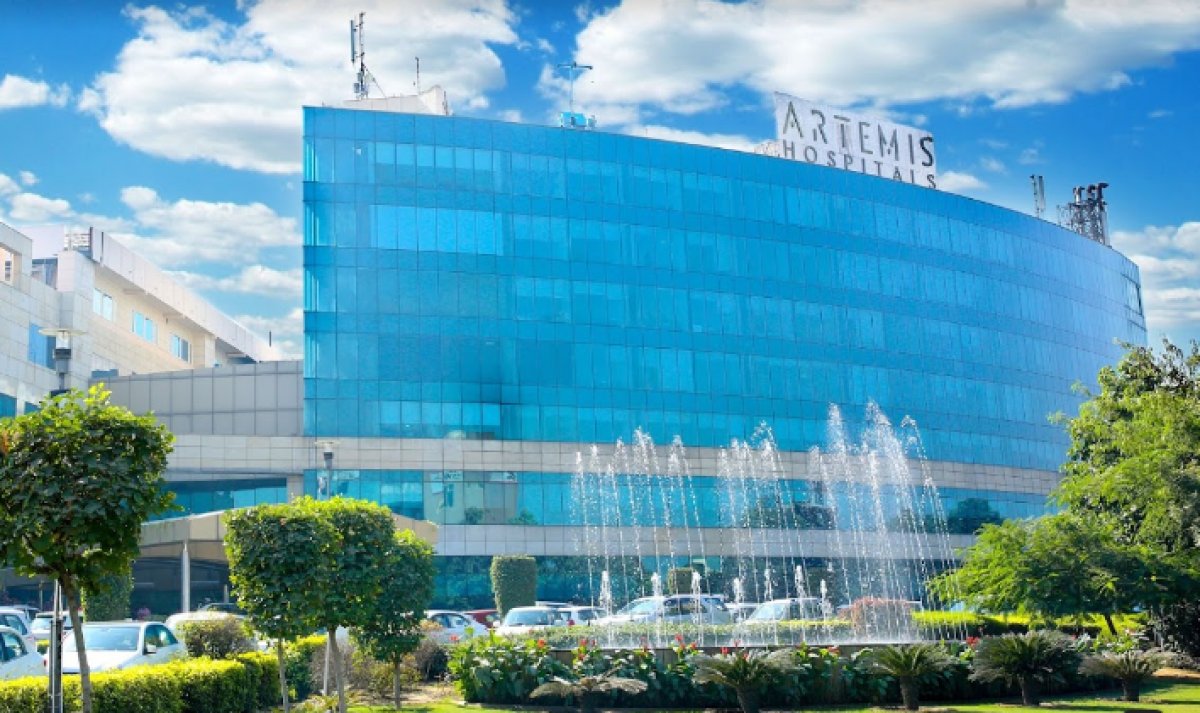
Artemis Hospital Gurgaon
احصلوا على تقييم طبي لـ metaplasia المعدة في الهند: استشيروا أطباء ذوي خبرة الآن
عرض جميع الأطباء
Shruti Kate
الدكتورة شروتي كاتي هي اختصاصية في علاج السرطانات المتقدمة بالعلاج المناعي والعلاج المسرّع (الميترونومي)، ولديها خبرة من مستشفى تاتا التذكاري.
- بكالوريوس الطب وبكالوريوس الجراحة من كلية ليدي هاردينج الطبية، ودكتوراه في الطب الباطني
- دكتوراه في طب الأورام من مستشفى تاتا التذكاري
- عضو في ASCO وESMO وغيرها من الجمعيات المرموقة لطب الأورام
- تقديم أبحاث حول سرطان الرئة في المؤتمر العالمي لسرطان الرئة
Raj Nagarkar
أجرى الدكتور راج ناجاركار أكثر من 50,000 جراحة للسرطان، وهو متخصص في جراحة أورام الثدي والصدر في مركز HCG Manavata للسرطان.
- _doctor_2241_سنوات_ من الخبرة في جراحة الأورام
- تدرب في مستشفى تاتا التذكاري والكلية الملكية للجراحين
- شارك في أكثر من 200 تجربة سريرية
- أستاذ في تخصص DNB لجراحة الأورام

Sridhar P.S.
يتخصص الدكتور سريدهار بي. إس. في العلاج الإشعاعي مع تدريب مكثف وعضويات مهنية في علم الأورام.
- حاصل على شهادة البورد في العلاج الإشعاعي مع خبرة تزيد عن _doctor_3397_ عاماً
- عضو في جمعية علاج الأورام بالإشعاع في الهند
- عضو نشط في جمعية الأورام العصبية
- جزء من مجموعة بنغالور للأورام

Ravindra Tandale
مشاركة المحتوى
قصص فيديو من مرضى Bookimed
 Anna Leonova
أسئلة متكررة حول علاج metaplasia المعدة في الهند
هل الحؤول المعدي علامة على الإصابة بالسرطان؟
الحؤول المعدي ليس سرطانًا. إنها حالة ما قبل سرطانية حيث تتغير خلايا المعدة لتبدو مثل خلايا الأمعاء. هذا التغيير يزيد من خطر الإصابة بسرطان المعدة بمرور الوقت. معظم المرضى لا يصابون بالخباثة. يستخدم الأطباء التنظير والخزعة لمراقبة هذه التغيرات الهيكلية الخلوية.
- ملف المخاطر: الحؤول غير المكتمل مع خلايا غير منتظمة يحمل تهديدًا أعلى للإصابة بالخباثة.
- المدى: الخلايا التي تنتشر عبر أقسام متعددة من المعدة تتطلب مراقبة طويلة الأمد أكثر كثافة.
- السبب الرئيسي: تظل العدوى البكتيرية المزمنة بجرثومة الملوية البوابية (H. pylori) المحفز الرئيسي للطفرات الخلوية.
- المراقبة التشخيصية: يحدد تنظير المعدة المنتظم خلل التنسج غير الطبيعي قبل أن يتطور إلى سرطان خبيث.
رؤية خبير Bookimed: بينما يختار الكثيرون المستشفيات العامة الكبيرة، غالبًا ما توفر مراكز السرطان الهندية تخصصًا أعمق لمراقبة حالات ما قبل السرطان. في مركز HCG Manavata للسرطان، أجرى متخصصون مثل الدكتور راج ناجاركار أكثر من 50,000 إجراء جراحي. تدمج هذه المراكز ذات الحجم الكبير تصوير PET-CT المتقدم والتشخيص الجزيئي. يعد هذا العمق في الخبرة أمرًا حيويًا لتحديد التغيرات التنسجية الدقيقة التي قد تغفل عنها العيادات العامة أثناء الفحوصات الروتينية.
كيف يعالج الأطباء في الهند الحؤول المعدي؟
يعالج الأطباء في الهند الحؤول المعدي عن طريق القضاء على بكتيريا الملوية البوابية (H. pylori) والتحكم في حمض المعدة. يعطي المتخصصون الأولوية لمنع تطور الحالة إلى سرطان المعدة من خلال المراقبة. تستخدم المراكز المتقدمة مثل مستشفيات مانيبال وفورتيس جورجاون المراقبة بالمنظار. قد يتلقى المرضى الذين يعانون من خلل التنسج إزالة الأنسجة طفيفة التوغل.
- مكافحة العدوى: يستخدم الأطباء العلاج الثلاثي أو الرباعي بالمضادات الحيوية لمدة 10 إلى 14 يوماً للقضاء على بكتيريا H. pylori.
- إدارة الأعراض: يصف أطباء الجهاز الهضمي مثبطات مضخة البروتون لتقليل الحمض والالتهاب.
- المراقبة بالمنظار: يخضع المرضى المعرضون لخطر كبير لتنظير علوي مع رسم خرائط الخزعة كل 1-3 سنوات.
- التدخل الجراحي: يقوم الجراحون بإجراء استئصال الغشاء المخاطي بالمنظار لإزالة الخلايا ما قبل السرطانية بدقة.
رؤية خبير Bookimed: يجب على المرضى التحقق مما إذا كانت منشأتهم تستخدم تكنولوجيا تشخيصية متقدمة مثل PET-CT أو IBM Watson. على سبيل المثال، يستخدم معهد الدكتور ريلا ومانيبال جوا هذه التقنيات لتحديد المرحلة بدقة عالية. يضمن اختيار المراكز الحاصلة على اعتماد NABH تقارير مرضية موحدة للخزعات.
إجماع المرضى: يشير المرضى إلى أهمية التركيز على السبب الكامن وراء الالتهاب. يشعر الكثيرون بالارتياح عندما يشرح الأطباء أن الحؤول بدون خلل تنسج يسمح بالمتابعة اليقظة.
هل يمكن علاج الحؤول المعدي أو عكسه؟
يمكن عكس الحؤول المعدي أو تحسينه عن طريق علاج المسببات الكامنة مثل عدوى الملوية البوابية (Helicobacter pylori). على الرغم من أنه كان يُعتبر في السابق دائمًا، إلا أن الأبحاث الحديثة تظهر مرونة الأنسجة. غالبًا ما يستغرق التراجع من 5 إلى 10 سنوات بعد القضاء الناجح على الالتهاب المزمن. تظل المراقبة طويلة الأمد ضرورية لمتابعة تغيرات الأنسجة.
- القضاء على العدوى: العلاج بالمضادات الحيوية لجرثومة المعدة هو الخطوة الأساسية لعكس الأنسجة المحتمل.
- تثبيط الحمض: تعالج الأدوية التهاب المعدة المزمن لتقليل التهيج الكيميائي المستمر للمعدة.
- مكملات الفيتامينات: قد يساعد حمض الفوليك وفيتامين ب12 بجرعات عالية في وقف تطور الآفات السابقة للسرطان.
- دعم مضادات الأكسدة: يساعد تقليل الإجهاد التأكسدي في خفض الالتهاب الذي يدفع التغيرات الخلوية.
رؤية خبير Bookimed: توفر الهند كثافة عالية من مراكز الأورام المتخصصة مع أحجام كبيرة من المرضى. عالج مركز HCG Manavata للسرطان أكثر من 100,000 مريض. تجري المرافق الكبيرة مثل مستشفى Global Hospital Chennai 18,000 عملية سنويًا. تسمح هذه المجموعة الضخمة من البيانات السريرية لأطباء الجهاز الهضمي الهنود بتحسين بروتوكولات المراقبة للحؤول. يستفيد المرضى من الأطباء الذين يرون هذه التغيرات السابقة للسرطان يوميًا في بيئات ذات حجم كبير.
إجماع المرضى: يشير المرضى إلى أن الشعور بالتحسن لا يعني دائمًا أن التغيرات الخلوية قد اختفت. ويؤكدون أن تحديد النوع المحدد من الحؤول أمر حيوي لإدارة التوقعات طويلة الأمد.
ما هي المستشفيات الهندية المعترف بها لعلاج الحؤول المعدي؟
تشمل أفضل المستشفيات الهندية لعلاج الحؤول المعدي مستشفى ميدانتا، ومستشفيات مانيبال، ومركز إتش سي جي مانافاتا للسرطان. تعطي هذه المراكز الأولوية للتشخيص الدقيق من خلال التنظير عالي الدقة وتأكيد الخزعة. تضمن المرافق الحاصلة على اعتماد NABH أو JCI معايير السلامة الدولية للمراقبة طويلة المدى للتغيرات ما قبل السرطانية في بطانة المعدة.
- دقة التشخيص: تستخدم العيادات تنظير المعدة المتقدم ومراجعة الخزعات لتحديد مراحل تغيرات الأنسجة.
- المراقبة المتخصصة: تعطي البروتوكولات الأولوية لاختبارات الملوية البوابية (H. pylori) والمراقبة الدورية للخلايا الحؤولية.
- جودة البنية التحتية: تحافظ مراكز مثل مستشفى أرتميس جورجاون على مرافق معتمدة من JCI للفحوصات المعقدة.
- الوصول إلى المتخصصين: تضم المرافق أكثر من 1900 طبيب، مما يضمن التنسيق بين الأقسام للحالات ما قبل السرطانية.
رؤية خبير Bookimed: تظهر البيانات اتجاهاً واضحاً حيث توفر الشبكات واسعة النطاق مثل مستشفيات مانيبال، التي تخدم 2,000,000 مريض سنوياً، دعماً أقوى في علم أمراض الجهاز الهضمي. قد تفتقر العيادات الصغيرة إلى خبرة إعادة قراءة الخزعات ذات الحجم الكبير، وهو أمر بالغ الأهمية للتمييز بين الحؤول المستقر وخلل التنسج عالي الخطورة. اختيار مرفق بسعة 400 سرير مثل أرتميس أو ميدانتا يضمن توفر المعدات المتخصصة اللازمة للرسم الدقيق دائماً.
إجماع المرضى: يشير المرضى إلى أنه من الضروري البحث عن مركز ثالثي كبير حيث يمكن لأخصائي الجهاز الهضمي تنسيق إعادة قراءة علم الأمراض مباشرة. ويؤكدون أن صيا
ما هي التغييرات الغذائية ونمط الحياة التي تدعم التعافي؟
يعتمد التعافي على تقليل تهيج بطانة المعدة وتثبيت ميكروبيوم الأمعاء. يجب على المرضى اعتماد وجبات صغيرة ومتكررة بدلاً من الوجبات الكبيرة. من الضروري تقليل الأطعمة الحارة والحمضية والمصنعة. في الهند، تؤكد المرافق المعتمدة من JCI وNABH على التشخيص الدقيق عبر التنظير الداخلي للحصول على رعاية مخصصة.
- إيقاع النظام الغذائي: تناول 5-6 وجبات صغيرة لتقليل الانتفاخ وعدم الراحة في الجزء العلوي من البطن.
- تجنب المثيرات: تخلص من الأطعمة الحارة والمقليات والكافيين والكحول لمنع النوبات.
- الأطعمة اللينة: تناول الأرز والزبادي والشوفان والخضروات المطهوة على البخار خلال فترات التهيج.
- عادات نمط الحياة: ابقَ في وضع مستقيم بعد الأكل وتجنب الوجبات المتأخرة في الليل لتقليل الارتجاع.
رؤية خبير Bookimed: تستفيد مراكز الأورام الهندية مثل معهد ريلا وHCG Manavata من تقنيات PET-CT المتقدمة وIBM Watson للمراقبة الدقيقة. في حين أن التغييرات الغذائية حيوية، تظهر البيانات أن هذه العيادات تعطي الأولوية للتكامل مع البروتوكولات الطبية. غالبًا ما ينجح المرضى بشكل أفضل عند تعديل الأطباق المحلية المألوفة بدلاً من التحول إلى نظام غذائي لطيف غير مألوف تمامًا.
إجماع المرضى: يجد العديد من المرضى أن تجنب مضادات الالتهاب غير الستيروئيدية مثل الإيبوبروفين لا يقل أهمية عن النظام الغذائي من أجل الراحة. وغالبًا ما يلاحظون أن مستويات التوتر التي يمكن التحكم فيها وجداول النوم المتسقة تمنع أعراضهم من التفاقم فجأة.
كم مرة يجب إجراء تنظير المتابعة بعد تشخيص الحؤول المعدي؟
عادةً ما يتم إجراء تنظير المتابعة للحؤول المعدي كل 3 إلى 5 سنوات. قد يحتاج المرضى المعرضون لخطر كبير والذين يعانون من حؤول واسع النطاق أو تاريخ عائلي إلى فحص كل عام إلى عامين. يستخدم الأطباء نتائج الخزعة والعوامل الديموغرافية لتخصيص فترات المراقبة هذه وضمان السلامة.
- تكرار المخاطر العالية: المراقبة كل 3 سنوات للحؤول واسع النطاق أو أنواع الخلايا غير المكتملة.
- التاريخ العائلي: قد يحتاج أقارب مرضى السرطان من الدرجة الأولى إلى فحوصات كل عام إلى عامين.
- حالة الملوية البوابية (H. pylori): الاختبار والاستئصال إلزاميان قبل وضع جدول مراقبة طويل الأمد.
- حالات المخاطر المنخفضة: غالبًا ما تكون المراقبة الروتينية غير ضرورية للحؤول الكامل المقتصر على الغار.
رؤية خبير Bookimed: جودة رسم الخرائط التشخيصية الأولية ضرورية لجدولة دقيقة. تستخدم المراكز الهندية الرائدة مثل مستشفى ميدانتا أو مستشفى جلوبال تشيناي بروتوكولات خزعة منهجية. إذا كان تنظيرك الأول يفتقر إلى رسم خرائط مفصل، فغالبًا ما يوصي المتخصصون بإجراء فحص متكرر في غضون 12 شهرًا. يضمن هذا عدم تفويت أي مناطق عالية الخطورة قبل الانتقال إلى دورة مدتها 3 سنوات.
إجماع المرضى: يؤكد المرضى على أهمية التحقق مما إذا كانت تقارير الخزعة تذكر خلل التنسج مقابل الحؤول. هذا التمييز يغير بشكل كبير عدد المرات التي يجب أن تعود فيها لإجراء التنظير. يشير الكثيرون إلى أن الأعراض المستمرة مثل فقدان الوزن أو فقر الدم يجب أن تدفع إلى مراجعة مبكرة بغض النظر عن الجدول الزمني.