ربط القرنية (CCL) (عين واحدة) في تايلاند — احصل على 3 عيادات مطابقة مع التكاليف


تمت مراجعة المقالة طبيا من قبل
فهد مولود
ما هي تكلفة ربط القرنية (CCL) (عين واحدة) في تايلاند؟ اكتشف الآن
تبلغ تكلفة عملية تثبيت القرنية (CCL) للعين الواحدة في تايلاند ما بين $1,300 / 44,200฿ و $2,300 / 78,200฿. يعتمد السعر النهائي على مستوى العيادة، وموقعها في المدينة، والتقنية الجراحية المستخدمة. تشمل الباقات القياسية عادةً الفحوصات السابقة للعملية وإجراء القرنية ذاته.
- مستوى المستشفى: غالباً ما تكون تكاليف المستشفيات الدولية المتميزة في بانكوك أعلى من مراكز العيون المتخصصة.
- تقنيات Epi-off و Epi-on: قد تختلف تكلفة طريقة إزالة الظهارة القياسية عن بروتوكولات الحفاظ عليها.
- الاختلافات الإقليمية: تظل بانكوك المركز الطبي الرئيسي لعلاجات القرنية المتقدمة ورعاية القرنية المخروطية.
- الأدوية والعدسات: لا تشمل معظم عروض الأسعار الأساسية الأدوية طويلة الأمد بعد العملية أو العدسات اللاصقة العلاجية المتخصصة.
رأي خبراء Bookimed: يضمن اختيار منشأة متخصصة الوصول إلى جراحين ذوي تدريب دولي رفيع المستوى. حصل الدكتور أنون فونجثونجزري في مستشفى بانكوك للعيون على زمالات من جامعة واشنطن. تعمل عيادات مثل Laser Vision منذ عام 1998، وتتمتع بخبرة واسعة في إجراء عدد كبير من العمليات. تُبرر هذه الخبرة العميقة غالباً النطاق السعري المتوسط إلى المرتفع في بانكوك. أتم العديد من كبار الأطباء زمالات تخصصية دقيقة في جراحات القرنية وتصحيح الإبصار.
| تايلاند | تركيا | إسبانيا | |
|---|---|---|---|
| ربط القرنية (CCL) (عين واحدة) | ≈ $1,300 / 44,200฿ | من $1,400 / 47,600฿ | من $2,400 / 81,600฿ |
مزاياك وضماناتك مع Bookimed
أسعار مباشرة
Bookimed لا يضيف رسوماً إضافية على أسعار ربط القرنية (CCL) (عين واحدة). الأسعار مأخوذة من قوائم الأسعار الرسمية للعيادات. تدفع مباشرة في العيادة مقابل ربط القرنية (CCL) (عين واحدة) عند وصولك.
عيادات وأطباء معتمدون فقط
Bookimed ملتزم بسلامتك. نحن نعمل فقط مع المؤسسات الطبية التي تحافظ على معايير دولية عالية في ربط القرنية (CCL) (عين واحدة) ولديها التراخيص اللازمة لخدمة المرضى الدوليين في جميع أنحاء العالم.
مساعدة مجانية على مدار الساعة
Bookimed يقدم مساعدة خبراء مجانية. منسق طبي شخصي يدعمك قبل وأثناء وبعد العلاج، ويحل أي مشاكل. لن تكون وحيداً أبداً في رحلة ربط القرنية (CCL) (عين واحدة).

منسقك الطبي الشخصي في Bookimed
- يدعمك في كل مرحلة
- المساعدة في اختيار العيادة الطبية المناسبة والطبيب المناسب
- يضمن الوصول السريع والمريح إلى المعلومات
اكتشف أفضل ربط القرنية (CCL) (عين واحدة) العيادات في تايلاند: 1 خيار معتمدة والأسعار


نظرة عامة على ربط القرنية (CCL) (عين واحدة) في تايلاند
- ربط القرنية (CCL) (عين واحدة) - من $1,300
يقوي العلاج القرنية من خلال الأشعة فوق البنفسجية والريبوفلافين ، مما يمنع حالات العين التقدمية.
- رأب القرنية - من $3,200
تُزرع هذه الجراحة أنسجة القرنية ، مما يحسن الرؤية أو يخفف الألم ، وغالبًا ما يتميز بالشفاء السريع مع الحد الأدنى من التندب.
- زرع القرنية - من $4,300
تستبدل هذه الجراحة سطح العين التالف بأنسجة متبرع صحية لتحسين الرؤية أو تخفيف الألم.
- زرع حلقات ضمن القرنية - من $2,000
يتضمن الإجراء وضع حلقات صغيرة في العين لإعادة تشكيل القرنية وتحسين الرؤية والراحة.
اليوم الأول - الوصول
- الوصول إلى البلاد.
- تحقق في مكان إقامتك.
اليوم 2 - ما قبل العملية
- استشارة طبيب عيون.
- قم بإجراء فحوصات العين اللازمة.
- استكمل تفاصيل العملية.
اليوم الثالث - ربط القرنية المتقاطع (CCL)
- يبدأ الإجراء بالتخدير الموضعي.
- تستغرق عملية CCL حوالي ساعة إلى ساعتين.
- فحص ما بعد الجراحة من قبل طبيب العيون.
اليوم 4 - بعد العملية
- البقاء في العيادة للمراقبة.
- احضر استشارة ما بعد العملية.
الأسبوع الأول - إعادة التأهيل
- استرح وتجنب الأنشطة الشاقة.
- حضور مواعيد المتابعة إذا لزم الأمر.
الأسبوع 2
- العودة التدريجية إلى الأنشطة العادية.
- استمر في تجنب النشاط البدني الشاق.
الأسبوع 3 - النتيجة النهائية
- فحص مع طبيب العيون.
- انظر النتيجة النهائية للعملية.
يرجى ملاحظة أن العملية قد تختلف حسب حالة الفرد ونصيحة الطبيب.
- إيداع Bookimed: 200 دولار أو 200 يورو.
- وديعة العيادة: ادفع نسبة محددة مقدمًا.
بصفتها المنصة العالمية الرائدة في مجال السياحة العلاجية ، فإن Bookimed.com تتحمل مسؤولية كبيرة أمام عملائها ، سواء المرضى أو المراكز الطبية ، الذين يبحثون عن خدمات طبية في الخارج. تستند جميع المعلومات المقدمة على Bookimed.com إلى البحث والاستبصار والخبرة ، وتفي باهتمام كبير يتعلق بالمنتج وما يلي:
نظام التصنيف التلقائي الذكي
تشكل Bookimed.com قوائمها للعيادات والأطباء مع لوائح صارمة لنظام التصنيف التلقائي الذكي الخاص بها استنادًا إلى معدلات Bookimed الحقيقية للمرضى لتوفير المعلومات الأكثر موضوعية وشفافية حول العيادات والخدمات الطبية. يتضمن ذلك معلومات عن ربط القرنية المتقاطع (CCL) (عين واحدة) في تايلاند.
يجمع عالم البيانات ذو الخبرة في Bookimed.com البيانات يوميًا ، ويراقب ويحسن نظام التصنيف باستخدام التعلم الآلي والذكاء الاصطناعي لضمان تحديث نظام التصنيف وتقديم نتائج دقيقة.
تجربة الناس الحقيقية فقط
يجمع موقع Bookimed.com آراء عملائه فقط بعد الحصول على خبرة طبية مع العيادة ، مما يضمن أن كل شخص على المنصة يمكنه الوثوق بالمنشأة التي يختارها. وهذا يشمل الخبرات مع العيادات التي تقدم Corneal Cross Linking (CCL) (عين واحدة) في تايلاند. تسعى Bookimed.com جاهدة لجعل المحتوى الموجود على نظامها الأساسي مفيدًا قدر الإمكان وضمان حرية التعبير عن الآراء النقدية. وبالتالي ، فإنها تنشر مراجعات إيجابية وسلبية ، بهدف أن تكون مصدرًا لاتخاذ قرارات مستنيرة لعملائها في المستقبل.
مواضيع ذات مستويات عالية من الخبرة والسلطة والجدارة بالثقة
على Bookimed.com ، يمكن للعملاء العثور على الاختيار والراحة للعثور على أفضل الحلول الطبية من كبار مزودي الخدمات الطبية في مكان واحد فقط ، وغالبًا بأسعار تنافسية. للتأكد من تقديم أحدث المعلومات ، يقوم ممثلو العيادة بتحديث السير الذاتية للأطباء ، وقدرات العيادات ، والصور قبل وبعد ، والأسعار ، والحزم ، والعروض الخاصة بأنفسهم قريبًا. يمكن للعملاء المهتمين بـ Corneal Cross Linking (CCL) (عين واحدة) في تايلاند مقابلة ممثل العيادة والتحقق من تاريخ المحتوى المحدث في صفحة كل عيادة للتأكد من مصداقيتها.
تم إنشاء مدونة Bookimed.com والقطع الداعمة من قبل مؤلفين محترفين يتمتعون بخبرة لا تقل عن 3 سنوات في الكتابة الطبية ويتم تحريرها من قبل متخصصين طبيين ذوي خبرة سريرية وبحثية ذات صلة - تم تعيينهم جميعًا بعناية في الفريق. تسعى Bookimed.com جاهدة لتعزيز وصول المريض إلى المعلومات الصحية ، مما يجعلها خبيرًا ولكن يسهل فهمها. تتبع جميع القطع إرشادات التحرير الخاصة بـ Bookimed.
القيم المحجوزة
يتكون موقع Bookimed.com من الأشخاص ومن أجلهم ، وهذه هي قيمته الأساسية. هذا هو السبب في أن جميع البيانات المقدمة على النظام الأساسي ، بما في ذلك المعلومات حول Corneal Cross Linking (CCL) (عين واحدة) في تايلاند ، يتم جمعها وتحريرها ومراجعتها وتحديثها بانتظام من قبل المرضى والعيادات الشريكة وفريق Bookimed.com ، بما في ذلك المجلس الاستشاري الطبي Bookimed ، والذي يتكون من أطباء مشهورين عالميًا يتمتعون بخبرة قيمة تزيد عن 20 عامًا من الممارسة والسمعة الإيجابية. تعلم المزيد عنا وعن مهمتنا .
في حالة عثور العملاء على أي خطأ أو لديهم أي أسئلة حول المعلومات المقدمة على Bookimed.com ، بما في ذلك معلومات حول Corneal Cross Linking (CCL) (عين واحدة) في تايلاند ، يمكنهم الاتصال بـ Bookimed.com على marketing @
احصل على تقييم طبي لـ ربط القرنية (CCL) (عين واحدة) في تايلاند. استشر الآن 6 أطباء ذوي الخبرة.
عرض جميع الأطباء
Sumet Supalaset
يتخصص الدكتور سوميت سوبالاسيت في جراحة القرنية وتصحيح الإبصار، مع تدريب من أفضل المؤسسات في جميع أنحاء العالم.
- حاصل على شهادة في جراحة القرنية وتصحيح الإبصار من كيوتو، اليابان
- أكمل فترة مراقبة في جامعة كاليفورنيا، لوس أنجلوس (UCLA)، الولايات المتحدة الأمريكية في عام 2016
- نشر العديد من الأبحاث حول أمراض القرنية وعمليات الليزك
- محاضر سابق في مستشفى تشولابورن، أكاديمية تشولابورن الملكية
- يجيد اللغات التايلاندية والإنجليزية والصينية واليابانية

Anun Vongthongsri
أول طبيب عيون تايلاندي يكمل زمالة في جراحة القرنية وتصحيح الإبصار في جامعة واشنطن – يجلب الدكتور فونجتونجسري خبرة عالمية المستوى إلى Laser Vision.
- مدير خدمة جراحة القرنية وتصحيح الإبصار في مستشفى راماتيبودي منذ عام 2001
- أجرى آلاف عمليات الليزك وجراحات الليزر السطحية
- المؤسس والمدير الطبي لمركز Laser Vision في بانكوك
- درب العديد من أطباء العيون التايلانديين على تقنيات جراحة تصحيح الإبصار

Ponpawee Jindarak
يتخصص الدكتور جينداراك في علاج الجلوكوما والقرنية، مع تدريب متقدم من جامعة إلينوي. يمارس عمله في مستشفى إنتارارات.
- تخرج من كلية الطب بجامعة شولالونغكورن
- أكمل زمالة سريرية دولية في الجلوكوما
- حاصل على شهادة في طب العيون من جامعة شولالونغكورن
- يقدم استشارات شاملة للعناية بالعيون

Vivat Komolsuradej
أكثر من _doctor_10782_ عاماً من الخبرة الجراحية – الدكتور فيفات هو خبير رائد في جراحة تصحيح الأخطاء الانكسارية في تايلاند.
- متخصص في جراحة القرنية وجراحة الانكسار
- رئيس سابق لوحدة جراحة القرنية والانكسار
- المدير الطبي لمركز طب العيون في جامعة رانجسيت
- تدرب في أفضل المؤسسات بما في ذلك مستشفى راماثيبودي وجامعة خون كاين
قصص فيديو من مرضى Bookimed
المراجعات
جميع المراجعات
مشاركة المحتوى
 Anna Leonova
حقائق سريعة عن ربط القرنية (CCL) (عين واحدة)
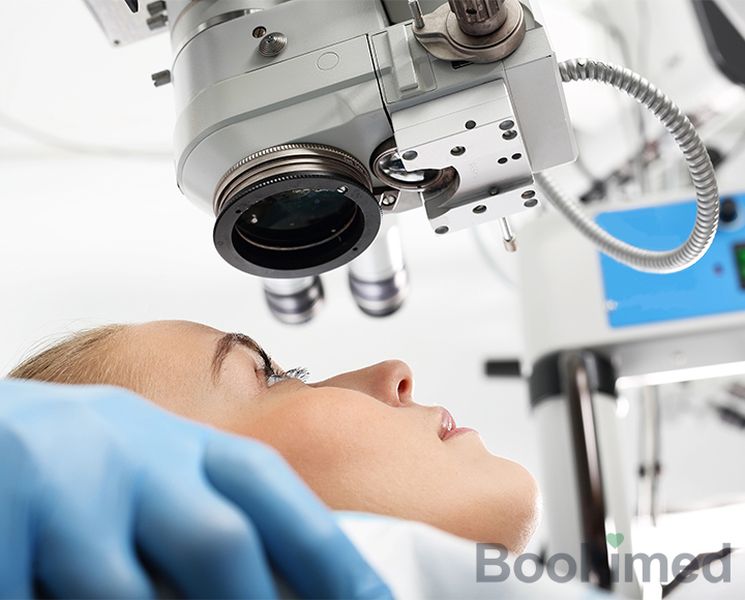
الربط المتقاطع للقرنية (CCL) (عين واحدة)
يعمل هذا الإجراء على تقوية القرنية باستخدام الأشعة فوق البنفسجية وقطرات الريبوفلافين لوقف تطور القرنية المخروطية.
أسئلة متكررة حول ربط القرنية (CCL) (عين واحدة) في تايلاند
ما هي المستشفيات الموصى بها في تايلاند لعملية تثبيت القرنية (CCL)؟
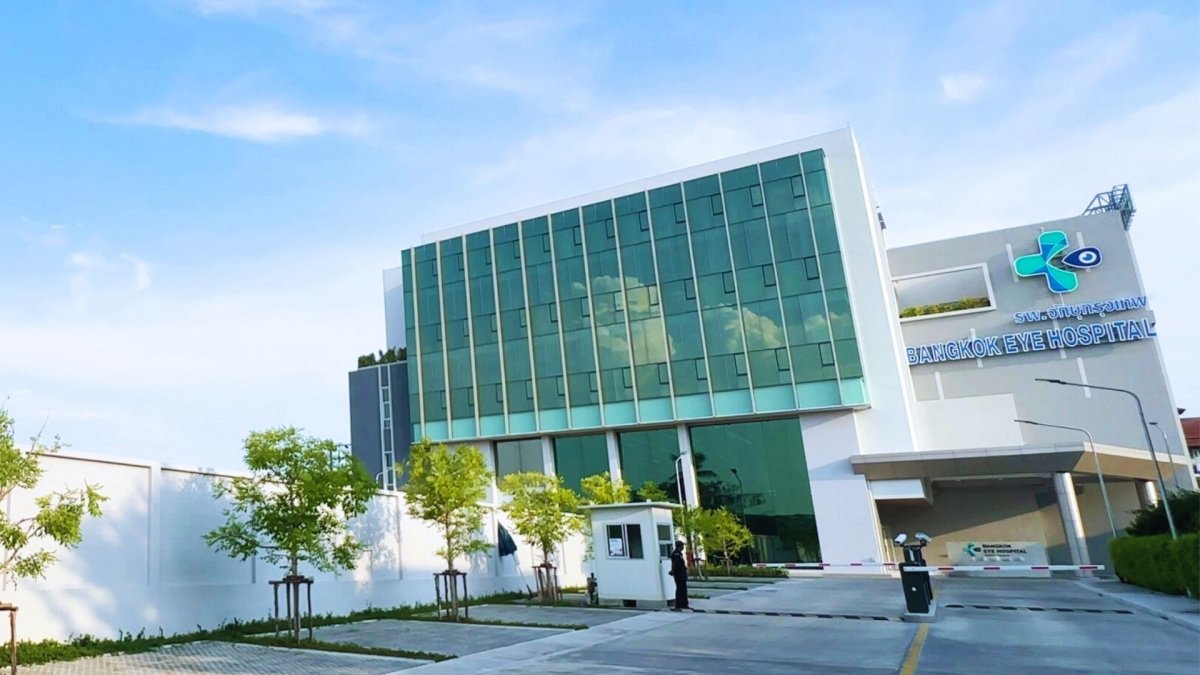
تشمل المستشفيات الموصى بها في تايلاند لعملية تثبيت القرنية (Corneal Cross-Linking) مركز Laser Vision في مستشفى بانكوك للعيون (Bangkok Eye Hospital)، ومستشفى Intrarat، والمرافق المعتمدة من اللجنة الدولية المشتركة (JCI) مثل مستشفى بامرونجراد الدولي (Bumrungrad International). تستخدم هذه المراكز بروتوكولات "epi-off" والبروتوكولات المتسارعة لعلاج القرنية المخروطية، ويضم طاقمها جراحين تدربوا في مؤسسات مرموقة في الولايات المتحدة والمملكة المتحدة واليابان.
- مراكز العيون المتخصصة: يركز مركز Laser Vision حصرياً على جراحة القرنية وجراحة تصحيح الإبصار منذ عام 1998.
- مؤهلات الجراحين الخبراء: كان الدكتور أنون فونجثونجسرى أول زميل تايلاندي في جامعة واشنطن.
- التدريب السريري المتقدم: يحمل الدكتور سوميت سوبالاسيت في مستشفى Intrarat شهادات تخصصية من لندن وكيوتو.
- بروتوكولات التعافي السريع: تسمح البروتوكولات المتسارعة في بانكوك للعديد من المرضى بالعودة إلى العمل في غضون 3 أيام.
رؤية خبير Bookimed: على الرغم من أن العديد من المستشفيات العامة تقدم خدمات طب العيون، فإن اختيار منشأة متخصصة مثل Laser Vision في مستشفى بانكوك للعيون يوفر الوصول إلى كثافة أعلى من الأطباء المتخصصين الفرعيين. يتمتع الدكتور أنون فونجثونجسرى والدكتور فيفات كومولسوراديت معاً بأكثر من 40 عاماً من الخبرة المشتركة في جراحة تصحيح الإبصار، وهو أمر بالغ الأهمية للتعامل مع القرنيات الرقيقة أثناء عملية التثبيت.
إجماع المرضى: يفيد المرضى بأن العيادات عالية التقنية في بانكوك
ما هي نسبة نجاح عملية تثبيت القرنية (Corneal Cross-Linking)؟
تحقق عملية تثبيت القرنية (CXL) نسبة نجاح تتراوح بين 90% إلى 95% في وقف تقدم القرنية المخروطية. يعمل هذا الإجراء على تثبيت القرنية باستخدام الريبوفلافين وضوء الأشعة فوق البنفسجية لتقوية روابط الكولاجين. يستخدم المتخصصون التايلانديون في مركز "ليزر فيجن" في مستشفى بانكوك للعيون بروتوكولات عالمية للحفاظ على هذه النتائج العالية.
- نسبة النجاح: حوالي 95% لبروتوكول "إزالة الظهارة" (epi-off) المعتمد كمعيار ذهبي في دريسدن.
- استقرار الرؤية: يحافظ أكثر من 90% من المرضى على مستويات رؤيتهم الحالية لمدة 10 سنوات.
- تحسن طفيف: على الرغم من أن الإجراء يهدف بشكل أساسي إلى الاستقرار، إلا أن بعض المرضى يلاحظون تحسناً طفيفاً في حدة البصر.
- الإجراءات المتكررة: تنجح العلاجات الثانوية في 83% إلى 100% من الحالات التي كانت غير مستقرة في البداية.
رؤية خبير Bookimed: غالباً ما يجمع أطباء العيون التايلانديون مثل الدكتور سوميت سوبالاسيت بين التدريب الدولي في الولايات المتحدة واليابان وبين حجم العمليات الجراحية الكبير. يستفيد المرضى هنا من بروتوكولات متسارعة متقدمة تقلل من وقت الإجراء مع الحفاظ على نسب نجاح تصل إلى 95%.
إجماع المرضى: أفاد معظم المرضى أن الإجراء نجح في منع تدهور رؤيتهم. ويؤكدون أنه على الرغم من أنه ليس علاجاً للاستغن
ما الذي يجب أن أتوقعه أثناء التعافي بعد إجراء CCL؟
يتضمن التعافي بعد إجراء الربط المتقاطع للقرنية (CCL) في تايلاند فترة شفاء أولية تتراوح من 3 إلى 5 أيام، مع استقرار الرؤية الكامل الذي يستغرق عدة أشهر. عادةً ما يعاني المرضى من حساسية كبيرة للضوء وإحساس بالخشونة، يشبه وجود رمل في العين، خلال الـ 48 إلى 72 ساعة الأولى.
- الشفاء الأولي: يعود معظم المرضى إلى أنشطتهم اليومية العادية في غضون 3 إلى 5 أيام.
- إدارة الألم: عادةً ما يصل الانزعاج الشديد إلى ذروته بعد 4 إلى 8 ساعات من الإجراء.
- العدسة الواقية: تبقى عدسة لاصقة علاجية في العين لمدة 3 إلى 7 أيام.
- تغيرات الرؤية: الرؤية الضبابية أو غير الواضحة أمر طبيعي وتتحسن تدريجيًا على مدار عدة أسابيع.
- قيود النشاط: تجنب فرك العين، والسباحة، ووضع مكياج العيون لمدة 1 إلى 4 أسابيع.
رؤية خبير Bookimed: غالبًا ما يستخدم أطباء العيون في تايلاند مثل الدكتور سوميت سوبالاسيت في مستشفى إنتارارات بروتوكولات متقدمة قد تقلل من الانزعاج بعد الجراحة. تظهر البيانات أن العيادات المتخصصة حصريًا في رعاية العيون، مثل Laser Vision، تقدم خبرة عالية الحجم ترتبط بمعدلات مضاعفات أقل.
إجماع المرضى: يجد العديد من المرضى أن الكمادات الباردة أكثر فعالية من الحرارة للتحكم في إحساس الحرقان الشديد خلال اليوم ال
كيف أستعد لعملية تثبيت القرنية (CCL) في تايلاند؟
يتطلب التحضير لعملية تثبيت القرنية (CCL) في تايلاند إجراء فحوصات شاملة للعين، بما في ذلك قياس سمك القرنية (pachymetry) وتضاريس القرنية (topography)، قبل السفر. يجب على المرضى الوصول إلى بانكوك قبل يومين إلى 3 أيام لإجراء استشارات ما قبل الجراحة مع متخصصين مثل الدكتور أنون فونجثونجسري في مركز ليزر فيجن في مستشفى بانكوك للعيون.
- التاريخ الطبي: قم بإجراء تحاليل دم للكشف عن فيروس الهربس البسيط، حيث يمكن أن يؤدي الإجراء إلى تحفيز نوبات نشاط الفيروس.
- تعديل الأدوية: تجنب تناول الستيرويدات أو الأسبرين قبل الجراحة بأسبوع إلى أسبوعين.
- أساسيات التعافي: احزم نظارات شمسية كبيرة، وأغطية للعين، ودموعاً اصطناعية مثل Systane.
- تخطيط الإقامة: احجز غرفة فندق بها تكييف فعال وستائر معتمة.
رؤية خبير Bookimed: تعد تايلاند مركزاً لمراكز تصحيح الإبصار ذات الكثافة العالية حيث غالباً ما يكون لدى الجراحين زمالات دولية. على سبيل المثال، يحمل الدكتور سوميت سوبالاسيت في مستشفى إنتارارات شهادات من الولايات المتحدة والمملكة المتحدة واليابان. هذا التدريب العالمي يعني غالباً أن العيادات مجهزة بأحدث أنظمة توصيل الأشعة فوق البنفسجية (UV-A) وبروتوكولات الريبوفلافين الموجودة في المستشفيات الغربية.
إجماع المرضى: يؤكد المرضى على أهمية البقاء في مكان إقامة مظلم وبارد لمدة 10 أيام على الأقل بعد العملية. قد تكون الرحلات الجوية الدولية صعبة مباشرة بعد الجراحة بسبب الحساسية الشديدة للضوء والألم.