علاج التحصي البولي في إسبانيا — احصل على 3 عيادات مختارة خصيصاً لك


تمت مراجعة المقالة طبيا من قبل
فهد مولود
كيف نعمل؟
ما هي تكلفة التحصي البولي إجراءات التشخيص والعلاج في إسبانيا؟ اعرف الآن
من $280. وتتراوح تكلفة التدخلات الجراحية الأولية مثل تفتيت الحصوات بالليزر ما بين $3,600 إلى $5,400. تعتمد النفقات الإجمالية على حجم الحصوة، وتعقيد الإجراء، وموقع العيادة. يمكن للمرضى توقع توفير ما بين 40-70% مقارنة بالولايات المتحدة. تشمل أهم المراكز الطبية مدريد، وبرشلونة، وماربيا.
تكاليف علاج حصوات المسالك البولية النموذجية في إسبانيا
- استشارة طبيب مسالك بولية: من $280
- تحليل صورة الدم الكاملة (CBC): من $50
- ديناميكا البول: من $300
- تفتيت الحصوات بالليزر: $3,600 – $5,400
- تنظير الحالب والمرونة الكلوية (URS): $4,300 – $6,300
- تفتيت الحصوات عبر الإحليل: من $10,800
- دعامة الحالب: من $6,300
رؤية خبراء Bookimed: يجب على المرضى الذين يبحثون عن رعاية متخصصة التفكير في المراكز التي تضم وحدات مخصصة لعلاج الحصوات. كان الدكتور كارلوس توريسيلا أورتيز في مستشفى HM Nou Delfos رائدًا في مجال تفتيت الحصوات في كتالونيا. بالنسبة للحالات المعقدة، توفر المرافق الحاصلة على اعتماد اللجنة الدولية المشتركة (JCI) مثل Centro Médico Teknon فرقًا جراحية متميزة وتقنيات متقدمة. غالبًا ما يختار المرضى الدوليون مستشفى HM Sanchinarro في مدريد نظرًا لارتفاع حجم العمليات فيه وطاقم العمل الذي يتحدث الإنجليزية.
| تركيا | إسبانيا | ألمانيا | |
|---|---|---|---|
| تنظير الحالب المرن | من $3,800 | ≈ $4,300 | ≈ $4,800 |
| تفتيت حصيات مجرى البول بالمنظار | من $7,500 | من $10,800 | ≈ $4,000 |
| تفتيت الحصى بالليزر | ≈ $1,500 | ≈ $3,600 | ≈ $3,600 |
| الدعامة الحالب | من $1,200 | من $6,300 | ≈ $2,300 |
اكتشف أفضل التحصي البولي العيادات في إسبانيا: 9 خيارات معتمدة والأسعار










SJD Barcelona Children’s Hospital





Uroclínica



احصل على تقييم طبي لـ في إسبانيا. استشر الآن 12 أطباء ذوي الخبرة.
عرض جميع الأطباء
Josep Torremade Barreda
يتخصص الدكتور توريماد في الرعاية المسالك البولية المتقدمة كرئيس لقسم الذكورة في مركز تكنون الطبي - وهو مؤسسة رائدة في برشلونة.
- _doctor_8195_سنوات_ من الخبرة في طب المسالك البولية مع التركيز على الحالات المعقدة
- حاصل على زمالة من مركز ميموريال سلون كيترينج للسرطان
- محرر المجلة الدولية لأمراض الذكورة
- عضو اللجنة الأوروبية للطب الجنسي
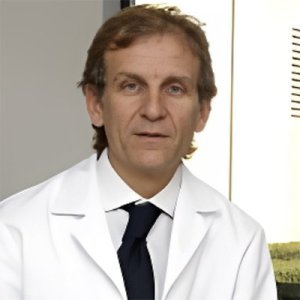
Antonio Alcaraz Asensio
الطبيب هو أخصائي مسالك بولية وأورام مسالك بولية متميز للغاية، متخصص في العلاجات الجراحية المعقدة لسرطان البروستاتا والكلى والمثانة. بفضل خبرته الواسعة في الجراحة الروبوتية وبالمنظار، كان للطبيب دور فعال في تطوير تقنيات المسالك البولية طفيفة التوغل، بما في ذلك تنفيذ نظام دافنشي الروبوتي. يشغل الطبيب حالياً منصب رئيس قسم المسالك البولية في مركز تكنون الطبي (Centro Médico Teknon) ورئيس قسم المسالك البولية وزراعة الكلى في مستشفى كلينيك دي برشلونة (Hospital Clínic de Barcelona).
تم تصنيفه كو

Navarro Vilches
رئيس قسم المسالك البولية في Quirónsalud Marbella – متخصص في جراحات الكلى والمسالك البولية المتقدمة.
- تدرب في مركز ميموريال سلون كيترينج للسرطان في نيويورك
- مؤسس مشارك لمعهد جراحة المسالك البولية في مالقة
- عضو وحدة زراعة الكلى في مستشفى كارلوس هايا
- مؤلف للعديد من المقالات حول أمراض المسالك البولية
مشاركة المحتوى
قصص فيديو من مرضى Bookimed
 Anna Leonova
أسئلة متكررة حول علاج التحصي البولي في إسبانيا
هل يتوفر تفتيت الحصوات بالموجات التصادمية (ESWL) لحصوات الكلى في إسبانيا، وما مدى أمانه؟
يتوفر تفتيت الحصوات بالموجات التصادمية من خارج الجسم (ESWL) على نطاق واسع في إسبانيا في المرافق المعتمدة من قبل اللجنة الدولية المشتركة (JCI) في مدريد وبرشلونة. الإجراء آمن للحصوات التي يقل حجمها عن 2 سم، مع تسجيل معدل نجاح بنسبة 90% في حل حصوات المسالك البولية. يقوم أطباء المسالك البولية المتخصصون بإجراء هذا العلاج غير الجراحي باستخدام تقنيات الموجات التصادمية المتقدمة.
- معدلات النجاح: فعالية بنسبة 90% تقريبًا للحصوات الأصغر من 2 سم.
- السلامة السريرية: المضاعفات نادرة، حيث تمر 95% من الإجراءات دون حوادث.
- مقدمو الخدمة الخبراء: كان الدكتور كارلوس توريسيلا أورتيز في مستشفى HM Nou Delfos رائدًا في هذه التكنولوجيا.
- مراكز العلاج: تخدم المراكز الكبيرة مثل مستشفى كيرون برشلونة أكثر من 40,000 مريض سنويًا.
رؤية خبير Bookimed: غالبًا ما يقود أطباء المسالك البولية المحترفون في إسبانيا، مثل الدكتور كارلوس توريسيلا أورتيز، منسقي حصوات الكلى الوطنيين. تظهر بياناتنا أن كبار المتخصصين الإسبان يمتلكون عادةً أكثر من 35 عامًا من الخبرة. هذه الخبرة العميقة حيوية لحالات الحصوات المعقدة. توفر مراكز مثل Centro Médico Teknon دعمًا تمريضيًا على مدار 24 ساعة، وهو أمر بالغ الأهمية إذا لم تتفتت الحصوات بالكامل.
إجماع المرضى: يشير المرضى إلى أن العيادات الخاصة توفر وصولًا أسرع بكثير من الخيارات العامة. ويوصون بشدة بطلب التخدير لضمان الراحة أثناء جلسات الموجات التصادمية.
ما هي معايير التأهيل التي يجب أن يستوفيها أطباء المسالك البولية الإسبان لإجراء تنظير الحالب بالليزر أو استخراج حصى الكلى عن طريق الجلد؟
يجب على أطباء المسالك البولية الإسبان إكمال درجة الطب لمدة ست سنوات واجتياز امتحان MIR. ثم يكملون إقامة لمدة خمس سنوات في طب المسالك البولية. غالبًا ما يحمل الجراحون شهادة زميل المجلس الأوروبي للمسالك البولية. يقوم كبار المتخصصين مثل الدكتور كارلوس توريسيا أورتيز بتنسيق التدريب الوطني على حصوات الكلى.
- التدريب أثناء الإقامة: يجب على الجراحين إكمال خمس سنوات من الإقامة المتخصصة في مسالك بولية MIR.
- الحجم السريري: يوصي الخبراء بإجراء أكثر من 60 عملية للوصول إلى الكفاءة الجراحية الكاملة.
- الشهادة الأوروبية: يحمل الكثيرون مؤهلات زميل المجلس الأوروبي للمسالك البولية (FEBU).
- الزمالات المتخصصة: غالبًا ما يكمل كبار الأطباء زمالات في تنظير المسالك البولية في مؤسسات مثل جامعة هارفارد.
رؤية خبير Bookimed: تُظهر بيانات Bookimed أن أطباء المسالك البولية الإسبان الأعلى تقييمًا، مثل الدكتور خوسيه إميليو باتيستا ميراندا، غالبًا ما يحملون درجات الدكتوراه وزمالات دولية. في حين أن الإقامة القياسية توفر تدريبًا أساسيًا، غالبًا ما يعمل المتخصصون من الدرجة الأولى في المراكز المعتمدة من JCI مثل Centro Médico Teknon كمنسقين وطنيين لحصوات الكلى. يرتبط هذا المستوى من القيادة عادةً بأحجام كبيرة من المرضى وخبرة متقدمة في الليزر.
إجماع المرضى: يؤكد المرضى أنه على الرغم من أن جميع الجراحين المدربين في MIR يمكنهم إجراء هذه العمليات، فإن اختيار متخصص لديه حجم كبير من الحالات أمر حيوي. ينصح الكثيرون بالسؤال عن عدد الحالات السنوية للجراح في تنظير ال
كم من الوقت سأحتاج للبقاء في إسبانيا، وكيف تبدو المتابعة بعد الجراحة بعد تنظير الحالب؟
يقضي معظم المرضى من يوم إلى يومين في إسبانيا لإجراء تنظير الحالب. عادة ما تشمل باقات الإجراءات ليلة واحدة في المستشفى. بينما يتم استئناف النشاط الخفيف في غضون 48 ساعة، يرجى البقاء لمدة 7 أيام على الأقل إذا كان الدعامة المؤقتة تتطلب إزالة سريرية قبل رحلة العودة.
- الإقامة في المستشفى: توقع البقاء في المستشفى لمدة 24 ساعة للمراقبة بعد تفتيت الحصوات بالليزر.
- إزالة الدعامة: عادة ما يقوم الجراحون بإزالة الدعامات الداخلية بعد 5 إلى 14 يوماً من الجراحة.
- الاستعداد للسفر: السفر جواً آمن بشكل عام بعد 48 ساعة من إزالة الحصوات غير المعقدة.
- متابعة التصوير: عادة ما يتم إجراء الموجات فوق الصوتية أو الأشعة السينية بعد 4 إلى 6 أسابيع من العلاج.
رؤية خبير Bookimed: توفر المراكز الإسبانية مثل Centro Médico Teknon مسارات فعالة للغاية. تظهر بياناتنا أن الباقات التي تبلغ حوالي 9,900 دولار غالباً ما تشمل أتعاب الجراح والتشخيص. يقدم الدكتور خوسيه إميليو باتيستا ميراندا أكثر من 25 عاماً من الخبرة للتعافي السريع. اختيار منشأة معتمدة من JCI يضمن بروتوكولات موحدة للعدوى بعد الجراحة.
إجماع المرضى: يشير المرضى إلى أن التعافي سريع، وغالباً ما يغادرون العيادة في غضون 36 ساعة. يؤكدون على أهمية البقاء رطباً وجدولة رحلة العودة فقط بعد إزالة الدعامة.
هل يمكن علاج حصوات الكلى الكبيرة أو المعقدة باستخدام تقنية mini-PCNL في إسبانيا، وما هي معدلات النجاح المسجلة؟
تعد عملية استئصال حصوات الكلى عن طريق الجلد المصغرة (mini-PCNL) في إسبانيا وسيلة فعالة للتعامل مع حصوات الكلى الكبيرة والمعقدة. يبلغ الجراحون عن معدلات نجاح تتراوح بين 80% و96% للحصوات التي يزيد حجمها عن 2 سم. تحقق حالات الحصوات المرجانية المعقدة معدلات تفتيت تصل إلى 87%. تستخدم المراكز الإسبانية قنوات وصول بحجم 14-20 فرنش لتقليل النزيف.
- معدلات النجاح: تظهر الحصوات الكبيرة التي تزيد عن 2 سم معدلات تفتيت تتراوح بين 80% إلى 96%.
- نتائج الحصوات المرجانية: تحقق الحصوات المتشعبة المعقدة نجاحاً بنسبة 80.6% إلى 87.1% في جلسة واحدة.
- سرعة التعافي: عادة ما يستأنف المرضى أنشطتهم الطبيعية في غضون أسبوع إلى أسبوعين بعد الجراحة.
- الإقامة في المستشفى: تقلل التقنيات طفيفة التوغل فترة الإقامة في المستشفى إلى حوالي يوم أو يومين.
رؤية خبير Bookimed: توفر وحدات المسالك البولية الإسبانية مثل مستشفى HM Nou Delfos وحدات متخصصة في تفتيت الحصوات بقيادة منسقين من الجمعية الإسبانية للمسالك البولية. كان الدكتور كارلوس توريسيلا أورتيز في مستشفى HM Nou Delfos رائداً في إدخال تقنيات تفتيت الحصوات المتقدمة في كتالونيا. غالباً ما يؤدي هذا المستوى العالي من التخصص في المراكز الخاصة في برشلونة إلى الوصول إلى تقنيات هجينة. تجمع هذه التقنيات بين تفتيت الحصوات بالليزر وmini-PCNL للحصوات التي تتجاوز 2.5 سم لتحسين نتائج التفتيت.
إجماع المرضى: يشير المرضى إلى أنه بالنسبة للحصوات التي يزيد حجمها عن 2 سم، غالباً ما يعني النجاح تقليلاً كبيراً في الحجم بدلاً
هل سيكون لدي ندبات مرئية بعد استئصال حصوات الكلى عن طريق الجلد أو جراحة الحصوات بالمنظار؟
يؤدي كل من استئصال حصوات الكلى عن طريق الجلد وجراحة الحصوات بالمنظار إلى الحد الأدنى من الندبات بسبب طبيعتهما طفيفة التوغل. عادة ما تكون الشقوق الجلدية بطول 1 سم. تستخدم إجراءات المنظار من 3 إلى 4 منافذ تتراوح من 0.5 سم إلى 1.5 سم. تتلاشى هذه العلامات وتصبح مسطحة بشكل عام في غضون أشهر.
- أبعاد الشق: يتطلب استئصال حصوات الكلى عن طريق الجلد ثقباً صغيراً واحداً بحجم 1 سم.
- منافذ المنظار: تستخدم الإجراءات من 3 إلى 5 شقوق صغيرة في البطن.
- نضج الندبة: تتلاشى العلامات عادةً لتصبح خطوطاً شاحبة وشفافة في غضون 12 شهراً.
- التوضع الاستراتيجي: غالباً ما يستخدم الجراحون السرة لإخفاء نقاط دخول المنظار.
رؤية خبير Bookimed: غالباً ما تستخدم مراكز المسالك البولية الإسبانية مثل مستشفى HM Nou Delfos تفتيت الحصوات بالموجات التصادمية أو تنظير الحالب لاستخراج الحصوات. لا تتطلب هذه الطرق أي شقوق جلدية على الإطلاق. يجب على المرضى الذين يركزون على عدم وجود ندبات أن يسألوا عما إذا كان حجم حصواتهم يسمح بهذه الأساليب الداخلية بالكامل. تظهر بياناتنا أن الدكتور كارلوس توريسيا أورتيز في Nou Delfos متخصص في هذه البدائل غير الجراحية.
إجماع المرضى: يلاحظ المرضى أن ندبات الجلد غالباً ما تبدو مثل النمش الصغير بعد عامين. ويؤكدون على استخدام هلام السيليكون بدءاً من الأسبوع الثالث لضمان بقاء الندبات مسطحة وغير مرئية تحت الملابس.
ما هي المدن في إسبانيا التي لديها برامج حصوات الكلى ذات الحجم الأكبر للمرضى الدوليين؟
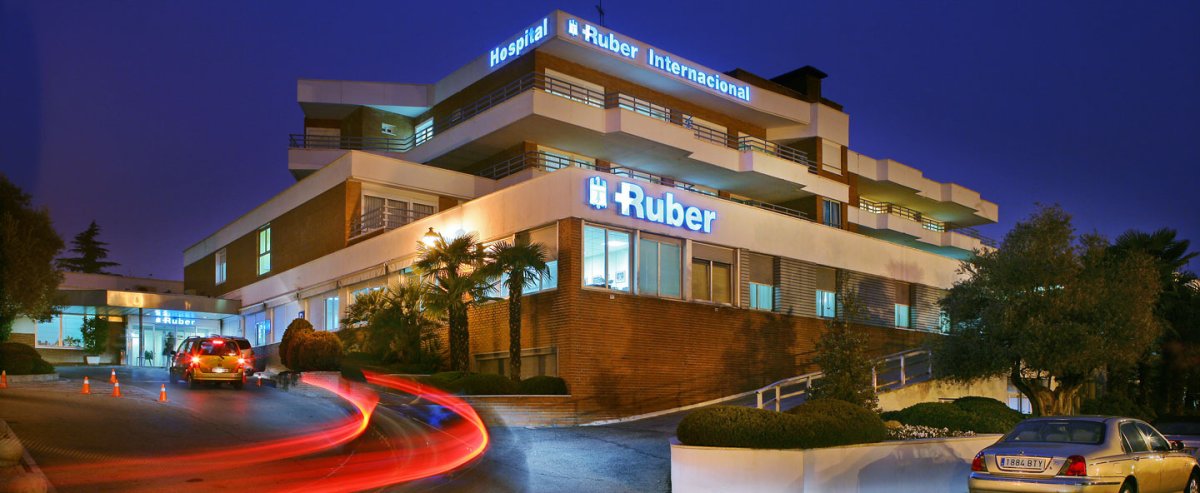
تستضيف برشلونة ومدريد برامج حصوات الكلى ذات الحجم الأكبر في إسبانيا للمرضى الدوليين. يتعامل مركز Centro Médico Teknon ومستشفى Hospital Quirónsalud في برشلونة مع أكثر من 1800 حالة مسالك بولية مجتمعة سنويًا. وتعد مستشفيات HM Sanchinarro و Ruber Internacional في مدريد مراكز رئيسية. تستخدم هذه المراكز بروتوكولات معتمدة من JCI وتفتيت الحصوات بالليزر المتقدم لإزالة الحصوات.
- الحجم في برشلونة: يعالج Quirónsalud Barcelona حوالي 780 حالة حصوات كلى سنويًا.
- الخبرة في مدريد: تخدم HM Sanchinarro 400,000 مريض سنويًا بوحدات متخصصة في مسالك البول للبالغين.
- الرائد في بامبلونا: تبلغ Clínica Universidad de Navarra عن حوالي 898 علاجًا للحصوات سنويًا.
- التكنولوجيا المتخصصة: تقدم المراكز تفتيت الحصوات بمنظار الحالب وأنظمة da Vinci الروبوتية للحالات المعقدة.
رؤية خبير Bookimed: تشير البيانات إلى أن برشلونة هي الخيار الاستراتيجي لعلاج حصوات الكلى بسبب تركيز المتخصصين ذوي الحجم الكبير من الحالات. بينما تقدم مراكز مدريد مثل Ruber Internacional أكثر من 40 عامًا من الخبرة، يوفر Centro Médico Teknon في برشلونة باقة فريدة وشاملة لتفتيت الحصوات بالليزر مقابل 9,900 دولار. تشمل هذه الباقة ليلة واحدة في المستشفى ويقودها الدكتور خوسيه إميليو باتيستا ميراندا، الذي يتمتع بسجل حافل يمتد لـ 35 عامًا. غالبًا ما يعني اختيار برشلونة الوصول إلى الأطباء الذين أدخلوا تقنيات الليزر هذه إلى المنطقة.
إجماع المرضى: يشير المرضى إلى أن المستشفيات الخاصة في برشلونة