العودة إلى الصفحة الرئيسية
820К+ مريضًا حصلوا على المساعدة منذ عام 2014
50 دول
1,500 عيادات
6K+ تقييمات
3K+ طبيب مؤهل

ما هي تكلفة التحصي البولي إجراءات التشخيص والعلاج في تايلاند؟ اعرف الآن

Urolithiasis treatment cost in Thailand is influenced by the stone size and chosen surgical technique. Diagnostic imaging and a consultation with a urologist typically run $100 / 3,400฿ to $100 / 3,400฿, while primary interventions like laser lithotripsy range from $2,000 / 68,000฿ to $3,500 / 119,000฿. Total expenses depend on hospital tier and the complexity of the stone removal. Patients often see 50–70% savings compared to the US, with top clinics located in Bangkok and Pattaya.

Typical Urolithiasis Treatment Costs in Thailand

  • Consultation with a urologist: $100 / 3,400฿ – $100 / 3,400฿
  • Complete blood count: $100 / 3,400฿ – $100 / 3,400฿
  • Coagulogram: السعر عند الطلب
  • Urodynamics: السعر عند الطلب
  • Laser lithotripsy: $2,000 / 68,000฿ – $3,500 / 119,000฿
  • Urethroscopic lithotripsy: $1,800 / 61,200฿ – $3,200 / 108,800฿
  • Flexible ureterorenoscopy (URS): $2,500 / 85,000฿ – $4,000 / 136,000฿
  • Ureteral stenting: $900 / 30,600฿ – $1,700 / 57,800฿
  • Extended analysis of blood: السعر عند الطلب
  • ECG: $100 / 3,400฿ – $100 / 3,400฿

Bookimed Expert Insight: For complex stones, choosing technologically advanced centers like Bumrungrad International Hospital is best. They utilize robotic surgery and digital imaging, serving over 500,000 international patients annually. Patients seeking specialized expertise should consider Dr. Kittinut Kijvikai, who specializes in robotic-assisted urological procedures. Menness Wellness Clinic offers a high-success alternative in Bangkok for adult patients focusing on urological health.

تايلاندتركياإسبانيا
تنظير الحالب المرنمن $2,500 / 85,000฿من $2,500 / 85,000฿من $3,500 / 119,000฿
تفتيت حصيات مجرى البول بالمنظارمن $1,800 / 61,200฿من $1,500 / 51,000฿من $3,000 / 102,000฿
تفتيت الحصى بالليزرمن $2,000 / 68,000฿من $1,800 / 61,200฿من $2,300 / 78,200฿
الدعامة الحالبمن $900 / 30,600฿من $1,200 / 40,800฿من $2,300 / 78,200฿
تم التحقق من البيانات بواسطة Bookimed اعتبارًا من July 2026، استنادًا إلى طلبات المرضى والعروض الرسمية من 145 عيادة حول العالم. تستند التكاليف المتوسطة إلى الفواتير الحقيقية (2025–2026) ويتم تحديثها شهريًا. قد تختلف الأسعار الفعلية.

مزاياك وضماناتك مع Bookimed

أسعار مباشرة

Bookimed لا يضيف رسوماً إضافية على أسعار علاج التحصي البولي. الأسعار مأخوذة من قوائم الأسعار الرسمية للعيادات. تدفع مباشرة في العيادة مقابل علاجك عند وصولك إلى البلد.

عيادات وأطباء معتمدون فقط

Bookimed ملتزم بسلامتك. نحن نعمل فقط مع المؤسسات الطبية التي تحافظ على معايير دولية عالية في علاج التحصي البولي ولديها التراخيص اللازمة لخدمة المرضى الدوليين في جميع أنحاء العالم.

مساعدة مجانية على مدار الساعة

Bookimed يقدم مساعدة خبراء مجانية. منسق طبي شخصي يدعمك قبل وأثناء وبعد العلاج، ويحل أي مشاكل. لن تكون وحيداً أبداً في رحلة علاج التحصي البولي.

لماذا نحن؟

منسقك الطبي الشخصي في Bookimed

  • يدعمك في كل مرحلة
  • المساعدة في اختيار العيادة الطبية المناسبة والطبيب المناسب
  • يضمن الوصول السريع والمريح إلى المعلومات

اكتشف أفضل التحصي البولي العيادات في تايلاند: 3 خيارات معتمدة والأسعار

تم تصنيف العيادات بواسطة نظام Bookimed الذكي، باستخدام تحليل علوم البيانات عبر 5 معايير رئيسية.
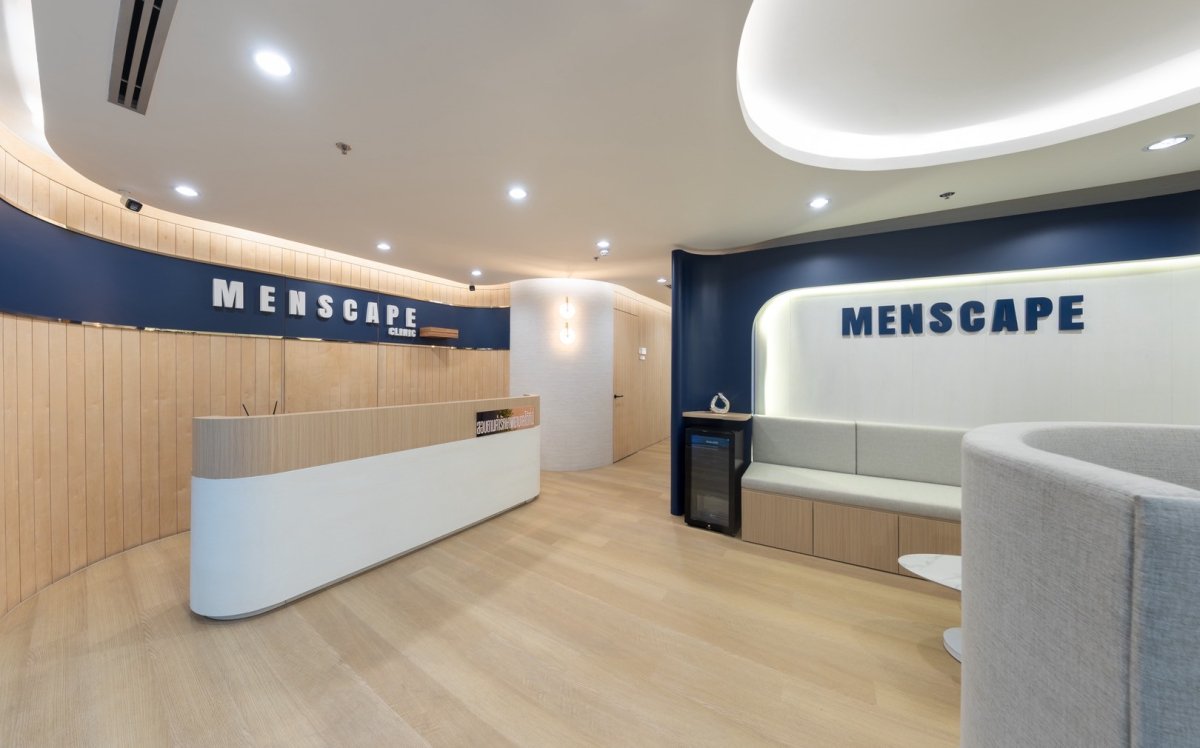
Menness Wellness Clinic
Bumrungrad International Hospital
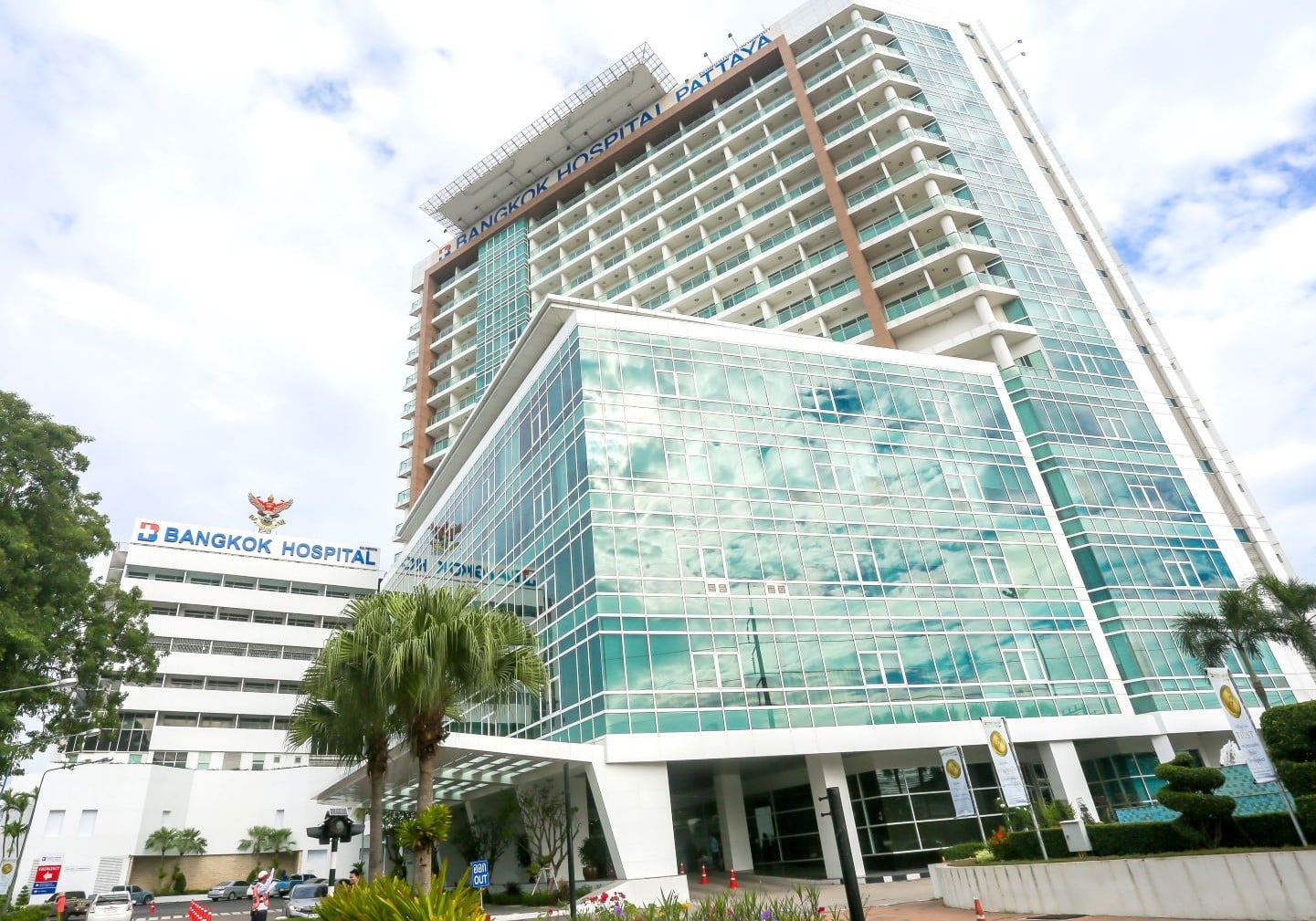
Bangkok Hospital Pattaya

احصلوا على تقييم طبي لـ التحصي البولي في تايلاند: استشيروا أطباء ذوي خبرة الآن

عرض جميع الأطباء
يؤكد

Teanchai Siricharoensang

38سنة خبره ١٦ سنة

الدكتور تينشاي سيريتشاروينسانغ هو جراح مسالك بولية متخصص في جراحات المناظير المتقدمة ومناظير المسالك البولية، ولديه خبرة لمدة 13 عامًا في مستشفى ساميتيويت بانكوك.

  • خريج كلية الطب بسيريراج وجامعة ماهيدول
  • أخصائي معتمد في تحلل الدهون بالموجات فوق الصوتية ومكافحة الشيخوخة
  • عضو في الجمعية الأمريكية لجراحة المسالك البولية
يؤكد

Kittinut Kijvikai

يتخصص الدكتور كيتينوت كيجفيكاي في الإجراءات البولية المتقدمة، بما في ذلك الجراحات بمساعدة الروبوت في مستشفى بامرونجراد الدولي.

  • العمل كخبير في إجراءات استئصال البروستاتا واستئصال الكلية
  • إجراء أبحاث حول تحسين نتائج الجراحة بمساعدة الروبوت
  • نشر دراسات حول التدخلات غير الجراحية مثل NADT
  • المشاركة كعضو في مجتمع أبحاث المسالك البولية والمساهمة في المجلات العلمية المحكمة
يؤكد

Nuttaphon Luchaichana

10سنة خبره ١٦ سنة

Dr. Nuttaphon Luchaichana is a board-certified urologist at Menness Wellness Clinic in Bangkok. He specializes in male sexual health, andrology, and reconstructive urologic procedures. He earned his medical degree and certification from Siriraj Hospital at Mahidol University. Dr. Luchaichana focuses on improving quality of life through surgical and medical management.

  • Performs specialized penile prosthesis surgery and penile curvature correction.
  • Expert in minimally invasive urologic surgery and scrotal reconstruction.
  • Provides stem cell and shockwave therapies for erectile dysfunction.
  • Practices at a clinic accredited by the Royal College of Surgeons Thailand.

المراجعات

جميع المراجعات
Диёра • التشخيص المركب للكلية
أوزبكستان
١٥ نوفمبر ٢٠٢٣
مراجعة تم التحقق منها.
شفرة رائعة، أوصي بها للجميع
شفرة فائقة، أوصي بها الجميع.
الصيانة

مشاركة المحتوى

Twitter XLinkedinFacebookWhatsAppEmail
أحصل على الرابط

قصص فيديو من مرضى Bookimed

Dayana
جمعت بين إجازتي في أنطاليا والفحص الطبي.
إجراء: فحص صحة الإناث (انظر فحص النساء)
Igor
كان رائعاً! التنقلات والإقامة والعلاج - كل شيء مشمول.
إجراء: زرع الأسنان
مستشفى: WestDent Clinic
Marina
قام Bookimed بكل شيء من أجلي. لم أضطر للقلق بشأن أي شيء.
إجراء: فحص صحة الإناث (انظر فحص النساء)
مستشفى: Severance Hospital
محدث: 11/15/2023
تأليف
Anna Leonova
Anna Leonova
رئيس فريق تسويق المحتوى
محررة طبية معتمدة لديها خبرة تزيد عن 10 سنوات، طوّرت محتوى Bookimed الموثوق، مدعومة بماجستير في علم اللغة ومقابلات مع خبراء طبيين من جميع أنحاء العالم.
تمت المراجعة من قبل المستشار الطبي في Bookimed
فهد مولود
محرر طبي وعالم بيانات
طبيب عام. حاصل على 4 جوائز علمية. خدم في غرب آسيا. رئيس الفريق الطبي الناطق بالعربية سابقا ومسؤول عن معالجة البيانات ودقة المحتوى الطبي حاليا.
فهد مولود Linkedin
قد تحتوي هذه الصفحة على معلومات تتعلق بمختلف الحالات الطبية والعلاجات وخدمات الرعاية الصحية المتوفرة في بلدان مختلفة. يرجى العلم أن المحتوى مقدم لأغراض إعلامية فقط ولا ينبغي تفسيره على أنه نصيحة أو إرشادات طبية. يرجى استشارة طبيبك أو أخصائي طبي مؤهل قبل البدء أو تغيير العلاج الطبي.

أسئلة متكررة حول علاج التحصي البولي في تايلاند

هذه الأسئلة الشائعة مأخوذة من مرضى حقيقيين يبحثون عن رعاية طبية عبر Bookimed. يتم تقديم الإجابات من قبل منسقين طبيين ذوي خبرة وممثلين موثوقين من العيادات.

Which hospitals in Thailand are recognized for high-quality kidney-stone care?

Thailand features premier facilities for kidney-stone care. JCI-accredited centers like Bumrungrad International Hospital and Bangkok Hospital Pattaya lead in urological excellence. These hospitals utilize laser lithotripsy and robotic-assisted techniques. Specialized surgeons provide advanced care for international patients under strict safety standards.

  • Expert surgeons: Dr. Kittinut Kijvikai specializes in robotic-assisted urological surgery.
  • Advanced procedures: Centers offer ureteroscopy, laser lithotripsy, and flexible ureterorenoscopy.
  • Hospital capacity: Bumrungrad serves over 1 million patients annually across 70 departments.
  • Quality standards: Facilities hold GHA and JCI accreditations for international clinical excellence.

Bookimed Expert Insight: Bangkok's top hospitals serve a vast volume of international visitors. Bumrungrad reports that 50% of its 1 million annual patients come from abroad. This high volume ensures that urologists at these centers maintain exceptional proficiency in managing complex kidney-stone cases for diverse patients.

Patient Consensus: Patients note that major centers in Bangkok and Pattaya provide seamless international coordination. Many express high satisfaction with the professionalism of the medical staff and the efficiency of the diagnostic process.

What modern stone-removal options are offered in Thailand?

Thailand provides advanced stone-removal options including laser lithotripsy, flexible ureterorenoscopy, and extracorporeal shock wave lithotripsy. Accredited facilities in Bangkok and Pattaya utilize 60W Holmium lasers. These procedures minimize recovery time through incisionless or small-access techniques in JCI-accredited hospitals.

  • Laser lithotripsy: High-wattage lasers pulverize stones into dust for natural passage.
  • Flexible ureterorenoscopy: A thin scope reaches intrarenal stones without external incisions.
  • Shock wave lithotripsy: External waves fragment stones under 15 mm non-invasively.
  • Percutaneous nephrolithotomy: Surgeons remove complex stones through one small 1 cm incision.

Bookimed Expert Insight: High-volume centers like Bumrungrad International Hospital serve over 1,000,000 patients annually. This massive scale allows urologists like Dr. Kittinut Kijvikai to maintain proficiency in robotic-assisted cases. Patients often choose these large facilities because high procedure volumes correlate with better safety outcomes.

Patient Consensus: Patients note the precision of medical technology in Bangkok clinics. Many emphasize the smooth experience and recommend the facilities for complex urological care.

How qualified are Thai urologists who treat international patients?

Thai urologists are highly qualified with local licensure and international board certifications. Many hold credentials from American or European institutions. They specialize in laser lithotripsy and robotic-assisted surgery. Accredited centers like Bumrungrad International Hospital serve thousands of international patients annually.

  • Medical licensure: Surgeons must be licensed by the Medical Council of Thailand.
  • Global certifications: Specialists often hold American Urological Association or European board memberships.
  • Specific expertise: Doctors like Dr. Kittinut Kijvikai specialize in robotic-assisted Da Vinci surgery.
  • High volume: Leading hospitals treat over 1 million patients yearly, including 50% international cases.

Bookimed Expert Insight: Thai urology stands out because top clinicians combine traditional surgery with anti-aging and regenerative medicine credentials. Dr. Teanchai Siricharoensang at He Clinic is an American Urological Association member and a certified anti-aging specialist. This dual expertise helps patients recover faster after invasive stone treatments or robotic procedures.

Patient Consensus: Patients note that Thai urologists explain complex procedures clearly and use advanced surgical tech. One patient at Bumrungrad International Hospital highly recommended the facility for its precision and care quality.

What success and safety record can patients expect for kidney-stone procedures in Thailand?

Thailand reports kidney stone procedure success rates between 81% and 95%. Accredited facilities maintain high safety standards with 86% to 92% of procedures proceeding without complications. Leading hospitals and specialized surgeons utilize laser lithotripsy and robotic-assisted techniques to ensure high targeting accuracy and rapid recovery.

  • Success rates: Retrograde intrarenal surgery (RIRS) achieves over 95% success for stones under 2 cm.
  • Advanced technology: Surgeons like Dr. Kittinut Kijvikai utilize robotic-assisted systems for complex urological cases.
  • Safety standards: Major centers like Bumrungrad International Hospital maintain JCI and GHA global accreditations.
  • Clinical precision: Fourth-generation lithotripsy systems offer 98.5% targeting accuracy to minimize surrounding tissue damage.

Bookimed Expert Insight: Thailand’s top facilities like Bumrungrad and Bangkok Hospital Pattaya serve over 1,000,000 patients annually. This massive volume allows surgeons to manage complex stone cases frequently. Choosing a senior urologist like Dr. Teanchai Siricharoensang ensures access to both endoscopic and advanced laparoscopic expertise.

Patient Consensus: Patients emphasize the importance of getting a full stone analysis and CT imaging before traveling. They note that starting with non-invasive options is best for small stones to ensure a comfortable recovery.

How long is the typical recovery and when can I fly home?

Patients treated for urolithiasis in Thailand can typically fly home within 3 to 7 days after endoscopic procedures. Recovery for basic daily activities usually takes 1 to 2 weeks. Full internal healing and stone fragment clearance may require up to 6 weeks depending on the surgery type.

  • Travel timeframe: Most urologists approve flying 3 to 7 days after laser lithotripsy or ureteroscopy.
  • Recovery duration: Expect 1 to 2 weeks for daily tasks and 4 weeks for strenuous exercise.
  • Advanced techniques: Robotic-assisted surgery at centers like Bumrungrad International Hospital often allows for faster healing.
  • Stent management: Doctors recommend 7 to 10 days post-op stay if a ureteral stent requires removal.

Bookimed Expert Insight: Data from major Bangkok centers suggests a strategic 7-day post-operative stay. This gap is vital because surgeons often place temporary stents that cause bladder urgency. Highly experienced specialists like Dr. Teanchai Siricharoensang or Dr. Kittinut Kijvikai emphasize checking for fragment clearance before long-haul flights. Staying a full week ensures any residual fragments pass while you still have access to immediate medical follow-up.

Patient Consensus: Patients note that flying with a stent is uncomfortable and suggest hydrating heavily to manage urgency. Many recommend staying in Thailand until the stent is removed to avoid discomfort during the long flight home.

Do Thai hospitals offer all-inclusive packages for international patients?

Thai hospitals provide specialized all-inclusive packages for international patients. These bundles typically include medical fees, anesthesia, and private hospital rooms. Leading centers in Bangkok and Pattaya use JCI-accredited standards to ensure safety. Services often extend to VIP airport transfers and assistance with medical visas.

  • Treatment methods: Clinics offer laser lithotripsy and flexible ureterorenoscopy for kidney stones.
  • Hospital stay: Packages usually cover 1–2 nights in private, high-comfort recovery rooms.
  • Diagnostic tools: Screenings include CT scans, blood work, and urologist consultations.
  • International support: Centers like Bumrungrad serve patients from over 190 countries worldwide.

Bookimed Expert Insight: Thailand is a global leader in high-volume medical care. Bumrungrad International Hospital serves over 1 million patients annually. Our data shows that top clinics integrate advanced AI and robotic technology. Patients often choose these centers because they handle complex cases and high-volume arrivals efficiently. Large institutions like Bangkok Hospital Pattaya maintain multiple departments to ensure streamlined, multidisciplinary care in one location.

Patient Consensus: Patients note it's helpful to bring previous medical records to avoid repeating tests. Many recommend contacting international departments directly to receive personalized checklists for their arrival.

What is the success rate for urolithiasis treatment in Thailand?

Success rates for urolithiasis treatment in Thailand generally range from 81% to 98%. Efficacy depends on the specific procedure. Minimally invasive methods report 85% to 95% efficacy. Surgical therapies like PCNL achieve 90% to 98% success. Thai university research shows ESWL has an 81.2% stone-clearance rate.

  • Technique efficiency: Minimally invasive techniques fragment and remove stones with 85% to 95% success.
  • Surgical outcomes: PCNL procedures at major centres report success between 90% and 98%.
  • Laser technology: Centres like Bumrungrad International Hospital use Holmium Laser Lithotripsy for high stone-free rates.
  • Safety standards: Specialists in JCI-accredited hospitals report 86% to 92% of procedures are complication-free.

Bookimed Expert Insight: Many centres treat thousands of patients. Still, the highest success correlates with multi-accredited facilities. Bumrungrad International Hospital holds JCI and GHA accreditations. It serves 1,000,000+ patients annually. This high volume helps specialists like Dr Kittinut Kijvikai maintain proficiency in complex robotic-assisted surgeries. Choosing a regional hub ensures access to modern imaging and emergency backup care.

Patient Consensus: Patients find it important to confirm what a quote covers. This includes imaging, stent removal, and anaesthesia. The consensus in Thailand highlights the value of asking for single-session stone-free rates. This helps patients plan travel effectively.

What is the recovery timeline following urolithiasis surgery in Thailand?

Recovery following urolithiasis surgery in Thailand generally ranges from 1 to 14 days. JCI-accredited facilities use minimally invasive techniques for a rapid return to activity. Most laser treatments allow patients to resume light tasks within 48 hours. Complicated cases may require hospital stays of 2 nights.

  • Laser Lithotripsy: Patients typically resume normal daily activities within 1 to 2 days.
  • Clinical stay: Simple procedures often allow same-day or next-day discharge for international patients.
  • Stent management: Discomfort from internal stents usually resolves within 5 to 14 days.
  • Activity limits: Full recovery for complex stone removal takes approximately 1 to 2 weeks.

Bookimed Expert Insight: Thailand is a hub for high-volume urology. Clinics like Bumrungrad treat 1,000,000+ patients annually. Specialists such as Dr Kittinut Kijvikai use robotic systems and endoscopy. This high volume means doctors handle complex cases frequently. Patients should budget 7 days in-country to have stents checked before flying.

Patient Consensus: Patients note that urinary urgency and minor discomfort are common while a stent remains. They suggest avoiding heavy sightseeing in Bangkok or Pattaya until at least 4 days post-surgery.

How should I prepare for urolithiasis treatment at a hospital in Thailand?

Preparing for urolithiasis treatment in Thailand requires gathering medical records and choosing an accredited facility. Patients must bring recent CT scans or ultrasounds showing stone size and location. Leading hospitals like Bumrungrad International and Bangkok Hospital Pattaya maintain JCI accreditation and serve many international patients.

  • Medical documentation: Provide recent CT scans or ultrasounds detailing stone size and location.
  • Medication list: Declare all current medications including blood thinners, painkillers, and natural supplements.
  • Hospital choice: Select facilities like Bumrungrad International Hospital, which treats over 1,000,000 patients yearly.
  • Expert specialists: Consult surgeons like Dr Kittinut Kijvikai, who specialises in robotic-assisted urological surgery.

Bookimed Expert Insight: Thailand has over 150 specialised clinics for complex urology cases. Specialists like Dr Teanchai Siricharoensang often hold memberships in the American Urological Association. They typically have 10+ years of experience. This international integration means most clinics are well-prepared for Australian patients.

Patient Consensus: Patients suggest bringing English discharge papers. You should also plan for stent removal before flying home. Managing billing deposits early prevents administrative delays at major Bangkok hospitals.

Where can I find a qualified specialist for urolithiasis treatment in Thailand?

Thailand houses highly qualified urologists at JCI-accredited facilities specialising in minimally invasive stone removal. Specialists in Bangkok and Pattaya use laser lithotripsy and robotic-assisted surgery for kidney stones. These experts often hold international certifications and memberships in the American Urological Association.

  • Bumrungrad International Hospital: This Bangkok centre serves 1,000,000 patients annually and holds multiple international accreditations.
  • Dr Kittinut Kijvikai: A specialist at Bumrungrad Hospital, he focuses on robotic-assisted techniques for complex urological cases.
  • Bangkok Hospital Pattaya: This major regional hub treats 400,000 patients yearly and carries JCI and Temos certifications.
  • Dr Teanchai Siricharoensang: An experienced surgeon with over 10 years in urology, specialising in laparoscopic surgery.

Bookimed Expert Insight: Thailand ranks 6th globally for medical requests, reflecting its status as a urology hub. While clinics like Menness Wellness handle 1,000 patients yearly, large centres like Bumrungrad manage 1,000,000. Australian patients often prefer these high-volume hospitals because they house 70+ departments. This ensures 24/7 backup if surgery requires extra support.

Patient Consensus: Patients in Thailand recommend major private hospitals for stone care. This ensures access to on-site CT imaging and emergency services. They note it is vital to confirm the specialist performs specific laser or shock-wave procedures before arriving.

What medical interventions are used for urolithiasis treatment in Thailand if a stone remains stuck in the urinary tract?

Thai hospitals manage stuck urinary stones using ureteroscopy (URS), laser lithotripsy, and percutaneous nephrolithotomy. Specialists use lasers to fragment obstructions. They may also insert temporary stents to restore urine flow. These procedures typically occur in JCI-accredited facilities in Bangkok and Pattaya.

  • Laser lithotripsy: Fragmentation of stones using precise lasers during a ureteroscopy procedure.
  • Ureteroscopy (URS): Insertion of a thin scope to remove or break stones directly.
  • Percutaneous nephrolithotomy: Small back incision used to remove larger kidney stone obstructions.
  • Ureteral stenting: Insertion of a temporary tube to bypass blockages and reduce swelling.

Bookimed Expert Insight: Major Thai centres like Bumrungrad International Hospital serve over 1,000,000 patients annually. They often combine diagnostic urodynamics with laser fragmentation in a single session. This high volume allows specialists such as Dr Kittinut Kijvikai to use robotic-assisted techniques for complex cases. For Australian patients, this often means receiving definitive treatment much faster than waiting for elective lists at home.

Patient Consensus: Patients in Thailand note that hospitals quickly move to laser lithotripsy if stones fail to pass naturally. They emphasise the importance of temporary stenting to relieve severe pain and prevent kidney infections.

احصل على استشارة مجانية

حدد أفضل طريقة للاتصال بك