علاج التحصي البولي في ألمانيا — احصل على 3 عيادات مختارة خصيصاً لك


تمت مراجعة المقالة طبيا من قبل
فهد مولود
كيف نعمل؟
ما هي تكلفة التحصي البولي إجراءات التشخيص والعلاج في ألمانيا؟ اعرف الآن
تختلف التكلفة الإجمالية لعلاج تحصّي المسالك البولية في ألمانيا اعتمادًا على إجراءات التشخيص والعلاج. تتراوح تكاليف التشخيص والعلاج من $1,100 إلى $4,300، بينما تتراوح تكلفة تفتيت الحصى بين $3,300 و $5,500. يتم تحديد خطة العلاج، التي قد تشمل تقنيات متقدمة مثل العلاج بالاستئصال بمساعدة الروبوت أكوابيم، بعد فحص شامل من قبل أخصائي.
| تركيا | إسبانيا | ألمانيا | |
|---|---|---|---|
| تنظير الحالب المرن | من $3,800 | ≈ $4,300 | ≈ $4,800 |
| تفتيت حصيات مجرى البول بالمنظار | من $7,500 | من $10,700 | ≈ $4,000 |
| تفتيت الحصى بالليزر | ≈ $1,500 | ≈ $3,600 | ≈ $3,600 |
| الدعامة الحالب | من $1,200 | من $6,300 | ≈ $2,300 |
اكتشف أفضل التحصي البولي العيادات في ألمانيا: 21 خيارات معتمدة والأسعار










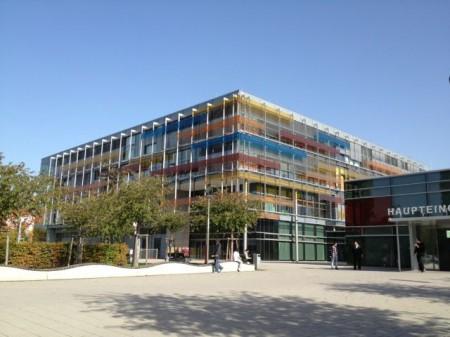
University Hospital in Haydelberge

Department of Urology at Dortmund Clinic

Hospital in the Pfeiffer`s foundations

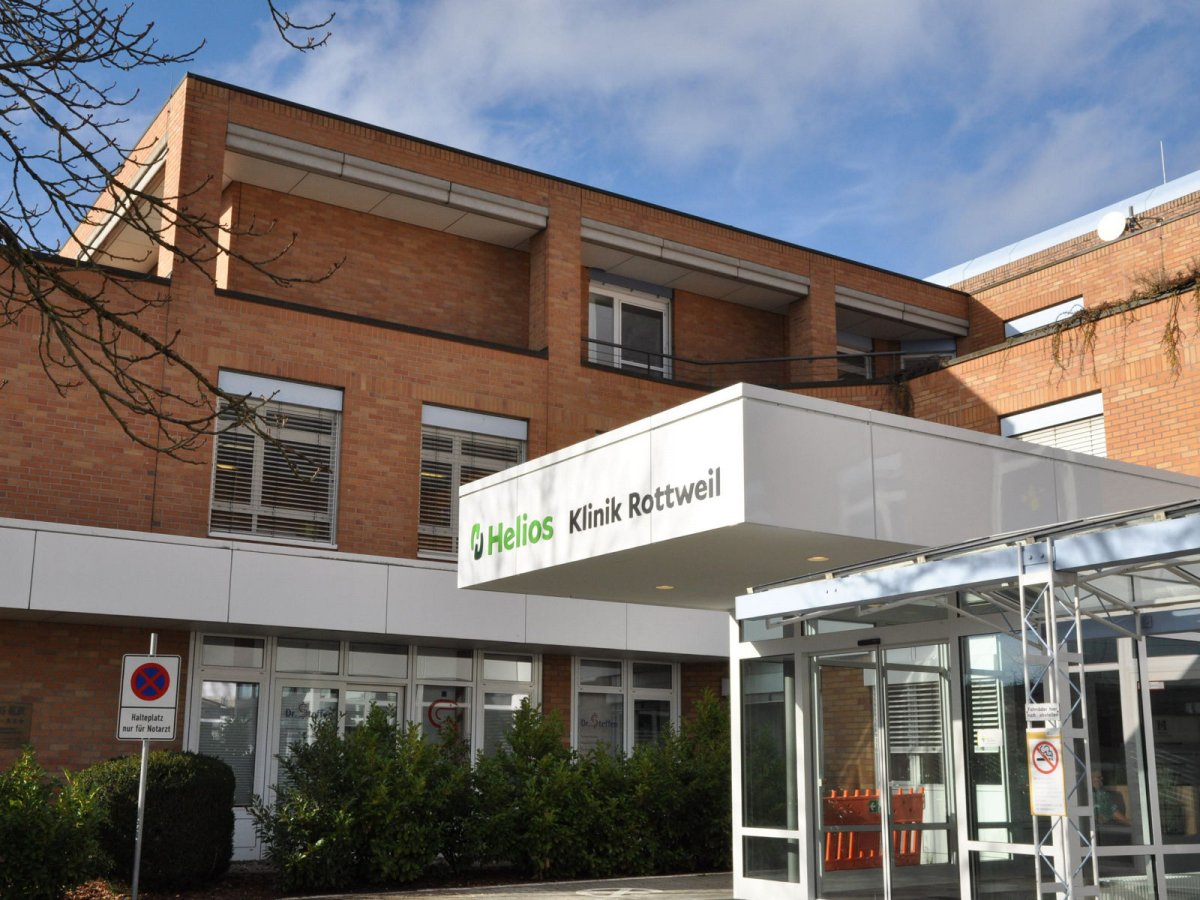
Elbland Clinic
احصلوا على تقييم طبي لـ التحصي البولي في ألمانيا: استشيروا أطباء ذوي خبرة الآن
عرض جميع الأطباء
Sebastian Melchior
البروفيسور سيباستيان ميلكيور هو طبيب مسالك بولية بارز في ألمانيا، وقد صنفته مجلة Focus كأحد أفضل الأطباء في عام 2015. وهو متخصص في الجراحة الروبوتية للحالات المسالك البولية.
- أكثر من _doctor_668_عاماً_ من الخبرة في جراحة الأورام
- تخرج من جامعة يوهان غوتنبرغ الطبية وتدرب في جامعة هارفارد
- رئيس قسم المسالك البولية وأمراض الكلى في مستشفى بريمن ميته منذ عام 2007
- مؤلف 10 منشورات علمية حول علاجات الجهاز البولي التناسلي

Eduard Becht
يتمتع البروفيسور الدكتور إدوارد بيشت بخبرة في طب المسالك البولية، وهو متخصص في التقنيات طفيفة التوغل وعلاج حصوات الكلى في عيادة نوردويست.
- دكتوراه فخرية من جامعة كابوديسترياس في أثينا
- رئيس الجمعية متعددة التخصصات لأورام المسالك البولية في فرانكفورت
- التركيز على عمليات أورام الكلى التي تحافظ على الأعضاء
- محاضر في جامعة غوته منذ عام 1994
- نشر أكثر من 100 ورقة علمية في طب المسالك البولية
مشاركة المحتوى
قصص فيديو من مرضى Bookimed
 Anna Leonova
أسئلة متكررة حول علاج التحصي البولي في ألمانيا
ما هي التقنيات الجراحية طفيفة التوغل الأساسية المستخدمة لعلاج حصوات الكلى في ألمانيا؟
تعالج ألمانيا حصوات الكلى باستخدام تقنيات متقدمة طفيفة التوغل وفقاً لإرشادات الجمعية الأوروبية لجراحة المسالك البولية. تشمل الطرق الأساسية تفتيت الحصوات بالموجات الصادمة من خارج الجسم (ESWL) للحصوات التي يقل حجمها عن 2 سم، وتنظير الحالب المرن (URS) مع تفتيت الحصوات بليزر الهولميوم. تعطي العيادات الأولوية للنهج التي تحافظ على الأعضاء مثل استئصال حصوات الكلى عن طريق الجلد (PCNL) للحصوات الأكبر حجماً.
- تفتيت الحصوات بالليزر: يستخدم ليزر الهولميوم أثناء إجراءات التنظير لتفتيت الحصوات إلى غبار.
- تنظير الحالب المرن: يستخدم منظاراً رفيعاً عبر الإحليل للوصول إلى مواقع معقدة داخل الكلى.
- Mini-PCNL: يتطلب فقط شقاً صغيراً في الظهر للحصوات الأكبر من 2 سم.
- العلاج بالموجات الصادمة: موجات صوتية غير جراحية تفتت الحصوات خارجياً لتمريرها بشكل طبيعي دون جراحة.
رؤية خبير Bookimed: تظهر البيانات من 85 عيادة ألمانية تركيزاً عالياً للخبرة في جراحة المسالك البولية في المراكز الأكاديمية مثل المركز الطبي في سولينغن. بينما تقدم العديد من المرافق ESWL، غالباً ما توفر المستشفيات التابعة للجامعات تقنية Mini-PCNL المتخصصة التي تقلل الإقامة في المستشفى إلى حوالي 3 أيام. يجلب أطباء مثل البروفيسور الدكتور إدوارد بيشت في عيادة نوردويست أكثر من 40 عاماً من الخبرة لهذه التدخلات الدقيقة في المسالك البولية.
إجماع المرضى: يشير المرضى إلى أن ESWL غالباً ما يكون الخيار الأول للحصوات الصغيرة. ويؤكدون على أهمية السؤال عن دعامات الحالب في وقت مبكر، حيث يمكن أن
كيف يمكن علاج الحصوات الصغيرة أو حصوات حمض اليوريك بدون جراحة؟
يمكن علاج الحصوات الصغيرة أو حصوات حمض اليوريك بدون جراحة من خلال العلاج بالإذابة عن طريق الفم والعلاج الطارد الطبي. تذوب حصوات حمض اليوريك عن طريق رفع درجة حموضة البول (pH) باستخدام عوامل قلوية. غالبًا ما تمر الحصوات الصغيرة التي يقل حجمها عن 7 مم بشكل طبيعي مع الترطيب والأدوية التي ترخي عضلات الحالب.
- الإذابة عن طريق الفم: أدوية مثل سترات البوتاسيوم ترفع درجة حموضة البول لإذابة حصوات حمض اليوريك.
- العلاج الطارد الطبي: حاصرات ألفا مثل تامسولوسين ترخي عضلات الحالب لتسهيل مرور الحصوات.
- الترطيب المكثف: شرب 2.5 لتر من الماء يوميًا يخفف البول لمنع نمو الحصوات.
- تفتيت الحصوات بالموجات التصادمية: موجات صوتية غير جراحية تكسر الحصوات إلى أجزاء صغيرة لتمر بشكل طبيعي.
رؤية خبير Bookimed: تستخدم العيادات الألمانية مثل عيادة Nordwest بروتوكول مراقبة صارمًا لمدة 4 أسابيع قبل اقتراح الجراحة. يستفيد المرضى من المراكز ذات الحجم الكبير حيث يدير أطباء المسالك البولية مثل الدكتور إدوارد بيشت حالات الحصوات المعقدة. تظهر البيانات أن حصوات حمض اليوريك لديها معدل نجاح يصل إلى 80% باستخدام الأدوية فقط. اختيار مركز حاصل على شهادة ISO يضمن أن هذه البروتوكولات المحافظة تلبي معايير السلامة الدولية. يتجنب هذا النهج الإجراءات الجراحية للعديد من المرضى الذين يعانون من حصوات يقل حجمها عن 5 مم.
إجماع المرضى: يشير المرضى إلى أن شرب 3 إلى 4 لترات من الماء يوميًا يساعد في مرور الحصوات بسرعة. يقترح الكثيرون استخدام شرائط اختبار درجة الحموضة المنزلية لم
ما هي المدة المعتادة للإقامة في المستشفى بعد كل إجراء لإزالة الحصوات؟
تتراوح مدة الإقامة في المستشفى في ألمانيا من الخروج في نفس اليوم إلى 7 أيام اعتماداً على التقنية المستخدمة. عادة ما يكون تفتيت الحصوات بالموجات التصادمية غير الجراحي إجراءً خارجياً. غالباً ما تتطلب تنظير الحالب بالليزر طفيف التوغل ليلة واحدة. عادة ما تتضمن الجراحات الجلدية المعقدة إقامة من ليلتين إلى 4 ليالٍ.
- تفتيت الحصوات بالموجات التصادمية: يخرج معظم المرضى في نفس اليوم بعد ساعة إلى ساعتين من المراقبة.
- تنظير الحالب (URS): عادة ما يبقى المرضى من 0 إلى ليلة واحدة بعد تفتيت الحصوات بالليزر.
- استئصال الحصوات عن طريق الجلد (PCNL): توقع إقامة من 2 إلى 4 أيام لمراقبة التصريف والنزيف.
- الجراحة المفتوحة: يتطلب هذا النهج النادر من 3 إلى 7 أيام لالتئام الجرح الجراحي.
رؤية خبير Bookimed: غالباً ما تحافظ المستشفيات الجامعية الألمانية مثل شاريتيه أو إيسن على قدرات استيعابية أعلى للمرضى الداخليين تصل إلى 1800 إلى 3000 سرير. تظهر بياناتنا أن هذه المراكز الكبيرة قد توصي بإقامة لمدة 24 ساعة حتى في حالات تنظير الحالب الروتينية. وهذا يضمن السلامة إذا تسبب الدعامة في عدم ارتياح أو إلحاح فوري بعد الجراحة.
إجماع المرضى: يشير المرضى إلى أنه على الرغم من سرعة الإجراء، فإن أي وضع للدعامة يسبب إلحاحاً مستمراً لعدة أيام. ويؤكدون أن الحمى التي تزيد عن 38.5 درجة مئوية بعد الخروج هي إشارة حرجة للعودة إلى العيادة فوراً.
متى يتم وضع دعامة الحالب، وما مدى تكرار استخدامها في ألمانيا؟
يقوم أطباء المسالك البولية في ألمانيا بوضع دعامات الحالب لتجاوز انسدادات حصوات الكلى أو لضمان الشفاء بعد الجراحة. تمنع هذه الأنابيب الرفيعة الانسدادات الناتجة عن التورم أو شظايا الحصوات. أجرت العيادات الألمانية 176,529 إجراءً لدعامات المسالك البولية في عام 2022، مما يجعلها ركيزة أساسية لرعاية المسالك البولية.
- التكامل الجراحي: يتلقى حوالي 80% من المرضى الألمان دعامة قبل علاجات الحصوات الأولية.
- إدارة الحصوات: تضاعفت عمليات وضع الدعامات لحصوات الكلى في ألمانيا أكثر من مرتين بين عامي 2005 و2016.
- الاستخدام الطارئ: يستخدم الجراحون الدعامات فوراً لتخفيف الضغط عن الكلى المصابة بالعدوى أو الإنتان.
- المعيار السريري: تشمل البروتوكولات القياسية الدعامات لما يقرب من 23,000 حالة حصوات حالب كل عام.
رؤية خبير Bookimed: تظهر البيانات اتجاهاً واضحاً نحو المراكز الأكاديمية ذات الحجم الكبير لحالات الحصوات المعقدة. بينما تخدم مستشفى شاريتيه - جامعة الطب في برلين أكثر من 845,000 مريض سنوياً، فإن تركيزها على البحث يعني أن المرضى الدوليين غالباً ما يواجهون فترات انتظار أطول. للوصول بشكل أسرع، توفر عيادات مثل عيادة نوردويست في فرانكفورت، حيث يتمتع البروفيسور الدكتور إدوارد بيشت بأكثر من 40 عاماً من الخبرة، خبرة مماثلة مع عملية أكثر انسيابية للمرضى الأجانب.
إجماع المرضى: يشير المرضى إلى أن الدعامات عالمية تقريباً للحصوات التي يزيد حجمها عن 5 مم لمنع التورم بعد الجراحة. يؤكد معظمهم أن البقاء رطباً جيداً واستخدام حاصرات ألفا الموصوفة يجعل فت
ما هو الإجراء الفوري المطلوب إذا كان الألم في الخاصرة مصحوباً بحمى؟
تعد الرعاية الطبية الفورية في قسم الطوارئ أو عن طريق الاتصال بالرقم 112 أمراً إلزامياً إذا كانت الحمى مصحوبة بألم في الخاصرة. غالباً ما تشير هذه المجموعة إلى عدوى في الكلى أو تعفن الدم البولي المرتبط بانسداد المسالك البولية. يؤدي تأخير العلاج إلى زيادة خطر حدوث تلف سريع في الكلى وعدوى جهازية تهدد الحياة.
- خطر العدوى: تشير الحمى مع ألم الخاصرة عادةً إلى التهاب الحويضة والكلية الذي يتطلب تدخلاً طبياً عاجلاً.
- الوقاية من الإنتان: يمنع التشخيص السريع دخول البكتيريا إلى مجرى الدم والتسبب في فشل الأعضاء.
- بروتوكول التشخيص: توقع إجراء فحص بالموجات فوق الصوتية، والأشعة المقطعية، وتحاليل الدم فوراً لتحديد مواقع حصوات المسالك البولية المحتملة.
- إجراءات الطوارئ: توفر المراكز المتخصصة مثل مجمع عيادات شمال الراين-وستفاليا جراحة روبوتية عاجلة إذا لزم الأمر.
رؤية خبراء Bookimed: تظهر البيانات الواردة من مراكز ألمانية كبرى مثل مستشفى أسكليبيوس بارمبيك أنها تعالج أكثر من 80,000 مريض سنوياً بدعم من 24 قسماً. بالنسبة للحمى المرتبطة بالحصوات، يعطي أطباء المسالك البولية الألمان مثل البروفيسور الدكتور إدوارد بيشت الأولوية لفك الضغط الفوري عن طريق دعامة الحالب. هذا يعمل على استقرار حالة المريض قبل محاولة تفتيت الحصوات بالليزر بشكل نهائي، حيث أن إجراء العملية أثناء وجود عدوى نشطة يزيد بشكل كبير من المخاطر الجراحية.
إجماع المرضى: يؤكد المرضى أن حتى الحمى الخفيفة التي تبلغ 37.5 درجة مئوية مع ألم في الجانب تستدعي زيارة فورية للطوارئ. يندم الكث
ما هي الاستراتيجيات التي تستخدمها العيادات الألمانية لمنع تكرار حصوات الكلى؟
تمنع العيادات الألمانية تكرار الحصوات من خلال الوقاية المصنفة حسب المخاطر والتقييمات الأيضية. يقوم المتخصصون بإجراء تحليل للحصوات باستخدام مطيافية الأشعة تحت الحمراء لتوجيه العلاج. يخضع المرضى ذوو المخاطر العالية لمراقبة البول لمدة 24 ساعة. تشمل بروتوكولات الوقاية شرب السوائل بانتظام والتوازن الغذائي وفقًا لمعايير الجمعية الأوروبية لجراحة المسالك البولية (EAU).
- تصنيف المخاطر: تحديد معايير المخاطر العالية مثل التكون في مرحلة الطفولة أو وجود كلية واحدة.
- الفحص الأيضي: جمع مزدوج للبول لمدة 24 ساعة للتحقق من مستويات الكالسيوم والسترات والأوكسالات.
- الأدوية الموجهة: وصف مدرات البول الثيازيدية، أو ألوبورينول، أو الأملاح القلوية بناءً على النتائج.
- تحليل الحصوات: مطيافية الأشعة تحت الحمراء أو حيود الأشعة السينية الإلزامي لجميع عينات الحصوات التي تمت إزالتها.
رؤية خبير Bookimed: توفر المستشفيات الجامعية الألمانية مثل شاريتيه أو عيادة نوردويست ميزة كبيرة من خلال وحدات المسالك البولية المتخصصة. تقدم هذه المراكز ملفات تعريف أيضية دقيقة نادرًا ما توجد في العيادات العامة. يتخصص الدكتور إدوارد بيشت في عيادة نوردويست في كل من الأورام والوقاية من الحصوات. يضمن هذا المزيج معالجة السبب الفسيولوجي الجذري لتكون الحصوات جنبًا إلى جنب مع الإزالة الجراحية.
إجماع المرضى: يشير المرضى إلى أنه من المعياري تلقي خطط غذائية مفصلة مصممة خصيصًا لتكوين حصواتهم المحدد. يؤكد الكثيرون أن فحوصات الموجات فوق الصوتية المنتظمة كل 6 أشهر ضرورية لمراقبة صحة
ما هي المستشفيات في ألمانيا التي تحظى بأعلى التقييمات في جراحة الأعصاب؟
تضم ألمانيا بعضًا من أرقى أقسام جراحة الأعصاب في العالم، بقيادة مستشفى شاريتيه الجامعي في برلين ومستشفى جامعة هايدلبرغ. وتتميز هذه المراكز بخبرتها الواسعة في علاج أورام الدماغ المعقدة وأمراض الأوعية الدموية الدماغية. ولتحقيق أقصى قدر من الفعالية في عملياتها، تستخدم هذه المراكز أحدث التقنيات، مثل التصوير بالرنين المغناطيسي أثناء الجراحة والتوجيه العصبي بمساعدة الحاسوب.
- مستشفى شاريتيه برلين: يُجري أكثر من 5000 عملية جراحية سنوياً. ويرأس العيادة جراح الأعصاب الشهير الدكتور بيتر فايكوتشي.
- المركز الطبي في سولينجن: أجرى الدكتور رالف بوهل أكثر من 4000 عملية جراحية، بما في ذلك جراحات العمود الفقري طفيفة التوغل.
- عيادة أسكليبيوس نورد: مجهزة بنظام التصوير بالرنين المغناطيسي الثنائي الوحيد في ألمانيا أثناء الجراحة لضمان الدقة الجراحية في الوقت الحقيقي أثناء إزالة الورم.
- عيادة نوردويست: تم الاعتراف بها من قبل مجلة نيوزويك كمستشفى رائد في مجال الابتكار في تكنولوجيا الموجات فوق الصوتية ثلاثية الأبعاد.
رأي خبراء بوكيمد: تشير البيانات إلى أن اختيار المراكز ذات الحجم الجراحي الكبير غالبًا ما يؤدي إلى توصيات علاجية أكثر تحفظًا. ففي مركز سولينجن الطبي، الذي يعالج أكثر من 60,000 مريض
ما هي نسب نجاح العمليات الجراحية العصبية المعقدة في ألمانيا؟
في ألمانيا، تتميز العمليات الجراحية العصبية بالغة التعقيد بمستوى أمان استثنائي. تصل نسبة نجاح عمليات دمج الفقرات إلى 99%، بينما تبلغ نسبة النجاة بعد استئصال أورام الدماغ الأولية 97%. كما يتمتع المرضى بقدرة عالية على الاعتماد على أنفسهم في أداء وظائفهم اليومية، حيث يغادر أكثر من 82% منهم المستشفى مباشرةً بعد العلاج. وتولي المراكز الألمانية اهتماماً بالغاً بالحفاظ على الوظائف العصبية باستخدام أحدث تقنيات التخطيط العصبي.
- استئصال الورم: يحقق الجراحون استئصالًا كاملاً للورم في 87.2% من حالات النقائل الدماغية.
- النجاح في علاج أمراض الأوعية الدموية: أفادت المستشفيات الألمانية بنسبة نجاة بلغت 98.7% لحالات تمدد الأوعية الدموية غير الممزقة.
- تحسن الحالة العصبية: يشهد ما يقرب من 43% من المرضى تحسناً في المعايير الوظيفية بعد عمليات الاستئصال المعقدة.
- سلامة التدخلات الجراحية: في المراكز الجراحية الكبيرة، تتراوح معدلات بقاء المرضى على قيد الحياة بعد جراحة العمود الفقري بين 98-99%.
رأي خبراء بوكيمد: يُجري جراحون ذوو خبرة، مثل الدكتور أوفه كولر من عيادة أسكليبيوس ألتونا، أكثر من 2000 عملية جراحية سنويًا. تُشير البيانات إلى أن هؤلاء المتخصصين يحافظون على معدلات نجاح تصل إلى 90%، حتى
ما هي التقنيات المتقدمة المتوفرة عادةً في عيادات جراحة الأعصاب الألمانية؟
تُدخل عيادات جراحة الأعصاب الألمانية بانتظام أدوات رقمية عالية الدقة وتقنيات تصوير فوري في الممارسة الجراحية. تشمل التقنيات الرئيسية الملاحة العصبية الحاسوبية لجراحات الدماغ والحبل الشوكي. تستخدم مؤسسات مثل عيادة أسكليبيوس نورد التصوير بالرنين المغناطيسي أثناء الجراحة للتحقق من استئصال الورم في الوقت الفعلي. توفر هذه الأنظمة للجراحين نظام ملاحة ثلاثي الأبعاد.
- الملاحة العصبية: توفر تصورًا ثلاثي الأبعاد وتتبعًا فوريًا للأدوات لتحقيق دقة جراحية تصل إلى مستوى أقل من المليمتر.
- التصوير أثناء العملية: تسمح أنظمة مثل التصوير بالرنين المغناطيسي أثناء العملية (iMRI) والتصوير المقطعي المحوسب ذي الذراع O (O-arm CT) بالتأكيد الفوري على نجاح عملية الاستئصال.
- المراقبة العصبية: تراقب الوظائف الحركية والحسية أثناء الجراحة لحماية الجهاز العصبي.
- التشخيص الفلوري: يتم استخدام صبغة 5-ALA لتسليط الضوء على حدود الورم من أجل إزالته بشكل أكثر اكتمالاً.
- المساعدة الروبوتية: تعمل أنظمة مثل نظام دافنشي على تحسين الدقة في الإجراءات المعقدة ذات التدخل الجراحي البسيط.
رأي خبراء بوكيمد: تُجري مراكز طبية كبيرة، مثل مستشفى شاريتيه الج
ما هي التدريبات المتخصصة التي يتلقاها جراحو الأعصاب الممارسون في ألمانيا؟
في ألمانيا، يتعين على جراحي الأعصاب إكمال برنامج إقامة تخصصي لمدة ست سنوات بعد التخرج من كلية الطب. يشمل هذا البرنامج المنظم العناية المركزة، والتدريب السريري، وكتابة مقالات في مجلة جراحية إلزامية. بعد ذلك، يجتاز المرشحون امتحانًا حكوميًا للحصول على لقب طبيب مقيم (Facharzt für Neurochirurgie).
- الإقامة السريرية: تتطلب من 48 إلى 72 شهرًا من الممارسة المتخصصة في جراحة الأعصاب.
- العناية المركزة: تتضمن فترة تدريب إلزامية لمدة 6 أشهر في وحدة العناية المركزة لجراحة الأعصاب.
- المجلة الجراحية: يوثق الجراحون مئات العمليات الجراحية، بما في ذلك عمليات فتح الجمجمة وجراحات العمود الفقري.
- امتحان الترخيص: يجب على المتقدمين اجتياز امتحان طبي شفوي وعملي تديره الدولة.
رأي خبراء بوكيميد: يركز التدريب الألماني في جراحة الأعصاب على الخبرة الجراحية الواسعة. فعلى سبيل المثال، أجرى الدكتور رالف بول من المركز الطبي في سولينجن أكثر من 4000 عملية جراحية. ويتمتع الدكتور يورغن كيويت من مستشفى ميوكلينيك بخبرة تزيد عن 25 عامًا. يضمن هذا النظام الدقيق أن يتعامل المتخصصون في المراكز الكبرى مع الحالات المعقدة بدقة مثبتة.
آراء المرضى: يشع