التحصي البولي العلاج في الهند - التكاليف 2026


تمت مراجعة المقالة طبيا من قبل
فهد مولود
ما هي تكلفة التحصي البولي إجراءات التشخيص والعلاج في الهند؟ اعرف الآن
| الهند | تركيا | إسبانيا | |
|---|---|---|---|
| تنظير الحالب المرن | ≈ $2,600 | من $3,800 | ≈ $4,300 |
| تفتيت حصيات مجرى البول بالمنظار | ≈ $1,300 | من $7,500 | من $10,800 |
| تفتيت الحصى بالليزر | ≈ $2,000 | ≈ $1,500 | ≈ $3,600 |
| الدعامة الحالب | من $1,000 | من $1,200 | من $6,300 |
مزاياك وضماناتك مع Bookimed
أسعار مباشرة
Bookimed لا يضيف رسوماً إضافية على أسعار علاج التحصي البولي. الأسعار مأخوذة من قوائم الأسعار الرسمية للعيادات. تدفع مباشرة في العيادة مقابل علاجك عند وصولك إلى البلد.
عيادات وأطباء معتمدون فقط
Bookimed ملتزم بسلامتك. نحن نعمل فقط مع المؤسسات الطبية التي تحافظ على معايير دولية عالية في علاج التحصي البولي ولديها التراخيص اللازمة لخدمة المرضى الدوليين في جميع أنحاء العالم.
مساعدة مجانية على مدار الساعة
Bookimed يقدم مساعدة خبراء مجانية. منسق طبي شخصي يدعمك قبل وأثناء وبعد العلاج، ويحل أي مشاكل. لن تكون وحيداً أبداً في رحلة علاج التحصي البولي.

منسقك الطبي الشخصي في Bookimed
- يدعمك في كل مرحلة
- المساعدة في اختيار العيادة الطبية المناسبة والطبيب المناسب
- يضمن الوصول السريع والمريح إلى المعلومات
اكتشف أفضل التحصي البولي العيادات في الهند: 20 خيارات معتمدة والأسعار







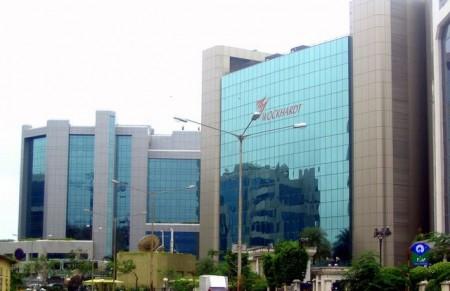
Wockhardt Hospital







Dr. Rela Institute & Medical Centre
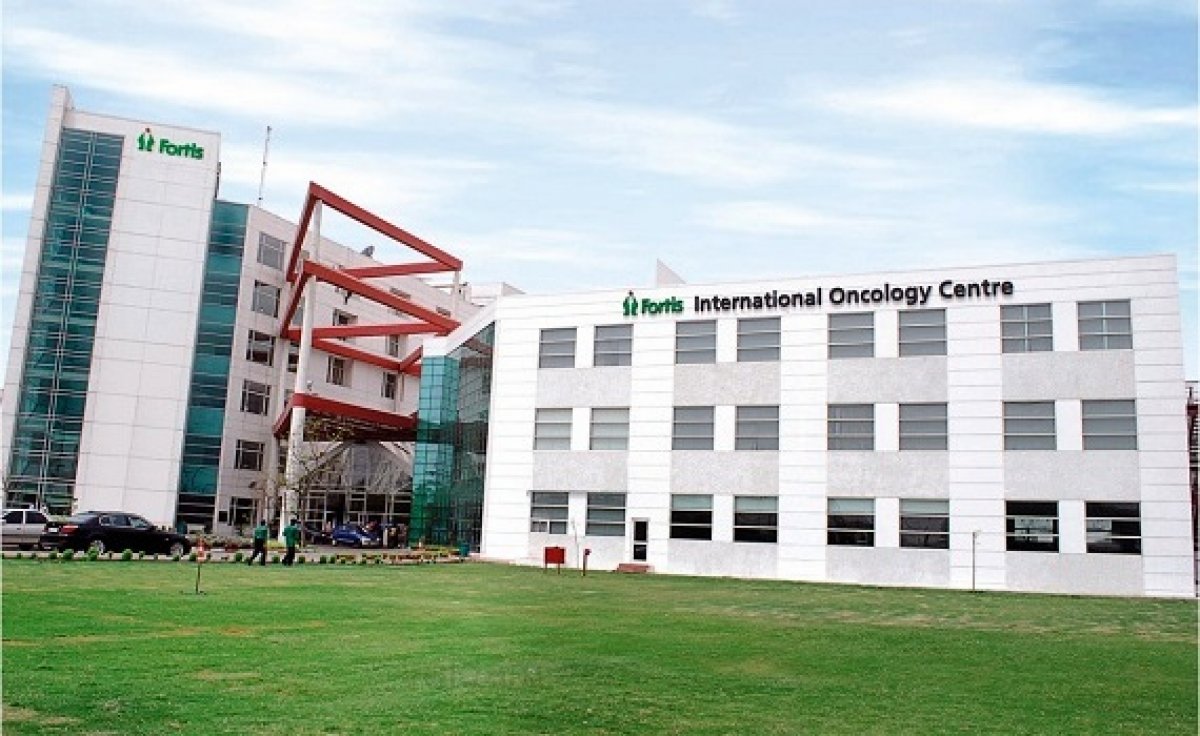
Fortis Hospital
احصلوا على تقييم طبي لـ التحصي البولي في الهند: استشيروا أطباء ذوي خبرة الآن
عرض جميع الأطباء
Satej Sabnis
Abhishekh Shah
مشاركة المحتوى
قصص فيديو من مرضى Bookimed
 Anna Leonova
أسئلة متكررة حول علاج التحصي البولي في الهند
ما هي الخيارات الجراحية الأساسية لحصوات الكلى في الهند؟
تشمل الخيارات الجراحية الأساسية في الهند تقنيات طفيفة التوغل مثل استئصال حصوات الكلى عن طريق الجلد (PCNL) والجراحة داخل الكلى الرجوعية (RIRS). يستخدم الجراحون تفتيت الحصوات بالليزر أو الموجات التصادمية لتفتيت الحصوات. توفر المراكز المعتمدة من JCI في دلهي ومومباي خيارات متقدمة لحصوات الكلى المرجانية المعقدة.
- PCNL (جراحة ثقب المفتاح): مفضلة للحصوات التي يزيد حجمها عن 2 سم أو حالات الحصوات المرجانية.
- RIRS (الليزر المتقدم): يستخدم مناظير مرنة لتفتيت دقيق لحصوات الكلى المعقدة.
- URS (تنظير الحالب): فعال للحصوات التي تنتقل عبر الحالب باستخدام مناظير شبه صلبة.
- ESWL: موجات صوتية غير جراحية تفتت الحصوات الصغيرة دون الحاجة إلى شقوق جراحية.
رؤية خبير Bookimed: بينما يركز الكثيرون على أنواع الإجراءات، فإن حجم الشبكات الهندية يعد إشارة جودة فريدة. تخدم مستشفيات مانيبال 2,000,000 مريض سنويًا، وكانت مستشفى جلوبال مومباي رائدة في عمليات زراعة الكلى والكبد المجمعة. يضمن هذا الحجم الكبير عبر أكثر من 15 مستشفى شبكي أن يحافظ الجراحون على كفاءة تقنية عالية للغاية في حالات المسالك البولية المعقدة.
إجماع المرضى: يشير المرضى إلى أن الانزعاج الناتج عن دعامة ما بعد الجراحة قد يكون مفاجئًا وينصحون بسؤال الجراحين عن جدول زمني واضح لإزالتها. غالبًا ما يتم إعطاء الأولوية لاختيار طبيب ذو حجم حالات كبير على اسم المستشفى المحدد للحصول على نتائج أفضل.
ما هي المستشفيات المعتمدة المفضلة لعلاج تحصي البول في الهند؟
تشمل المستشفيات المعتمدة في الهند لعلاج تحصي البول المرافق الحاصلة على شهادات اللجنة الدولية المشتركة (JCI) وNABH. يعتبر مستشفى أبولو إندرابراستا ومستشفيات أرتميس رائدين في جورجاون ودلهي. كما يفضل مستشفى ميدانتا ومستشفيات مانيبال للتعامل مع حالات الحصوات ذات الحجم الكبير. تقدم هذه المراكز تفتيت الحصوات بالليزر والجراحة الروبوتية.
- شهادات رفيعة المستوى: تمتلك مرافق مثل أرتميس وأبولو اعتمادات JCI وNABH.
- إجراءات متقدمة: تجري المراكز تفتيت الحصوات بالليزر وجراحة الكلى الرجوعية للحصوات.
- حجم كبير من المرضى: تخدم مستشفيات مانيبال أكثر من 2,000,000 مريض سنويًا عبر شبكتها.
- تكنولوجيا متخصصة: يستخدم ميدانتا الجراحة بمساعدة الروبوت وبروتوكولات الخروج في غضون 24 ساعة للمرضى.
رؤية خبير Bookimed: توفر الشبكات الطبية ذات الحجم الكبير في الهند مزايا متميزة لحالات الحصوات المعقدة. يدير مستشفى أبولو أكبر شبكة طبية في جنوب آسيا. يسمح هذا النطاق لعيادات مثل أبولو ومانيبال بالحفاظ على مختبرات تشخيصية متخصصة. غالبًا ما تكتشف هذه المختبرات الداخلية المشكلات الأيضية الكامنة مثل فرط نشاط الغدة الدرقية بشكل أسرع من المراكز الأصغر.
إجماع المرضى: يؤكد المرضى على سرعة التعافي في المراكز الخاصة رفيعة المستوى مقارنة بالخيارات العامة. يشير الكثيرون إلى أن العيادات الأيضية في مستشفيات مثل ميدانتا تساعد في منع عودة الحصوات.
ما هي العوامل السريرية التي تحدد الاختيار بين تفتيت الحصوات بالموجات التصادمية (ESWL)، وجراحة الكلى داخل الكلية عبر الإحليل (RIRS)، وتنظير الحالب (URS)، واستئصال حصوات الكلى عن طريق الجلد (PCNL)؟
يحدد أطباء المسالك البولية العلاج بناءً على حجم الحصوة وكثافتها وموقعها التشريحي. تستخدم المراكز الهندية تفتيت الحصوات بالموجات التصادمية من خارج الجسم (ESWL) للحصوات الصغيرة التي يقل حجمها عن 20 مم. تعالج جراحة الكلى داخل الكلية عبر الإحليل (RIRS) وتنظير الحالب (URS) الحصوات المتوسطة أو الصلبة. يعتبر استئصال حصوات الكلى عن طريق الجلد (PCNL) هو المعيار للحصوات الكبيرة أو الحصوات المرجانية.
- قطر الحصوة: عادة ما تخضع الحصوات التي يتجاوز حجمها 20 مم لاستئصال حصوات الكلى عن طريق الجلد لإزالتها في جلسة واحدة.
- كثافة الحصوة: يلزم إجراء تفتيت الحصوات بالليزر إذا تجاوزت وحدات هاونسفيلد 1000 في الأشعة المقطعية.
- موقع الحصوة: حصوات القطب السفلي من الكلية تفضل جراحة الكلى داخل الكلية عبر الإحليل بسبب الجاذبية.
- عوامل المريض: غالبًا ما يخضع المرضى الذين يعانون من السمنة أو أولئك الذين لديهم مخاطر نزيف لجراحة الكلى داخل الكلية عبر الإحليل.
رؤية خبير Bookimed: تعطي المراكز الهندية المتقدمة مثل مستشفى Aster CMI ومستشفى Global Hospital Mumbai الأولوية للجراحة الروبوتية والطباعة ثلاثية الأبعاد لحالات تحصي البول المعقدة. في حين أن تفتيت الحصوات بالموجات التصادمية من خارج الجسم هو الخيار الأكثر تكلفة، فإن اختيار إجراء الليزر في جلسة واحدة في مراكز ذات حجم عمل كبير مثل مستشفى Apollo أو Medanta غالبًا ما يقلل من التكلفة الإجمالية للعلاجات المتكررة.
إجماع المرضى: يشير المرضى إلى أن المتابعة بالموجات فوق الصوتية بعد العلاج بالموجات التصادم
ما هي المدة المعتادة للإقامة في المستشفى وفترة التعافي؟
يتطلب علاج تحصي البول في الهند عادةً إقامة في المستشفى تتراوح من يوم واحد إلى 3 أيام. غالبًا ما تسمح الإجراءات البسيطة مثل تفتيت الحصوات بالليزر بالخروج في اليوم التالي. يستأنف معظم المرضى العمل المكتبي في غضون 10 أيام. يحدث التعافي الكامل للحالات المعقدة في غضون أسبوعين إلى 4 أسابيع مع الترطيب المناسب.
- الإقامة طفيفة التوغل: تتطلب إجراءات مثل جراحة الكلى عبر الإحليل (RIRS) ليلة واحدة فقط في المستشفى.
- التعافي من الحصوات الكبيرة: تتضمن جراحة استخراج حصوات الكلى عبر الجلد (PCNL) من يومين إلى 3 أيام في المستشفى.
- النشاط البدني: يجب على المرضى تجنب رفع الأثقال لمدة 3 أسابيع بعد الجراحة.
- الجدول الزمني لحصوات قرن الوعل: قد تتطلب الحالات المعقدة ما يصل إلى 5 أيام من الاستشفاء.
رؤية خبير Bookimed: تعطي المراكز الهندية ذات الحجم الكبير مثل مستشفيات مانيبال ومستشفى أبولو إندرابراستا الأولوية للتحرك السريع. تدير هذه المرافق أكثر من 1,000,000 مريض سنويًا. خبرتهم الواسعة في التقنيات الروبوتية والليزر غالبًا ما تقلل من فترات الإقامة في المستشفى مقارنة بالطرق التقليدية. يستفيد المرضى من بروتوكولات موحدة تفضل الخروج المبكر دون المساس بالسلامة.
إجماع المرضى: يشير المرضى إلى أن فترات الإقامة في المستشفى قصيرة، وغالبًا ما تكون من يوم واحد إلى 3 أيام فقط. ويؤكدون على أهمية وجود دعم منزلي جاهز فور الخروج من المستشفى للحصول على فترة تعافي أكثر سلاسة.
هل تتوفر خيارات تحفظية غير جراحية للحصوات الصغيرة؟
تعتبر الخيارات غير الجراحية هي العلاج الأساسي لحصوات الكلى الصغيرة التي يقل حجمها عن 5 مم في الهند. يشمل العلاج التحفظي علاج الترطيب والعلاج الطارد الطبي باستخدام حاصرات ألفا. بالنسبة للحصوات التي يتراوح حجمها بين 5 مم و20 مم، تظل تفتيت الحصوات بالموجات التصادمية غير الجراحي بديلاً فعالاً للغاية في العيادات الخارجية.
- بروتوكول الترطيب: يجب على المرضى شرب 2 إلى 3 لترات من الماء يومياً.
- العلاج الطبي: تعمل حاصرات ألفا مثل تامسولوسين على إرخاء عضلات الحالب لتسهيل مرور الحصوة.
- تفتيت الحصوات خارج الجسم: تعمل الموجات التصادمية الصوتية على تفتيت الحصوات إلى أجزاء دون أي شقوق جراحية.
- فترة المراقبة: تستمر المراقبة اليقظة عادةً من 4 إلى 6 أسابيع باستخدام التصوير المتسلسل.
رؤية خبير Bookimed: تعالج الشبكات الطبية الهندية مثل مستشفيات مانيبال وأبولو أكثر من 1,000,000 مريض سنوياً. يسمح هذا الحجم الكبير للأطباء بالتنبؤ بدقة متى تتطلب الحصوة الصغيرة تدخلاً. تعطي العديد من المرافق المعتمدة من JCI في دلهي وجورجاون الأولوية للإدارة الطبية لأنها تتبع المعايير العالمية. غالباً ما يعتمد النجاح على الموقع داخل المسالك البولية بدلاً من الحجم فقط.
إجماع المرضى: يشير المرضى إلى أن شرب ماء الليمون أو الشعير يساعد في تمرير حصوات بحجم 4 مم في غضون أسبوعين. يؤكد الكثيرون على استخدام كمادات دافئة للألم ومراقبة لون البول بدقة لضمان الترطيب المناسب.
ما هي المكونات المخفية أو الإضافية التي يجب توضيحها في باقة العلاج؟
تغطي باقات علاج حصوات المسالك البولية في الهند عادةً الجراحة الأساسية وإقامة قصيرة في المستشفى. يجب عليك توضيح ما إذا كانت تكاليف دعامات الحالب، والأشعة المقطعية للمتابعة، واستئجار ألياف الليزر مشمولة. غالبًا ما تتطلب هذه المكونات رسومًا منفصلة تتجاوز عرض السعر الطبي الأولي.
- إدارة الدعامات: تأكد مما إذا كان إدخال الدعامة وإجراءات إزالتها المنفصلة مجمعة في باقة واحدة.
- التصوير التشخيصي: تحقق مما إذا كانت فحوصات ما بعد الجراحة لضمان خلو الجسم من الحصوات مشمولة.
- رسوم المعدات: اسأل عما إذا كان استئجار منظار الألياف البصرية لإجراءات RIRS يتطلب تكاليف إضافية.
- تكاليف الأدوية: تأكد من أن إمدادات المضادات الحيوية لعدة أسابيع بعد الخروج من المستشفى جزء من السعر.
رؤية خبير Bookimed: تخدم الشبكات الهندية الكبرى مثل مستشفيات مانيبال ومستشفيات أبولو أكثر من 1,000,000 مريض سنويًا. حجمها الكبير يعني أن الرسوم الإدارية عادة ما تكون موحدة. ومع ذلك، يجب على المرضى التأكد مما إذا كانت الإجراءات المتخصصة مثل الجراحة الروبوتية المتاحة في Aster CMI مشمولة في السعر الأساسي أو تعتبر إضافات. تحقق دائمًا مما إذا كانت الفاتورة الإجمالية تعكس ضريبة السلع والخدمات (GST) بنسبة 18%.
إجماع المرضى: يشير المرضى إلى أن المضاعفات مثل النزيف يمكن أن تؤدي إلى إقامات غير متوقعة في وحدة العناية المركزة لا تغطيها عروض الأسعار القياسية. يؤكد الكثيرون على أهمية الحصول على قائمة مفصلة تغطي بشكل خاص إزالة الدعامة وجميع أدوية المتابعة قبل الوصول.
ما هي المدن التي تقدم الرعاية الأكثر شمولاً لتحصي البول للمرضى الدوليين؟
تقدم إسطنبول وبانكوك ونيودلهي الرعاية الأكثر شمولاً لتحصي البول للمرضى الدوليين. تجمع هذه المراكز بين أحجام جراحية عالية وتقنية الليزر المتقدمة. تحمل المراكز الرائدة اعتماد اللجنة الدولية المشتركة (JCI). وهي توفر عيادات متخصصة في حصوات الكلى ودعماً مخصصاً للمسافرين الأجانب. تسمح معظم الإجراءات بالخروج في غضون 24 ساعة.
- خبرة عالية الحجم: غالباً ما يقوم المتخصصون في إسطنبول بإجراء أكثر من 900 عملية حصوات سنوياً بشكل فردي.
- وصول سريري سريع: تقوم المراكز المعتمدة من JCI في بانكوك بجدولة جراحات الليزر بشكل متكرر في غضون 24 ساعة.
- تقنية متقدمة: تستخدم مرافق دلهي تنظير الحالب العادي والمرن لإدارة الحصوات المعقدة.
- تقنيات متخصصة: تجري المراكز الإسبانية في برشلونة جراحة عن طريق الجلد تسمح بتعافي المريض بسرعة.
رؤية خبير Bookimed: بينما يركز الكثيرون على العواصم الكبرى، توفر مدن مثل جورجاون وبنغالور قيمة استثنائية. تخدم مستشفيات مانيبال أكثر من 2,000,000 مريض سنوياً عبر شبكتها. تم الاعتراف بمستشفى أرتميس في جورجاون من قبل مجلة نيوزويك كواحد من أفضل المستشفيات في العالم. تقدم هذه المراكز نفس رعاية معايير JCI مثل إسطنبول ولكن بقدرة هائلة من الطاقم الطبي.
إجماع المرضى: يشير المرضى إلى أن إجراء فحص التمثيل الغذائي قبل السفر يساعد في تقليل تكرار الحصوات بنسبة 50%. يوصي الكثيرون بمومباي ودلهي للتعامل مع الحالات المعقدة من خلال تقنيات متقدمة مثل mini-PCNL.