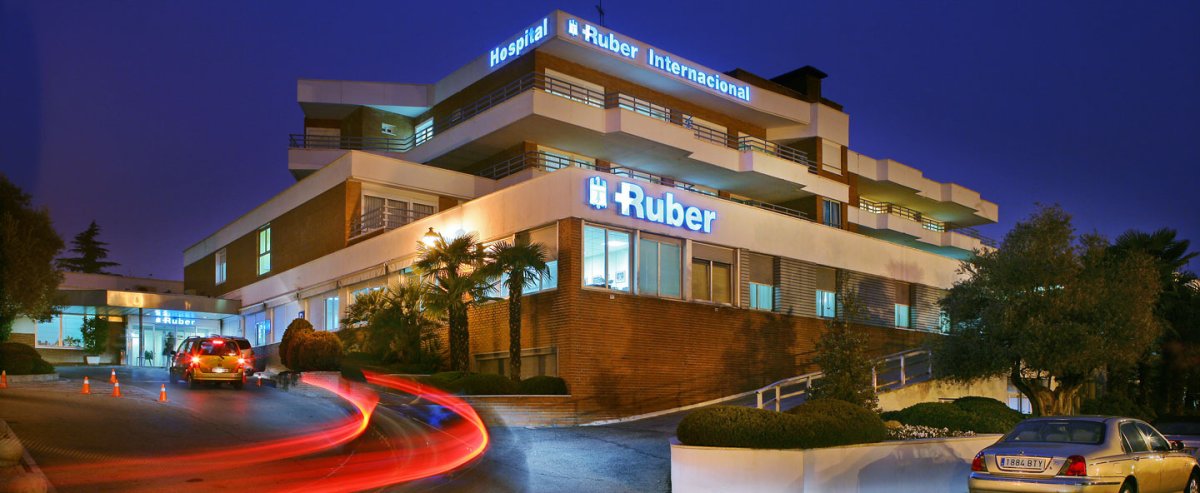
Centro Médico Teknon
إسبانيا, برشلونة
Jaume Capdevila
26سنة خبره ١٦ سنة

الاعتمادات : 


العيادة معتمدة من قبل : 





تمت مراجعة المقالة طبيا من قبل
فهد مولود
تتضمن تكلفة علاج سرطان الأمعاء الدقيقة في إسبانيا عادةً تشخيصات أساسية مثل مسح PET-CT الذي يتراوح سعره من $1,300 إلى $3,000. من $12,300. تعتمد النفقات الإجمالية على مرحلة السرطان والنهج الجراحي، وغالباً ما توفر وفورات بنسبة 30-50% مقارنة بالولايات المتحدة. تقع المراكز الرئيسية في برشلونة ومدريد وماربيا.
تكاليف علاج سرطان الأمعاء الدقيقة النموذجية في إسبانيا
رؤية خبراء Bookimed: يجب على المرضى الذين يعانون من إصابة صفاقية متقدمة إعطاء الأولوية للمراكز التي تتمتع بخبرة في تقنية HIPEC. يضم مركز تيكنون الطبي (Centro Médico Teknon) متخصصين مثل الدكتورة لانا بييليتش، التي أجرت أكثر من 1300 عملية جراحية. بالنسبة لحالات الجهاز الهضمي المعقدة، يقدم مستشفى كيرون برشلونة (Hospital Quiron Barcelona) جراحة روبوتية عالمية المستوى بقيادة رواد مثل الدكتور أنطونيو دي لاسي فورتوني. تعد عيادة جامعة نافارا (Clinica Universidad de Navarra) مثالية لأولئك الذين يبحثون عن رعاية معتمدة من اللجنة الدولية المشتركة (JCI) وفرق أورام متعددة التخصصات.
الدكتور جاومي كابديفيلا هو خبير بارز في سرطانات الجهاز الهضمي، متخصص في سرطانات البنكرياس والأمعاء الدقيقة. تلقى تدريباً دولياً ويتمتع بعضويات مرموقة متعددة.
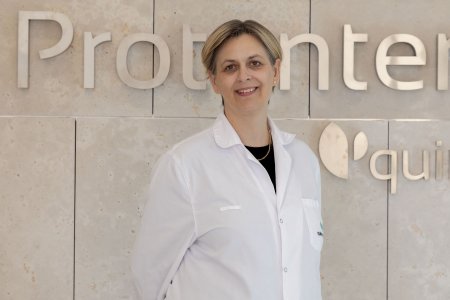
الدكتورة ستيفاني ليليان إي. بولي اختصاصية علاج الأورام بالإشعاع ورئيسة قسم علاج الأورام بالإشعاع في مركز كيرونسالود للعلاج بالبروتون في مدريد. تتولى قيادة القسم منذ يوليو/تموز 2024. يُعد المركز أول مرفق للعلاج بالبروتون في إسبانيا.
دكتوراه في الطب، جامعة لييج (1998). حاصلة على البورد في علاج الأورام بالإشعاع (2003). عضو نشط في الجمعية الأوروبية لطب أورام الأطفال وتعمل مع مجموعة أورام الدماغ ومجموعة عمل علاج الأورام بالإشعاع التابعة لها.
نشرت أكثر من 120 مقالة علمية حول أورام دما
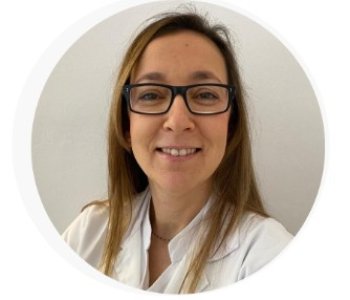
تم إجراء أكثر من 900 عملية أورام – تتخصص الدكتورة بوكسو في سرطانات الجهاز الهضمي في مركز تكنون الطبي (Centro Médico Teknon).

تتخصص الدكتورة لانا بييليتش في سرطان الصفاق، وقد تلقت تدريبها على يد البروفيسور بول شوغاربيكر في مركز واشنطن الطبي.
 Anna Leonova
معظم المرضى لا يحتاجون إلى فغر بعد استئصال الأمعاء الدقيقة. عادة ما يقوم الجراحون بإجراء مفاغرة (anastomosis) لإعادة توصيل الأنسجة السليمة مباشرة. لا يصبح الفغر ضرورياً إلا إذا تعذر ربط الأمعاء المتبقية بأمان أو إذا كانت تحتاج إلى وقت للشفاء بعد الجراحة.
رؤية خبير Bookimed: تركز المراكز الإسبانية مثل مستشفى كيرون برشلونة (Hospital Quiron Barcelona) ومركز تكنون الطبي (Centro Médico Teknon) بشكل كبير على الأساليب الروبوتية والتدخلات طفيفة التوغل. يجري الدكتور أنطونيو دي لاسي فورتوني أكثر من 1000 تدخل طفيف التوغل سنوياً. يساعد هذا الحجم الكبير من الجراحات المتخصصة غالباً في تجنب الفغر من خلال ضمان إعادة توصيل الأمعاء بدقة أكبر من الجراحة المفتوحة التقليدية.
إجماع المرضى: يشير المرضى إلى أنه حتى لو كانت هناك حاجة إلى كيس مؤقت، فإن التركيز يظل على إجراء العكس لاحقاً. يؤكد الكثيرون أن التواصل الواضح مع الفريق الجراحي حول وضع الفغر قبل الجراحة يساعد في تقليل القلق.
تشمل المستشفيات الإسبانية الرائدة لعلاج سرطان الأمعاء الدقيقة مركز Centro Médico Teknon، ومستشفى Hospital Quirónsalud Barcelona، وعيادة Clínica Universidad de Navarra. توفر هذه المرافق المعتمدة من قبل اللجنة الدولية المشتركة (JCI) تشخيصات متقدمة مثل PET-CT وتدخلات جراحية متخصصة. يستخدم الخبراء مجالس أورام متعددة التخصصات لتنسيق عمليات الاستئصال المعقدة والعلاجات الموجهة.
رؤية خبير Bookimed: غالباً ما يرتبط النجاح في علاج الأورام الخبيثة النادرة مثل سرطان الأمعاء الدقيقة بحجم العمليات الجراحية بدلاً من حجم العيادة العام. تُظهر بياناتنا أن كبار المتخصصين مثل الدكتور أنطونيو دي لاسي فورتوني قد أجروا أكثر من 15,000 إجراء. اختيار مركز يضم هؤلاء الممارسين ذوي الخبرة العالية يضمن الوصول إلى تقنيات متطورة مثل الجراحة بالمنظار والجراحة عبر اللمعة للحصول على نتائج أفضل.
إجماع المرضى: يؤكد المرضى على أهمية طلب الرعاية في المراكز الجامعية الكبرى حيث تراجع مجالس الأورام متعددة التخصصات الحالات النادرة. ويشيرون إ
يشمل الخبراء المعترف بهم لسرطان الأمعاء الدقيقة في إسبانيا الدكتور جاومي كابديفيلا في مركز تكنون الطبي (Centro Médico Teknon) والدكتور جوزيب تابيرنيرو في مستشفى كيرون برشلونة (Hospital Quiron Barcelona). يركز هؤلاء المتخصصون على أورام الجهاز الهضمي النادرة. وهم يستخدمون مرافق معتمدة من اللجنة الدولية المشتركة (JCI) ويطبقون بروتوكولات متعددة التخصصات للأورام الخبيثة النادرة والمعقدة.
رؤية خبراء Bookimed: يجب على المرضى الذين يبحثون عن علاج لأورام الأمعاء الدقيقة النادرة البحث عن جراحين لديهم خبرة محددة في سرطان الصفاق (peritoneal carcinomatosis). في حين أن العديد من أطباء الأورام يعالجون مشاكل الجهاز الهضمي العامة، فإن متخصصين مثل الدكتورة لانا بيجيليك في مركز تكنون الطبي يقدمون تدريباً فريداً تحت إشراف رواد مثل الدكتور بول شوغاربيكر. هذه الخبرة المحددة حيوية. تدير المراكز ذات الحجم الكبير في برشلونة عادةً ما بين 10,000 إلى 40,000 مريض سنوياً. يضمن هذا الحجم أن الفرق على دراية بالعروض النادرة للأورام العصبية الصماوية وأورام الجهاز الهضمي (GIST).
إجماع المرضى:
يمكن للمرضى الوصول إلى التجارب السريرية لسرطانات الأمعاء الدقيقة النادرة في إسبانيا من خلال مراكز الأورام الرئيسية في برشلونة ومدريد وبامبلونا. تشارك هذه المؤسسات في دراسات دولية للعلاجات الموجهة والعلاجات المناعية. غالبًا ما تتطلب الأهلية ملفات تعريف جزيئية محددة وعلامات وراثية مثل MSI-H أو KRAS.
رؤية خبير Bookimed: شبكات الأورام الإسبانية متكاملة بشكل استثنائي، وتتركز في برشلونة ومدريد. تظهر البيانات أن عيادات مثل مستشفى كويرون برشلونة ومركز تيكنون الطبي تدير أحجامًا كبيرة تتراوح من 10,000 إلى 40,000 مريض سنويًا. يسمح هذا الحجم لهم بالعمل كمحققين رئيسيين في التجارب متعددة المراكز. يجب على المرضى اختيار المراكز التابعة لمجموعات مثل TTD أو GETHI للوصول إلى دراسات متخصصة غير متوفرة في أماكن أخرى.
إجماع المرضى: يشير المرضى إلى أن الوصول إلى التجارب السريرية يقتصر على المستشفيات الجامعية الكبيرة. ويؤكدون على أهمية إجراء التنميط الجزيئي في وقت مبكر حيث يمكن إغلاق التجارب بسرعة بمجرد ملء أماكن التوظيف.
تتضمن التغييرات الغذائية تناول 5 إلى 6 وجبات صغيرة كل ساعتين إلى 3 ساعات للتحكم في سوء الامتصاص. يجب على المرضى إعطاء الأولوية للبروتينات اللينة والإلكتروليتات مع تقييد الألياف غير القابلة للذوبان والأطعمة الغنية بالدهون. غالبًا ما تستخدم مراكز الأورام المتخصصة في إسبانيا فرقًا متعددة التخصصات لإدارة هذه التحولات الغذائية.
رؤية خبير Bookimed: غالبًا ما تدمج مراكز الأورام الإسبانية مثل Centro Médico Teknon و Hospital Quiron Barcelona أخصائيي التغذية مباشرة في الفرق الجراحية. هذا أمر حيوي لأن متخصصين مثل الدكتور أنطونيو دي لاسي فورتوني يجرون آلاف العمليات المعوية المعقدة. تتعامل العيادات الكبيرة في إسبانيا مع ما بين 10,000 إلى 400,000 مريض سنويًا. يضمن هذا الحجم الكبير أن الفرق الطبية تتمتع بخبرة استثنائية في إدارة التحولات الأيضية بعد استئصال الأمعاء الدقيقة.
إجماع المرضى: يلاحظ المرضى أنه من المفيد تتبع الأطعمة التي تسبب الأعراض بدلاً من اتباع قواعد صارمة. يجد الكثيرون أن التحول إلى بدائل خالية من اللاكتوز يمنع مشاكل الجهاز الهضمي التي تظهر غالبًا بعد العلاج.