علاج سرطان الأمعاء الدقيقة في النمسا — احصل على 3 عيادات مختارة خصيصاً لك


تمت مراجعة المقالة طبيا من قبل
فهد مولود
كيف نعمل؟
ما هي تكلفة سرطان الأمعاء الدقيقة إجراءات التشخيص والعلاج في النمسا؟ اعرف الآن
من $260. أما الإجراءات الجراحية الأولية مثل استئصال الأمعاء الدقيقة فتتراوح تكلفتها من $25,000 إلى $38,000. تعتمد النفقات النهائية على مرحلة السرطان، ومستوى العيادة، وبروتوكولات العلاج المحددة. يمكن للمرضى توقع توفير ما بين 20-30% مقارنة بالولايات المتحدة، وبشكل أساسي في فيينا أو سالزبورغ أو إنسبروك.
تكاليف علاج سرطان الأمعاء الدقيقة النموذجية في النمسا
- استشارة طبيب الأورام: من $260
- استئصال الأمعاء الدقيقة: $25,000 – $38,000
- العلاج الكيميائي مفرط الحرارة داخل الصفاق (HIPEC): $24,000 – $37,000
- العلاج الإشعاعي: من $6,700
- العلاج الكيميائي: $9,500 – $18,000
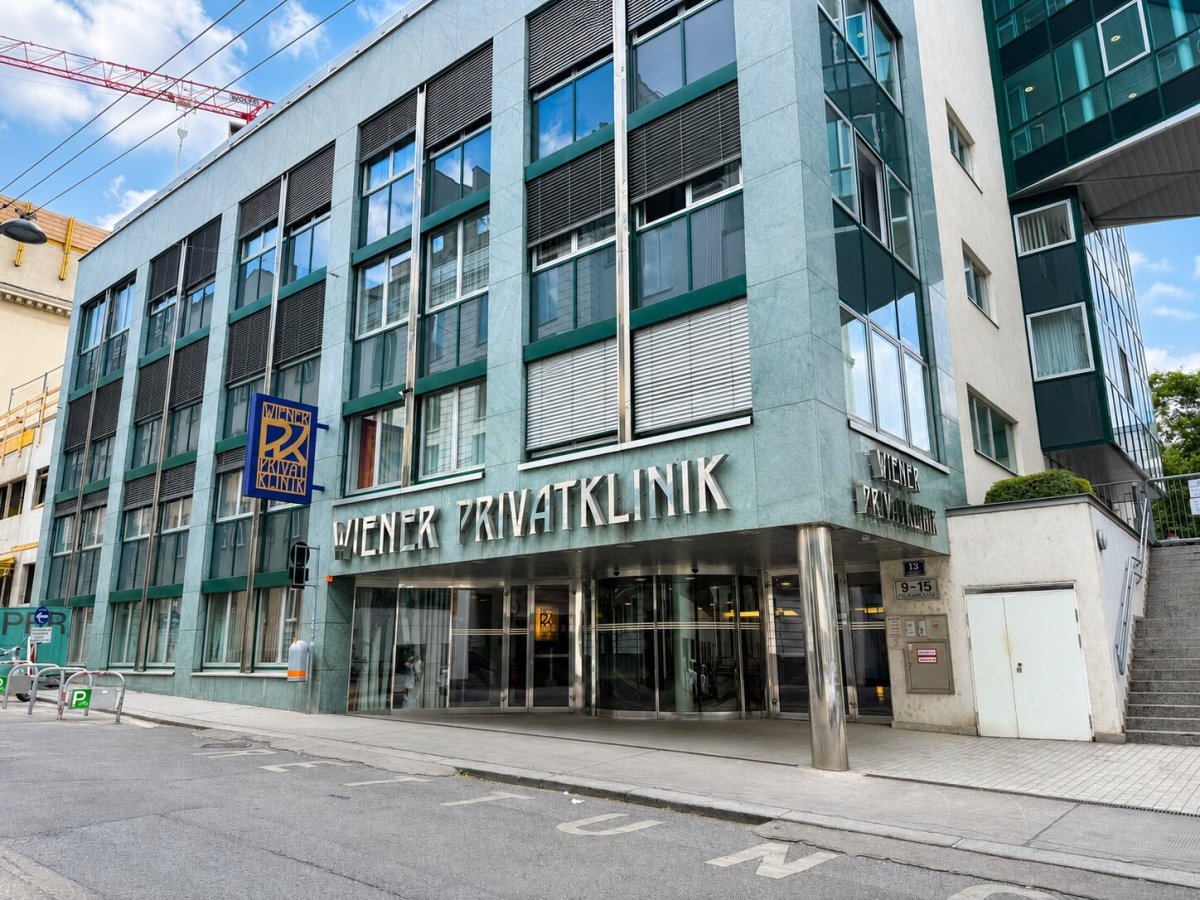
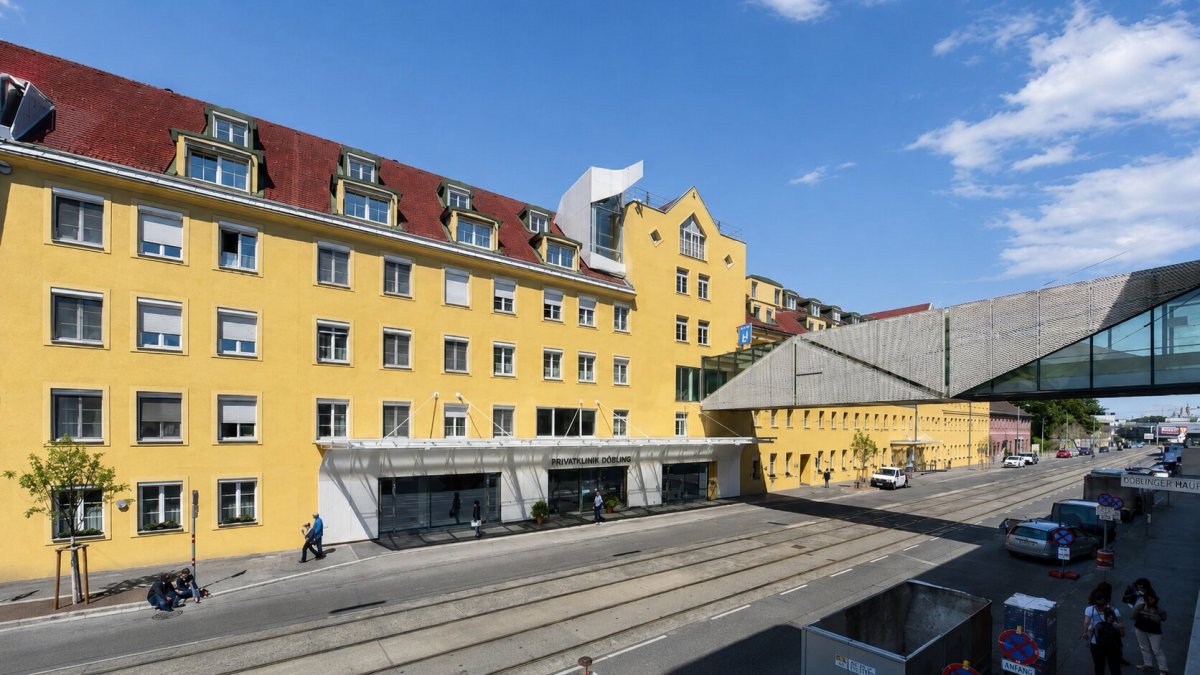
رؤية خبراء Bookimed: يجب على المرضى في مراحل متقدمة والذين يحتاجون إلى رعاية متعددة التخصصات التفكير في عيادة فينر بريفاتكلينيك (Wiener Privatklinik). يضم مركز الأورام الدولي التابع لهم خبراء مثل الأستاذ الدكتور فولفغانغ كوستلر، المتخصص في العلاج المناعي والطب الشخصي. وبالنسبة لأولئك الذين يعطون الأولوية للسلامة، تحافظ مستشفى دوبلينغ الخاص (Döbling Private Hospital) على معدلات مضاعفات أقل بكثير من المتوسط. توفر عيادات فيينا الخاصة هذه خبرة طبية عالية المستوى بتكلفة أقل بنسبة 20-30% عادةً مقارنة بالمراكز الخاصة المماثلة في الولايات المتحدة.
| النمسا | تركيا | إسبانيا | |
|---|---|---|---|
| العلاج الكيميائي لسرطان الثدي | ≈ $9,500 | من $3,000 | من $1,700 |
| العلاج الكيميائي داخل الصفاق مفرط الحرارة (HIPEC) | ≈ $24,000 | من $18,000 | من $81,800 |
| العلاج الإشعاعي لسرطان القولون والمستقيم | من $6,700 | من $5,000 | من $7,500 |
| العلاج الإشعاعي لسرطان الأمعاء | من $6,700 | ≈ $5,800 | من $5,000 |
| استئصال الأمعاء الدقيقة | ≈ $25,000 | من $6,500 | من $12,300 |
اكتشف أفضل سرطان الأمعاء الدقيقة العيادات في النمسا: 4 خيارات معتمدة والأسعار





احصلوا على تقييم طبي لـ سرطان الأمعاء الدقيقة في النمسا: استشيروا أطباء ذوي خبرة الآن
عرض جميع الأطباء
Wolfgang Köstler
بصفته أستاذاً مشاركاً ونائباً سابقاً لرئيس قسم الأورام في جامعة فيينا الطبية، يركز البروفيسور كوستلر على الطب الموجه والشخصي لعلاج السرطان.
- أكثر من عقدين من التخصص في طب الأورام
- خبرة في تطوير المؤشرات الحيوية وآليات المقاومة
- استشاري أول متخصص في أورام الأورام الصلبة في مستشفى فيينا الخاص (Wiener Privatklinik)
- أبحاث منشورة في مجلات دولية رائدة
مشاركة المحتوى
قصص فيديو من مرضى Bookimed
 Anna Leonova
أسئلة متكررة حول علاج سرطان الأمعاء الدقيقة في النمسا
ما هي خيارات العلاج الرئيسية لسرطان الأمعاء الدقيقة في النمسا؟
يعتمد علاج سرطان الأمعاء الدقيقة في النمسا على الاستئصال الجراحي للورم بالتزامن مع علاجات جهازية كالعلاج الكيميائي والمناعي. وتستعين المستشفيات الخاصة الرائدة في فيينا بفرق استشارات الأورام متعددة التخصصات. ويُجرى العلاج وفقًا لتوجيهات الجمعية الأوروبية للأورام الطبية. وغالبًا ما تتضمن البروتوكولات العلاجية المصممة خصيصًا لكل مريض أدوية موجهة لأنواع محددة من الطفرات الجينية أو الأنماط النسيجية.
- الاستئصال الجراحي: يقوم الجراحون بإزالة الورم، وتنظيف حواف الاستئصال والعقد الليمفاوية المجاورة.
- العلاج الكيميائي الحراري داخل الصفاق: يتم حقن العلاج الكيميائي الساخن مباشرة في تجويف البطن بعد الاستئصال الجراحي للورم.
- العلاج الجهازي: يستخدم أطباء الأورام أنظمة علاج فردية مثل FOLFOX أو العلاج المناعي أو مثبطات التيروزين كيناز المستهدفة.
- العلاج الإشعاعي: تستخدم المراكز المتخصصة معدات العلاج الإشعاعي بالجمشت لتخفيف الأعراض المستهدفة أو الرعاية التلطيفية.
رأي خبراء بوكيميد: تتميز فيينا بنظام رعاية متخصص للغاية في علاج الأورام. يوفر كل من مستشفى فيينا الخاص ومستشفى دوبلينغ الخاص إمكانية الوصول إلى أساتذة من جامعة فيينا الطبية. غالبًا ما يقود هؤلاء المتخصصون التجارب السريرية المب
كيف يقارن مستوى الرعاية الطبية لسرطان الأمعاء الدقيقة في النمسا بالمعايير العالمية؟
تُصنّف النمسا ضمن أفضل عشر دول في العالم من حيث جودة نظام الرعاية الصحية، إذ تُقدّم أعلى معايير العلاج لسرطان الأمعاء الدقيقة. وتُوفّر المراكز الطبية في فيينا علاجات متطورة متعددة التخصصات، تشمل الطب الدقيق، والعلاج المناعي، وإجراءات معقدة كالعلاج الكيميائي الحراري داخل الصفاق. جميع هذه المرافق حاصلة على شهادات اعتماد صارمة من المنظمة الدولية للمعايير (ISO).
- أساليب العلاج: تقدم العيادات استئصال الأمعاء الدقيقة وطرق العلاج الموجهة المتقدمة.
- دقة التشخيص: يستخدم المتخصصون التصوير المقطعي بالإصدار البوزيتروني/التصوير المقطعي المحوسب والتشخيصات الشاملة للأورام لتحديد مرحلة المرض.
- الخبرة السريرية: يتم علاج حوالي 16000 مريض في مستشفى دوبلينغ الخاص كل عام.
- مستشفى فيينا الخاص ذو تصنيف عالٍ: يُعرف بأنه أحد أفضل المستشفيات في العالم.
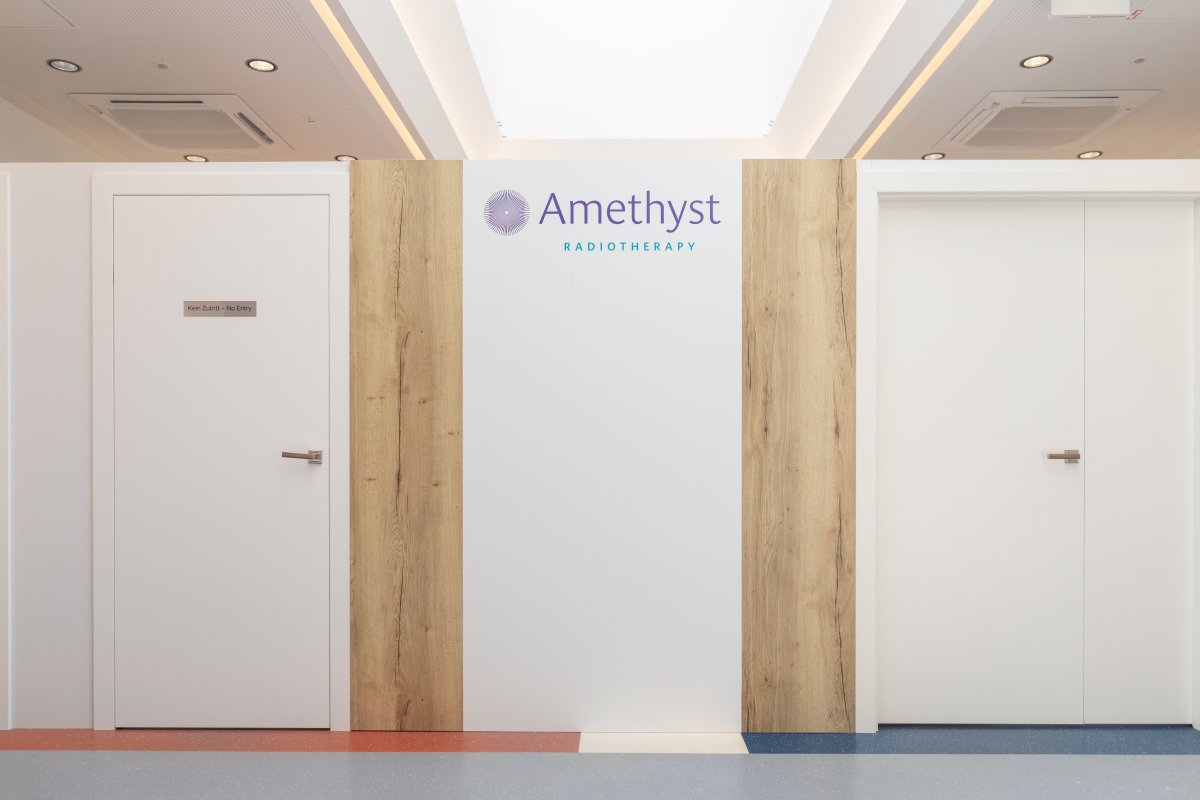
رأي خبراء بوكيمد: بينما تقدم العديد من الدول خدمات علاج الأورام العامة، تركز النمسا على الخبرة المركزية من خلال الشراكات بين القطاعين العام والخاص. فعلى سبيل المثال، تعمل شركة أميثيست للعلاج الإشعاعي في النمسا مباشرةً داخل عيادة فينر الخاصة. وهذا يُنشئ مركزًا واحدًا تتعاون فيه فرق متخصصة من أخصائيي العلاج الإشعاعي وجراحي الأورام يوميًا. ويمكن له
ما هي المستشفيات النمساوية المتخصصة في علاج سرطان الأمعاء الدقيقة؟
في النمسا، يُجرى علاج سرطان الأمعاء الدقيقة في مستشفيات جامعية متخصصة وعيادات خاصة في فيينا وإنسبروك. وتعتمد هذه المراكز على فرق أورام متعددة التخصصات وتقنيات جراحية متقدمة للأحشاء. وتقدم مؤسسات مثل عيادة فيينا الخاصة ومستشفى فيينا العام بروتوكولات متخصصة في الاستئصال والعلاج الموجه للأورام.
- المراكز المتخصصة: يضم مستشفى AKH فيينا مركز الأورام الشامل، الذي يعالج الأورام الخبيثة المعقدة في الجهاز الهضمي.
- أدوات التشخيص: تقوم المؤسسات بإجراء التصوير المقطعي بالإصدار البوزيتروني/التصوير المقطعي المحوسب، والخزعة، والتشخيصات الشاملة للأورام لتحديد مرحلة المرض بدقة.
- الكفاءة الجراحية: يحافظ الجراحون في مستشفى دوبلينغ الخاص على معدلات المضاعفات أقل بكثير من المعدل الطبيعي.
- العلاجات المتقدمة: تقدم المراكز المتخصصة العلاج الكيميائي داخل الصفاق عالي الحرارة (HIPEC) والعلاج المناعي للحالات المتقدمة من سرطان البطن.
رأي خبراء بوكيميد: يتيح اختيار مستشفى في فيينا، مثل مستشفى فيينا الخاص (Wiener Privatklinik)، فرصة فريدة للاستفادة من خبرات العلماء. يعمل في المستشفى أكثر من 400 طبيب، العديد منهم أساتذة في جامعة فيينا الطبية. يُمكّن هذا النظام المرضى من تلقي علاج خاص على يد باحثين يط
ما هي المؤهلات التي يجب أن أبحث عنها عند اختيار طبيب أورام نمساوي لعلاج سرطان الأمعاء الدقيقة؟
يجب أن يكون أطباء الأورام النمساويون المؤهلون والمتخصصون في علاج سرطان الأمعاء الدقيقة حاصلين على شهادة البورد في الطب الباطني والأورام الطبية. ويُفضّل أن يكون من بين المرشحين أخصائيون من المستشفيات الجامعية يرأسون لجان الأورام متعددة التخصصات. ويجب أن يمتلك هؤلاء الخبراء خبرة في العلاج الموجه والاختبارات الجينية الجزيئية للأورام الخبيثة النادرة في الجهاز الهضمي.
- شهادة التخصص: ابحث عن شهادات البورد في الطب الباطني والأورام الطبية.
- الوضع الأكاديمي: تحديد أساتذة جامعة فيينا الطبية الذين يمارسون عملهم في عيادات خاصة.
- الخبرة السريرية: استشر أطباء مثل الدكتور وولفجانج كوستلر، المتخصص في العلاج الجهازي الفردي للسرطان.
- الوصول متعدد التخصصات: اجعل طبيب الأورام الخاص بك يتعاون مع جراحي الأحشاء ومعالجي الإشعاع في أميثيست.
رأي خبراء بوكيمد: يتميز طب الأورام في النمسا بكون أساتذة الجامعات البارزين يقدمون استشاراتهم في عيادات خاصة، مثل عيادة فيينا الخاصة. يتيح هذا للمرضى الوصول إلى خبرات أكاديمية رفيعة المستوى في مستشفى خاص يضم 130 سريراً. يتلقى المرضى العلاج وفقاً لبروتوكولات جامعية دون قوائم الانتظار المعتادة في مؤسسات البحث العامة.
هل يمكن للمرضى الدوليين المشاركة في التجارب السريرية لعلاج سرطان الأمعاء الدقيقة في النمسا؟
يتمتع المرضى الدوليون بحق قانوني في المشاركة في التجارب السريرية لعلاج سرطان الأمعاء الدقيقة في النمسا. يسمح نظام الاتحاد الأوروبي رقم 536/2014 بالمشاركة بغض النظر عن الجنسية. ويخضع القبول لاستيفاء معايير طبية محددة. كما يجب على المرضى مراعاة المتطلبات الإدارية واللغوية والمالية المعقدة للمشاركة في التجارب في الخارج.
- متطلبات اللغة: تشترط الجمعية البريطانية لدراسة الشيخوخة (BASG) ترجمة جميع الوثائق المتعلقة بالدراسة إلى لغة يفهمها المريض.
- الاستقرار السريري: يجب ألا يؤدي السفر إلى زعزعة استقرار حالة المريض حتى يتم إجراء الفحوصات الطبية النهائية الشخصية.
- المسؤولية المالية: يتحمل المرضى عموماً مسؤولية تغطية تكاليف العلاج القياسية ومواقف السيارات ونفقات السفر من جيوبهم الخاصة.
- المراكز المتخصصة: يتركز البحث في المواقع الأكاديمية مثل جامعة فيينا الطبية (AKH Wien).
رأي خبراء بوكيمد: غالبًا ما تتطلب التجارب السريرية لأنواع السرطان النادرة في الجهاز الهضمي استخدام مؤشرات جزيئية محددة. البروفيسور فولفغانغ كوستلر، من مستشفى فيينا الخاص، متخصص في العلاج الفردي للسرطان والعلاج الموجه. تشير أبحاثه حول آليات المقاومة إلى أنه ينبغي على المرضى المصابين بأورام الأمعاء الدقيقة النادر