علاج سرطان الأمعاء الدقيقة في تركيا — احصل على 3 عيادات مختارة خصيصاً لك


تمت مراجعة المقالة طبيا من قبل
فهد مولود
كيف نعمل؟
ما هي تكلفة سرطان الأمعاء الدقيقة إجراءات التشخيص والعلاج في تركيا؟ اعرف الآن
تعتمد التكلفة الإجمالية لعلاج سرطان الأمعاء الدقيقة في تركيا على خطة العلاج المحددة التي يوصي بها مقدم الرعاية الصحية الخاص بك. تبلغ تكلفة الاستشارة الأولية مع أخصائي الأورام $110، بينما تتراوح تكلفة المرحلة التشخيصية الشاملة، بما في ذلك PET-CT والاختبارات الجينية، من $2,000 إلى $6,000. وتبلغ تكلفة جلسات العلاج الكيميائي، بما في ذلك الأجسام المضادة وحيدة النسيلة، $7,300 لكل جلسة. يتم تخصيص برنامج العلاج بعد تقييم مفصل من قبل الفريق الطبي.
اكتشف أفضل سرطان الأمعاء الدقيقة العيادات في تركيا: 28 خيارات معتمدة والأسعار








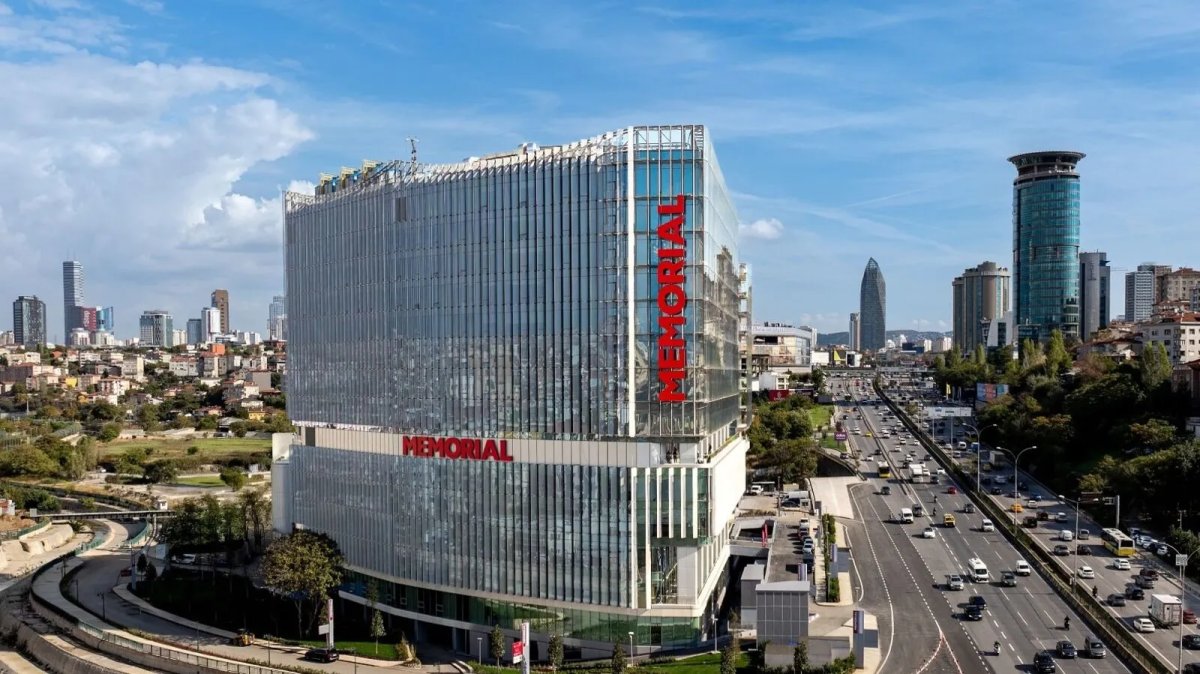
Memorial Göztepe Hospital


Memorial Ankara Hospital


احصل على تقييم طبي لـ في تركيا. استشر الآن 57 أطباء ذوي الخبرة.
عرض جميع الأطباء
Bulent Karagoz
الدكتور بولنت كاراغوز هو طبيب أورام تركي بارز يتمتع بخبرة تزيد عن 33 سنة، وهو متخصص في بيولوجيا الأورام والعلاج المناعي.
- رئيس قسم الأورام الطبية في مركز الأناضول الطبي منذ عام 2019
- أستاذ في كلية الطب بجامعة إسطنبول أوكان
- نشر أكثر من 40 ورقة بحثية في مجال أبحاث السرطان
- عضو الجمعية التركية للأورام الطبية

Serdar Turhal
يُصنف الدكتور تانريكولو ضمن أفضل أطباء الأورام في تركيا، وهو متخصص في علاج سرطان الأمعاء الدقيقة في مركز الأناضول الطبي.
- أكمل تدريبه في طب الأورام في جامعة مرمرة
- حصل على المركز الثالث في امتحان التخصص الدقيق في تركيا
- قاد دراسات سريرية دولية في مجال الأورام
- رئيس سابق لقسم طب الأورام في مستشفى حيدر باشا نوموني للتدريب والأبحاث

Abdulcabbar Kartal
متخصص في التقنيات طفيفة التوغل لعلاج سرطان الأمعاء الدقيقة في مركز الأناضول الطبي، مع تدريب مكثف في الأساليب الجراحية المتقدمة.
- جراح معتمد يتمتع بخبرة في الإجراءات بالمنظار والجراحة التنظيرية
- عضو في الجمعية الأوروبية لجراحة القولون والمستقيم والجمعية الجراحية التركية
- مدرب على جراحات الاختزال الخلوي والعلاج الكيميائي المسخن داخل الصفاق (HIPEC) للسرطانات النقيلية
- أكمل دورات متقدمة في التنظير الجراحي والإجراءات التداخلية
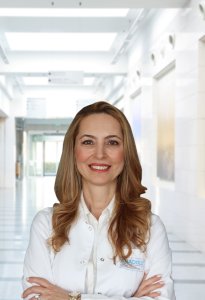
Banu Atalar
الدكتورة بانو أتالار طبيبة أورام إشعاعية حاصلة على شهادة البورد (تركيا، 2004). تشغل منصب أستاذة في جامعة أجيبادم MAA (2018–الآن) وطبيبة سريرية في مركز الأناضول الطبي (2026–الآن). تلقت تدريبها في جامعة إسطنبول وكلية جراح باشا. في عام 2011 أتمّت زمالة أبحاث سريرية بجامعة ستانفورد في الجراحة الإشعاعية التجسيمية. يتركز عملها على أورام الجهاز العصبي المركزي والأورام الصدرية وأورام الجهاز الهضمي. نحو 75% من رعايتها تشمل الجراحة الإشعاعية التجسيمية SRS وSRS التكيفية الموجّهة بالرنين المغناطيسي.
المراجعات
جميع المراجعاتمشاركة المحتوى
قصص فيديو من مرضى Bookimed
 Anna Leonova
أسئلة متكررة حول علاج سرطان الأمعاء الدقيقة في تركيا
لماذا تختار تركيا لعلاج سرطان الأمعاء الدقيقة؟
تعد تركيا وجهة رائدة لعلاج سرطان الأمعاء الدقيقة بفضل مستشفياتها المعتمدة من اللجنة الدولية المشتركة (JCI) وفرق الأورام متعددة التخصصات. توفر مراكز مثل مركز الأناضول الطبي، التابع لجونز هوبكنز، علاجات متقدمة مثل HIPEC. يستفيد المرضى من جدولة سريعة للتشخيص ومعدلات نجاح جراحي تصل إلى حوالي 95% في المرافق المتخصصة.
- فرق الأورام المتخصصة: غالباً ما يحمل الجراحون دبلومات فخرية من المجلس الأوروبي للجراحة (FEBS).
- التكنولوجيا الجراحية المتقدمة: تستخدم المراكز أنظمة روبوت da Vinci لاستئصال الأمعاء طفيف التوغل.
- علاج HIPEC المتكامل: يتم دمج جراحة اختزال الأورام المعقدة مع العلاج الكيميائي المسخن للحالات المتقدمة.
- التصوير الأورامي الشامل: تستخدم المرافق PET/CT الرقمي والأشعة المقطعية 512 شريحة لتحديد المرحلة بدقة.
رؤية خبراء Bookimed: تظهر بياناتنا أن معظم المستشفيات التركية تجمع التشخيصات الرئيسية في غضون يومين. غالباً ما تكمل عيادات مثل ميديبول ميجا التصوير والاستشارات في غضون 48 ساعة. هذه الكفاءة حاسمة لسرطان الأمعاء الدقيقة. فهي تضمن بدء العلاج قبل أن يتمكن الورم من التسبب في انسداد الأمعاء.
إجماع المرضى: يشير المرضى إلى أن عمليات النقل المنسقة والمترجمين في الموقع تجعل التنقل في الرعاية أكثر بساطة. يؤكد الكثيرون على اختيار جراح لديه أكثر من 20 عاماً من الخبرة في أورام الجهاز الهضمي النادرة.
ما هي خيارات علاج سرطان الأمعاء الدقيقة في تركيا؟
يجمع علاج سرطان الأمعاء الدقيقة في تركيا بين الاستئصال الجراحي المتقدم والعلاجات الجهازية مثل العلاج الكيميائي والمناعي. تستخدم المراكز المعتمدة من اللجنة الدولية المشتركة (JCI) في إسطنبول أنظمة الجراحة الروبوتية والعلاج الكيميائي المسخن (HIPEC) لتحسين النتائج. تقوم لجان الأورام متعددة التخصصات بتخصيص خطط العلاج بناءً على أنسجة الورم ومرحلته المحددة.
- الاستئصال الجراحي: يقوم الجراحون بإزالة أجزاء الأمعاء المصابة بالسرطان باستخدام تقنيات تنظير البطن أو الجراحة الروبوتية.
- علاج HIPEC: يتم إعطاء العلاج الكيميائي المسخن مباشرة داخل البطن أثناء جراحة اختزال الأورام.
- العلاجات الجهازية: يطبق المتخصصون العلاجات الموجهة والمناعية بناءً على التوصيف الجزيئي الدقيق.
- تشخيصات الخبراء: يشمل التصوير المتقدم PET/CT الرقمي والأشعة المقطعية 512 شريحة لتحديد المرحلة بدقة.
رؤية خبراء Bookimed: تستخدم مراكز الأورام التركية مثل مستشفى ميموريال جوزتيبي لجان أورام متعددة التخصصات وغرف عمليات هجينة. غالباً ما تجمع هذه المرافق بين القوة التشخيصية، مثل تصوير الرنين المغناطيسي 3 تسلا المدعوم بالذكاء الاصطناعي، والتدخل الجراحي المباشر. يتيح هذا التكامل إجراء تعديلات فورية على خطط العلاج أثناء العملية، وهو أمر بالغ الأهمية لسرطانات الجهاز الهضمي المعقدة.
إجماع المرضى: يشير المرضى إلى أنه من الضروري العثور على مركز يوفر الجراحة وعلم الأمراض والتصوير في مكان واحد. غالباً ما يؤكدون أن وجود منسق للتعامل مع اللوجستيات والترجمة يجعل عملية العلاج المكث
هل الأطباء الأتراك مؤهلون لعلاج هذا النوع من السرطان؟
أطباء الأورام الأتراك مؤهلون تأهيلاً عالياً لعلاج سرطان الأمعاء الدقيقة. يحمل معظم المتخصصين مؤهلات دولية من الجمعية الأوروبية للأورام الطبية (ESMO). تحافظ العديد من المستشفيات على اعتماد اللجنة الدولية المشتركة (JCI) لضمان معايير صارمة للسلامة والرعاية السريرية.
- المؤهلات المتخصصة: غالباً ما يحمل الأطباء دبلومات من المجلس الأوروبي للجراحة (FEBS).
- التكنولوجيا المتقدمة: تستخدم العيادات نظام الجراحة الروبوتية da Vinci XI للعمليات المعقدة.
- العلاجات المبتكرة: يقوم المتخصصون بإجراء جراحة اختزال الأورام (Cytoreductive Surgery) مدمجة مع العلاج الكيميائي المسخن داخل الصفاق (HIPEC).
- دقة التشخيص: تستخدم المراكز تصوير الرنين المغناطيسي 3 تسلا المدعوم بالذكاء الاصطناعي والأشعة المقطعية 512 شريحة.
رؤية خبراء Bookimed: تعمل مراكز الأورام التركية مثل مركز الأناضول الطبي أو ميموريال شيشلي كمراكز ذات حجم كبير. يخدم مركز الأناضول الطبي وحده 65,000 مريض سنوياً. هذا الحجم الهائل يسمح للجراحين بإتقان الإجراءات النادرة مثل استئصال الأمعاء الدقيقة. وغالباً ما تؤدي هذه الخبرة إلى نتائج أكثر دقة في الحالات المعقدة.
إجماع المرضى: يلاحظ المرضى أن الأطباء يتواصلون بشكل جيد ويدعمهم منسقون يتولون الأمور اللوجستية. يجد الكثيرون أن الوصول الفوري إلى التصوير التشخيصي المتقدم مثل PET/CT مفيد بشكل خاص.
ما مدى سرعة حصولي على موعد للعلاج؟
يمكن للمرضى عادةً تأمين موعد لعلاج الأورام في تركيا في غضون 2 إلى 5 أيام. تعطي المراكز الكبرى في إسطنبول وأنقرة الأولوية لحالات الأورام الدولية للمراجعة السريعة. توفر معظم العيادات فحوصات تشخيصية مثل مسح PET-CT عند الوصول لتسريع تخطيط العلاج.
- الاستشارة الأولية: المواعيد مع كبار أطباء الأورام متاحة عادةً في غضون 48 إلى 72 ساعة.
- الجدول الزمني للتشخيص: تتم معالجة نتائج الخزعة والتصوير بالرنين المغناطيسي عادةً في غضون 2 إلى 3 أيام.
- جدولة العمليات الجراحية: غالبًا ما يتم جدولة الإجراءات المعقدة مثل HIPEC في غضون أسبوع واحد من التشخيص.
- الحالات العاجلة: تحتفظ المنشآت التركية الحاصلة على اعتماد JCI بمواعيد مخصصة للاستقبال الفوري للمرضى الدوليين.
رؤية خبير Bookimed: تعتمد السرعة غالبًا على حجم شبكة المستشفى. يمكن للشبكات الكبيرة مثل مستشفيات Memorial أو Liv تسريع المواعيد من خلال التنسيق بين فروع متعددة. على سبيل المثال، إذا لم يكن جراح معين مثل الدكتور Koray Karabulut متاحًا في أحد فروع Memorial، فيمكن لمنشأة أخرى ضمن نفس المجموعة عادةً استيعاب المريض في وقت أقرب لتجنب التأخير.
إجماع المرضى: يشير المرضى إلى أن سرعة المساعدة الإدارية أمر حيوي لبدء العلاج بسرعة. ويؤكدون أن تجهيز جميع الفحوصات قبل السفر يساعد الأطباء على وضع الجدول الزمني النهائي على الفور.
ما الذي يجب أن أسأل عنه طبيبي أثناء الاستشارة؟
اسأل مباشرة عن مرحلة الورم وما إذا كانت الجراحة الاختزالية مع HIPEC مناسبة. استفسر عما إذا كانت الخطة الجراحية تتضمن استئصال الأمعاء وما هو خطر الإصابة بمتلازمة الأمعاء القصيرة. استفسر عن اعتماد JCI للعيادة والخبرة المحددة للجراح (أكثر من 500 إجراء).
- تصنيف الورم: حدد الدرجة الدقيقة والمرحلة والنوع النسيجي لورم الأمعاء الدقيقة.
- النهج الجراحي: اسأل عما إذا كانت العيادة تستخدم أنظمة تنظير البطن أو أنظمة دافنشي الروبوتية لاستئصال الأمعاء.
- العلاج المتخصص: اسأل عما إذا كانت هناك حاجة إلى إجراءات محددة، مثل HIPEC، بناءً على فحوصات التشخيص الحالية الخاصة بك.
- الرعاية بعد الجراحة: تعرف على المواعيد الزمنية لزيارات المتابعة قبل العودة إلى المنزل لضمان التعافي والرحلة الجوية الآمنة.
رأي خبراء Bookimed: غالبًا ما تتضمن باقات الأورام التركية في عيادات مثل Liv Hospital Ulus فحوصات المتابعة والإقامة في الفنادق المحلية. هذا أمر بالغ الأهمية، حيث تخدم المراكز الدولية مثل مركز الأناضول الطبي 65,000 مريض سنويًا. وبفضل هذا الحجم، يواجه أطباء مثل الدكتور بولنت كاراغوز حالات معقدة يوميًا. تحقق مما إذا كانت باقتك تتراوح بين 21,000 دولار و30,800 دولار للتأكد من أن اختبارات ما قبل الجراحة مشمولة في السعر.
إجماع المرضى: يشير المرضى إلى أنه من المهم السؤال عمن سيتولى رعاية الطوارئ بعد الخروج من المستشفى إذا كنت تتلقى العلاج في الخارج. يؤكد الكثيرون على ضرورة تأكيد توفر المنسقين والمترجمين طوال عملية التشخيص والعلاج.