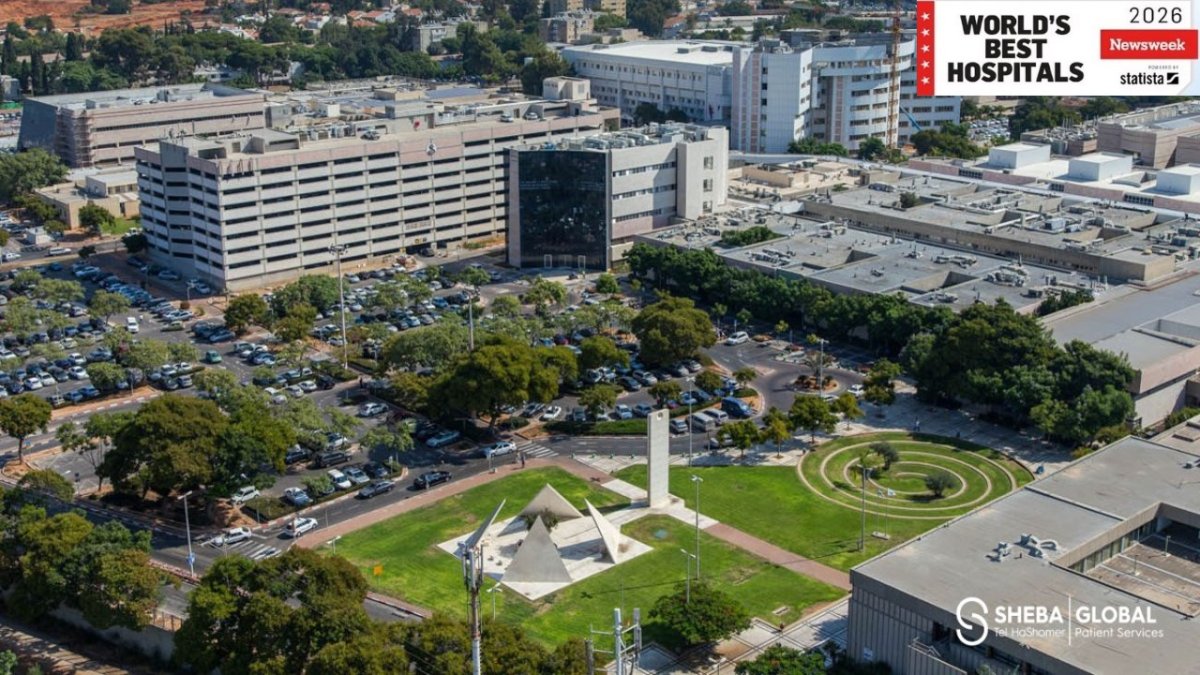
Sourasky Medical Center (Ichilov)
إسرائيل, Tel Aviv
Ofer Merimsky
41سنة خبره ١٦ سنة

الاعتمادات : 
العيادة معتمدة من قبل : 





تمت مراجعة المقالة طبيا من قبل
فهد مولود
من $1,500. تعتمد النفقات الإجمالية على مرحلة السرطان، وتعقيد الجراحة، وبروتوكولات الأدوية المحددة. وغالباً ما يوفر المرضى ما يقرب من 20-40% مقارنة بالولايات المتحدة. تقع أفضل مراكز العلاج في تل أبيب والقدس وحيفا.
تكاليف علاج سرطان الأمعاء الدقيقة النموذجية في إسرائيل
رؤية خبراء Bookimed: يجب على المرضى الذين يعانون من إصابات متقدمة في البطن التفكير في مركز سوراسكي الطبي لإجراء عمليات HIPEC وجراحة ويبل (Whipple). تسجل هذه المنشأة معدل نجاح متوسط قدره 90% لعلاجات الأورام. وبالنسبة للاحتياجات الجراحية المعقدة، يقدم مركز أسوتا الطبي رعاية خاصة مع إجراء 92,000 عملية جراحية سنوياً. يستفيد المرضى الدوليون من مراكز مثل هداسا، حيث يقدم الأخصائيون المدرجون في قائمة فوربس رعاية متعددة التخصصات للأورام الخبيثة النادرة في الجهاز الهضمي.
| إسرائيل | تركيا | إسبانيا | |
|---|---|---|---|
| العلاج الكيميائي لسرطان الثدي | ≈ $22,500 | من $3,000 | من $1,700 |
| العلاج الكيميائي داخل الصفاق مفرط الحرارة (HIPEC) | من $60,000 | من $18,000 | من $81,500 |
| العلاج الإشعاعي لسرطان القولون والمستقيم | ≈ $14,000 | من $5,000 | من $7,500 |
| العلاج الإشعاعي لسرطان الأمعاء | ≈ $16,000 | ≈ $5,800 | من $5,000 |
| استئصال الأمعاء الدقيقة | ≈ $16,000 | من $6,500 | من $12,300 |

تتخصص الدكتورة بيليس شارون في علاجات السرطان المتقدمة، بما في ذلك سرطان الأمعاء الدقيقة، في مركز سوراسكي الطبي (إيخيلوف).
يرأس البروفيسور ميريمسكي وحدة أورام الأنسجة الرخوة والعظام في مركز سوراسكي الطبي، وهو متخصص في الأورام النادرة مثل سرطان الأمعاء الدقيقة.

الدكتور أرنون ناجلر هو طبيب أمراض دم في مركز شيبا الطبي في إسرائيل. وهو أستاذ في جامعة تل أبيب وخبير مشهور في زراعة الأعضاء. أسس الدكتور ناجلر أول بنك عام لدم الحبل السري في إسرائيل. كما أجرى أول عمليات زراعة لدم الحبل السري في البلاد. أكمل تدريبه بعد الدكتوراه في جامعة ستانفورد وهو حاصل على شهادة البورد في أمراض الدم.
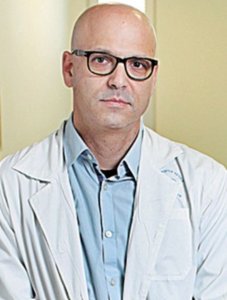
البروفيسور إيدو ناخماني يرأس القسم الجراحي الثاني في مركز شيبا الطبي. يختص بجراحات HPB (الكبد والبنكرياس والقنوات الصفراوية) والجراحة الروبوتية لأمراض الكبد والبنكرياس والقنوات الصفراوية، ولأورام الغدد الصماء العصبية في الجهاز الهضمي. كما يجري جراحات الغدة الكظرية والطحال والمعدة. أدرجته فوربس ضمن أفضل أطباء إسرائيل.
يطوّر تقنيات جراحية طفيفة التوغل بالروبوت والمنظار، بهدف دقة أعلى وتعافٍ أسرع.
المؤهلات: محاضر كبير في جامعة تل أبيب. عضو في ASTS وIHPBA. أتمّ زمالتَي HPB وزراعة ال
 Anna Leonova
تُبلغ إسرائيل عن معدل نجاح أورام يبلغ حوالي 90% لسرطان الأمعاء الدقيقة. يصل معدل البقاء على قيد الحياة لمدة 5 سنوات لسرطان الغدية الموضعي إلى 85%. تُظهر الأورام السرطاوية معدلات بقاء موضعية تصل إلى 97%. وتدفع البروتوكولات المتقدمة وبرامج الكشف المبكر للأعمار من 50 إلى 74 عاماً هذه النتائج العالية للتعافي.
رؤية خبير Bookimed: على الرغم من أن الإحصائيات العامة مرتفعة، إلا أن حجم العمليات الجراحية هو أقوى مؤشر على النجاح. أجرى جراحون مثل الدكتور جوزيف كلاوزنر والدكتور ألموغ بن يعقوب في المراكز الكبرى أكثر من 200 إلى 1000+ إجراء معقد في الجهاز الهضمي. يدعم هذا الحجم الكبير بشكل مباشر معدلات النجاح البالغة 90% الموجودة في إسرائيل.
إجماع المرضى: يؤكد المرضى أن النتائج الفردية غالباً ما تتجاوز الإحصائيات العامة عند متابعة العلاج المتعدد الوسائط القوي. ويشيرون إلى أن البقاء على قيد الحياة يبدو أكثر قابلية للتحقيق في المراكز ذات الحجم الكبير حيث يجمع الأطباء بين الجراحة والعلاجات المتخصصة مثل HIPEC.
يقوم الجراحون الإسرائيليون بشكل روتيني بإجراء عمليات استئصال الأمعاء الدقيقة باستخدام تقنيات تنظير البطن، والجراحة بمساعدة الروبوت، وشق البطن المفتوح في خط الوسط. تتضمن أساليب تنظير البطن عادةً من 3 إلى 6 شقوق يتراوح حجمها بين 0.5 سم و1.5 سم. تستخدم الإجراءات بمساعدة الروبوت منافذ مماثلة بحجم 1 سم مع احتمال وجود شق استخراج بحجم 5 سم.
رؤية خبير Bookimed: يعطي المتخصصون الإسرائيليون مثل الدكتور يوري غولدس والبروفيسور إيدو ناخماني في مركز شيبا الطبي الأولوية للجراحة بمساعدة الروبوت للأورام العصبية الصماوية المعقدة. في حين أن تنظير البطن هو المعيار، توفر الأنظمة الروبوتية دقة ثلاثية الأبعاد في مناطق البطن العميقة. غالباً ما يمنع هذا النهج الحاجة إلى شقوق مفتوحة كبيرة بحجم 20 سم حتى في الحالات الصعبة.
إجماع المرضى: يشير المرضى إلى أن اختيار طرق تنظير البطن يمكن أن يقلل من فترات الإقامة في المستشفى إلى 3 أيام فقط. يسلط الكثيرون الضوء على أن آلام الغازات بعد الجراحة الناتجة عن المنافذ طفيفة التوغل قد تبدو في البداية أكثر حدة من الشقوق الصغيرة نفسها.
يقضي المرضى الدوليون الذين يخضعون لعلاج سرطان الأمعاء الدقيقة في إسرائيل عادةً من 5 إلى 10 أيام في المستشفى. يطلب الجراحون عادةً إقامة محلية لمدة 10 إلى 14 يومًا بعد الخروج من المستشفى قبل السماح برحلات الطيران الطويلة. تعطي التقنيات الروبوتية والمناظير المتقدمة الأولوية للتحرك المبكر في غضون 24 ساعة بعد الجراحة.
رؤية خبير Bookimed: غالبًا ما تتضمن باقات الأورام الإسرائيلية 14 ليلة في فندق لأن الجراحين يعطون الأولوية لإدارة الانتقال إلى نظام غذائي منخفض البقايا محليًا. في مركز شيبا الطبي، تتضمن باقة HIPEC صراحةً هذه الإقامة الفندقية لمدة أسبوعين. يضمن هذا الهيكل اجتياز المرضى للمعالم الغذائية الحرجة تحت إشراف طبي قبل العودة إلى الوطن. أجرى جراحون خبراء مثل الدكتور ألموج بن يعقوب أكثر من 200 إجراء HIPEC، وغالبًا ما يؤكدون على فترة المراقبة المحلية الممتدة هذه.
إجماع المرضى: يوصي المرضى بحجز سكن مرن بالقرب من العيادة لمدة أسبوعين على الأقل. يؤكد الكثيرون على أهمية ترتيب الدعم المنزلي في وقت مبكر لأن استعادة مستويات الطاقة الكاملة
يستخدم أطباء الأورام الإسرائيليون التنميط الجيني واختبار المؤشرات الحيوية للاختيار بين العلاج الكيميائي والعلاج البيولوجي. إنهم يعطون الأولوية للأدوية الموجهة فقط لطفرات محددة مثل KRAS أو NRAS. العلاج المناعي مخصص للمرضى الذين يعانون من عدم استقرار الأقمار الصناعية الدقيقة. يبدأ معظم المرضى بأنظمة العلاج الكيميائي القائمة على 5-FU.
رؤية خبير Bookimed: غالبًا ما يجمع المتخصصون الإسرائيليون مثل الدكتور ألموج بن يعقوب في مركز شيبا الطبي بين الأدوية الجهازية والتقنيات الجراحية العدوانية. في حين أن العلاج الكيميائي هو المعيار، يقدم مركز شيبا ومركز سوراسكي الطبي باقات HIPEC تبدأ من حوالي 52,300 دولار. يعالج هذا النهج المتخصص الانتشار في البطن الذي قد لا يصل إليه العلاج الكيميائي التقليدي بفعالية. الخبرة مهمة هنا، حيث أجرى كبار الجراحين في هذه المراكز أكثر من 200 من هذه الإجراءات المعقدة.
إجماع المرضى: يؤكد المرضى على أهمية طلب الاختبارات الجزيئية في وقت مبكر لمعرفة ما إذا كانوا مؤهلين للحصول على أدوية موجهة أحدث. يشير الكثيرون إلى أنه على الرغم من أن العل
تتخصص المستشفيات الإسرائيلية مثل سوراسكي وشيبا في جراحة سرطان الأمعاء الدقيقة. وهي توفر جراحة اختزال الخلايا المتقدمة مع HIPEC لأورام البطن. ابحث عن اعتماد اللجنة الدولية المشتركة (JCI) وجراحين معتمدين حاصلين على زمالات دولية. يبلغ سوراسكي عن معدل نجاح في علاج الأورام بنسبة 90%.
رؤية خبير Bookimed: تعمل مراكز الأورام الإسرائيلية مثل شيبا وسوراسكي على نطاق واسع. فهي تعالج ما بين 400,000 إلى 2 مليون مريض سنوياً. يسمح هذا الحجم الكبير لجراحين مثل الدكتور ألموج بن يعقوب بإجراء أكثر من 200 عملية HIPEC. نادراً ما يوجد مثل هذا التخصص خارج هذه المراكز الأكاديمية الكبرى.
إجماع المرضى: يقدر المرضى كيفية إدارة المنسقين للخدمات اللوجستية مثل النقل من المطار والسكن المحلي. يلاحظ الكثيرون أن الفرق الطبية الإسرائيلية تشرح نتائج التشخيص المعقدة بوضوح ومباشرة.
يتطلب الدخول إلى إسرائيل لتلقي علاج الأورام تأشيرة سياحية عادية من فئة B/2 أو تصريح ETA-IL بدءاً من عام 2025. يجب عليك معالجة دعوة طبية رسمية من مستشفاك للدخول. التأمين الطبي المتخصص إلزامي لمعظم حالات القبول في العيادات لتغطية حالات الطوارئ المحتملة.
رؤية خبير Bookimed: تتخصص المستشفيات الإسرائيلية مثل سوراسكي وشيبا في إدارة أعداد كبيرة، حيث تعالج أكثر من 400,000 و 2 مليون مريض سنوياً. توفر أقسامها الدولية خطابات دعم للتأشيرات خصيصاً لمنع تأخير الدخول لمرضى الأورام. نظراً لأن تأمين السفر القياسي غالباً ما يستبعد السرطان الموجود مسبقاً، فإن اختيار باقة من شيبا تتضمن إقامات فندقية يمكن أن يساعد في إدارة الخدمات اللوجستية مع التركيز على العلاج.
إجماع المرضى: يؤكد المرضى أن تأشيرة سياحية عادية كافية لمعظم الجنسيات الغربية. ويشيرون إلى أن المنسقين الناطقين بالإنجليزية الذين تعينهم المستشفى ضروريون للتعامل بفعالية مع الأوراق وأسئلة الجمارك.
يتلقى السياح الطبيون في إسرائيل دعمًا لغويًا متخصصًا من خلال منسقين يتحدثون الإنجليزية ووثائق طبية بلغات متعددة. توفر المستشفيات وجبات كوشر وحلال مع احترام الشعائر الدينية مثل السبت. تحتفظ مرافق مثل مركز شيبا الطبي ومركز سوراسكي الطبي بأقسام دولية مخصصة لضمان التواصل السلس أثناء فحص السرطان.
رؤية خبير Bookimed: تدير مراكز الأورام الإسرائيلية مثل مركز شيبا الطبي ومركز سوراسكي الطبي أحجامًا هائلة من المرضى. يعالج مركز شيبا أكثر من 2 مليون مريض سنويًا. هذا النطاق يعني أن أقسامهم الدولية فعالة للغاية في التعامل مع الفروق الثقافية الدقيقة. يجب أن يلاحظ المرضى أنه على الرغم من أن الإجراءات المعقدة مثل HIPEC تكلف ما بين 52,300 دولار إلى 68,000 دولار، إلا أن هذه الباقات غالبًا ما تتضمن مزايا تعافي كبيرة. على سبيل المثال، تتضمن بعض باقات شيبا إقامة فندقية لمدة 14 يومًا، مما يوفر بيئة داعمة للعائلات خلال مرحلة التعافي.
إجماع المرضى: يجد المرضى أن أسلوب التواصل المباشر والصريح للأطباء الإسرائيليين مفيد لاتخاذ قرارات سريعة.
تُعدّ إسرائيل مركزًا رائدًا في جراحة الأعصاب بفضل مزيجها من التطورات الطبية عالية التقنية والخبرات الجراحية المتميزة. وتستخدم مرافق متطورة مثل مركز شيبا الطبي أنظمة ملاحة تعتمد على الذكاء الاصطناعي والتصوير بالرنين المغناطيسي أثناء الجراحة في الوقت الفعلي. وتشير المراكز المتخصصة إلى نسبة نجاح تصل إلى 98% في العمليات الجراحية المعقدة، بما في ذلك جراحة الدماغ مع اليقظة وعلاج اضطرابات الحركة.
رأي خبراء بوكيمد: تُظهر البيانات فرقًا واضحًا بين خيارات العلاج في القطاعين العام والخاص في إسرائيل. تُجري المراكز الخاصة، مثل مركز أسوتا الطبي، أكثر من 92,000 عملية جراحية سنويًا، وتتيح للمرضى اختيار جراح را
يعالج جراحو الأعصاب الإسرائيليون طيفاً واسعاً من الحالات، بدءاً من أورام الدماغ والحبل الشوكي وصولاً إلى الاضطرابات الوظيفية المعقدة. وتستخدم المراكز المتخصصة أحدث التقنيات، مثل جهاز جاما نايف، والتحفيز العميق للدماغ، والتصوير بالرنين المغناطيسي أثناء الجراحة، لتشخيص دقيق للغاية لحالات الصرع، ومرض باركنسون، وأمراض الأوعية الدموية الدماغية.
رأي خبراء بوكيمد: غالبًا ما تجمع المستشفيات الإسرائيلية بين تخصصات طبية متعددة لمعالجة الحالات المعقدة. ففي مركز سوراسكي ا
تضم إسرائيل مراكز جراحة أعصاب عالمية المستوى، مثل مركز سوراسكي الطبي، ومركز شيبا الطبي، ومركز هداسا الطبي. وتُعدّ هذه المؤسسات رائدة عالميًا في علاج أورام الدماغ المعقدة، وأمراض العمود الفقري، واضطرابات الحركة. وتستخدم أحدث التقنيات، مثل جهاز جاما نايف، والأنظمة الروبوتية، والتصوير بالرنين المغناطيسي أثناء الجراحة.
رأي خبراء بوكيمد: تُظهر بياناتنا أنه بينما يلجأ معظم المرضى للعلاج في تل أبيب، يُقدّم مركز رامبام الطبي في حيفا رعايةً فريدةً لإصابات الدماغ. فهو يضم وحدةً متخصصةً للعناية المركزة العصبية تُعالج ما يقارب مليون مريض سنويًا. وهذا ما يجعله