العلاج الكيميائي لسرطان الثدي في تركيا — احصل على 3 عيادات مطابقة مع التكاليف


تمت مراجعة المقالة طبيا من قبل
فهد مولود
ما هي تكلفة العلاج الكيميائي لسرطان الثدي في تركيا؟ اكتشف الآن
تتراوح تكلفة العلاج الكيماوي لسرطان الثدي في تركيا عادةً بين السعر عند الطلب و السعر عند الطلب. تعتمد التكاليف الإجمالية على البروتوكول الدوائي وعدد الجلسات واختيار المركز في مدن مثل إسطنبول أو أنقرة. غالباً ما تشمل الباقات الطبية الاستشارات وفحوصات الدم وخدمات التنقل من المطار.
- النظام الدوائي: تعد البروتوكولات القياسية أكثر توفيراً، بينما ترفع العلاجات الموجهة أو المناعية التكلفة بشكل ملحوظ.
- عدد الجلسات: يتطلب العلاج عادةً من 4 إلى 8 دورات، وتُضاف تكلفة كل جلسة إلى الإجمالي.
- الخدمات التشخيصية: تُحاسب فحوصات PET-CT والرنين المغناطيسي للثدي مع صبغة بشكل منفصل عن العلاج الكيماوي.
- الموقع الجغرافي: قد ترتفع التكاليف التشغيلية للمراكز في إسطنبول وأنقرة عنها في المدن الصغيرة.
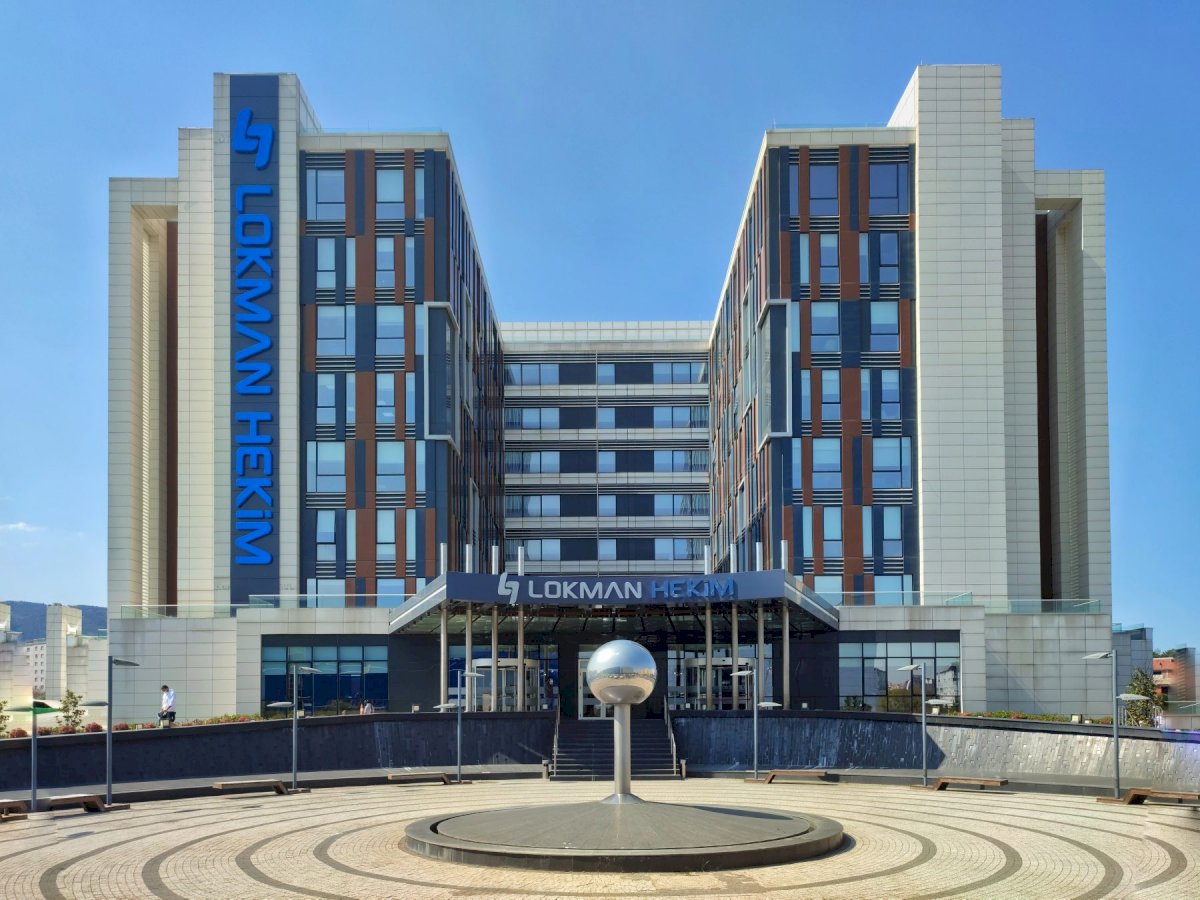
رأي خبراء Bookimed: توفر مراكز الأورام التركية قيمة متميزة بدمج البروتوكولات الأمريكية مع أسعار معقولة. على سبيل المثال، يحافظ مركز الأناضول الطبي على تعاون وثيق مع جونز هوبكنز ميديسن. يمكن للمرضى الحصول على رعاية فائقة من أساتذة معتمدين من ESMO مثل يشيم يلدريم بتكلفة أقل من الغرب. كما يضمن اختيار الباقات الشاملة، مثل باقة التشخيص والجراحة بسعر 6,000 $ في جامعة لقمان حكيم، تجنب أي تكاليف غير متوقعة للفحوصات الأساسية.
المزايا الرئيسية
لماذا يختار المرضى تركيا للعلاج الكيميائي لسرطان الثدي؟
- العيادات المعتمدة: المستشفيات المعتمدة من JCI والمراكز المعتمدة من وزارة الصحة التركية تقدم رعاية عالية الجودة.
- أحدث التقنيات: تتوفر خيارات العلاج الكيميائي مثل العلاج الموجه والعلاج المناعي. هذه الخيارات تستخدم علامات تجارية مشهورة مثل هيرسبتين وبيرجيتا لعلاج سرطان الثدي الإيجابي لـ HER2.
- نسب نجاح عالية: يظهر العلاج الكيميائي لسرطان الثدي في تركيا معدل فعالية يتراوح بين 70-80% في المرضى في المراحل المبكرة. وهناك أيضًا تحسن كبير في الحالات المتقدمة.
- الجراحون الخبراء: يتمتع أطباء الأورام الرائدون، مثل أولئك في مستشفى ميموريال شيشلي، بخبرة واسعة. لقد أجروا مئات العلاجات الكيميائية الناجحة ويحملون شهادات من مجالس الأورام الدولية.
احصل على حلول متقدمة للعلاج الكيميائي لسرطان الثدي في عيادات موثوقة .
مزاياك وضماناتك مع Bookimed
أسعار مباشرة
Bookimed لا يضيف رسوماً إضافية على أسعار العلاج الكيميائي لسرطان الثدي. الأسعار مأخوذة من قوائم الأسعار الرسمية للعيادات. تدفع مباشرة في العيادة مقابل العلاج الكيميائي لسرطان الثدي عند وصولك.
عيادات وأطباء معتمدون فقط
Bookimed ملتزم بسلامتك. نحن نعمل فقط مع المؤسسات الطبية التي تحافظ على معايير دولية عالية في العلاج الكيميائي لسرطان الثدي ولديها التراخيص اللازمة لخدمة المرضى الدوليين في جميع أنحاء العالم.
مساعدة مجانية على مدار الساعة
Bookimed يقدم مساعدة خبراء مجانية. منسق طبي شخصي يدعمك قبل وأثناء وبعد العلاج، ويحل أي مشاكل. لن تكون وحيداً أبداً في رحلة العلاج الكيميائي لسرطان الثدي.

منسقك الطبي الشخصي في Bookimed
- يدعمك في كل مرحلة
- المساعدة في اختيار العيادة الطبية المناسبة والطبيب المناسب
- يضمن الوصول السريع والمريح إلى المعلومات
اكتشف أفضل العلاج الكيميائي لسرطان الثدي العيادات في تركيا: 28 خيارات معتمدة والأسعار
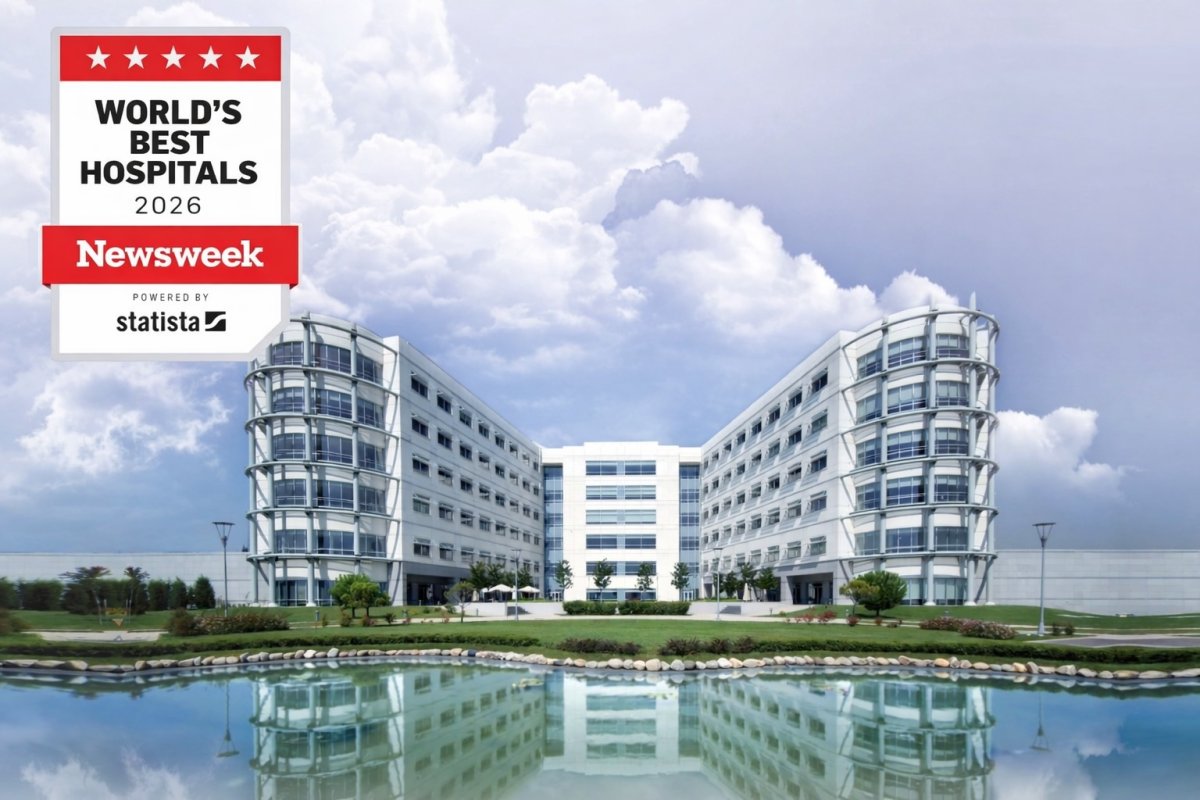






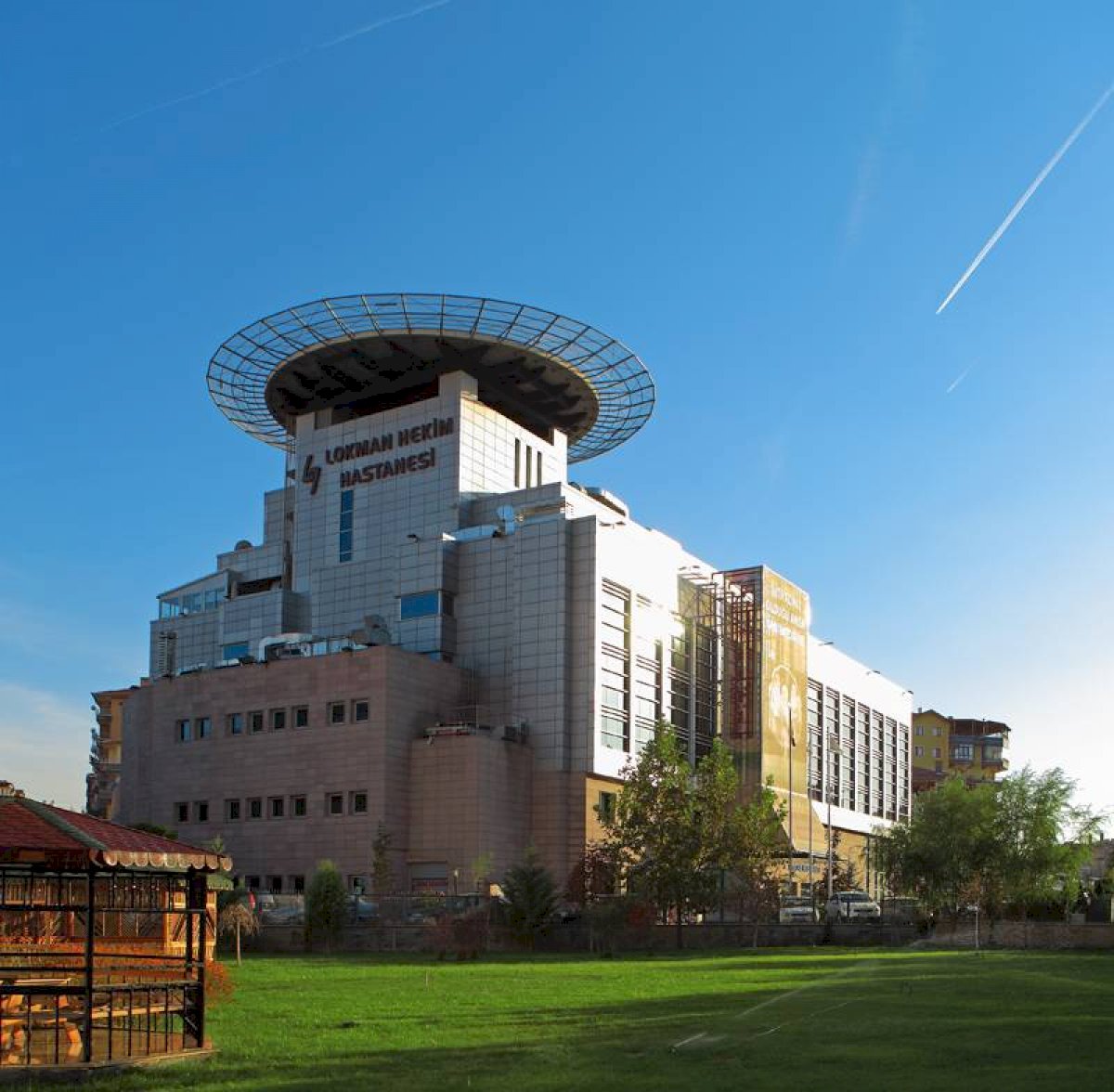
Memorial Ankara Hospital


نظرة عامة على العلاج الكيميائي لسرطان الثدي في تركيا
- العلاج الكيميائي - من $1,800
يعالج هذا العلاج السرطان باستخدام الأدوية لتدمير الخلايا السرطانية ومنع نموها.
- العلاج الكيميائي داخل الصفاق مفرط الحرارة (HIPEC) - من $18,000
تقوم العملية بتسخين أدوية العلاج الكيميائي وتطبيقها مباشرة داخل البطن لقتل الخلايا السرطانية المخفية.
- العلاج الكيميائي داخل الشريان - من $5,000
يقدم هذا العلاج الأدوية المضادة للسرطان مباشرة إلى الورم ، مما يحسن فعالية العلاج ويقلل من الآثار الجانبية.
- العلاج الكيميائي لسرطان الكبد - من $2,400
يستهدف هذا العلاج الخلايا السرطانية في الكبد ويقتلها ، وذلك باستخدام الأدوية التي تُعطى عن طريق الفم أو الحقن.
- العلاجَ الكيميائي الموضعي للكبد - من $7,800
يجمع هذا العلاج بين الأدوية القاتلة للسرطان وانسداد إمداد الدم لتقليص أورام الكبد بسرعة وفعالية.
- العلاج الكيميائي لسرطان الحنجرة - من $2,800
يساعد هذا العلاج في القضاء على خلايا سرطان الحنجرة باستخدام الأدوية الفعالة ، مما يحتمل أن يحافظ على وظيفة الصوت.
- العلاج الكيميائي لسرطان الرئة - من $850
يستخدم هذا العلاج الأدوية لقتل خلايا سرطان الرئة ، وغالبًا ما يتم إعطاؤها عن طريق الحقن أو الأقراص الفموية ، مما يعزز معدلات البقاء على قيد الحياة.
- العلاج الكيميائي لسرطان البروستاتا - من $1,500
يستخدم هذا العلاج الأدوية لقتل خلايا سرطان البروستاتا ، والتي يتم توصيلها عن طريق الأوردة أو الحبوب ، مما يعزز معدلات البقاء على قيد الحياة.
اليوم الأول: الوصول
- الوصول إلى البلاد والتسجيل في الفندق.
- الراحة والتأقلم مع البيئة الجديدة.
اليوم الثاني: ما قبل العملية
- اخضع لاستشارة أولية مع طبيب الأورام.
- قم بإجراء فحص طبي كامل.
- قم بإجراء اختبار قياس السمع لمعرفة خط الأساس للسمع.
- اختبارات إضافية إذا لزم الأمر ، بناءً على حالتك الصحية.
اليوم الثالث: العلاج الكيميائي
- أدخل إلى المستشفى لتلقي العلاج الكيميائي.
- اخضع للعلاج الكيميائي الذي يستمر عادة لبضع ساعات.
- لا حاجة للتخدير لأن العملية غير مؤلمة.
- بعد العلاج ، استرح في المستشفى تحت إشراف طبي.
اليوم الرابع: ما بعد العملية
- التشاور مع طبيب الأورام لمناقشة آثار العلاج.
- البقاء في المستشفى للمراقبة المستمرة والرعاية.
اليوم الخامس: المغادرة
- الخروج من المستشفى والانتقال إلى الفندق.
- الراحة والانتعاش في الفندق قبل العودة.
الأسبوع 1-4: إعادة التأهيل
- المتابعة المنتظمة مع طبيب الأورام المحلي.
- العودة التدريجية إلى العمل والأنشطة الأخرى حسب ما تسمح به القوة.
- مارس تمارين بدنية خفيفة تحت التوجيه.
- تحسن ملحوظ في الصحة وانخفاض في الآثار الجانبية للعلاج.
الأسبوع الثامن: النتيجة النهائية
- الشفاء التام والعودة إلى نمط الحياة الطبيعي.
يرجى ملاحظة أن العملية قد تختلف بناءً على الحالة الصحية الفردية والاستجابة للعلاج.
- إيداع Bookimed: 200 دولار أو 200 يورو.
- وديعة العيادة: ادفع نسبة محددة مقدمًا.
احصل على تقييم طبي لـ العلاج الكيميائي لسرطان الثدي في تركيا. استشر الآن 33 أطباء ذوي الخبرة.
عرض جميع الأطباء
Bulent Karagoz
الطبيب هو أخصائي أورام طبية تركي ذو خبرة عالية متخصص في الساركوما، الليمفوما، سرطان البنكرياس، سرطان الرئة، وسرطان الثدي. مع أكثر من 20 عامًا من الخبرة، يركز الطبيب على بيولوجيا الأورام، علم المناعة للأورام، العلاج المناعي للسرطان، والعلاجات المستهدفة. منذ عام 2019، يعمل الطبيب كأخصائي أورام طبية في مركز الأناضول الطبي وكان قد شغل سابقًا مناصب قيادية في كلية الطب بجامعة إسطنبول أوكان ومستشفى التدريب غاتا حيدر باشا. قام الطبيب بتأليف أكثر من 40 منشورًا في أبحاث السرطان وهو عضو في جمعية الأورام

Serdar Turhal
تتخصص الدكتورة إيدا تانريكولو في طب الأورام والعلاج الكيميائي، وتقدم رعاية متخصصة في مركز الأناضول الطبي.
- حصلت على المركز الثالث في تركيا في امتحان التخصص الفرعي عام 2013
- لديها خبرة في الدراسات السريرية الدولية في طب الأورام
- رئيسة وحدة طب الأورام في مستشفى حيدر باشا نوموني للتدريب والبحوث
- تخرجت من جامعات مرموقة بما في ذلك جامعتي أنقرة ومرمرة

البروفيسور سيزر ساغلام
يتخصص البروفيسور سيزر ساغلام في أورام الجهاز الهضمي ولديه خبرة واسعة في طب الأورام. يعمل في مستشفى غايريتبي فلورنس نايتينجيل.
- أستاذ في طب الأورام منذ عام 2016
- حاصل على زمالة تدريبية من جامعة إسطنبول
- عضو في الجمعية الأوروبية لطب الأورام (ESMO) والجمعية الأمريكية لعلم الأورام السريري (ASCO)
- تعامل سابقاً مع حالات أورام الجهاز الهضمي
قصص فيديو من مرضى Bookimed
المراجعات
جميع المراجعاتمشاركة المحتوى
 Anna Leonova
حقائق سريعة عن العلاج الكيميائي لسرطان الثدي
العلاج الكيميائي لسرطان الثدي
العلاج الكيميائي لسرطان الثدي هو علاج جهازي يستخدم الأدوية لتدمير الخلايا السرطانية في الجسم.
أسئلة متكررة حول العلاج الكيميائي لسرطان الثدي في تركيا
هل العلاج الكيميائي لسرطان الثدي في تركيا آمن، وما هي معايير السلامة المتبعة؟
يعد العلاج الكيميائي لسرطان الثدي في تركيا آمناً للغاية في المستشفيات المعتمدة التي تتبع البروتوكولات السريرية الدولية. تحمل أكثر من 35 منشأة اعتماد اللجنة الدولية المشتركة (JCI)، مما يضمن المعايير الذهبية في إدارة الأدوية والنظافة. تتعاون مراكز رائدة مثل مركز الأناضول الطبي مع Johns Hopkins Medicine للحفاظ على معايير السلامة الأمريكية الصارمة.
- البروتوكولات الدولية: تتبع العيادات بدقة إرشادات الجمعية الأمريكية لعلم الأورام السريري والجمعية الأوروبية لعلم الأورام الطبي.
- شهادات الخبراء: يحمل أساتذة مثل Yesim Yildirim و Seref Komurcu شهادات من الجمعية الأوروبية لعلم الأورام الطبي.
- الرعاية متعددة التخصصات: تشمل اجتماعات مجلس الأورام الأسبوعية أطباء الأورام والجراحين وأطباء الأشعة لتقليل الأخطاء الطبية.
- تحضير الأدوية المعقم: يقوم صيادلة متخصصون بتحضير العلاج الكيميائي في بيئات خاضعة للرقابة لمنع أي مخاطر تلوث.
رؤية خبير Bookimed: بينما تعد السلامة عالية في جميع العيادات المعتمدة من JCI، يوجد أعمق مستوى من الأمان في مركز الأناضول الطبي. تعني شراكتهم الرسمية مع Johns Hopkins Medicine أن كل بروتوكول يتم تدقيقه وفقاً للمعايير الأمريكية. تخدم هذه المنشأة ذات الحجم الكبير 65,000 مريض سنوياً، مما يوفر مستوى من الخبرة السريرية يقلل بشكل كبير من خطر حدوث مضاعفات.
إجماع المرضى: يسلط المرضى الضوء بشكل متكرر على الرعاية المنسقة والدعم العاطفي من المنسقين والمترجمين المتفانين. توصف البيئة السريرية بأنها احترافية، مع التركيز على ال
ما مدى تأهيل أطباء الأورام والطاقم الطبي الذين يقدمون العلاج الكيميائي لسرطان الثدي في تركيا؟
أطباء الأورام في تركيا هم متخصصون مؤهلون تأهيلاً عالياً يتبعون البروتوكولات الدولية للجمعية الأمريكية لعلم الأورام السريري (ASCO). غالباً ما يخضع كبار المتخصصين لـ 7 سنوات من الإقامة والتدريب التخصصي. يحمل الكثير منهم شهادات من الجمعية الأوروبية لعلم الأورام الطبي (ESMO) ويحافظون على علاقات مع مؤسسات مرموقة مثل جونز هوبكنز ميديسن.
- مؤهلات الجراحين: يتمتع متخصصون مثل الدكتور نجدت أوسكينت بأكثر من 50 عاماً من الخبرة والتدريب في الولايات المتحدة.
- الشهادات المتقدمة: غالباً ما يحمل الأطباء شهادات البورد من الجمعية الأوروبية لعلم الأورام الطبي (ESMO) وشهادات ECFMG (الولايات المتحدة).
- معايير المستشفيات: تستضيف تركيا أكثر من 50 منشأة معتمدة من اللجنة الدولية المشتركة (JCI)، مما يضمن بروتوكولات أمان وتعقيم عالمية عالية.
- خبرة التمريض: يكمل ممرضو الأورام تدريباً سريرياً متخصصاً لإدارة الآثار الجانبية للعلاج الكيميائي ورعاية المرضى.
رؤية خبير Bookimed: إشارة الجودة الرئيسية هي التعاون المباشر بين المراكز التركية وأفضل المستشفيات الأمريكية. على سبيل المثال، يتبع مركز الأناضول الطبي بروتوكولات جونز هوبكنز ميديسن.
إجماع المرضى: غالباً ما يسلط المرضى الضوء على أن طاقم العيادات الخاصة يتبع إرشادات NCCN بدقة مع تقديم اهتمام شخصي. يشعر الكثيرون بأمان أكبر لمعرفتهم أن ال
ما هي الآثار الجانبية الشائعة للعلاج الكيميائي على المدى القصير والطويل، وكيف يتم التعامل معها في العيادات التركية؟
تتراوح الآثار الجانبية للعلاج الكيميائي في تركيا من الغثيان وتساقط الشعر على المدى القصير إلى مشاكل طويلة المدى مثل الاعتلال العصبي أو الضبابية الإدراكية. تدير العيادات المعتمدة من قبل JCI هذه الآثار باستخدام بروتوكولات ESMO، وتقنيات تبريد فروة الرأس، والرعاية الداعمة متعددة التخصصات لتقليل الانزعاج والحفاظ على جودة الحياة أثناء دورات العلاج.
- إدارة الغثيان: توفر المستشفيات تركيبات وريدية مضادة للغثيان ومجموعات منزلية للأعراض التي تلي التسريب.
- الحفاظ على الشعر: تتوفر أنظمة متطورة لتبريد فروة الرأس في المراكز الرئيسية لتقليل الثعلبة.
- دعم المناعة: تعد حقن G-CSF معيارية في المرافق الخاصة لمنع نقص العدلات والعدوى.
- رعاية الاعتلال العصبي: تدمج العيادات العلاج الطبيعي للأورام والوخز بالإبر لإدارة وخز الأعصاب على المدى الطويل.
رؤية خبير Bookimed: يحافظ مركز الأناضول الطبي على تعاون استراتيجي مع Johns Hopkins Medicine لضمان اتباع جميع بروتوكولات العلاج الكيميائي للمعايير الأمريكية. تمنح هذه الشراكة المرضى إمكانية الوصول إلى الخبرة المتخصصة من أطباء الأورام المعتمدين من ESMO مثل الدكتورة Yesim Yildirim، التي تتمتع بأكثر من 20 عاماً من الخبرة في حالات سرطان الثدي المعقدة.
إجماع المرضى: يفيد المرضى بأن المستشفيات الخاصة تقدم رعاية داعمة متفوقة، لا سيما مع الوصول الفوري إلى حزم مضادات الغثيان وخيارات الحفاظ على الخصوبة مثل تجميد البويضات. يجد الكثيرون أن الجمع بين العلاج الطبي والعلاج الطبيعي السريري يوفر أفضل راحة لآلام الأعص
ما هي النتائج الطبية أو معدلات النجاح التي يمكنني توقعها من العلاج الكيميائي لسرطان الثدي في تركيا؟
يحقق العلاج الكيميائي لسرطان الثدي في تركيا معدل بقاء على قيد الحياة لمدة 5 سنوات يبلغ حوالي 85.8%، وهو ما يتماشى مع المعايير الطبية الغربية. عادةً ما تشهد المريضات المصابات بسرطان في مرحلة مبكرة (المرحلة الأولى والثانية) معدلات فعالية تتراوح بين 70% و80%، بينما يظل معدل البقاء على قيد الحياة لمدة 10 سنوات مرتفعاً عند 76% في مراكز الأورام الرئيسية.
- معدلات البقاء على قيد الحياة: تبلغ المرافق الرائدة في إسطنبول عن معدل بقاء إجمالي لمدة 5 سنوات يتراوح بين 85% و86%.
- البروتوكولات القياسية: تتبع العيادات بدقة إرشادات العلاج الدولية الصادرة عن ASCO وESMO.
- الاختبارات المتقدمة: يعتمد النجاح على اختبارات HER2/FISH والاختبارات الجينية لأنظمة الأدوية الشخصية.
- الوصول إلى التكنولوجيا: تستخدم المراكز تقنية Varian TrueBeam والتحليل الجيني لتحسين النتائج.
رؤية خبير Bookimed: تُظهر البيانات الواردة من العيادات رفيعة المستوى مثل مركز الأناضول الطبي أن ارتباطهم بـ Johns Hopkins Medicine يضمن بروتوكولات علاج كيميائي مطابقة لتلك الموجودة في مستشفيات الولايات المتحدة. في حين أن النهج الطبي هو نفسه، غالباً ما يبدأ المرضى العلاج في غضون أيام بدلاً من أسابيع. يمكن أن يكون هذا الوصول السريع إلى العلاج الكيميائي المساعد عاملاً حاسماً في تقليص حجم الورم قبل الجراحة.
إجماع المرضى: أفاد المرضى أن معدلات الاستجابة للأنواع الفرعية HER2+ قوية بشكل خاص، مع تقلص كبير في حجم الورم يظهر بعد 4 دورات من AC-T. في حين أن الآثار الجانبية مثل التعب وتساقط
ما هي الأدوية والبروتوكولات المستخدمة عادةً لعلاج سرطان الثدي الكيميائي في تركيا؟
يتبع العلاج الكيميائي لسرطان الثدي في تركيا المعايير الدولية لعلم الأورام، باستخدام بروتوكولات مثل AC-T وFEC وCMF. يقوم المتخصصون في المراكز المعتمدة من قبل JCI بإعطاء أدوية مثل دوكسوروبيسين وباكليتاكسيل وتراستوزوماب. يشمل العلاج عادةً من 4 إلى 6 دورات مجدولة كل أسبوعين إلى 3 أسابيع لضمان السيطرة الجهازية والتعافي.
- البروتوكولات القياسية: تستخدم المراكز أنظمة AC/FAC والأنظمة القائمة على التاكسان وفقًا لإرشادات ESMO وASCO.
- العلاجات الموجهة: تتلقى الحالات الإيجابية لـ HER2 عقار تراستوزوماب أو بيرتوزوماب مع مراقبة قلبية إلزامية.
- العوامل المتقدمة: تتوفر علاجات مناعية مثل بيمبروليزوماب لسرطان الثدي الثلاثي السلبي عالي الخطورة.
- توافر الأدوية: غالبًا ما تفضل المرافق استخدام دوسيتاكسيل على باكليتاكسيل بسبب التوريد المستمر للمستشفيات المحلية.
رؤية خبير Bookimed: بينما يركز العديد من المرضى على أسماء الأدوية، فإن الميزة الحقيقية في تركيا هي الانتماء إلى المؤسسات الأمريكية. تتعاون مراكز مثل مركز الأناضول الطبي مباشرة مع Johns Hopkins Medicine لمحاكاة بروتوكولات العلاج الأمريكية. تضمن هذه الشراكة حصول المرضى على تسلسلات دوائية ومعايير رعاية داعمة مطابقة لتلك الموجودة في أقسام الأورام الأمريكية الرائدة بتكلفة أقل بكثير.
إجماع المرضى: يسلط المرضى الضوء بشكل متكرر على الموقف الرحيم لطاقم التمريض وتوافر أطباء الأورام المعتمدين من ESMO الذين يقدمون خطط علاج واضحة ومبنية على الأدلة. يوصي الكثيرون بطلب قائمة أدوية مفصلة في وقت مبكر
ما هو الجدول الزمني النموذجي وعملية التعافي أثناء وبعد العلاج الكيميائي؟
يتبع العلاج الكيميائي لسرطان الثدي في تركيا عادةً جدولًا زمنيًا يتراوح من 4 إلى 8 دورات على مدار 3 إلى 6 أشهر. يبدأ التعافي بفترة راحة تتراوح من 24 إلى 48 ساعة بعد كل حقنة، بينما تعود مستويات الطاقة الكاملة ونمو الشعر عادةً في غضون شهر إلى 3 أشهر بعد الجلسة الأخيرة.
- دورات العلاج: تُعطى كل 21 يومًا للسماح بتجديد الخلايا السليمة.
- مدة الحقن: تستمر الجلسات من ساعة إلى 4 ساعات في مستشفيات الرعاية النهارية الخارجية.
- إيقاع الأعراض: تصل التعب عادةً إلى ذروته بين اليوم الثالث والسابع من كل دورة.
- نمو الشعر: يظهر النمو الجديد عادةً بعد شهر إلى 3 أشهر من التوقف عن العلاج.
رؤية خبير Bookimed: تكشف البيانات الواردة من مراكز تركية رائدة مثل مركز الأناضول الطبي عن تحول نحو نموذج العيادات الخارجية. يقضي المرضى يومين فقط في المستشفى لإجراء الاختبارات الأولية، ثم ينتقلون إلى فنادق قريبة. غالبًا ما يؤدي هذا التعرض السريري المنخفض إلى تسريع عملية التعافي العاطفي مع الحفاظ على الوصول إلى بروتوكولات بمستوى جونز هوبكنز التي يستخدمها أساتذة مثل بولنت كاراغوز.
إجماع المرضى: يجد العديد من المرضى أن تقرحات الفم تلتئم في غضون أسبوع باستخدام غسول العسل. كما يوصون بتتبع الأعراض في دفتر يوميات لمساعدة الأطباء على تخصيص الرعاية الداعمة خلال ذروة التعب.
ما هي خدمات الدعم العامة المتاحة داخل الدولة للمرضى الدوليين الذين يتلقون العلاج الكيميائي؟
يحصل المرضى الدوليون في تركيا على دعم شامل يشمل منسقين شخصيين مخصصين، وترجمة طبية بلغات متعددة، ومساعدة لوجستية. توفر مراكز الأورام الكبرى مثل مركز الأناضول الطبي (Anadolu Medical Center) ومستشفى ميموريال شيشلي (Memorial Sisli) رعاية معتمدة من اللجنة الدولية المشتركة (JCI) مدمجة مع المساعدة في تمديد التأشيرة، وتوفير وسائل النقل من وإلى المطار، وتنسيق الإقامة المحلية خصيصاً لدورات العلاج الكيميائي طويلة الأمد.
- التنسيق اللوجستي: يساعد الموظفون المخصصون في تمديد التأشيرات وتوفير النقل بين المطار والفندق والعيادة لدورات العلاج التي تستغرق 6 أشهر.
- الدعم اللغوي: يسهل المترجمون الفوريون في الموقع التواصل أثناء جلسات العلاج الكيميائي ويقومون بترجمة الوثائق الطبية.
- المساعدة في الإقامة: تساعد العيادات في تأمين شقق مفروشة للإقامة الطويلة أو فنادق تقع على بعد 10-15 دقيقة.
- المرافق الثقافية: توفر المرافق خيارات مخصصة للوجبات الحلال وغرف صلاة مصممة خصيصاً للمرضى الدوليين.
رؤية خبير Bookimed: غالباً ما تعمل مراكز الأورام التركية من الدرجة الأولى كشركات تابعة لـ Johns Hopkins Medicine International، مما يعني أن بروتوكولات الدعم تعكس المعايير الأمريكية. على سبيل المثال، يوظف مركز الأناضول الطبي منسقين محددين مثل زاخيدا أو أمينة لإدارة رحلة المريض بأكملها. يعد نموذج الخدمة عالي المستوى هذا سبباً رئيسياً لخدمة تركيا لأكثر من 1,000,000 مريض دولي سنوياً.
إجماع المرضى: يقدر المرضى توافر المنسقين والمترجمين على مدار الساعة طوال أيام الأ