Robotic Surgery Center in St. Zdislava Hospital
جمهورية التشيك, فيلكي ميزيريسي
Jaroslav Tvaruzek
36سنة خبره ١٦ سنة

العيادة معتمدة من قبل : 


تمت مراجعة المقالة طبيا من قبل
فهد مولود
من $760. وتتراوح تكلفة التدخلات الجراحية الأولية مثل استئصال الأمعاء الدقيقة بين $6,500 و $10,000. تعتمد النفقات الإجمالية على مرحلة السرطان وضرورة العلاجات المساعدة. وغالباً ما يوفر المرضى ما بين 50 إلى 80% مقارنة بالأسعار في الولايات المتحدة. تشمل مراكز العلاج الرئيسية براغ وبرنو وهوروفيتسه.
تكاليف علاج سرطان الأمعاء الدقيقة النموذجية في جمهورية التشيك
رؤية خبراء Bookimed: يجب على المرضى الذين يحتاجون إلى دقة جراحية متقدمة التفكير في الخيارات المدعومة بالروبوت. يُعد مركز الجراحة الروبوتية في مستشفى القديسة زديسلافا الأكبر في البلاد. وقد أجرى الدكتور ياروسلاف تفاروزيك أكثر من 3500 عملية روبوتية هناك. بالنسبة للحالات التي تتطلب بدائل غير جراحية، يوفر مركز علاج البروتون في براغ أكثر تقنيات الأشعة تقدماً. توفر هذه المراكز المتخصصة رعاية عالية القيمة للحالات السرطانية المعقدة خارج العاصمة.
| جمهورية التشيك | تركيا | إسبانيا | |
|---|---|---|---|
| العلاج الكيميائي لسرطان الثدي | ≈ $3,000 | من $3,000 | من $1,700 |
| العلاج الكيميائي داخل الصفاق مفرط الحرارة (HIPEC) | ≈ $14,000 | من $18,000 | من $29,200 |
| العلاج الإشعاعي لسرطان القولون والمستقيم | ≈ $10,000 | من $5,000 | من $7,500 |
| العلاج الإشعاعي لسرطان الأمعاء | ≈ $6,500 | ≈ $5,800 | من $5,000 |
| استئصال الأمعاء الدقيقة | ≈ $6,500 | من $6,500 | من $14,300 |
Bookimed لا يضيف رسوماً إضافية على أسعار علاج سرطان الأمعاء الدقيقة. الأسعار مأخوذة من قوائم الأسعار الرسمية للعيادات. تدفع مباشرة في العيادة مقابل علاجك عند وصولك إلى البلد.
Bookimed ملتزم بسلامتك. نحن نعمل فقط مع المؤسسات الطبية التي تحافظ على معايير دولية عالية في علاج سرطان الأمعاء الدقيقة ولديها التراخيص اللازمة لخدمة المرضى الدوليين في جميع أنحاء العالم.
Bookimed يقدم مساعدة خبراء مجانية. منسق طبي شخصي يدعمك قبل وأثناء وبعد العلاج، ويحل أي مشاكل. لن تكون وحيداً أبداً في رحلة علاج سرطان الأمعاء الدقيقة.

أجرى الدكتور تفاروزيك أكثر من 3500 عملية جراحية روبوتية، وهو خبير رائد معتمد من قبل شركة Intuitive Surgical لروبوتات Da Vinci.
 Anna Leonova
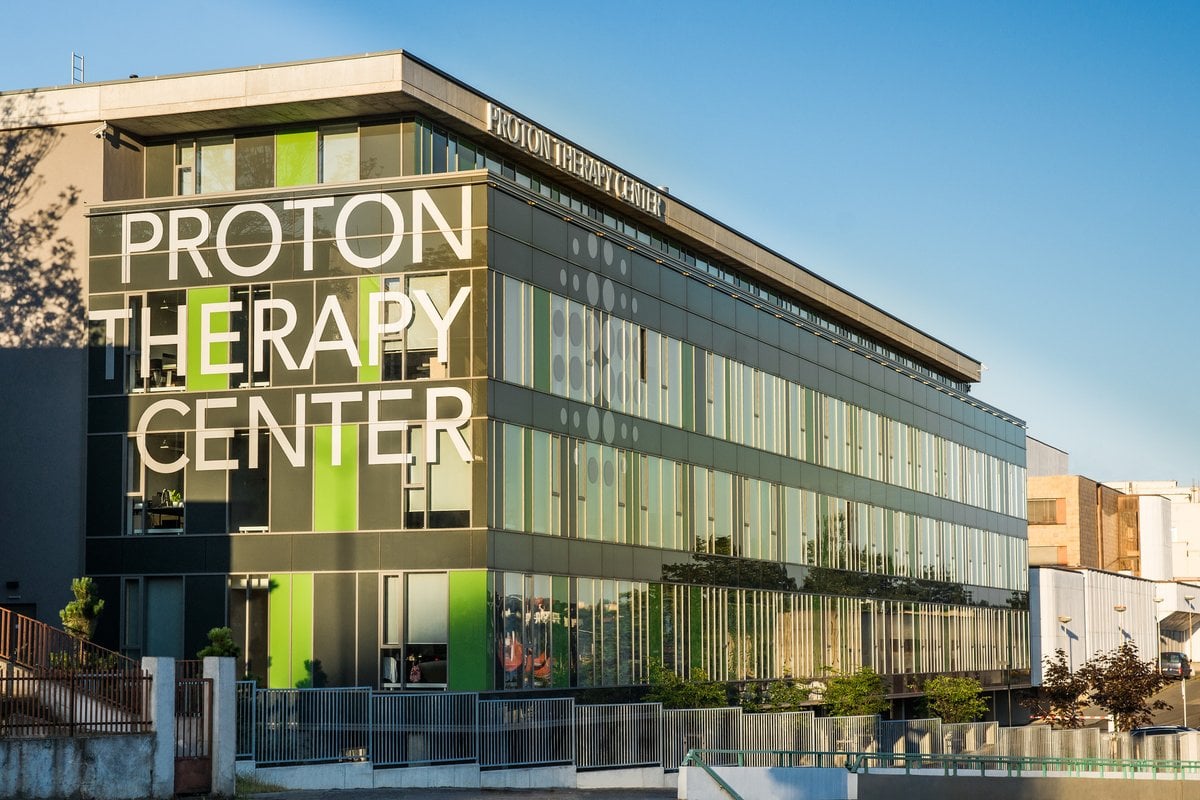
يتوفر العلاج المتقدم بحزمة البروتونات لسرطان الأمعاء الدقيقة في جمهورية التشيك. تستخدم المراكز المتخصصة هذه التقنية لاستهداف الأورام بدقة متناهية. يقلل العلاج من جرعات الإشعاع للأعضاء الحساسة في البطن مثل الكبد والكلى. وهذا يلغي جرعة الخروج الموجودة في الأشعة السينية التقليدية.
رؤية خبير Bookimed: تستضيف جمهورية التشيك واحدة من أبرز مراكز البروتون في أوروبا في براغ. تظهر البيانات أن هذا المرفق يجذب المرضى عالميًا بسبب معايير العلاج الدولية الخاصة به. بينما تظل الجراحة هي العلاج الأساسي للأمعاء الدقيقة، يستخدم الأطباء هنا علاج البروتون لحالات إعادة التشعيع المعقدة. يوفر هذا التركيز المتخصص بديلاً حاسمًا للمرضى الذين لا يستطيعون الخضوع لمزيد من الإشعاع القياسي.
إجماع المرضى: يشير المرضى إلى أن علاج البروتون هو خيار متخصص للغاية لحالات معينة. ويؤكدون على أهمية سؤال الفريق الطبي عما إذا كانت هذه التقنية توفر حماية أفضل للأعضاء مقارنة بالإشعاع القياسي.
تتبع المستشفيات التشيكية بدقة البروتوكولات الدولية لعلاج سرطانات الجهاز الهضمي النادرة. تلتزم مراكز السرطان الشاملة (CCCs) المتخصصة بإرشادات الجمعية الأوروبية لطب الأورام (ESMO). وتستخدم المراكز ذات الحجم الكبير، مثل مستشفى موتول الجامعي، مجالس متعددة التخصصات وشبكات المرجعية الأوروبية (ERNs) للحالات المعقدة.
رؤية خبير Bookimed: بينما تستضيف براغ أكبر مركز للعلاج بالبروتون في أوروبا، فإن حجم العمليات الجراحية هو مؤشر الجودة الرئيسي. أجرى مستشفى سانت زديسلافا أكثر من 4000 إجراء روبوتي. غالبًا ما يؤدي هذا الحجم الكبير إلى نتائج جراحية أفضل لعمليات الاستئصال النادرة مقارنة بالمستشفيات العامة الأصغر.
إجماع المرضى: يؤكد المرضى أن النجاح يعتمد على الوصول إلى مركز ثالثي ذي حجم كبير بدلاً من عيادة محلية. ويوصون بطلب مراجعة باثولوجية متخصصة لتأكيد أنواع الأورام النادرة قبل بدء العلاج.
لا تمنع حواجز اللغة في جمهورية التشيك علاج سرطان الأمعاء الدقيقة. تضمن البروتوكولات الموحدة والموظفون ثنائيو اللغة السلامة أثناء الإجراءات المعقدة. تعالج المراكز الكبرى مثل مركز بروتون للعلاج (Proton Therapy Center) ومستشفى سانت زدسلافا (St. Zdislava Hospital) المرضى الدوليين بانتظام باستخدام منسقين يتحدثون الإنجليزية ومترجمين طبيين.
رؤية خبير Bookimed: غالبًا ما تركز مراكز الأورام التشيكية على كفاءة الحجم الكبير، مثل قيام مستشفى سانت زدسلافا بإجراء أكثر من 4000 عملية روبوتية. تتخصص الأقسام الدولية في الخدمات اللوجستية، بينما يركز الأطباء على الإجراء. يجب على المرضى الاعتماد على موظفي الدعم غير السريري للجدولة والأعمال الورقية لضمان تدفق العلاج بسلاسة.
إجماع المرضى: يشير المرضى إلى أنه من الضروري إعداد ملخص طبي من صفحة واحدة باللغة الإنجليزية قبل الزيارة الأولى. تقلل هذه الوثيقة من الاعتماد على الطلاقة في الوقت الفعلي وتضمن فهم الأطباء لتاريخك الطبي بسرعة.
يدمج علاج سرطان الأمعاء الدقيقة في جمهورية التشيك الرعاية الداعمة مباشرة في البروتوكولات الأورام. توفر فرق متعددة التخصصات مراقبة التغذية، وإدارة الألم، وإعادة التأهيل البدني. تعطي الخدمات المتخصصة الأولوية للحفاظ على وظيفة الجهاز الهضمي والوزن أثناء إجراءات مثل الاستئصال أو HIPEC. غالبًا ما تشمل المراكز الاستشارة النفسية والدعم التلطيفي.
رؤية خبير Bookimed: غالبًا ما تضع المراكز التشيكية مرافق متخصصة، مثل مركز الجراحة الروبوتية في مستشفى سانت زدسلافا، في محميات طبيعية. هذه البيئة الهادئة هي جزء متعمد من إطار الرعاية الداعمة. فهي تساعد في تقليل التوتر المرتبط بالعلاج. يستفيد المرضى من هذا الجو إلى جانب الرعاية التقنية عالية الحجم، مثل أكثر من 4000 عملية روبوتية تم إجراؤها في المركز. هذا المزيج من التكنولوجيا المتقدمة والإعداد الهادئ هو معيار محلي فريد.
إجماع المرضى: يؤكد المرضى أن الترطيب ودعم الإلكتروليت حيويا