علاج الاورام الحميدة في الجهاز الهضمي في إسبانيا — احصل على 3 عيادات مختارة خصيصاً لك


تمت مراجعة المقالة طبيا من قبل
فهد مولود
كيف نعمل؟
ما هي تكلفة الاورام الحميدة في الجهاز الهضمي إجراءات التشخيص والعلاج في إسبانيا؟ اعرف الآن
من $830
تكاليف علاج سلائل الجهاز الهضمي النموذجية في إسبانيا
- استشارة طبيب أمراض الجهاز الهضمي: $150 – $380
- تنظير المعدة: من $830
- تنظير القولون مع خزعة: من $450
- تنظير الكبسولة: $1,300 – $1,800
- تحليل الدم الكيميائي الحيوي: من $120
- اختبار تخثر الدم (Coagulogram): $30 – $60
- تخطيط كهربائية القلب (ECG): من $110
- تحليل دم شامل: من $200
- إزالة سلائل المعدة: من $3,500
- تنظير القولون مع إزالة السلائل: السعر عند الطلب
رؤية خبراء Bookimed: بالنسبة للحالات المعقدة، توفر المراكز الحاصلة على اعتماد اللجنة الدولية المشتركة (JCI) مثل مركز تيكنون الطبي (Centro Médico Teknon) في برشلونة مستوى عالٍ من الأمان. يستفيد المرضى الذين يحتاجون إلى تقنيات تنظير متقدمة من خبرات أطباء مثل الدكتور سانشيز ياغي، الرائد في مجال استئصال الغشاء المخاطي. توفر المرافق الحديثة مثل مستشفى كيرون برشلونة (Hospital Quiron Barcelona) رعاية متعددة التخصصات مع 23 غرفة عمليات. وتعتبر العيادات المتخصصة مثل مركز PAD في مدريد الأفضل للمرضى الذين يبحثون عن جراحة دافنشي الروبوتية لسلائل المستقيم. إن التنقل عبر القطاع الخاص في إسبانيا يكون أكثر كفاءة في العيادات التي تضم أقساماً دولية مخصصة، مثل عيادة جامعة نافارا (Clinica Universidad de Navarra).
| تركيا | إسبانيا | ألمانيا | |
|---|---|---|---|
| ازالة الاورام الحميدة في المعدة | من $450 | من $3,500 | ≈ $1,300 |
اكتشف أفضل الاورام الحميدة في الجهاز الهضمي العيادات في إسبانيا: 11 خيارات معتمدة والأسعار




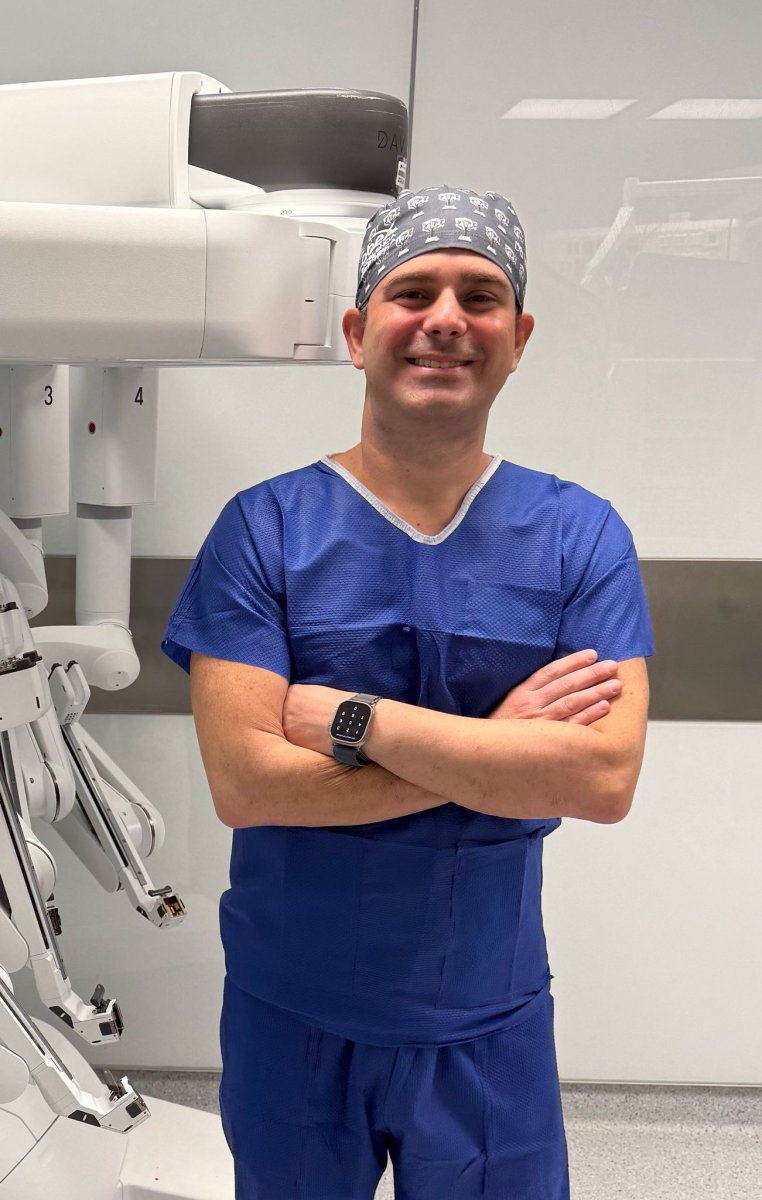
عيادة أمراض الجهاز الهضمي وجراحة القولون Centro PAD
Carlos Garcia Vasquez
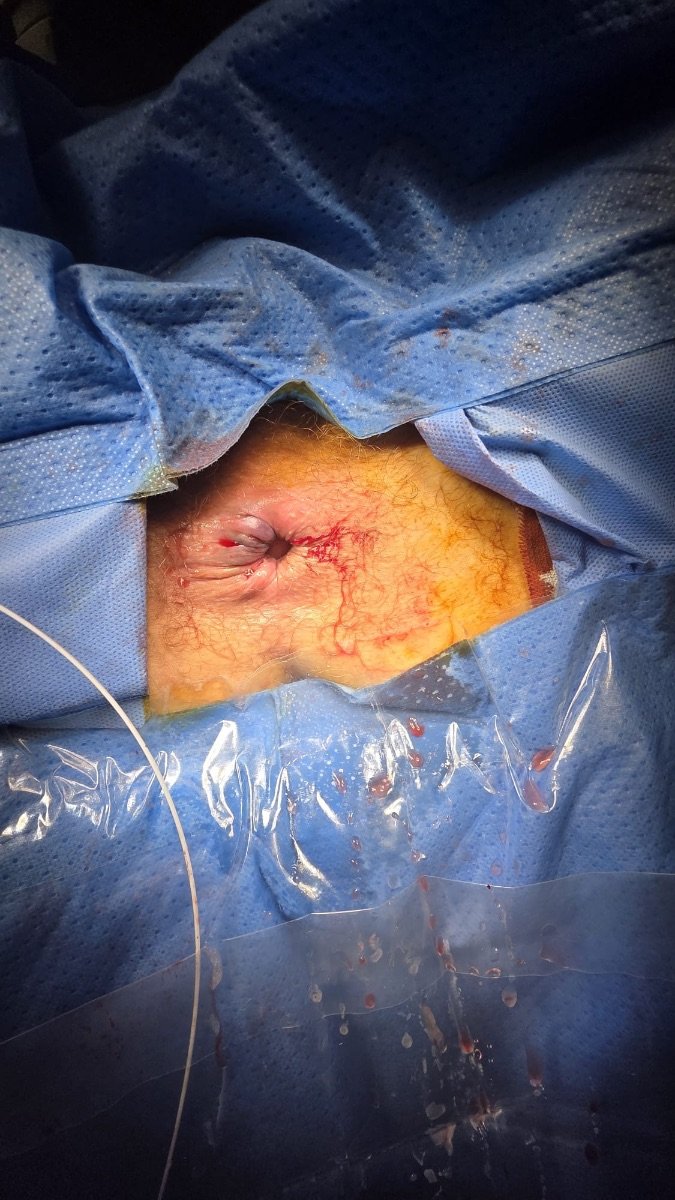
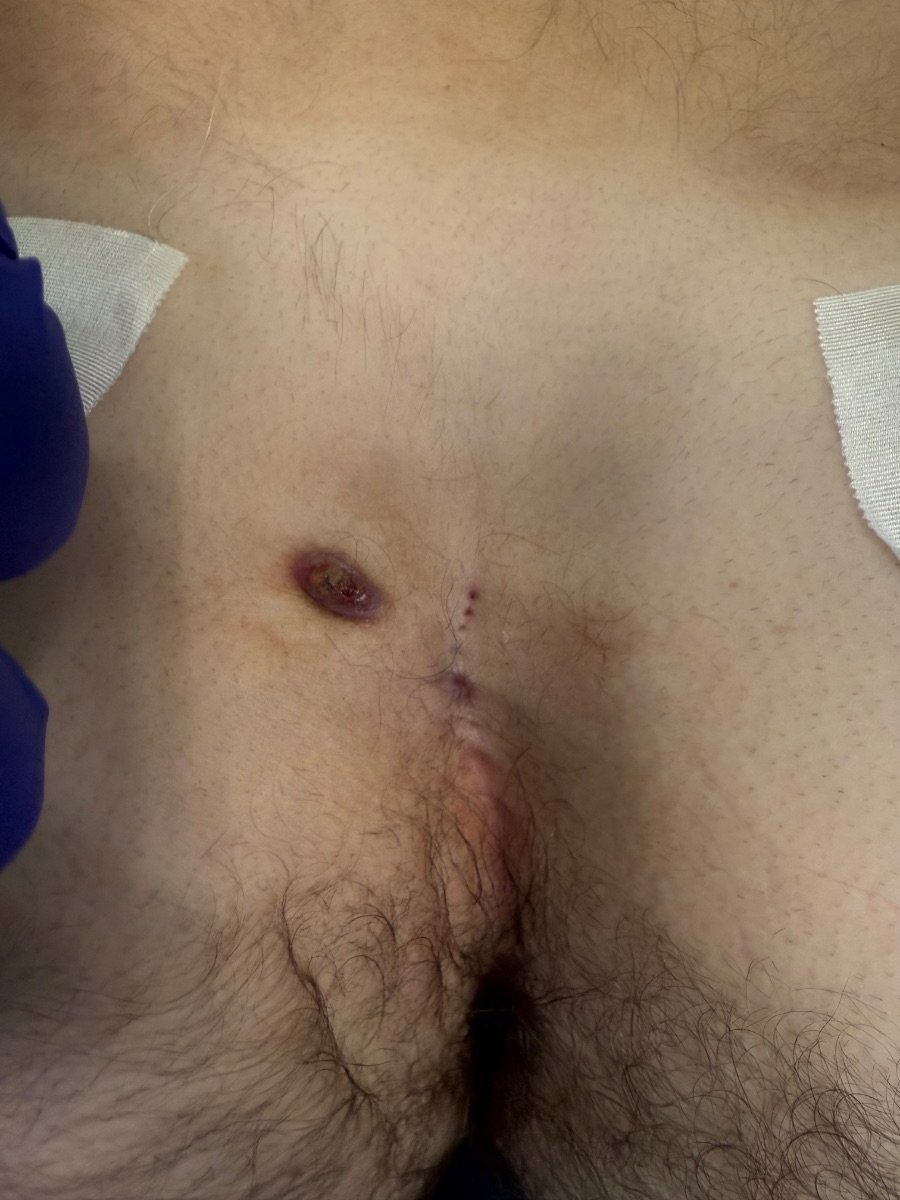
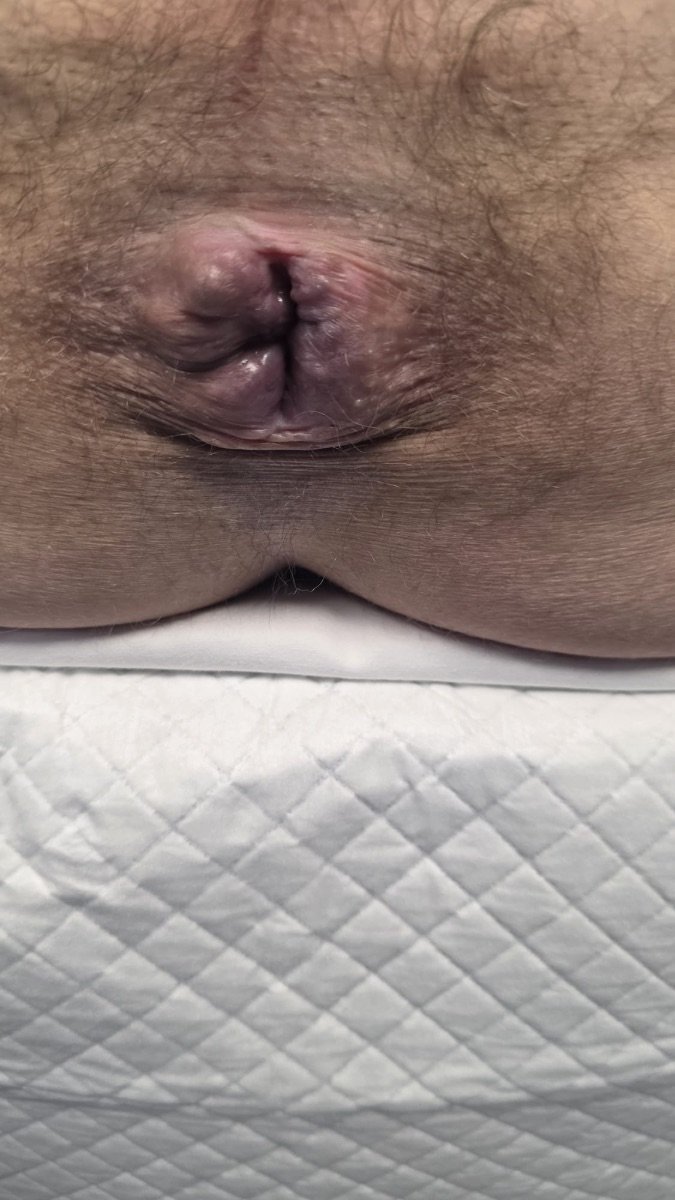





Medical and Surgical Center ServiDigest






احصل على تقييم طبي لـ في إسبانيا. استشر الآن 8 أطباء ذوي الخبرة.
عرض جميع الأطباءCarlos Garcia Vasquez
جرّاح في الجراحة العامة وجراحة الجهاز الهضمي. يركز على جراحات القولون والمستقيم والشرج وجدار البطن طفيفة التوغل. رئيس مشارك، Infanta Elena University Hospital (2021–). جرّاح معاون، Fundación Jiménez Díaz (2013–).
الاعتمادات: دكتوراه في الجراحة بامتياز مع مرتبة الشرف العليا (UAM). معتمد في الجراحة الروبوتية (Da Vinci X/Xi/5). تدريب متقدم في الجراحة العامة بالمنظار (IRCAD، ستراسبورغ). اختصاصي في الجراحة العامة وجراحة الجهاز الهضمي (Fundación Jiménez Díaz).
الإنجازات: باحث (2013–).

Jorge Moises Sandrus
يرأس الدكتور ساندروس قسم الطب الباطني في تكنون، ويتمتع بخبرة واسعة اكتسبها من أفضل المستشفيات في إسبانيا.
- متخصص في أمراض الكلى في مستشفى كلينيك ومستشفى برشلونة الإقليمي
- رئيس قسم الطب الباطني في تكنون منذ عام 2009
- عضو في الجمعيات الإسبانية والكتالونية لارتفاع ضغط الدم الشرياني
- أطروحة دكتوراه في أمراض الكلى مع منحة بحثية في أمراض القلب
Michel Blé

Miquel Sans Cuffí
قام الدكتور ميكيل سانس كوفي بتأليف أكثر من 150 منشوراً و500 عرض تقديمي في المؤتمرات، مع التركيز على أمراض الأمعاء الالتهابية وسلائل الجهاز الهضمي.
- أخصائي في اضطرابات الجهاز الهضمي مع تدريب مكثف في مستشفى كلينيك في برشلونة
- أكمل أبحاثاً متقدمة في جامعة كيس وسترن ريسرف في الولايات المتحدة الأمريكية
- عضو في العديد من جمعيات أمراض الجهاز الهضمي المرموقة
- يركز على أمراض الأمعاء الالتهابية والتهاب الأمعاء المزمن
مشاركة المحتوى
قصص فيديو من مرضى Bookimed
 Anna Leonova
أسئلة متكررة حول علاج الاورام الحميدة في الجهاز الهضمي في إسبانيا
هل إجراءات إزالة الزوائد اللحمية في الجهاز الهضمي مؤلمة؟
عادة ما تكون إزالة الزوائد اللحمية في الجهاز الهضمي غير مؤلمة. يفتقر بطانة الجهاز الهضمي إلى نهايات عصبية تسجل الألم الحاد الناتج عن القطع. عادة ما تتم إجراءات مثل استئصال الزوائد اللحمية تحت التخدير أو التخدير الموضعي. يضمن هذا بقاءك مرتاحاً وغير مدرك للأحاسيس الجراحية طوال العملية بأكملها.
- دعم التخدير: يستخدم المتخصصون التخدير الواعي أو التخدير العام للحفاظ على تجربة خالية من الألم.
- تقنيات الإزالة: يستخدم الأطباء الأسلاك المعدنية، أو الكي الكهربائي، أو الاستئصال المخاطي المتقدم دون التسبب في ألم.
- الاستجابة الحسية: قد تشعر بضغط غامض ولكن لا توجد أحاسيس حادة أثناء الإجراء.
- عدم الراحة أثناء التعافي: قد يعاني المرضى من انتفاخ مؤقت أو تقلصات خفيفة بسبب الهواء المستخدم أثناء التصوير.
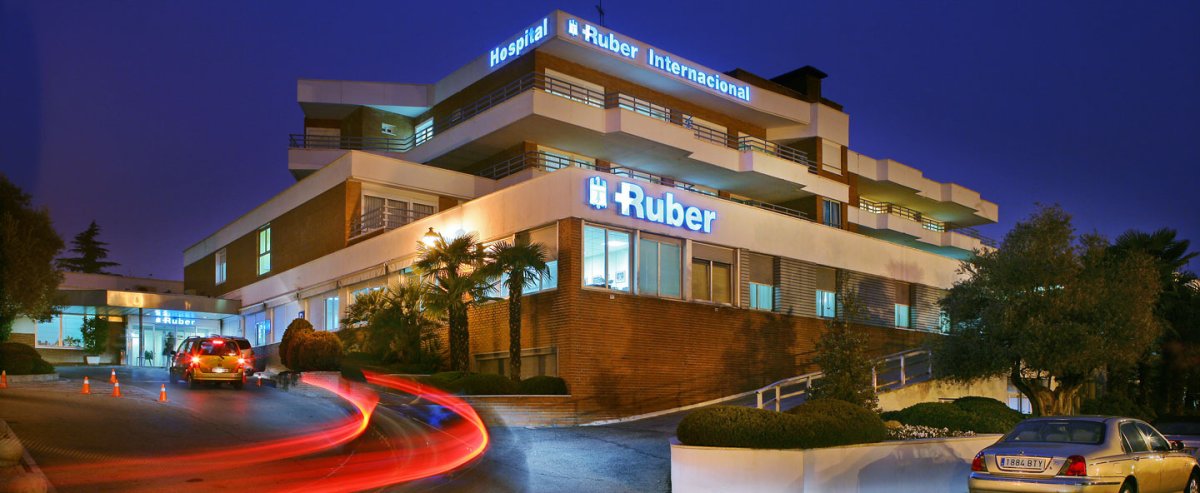
رؤية خبير Bookimed: تستخدم المراكز الإسبانية مثل Centro Médico Teknon و Hospital Ruber Internacional الاستئصال المخاطي بالمنظار (EMR) المتقدم. تسمح هذه التقنية بإزالة الزوائد اللحمية الأكبر حجماً دون جراحة تقليدية. تظهر بياناتنا أن هذه المرافق تدير أكثر من 10,000 مريض سنوياً لأنها تركز على التعافي السريع. تتخصص الوحدات المتخصصة التي يقودها خبراء مثل الدكتور خوسيه ميغيل إستيبان لوبيز-جامار في التنظير الصوتي التشخيصي لضمان إزالة دقيقة وغير مؤلمة للأنسجة.
إجماع المرضى: يشير المرضى إلى أن تحضير الأمعاء السائل قبل الإجراء أكثر إزعاجاً من الإزالة نفسها. يصف معظمهم الشعور وكأنهم أخذوا قيلولة سريعة واستيقظوا مع ضغط غازات طفيف فقط.
ما مدى نجاح إزالة الزوائد اللحمية في إسبانيا؟
تعتبر إزالة الزوائد اللحمية في إسبانيا فعالة للغاية مع معدلات نجاح تتراوح بين 85% و98%. تتفوق العيادات الإسبانية المتخصصة في الإجراءات طفيفة التوغل. يتم إزالة معظم الزوائد اللحمية الحميدة في الجهاز الهضمي بنجاح. تضمن التقنيات المتقدمة مثل استئصال الغشاء المخاطي بالتنظير الداخلي إزالة الحالات المعقدة بأمان.
- معدلات النجاح: تحقق إزالة الزوائد اللحمية الحميدة في الجهاز الهضمي مستويات فعالية تتراوح من 95% إلى 98%.
- التقنيات المتقدمة: يستخدم المتخصصون طرق الحفاظ على الأعضاء مثل استئصال الغشاء المخاطي والموجات فوق الصوتية بالمنظار للدقة.
- معدلات التكرار: تؤدي الإزالة القياسية إلى انخفاض معدل التكرار بنسبة 2% إلى 5% للحالات الشرجية.
- الكفاءة السريرية: تقوم العديد من المراكز بإجراء تنظير القولون التشخيصي وإزالة الزوائد اللحمية خلال زيارة واحدة للعيادات الخارجية.
رؤية خبير Bookimed: تمثل إسبانيا مركزاً فريداً للابتكار في مجال التنظير الداخلي. كان الدكتور سانشيز ياغي في كيرونسالود ماربيا متقدماً بعدة سنوات على الاتجاهات العالمية كرائد في استئصال الغشاء المخاطي بالتنظير الداخلي. يسمح هذا المستوى من الخبرة للمستشفيات الإسبانية بالتعامل مع الزوائد اللحمية المعقدة التي يبلغ حجمها 15 مم أو أكثر أثناء تنظير القولون الروتيني. وهذا يتجنب الحاجة إلى جراحات البطن الأكثر توغلاً التي تظهر في المناطق الأقل تخصصاً.
إجماع المرضى: يجد المرضى أن الإزالة الفعلية سريعة وروتينية بشكل مدهش بمجرد الانتهاء من عملية التحضير. يشير معظمهم إلى أن الزوائ
ماذا يحدث للزوائد اللحمية (البوليبات) بعد إزالتها؟
تخضع الزوائد اللحمية التي تمت إزالتها لتحليل معملي فوري لتحديد ما إذا كانت حميدة أو محتملة التسرطن أو خبيثة. يقدم المتخصصون في المراكز المعتمدة من اللجنة الدولية المشتركة (JCI) في إسبانيا عادةً نتائج علم الأمراض في غضون 14 يومًا. تحدد هذه النتائج جدول الفحص المستقبلي الخاص بك أو الحاجة إلى استشارة الأورام.
- تحليل علم الأمراض: يفحص أخصائيو علم الأمراض الخلايا تحت المجاهر لتصنيف النمو على أنه ورمي أو غير ورمي.
- التئام الجروح: يتم كي موقع الإزالة أثناء الإجراء لمنع أي نزيف داخلي.
- تجديد الأنسجة: تلتئم بطانة العضو وتشكل أنسجة سليمة في غضون أسبوع إلى أسبوعين.
- تخطيط المراقبة: يحدد الأطباء مواعيد فحص جديدة بناءً على نوع الزائدة اللحمية وهوامش الإزالة.
رؤية خبير Bookimed: غالبًا ما تستخدم أقسام الجهاز الهضمي الإسبانية تقنيات متقدمة مثل الاستئصال بالمنظار تحت المخاطي للزوائد اللحمية المعقدة. يتمتع متخصصون مثل الدكتور سانشيز ياغي بأكثر من 20 عامًا من الخبرة في هذه الإجراءات الدقيقة. تتعامل المستشفيات ذات الحجم الكبير مثل كيرونسالود برشلونة مع 40,000 مريض سنويًا، مما يضمن سرعة معالجة نتائج علم الأمراض.
إجماع المرضى: يشير المرضى إلى أن حتى الزوائد اللحمية الصغيرة جدًا يتم إرسالها للاختبار بدلاً من التخلص منها. ويؤكدون أن انتظار النتائج هو إجراء قياسي ويوجه خطة المراقبة طويلة المدى الخاصة بهم.
كم تستغرق فترة التعافي، ومتى يمكنني استئناف الأنشطة العادية؟
يستغرق التعافي بعد إزالة الزوائد اللحمية في الجهاز الهضمي في إسبانيا عادةً من 24 إلى 48 ساعة للإجراءات الروتينية. يستأنف معظم المرضى الأنشطة الخفيفة في اليوم التالي. قد تتطلب التقنيات المتقدمة مثل استئصال الغشاء المخاطي بالمنظار (ESD) من 3 إلى 7 أيام من تقييد المجهود البدني لضمان الشفاء الآمن.
- التعافي الروتيني: يعود معظم المرضى إلى روتينهم اليومي الخفيف في غضون يوم إلى يومين.
- النشاط البدني: تجنب رفع الأثقال والتمارين المكثفة لمدة تتراوح بين 7 إلى 10 أيام تقريبًا.
- سلامة السفر: يجب على المرضى الدوليين الانتظار من 3 إلى 5 أيام قبل السفر جوًا إلى المنزل بأمان.
- الانتقال الغذائي: يستأنف المرضى عادةً نظامًا غذائيًا طبيعيًا على الفور أو في غضون 24 ساعة بعد الإجراء.
رؤية خبير Bookimed: تُظهر البيانات الواردة من مراكز إسبانية رفيعة المستوى مثل Centro Médico Teknon وHospital Quiron Barcelona حجمًا كبيرًا يتجاوز 63,500 عملية جراحية سنوية مجتمعة. تسمح هذه الخبرة للجراحين مثل الدكتور سانشيز ياغي بإجراء عمليات ESD واستئصال الغشاء المخاطي المعقدة بمعدلات نجاح عالية. غالبًا ما تشتمل العيادات في إسبانيا على دعم متخصص في أمراض القلب أو الكلى، وهو أمر حيوي للمرضى الأكبر سنًا الذين يعانون من الزوائد اللحمية ويحتاجون إلى إدارة آمنة للتخدير.
إجماع المرضى: يشير المرضى إلى أن زوال مفعول التخدير هو التأخير الرئيسي في أول 24 ساعة. على الرغم من أن الكثيرين يشعرون بالاستعداد البدني في وقت أقرب، إلا أنهم يؤكدون على ضرورة الانتظار لمدة أسبوع ك
متى يمكنني الأكل والشرب بشكل طبيعي بعد الإجراء؟
يستأنف معظم المرضى نظامهم الغذائي الطبيعي في غضون 24 ساعة بعد إزالة الزوائد اللحمية في الجهاز الهضمي في إسبانيا. يمكنك عادةً تناول سوائل صافية بمجرد زوال مفعول التخدير. انتقل إلى الأطعمة اللينة والخفيفة مثل الخبز المحمص أو الحساء قبل العودة إلى الوجبات العادية إذا لم تشعر بالغثيان.
- تناول السوائل: يُسمح عادةً بتناول السوائل الصافية بعد ساعة إلى ساعتين من الإجراء.
- الانتقال إلى الأطعمة اللينة: استأنف الوجبات الخفيفة مثل الأرز أو الزبادي في غضون 6 ساعات.
- النظام الغذائي الطبيعي: يعود معظم المرضى إلى أنماط الأكل المعتادة بعد 24 ساعة من الإزالة غير المعقدة.
- قيود السلامة: تجنب الكحول والأطعمة الحارة لمدة لا تقل عن 24 إلى 72 ساعة.
رؤية خبير Bookimed: في حين أن معظم المراكز تسمح بالأكل بسرعة، تستخدم العيادات المتخصصة مثل Centro PAD في مدريد بروتوكولات التعافي السريع. تركز هذه التقنيات الحديثة على تقليل التندب الداخلي لتقليل الانزعاج بعد الجراحة. غالبًا ما يجد المرضى في المرافق ذات الحجم الكبير والمعتمدة من JCI أن دقة أدوات التنظير تسمح بالعودة إلى الأطعمة الصلبة بشكل أسرع من الطرق التقليدية.
إجماع المرضى: يشير المرضى إلى أنه على الرغم من شعورهم بالجوع بعد تحضير الأمعاء، فإن البدء برشفات صغيرة من الماء أو الشاي كان ضروريًا لتجنب الغثيان. يوصي الكثيرون باختيار وجبة أولى خفيفة جدًا لأن مزيج التخدير والتحضير غالبًا ما يجعلك تشعر بالتعب.
هل سيتحدث أخصائي الجهاز الهضمي باللغة الإنجليزية؟
غالبًا ما يتحدث أخصائيو الجهاز الهضمي الإسبان في المستشفيات الخاصة المعتمدة من قبل اللجنة الدولية المشتركة (JCI) الإنجليزية بطلاقة بسبب التدريب الدولي في الولايات المتحدة والمملكة المتحدة. في حين أن اللغة الإنجليزية شائعة في المراكز الحضرية الخاصة، فإن الطلاقة تختلف في المرافق العامة. غالبًا ما توفر العيادات المتخصصة منسقين دوليين مخصصين للمساعدة في التواصل.
- تدريب الأطباء: أكمل العديد من المتخصصين زمالات في مؤسسات مثل مركز كاليفورنيا باسيفيك الطبي.
- الدعم اللغوي: توفر المراكز الرائدة مثل Centro Médico Teknon منسقين للمرضى الدوليين.
- التوثيق: تقدم المستشفيات الكبرى مثل مستشفى روبر الدولي تقارير طبية باللغة الإنجليزية.
- معايير الاعتماد: تعطي المرافق المعتمدة من JCI في إسبانيا الأولوية لبروتوكولات التواصل للسكان الدوليين.
رؤية خبير Bookimed: يعد سجل نشر الطبيب مؤشرًا قويًا على إتقان اللغة الإنجليزية. نشر متخصصون مثل الدكتور ميكيل سانس كوفي في Centro Médico Teknon أو الدكتور ألفونسو غارسيا فادريك على نطاق واسع في مجلات دولية كبرى مثل JAMA Surgery. تخدم العيادات الخاصة ذات الحجم الكبير في برشلونة ومدريد أكثر من 400,000 مريض سنويًا وهي مهيكلة خصيصًا للتعامل مع الاستشارات باللغة الإنجليزية دون مترجمين خارجيين.
إجماع المرضى: يلاحظ المرضى أنه بينما يتعامل المتخصصون عادةً مع التفاصيل الفنية باللغة الإنجليزية، قد يتحدث طاقم التمريض والإدارة بعبارات أساسية فقط. يظل إحضار قائمة بالأسئلة الطبية المترجمة أو استخدام تطبيق ترجمة للأ