الاورام الحميدة في الجهاز الهضمي العلاج في ألمانيا - التكاليف 2026


تمت مراجعة المقالة طبيا من قبل
فهد مولود
ما هي تكلفة الاورام الحميدة في الجهاز الهضمي إجراءات التشخيص والعلاج في ألمانيا؟ اعرف الآن
من $400. تعتمد النفقات الإجمالية على حجم السليلة، ونتائج الفحص النسيجي، ومدة الإقامة في المستشفى. يمكن للمرضى توفير ما يقرب من 40-60% مقارنة بالولايات المتحدة. تشمل أفضل المدن لهذا العلاج هامبورغ وبرلين وفرانكفورت.
تكاليف علاج سلائل الجهاز الهضمي النموذجية في ألمانيا
- استشارة طبيب الجهاز الهضمي: من $170
- تنظير المعدة: من $400
- تنظير القولون مع خزعة: من $1,400
- تنظير القولون مع إزالة السلائل: السعر عند الطلب
- إزالة سلائل المعدة: $1,300 – $2,500
- تحليل الدم الكيميائي الحيوي: من $96
- تحليل الدم الموسع: من $150
- تخطيط تخثر الدم: من $40
- تخطيط كهربائية القلب (ECG): $50 – $60
رؤية خبراء Bookimed: بالنسبة للحالات المعقدة، فإن اختيار مراكز معتمدة مثل المركز الطبي في سولينغن، وهو أول مركز معتمد لأمراض القولون والمستقيم في أوروبا، يضمن معايير جراحية عالية. يستفيد المرضى الذين يحتاجون إلى تنظير داخلي تداخلي متقدم من متخصصين مثل الدكتور سيغبرت روسول في عيادة نوردويست، التي توفر تقنية الموجات فوق الصوتية ثلاثية الأبعاد. يُعد مستشفى أسكليبيوس بارمبيك خياراً ممتازاً للمرضى الدوليين، حيث تم تصنيفه كوجهة عالمية رائدة من قبل تحالف جودة السفر الطبي (MTQA).
مزاياك وضماناتك مع Bookimed
أسعار مباشرة
Bookimed لا يضيف رسوماً إضافية على أسعار علاج الاورام الحميدة في الجهاز الهضمي. الأسعار مأخوذة من قوائم الأسعار الرسمية للعيادات. تدفع مباشرة في العيادة مقابل علاجك عند وصولك إلى البلد.
عيادات وأطباء معتمدون فقط
Bookimed ملتزم بسلامتك. نحن نعمل فقط مع المؤسسات الطبية التي تحافظ على معايير دولية عالية في علاج الاورام الحميدة في الجهاز الهضمي ولديها التراخيص اللازمة لخدمة المرضى الدوليين في جميع أنحاء العالم.
مساعدة مجانية على مدار الساعة
Bookimed يقدم مساعدة خبراء مجانية. منسق طبي شخصي يدعمك قبل وأثناء وبعد العلاج، ويحل أي مشاكل. لن تكون وحيداً أبداً في رحلة علاج الاورام الحميدة في الجهاز الهضمي.

منسقك الطبي الشخصي في Bookimed
- يدعمك في كل مرحلة
- المساعدة في اختيار العيادة الطبية المناسبة والطبيب المناسب
- يضمن الوصول السريع والمريح إلى المعلومات
اكتشف أفضل الاورام الحميدة في الجهاز الهضمي العيادات في ألمانيا: 31 خيارات معتمدة والأسعار




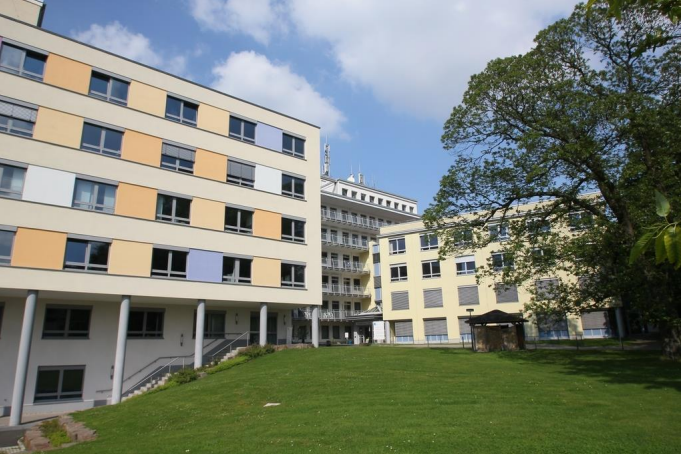
Bethanien Clinic




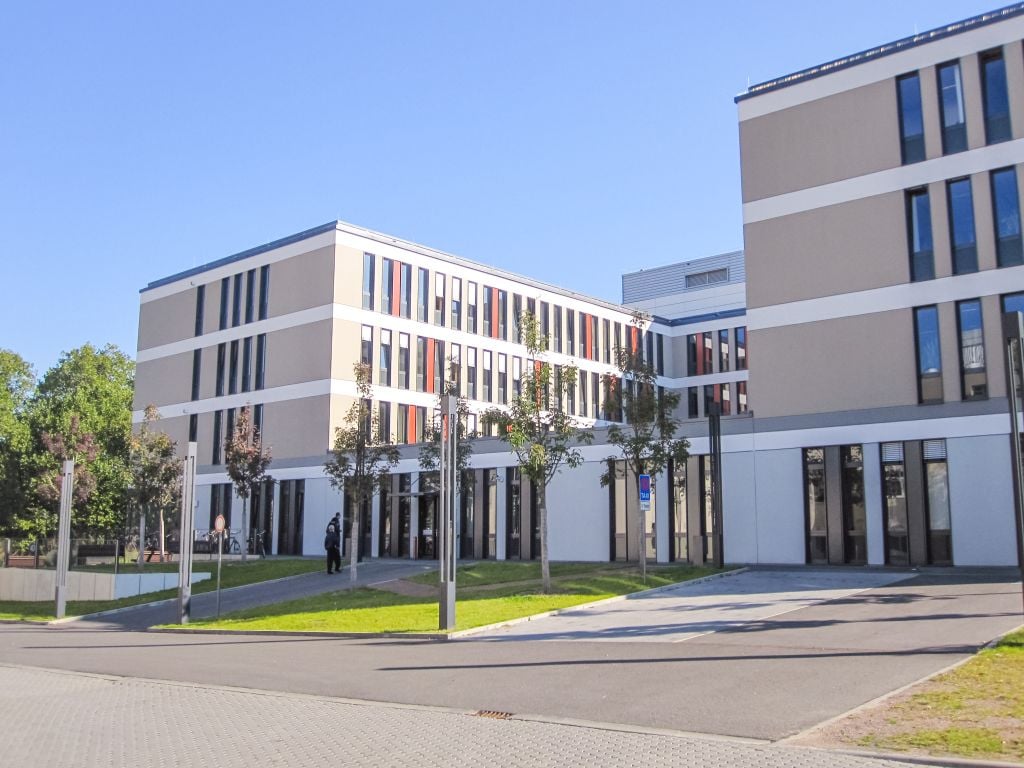

District hospital Burghausen

Hospital in the Pfeiffer`s foundations
احصلوا على تقييم طبي لـ الاورام الحميدة في الجهاز الهضمي في ألمانيا: استشيروا أطباء ذوي خبرة الآن
عرض جميع الأطباء
Peter Schenker
كبير الجراحين في أول مركز معتمد لسرطان القولون والمستقيم في ألمانيا – الدكتور شنكر متخصص في جراحة الأورام المعوية طفيفة التوغل.
- _doctor_6594_عاماً_ من الخبرة في جراحة الأحشاء
- يرأس قسم الجراحة في مستشفى زولينجن الجامعي
- رائد في الأساليب الجراحية الحديثة والتعافي بعد العمليات
- مدرب في جراحة البنكرياس وزراعة الأعضاء
- باحث ومحاضر نشط في أورام الجهاز الهضمي

Viktor Alexander Krol
رئيس قسم أمراض الجهاز الهضمي ومركز علاج السمنة – الدكتور كرول متخصص في العلاجات التنظيرية والجراحية المتقدمة لأمراض الجهاز الهضمي.
- يرأس مركز علاج السمنة المعتمد في مستشفى سانت مارتينوس في دوسلدورف
- يستخدم أحدث التقنيات التنظيرية وجراحات السمنة لصحة الجهاز الهضمي
- متخصص في كل من أمراض الجهاز الهضمي والطب الباطني
- يقود فرقاً متعددة التخصصات لتقديم رعاية شخصية للمرضى

Siegbert Rossol
36 سنة متخصص في أمراض الجهاز الهضمي – يتعامل الدكتور روسول مع حالات الزوائد اللحمية المعقدة في عيادة نوردويست باستخدام تقنيات تنظيرية متقدمة.
- خبير في الاستئصال التنظيري لزوائد الأمعاء اللحمية (EMR/ESD)
- زميل المجلس الأوروبي لأمراض الجهاز الهضمي
- عضو في الجمعيات الرائدة لأمراض الكبد والجهاز الهضمي
- تدرب في معهد دراسات الكبد بكلية كينجز لندن

Martin Claßen
صُنف ضمن أفضل أطباء الجهاز الهضمي في ألمانيا من قبل مجلة Focus. يتخصص الدكتور كلاسن في حالات المعدة لدى الأطفال في عيادة Links der Weser.
- رئيس قسم طب الجهاز الهضمي للأطفال منذ عام 1982
- تخصص في طب الجهاز الهضمي للأطفال في مستشفى جامعة فرانكفورت
- عضو الجمعية الأوروبية لأمراض الجهاز الهضمي للأطفال
- خبير في أمراض الأمعاء الالتهابية لدى المرضى الصغار
مشاركة المحتوى
قصص فيديو من مرضى Bookimed
 Anna Leonova
أسئلة متكررة حول علاج الاورام الحميدة في الجهاز الهضمي في ألمانيا
هل سيتطلب العلاج جراحة مفتوحة تقليدية؟
يتم علاج معظم سلائل الجهاز الهضمي في ألمانيا بدون جراحة مفتوحة تقليدية. عادةً ما يقوم أطباء الجهاز الهضمي المتخصصون بإجراء استئصال بالمنظار أثناء تنظير القولون أو المعدة. تتضمن هذه التقنيات طفيفة التوغل إزالة السلائل من خلال المنظار. تُخصص الجراحة المفتوحة للحالات الكبيرة جدًا أو المعقدة.
- التقنيات التنظيرية: إجراءات مثل EMR و ESD تزيل السلائل بدون شقوق خارجية.
- الخبرة المتخصصة: يقوم الدكتور سيغبرت روسول بإجراء استئصال تنظيري متقدم لسرطان الأمعاء.
- البدائل الجراحية: تتوفر الجراحة الروبوتية طفيفة التوغل في مستشفى جامعة آخن.
- الإقامة في المستشفى: غالبًا ما تسمح الإزالة التنظيرية البسيطة بالخروج في نفس اليوم مع حد أدنى من التعافي.
رؤية خبير Bookimed: بينما يعتقد الكثيرون أن الجراحة هي الحل الوحيد، تعطي المستشفيات الجامعية الألمانية الأولوية للتقنيات التي تحافظ على الأعضاء. تظهر البيانات أن المراكز الرائدة مثل عيادة لايبزيغ الجامعية تعالج أكثر من 430,000 مريض سنويًا. غالبًا ما يجمعون بين التصوير بالموجات فوق الصوتية التداخلي والعلاج التنظيري لتجنب الإجراءات المفتوحة. إذا كانت العيادة تركز على الروبوتات مثل مجمع شمال الراين-وستفاليا، فاسأل عما إذا كانوا يستخدمونها للسلائل. عادةً ما يحتفظون بالأذرع الروبوتية للحالات المعقدة التي لا تستطيع المناظير القياسية الوصول إليها.
إجماع المرضى: يشير المرضى إلى أن معظم السلائل تُزال بسرعة أثناء تنظير القولون القياسي باستخدام حلقة أو ملقط. من المهم التأكد مما إذا كانت الإزالة بالمنظار
ما هو معدل النجاح النموذجي لإجراءات إزالة الزوائد اللحمية في ألمانيا؟
تحقق العيادات الألمانية معدلات نجاح تتراوح بين 90% و95% لإزالة الزوائد اللحمية الهضمية بالمنظار. تقوم المراكز المتخصصة بإجراء عمليات إزالة كاملة بشكل روتيني في جلسة واحدة. توفر التقنيات المتقدمة مثل استئصال الغشاء المخاطي بالمنظار (ESD) معدلات نجاح تزيد عن 90% مع الحفاظ على مستويات تكرار أقل من 2%.
- فعالية الإجراء: يصل نجاح استئصال الزوائد اللحمية في المعدة إلى حوالي 95% في المستشفيات الألمانية المتخصصة.
- الاستئصال المتقدم: يحقق استئصال الغشاء المخاطي بالمنظار (EMR) نجاحاً أولياً في أكثر من 90% من الحالات.
- معايير الجودة: تحافظ العيادات الألمانية على السلامة بمعدلات بقاء تتجاوز 99% للتدخلات المعقدة.
- انخفاض التكرار: لا تظهر الآفات القياسية الصغيرة إلى المتوسطة عادةً أي نمو جديد بعد الاستئصال الكامل.
رؤية خبير Bookimed: تخدم عيادات مثل عيادة نوردويست والمركز الطبي في سولينجن أكثر من 60,000 مريض سنوياً. يسمح هذا الحجم الكبير للأطباء مثل الدكتور سيغبرت روسول، زميل المجلس الأوروبي لأمراض الجهاز الهضمي بخبرة تزيد عن 30 عاماً، بإتقان تقنيات EMR وESD المعقدة. تستخدم المراكز الأكاديمية الكبيرة مثل شاريتيه – مستشفى جامعة برلين تقنية الذكاء الاصطناعي والتصوير الرقمي لتحسين الكشف عن الزوائد اللحمية المسطحة والجالسة وإزالتها، والتي يسهل تفويتها أثناء الفحوصات القياسية.
إجماع المرضى: يشير المرضى إلى أن الإجراء أسرع بكثير وأقل توتراً مما كان متوقعاً. يبلغ معظم الناس عن إزالة كاملة في جلسة واحدة ويشعرون بحالة جيدة في اليوم التالي.<
ما مدى موثوقية اختبارات علم الأمراض التي يتم إجراؤها على الزوائد اللحمية المستأصلة؟
تتمتع اختبارات علم الأمراض بدقة تصل إلى 94% عند دمجها مع التصوير بالمنظار. وتظل المعيار الذهبي لتشخيص الزوائد اللحمية. يقوم أخصائيو علم الأمراض بتحليل البنية الخلوية لتحديد التغيرات السابقة للسرطان. وتضمن المراكز الأكاديمية الألمانية الموثوقية بشكل أكبر من خلال التفسير الثاني الإلزامي لعينات الأنسجة المعقدة.
- التقييم الخلوي: يحدد أخصائيو علم الأمراض النوع الفرعي الدقيق وخطر الإصابة بالسرطان في المستقبل.
- تحليل الحواف: تؤكد الاختبارات نظافة الحواف لضمان عدم بقاء أي أنسجة غير طبيعية.
- تفسير الخبراء: يقوم أعضاء المجلس الأوروبي لأمراض الجهاز الهضمي بتفسير الحالات الصعبة.
- التتبع الموحد: تحدد النتائج فترات متابعة تنظير القولون من سنة إلى 10 سنوات.
رؤية خبير Bookimed: ترتبط الموثوقية في ألمانيا بحجم المؤسسة والاعتماد. تدير عيادات مثل Nordrhein-Westfalen Complex 145,000 مريض سنويًا. وهي حاصلة على اعتماد الجمعية الألمانية للسرطان. يضمن هذا الحجم أن يرى أخصائيو علم الأمراض آلاف الأنواع الفرعية النادرة سنويًا. تقلل هذه الخبرة من خطر التصنيف الخاطئ مقارنة بالمراكز ذات الحجم المنخفض.
إجماع المرضى: يثق المرضى في نتائج علم الأمراض باعتبارها الكلمة الأخيرة بشأن مخاطرهم. يوصون بالتأكد مما إذا كان الجراح قد أزال الزائدة اللحمية في قطعة واحدة. هذه الإزالة في قطعة واحدة تجعل تقرير المختبر أكثر دقة بشكل ملحوظ.
ما هي المراكز الطبية الألمانية المعترف بها لعلاج سلائل الجهاز الهضمي بجودة عالية؟
توفر المراكز الطبية الألمانية الرائدة مثل مستشفى شاريتيه برلين وعيادة نوردويست علاجاً عالي الجودة لسلائل الجهاز الهضمي من خلال تقنيات تنظير متقدمة. تتخصص هذه المرافق في استئصال الغشاء المخاطي بالتنظير والتشريح تحت المخاطي. وهي تحافظ على معايير صارمة معتمدة من قبل الجمعية الألمانية للسرطان وتصنيفات نيوزويك لأفضل مستشفيات العالم.
- تقنيات متخصصة: يستخدم الجراحون التشريح تحت المخاطي بالتنظير لإزالة السلائل المعقدة أو المسطحة.
- خبرات متخصصة: يتمتع متخصصون مثل البروفيسور الدكتور سيغبرت روسول بأكثر من 30 عاماً من الخبرة.
- مراكز ذات حجم كبير: يعالج مجمع عيادات شمال الراين-وستفاليا حوالي 145,000 مريض كل عام.
- أورام معتمدة: مستشفى سولينغن البلدي هو مركز رائد معتمد لأمراض القولون والمستقيم في أوروبا.
رؤية خبير Bookimed: بينما تخدم المستشفيات الجامعية مثل شاريتيه ما يقرب من 850,000 مريض سنوياً، توفر المراكز المعتمدة الأصغر مثل سولينغن بيئة أكثر تركيزاً لجراحة الجهاز الهضمي. كانت هذه المراكز المتخصصة من بين أوائل المراكز في ألمانيا التي حصلت على اعتماد القولون والمستقيم. وهي توفر خبرة عالية الحجم دون فترات الانتظار الطويلة التي غالباً ما توجد في المؤسسات الأكاديمية متعددة التخصصات الأكبر.
إجماع المرضى: يوصي المرضى باختيار المراكز التي تضم فرق تنظير تداخلي ذات حجم كبير. ويشيرون إلى أن مهارة منظّر الجهاز الهضمي الفردية أمر بالغ الأهمية للسلائل المعقدة أو المسطحة أو المتكررة.
كم من الوقت أحتاج للبقاء في ألمانيا لتلقي العلاج؟
يتطلب علاج سلائل الجهاز الهضمي في ألمانيا عادةً إقامة تتراوح من 3 إلى 7 أيام للتشخيص والإجراءات البسيطة. يخضع معظم المرضى لتنظير داخلي أو تنظير قولون في العيادات الخارجية مع إزالة فورية للسلائل. قد تتطلب الحالات المعقدة التي تستخدم استئصال الغشاء المخاطي بالمنظار من ليلة إلى ليلتين من المراقبة في المستشفى.
- الإجراءات الروتينية: يسمح تنظير القولون مع استئصال السليلة البسيط غالبًا بالخروج في نفس اليوم أو في اليوم التالي.
- الاستئصال المعقد: تتطلب التقنيات المتقدمة مثل EMR أو ESD عادةً 48 ساعة من المراقبة.
- نتائج علم الأمراض: يستغرق تحليل الخزعة عادةً من 3 إلى 5 أيام عمل حتى يكتمل.
- سلامة السفر: يجب على المرضى الانتظار لمدة 24 ساعة على الأقل بعد التخدير قبل السفر جوًا إلى المنزل.
رؤية خبراء Bookimed: تُظهر البيانات الواردة من مرافق من الدرجة الأولى مثل عيادة نوردويست والمركز الطبي في سولينغن تمييزًا واضحًا بين إقامات التشخيص والجراحة. في حين أن الفحوصات القياسية تتم في العيادات الخارجية، غالبًا ما تقترح العيادات التي تجري أكثر من 60,000 إجراء سنويًا فترة انتظار لمدة 3 أيام للمرضى الدوليين. يأخذ هذا في الاعتبار أوقات تسليم نتائج علم الأمراض التي يمكن أن تحدد ما إذا كان التنظيف الثانوي والأكثر كثافة للمسار المعوي ضروريًا.
إجماع المرضى: يؤكد المرضى على الحاجة إلى فترة انتظار لمدة يومين بعد الإجراء لإدارة التعافي بعد التخدير والتأكد من عدم حدوث نزيف فوري. يشير الكثيرون إلى أن انتظار نتائج علم الأمراض محليًا أقل توتراً من الس
هل سيتحدث الفريق السريري باللغة الإنجليزية؟
يتم التحدث باللغة الإنجليزية على نطاق واسع من قبل الأطباء في الفرق السريرية الألمانية، وخاصة في المستشفيات الجامعية والمراكز الطبية الكبيرة. يحمل معظم كبار الأطباء والمتخصصين شهادات دولية أو تدربوا في الخارج. على الرغم من أن طاقم التمريض قد يكون لديهم مستويات متفاوتة من الطلاقة، إلا أن التواصل الطبي يتم عادةً باللغة الإنجليزية.
- خبرة الطبيب: غالبًا ما يحمل أطباء مثل الدكتور سيغبرت روسول شهادات البورد الأوروبي.
- المراكز الأكاديمية: تعطي مرافق مثل مستشفى شاريتيه برلين أو مستشفى جامعة آخن الأولوية للتواصل الدولي.
- التوثيق السريري: تتوفر النماذج الحيوية وأوراق الموافقة بشكل متكرر بترجمات إنجليزية.
- طاقم الدعم: غالبًا ما توظف العيادات ذات الحجم الكبير منسقين ثنائيي اللغة لمساعدة المرضى الدوليين.
رؤية خبير Bookimed: تظهر البيانات أنه على الرغم من أن أكثر من 400 طبيب في مراكز مثل المركز الطبي في سولينغن يتحدثون الإنجليزية، إلا أن الاختناقات الإدارية لا تزال قائمة. قد يكون لدى المستشفيات الجامعية مثل شاريتيه برلين أوقات معالجة أطول للطلبات الدولية بسبب حجمها الكبير. يجب على المرضى اختيار العيادات التي لديها أقسام دولية مخصصة لضمان تواصل سلس فيما يتعلق بالتعليمات قبل الجراحة وملخصات الخروج.
إجماع المرضى: يلاحظ المرضى أنه بينما ينتقل الأطباء بسهولة إلى اللغة الإنجليزية، قد يكون طاقم التمريض أقل ارتياحًا. غالبًا ما يُنصح بكتابة الأسئلة الرئيسية حول التخدير أو الرعاية بعد إزالة الزوائد اللحمية بوضوح.
كم مرة ستكون هناك حاجة إلى فحوصات متكررة بعد إزالة الزوائد اللحمية؟
تتراوح فترات الفحص المتكرر في ألمانيا عادةً من 3 إلى 10 سنوات بعد إزالة الزوائد اللحمية. يعتمد التوقيت المحدد على عدد وحجم والنوع المجهري للأنسجة التي تم العثور عليها. يعود معظم المرضى الذين يعانون من آفة واحدة أو اثنتين صغيرتين بعد 7 إلى 10 سنوات.
- فترة المتابعة: تمتد الفترات إلى 10 سنوات للآفات مفرطة التنسج الصغيرة منخفضة المخاطر.
- النتائج عالية المخاطر: تتطلب الحالات التي تحتوي على أكثر من 3 زوائد لحمية أو خلل تنسج فحوصات كل 3 سنوات.
- الزوائد اللحمية الكبيرة: قد تحتاج الآفات التي يزيد حجمها عن 20 مم إلى فحوصات متكررة في غضون 6 أشهر.
- تحضير الأمعاء: غالبًا ما تؤدي الرؤية غير الكافية أو تنظير القولون غير المكتمل إلى التكرار في غضون عام واحد.
رؤية خبير Bookimed: تتعامل العيادات الألمانية مثل المركز الطبي في سولينغن وعيادة نوردويست مع أكثر من 60,000 مريض سنويًا. تُظهر بياناتنا أن كبار أطباء الجهاز الهضمي الألمان، مثل الدكتور سيغبرت روسول، يستخدمون غالبًا استئصالًا تنظيريًا دقيقًا مثل EMR أو ESD. تضمن هذه التقنيات المتقدمة الإزالة الكاملة للآفات المعقدة. غالبًا ما يسمح هذا النهج الشامل بفترات أطول وأكثر أمانًا بين الفحوصات المتكررة مقارنة بالإجراءات القياسية.
إجماع المرضى: يؤكد المرضى على الحاجة إلى توضيح مصطلحات علم الأمراض المحددة مثل الورم الغدي أو خلل التنسج في أوراق الخروج. ويشيرون إلى أن جودة تحضير الأمعاء تحدد بشكل مباشر ما إذا كان بإمكانك الانتظار لعدة سنوات أو يجب عليك العودة في وقت أقرب.
ما هي المستشفيات في ألمانيا التي تحظى بأعلى التقييمات في جراحة الأعصاب؟
تضم ألمانيا بعضًا من أرقى أقسام جراحة الأعصاب في العالم، بقيادة مستشفى شاريتيه الجامعي في برلين ومستشفى جامعة هايدلبرغ. وتتميز هذه المراكز بخبرتها الواسعة في علاج أورام الدماغ المعقدة وأمراض الأوعية الدموية الدماغية. ولتحقيق أقصى قدر من الفعالية في عملياتها، تستخدم هذه المراكز أحدث التقنيات، مثل التصوير بالرنين المغناطيسي أثناء الجراحة والتوجيه العصبي بمساعدة الحاسوب.
- مستشفى شاريتيه برلين: يُجري أكثر من 5000 عملية جراحية سنوياً. ويرأس العيادة جراح الأعصاب الشهير الدكتور بيتر فايكوتشي.
- المركز الطبي في سولينجن: أجرى الدكتور رالف بوهل أكثر من 4000 عملية جراحية، بما في ذلك جراحات العمود الفقري طفيفة التوغل.
- عيادة أسكليبيوس نورد: مجهزة بنظام التصوير بالرنين المغناطيسي الثنائي الوحيد في ألمانيا أثناء الجراحة لضمان الدقة الجراحية في الوقت الحقيقي أثناء إزالة الورم.
- عيادة نوردويست: تم الاعتراف بها من قبل مجلة نيوزويك كمستشفى رائد في مجال الابتكار في تكنولوجيا الموجات فوق الصوتية ثلاثية الأبعاد.
رأي خبراء بوكيمد: تشير البيانات إلى أن اختيار المراكز ذات الحجم الجراحي الكبير غالبًا ما يؤدي إلى توصيات علاجية أكثر تحفظًا. ففي مركز سولينجن الطبي، الذي يعالج أكثر من 60,000 مريض
ما هي نسب نجاح العمليات الجراحية العصبية المعقدة في ألمانيا؟
في ألمانيا، تتميز العمليات الجراحية العصبية بالغة التعقيد بمستوى أمان استثنائي. تصل نسبة نجاح عمليات دمج الفقرات إلى 99%، بينما تبلغ نسبة النجاة بعد استئصال أورام الدماغ الأولية 97%. كما يتمتع المرضى بقدرة عالية على الاعتماد على أنفسهم في أداء وظائفهم اليومية، حيث يغادر أكثر من 82% منهم المستشفى مباشرةً بعد العلاج. وتولي المراكز الألمانية اهتماماً بالغاً بالحفاظ على الوظائف العصبية باستخدام أحدث تقنيات التخطيط العصبي.
- استئصال الورم: يحقق الجراحون استئصالًا كاملاً للورم في 87.2% من حالات النقائل الدماغية.
- النجاح في علاج أمراض الأوعية الدموية: أفادت المستشفيات الألمانية بنسبة نجاة بلغت 98.7% لحالات تمدد الأوعية الدموية غير الممزقة.
- تحسن الحالة العصبية: يشهد ما يقرب من 43% من المرضى تحسناً في المعايير الوظيفية بعد عمليات الاستئصال المعقدة.
- سلامة التدخلات الجراحية: في المراكز الجراحية الكبيرة، تتراوح معدلات بقاء المرضى على قيد الحياة بعد جراحة العمود الفقري بين 98-99%.
رأي خبراء بوكيمد: يُجري جراحون ذوو خبرة، مثل الدكتور أوفه كولر من عيادة أسكليبيوس ألتونا، أكثر من 2000 عملية جراحية سنويًا. تُشير البيانات إلى أن هؤلاء المتخصصين يحافظون على معدلات نجاح تصل إلى 90%، حتى
ما هي التقنيات المتقدمة المتوفرة عادةً في عيادات جراحة الأعصاب الألمانية؟
تُدخل عيادات جراحة الأعصاب الألمانية بانتظام أدوات رقمية عالية الدقة وتقنيات تصوير فوري في الممارسة الجراحية. تشمل التقنيات الرئيسية الملاحة العصبية الحاسوبية لجراحات الدماغ والحبل الشوكي. تستخدم مؤسسات مثل عيادة أسكليبيوس نورد التصوير بالرنين المغناطيسي أثناء الجراحة للتحقق من استئصال الورم في الوقت الفعلي. توفر هذه الأنظمة للجراحين نظام ملاحة ثلاثي الأبعاد.
- الملاحة العصبية: توفر تصورًا ثلاثي الأبعاد وتتبعًا فوريًا للأدوات لتحقيق دقة جراحية تصل إلى مستوى أقل من المليمتر.
- التصوير أثناء العملية: تسمح أنظمة مثل التصوير بالرنين المغناطيسي أثناء العملية (iMRI) والتصوير المقطعي المحوسب ذي الذراع O (O-arm CT) بالتأكيد الفوري على نجاح عملية الاستئصال.
- المراقبة العصبية: تراقب الوظائف الحركية والحسية أثناء الجراحة لحماية الجهاز العصبي.
- التشخيص الفلوري: يتم استخدام صبغة 5-ALA لتسليط الضوء على حدود الورم من أجل إزالته بشكل أكثر اكتمالاً.
- المساعدة الروبوتية: تعمل أنظمة مثل نظام دافنشي على تحسين الدقة في الإجراءات المعقدة ذات التدخل الجراحي البسيط.
رأي خبراء بوكيمد: تُجري مراكز طبية كبيرة، مثل مستشفى شاريتيه الج