الاورام الحميدة في الجهاز الهضمي العلاج في اليونان - التكاليف 2026


تمت مراجعة المقالة طبيا من قبل
فهد مولود
ما هي تكلفة الاورام الحميدة في الجهاز الهضمي إجراءات التشخيص والعلاج في اليونان؟ اعرف الآن
| تركيا | إسبانيا | |
|---|---|---|
| ازالة الاورام الحميدة في المعدة | من $800 | من $3,500 |
مزاياك وضماناتك مع Bookimed
أسعار مباشرة
Bookimed لا يضيف رسوماً إضافية على أسعار علاج الاورام الحميدة في الجهاز الهضمي. الأسعار مأخوذة من قوائم الأسعار الرسمية للعيادات. تدفع مباشرة في العيادة مقابل علاجك عند وصولك إلى البلد.
عيادات وأطباء معتمدون فقط
Bookimed ملتزم بسلامتك. نحن نعمل فقط مع المؤسسات الطبية التي تحافظ على معايير دولية عالية في علاج الاورام الحميدة في الجهاز الهضمي ولديها التراخيص اللازمة لخدمة المرضى الدوليين في جميع أنحاء العالم.
مساعدة مجانية على مدار الساعة
Bookimed يقدم مساعدة خبراء مجانية. منسق طبي شخصي يدعمك قبل وأثناء وبعد العلاج، ويحل أي مشاكل. لن تكون وحيداً أبداً في رحلة علاج الاورام الحميدة في الجهاز الهضمي.

منسقك الطبي الشخصي في Bookimed
- يدعمك في كل مرحلة
- المساعدة في اختيار العيادة الطبية المناسبة والطبيب المناسب
- يضمن الوصول السريع والمريح إلى المعلومات
اكتشف أفضل الاورام الحميدة في الجهاز الهضمي العيادات في اليونان: 1 خيار معتمدة والأسعار

احصلوا على تقييم طبي لـ الاورام الحميدة في الجهاز الهضمي في اليونان: استشيروا أطباء ذوي خبرة الآن
عرض جميع الأطباء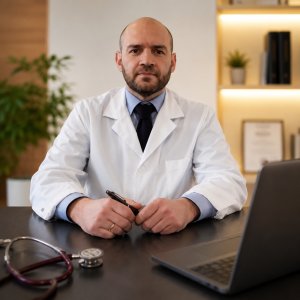
Ioannis Serafetinidis
الدكتور يوانيس سيرافيتينيديس اختصاصي أمراض الجهاز الهضمي والمناظير في قسم العيادات الخارجية لعيادة IASYS في فيروناس، أثينا. يقدّم التشخيص والعلاج بالمنظار لاضطرابات الجهاز الهضمي للمرضى المحليين والدوليين.
حاصل على درجة الطب من الجامعة الوطنية والكابوديسترية بأثينا. أتمّ برنامج الإقامة والتخصص في الولايات المتحدة وتابع هناك تدريباً تخصصياً متقدماً، شمل العمل في مراكز سريرية كبرى.
مجالات الخبرة: تنظير المعدة، تنظير القولون، المناظير التشخيصية والعلاجية، الارتجاع المعدي المريئي، أ
مشاركة المحتوى
قصص فيديو من مرضى Bookimed
 Anna Leonova
أسئلة متكررة حول علاج الاورام الحميدة في الجهاز الهضمي في اليونان
كيف تتم إزالة سلائل الجهاز الهضمي في المستشفيات اليونانية؟
تقوم المستشفيات اليونانية في المقام الأول بإزالة سلائل الجهاز الهضمي أثناء تنظير القولون أو تنظير المعدة الروتيني باستخدام تقنيات تنظيرية طفيفة التوغل. يعطي المتخصصون في أثينا وثيسالونيكي الأولوية للاستئصال الفوري للنمو الصغير لمنع تطور السرطان. يتم إجراء معظم العمليات تحت التخدير في العيادات الخارجية.
- تقنيات الإزالة: يستخدم الأطباء ملقط الخزعة للسلائل الصغيرة التي يقل حجمها عن 5 مم أثناء الفحص.
- استئصال السليلة بالشرك: تستخدم حلقة سلكية تيارًا كهربائيًا لقطع السلائل ذات السويقات متوسطة الحجم بأمان.
- الاستئصال المتقدم: يقوم الجراحون بإجراء استئصال الغشاء المخاطي بالتنظير (EMR) للسلائل الكبيرة أو المسطحة.
- البدائل الجراحية: يتم حجز استئصال الأمعاء بالمنظار للآفات الضخمة أو الخبيثة بشكل استثنائي.
رؤية خبير Bookimed: يعد اعتماد الجودة عاملاً مميزًا رئيسيًا لرعاية الجهاز الهضمي في اليونان. يحمل المركز الطبي الأوروبي Interbalkan في ثيسالونيكي كلاً من اعتماد الرعاية الصحية العالمية (GHA) وشهادة Temos الدولية. تضمن هذه المعايير حصول المرضى الدوليين على لوجستيات مبسطة ونتائج سريرية عالية الجودة للإجراءات التنظيرية المعقدة.
إجماع المرضى: يشير المرضى إلى أن جودة تحضير الأمعاء هي العامل الأكثر أهمية للإزالة الناجحة. يؤكد الكثيرون على أهمية تأكيد خطة التخدير مسبقًا، حيث تختلف ممارسات التخدير بين العيادات المتخصصة.
هل سيتم فحص الزوائد اللحمية (البوليبات) التي تمت إزالتها للكشف عن السرطان؟
تخضع كل زائدة لحمية يتم إزالتها أثناء إجراء الجهاز الهضمي في اليونان لفحص باثولوجي إلزامي. لا يمكن للأطباء تأكيد ما إذا كان النمو حميداً أو سرطانياً بمجرد النظر إليه. تقوم المختبرات بفحص الأنسجة مجهرياً لتحديد هياكل الخلايا وتحديد فترات المتابعة اللازمة.
- عملية الاختبار: يقوم أخصائيو الباثولوجيا بتحليل بنية الخلية تحت تكبير عالي الطاقة.
- الجدول الزمني للنتائج: تصل تقارير المختبر عادةً في غضون أسبوع إلى أسبوعين بعد الإزالة.
- فئات التشخيص: يتم تصنيف الأنسجة على أنها حميدة، أو ورم غدي ما قبل سرطاني، أو خبيثة.
- النتائج القابلة للتنفيذ: تحدد النتائج ما إذا كنت بحاجة إلى فحوصات في غضون سنة أو 5 أو 10 سنوات.
رؤية خبير Bookimed: تستفيد المراكز اليونانية مثل مركز Interbalkan European Medical Center من الشراكات الدولية مع مؤسسات مثل مستشفى ماساتشوستس العام. وهذا يضمن توافق بروتوكولات الباثولوجيا مع المعايير العالمية من الدرجة الأولى. عند اختيار أخصائي مثل الدكتور إيوانيس سيرافيتينيديس، أعط الأولوية لأولئك الذين لديهم تدريب دولي. غالباً ما تترجم خبرتهم في المراكز السريرية الأمريكية إلى تفسيرات أكثر تفصيلاً للخزعات لفحوصات القولون والمستقيم المعقدة.
إجماع المرضى: يؤكد المرضى أن حتى الزوائد اللحمية الصغيرة أو التي تبدو غير ضارة تتطلب فحصاً نسيجياً كاملاً. الحصول على تقرير الباثولوجيا المادي أمر حيوي لأن مصطلحات مثل خلل التنسج أو الميزات الزغبية تحدد مدى سرعة عودتك لإجراء الفحص التالي.
هل الإجراء مؤلم أو غير مريح؟
تعتبر إزالة سلائل الجهاز الهضمي في اليونان غير مؤلمة بشكل عام تحت التخدير. لا يشعر المرضى عادة بأي ألم حاد أثناء إجراء التنظير. يستخدم المتخصصون في مراكز مثل مركز إنتربالكان الطبي الأوروبي التخدير الإجرائي. وهذا يضمن استرخاءً عميقاً وغالباً ما يمنع أي ذاكرة للحدث نفسه.
- خيارات التخدير: يضمن التخدير العميق بقاء المرضى مرتاحين وغير واعين أثناء الإزالة.
- تقنية الإزالة: تقوم الأفخاخ أو الملاقط بإزالة السلائل الصغيرة في ثوانٍ دون أي إحساس.
- الشعور بعد الإجراء: قد يحدث ضغط خفيف في البطن أو انتفاخ مرتبط بالغازات لمدة 24 ساعة.
- تنظير المعدة: قد يلاحظ المرضى التهاباً مؤقتاً في الحلق بدلاً من آلام الأمعاء.
رؤية خبير Bookimed: غالباً ما يتلقى المتخصصون اليونانيون مثل الدكتور يوانيس سيرافيتينيديس تدريباً في الولايات المتحدة. هذا التعرض للبروتوكولات الغربية يعني عادةً مستوى عالٍ من راحة المريض. غالباً ما يجمعون بين الفحص التشخيصي والإزالة العلاجية الفورية. وهذا يمنع الحاجة إلى إجراء ثانٍ أكثر إرهاقاً. يساعد اختيار مستشفى متعدد التخصصات في ضمان وجود طبيب تخدير لتخصيص مستويات التخدير شخصياً.
إجماع المرضى: يذكر معظم الناس أن التحضير السائل للأمعاء أصعب من الجراحة نفسها. بينما يشعر البعض بتقلصات خفيفة بسبب الهواء المستخدم، يصف الكثيرون الاستيقاظ بشعور وكأنهم أخذوا قيلولة قصيرة فقط.
هل أطباء الجهاز الهضمي اليونانيون مؤهلون لإجراء استئصال السليلة المتقدم؟
أطباء الجهاز الهضمي اليونانيون مؤهلون تأهيلاً عالياً لإجراء استئصال السليلة المتقدم. إنهم يتبعون الأطر الطبية الأوروبية وإرشادات القسم الأوروبي ومجلس أمراض الجهاز الهضمي والكبد. يكمل العديد من المتخصصين زمالات متقدمة في الولايات المتحدة أو ألمانيا أو المملكة المتحدة لإتقان تقنيات التدخل المعقدة.
- معايير التدريب: يلتزم المتخصصون بالمناهج الدراسية الصارمة للقسم الأوروبي ومجلس أمراض الجهاز الهضمي والكبد.
- الإجراءات المتقدمة: يقوم الخبراء بإجراء استئصال الغشاء المخاطي بالمنظار واستئصال تحت المخاطية بالمنظار للآفات الكبيرة.
- التخصص في الولايات المتحدة: يكمل أطباء مثل الدكتور يوانيس سيرافيتينيديس تدريبهم الطبي الكامل وزمالاتهم في مراكز أمريكية.
- التعاون العالمي: تتعاون مراكز مثل المركز الطبي الأوروبي Interbalkan مع مستشفى ماساتشوستس العام وجامعة هارفارد.
رؤية خبير Bookimed: غالباً ما تربط أمراض الجهاز الهضمي اليونانية بين الخبرة الأوروبية والأمريكية. على سبيل المثال، غالباً ما يحمل المتخصصون في عيادات مثل قسم العيادات الخارجية IASYS مؤهلات طبية كاملة من الولايات المتحدة. هذا التدريب الدولي هو إشارة قوية للجودة. يجب على المرضى إعطاء الأولوية للأطباء الحاصلين على زمالات بمعايير غربية للسلائل المعقدة التي يبلغ حجمها 20 مم أو أكثر.
إجماع المرضى: يؤكد المرضى أنه بينما يتعامل أطباء الجهاز الهضمي العامون مع الفحوصات الروتينية، فإن الحالات المعقدة تتطلب متخصصين في التدخل. غالباً ما يقدرون الأطباء الذين يعرفون متى يجب إحالة الآفات
ما هو وقت التعافي المتوقع، وكم من الوقت يجب أن يخطط المسافرون لأغراض طبية للبقاء في اليونان؟
عادةً ما يستغرق التعافي من إزالة زوائد الجهاز الهضمي في اليونان من 24 إلى 48 ساعة. يخطط معظم المسافرين لأغراض طبية لإقامة تتراوح بين 3 إلى 7 أيام. يسمح هذا بالمراقبة الآمنة والحصول على تصريح 'صلاحية الطيران' الإلزامي. تتطلب جراحات البطن الكبرى إقامة لمدة 14 يوماً.
- مدة الإجراء: تستغرق عمليات الإزالة بالمنظار القياسية مثل تنظير القولون من 30 إلى 60 دقيقة.
- الإقامة في المستشفى: عمليات استئصال الزوائد اللحمية الروتينية تتم في العيادات الخارجية. قد تتطلب عمليات الاستئصال المعقدة إقامة ليلة واحدة.
- قيود السفر: يجب على المرضى تجنب السفر جواً لمدة 24 ساعة بعد تلقي التخدير.
- فترة المراقبة: البقاء لمدة 3 أيام بعد الإجراء يسمح بمراقبة مخاطر النزيف المتأخر النادرة.
رؤية خبير Bookimed: يوفر التنسيق مع متخصصين مدربين في الولايات المتحدة مثل الدكتور يوانيس سيرافيتينيديس في أثينا ميزة أمان كبيرة. تظهر بياناتنا أن عيادات مثل مركز Interbalkan European Medical Center تستخدم فرقاً متعددة التخصصات للحالات المعقدة. اختيار منشأة حاصلة على اعتمادات دولية مثل Temos يضمن معايير المراقبة بعد الجراحة المحددة المطلوبة للسفر الدولي الآمن.
إجماع المرضى: يشير المرضى إلى أن الغازات والانتفاخ بعد الإجراء هما الانزعاجان الرئيسيان. ويؤكدون على أهمية الراحة ليوم كامل قبل محاولة القيام بأي جولات سياحية أو سفر.