علاج الاورام الحميدة في الجهاز الهضمي في النمسا — احصل على 3 عيادات مختارة خصيصاً لك


تمت مراجعة المقالة طبيا من قبل
فهد مولود
كيف نعمل؟
ما هي تكلفة الاورام الحميدة في الجهاز الهضمي إجراءات التشخيص والعلاج في النمسا؟ اعرف الآن
من $500. تعتمد النفقات الإجمالية على عدد السلائل، ومتطلبات الخزعة، ومستوى العيادة. غالباً ما يجد المرضى وفورات تتراوح بين 15-30% مقارنة بالمراكز الخاصة الأخرى في أوروبا الغربية. تتركز الرعاية عالية الجودة بشكل أساسي في فيينا وغراتس.
تكاليف علاج سلائل الجهاز الهضمي النموذجية في النمسا
- استشارة طبيب أمراض الجهاز الهضمي: من $140
- تنظير المعدة: من $500
- تنظير القولون مع خزعة: $750 – $1,400
- تحليل الدم الكيميائي الحيوي: $70 – $160
- تنظير الكبسولة: $1,500 – $2,400
- تخطيط التخثر: $50 – $150
- تحليل الدم الموسع: $150 – $400
- تخطيط كهربية القلب (ECG): من $60
- إزالة سلائل المعدة: $1,100 – $2,200
- تنظير القولون مع إزالة السلائل: السعر عند الطلب
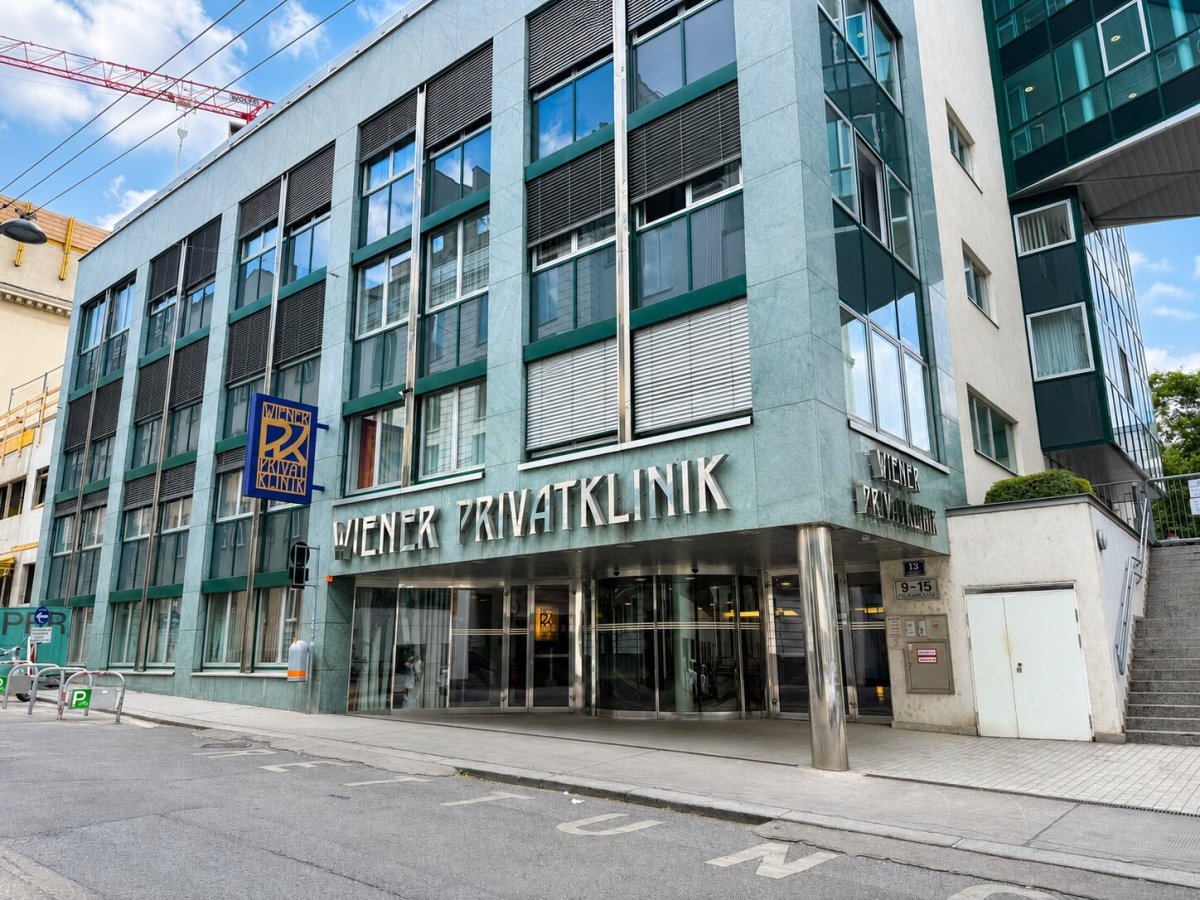
رؤية خبراء Bookimed: بالنسبة للحالات المعقدة، يوفر اختيار المتخصصين التابعين للجامعات أعلى دقة تشخيصية. أجرى الدكتور كامل كوبتي في عيادة فيينا الخاصة (Wiener Privatklinik) أكثر من 28,000 إجراء تنظيري، مما يضمن سلامة الخبراء. يجب على المرضى الذين يبحثون عن رعاية متعددة التخصصات التفكير في مستشفى فيينا العام (AKH)، الذي يعالج 595,000 مريض سنوياً. وفي حين توفر العيادات الخاصة مثل دوبلينغ (Döbling) راحة فائقة، فإن رؤساء الأقسام الجامعيين مثل سيباستيان شوبمان مثاليون لأورام المريء والمعدة. تتوفر التشخيصات المتقدمة بما في ذلك تنظير الكبسولة بسهولة في المراكز المتخصصة في غراتس وفيينا.
اكتشف أفضل الاورام الحميدة في الجهاز الهضمي العيادات في النمسا: 4 خيارات معتمدة والأسعار



Vienna General Hospital (AKH)
Sebastian Schoppmann



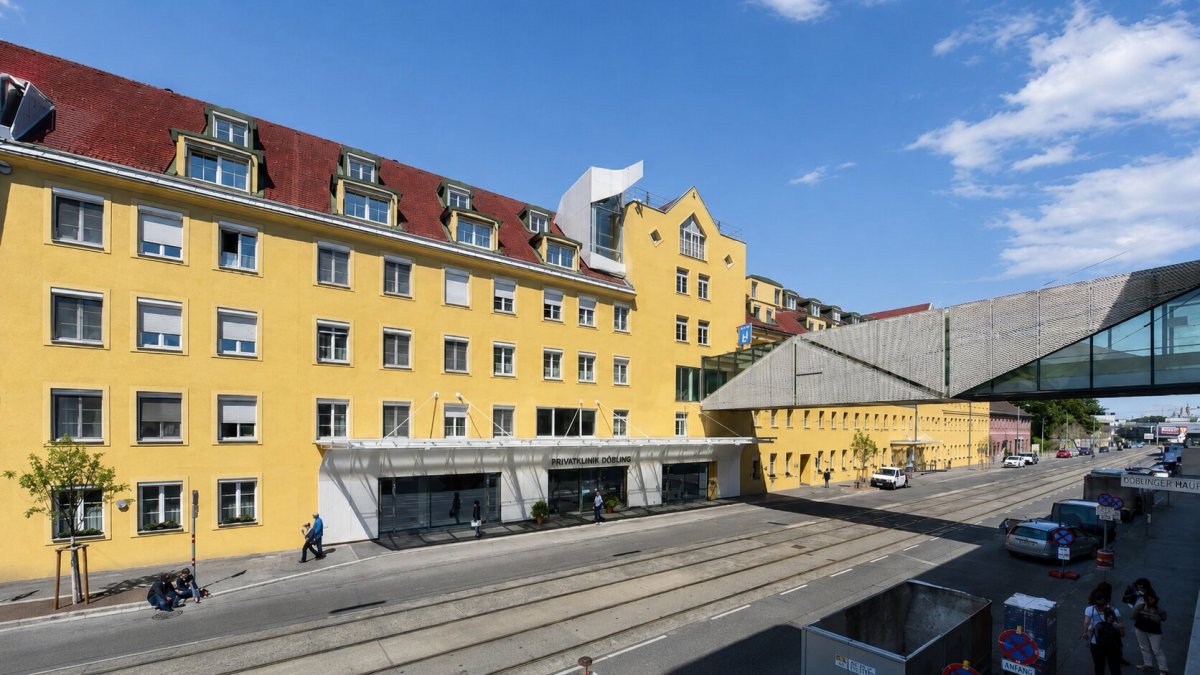

Leech Private Clinic
احصلوا على تقييم طبي لـ الاورام الحميدة في الجهاز الهضمي في النمسا: استشيروا أطباء ذوي خبرة الآن
عرض جميع الأطباء
Camel Kopty
يتخصص الدكتور كامل قبطي في الطب الباطني والأورام، مع التركيز على العلاجات المتقدمة في عيادة فيينا الخاصة (Wiener Privatklinik) في فيينا.
- تخرج من جامعة فيينا الطبية
- متخصص في أمراض الدم والأورام
- خبير في العلاج الكيميائي والعلاج الموجه والعلاج المناعي
- يؤكد على الرعاية الشاملة والداعمة للمرضى
Sebastian Schoppmann
يرأس الدكتور شوبمان وحدة أورام الجهاز الهضمي والمريء في مستشفى فيينا العام، وهو مركز رائد لجراحة الجهاز الهضمي. وقد ألف أكثر من 240 مقالاً متخصصاً.
- رئيس قسم جراحة الجهاز الهضمي العلوي في جامعة فيينا الطبية
- الباحث الرئيسي لمجموعة أبحاث الجهاز الهضمي العلوي
- الأمين العام للجمعية النمساوية لجراحة الأورام
- أخصائي في جراحة الجهاز الهضمي العلوي منذ عام 2007
مشاركة المحتوى
قصص فيديو من مرضى Bookimed
 Anna Leonova
أسئلة متكررة حول علاج الاورام الحميدة في الجهاز الهضمي في النمسا
كيف يتم علاج الأورام الحميدة في الجهاز الهضمي عادةً في العيادات النمساوية؟
في العيادات النمساوية، تُعالج سلائل الجهاز الهضمي باستخدام تقنيات تنظيرية طفيفة التوغل، مثل استئصال السليلة أو استئصال الغشاء المخاطي. ويقوم الأخصائيون عادةً بإزالة السلائل أثناء تنظير القولون أو المعدة الروتيني. وتُستخدم في هذه الإجراءات أدوات مرنة أو ملقط تحت التخدير. وتتيح هذه الطريقة الإزالة دون الحاجة إلى جراحة مفتوحة.
- الاستئصال بالمنظار: يستخدم الجراحون أدوات مرنة لإزالة الأورام الحميدة أثناء إجراءات الفحص.
- بروتوكول التخدير: تتضمن الإجراءات عادةً التخدير الواعي باستخدام البروبوفول لضمان راحة المريض.
- معايير السلامة: تلتزم المستشفيات مثل مستشفى فيينا العام بمعايير المنظمة الدولية للتوحيد القياسي (ISO) عند إجراء عمليات التنظير الداخلي.
- التحليل النسيجي: يقوم الأخصائيون بإرسال جميع الأنسجة المستأصلة إلى المختبر لإجراء خزعة للكشف عن الأورام الخبيثة.
رأي خبراء بوكيميد: يجمع جراحو الأحشاء ذوو الخبرة، مثل الدكتور سيباستيان شوبمان من مستشفى فيينا العام، بين خبرة جامعية واسعة وخدمات متخصصة في جراحة الجهاز الهضمي العلوي. تُظهر بياناتنا أن العيادات النمساوية الرائدة تُعالج أكثر من 595,000 مريض سنويًا. يُمكّن هذا العدد الكبير من المرضى المراكز من الحفاظ على معدلات المضاعف
هل عملية إزالة الزوائد اللحمية مؤلمة؟
إزالة الزوائد اللحمية عملية غير مؤلمة في الغالب، حيث يُجريها الأطباء تحت التخدير الموضعي أو العام أثناء التنظير. لا تحتوي الغشاء المخاطي للجهاز الهضمي على نهايات عصبية تستشعر الإحساس بالقطع أو الحرق، لذا يشعر المرضى عادةً بضغط أو حركة خفيفة فقط. يوفر التخدير الموضعي الراحة أو النعاس أثناء العملية.
- تسكين الألم: التخدير الموضعي أو التخدير العام يمنع الألم أثناء العملية.
- الغشاء المخاطي للجهاز الهضمي: يفتقر هذا النسيج إلى المستقبلات التي تسمح للمرء باستشعار إزالة الزوائد اللحمية.
- الشعور بعدم الراحة بعد العملية: قد يعاني المرضى من انتفاخ مؤقت أو غازات.
- فترة التعافي: في معظم الحالات، يزول التقلص الخفيف في غضون 24-48 ساعة.
رأي خبراء بوكيمد: على الرغم من قلق المرضى بشأن الألم أثناء العملية، إلا أن المراكز النمساوية مثل مستشفى دوبلينغ الخاص تُشير إلى معدلات مضاعفات أقل بكثير من المتوقع. ويعود هذا المستوى العالي من الأمان غالبًا إلى التقنيات المتقدمة المستخدمة في العيادات الخاصة. ومن المثير للاهتمام أن تكلفة باقات إزالة سلائل المعدة في النمسا تتراوح بين 5000 و8000 دولار أمريكي. وغالبًا ما تتضمن هذه الباقات فحصًا تشخيصيًا أكثر شمولًا قبل العملية مقارنةً بالعيادات الخارجية ال
ما هي المخاطر الطبية الرئيسية المرتبطة باستئصال الزوائد اللحمية؟
تُعدّ عملية استئصال الزوائد اللحمية آمنة بشكل عام، ولكنها تنطوي على مخاطر مثل النزيف، الذي يحدث في 1.6% من الحالات. ويحدث ثقب في الجهاز الهضمي في حوالي 0.1-0.3% من حالات تنظير القولون. كما يمكن أن تُسبب متلازمة ما بعد استئصال الزوائد اللحمية التهابًا موضعيًا وألمًا نتيجةً للتلف الحراري العميق الناجم عن التخثير الكهربائي.
- خطر النزيف: قد يحدث النزيف فوراً أو يتأخر لمدة تصل إلى 14 يوماً بعد العملية.
- ثقب الأعضاء: في حالات نادرة، قد تتطلب التمزقات في جدار الأمعاء استخدام مشابك أو إجراء جراحة.
- الحروق عبر الجدار: يمكن أن يتسبب الكي الكهربائي العميق في حدوث حمى وألم شديد في البطن دون حدوث ثقب.
- ردود الفعل المهدئة: قد يعاني المرضى من غثيان مؤقت أو تغيرات في ضغط الدم بسبب التخدير.
رأي خبراء بوكيميد: تُشير المراكز النمساوية الرائدة، مثل مستشفى دوبلينغ الخاص، إلى انخفاض معدلات المضاعفات بشكل ملحوظ مقارنةً بالمتوسط. تُظهر البيانات أن المراكز الكبيرة، مثل مستشفى فيينا العام (AKH)، تُعالج 595,000 مريض سنويًا. غالبًا ما يرتبط هذا العدد الكبير من المرضى بإدارة أكثر كفاءة لعمليات استئصال الأورام الحميدة المعقدة. ويضمن اختيار المرافق الحاصلة على شهادتي JCI وISO الالتزام الصارم بأهداف
ماذا لو أظهرت الفحوصات المخبرية أن الورم الحميد خبيث؟
غالباً ما يشير اكتشاف السرطان في الزوائد اللحمية إلى مرحلة مبكرة من المرض، حيث يمكن أن يؤدي استئصالها وحده إلى الشفاء. وتعتمد النتائج على تقرير علم الأمراض، الذي يوضح بالتفصيل حدود الورم، ودرجة خباثة الخلايا، وعمق التوغل. أما الأورام الصغيرة منخفضة الدرجة ذات الحواف الواضحة، فلا تتطلب عادةً سوى المتابعة الدورية بالتنظير القولوني.
- تقييم هامش الاستئصال: تشير الهوامش النظيفة إلى أن العملية قد نجحت على الأرجح في إزالة جميع الأنسجة السرطانية.
- تصنيف الخلايا: تنمو الخلايا منخفضة الدرجة ببطء، مما يقلل من خطر انتشارها بعد إزالتها.
- عمق الغزو: السرطان المقتصر على رأس الورم الحميد لديه معدل بقاء مرتفع.
- تحديد مرحلة المرض بشكل أكبر: في حالة وجود تغيرات مرضية واضحة، قد يكون من الضروري إجراء فحص بالأشعة المقطعية أو تحديد علامات الورم CEA في الدم.
رأي خبراء بوكيمد: يُعدّ التنسيق بين علم الأمراض والجراحة أحد أهمّ مزايا النمسا. فالمراكز المتخصصة، مثل مستشفى فيينا العام (AKH)، تُدمج معاهد علم الأمراض مباشرةً في هيكل المستشفى، مما يضمن التقييم السريع لهوامش الورم. ويمكن للمرضى الانتقال بسرعة من تنظير القولون التشخيصي إلى جراحة الأحشاء المتخصصة على يد أطباء مثل الدكتور سيباستيان شوبمان
كم مرة سأحتاج إلى فحوصات متابعة بعد إزالة الزوائد اللحمية في النمسا؟
في النمسا، يعتمد تواتر فحوصات المتابعة على فئة الخطورة، وفقًا لتوصيات الجمعية الأوروبية لتنظير الجهاز الهضمي (ESGE). يحتاج المرضى ذوو الخطورة المنخفضة عادةً إلى فحص كل 10 سنوات. أما المرضى ذوو الخطورة العالية، عند اكتشاف سلائل كبيرة أو متعددة، فيحتاجون عادةً إلى تنظير القولون للمتابعة كل 3 سنوات.
- فترة الخطر المنخفض: فحص روتيني كل 10 سنوات للكشف عن 1-4 أورام غدية صغيرة.
- معايير الخطورة العالية: متابعة لمدة ثلاث سنوات للزوائد اللحمية التي يزيد حجمها عن 10 مم أو التي تحتوي على خلل التنسج عالي الدرجة.
- الحالات المعقدة: فحوصات متابعة قصيرة المدى في غضون 3-6 أشهر لعمليات الاستئصال الواسعة والمجزأة.
- تخفيف متطلبات المتابعة: يمكن تمديد الفترات إلى 5 سنوات بعد تحديد حدث واحد عالي الخطورة أثناء المتابعة.
رأي خبراء بوكيمد: بينما يتوقع الكثيرون إجراء فحوصات سنوية، تلتزم المراكز النمساوية، مثل مستشفى فيينا العام (AKH) ومستشفى دوبلينغ الخاص، التزامًا صارمًا بالفترات الزمنية التي يحددها قسم علم الأمراض. يعالج مستشفى فيينا العام حوالي 600,000 مريض سنويًا، مستخدمًا مختبراته الخاصة لإجراء تشخيصات نسيجية سريعة. يضمن هذا الحجم الكبير من العمل أن تستند خطط المتابعة إلى تحليل دقيق للأنسجة
ما الذي يجب تناوله مباشرة بعد إزالة ورم حميد في الجهاز الهضمي؟
بعد استئصال سلائل الجهاز الهضمي، ينبغي على المرضى تناول أطعمة قليلة الدسم، لينة، وسهلة الهضم لمدة تتراوح بين 24 و48 ساعة. وتوصي العيادات النمساوية باتباع نظام غذائي قليل الألياف لتجنب تهيج موضع الجرح. ولضمان التعافي الآمن من التخدير وتحضير الأمعاء، ينبغي على المرضى الحرص على تناول كميات كافية من السوائل ووجبات صغيرة.
- مصادر البروتين الآمنة: تناول البيض المخفوق بدون دهون أو السمك الأبيض المطهو على البخار.
- النشويات المكررة: اختر الخبز الأبيض المحمص، أو البسكويت، أو الأرز العادي، أو البطاطس المهروسة بدون قشر.
- الفواكه الطرية: لتجنب التهيج، تناول الموز الناضج أو صلصة التفاح أو الخوخ المعلب بدون قشر.
- الترطيب: اشرب الماء ومحاليل الإلكتروليت والشاي العشبي لتعويض السوائل المفقودة.
رأي خبراء بوكيميد: تشمل مؤشرات الجودة في طب الجهاز الهضمي النمساوي عادةً وجود عدد كبير من الأخصائيين في كل منشأة طبية. يضم مستشفى فيينا العام (AKH) 1600 طبيب ضمن شبكته السريرية الواسعة. يضمن هذا الحجم من العمل إجراء عمليات استئصال الزوائد اللحمية المعقدة على يد جراحين ذوي خبرة واسعة في كل من جراحات الجهاز الهضمي العلوي والسفلي.
ملاحظات المرضى:
لماذا يختار المرضى الأجانب النمسا لعلاج سلائل الجهاز الهضمي؟
يختار المرضى الدوليون النمسا لعلاج سلائل الجهاز الهضمي لما تتمتع به من ممارسات تنظيرية متخصصة وأمان عالٍ. وتُعطي العيادات الأولوية للتقنيات طفيفة التوغل، مثل استئصال الغشاء المخاطي بالمنظار وفصل الطبقة تحت المخاطية. وتحافظ هذه العيادات على معدل منخفض للثقب (أقل من 0.1%)، كما يضمن استخدام أنظمة التصوير عالية الدقة نسبة نجاح تصل إلى 95%.
- التخصص: يتخصص جراحون مثل الدكتور سيباستيان شوبمان تحديداً في جراحة الجهاز الهضمي العلوي.
- الدقة السريرية: غالبًا ما يقوم أخصائيو التنظير الداخلي بإجراء أكثر من 200 عملية تنظير للقولون تحت إشراف متخصصين قبل إجراء عمليات مستقلة.
- سلامة المريض: يتم إجراء التخدير بواسطة أطباء تخدير مؤهلين، مما يسمح لأخصائي أمراض الجهاز الهضمي بالتركيز على التخطيط.
- التشخيص الحديث: يتم استخدام التنظير الكبسولي والتحليل الكيميائي الحيوي في العيادات لإجراء فحص دقيق للزوائد اللحمية للمرضى الخارجيين.
رأي خبراء بوكيمد: تتميز النمسا ببنية تحتية طبية هجينة فريدة تجمع بين الإمكانيات الأكاديمية الهائلة وراحة العيادات الخاصة. يعالج مستشفى فيينا العام (AKH) حوالي 600 ألف مريض سنويًا، ويضم 42 معهدًا جامعيًا. في الوقت نفسه، توظف العيادات الخاصة، مثل عيادة فيينا الخاصة (