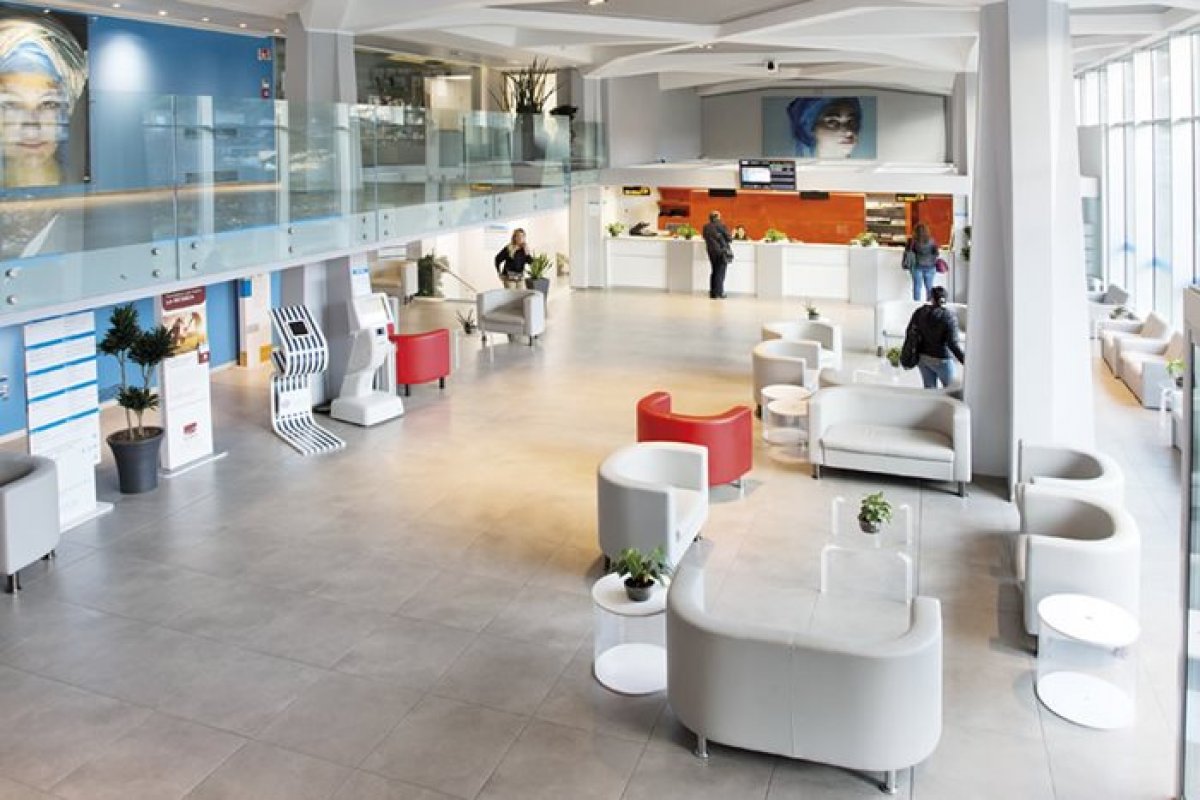
La Madonnina Clinic
إيطاليا,


تمت مراجعة المقالة طبيا من قبل
فهد مولود
Bookimed لا يضيف رسوماً إضافية على أسعار علاج المريء باريت. الأسعار مأخوذة من قوائم الأسعار الرسمية للعيادات. تدفع مباشرة في العيادة مقابل علاجك عند وصولك إلى البلد.
Bookimed ملتزم بسلامتك. نحن نعمل فقط مع المؤسسات الطبية التي تحافظ على معايير دولية عالية في علاج المريء باريت ولديها التراخيص اللازمة لخدمة المرضى الدوليين في جميع أنحاء العالم.
Bookimed يقدم مساعدة خبراء مجانية. منسق طبي شخصي يدعمك قبل وأثناء وبعد العلاج، ويحل أي مشاكل. لن تكون وحيداً أبداً في رحلة علاج المريء باريت.

 Anna Leonova
تشمل المراكز الإيطالية المتخصصة في مريء باريت مستشفى IRCCS Ospedale San Raffaele ومستشفى Gemelli الجامعي. توفر هذه المرافق تنظيرًا داخليًا تداخليًا وعلاجًا ببالون التجميد (cryoablation). تقود مستشفيات الأبحاث الكبرى في ميلانو وروما الجهود الوطنية في الاستئصال بالترددات الراديوية بالمنظار والإدارة الجراحية طفيفة التوغل.
رؤية خبراء Bookimed: تظهر البيانات أن مستشفى Maria Cecilia يعالج 9000 مريض سنويًا ويحافظ على اعتماد اللجنة الدولية المشتركة. غالبًا ما يرتبط هذا الاعتماد ببروتوكولات علم الأمراض الموحدة. يجب على المرضى إعطاء الأولوية لهذه المراكز المعتمدة لأن علاج مريء باريت يتطلب مراجعات دقيقة للغاية لعلم الأمراض لتحديد خلل التنسج بدقة.
إجماع المرضى: يؤكد المرضى على أهمية العثور على مراكز يتم فيها إدارة المراقبة التشخيصية والاستئصال والجراحة تحت سقف واحد. يلاحظ المراجعون الخبراء أن جودة نتائج الخبراء أن جودة نتائج الخزعة تعتمد بشكل كبير على الخبرة المحددة لأخصائي علم الأمراض الهضمية.
تقدم المراكز الإيطالية المتخصصة علاجات تنظيرية متقدمة لمرئ باريت خلل التنسج وفقًا لإرشادات الجمعية الأوروبية للتنظير الهضمي (ESGE). يقوم أطباء الجهاز الهضمي في العيادات المتخصصة بإجراء استئصال الغشاء المخاطي بالتنظير (EMR)، والاستئصال بالترددات الراديوية (RFA)، واستئصال تحت المخاطية بالتنظير (ESD) للقضاء على الأنسجة ما قبل السرطانية مع الحفاظ على وظيفة المريء.
رؤية خبير Bookimed: تظهر البيانات أن المرافق الرائدة في إيطاليا، مثل مستشفى ماتير أولبيا، تعمل غالبًا كمراكز تميز من خلال الجمع بين الخبرة من شبكات جامعية رفيعة المستوى. يسمح هذا التكامل للمرضى بالوصول إلى فرق متعددة التخصصات متخصصة في العلاج المتسلسل—إجراء الاستئصال قبل الاستئصال في نفس المرفق. يضمن اختيار هذه المراكز المتكاملة انتقالًا سلسًا بين التشخيص المرحلي والاستئصال العلاجي.
إجماع المرضى: يشير المرضى إلى أن الاستئصال غالبًا ما يكون عملية تتطلب جلسات متعددة بدلاً من زيارة واحدة. ويؤكدون على اختيار مراكز ذات حج
تغطي الخدمة الصحية الوطنية الإيطالية (SSN) علاج مريء باريت بالكامل للمقيمين القانونيين من خلال نظام الإحالة. يفتقر الزوار لفترات قصيرة عمومًا إلى التغطية الروتينية. يجب على السياح من خارج الاتحاد الأوروبي دفع التكاليف الكاملة من جيبهم الخاص في عيادات مثل Ospedale San Carlo di Nancy ما لم تكن هناك حالة طارئة.
رؤية خبير Bookimed: على الرغم من أن المستشفيات العامة تقدم رعاية عالية الجودة، إلا أن أوقات الانتظار للمراقبة الهضمية غير العاجلة يمكن أن تكون كبيرة. لتجنب التأخير، يستخدم العديد من المرضى عيادات خاصة مثل عيادة La Madonnina في ميلانو. توفر هذه المراكز مسارات تشخيصية فعالة دون طوابير الانتظار العامة الطويلة الموجودة في نظام SSN.
إجماع المرضى: يشير المرضى إلى أنه على الرغم من إمكانية الوصول إلى رعاية الطوارئ، يجب عليك إحضار جميع تقارير علم الأمراض السابقة إلى المتخصصين. يؤكد معظمهم أن الفحوصات والخزعات المجدولة نادرًا ما تكون مجانية للزوار وتتطلب دفعًا مقدمًا.
تعتمد جداول تنظير المراقبة على درجة خلل التنسج الأولية بعد تحقيق الاستئصال الكامل للحؤول المعوي. تتطلب حالات خلل التنسج عالي الدرجة إجراء فحوصات في الأشهر 6 و12 و18 و24 قبل الانتقال إلى الفحوصات السنوية. عادة ما يتبع خلل التنسج منخفض الدرجة جدولاً زمنياً أوسع في السنوات 1 و2 و4.
رؤية خبير Bookimed: تعطي المراكز الإيطالية مثل Ospedale San Carlo di Nancy وMaria Cecilia Hospital الأولوية لبروتوكولات الفحص متعددة التخصصات. في حين تقترح المبادئ التوجيهية فترات زمنية موحدة، تظهر بياناتنا أن العيادات غالباً ما تخصص الجداول الزمنية بناءً على أحجام مرضاها الهائلة. على سبيل المثال، يخدم San Carlo di Nancy 15000 مريض داخلي سنوياً. عادة ما تستخدم هذه المرافق ذات السعة العالية هذه الأحجام الكبيرة لتحسين توقيت المراقبة بناءً على نتائج علم الأمراض الفردية للمريض بدلاً من مجرد اتباع تقويم واحد يناسب الجميع.
إجماع المرضى: يشير المرضى إلى أنه من المهم إدراك أن المراقبة تستمر حتى بعد إجراء ناجح. يوصي الكثيرون بالحصول على جدول زمني مكتوب لتتبع ما إذا كانت المتابعات تعتمد على علامات خلل التنسج منخفض أو عالي الدرجة.
تحافظ مراكز التشخيص الإيطالية على امتثال عالٍ للمعايير الدولية لإدارة مريء باريت. يتبع حوالي 78% من الأطباء الإيطاليين مبادئ الجمعية الأوروبية للتنظير الهضمي (ESGE). وهم يفضلون علاجات الاستئصال بالمنظار على الجراحة الغازية. تطبق المراكز المتخصصة نظام تصنيف براغ بصرامة لضمان رسم خرائط دقيق.
رؤية خبير Bookimed: تُظهر رعاية الجهاز الهضمي الإيطالية تفضيلًا قويًا للبيئات الأكاديمية متعددة التخصصات على المرافق المحلية. تخدم المستشفيات الكبيرة مثل مستشفى أوسبيدالي سان كارلو دي نانسي 15000 مريض سنويًا. تُظهر هذه المراكز ذات الحجم الكبير عادةً التزامًا متفوقًا ببروتوكولات الخزعة الصارمة المكونة من 4 أرباع. تعد هذه الخبرة القائمة على الحجم أمرًا بالغ الأهمية لتحديد مرحلة خلل التنسج بدقة.
تعالج جراحة تثنية القاع المضادة للارتجاع أعراض الارتجاع المعدي المريئي الشديدة بفعالية، لكنها لا تستطيع علاج مريء باريت أو القضاء على خطر الإصابة بالسرطان. فهي تستعيد الحاجز المادي ضد ارتجاع الحمض. ومع ذلك، فهي لا تعكس التغيرات الخلوية بشكل موثوق. يجب على المرضى الاستمرار في المراقبة التنظيرية المنتظمة والخزعات بعد الإجراء.
رؤية خبراء Bookimed: تخدم المراكز الإيطالية مثل مستشفى سان كارلو دي نانسي ومستشفى ماريا سيسيليا ما بين 9000 إلى 14000 مريض سنوياً. غالباً ما تؤدي أحجام المرضى الكبيرة إلى كفاءة عالية في استخدام نظام دافنشي الروبوتي. توفر هذه التقنية للجراحين رؤية ثلاثية الأبعاد. تساعد هذه الدقة في ضمان أن يكون الغلاف صحيحاً من الناحية التشريحية، مما يتحكم بشكل أفضل في أعراض الارتجاع على المدى الطويل.
إجماع المرضى: يشير المرضى إلى أن الشعور بالتحسن بعد الجراحة قد يكون مضللاً. ويؤكدون أن تنظير المتابعة المنتظم لا يزال حيوياً لأن تخفيف الأعراض لا يعني أن الأنسجة غير الطبيعية قد اختفت.<
يتطلب علاج مريء باريت في إيطاليا نظاماً يومياً بجرعات عالية من مثبطات مضخة البروتون (PPI). يتبع المرضى عادةً جدولاً مرتين يومياً لقمع إنتاج الحمض ومنع تطور السرطان. يعطي الأطباء الإيطاليون الأولوية لجرعات المساء للتحكم في الارتجاع الليلي أثناء التعافي بالمنظار أو المراقبة طويلة الأمد.
رؤية خبير Bookimed: غالباً ما تدمج مراكز التميز الإيطالية مثل مستشفى ماريا سيسيليا رؤى متقدمة في أمراض القلب والجهاز الهضمي. هذا مهم لأن مثبطات مضخة البروتون يمكن أن تتداخل أحياناً مع أدوية القلب والأوعية الدموية. تستخدم العيادات الإيطالية الرائدة فرقاً متعددة التخصصات لضمان أن قمع الحمض بجرعات عالية لا يضر بالعلاجات المزمنة الأخرى.
إجماع المرضى: يشير المرضى إلى أن اتباع توقيت صارم للوجبات لا يقل أهمية عن الدواء نفسه. وجد الكثيرون أن مضادات الحموضة الإسعافية توفر راحة أساسية للأعراض المفاجئة خلال الأسابيع الأولى من العلاج.