علاج الاورام الحميدة في الجهاز الهضمي في تايلاند: 5 مستشفيات


تمت مراجعة المقالة طبيا من قبل
فهد مولود
ما هي تكلفة الاورام الحميدة في الجهاز الهضمي إجراءات التشخيص والعلاج في تايلاند؟ اعرف الآن
من $900 / 30,600฿. وتبلغ تكلفة تنظير المعدة التشخيصي القياسي ما بين $350 / 11,900฿ إلى $520 / 17,700฿، بينما تتراوح تكلفة تنظير القولون مع إزالة السلائل ما بين السعر عند الطلب إلى السعر عند الطلب. تعتمد النفقات الإجمالية على حجم السلائل وعددها وموقعها. وغالباً ما يجد المرضى الدوليون توفيراً بنسبة 40-60% مقارنة بالولايات المتحدة. وتشمل المراكز الطبية الرائدة بانكوك وباتايا.
تكاليف علاج سلائل الجهاز الهضمي النموذجية في تايلاند
- استشارة طبيب أمراض الجهاز الهضمي: $70 / 2,400฿ – $130 / 4,400฿
- تنظير المعدة: $350 / 11,900฿ – $520 / 17,700฿
- تنظير القولون مع خزعة: $550 / 18,700฿ – $950 / 32,300฿
- تنظير الكبسولة: $1,600 / 54,400฿ – $2,800 / 95,200฿
- تحليل الدم الكيميائي الحيوي: من $150 / 5,100฿
- تحليل الدم الموسع: من $100 / 3,400฿
- تخطيط تخثر الدم: $30 / 1,000฿ – $50 / 1,700฿
- تخطيط كهربائية القلب (ECG): $19 / 650฿ – $50 / 1,700฿
- إزالة سلائل المعدة: من $900 / 30,600฿
- تنظير القولون مع إزالة السلائل: السعر عند الطلب
رؤية خبير Bookimed: بالنسبة للحالات المعقدة، توفر المراكز المعتمدة من اللجنة الدولية المشتركة (JCI) مثل مستشفى بامرونجراد الدولي قيمة فائقة من خلال التصوير الرقمي المتقدم. يجب على المرضى الذين يحتاجون إلى رعاية متخصصة البحث عن خبراء مثل الدكتور بيتشاي كيتيبانياووراكول، وهو أخصائي كبد تدرب في جامعة ماهيدول. إذا كنت بحاجة إلى فحوصات روتينية، يوفر مستشفى سيكارين خدمات أمراض الجهاز الهضمي ذات الحجم الكبير والمصممة خصيصاً للمرضى الدوليين. كما توفر المرافق في باتايا، مثل مستشفى بانكوك باتايا، معايير تشخيصية عالية المستوى للمسافرين إلى المناطق الساحلية.
| تايلاند | تركيا | إسبانيا | |
|---|---|---|---|
| ازالة الاورام الحميدة في المعدة | من $900 / 30,600฿ | من $450 / 15,300฿ | من $3,500 / 119,000฿ |
مزاياك وضماناتك مع Bookimed
أسعار مباشرة
Bookimed لا يضيف رسوماً إضافية على أسعار علاج الاورام الحميدة في الجهاز الهضمي. الأسعار مأخوذة من قوائم الأسعار الرسمية للعيادات. تدفع مباشرة في العيادة مقابل علاجك عند وصولك إلى البلد.
عيادات وأطباء معتمدون فقط
Bookimed ملتزم بسلامتك. نحن نعمل فقط مع المؤسسات الطبية التي تحافظ على معايير دولية عالية في علاج الاورام الحميدة في الجهاز الهضمي ولديها التراخيص اللازمة لخدمة المرضى الدوليين في جميع أنحاء العالم.
مساعدة مجانية على مدار الساعة
Bookimed يقدم مساعدة خبراء مجانية. منسق طبي شخصي يدعمك قبل وأثناء وبعد العلاج، ويحل أي مشاكل. لن تكون وحيداً أبداً في رحلة علاج الاورام الحميدة في الجهاز الهضمي.

منسقك الطبي الشخصي في Bookimed
- يدعمك في كل مرحلة
- المساعدة في اختيار العيادة الطبية المناسبة والطبيب المناسب
- يضمن الوصول السريع والمريح إلى المعلومات
اكتشف أفضل الاورام الحميدة في الجهاز الهضمي العيادات في تايلاند: 5 خيارات معتمدة والأسعار
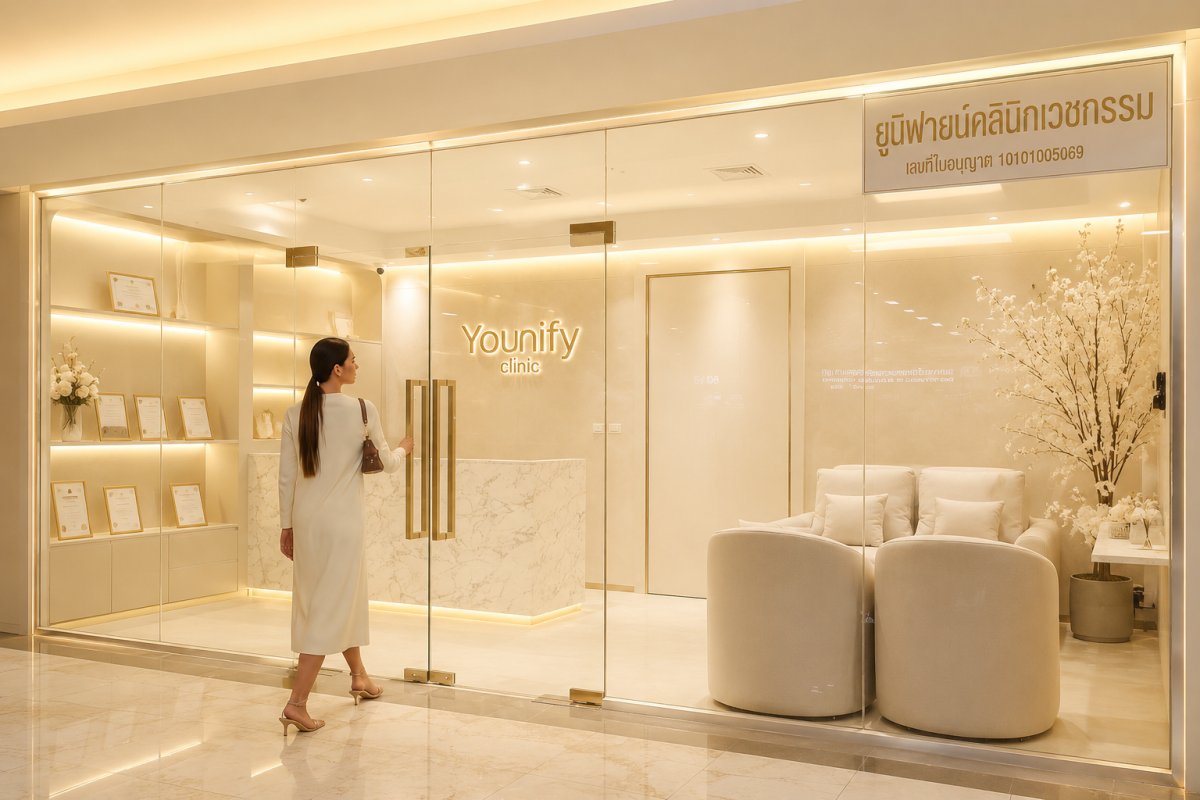






MedConsult Bangkok Medical Clinic
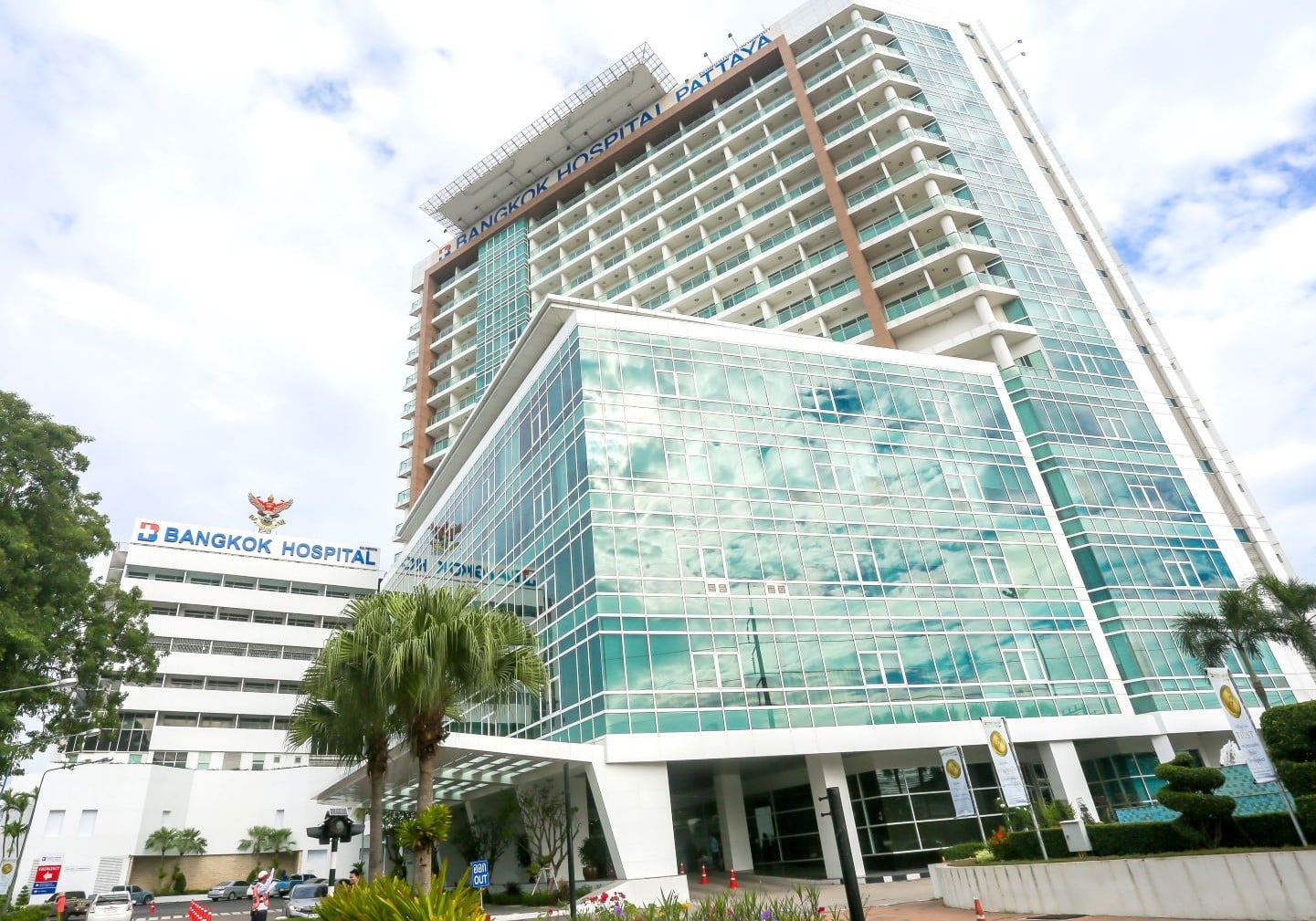


احصلوا على تقييم طبي لـ الاورام الحميدة في الجهاز الهضمي في تايلاند: استشيروا أطباء ذوي خبرة الآن
عرض جميع الأطباء
Pichai Kittipanyaworakul
Pichai Kittipanyaworakul، دكتور في الطب (M.D.)، طبيب باطني متخصص في أمراض الجهاز الهضمي والكبد.
التعليم: دكتور في الطب (M.D.)، كلية الطب، جامعة تشيانغ ماي.
الاعتمادات: دبلوم في الطب الباطني، مستشفى تشولالونغكورن التذكاري، جمعية الصليب الأحمر التايلاندي. دبلوم في الطب الباطني (أمراض الجهاز الهضمي والكبد)، كلية الطب بمستشفى راماثيبودي، جامعة ماهيدول.
مشاركة المحتوى
قصص فيديو من مرضى Bookimed
 Anna Leonova
أسئلة متكررة حول علاج الاورام الحميدة في الجهاز الهضمي في تايلاند
ما هو العلاج القياسي لزوائد الجهاز الهضمي في تايلاند؟
العلاج القياسي لزوائد الجهاز الهضمي في تايلاند هو الاستئصال بالمنظار أثناء تنظير القولون أو المعدة. تستخدم العيادات المتخصصة في بانكوك وباتايا استئصال السليلة لاستئصال الزوائد فوراً. هذا النهج يمنع سرطان القولون والمستقيم بفعالية ويضمن التعافي السريع في غضون 24 ساعة.
- استئصال السليلة بالمنظار: يستخدم الجراحون حلقة سلكية لإزالة الزوائد أثناء الفحص.
- تقنيات الإزالة: تشمل الطرق الخزعة الساخنة، والخزعة الباردة، واستئصال الحلقة للنموات الأكبر.
- التأكيد التشخيصي: تخضع الأنسجة المستأصلة لاختبارات الأمراض لتحديد ما إذا كانت سرطانية.
- المعايير السريرية: تتبع المرافق المعتمدة مثل مستشفى بامرونجراد الدولي بروتوكولات JCI للتنظير.
رؤية خبير Bookimed: تجذب تايلاند الحالات المعقدة لأن مراكز مثل بامرونجراد الدولي ومستشفى بانكوك باتايا تدمج التصوير الرقمي المتقدم والمساعدة الروبوتية. مع وجود أكثر من 1300 طبيب في مواقع واحدة، توفر هذه المستشفيات غالباً نتائج الأمراض بشكل أسرع من العيادات الإقليمية الأصغر. إذا كان لديك تاريخ عائلي من الزوائد، فإن اختيار منشأة معتمدة من JCI في بانكوك يضمن الوصول إلى برامج مراقبة متخصصة لا توجد عادة إلا في المراكز الأكاديمية الغربية الكبرى.
إجماع المرضى: يشير المرضى إلى أنه من الضروري التأكد من أن المستشفى لديه مختبر أمراض في الموقع للحصول على نتائج سريعة. يوصي الكثيرون بالسؤال عن نوع الزائدة المحدد، مثل الغدية أو المسننة، لتخطيط مراقبة المتابعة.
هل المستشفيات التايلاندية مؤهلة لإجراء استئصال السلائل المتقدم؟
المستشفيات التايلاندية الرائدة مؤهلة تأهيلاً عالياً لإجراء عمليات استئصال السلائل المتقدمة باستخدام تقنيات مثل استئصال الغشاء المخاطي بالتنظير والتشريح تحت المخاطي. مراكز بانكوك حاصلة على اعتماد اللجنة الدولية المشتركة وتستخدم التصوير بمساعدة الذكاء الاصطناعي من أجل الدقة. تحافظ المرافق الرائدة على وحدات تنظير تدخلي مخصصة لإجراءات الجهاز الهضمي المعقدة.
- التقنيات المتاحة: يقوم المتخصصون بإجراء عمليات التشريح تحت المخاطي بالتنظير وإجراءات استئصال السلائل الكبيرة.
- التركيز التكنولوجي: تستخدم المرافق تقنية التصوير ذو النطاق الضيق (NBI) ومناظير داخلية بمساعدة الذكاء الاصطناعي لتحليل الأنسجة.
- اعتمادات المستشفيات: تحافظ مؤسسات مثل بامرونجراد وسيكارين على المعايير الطبية للجنة الدولية المشتركة.
- تدريب المتخصصين: غالباً ما يحمل الأطباء دبلومات في أمراض الجهاز الهضمي من جامعتي ماهيدول أو شولالونجكورن.
رؤية خبير Bookimed: بينما تقدم العديد من العيادات فحوصات أساسية، اختر مراكز مثل بامرونجراد التي تعالج أكثر من 1,000,000 مريض سنوياً. يرتبط حجم المرضى المرتفع غالباً بنتائج أفضل في إجراءات التشريح تحت المخاطي بالتنظير المعقدة. قد تفتقر العيادات الأصغر إلى الدعم الجراحي في الموقع المطلوب إذا أظهرت سليلة كبيرة علامات الخباثة.
إجماع المرضى: يؤكد المرضى على اختيار المراكز التخصصية الكبيرة بدلاً من العيادات الصغيرة للإزالات المعقدة. ويقترحون التحقق من عدد الإجراءات المتقدمة التي يجريها منظار معين شهرياً قبل الحجز.
ماذا يحدث إذا تبين أن الزائدة اللحمية (البوليب) التي تمت إزالتها سرطانية؟
إن اكتشاف السرطان في زوائد لحمية تمت إزالتها يعني أنك في مرحلة مبكرة من المرض. يقوم أخصائيو علم الأمراض بفحص الحواف لمعرفة ما إذا كانت الأنسجة السليمة تحيط بالخلايا الخبيثة. إذا كانت الحواف نظيفة والخلايا ليست عدوانية، فقد تكون استئصال الزوائد اللحمية (polypectomy) هو العلاج الوحيد المطلوب للمرضى في تايلاند.
- حواف نظيفة: لا تظهر أي خلايا سرطانية عند حافة القطع للزائدة اللحمية التي تمت إزالتها.
- حواف إيجابية: قد تتطلب الخلايا السرطانية الموجودة بالقرب من الحافة جراحة استئصال جزئي للقولون.
- خصائص عدوانية: غالبًا ما يؤدي الغزو العميق أو الخلايا عالية الدرجة إلى عمليات استئصال جراحية إضافية.
- اختبارات تحديد المرحلة: يستخدم الأطباء التصوير المقطعي المحوسب (CT) أو الرنين المغناطيسي (MRI) للتحقق من انتشار المرض إلى الغدد الليمفاوية.
رؤية Bookimed: توفر المراكز التايلاندية الرائدة مثل مستشفى بامرونجراد الدولي ومستشفى سيكارين مختبرات علم أمراض معتمدة من اللجنة الدولية المشتركة (JCI) لتحليل دقيق للحواف. تظهر بياناتنا أن كبار أطباء الجهاز الهضمي مثل الدكتور بيتشاي كيتيبانياووراكول يقدمون مراجعات متعددة التخصصات للحالات المعقدة. وهذا يضمن عدم التوصية بالجراحة إلا إذا كانت ضرورية للغاية وفقاً لإرشادات تحديد المراحل الدولية.
إجماع المرضى: يلاحظ المرضى أن كلمة "سرطان" تبدو كارثية، لكن الكشف المبكر يؤدي عادةً إلى نتائج ممتازة. ويؤكدون على أهمية التحقق مما إذا كانت الإزالة قد تمت على مراحل أو كقطعة واحدة لفهم احتياجات المتابعة.
ما الذي يجب أن أتوقعه في يوم إزالة الزوائد اللحمية؟
في يوم إزالة الزوائد اللحمية في تايلاند، توقع إجراءً في العيادات الخارجية في نفس اليوم يستغرق من 30 إلى 60 دقيقة. ستخضع للتخدير قبل أن يستخدم الجراحون منظار القولون أو منظار الرحم للإزالة. يتعافى معظم المرضى في وحدة متخصصة لمدة ساعة قبل خروجهم.
- التحضير عند الوصول: يفحص الممرضون العلامات الحيوية ويضعون حقنة وريدية للسوائل والتخدير.
- استشارة الخبراء: يراجع أخصائيو أمراض الجهاز الهضمي مثل الدكتور بيشاي كيتيبانياووراكول التاريخ الطبي قبل الإجراء.
- التشخيص المتقدم: غالباً ما تجري المرافق المعتمدة من JCI تحليلات الدم وتخطيط القلب قبل البدء.
- المراقبة بعد العملية: يراقب الموظفون تعافيك لمدة 60 دقيقة مع تلاشي تأثير التخدير.
رؤية خبير Bookimed: تخدم المستشفيات التايلاندية مثل Bumrungrad International أكثر من مليون مريض سنوياً وتعطي الأولوية للكفاءة. تظهر بياناتنا أن المراكز ذات الحجم الكبير غالباً ما تجدول الخزعات التشخيصية بالتزامن مع الإزالات. هذا يمنع إجراءً ثانياً ويوفر تكاليف التخدير. تحقق دائماً مما إذا كان مرفقك يشمل السوائل قبل العملية في الحزمة القياسية.
إجماع المرضى: يجد العديد من المرضى أن الإجراء الفعلي أسهل بكثير من مرحلة التحضير. غالباً ما يلاحظون شعورهم بالترنح ولكن دون ألم مريح بسبب التخدير. من الضروري وجود مرافق لرحلة العودة إلى المنزل بعد الخروج.
كم مرة سأحتاج إلى تنظير متابعة بعد استئصال السليلة في تايلاند؟
تتراوح فترات التنظير للمتابعة بعد استئصال السليلة في تايلاند من 1 إلى 10 سنوات. يعتمد التوقيت على عدد وحجم وعلم أمراض الزوائد اللحمية التي تمت إزالتها. تتطلب السمات عالية المخاطر مثل 5 غدوم أو أكثر أو آفات تزيد عن 10 مم إجراءً متكرراً في غضون سنة إلى 3 سنوات.
- خطر منخفض: عادة ما تكون المتابعة 10 سنوات لـ 1-2 غدوم أنبوبي صغير أقل من 10 مم.
- خطر متوسط: تحدث المراقبة خلال 3-5 سنوات لـ 3-4 غدوم صغير أو زوائد لحمية مسننة.
- خطر مرتفع: يلزم إجراء تنظير متكرر خلال 3 سنوات للغدومات التي يزيد حجمها عن 10 مم.
- تحضير غير مثالي: قد يتطلب ضعف تنظيف الأمعاء إجراءً متكرراً في غضون عام واحد أو أقل.
رؤية خبير Bookimed: تحافظ أفضل المرافق في تايلاند مثل Bumrungrad International ومستشفى Sikarin على اعتماد JCI للسلامة. تظهر البيانات أن هذه المراكز تتعامل مع أكثر من مليون مريض سنوياً. يجب على المرضى الدوليين تأمين تقرير علم الأمراض الأصلي. هذه الوثيقة ضرورية لطبيبك في بلدك للتحقق مما إذا كان الاستئصال كاملاً.
إجماع المرضى: يشير المرضى إلى أن توقيت المتابعة يعتمد في الغالب على النتائج المختبرية النهائية للزائدة اللحمية. وهم يؤكدون على الاحتفاظ بسجلات واضحة حول كيفية إزالة الزائدة اللحمية لتجنب عمليات المسح المتكررة.
هل يتم إزالة الزوائد اللحمية في تايلاند تحت التخدير الموضعي أم التخدير العام؟
يتم إزالة الزوائد اللحمية في تايلاند بشكل أساسي تحت التخدير الوريدي الخاضع للمراقبة. يضمن هذا النهج راحة المريض وتسكين الآلام مع الحفاظ على التنفس الطبيعي. يُخصص التخدير العام للحالات المعقدة، بما في ذلك الزوائد اللحمية الكبيرة بشكل استثنائي أو الإجراءات التي تشمل بطانة الرحم أثناء تنظير الرحم.
- نوع التخدير: تستخدم المراكز عادةً التخدير الوريدي الخاضع للمراقبة لإزالة زوائد المعدة أو القولون الروتينية.
- المدة المعتادة: العلاج عبارة عن إجراء في العيادات الخارجية يسمح بالخروج في غضون بضع ساعات.
- الاستثناءات السريرية: يُستخدم التخدير العام لزوائد الجهاز الهضمي العميقة أو التي يصعب الوصول إليها.
- معايير الاعتماد: تُدار العملية من قبل مرافق معتمدة من اللجنة الدولية المشتركة (JCI) تستخدم فرق تخدير ذات خبرة.
رؤية خبير Bookimed: تحتل تايلاند المرتبة السابعة عالميًا في شبكتنا للطلبات الطبية. تعالج المراكز ذات الإقبال العالي مثل مستشفى سيكارين أكثر من 250,500 مريض سنويًا. يضمن هذا الحجم الهائل أن فرق الجهاز الهضمي لديها خبرة واسعة في استئصال الزوائد اللحمية تحت التخدير. تتراوح باقات إزالة زوائد المعدة في بانكوك عادةً بين 3,000 و 5,000 دولار أمريكي.
إجماع المرضى: يشير المرضى إلى أنهم غالبًا ما ينامون طوال العملية دون وعي. ويؤكدون أنه على الرغم من أن الأمر يبدو كنوم عميق، إلا أنه عادةً ما يكون تخديرًا قويًا وليس تخديرًا عامًا.